Support our educational content for free when you purchase through links on our site. Learn more


Youth engagement in community gardens isn’t just about planting seeds; it’s the most effective, hands-on method to cultivate future civic leaders, boost mental health, and bridge generational divides right now. When we hand the trowel to a teenager, we aren’t just growing vegetables; we are growing confidence, critical thinking, and a deep sense of belonging that textbooks simply cannot teach.
Imagine a 14-year-old named Leo who once thought food came from plastic bags, now confidently explaining soil pH levels to a room full of adults. This isn’t a rare exception; studies show that kids who grow their own food are 13% more likely to eat fruits and vegetables regularly, proving that the dirt under their fingernails is the secret ingredient to healthier habits.
The magic happens when we stop treating young people as passive helpers and start viewing them as co-creators of their community’s green spaces. By integrating technology, offering real leadership roles, and connecting gardening to their daily lives, we unlock a potential that reshapes neighborhoods from the ground up.
Key Takeaways
- Autonomy Drives Success: Youth are most engaged when they have real decision-making power over what to plant and how to manage the garden.
- Holistic Health Boost: Participation leads to measurable improvements in mental well-being, nutrition, and social connection.
- Civic Leadership Incubator: Gardens serve as practical training grounds for civic engagement, teaching skills like budgeting, conflict resolution, and public speaking.
- Intergenerational Bridges: Pairing teens with senior gardeners creates powerful mentorship models that strengthen community bonds.
- Curiculum Integration: Schools that embed gardens into STEM and social studies see higher student motivation and retention rates.
Table of Contents
- ⚡️ Quick Tips and Facts
- 🌱 From Dirt to Democracy: A History of Youth in Community Gardens
- 🧠 Why Green Spaces Matter: The Science Behind Youth Engagement
- 🛠️ 7 Proven Strategies to Recruit and Retain Young Gardeners
- 👩 🌾 5 Essential Roles for Teens in Garden Leadership
- 🤝 Bridging Generations: Intergenerational Mentorship Models
- 📚 Curriculum Integration: Connecting School Gardens to Classroom Learning
- 🚧 Overcoming Common Bariers to Youth Participation
- 💰 Funding Your Future: Grants and Resources for Youth Garden Programs
- 🌍 Case Studies: Success Stories from Urban and Rural Gardens
- 📊 Measuring Impact: Metrics for Social and Environmental Growth
- 🎨 Creative Activities to Keep Kids Hooked on Gardening
- 🔒 Safety First: Best Practices for Supervising Young Gardeners
- 🌿 Conclusion
- 🔗 Recommended Links
- ❓ FAQ
- 📖 Reference Links
⚡️ Quick Tips and Facts
Before we grab our trowels and get our hands dirty, let’s hit the highlights. If you’re looking to jumpstart a youth program or just understand why this matters, here is the fast track to the good stuff:
- It’s Not Just About Weding: Youth engagement in community gardens is a powerful tool for civic participation, teaching kids that their voices matter in shaping their neighborhoods.
- The “Food Gap” is Real: Studies show that areas with community gardens see a 13% increase in fruit and vegetable consumption among residents. When kids grow it, they actually eat it!
- Mental Health Boost: Gardening reduces cortisol levels (the stress hormone) and builds social capital, creating a support network that lasts a lifetime.
- The “First Time” Factor: For many urban youth, seeing a tomato grow from a seed is a genuine eye-opening experience. One teen in our network admitted, “I thought food came from a plastic bag, not the ground!”
- Leadership Incubator: Programs like the Highland Cultivators show that when teens manage the garden, they learn discipline, business skills, and community stewardship.
Ready to dig deeper? Let’s explore how we can turn a patch of dirt into a launchpad for the next generation.
🌱 From Dirt to Democracy: A History of Youth in Community Gardens

You might think community gardens are a modern hipster trend, but the history of young people working the soil is as old as agriculture itself. However, the nature of that engagement has shifted dramatically over the decades.
The Victory Garden Legacy
During World War I and II, “Victory Gardens” were a national mandate. Children were essential workers, planting beans and carrots to support the war effort. It was civic duty wrapped in a garden hose. But as the war ended, so did the urgency, and youth engagement in gardening waned for decades.
The Urban Revival
Fast forward to the 1970s. As cities faced economic decline and “food deserts” began to form, community gardens re-emerged. This time, they weren’t just about food; they were about survival and reclaiming space. Youth were often the foot soldiers in these movements, turning vacant lots into green oases.
The Modern Shift: From Labor to Leadership
Today, the narrative has changed. We aren’t just asking kids to weed; we are asking them to lead. As noted in the literature on civic participation, young people are highly active in “participatory politics” but often through social media. Community gardens bridge the gap, offering a tangible, physical space for that digital energy to manifest in real-world action.
Did you know? The Chicago Park District’s “Community Roots” program explicitly designs gardens as “outdoor classrooms” to ensure that diversity in experience is celebrated, proving that history is being written by the next generation right now.
🧠 Why Green Spaces Matter: The Science Behind Youth Engagement
Why bother? Why not just let them play video games? The answer lies in the science. The benefits of youth engagement in community gardens extend far beyond a basket of zucchini.
Psychological and Social Benefits
Research indicates that participants in community gardening form a profound sense of neighborhood pride. For a young person, this translates to:
- Increased Motivation: They are more likely to get involved in broader community life.
- Stress Reduction: Voluntering and gardening have been linked to lower anxiety and depressive symptoms.
- Cognitive Health: While often cited for seniors, the cognitive stimulation of planning a garden layout and tracking plant growth is vital for developing brains.
The Nutrition Connection
Let’s talk about the “yuck” factor. Kids hate eating vegetables they didn’t grow. But when they plant the seed, water the sprout, and harvest the carrot? They eat it. A thematic review found that 13 studies reported higher levels of fruit and vegetable consumption in areas with community gardens. It’s the ultimate food literacy hack.
Building Social Capital
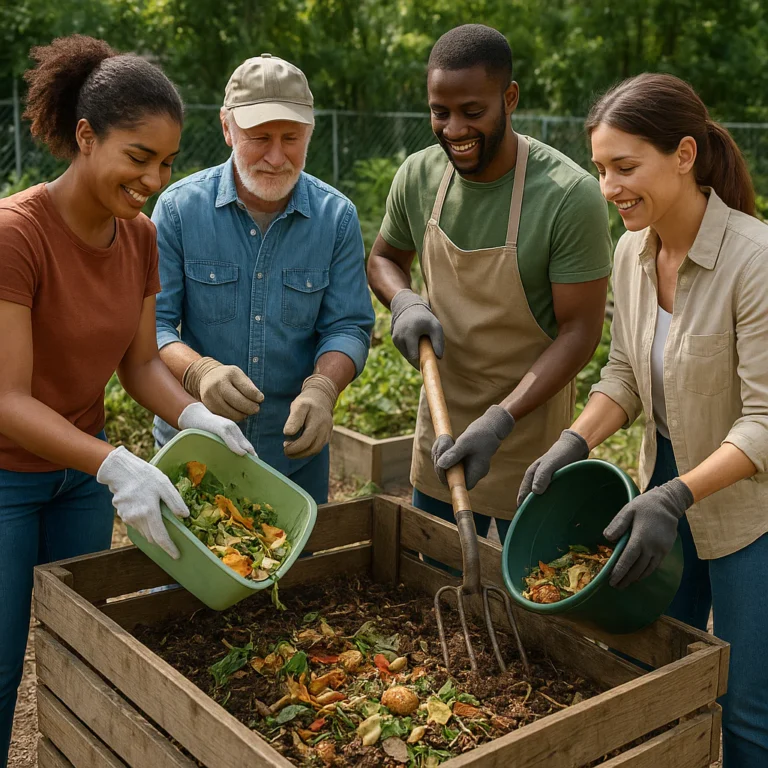
Gardens are social hubs. They break down barriers between generations and cultures. When a 12-year-old teaches a 70-year-old how to use a new composting bin, or vice versa, social capital is built. This network of trust and cooperation is the glue that holds communities together.
🛠️ 7 Proven Strategies to Recruit and Retain Young Gardeners
So, you want to start a youth program. Great! But how do you get them to show up on a Saturday morning when they could be sleeping? We’ve learned the hard way that forced fun isn’t fun. Here are seven strategies that actually work.
1. Give Them Autonomy (The “Highland Cultivators” Model)
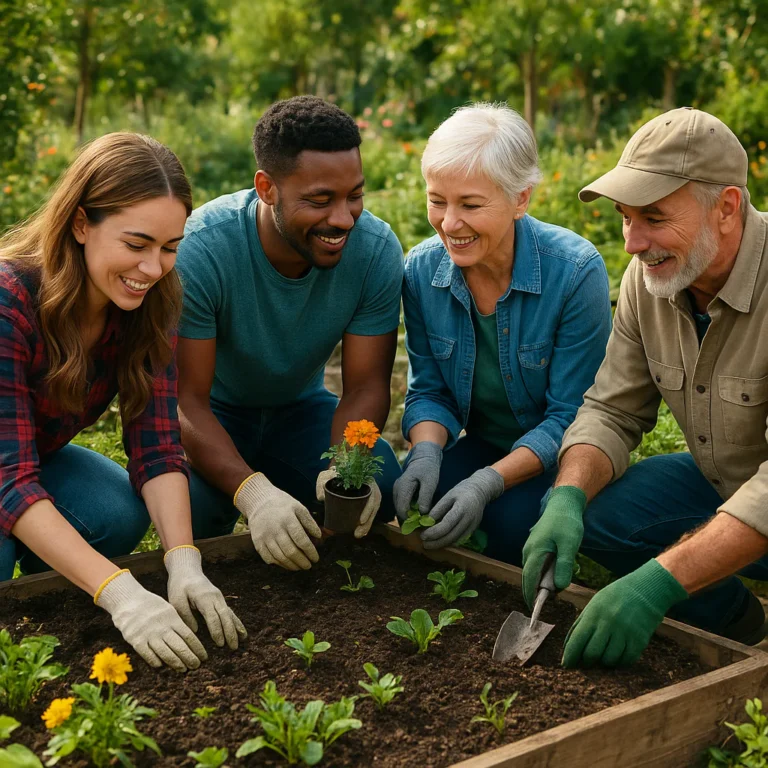
Don’t just tell them what to plant. Let them decide. In the Highland Community Garden project, teenagers decided which fruits and vegetables to grow. This ownership created a sense of responsibility.
- Why it works: It shifts the dynamic from “chore” to “project.”
- Tip: Create a “Garden Council” where youth vote on the seasonal plan.
2. Integrate Technology
Young people live online. Use that.
- Social Media Takeovers: Let a teen run the garden’s Instagram for a week.
- Data Tracking: Use apps to track plant growth, weather patterns, and yield.
- Digital Storytelling: Have them create short videos explaining the garden’s history.
3. Connect to Real-World Skills
Show them the money (metaphorically, or literally!).
- Business 101: Teach them how to price produce, manage a budget, and sell at a farmers’ market.
- STEM Integration: Use the garden for biology, chemistry (soil pH), and math lessons.
4. Make It Social
Gardening is better with friends.
- Group Challenges: “Who can grow the biggest pumpkin?”
- Garden Parties: Host harvest festivals, pizza nights, or art workshops in the garden.
5. Provide Flexible Scheduling
School, sports, and homework are real.
- Micro-voluntering: Offer 15-minute tasks for busy weeks.
- Weekend Warriors: Focus on intensive work sessions on Saturdays.
6. Partner with Schools
Don’t reinvent the wheel. Work with local teachers to make the garden an extension of the classroom.
- Curiculum Alignment: Ensure the garden activities match state standards.
- Field Trips: Make the garden a regular stop, not a one-off event.
7. Celebrate Small Wins
Don’t wait for the harvest.
- Milestone Badges: Award badges for “First Seed Planted,” “First Pest Identified,” or “First Harvest.”
- Public Recognition: Feature youth leaders in local newsletters or on the garden’s website.
👩 🌾 5 Essential Roles for Teens in Garden Leadership
To truly engage youth, we must move beyond “helper” status. We need to create leadership roles that give them real responsibility. Here are five roles we’ve found successful:
| Role | Responsibilities | Skills Developed |
|---|---|---|
| Garden Manager | Overses daily operations, coordinates volunteers, manages the schedule. | Leadership, Organization, Conflict Resolution |
| Head Grower | Decides what to plant, manages irrigation, monitors plant health. | Botany, Problem Solving, Decision Making |
| Harvest Coordinator | Organizes the harvest, manages distribution, tracks yield data. | Logistics, Data Analysis, Teamwork |
| Community Liaison | Handles social media, communicates with neighbors, organizes events. | Communication, Marketing, Public Speaking |
| Education Lead | Designs workshops for younger kids, leads tours, creates educational materials. | Teaching, Creativity, Patience |
Pro Tip: Rotate these roles every season so everyone gets a taste of different responsibilities.
🤝 Bridging Generations: Intergenerational Mentorship Models
One of the most powerful aspects of community gardening is the intergenerational connection. Older gardeners have decades of wisdom; young gardeners have energy and fresh perspectives.
The “Buddy System”
Pair a senior gardener with a teen. The senior teaches the “old ways” (composting, saving seeds), while the teen teaches the “new ways” (using apps, social media).
- Benefit: Seniors feel valued and needed; teens gain a mentor and a friend.
- Outcome: Stronger community bonds and reduced isolation for both groups.
Shared Decision Making
Create a committee where both generations have equal voting power. This ensures that the garden meets the needs of the whole community, not just one demographic.
Story Time: We once had a 75-year-old gardener named Martha who refused to let anyone touch her heirloom tomatoes. Then she met Leo, a 14-year-old who knew everything about soil microbiology. They became an unstoppable team, with Leo teaching Martha about mycorhizal fungi and Martha teaching Leo how to save seeds. It was magic.
📚 Curriculum Integration: Connecting School Gardens to Classroom Learning
Schools are the gateway to youth engagement. But how do we make the garden part of the curriculum, not just an add-on?
Science
- Biology: Study plant life cycles, pollinators, and ecosystems.
- Chemistry: Test soil pH, analyze nutrient levels, and understand composting.
- Physics: Explore water pressure in irrigation systems and the mechanics of tools.
Math
- Geometry: Calculate plot areas, design garden layouts, and measure plant spacing.
- Statistics: Track growth rates, analyze yield data, and create graphs.
- Economics: Budget for seeds, calculate profit margins for sales.
Language Arts
- Journaling: Keep a garden diary.
- Creative Writing: Write stories about the plants or the garden’s history.
- Research: Investigate the origins of different vegetables.
Social Studies
- History: Learn about the history of agriculture and food systems.
- Civics: Discuss food justice, land use, and community planning.
Resource: Check out the Chicago Park District’s “Harvest Garden” program, which integrates nutrition, cooking, and stewardship education into a three-season organic gardening program for kids ages 6–12.
🚧 Overcoming Common Bariers to Youth Participation
It’s not all sunshine and rainbows. We’ve hit our fair share of walls. Here are the most common barriers and how we smashed them.
Barrier 1: Lack of Time
The Problem: Kids are busy with school, sports, and extracuriculars.
The Solution: Offer flexible scheduling and micro-voluntering opportunities. Make it easy to drop in for 30 minutes.
Barrier 2: Lack of Interest
The Problem: “Gardening is boring.”
The Solution: Make it relevant. Connect it to their interests (food, tech, art, social justice). Let them choose what to grow.
Barrier 3: Safety Concerns
The Problem: Parents worry about safety, especially in urban areas.
The Solution: Implement strict safety protocols, provide supervision, and ensure the garden is in a safe, visible location.
Barrier 4: Lack of Resources
The Problem: No money for seeds, tools, or water.
The Solution: Seek grants, partner with local businesses, and organize community drives.
Barrier 5: Transportation
The Problem: Kids can’t get to the garden.
The Solution: Partner with schools for field trips, organize carpools, or choose a location accessible by public transit.
💰 Funding Your Future: Grants and Resources for Youth Garden Programs
Money talks, but passion drives. Still, you need funds to buy seeds, tools, and water. Here are some avenues to explore:
- Federal Grants: Look into the USDA Community Food Projects Competitive Grant Program.
- Local Foundations: Many community foundations have grants for youth development and environmental projects.
- Corporate Sponsorships: Reach out to local businesses for sponsorships or in-kind donations (tools, soil, water).
- Crowdfunding: Use platforms like GoFundMe to raise money for specific projects.
- School District Funds: Advocate for the garden to be part of the school budget.
Tip: Don’t be afraid to ask! Most people want to support youth and green spaces.
🌍 Case Studies: Success Stories from Urban and Rural Gardens
Let’s look at some real-world examples of youth engagement in action.
Case Study 1: Highland Community Garden (Urban)
- Location: Gaston County, NC
- Program: “Highland Cultivators”
- Impact: Teenagers manage the garden, decide what to grow, and sell produce back to the community at a discount.
- Key Takeaway: Autonomy and economic empowerment drive engagement.
Case Study 2: Community Roots (Urban)
- Location: Chicago, IL
- Program: “Harvest Garden”
- Impact: Free three-season program for kids 6–12, focusing on organic gardening, nutrition, and cooking.
- Key Takeaway: Integration with existing park systems and free access removes barriers.
Case Study 3: Rural School Garden (Rural)
- Location: Various rural districts
- Program: School-based garden clubs
- Impact: Students grow produce for the school cafeteria and local food banks.
- Key Takeaway: Connecting the garden to the school meal program increases relevance and participation.
📊 Measuring Impact: Metrics for Social and Environmental Growth
How do we know it’s working? We need to measure impact. Here are some metrics to track:
- Participation Rates: Number of youth involved, hours volunteered.
- Skill Acquisition: Pre- and post-program surveys on gardening knowledge.
- Social Capital: Number of new friendships formed, intergenerational interactions.
- Nutritional Outcomes: Changes in fruit and vegetable consumption (via surveys).
- Environmental Impact: Pounds of produce grown, waste diverted through composting.
- Civic Engagement: Number of youth who vote, volunteer, or run for office later in life.
Tool: Use simple surveys and interviews to gather qualitative data. Stories are just as important as numbers!
🎨 Creative Activities to Keep Kids Hooked on Gardening
Gardening can be repetitive. Spice it up with these creative activities:
- Sensory Gardens: Plant herbs, flowers, and plants with different textures and smells.
- Garden Art: Create sculptures from recycled materials, paint rocks, or build bug hotels.
- Cooking Classes: Harvest and cook the produce together.
- Nature Scavenger Hunts: Find specific plants, insects, or weather patterns.
- Storytelling Circles: Share stories about the garden or the plants.
- Seed Bombing: Make seed bombs and distribute them in local parks (with permission!).
🔒 Safety First: Best Practices for Supervising Young Gardeners
Safety is non-negotiable. Here are our top tips:
- Tool Training: Teach proper tool use before letting kids loose.
- Sun Protection: Require hats, sunscreen, and water breaks.
- Allergy Awareness: Know who has allergies to plants, bees, or latex gloves.
- Hygiene: Wash hands before and after gardening.
- Supervision Ratio: Maintain a low adult-to-child ratio.
- First Aid: Have a well-stocked first aid kit on hand.
- Clear Boundaries: Define the garden boundaries and no-go zones.
Remember: A safe garden is a happy garden.
🌿 Conclusion

We started with a question: Can a patch of dirt really change a life? The answer, loud and clear, is yes. Youth engagement in community gardens is more than just planting seeds; it’s about planting hope, leadership, and civic responsibility.
From the Highland Cultivators who turned a vacant lot into a food source, to the Chicago Park District’s “Harvest Garden” program, we see that when we give young people the tools, the autonomy, and the support, they grow into incredible leaders. They learn that they have the power to shape their environment, their health, and their community.
So, what are you waiting for? Grab a trowel, find a partner, and start digging. The future is growing right here, right now.
🔗 Recommended Links
If you’re ready to take action, here are some resources to get you started:
- Gardening Tools for Kids:
Fiskars Kids’ Garden Tool Set: Amazon | Fiskars Official
Gardener’s Supply Company Kids’ Tools: Gardener’s Supply - Books for Young Gardeners:
The Kid’s Garden Book by Ann Lovejoy: Amazon
Growing Vegetable Soup by Lois Ehlert: Amazon - Organizations:
American Community Gardening Association: ACGA
4-H Youth Development: 4-H
❓ FAQ

How can community gardens help foster environmental awareness in youth?
Community gardens provide a hands-on laboratory where youth can learn about ecosystems, biodiversity, and sustainability. By observing the life cycles of plants, the role of pollinators, and the importance of soil health, they develop a deep connection to the natural world. This experiential learning is far more impactful than reading about it in a textbook.
What are some successful examples of youth-led community garden initiatives?
The Highland Cultivators in Gaston County, NC, is a prime example. Teens manage the garden, decide what to grow, and sell produce to the community. Another success is the Harvest Garden program by the Chicago Park District, which offers a free, three-season organic gardening program for children ages 6–12.
How does gardening impact the mental health of young people in communities?
Gardening has been shown to reduce stress, anxiety, and depression. It provides a sense of purpose, accomplishment, and connection to others. The act of nurturing plants can be therapeutic, and the social interactions in the garden build a support network that is crucial for mental well-being.
Read more about “🐟 Aquaponics in Community Gardens: The Ultimate 2026 Guide”
What role do schools play in encouraging youth participation in community gardens?
Schools can integrate gardens into the curiculum, making them an extension of the classroom. They can organize field trips, host workshops, and provide funding and resources. By partnering with community gardens, schools can offer students a unique, hands-on learning experience that complements their academic studies.
Read more about “💧 12 Water-Saving Secrets for Thriving Community Gardens (2026)”
How can community gardens promote leadership skills among youth?
By giving youth autonomy and responsibility, community gardens foster leadership skills. Roles like Garden Manager, Head Grower, and Community Liaison allow them to practice decision-making, problem-solving, communication, and teamwork. These skills are transferable to other areas of life, including school and future careers.
What are effective strategies to involve young people in community gardening projects?
Effective strategies include giving them autonomy, integrating technology, connecting to real-world skills, making it social, providing flexible scheduling, partnering with schools, and celebrating small wins. It’s important to listen to their ideas and make them feel valued.
Read more about “🌱 8 Steps to Neighborhood Revitalization Through Gardening (2026)”
How does youth engagement in community gardens benefit local neighborhoods?
Youth engagement in community gardens leads to increased neighborhood pride, improved food access, reduced crime, and stronger social bonds. It creates a sense of community and ownership that benefits everyone.
Read more about “🌱 15 Top Community Garden Events & Workshops (2026)”
How can schools integrate community gardens into their curriculum?
Schools can integrate gardens into science, math, language arts, and social studies lessons. They can use the garden as a laboratory for experiments, a classroom for lessons, and a source of inspiration for creative projects.
What are the best plants for youth to grow in community gardens?
The best plants are those that are easy to grow, fast to mature, and fun to harvest. Examples include sunflowers, radishes, lettuce, tomatoes, strawberries, and herbs. It’s also important to let the youth choose what they want to grow.
Read more about “🎨 7 Ways Art Integration in Urban Gardens Transforms Cities (2026)”
How do community gardens benefit the mental health of young people?
Community gardens provide a safe space for youth to express themselves, connect with others, and find purpose. They offer a break from the pressures of school and social media, and a chance to engage in mindful, therapeutic activities.
Read more about “🛠️ 15 Essential Tools & Resources for a Thriving Community Garden (2026)”
What funding opportunities exist for youth-led gardening projects?
Funding opportunities include federal grants (e.g., USDA Community Food Projects), local foundations, corporate sponsorships, crowdfunding, and school district funds. It’s important to research and apply for grants that align with the project’s goals.
How can parents encourage their children to participate in community gardening?
Parents can encourage participation by leading by example, making it fun, providing transportation, voluntering with their children, and celebrating their achievements. It’s important to listen to their interests and let them choose what they want to grow.
What safety measures should be taken when youth work in community gardens?
Safety measures include tool training, sun protection, allergy awareness, hygiene practices, supervision, first aid, and clear boundaries. It’s important to create a safe and welcoming environment for all participants.
Read more about “Unraveling Social Dynamics in Community Gardens: 7 Secrets to Thrive 🌿 (2026)”
How do community gardens help youth develop leadership skills?
Community gardens help youth develop leadership skills by giving them responsibility, autonomy, and opportunities to practice decision-making, problem-solving, communication, and teamwork. They learn to lead by example and to work collaboratively with others.
Read more about “🌱 25+ Best Community Building Activities to Spark Connection (2026)”
📖 Reference Links
- Civic Participation and Youth Engagement: Health.gov – Civic Participation Literature Summary
- Chicago Park District – Community Roots: Chicago Park District – Community Roots Garden
- Troy University – Civic Engagement: Troy University – Office of Civic Engagement
- USDA – Community Food Projects: USDA – Community Food Projects Competitive Grant Program
- American Community Gardening Association: ACGA
- 4-H Youth Development: 4-H
- Fiskars: Fiskars Official Website
- Gardener’s Supply Company: Gardener’s Supply