Support our educational content for free when you purchase through links on our site. Learn more

Imagine a blank, gray concrete wall in your neighborhood park suddenly bursting with vibrant lettuce, cascading strawberries, and climbing beans. It sounds like a dream, but at Community Gardening™, we’ve seen it happen time and again. Did you know that a single vertical wall can produce up to five times more food than a traditional ground plot of the same footprint? 🤯 Yet, many community groups shy away from vertical gardening, fearing it’s too complex, too heavy, or too expensive.
In this comprehensive guide, we’re debunking those myths and revealing 10 creative vertical community garden designs that range from zero-cost DIY pallets to high-tech hydroponic towers. Whether you are a seasoned gardener or a complete novice, you’ll find a solution that fits your budget, your wall, and your community’s needs. We’ll walk you through the structural secrets that keep gardens from collapsing, the irigation hacks that prevent drought disasters, and the plant pairings that maximize yield. By the end of this article, you’ll have a clear roadmap to turn any unused vertical space into a thriving, shared food source.
Key Takeaways
- Maximize Space: Vertical gardening can increase your growing area by 30-50% compared to traditional beds, making it ideal for urban community plots.
- Safety First: Always use lightweight poting mix and heavy-duty anchors; never use heavy garden soil or rely on standard drywall screws for support.
- Water is Critical: Vertical gardens dry out 50% faster than ground beds; investing in a drip irrigation system is essential for community success.
- Design Diversity: From DIY pallet gardens to hydroponic towers, there is a scalable solution for every budget and skill level.
- Community Impact: These gardens improve air quality, reduce urban heat, and create accessible gathering spaces for all ages.
Table of Contents
- ⚡️ Quick Tips and Facts for Vertical Community Garden Design
- 🌱 From Concrete Jungles to Green Walls: The History of Vertical Community Gardening
- 🏙️ Why the Hype? The Urban Gardening Revolution Explained
- 📐 Mastering the Layout: How to Arrange a Vertical Community Garden
- 🌿 10 Creative Vertical Community Garden Designs You Must Try
- 1. The Classic Pallet Garden: Upcycling for the Masses
- 2. Vertical Planter Towers: The Strawberry Stacker Solution
- 3. Wall-Mounted Herb Gardens: Fresh Flavors at Eye Level
- 4. Hanging Bottle Gardens: DIY Magic from Recycled Plastic
- 5. The Gutter Garden: Perfect for Letuce and Greens
- 6. Trellis-Style Vertical Gardens: Climbing High Together
- 7. Living Wall Systems: The High-Tech Green Facade
- 8. Modular Pocket Planters: Customizable Community Plots
- 9. A-Frame Ladder Gardens: Portable Greenery for Shared Spaces
- 10. Hydroponic Vertical Racks: Soil-Free Success for Beginners
- 🛠️ Essential Tools and Materials for Building Your Vertical Oasis
- Material Must-Haves: From Felt Pockets to Heavy-Duty Anchors
- Space-Saving Superstar: Choosing the Right Irrigation System
- Beyond the Square Footage: Structural Support and Safety Gear
- 🌍 Environmental Perks: How Vertical Gardens Heal Our Cities
- 🌱 What Plants Thrive in Vertical Community Gardens?
- Best Vegetables for Vertical Gardening: From Tomatoes to Peppers
- Climbing Herbs and Flowers: Adding Beauty and Function
- Shade-Loving vs. Sun-Seeking: Matching Plants to Your Wall
- 💧 The Basics of Maintenance: Watering, Feding, and Pruning
- 🚫 Common Mistakes to Avoid in Vertical Community Gardening
- Neglecting the Basics: The Drainage Disaster
- Plant Selection Problems: Choosing the Wrong Climbers
- Structural Mishaps: When Walls Can’t Hold the Weight
- 🔄 Recap of Positives and Negatives: Is It Worth the Effort?
- 🤝 Share Your Vertical Gardening Journey with Us!
- ❓ FAQ: Your Vertical Community Garden Questions Answered
- Conclusion: Your Vertical Gardening Adventure Awaits
- Recommended Links
- Reference Links
⚡️ Quick Tips and Facts for Vertical Community Garden Design
Welcome to the vertical revolution! 🌱 If you’ve ever looked at a barren concrete wall and thought, “That could be a salad bar,” you are in the right place. At Community Gardening™, we’ve seen everything from shoe organizers holding lettuce to high-tech hydroponic towers feeding entire neighborhoods. But before we get our hands dirty, let’s hit the ground running with some non-negotiable truths about going vertical.
Did you know that vertical gardens can dry out up to 50% faster than traditional ground beds? 🚰 It’s true! Gravity is a relentless force, pulling water down and away from roots before they can drink their fill. This is why drip irrigation isn’t just a luxury; it’s a lifeline for your vertical oasis.
Here is the lowdown on what makes or breaks a vertical community garden:
| Feature | Traditional Garden | Vertical Community Garden |
|---|---|---|
| Space Efficiency | Low (1 sq ft = 1 plant) | High (1 sq ft = 3-5 plants) |
| Water Retention | Moderate | Low (Requires frequent monitoring) |
| Accessibility | Requires bending/kneling | High (Waist/eye-level access) |
| Sunlight Needs | 6+ hours | 6+ hours (Critical for climbers) |
| Soil Weight | Heavy (Ground supported) | Lightweight mix required |
| Pest Control | Ground-level issues | Easier to spot, harder to reach |
Key Takeaway: If you skip the lightweight poting mix and try to use heavy garden soil, you risk a structural collapse. We’ve seen it happen! Always use a mix with perlite or vermiculite to keep things airy and light.
But here is the question that keeps us up at night: How do you balance the weight of a wet, thriving garden against the structural limits of a community center wall? We’ll solve that mystery in the “Structural Mishaps” section later, but for now, remember: Anchoring is everything. 🔒
🌱 From Concrete Jungles to Green Walls: The History of Vertical Community Gardening

You might think vertical gardening is a trendy 21st-century invention born from Instagram aesthetics, but the roots go much deeper than that. 🌿 The concept of growing “up” dates back to the Hanging Gardens of Babylon, one of the Seven Wonders of the Ancient World. While those were likely terraced gardens rather than true “living walls,” the philosophy of stacking greenery to maximize space is ancient.
Fast forward to the 20th century, and we see the rise of hydroponics and aeroponics, which allowed plants to grow without soil, making vertical structures much lighter and more feasible. However, the modern vertical community garden movement truly exploded as urbanization accelerated. Cities like Singapore and Paris began integrating green walls into public infrastructure to combat the urban heat island effect.
“Vertical gardening is like city planning for your plants – it’s all about maximizing space and creating a thriving ecosystem, even with limited square footage.” — Community Gardening™ Expert Insight
In the context of community gardening, the shift has been profound. Historically, community gardens were plots of land divided into squares. But as land became scarce and expensive in urban centers, the vertical approach offered a solution. It transformed shared spaces from simple food producers into social hubs and educational tools.
Today, we see a blend of DIY pallet gardens (a staple of the maker movement) and sophisticated living wall systems funded by city grants. The history of vertical gardening is a history of resilience—finding a way to grow food where the earth seems to have run out.
If you want to dive deeper into how these spaces foster social connection, check out our guide on the Benefits of Community Gardens.
🏙️ Why the Hype? The Urban Gardening Revolution Explained
Why is everyone suddenly obsessed with growing up? 🤔 It’s not just because it looks cool (though, let’s be honest, a wall of basil is pretty Instagramable). The hype is driven by a perfect storm of urban density, food security concerns, and a desire for mental well-being.
The Space Crunch
In many cities, the ratio of people to arable land is skyrocketing. Traditional gardening requires a plot of land, which is often non-existent or prohibitively expensive. Vertical gardening changes the equation entirely. As noted in our analysis of urban farming trends, “Vertical farming allows you to grow more food in less space, making it ideal for urban community gardens where land is scarce.”
Environmental Perks
Beyond just growing food, these green walls act as natural air filters. They trap particulate matter, reduce noise pollution, and lower ambient temperatures. A study by the University of Sheffield found that green walls can reduce local temperatures by up to 5°C in summer.
Social & Accessibility Benefits
One of the most profound impacts is accessibility. For elderly community members or those with mobility issues, bending down to a raised bed can be a barrier. Vertical gardens bring the plants to eye level, making gardening inclusive for everyone. It transforms the act of gardening from a chore into a social gathering point.
“Vertical gardens can help reduce your carbon footprint by growing your own food, filtering air pollutants, and even insulating your home.” — Sustainability Report
But does this hype translate to real-world success for community groups? That depends on how well you design the system. A poorly planned vertical garden can become a watering nightmare or a structural hazard. That’s why we need to talk about layout.
📐 Mastering the Layout: How to Arrange a Vertical Community Garden
Before you buy a single pallet or drill a single hole, you need a master plan. Arranging a vertical community garden is like solving a 3D puzzle where the pieces are alive and thirsty. 🧩
Step 1: Assess Your Site
- Sunlight Tracking: Use a solar pathfinder or simply observe the site for a week. Most edibles need 6 hours of direct sunlight. If your wall is shaded by a neighboring building, you’ll need shade-tolerant plants like lettuce or spinach.
- Water Access: Where is the nearest spigot? If you have to drag a hose 50 feet, your garden will suffer. Gravity-fed systems work best if your water source is above the garden.
- Structural Integrity: Is the wall load-bearing? Can it hold 20 lbs per square foot when wet? If in doubt, consult a structural engineer.
Step 2: Zoning for Community Use
In a community setting, you aren’t just growing plants; you’re managing people.
- The “Easy Zone”: Place low-maintenance herbs and leafy greens at eye level for quick harvests.
- The “Heavy Zone”: Put tomatoes, cucumbers, and beans on sturdy trellises at the bottom or in reinforced towers.
- The “Social Zone”: Create a central gathering area with a living wall of flowers to encourage interaction.
Step 3: Irrigation Planning
This is where most community gardens fail. Manual watering a vertical wall of 50 plants is a recipe for burnout.
- Drip Irrigation: Install a timer-based drip system. It’s the gold standard for vertical gardens.
- Reservoirs: Consider a hydroponic reservoir at the base to catch runoff and recycle it.
“Arbors and trellises are much more than handy structures for training vines… they can add significant curb appeal to your home. They act as room dividers and focal points.” — Susan Morrison, “Garden Up!”
Ready to see what these layouts look like in action? Let’s explore the 10 creative designs that are changing the game.
🌿 10 Creative Vertical Community Garden Designs You Must Try
We’ve scoured the globe (and our own community plots) to bring you the top 10 vertical garden designs. Whether you have a budget of $0 or $5,0, there’s a design here for you.
1. The Classic Pallet Garden: Upcycling for the Masses
The pallet garden is the grandfather of DIY vertical gardening. It’s cheap, accessible, and surprisingly effective.
- How it works: Sand down a heat-treated pallet (look for the HT stamp), line the back and bottom with landscape fabric, fill the slats with soil, and plant.
- Best for: Herbs, strawberries, and succulents.
- Pros: Extremely low cost, great for beginners.
- Cons: Can be heavy; requires careful anchoring; wood may rot over time.
👉 CHECK PRICE on:
- Landscape Fabric: Amazon | Walmart
- Wood Pallets: Local Search
2. Vertical Planter Towers: The Strawberry Stacker Solution
These are the rock stars of vertical gardening. Stacked pots that allow you to plant from the top down.
- How it works: A central column with pockets or tiers. Water is poured from the top, trickling down to the lower plants.
- Best for: Strawberries, herbs, and cascading flowers.
- Brand Spotlight: GreenStalk is a market leader here, known for its patented watering system that ensures even moisture distribution.
- Pros: High yield per square foot; easy to harvest.
- Cons: Can be expensive; requires consistent watering.
👉 CHECK PRICE on:
- GreenStalk Vertical Planter: Amazon | GreenStalk Official
- DIY Bucket Towers: Amazon
3. Wall-Mounted Herb Garden: Fresh Flavors at Eye Level
Perfect for community kitchens or shared cooking areas.
- How it works: Mount individual pots, mason jars, or repurposed containers directly onto a sunny wall.
- Best for: Basil, thyme, oregano, mint.
- Pros: Aesthetic appeal; easy access for cooking.
- Cons: Limited soil volume; dries out very fast.
👉 CHECK PRICE on:
4. Hanging Bottle Garden: DIY Magic from Recycled Plastic
Turn waste into wonder! This is the ultimate zero-cost project.
- How it works: Cut 2-liter bottles, punch drainage holes, thread them with rope, and hang them in rows.
- Best for: Small herbs, trailing flowers, lettuce.
- Pros: Free materials; great educational project for kids.
- Cons: Plastic degrades in UV light; limited root space.
5. The Gutter Garden: Perfect for Letuce and Greens
Who knew rain guters could grow food?
- How it works: Attach standard aluminum or vinyl guters to a fence or wall. Drill holes for drainage.
- Best for: Leafy greens, strawberries, shallow-rooted herbs.
- Pros: Long, continuous planting area; easy to install.
- Cons: Can look industrial; needs sturdy brackets.
👉 CHECK PRICE on:
- Aluminum Guters: Home Depot | Lowes
6. Trellis-Style Vertical Gardens: Climbing High Together
The classic “grow up” method.
- How it works: Install a trellis (bamboo, wire, wood) and train vining plants to climb.
- Best for: Cucumbers, tomatoes, beans, peas, pole beans.
- Pros: Excellent air circulation; maximizes sunlight.
- Cons: Requires pruning; plants can get heavy.
👉 CHECK PRICE on:
- Bamboo Trellis: Amazon | Gardener’s Supply Company
- Cattle Panels: Tractor Supply Co
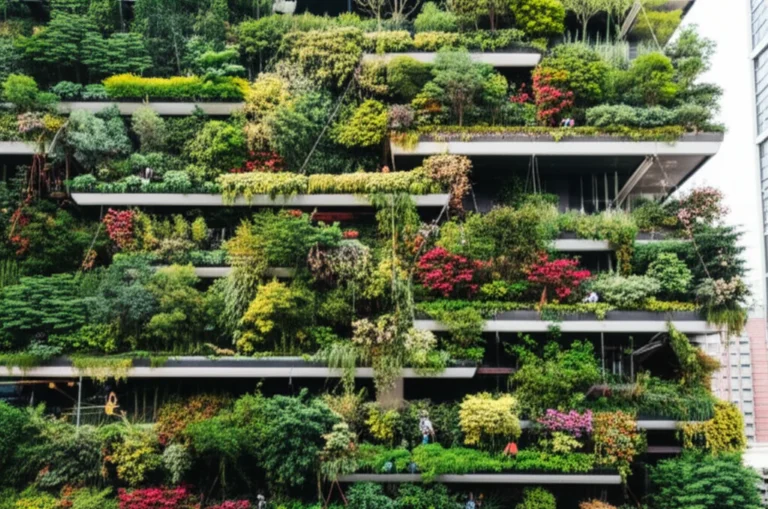
7. Living Wall Systems: The High-Tech Green Facade
The Rolls Royce of vertical gardening.
- How it works: Modular felt pockets or rigid panels with integrated irrigation, often hydroponic.
- Best for: Ferns, mosses, ornamental plants, some edibles.
- Pros: Stunning aesthetics; highly efficient water use.
- Cons: High cost; requires technical knowledge to maintain.
👉 CHECK PRICE on:
- Living Wall Kits: Amazon | Green Wall
8. Modular Pocket Planters: Customizable Community Plots
Felt pockets that hang on a frame.
- How it works: A metal frame holds rows of fabric pockets.
- Best for: Herbs, flowers, small vegetables.
- Pros: Lightweight; easy to rearrange.
- Cons: Fabric can tear; dries out quickly.
👉 CHECK PRICE on:
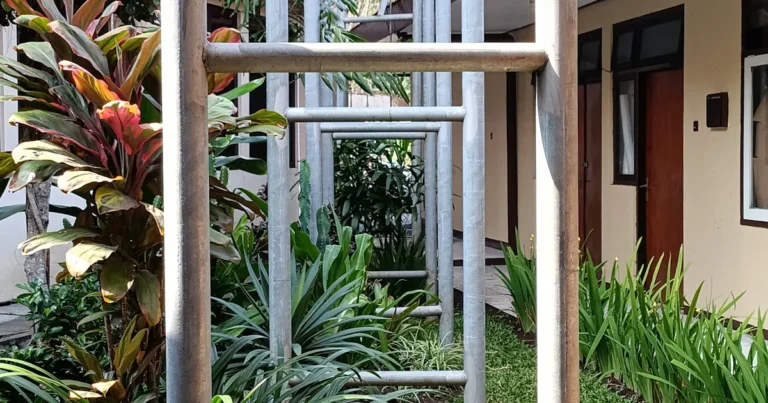
9. A-Frame Ladder Gardens: Portable Greenery for Shared Spaces
Repurpose an old ladder!
- How it works: Lean a sturdy wooden or metal ladder against a wall and place pots on the rungs.
- Best for: Mixed herbs, flowers, small vegetables.
- Pros: Portable; rustic charm.
- Cons: Limited stability; not for heavy plants.
👉 CHECK PRICE on:
10. Hydroponic Vertical Racks: Soil-Free Success for Beginners
The future is here.
- How it works: PVC pipes or towers with nutrient-rich water circulating through the roots.
- Best for: Leafy greens, herbs, strawberries.
- Pros: Fast growth; no soil-borne diseases; water efficient.
- Cons: Requires electricity (pumps); technical learning curve.
👉 CHECK PRICE on:
- Hydroponic Systems: Amazon | Rise Gardens
🛠️ Essential Tools and Materials for Building Your Vertical Oasis
You can’t build a skyscraper with a butter knife. 🏗️ To create a successful vertical community garden, you need the right gear. Here is our gardeners’ checklist.
Material Must-Haves: From Felt Pockets to Heavy-Duty Anchors
- Lightweight Poting Mix: Never use garden soil! It compacts and suffocates roots. Look for mixes with perlite, vermiculite, and conut coir.
- Landscape Fabric: Essential for pallet gardens to hold soil while allowing drainage.
- Heavy-Duty Anchors: If you’re mounting to a wall, use toggle bolts or masonry anchors. Drywall screws alone will not hold a wet garden.
- Waterproofing Membrane: Protect your wall from moisture damage.
👉 CHECK PRICE on:
- Lightweight Poting Mix: Amazon | Miracle-Gro
- Landscape Fabric: Amazon
Space-Saving Superstar: Choosing the Right Irrigation System
Watering is the make-or-break factor.
- Drip Irrigation Kits: The best investment you can make. Look for kits with a timer and pressure regulator.
- Soaker Hoses: Good for long guters.
- Self-Watering Planters: Great for individual pots, reducing daily maintenance.
👉 CHECK PRICE on:
Beyond the Square Footage: Structural Support and Safety Gear
- Drill & Bits: For making holes in wood, metal, and masonry.
- Level: Crucial for ensuring your garden doesn’t lean.
- Safety Gloves & Goggles: Protect yourself from splinters and debris.
- Sturdy Ladder: For reaching the top of tall structures.
👉 CHECK PRICE on:
🌍 Environmental Perks: How Vertical Gardens Heal Our Cities
Why go vertical? Because it’s not just about food; it’s about healing our cities. 🌆
- Urban Heat Island Mitigation: Concrete and asphalt absorb heat, making cities significantly hotter. Vertical gardens act as insulators, reflecting sunlight and releasing moisture through transpiration.
- Air Quality Improvement: Plants filter out particulate matter (PM2.5) and absorb carbon dioxide. A dense vertical garden can improve local air quality significantly.
- Biodiversity Boost: These green walls become habitats for bees, butterflies, and birds, bringing nature back to the concrete jungle.
- Stormwater Management: Vertical gardens absorb rainwater, reducing runoff and easing the burden on city sewer systems.
“Vertical gardening is an innovative, effortless, and highly productive growing system that uses bottom-up and top-down supports for a wide variety of plants in both small and large garden spaces.” — Derek Fell, “Vertical Gardening: Grow Up, Not Out”
🌱 What Plants Thrive in Vertical Community Gardens?
Not all plants are created equal when it comes to vertical living. You need compact, shallow-rooted, or vining varieties.
Best Vegetables for Vertical Gardening: From Tomatoes to Peppers
- Tomatoes: Choose determinate or bush varieties for pots, or indeterminate for tall trellises.
- Peppers: Compact varieties like Jalapeños or Bell Peppers work well in towers.
- Leafy Greens: Letuce, spinach, and kale are perfect for shallow pockets.
- Strawberries: The king of vertical gardening. They love hanging down.
Climbing Herbs and Flowers: Adding Beauty and Function
- Herbs: Basil, mint, and oregano love vertical spaces.
- Flowers: Nasturtiums, marigolds, and morning glories add color and attract pollinators.
Shade-Loving vs. Sun-Seeking: Matching Plants to Your Wall
- South/West Facing: Full sun. Plant tomatoes, peppers, and herbs.
- North/East Facing: Partial shade. Plant lettuce, spinach, and ferns.
👉 CHECK PRICE on:
- Heirloom Tomato Seeds: Amazon | Baker Creek Heirloom Seeds
- Strawberry Plants: Amazon
💧 The Basics of Maintenance: Watering, Feding, and Pruning
So, you’ve built your garden. Now what? 🤔 The secret to a thriving vertical garden is consistency.
Watering: The Daily Grind
Vertical gardens dry out fast.
- Frequency: Check daily in summer. You might need to water twice a day.
- Method: Water deeply until it drains from the bottom.
- Tip: Use a moisture meter to avoid over or under-watering.
Feding: The Nutrient Boost
Soil in containers depletes quickly.
- Schedule: Feed every 2-3 weeks with a liquid fertilizer.
- Type: Use a balanced organic fertilizer or a slow-release granular fertilizer.
Pruning: Keeping it Tidy
- Pinch: Regularly pinch off dead leaves and flowers to encourage new growth.
- Train: Guide vines onto trellises to prevent tangling.
🚫 Common Mistakes to Avoid in Vertical Community Gardening
Even the best gardeners make mistakes. Here’s how to avoid the classic pitfalls.
Neglecting the Basics: The Drainage Disaster
Mistake: No drainage holes.
Result: Root rot and dead plants.
Fix: Always drill holes in the bottom of every container.
Plant Selection Problems: Choosing the Wrong Climbers
Mistake: Planting deep-rooted plants in shallow pockets.
Result: Stunted growth.
Fix: Stick to shallow-rooted varieties for pockets; use deep pots for heavy feeders.
Structural Mishaps: When Walls Can’t Hold the Weight
Mistake: Using weak anchors or overloading a wall.
Result: A falling garden (ouch!).
Fix: Consult a professional if unsure. Use heavy-duty anchors and distribute weight evenly.
🔄 Recap of Positives and Negatives: Is It Worth the Effort?
Let’s be honest: vertical gardening isn’t for everyone. It requires more attention than a traditional garden. But the rewards are immense.
| Aspect | Positives ✅ | Negatives ❌ |
|---|---|---|
| Space | Maximizes small areas | Limited root depth |
| Accessibility | Easy for all ages | Requires frequent watering |
| Aesthetics | Stunning visual impact | Can be expensive to set up |
| Maintenance | Easier pest control | High water usage (if not automated) |
| Yield | High density | Risk of structural failure |
Verdict: If you are willing to commit to daily watering and structural safety, the yield and beauty are absolutely worth it.
🤝 Share Your Vertical Gardening Journey with Us!
We want to hear from you! 📸 Have you built a pallet garden? Are you growing tomatoes on a trellis? Share your photos and stories with the Community Gardening™ family. Tag us on social media or leave a comment below. Let’s inspire each other to grow up!
❓ FAQ: Your Vertical Community Garden Questions Answered
What are the best vertical gardening systems for community plots?
For community plots, modular systems like GreenStalk towers or gutter gardens are ideal because they are scalable and easy to maintain. Hydroponic systems are great for high-yield, low-maintenance needs but require more technical knowledge.
Read more about “🌧️ 7 Steps to Master Rainwater Harvesting in Community Gardens (2026)”
How do you design a vertical garden for shared community use?
Design with accessibility in mind. Place frequently harvested items at waist level. Ensure there is a clear path for maintenance. Use drip irrigation to reduce the labor burden on volunteers.
Read more about “🌍 10 Ways Community Gardens Spark Cultural Exchange (2026)”
What plants grow best in vertical community garden structures?
Strawberries, lettuce, spinach, herbs, and vining vegetables like cucumbers and beans are the top choices. Avoid large, heavy plants like pumpkins unless you have a reinforced structure.
Read more about “12 Expert Tips to Design a Community Garden for Max Space & Productivity 🌿 (2025)”
How much does it cost to build a vertical community garden?
Costs vary wildly. A DIY pallet garden can cost under $50, while a commercial living wall system can run into the thousands. The key is to start small and expand.
Read more about “🌱 5 Ways Community Gardens Fuel Sustainability & Awareness (2026)”
What are the maintenance requirements for vertical community gardens?
Daily watering (or automated irrigation), weekly feeding, and regular pruning. Structural checks should be done monthly to ensure safety.
Read more about “🌱 10 Ways Community Gardens & Urban Greening Transform Cities (2026)”
How can vertical gardens maximize space in small community areas?
By utilizing vertical planes (walls, fences) and overhead structures (trellises, arches), you can triple or quadruple your growing area without increasing the footprint.
Read more about “🌿 12 Ways Gardens Crush the Urban Heat Island Effect (2026)”
What are the legal considerations for installing vertical gardens in community spaces?
Always check local building codes and HOA regulations. Ensure your structure is wind-resistant and doesn’t violate fire safety codes. Liability insurance is also recommended for community projects.
Read more about “What Is a Disadvantage of a Community Garden? 7 Surprising Truths 🌿 (2026)”
Conclusion: Your Vertical Gardening Adventure Awaits

We started this journey by asking a simple question: Can we turn a blank wall into a thriving food source? The answer is a resounding YES. 🌟
Vertical community gardening is more than just a trend; it’s a movement towards sustainability, accessibility, and community resilience. Whether you choose the low-cost charm of a pallet garden or the high-tech efficiency of a hydroponic tower, the potential for growth is limitless.
Our Top Recommendation:
If you are a beginner, start with a DIY Pallet Garden or a Gutter Garden. They are forgiving, affordable, and teach you the basics of vertical dynamics. If you have a budget and want a low-maintenance, high-yield solution, invest in a GreenStalk Tower or a hydroponic system.
Remember, the key to success is water management and structural safety. Don’t rush the process. Build it right, and your vertical garden will be a beacon of green in your community for years to come.
Ready to get started? Grab your tools, pick your design, and let’s grow up together! 🌱🏙️
Recommended Links
Ready to build your vertical oasis? Here are our top picks for products and resources:
- Vertical Planter Towers:
GreenStalk: Amazon | GreenStalk Official
VIVOSUN: Amazon - Trellises & Supports:
Bamboo Trellis: Amazon | Home Depot
Cattle Panels: Tractor Supply Co - Irrigation Systems:
Orbit Drip Kit: Amazon | Orbit Official - Books:
Vertical Gardening: Grow Up, Not Out by Derek Fell: Amazon
The Vertical Garden: From Nature to the City by Patrick Blanc: Amazon
Reference Links
- Community Gardening™: Community Gardening Overview
- The Micro Gardener: Clever Ways to Add Space with Creative Vertical Gardens
- Rise Gardens: Vertical Farming for Community Gardens
- University of Sheffield: Green Walls and Urban Heat Islands
- GreenStalk: Vertical Gardening Tips
- Derek Fell: Vertical Gardening: Grow Up, Not Out
- Susan Morrison: Garden Up! Smart Vertical Gardening for Small and Large Spaces