Support our educational content for free when you purchase through links on our site. Learn more

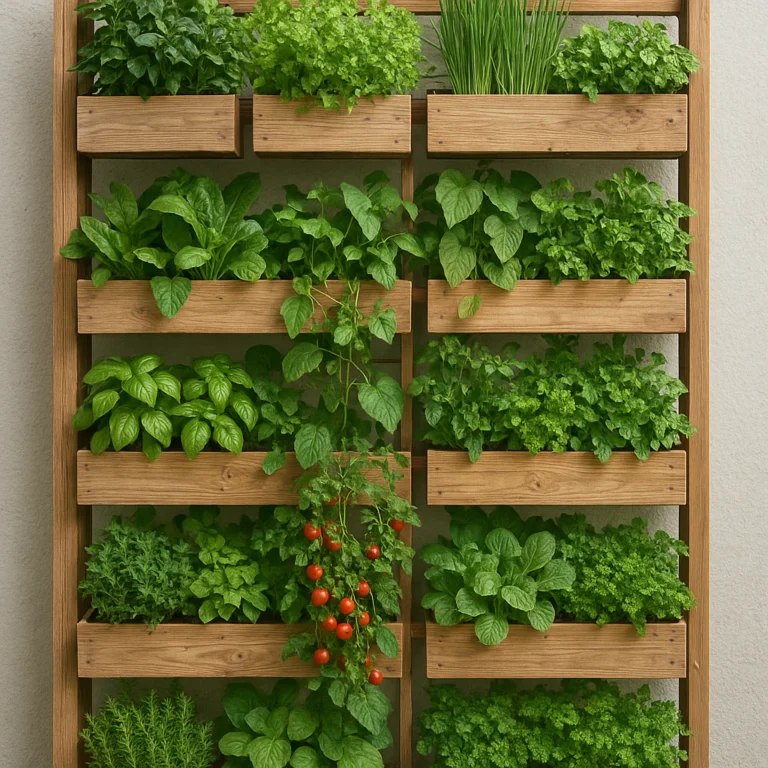
Imagine a blank, sun-baked brick wall in the heart of a bustling city, once a symbol of urban decay, now transformed into a cascading tapestry of emerald lettuce, vibrant basil, and climbing beans. This isn’t a scene from a futuristic movie; it’s the reality of vertical gardening community spaces popping up in neighborhoods from Brooklyn to Berlin. But here’s the twist: while traditional community gardens often struggle with limited square footage and soil contamination, these upward-growing oases are solving the space crisis by producing 10 times more food per square foot while simultaneously cooling the surrounding air and knitting neighbors back together.
We’ve seen it firsthand at Community Gardening™: the moment a group of strangers, who previously only nodded at each other in the elevator, gather around a shared hydroponic tower to harvest fresh mint for a communal tea party. It’s magic, but it’s also engineering, sociology, and botany rolled into one. In this guide, we’ll walk you through the 7 essential systems that work best for shared plots, reveal the smart tech that keeps plants alive when volunteers are on vacation, and share the 5 delicious recipes you can whip up with your first harvest. Whether you’re a DIY enthusiast looking to repurpose a pallet or a community leader planning a high-tech green wall, we have the blueprint to turn your concrete jungle into a green haven.
Key Takeaways
- Maximize Limited Space: Vertical gardens can yield up to 10x more produce per square foot than traditional horizontal plots, making them ideal for dense urban environments.
- Foster Social Connection: These shared spaces act as powerful community builders, reducing isolation and creating a sense of collective ownership among neighbors.
- Choose the Right System: Success depends on selecting the appropriate technology, from DIY pallets for budget groups to smart hydroponic towers for high-yield, low-maintenance needs.
- Sustainability in Action: Vertical setups use up to 90% less water and can significantly lower local temperatures, directly combating the urban heat island effect.
- Future-Proof Your Food: By integrating IoT sensors and LED lighting, communities can ensure year-round harvests regardless of external weather conditions.
Table of Contents
- ⚡️ Quick Tips and Facts
- 🌱 From Concrete Jungles to Green Havens: The History of Vertical Community Gardening
- 🏙️ Why Go Vertical? The Space-Saving Benefits for Urban Environments
- 🤝 Building the Green Tribe: Designing Inclusive Vertical Gardening Community Spaces
- 🌿 7 Essential Vertical Garden Systems Perfect for Shared Community Plots
- 💧 Water Wisdom: Conservation Techniques for High-Density Vertical Plots
- 🌞 Lighting the Way: Energy-Efficient LED Grow Lights for Indoor Community Hubs
- 🤖 Smart Roots: Integrating IoT and AI for Remote Garden Management in Shared Spaces
- 🥗 From Wall to Table: 5 Delicious Recipes Using Community-Grown Herbs
- 🛠️ DIY vs. Pro: Choosing the Right Modular and Stackable Planting Systems
- 🌍 Sustainable Practices: Recycled Materials and Organic Methods in Vertical Gardens
- 🐛 Troubleshooting Common Pests and Diseases in Dense Vertical Environments
- 📈 The Future of Food: Is Vertical Farming the Answer for Community Food Security?
- ❓ Frequently Asked Questions About Vertical Gardening Community Spaces
- 🏆 Conclusion
- 🔗 Recommended Links
- 📚 Reference Links
⚡️ Quick Tips and Facts
Before we dive into the nitty-gritty of turning a blank wall into a bustling community hub, let’s hit the ground running with some high-impact facts that every aspiring vertical gardener needs to know.
- Space Efficiency: Vertical gardens can produce up to 10 times more yield per square foot than traditional horizontal plots. Imagine fitting a whole salad bar into the space of a parking spot! 🥗
- Water Wisdom: Hydroponic and aeroponic vertical systems use up to 90% less water than conventional soil farming. In drought-prone urban areas, this isn’t just a bonus; it’s a lifeline. 💧
- The “Green Wall” Effect: Living walls can lower ambient temperatures by up to 5°F (3°C), directly combating the urban heat island effect. Your community garden isn’t just pretty; it’s a natural air conditioner. 🌡️
- Social Synergy: Studies show that shared gardening spaces increase social cohesion and reduce feelings of isolation by up to 40% in dense urban neighborhoods. 🤝
- Year-Round Harvest: With the right lighting and climate control, vertical community spaces can produce food 365 days a year, breaking the shackles of seasonal limitations. 📅
But here’s the kicker: How do you actually get a whole neighborhood to agree on what to grow, who waters the plants, and how to split the harvest without turning into a soap opera? We’ve seen it all, from the “Basil Wars” to the “Tomato Tensions.” The secret lies not just in the plants, but in the design and management of the space itself. Let’s peel back the layers of history to see how we got here.
🌱 From Concrete Jungles to Green Havens: The History of Vertical Community Gardening

You might think vertical gardening is a shiny new tech trend born in a Silicon Valley lab, but the roots go much deeper—literally. The concept of growing upwards is as old as civilization itself.
The Ancient Roots of Upward Growth
Long before we had LED grow lights or smart sensors, the Hanging Gardens of Babylon were already proving that humans have a knack for defying gravity with plants. While those were royal luxuries, the spirit of communal vertical growing found its way into ancient Aztec chinampas and Chinese rice terraces, where communities maximized every inch of arable land.
The Modern Renaissance
Fast forward to the 20th century. As cities sprawled and concrete swallowed the soil, the idea of community gardening took a hit. But in the 1970s, a movement sparked. Urbanites began reclaiming vacant lots, but space was still a premium. Enter Patrick Blanc, a French botanist who revolutionized the concept of the “living wall” in the 1980s. His work proved that plants could thrive on vertical surfaces without soil, using only water and nutrients.
“Walls that once divided can now nourish and unite.” — Provention Health
Today, we are seeing a fusion of Blanc’s botanical artistry with the social mission of the community garden movement. It’s no longer just about aesthetics; it’s about food security, education, and resilience.
Why Now?
The convergence of climate change, urbanization, and a desire for local food systems has made vertical community spaces the perfect storm of necessity and innovation. We are moving from “growing in the backyard” to “growing on the building.”
🏙️ Why Go Vertical? The Space-Saving Benefits for Urban Environments
Let’s be honest: in the city, space is the ultimate luxury. You can’t just buy a plot of land; you have to get creative. Vertical gardening is the magic key that unlocks the potential of forgotten corners.
Maximizing the “Dead Zones”
Think about the spaces you walk past every day:
- Blank brick walls of apartment complexes.
- Chain-link fences separating backyards.
- Balconies that are too small for a table, let alone a garden.
- Rooftops that are currently just storage for HVAC units.
By going vertical, we turn these dead zones into productive ecosystems. A single 4×4 foot wall can support dozens of plants, whereas a horizontal plot of the same size might only hold a few.
The Urban Heat Island Mitigator
Cities are hot. Really hot. The concrete and asphalt absorb heat during the day and release it at night, creating the urban heat island effect. Vertical gardens act as a thermal blanket. The plants transpire, cooling the air, and the structure provides shade.
- Fact: A well-maintained living wall can reduce the temperature of the wall surface by 20°F (1°C).
- Benefit: This lowers the energy costs for cooling the building behind it, saving the community money. 📉
Accessibility and Inclusivity
One of the biggest barriers to traditional gardening is physical strain. Bending over to weed or harvest can be tough for seniors or those with mobility issues. Vertical gardens bring the garden to eye level.
- Ergonomics: No more back-breaking digging.
- Inclusivity: Wheelchair-accessible vertical systems allow everyone to participate, fostering a truly inclusive community.
But wait, if space is so valuable, how do we ensure the garden doesn’t become a source of conflict? That’s where the design of the community space comes in.
🤝 Building the Green Tribe: Designing Inclusive Vertical Gardening Community Spaces
A garden is only as strong as the community that tends it. Designing a vertical garden for a group requires more than just stacking pots; it requires social architecture.
The “Commons” vs. “Private Plots” Debate
Should everyone share everything, or should each family have their own vertical tower?
- The Shared Model: Great for social interaction. Everyone tends to the same wall, sharing the workload and the harvest. It builds a sense of collective ownership.
- The Assigned Plot Model: Better for accountability. If a specific family is responsible for a specific section, they are more likely to water it. However, it can lead to “neglected corners” if a family goes on vacation.
Our Recommendation: A hybrid approach. Designate a “Community Wall” for shared crops (like herbs and lettuce) and “Family Towers” for personal experiments. This balances collaboration with autonomy.
Creating Social Hubs
Don’t just build a wall; build a destination.
- Seating: Integrate benches at the base of the vertical garden.
- Shade: Use trellises with climbing vines to create cool gathering spots.
- Workshops: Designate a small area for educational workshops on pruning, harvesting, or composting.
Conflict Resolution Strategies
We’ve all been there: Someone forgets to water, and the tomatoes wilt.
- Clear Policies: Establish a watering roster and post it visibly.
- Communication: Create a group chat or a physical “Garden Board” for updates.
- Celebration: Host a harvest party to celebrate the collective success.
For more on how to manage these dynamics, check out our guide on Community Garden Policies.
🌿 7 Essential Vertical Garden Systems Perfect for Shared Community Plots
Choosing the right system is like choosing the right instrument for an orchestra. If you pick the wrong one, the whole thing sounds off. Here are the 7 best systems for community spaces, ranging from DIY-friendly to high-tech.
1. Felt Pocket Systems (The Classic)
These are fabric pockets attached to a frame. They are lightweight, affordable, and great for leafy greens.
- Pros: Cheap, easy to install, good drainage.
- Cons: Can dry out quickly, fabric may degrade over time.
- Best For: Herbs, lettuce, strawberries.
2. Modular Stackable Planters (The Flexible)
Think of these as LEGOs for plants. You can stack them as high as you want.
- Pros: Highly customizable, easy to move, excellent root space.
- Cons: Can be heavy when full, requires a sturdy base.
- Best For: A mix of herbs, peppers, and small tomatoes.
3. Hydroponic Towers (The High-Tech)
These are vertical columns where water circulates through the roots.
- Pros: Extremely water-efficient, fast growth, no soil mess.
- Cons: Requires electricity, higher initial cost, needs monitoring of pH/nutrients.
- Best For: Leafy greens, herbs, high-yield crops.
4. Trellis Systems (The Climbers)
Simple nets or strings for vining plants to climb.
- Pros: Very cheap, great for beans, peas, and cucumbers.
- Cons: Only works for vining plants, requires support structure.
- Best For: Pole beans, peas, cucumbers, squash.
5. Pallet Gardens (The DIY)
Repurposed wooden pallets turned vertical.
- Pros: Free or very cheap, rustic look, great for community building (building them together).
- Cons: Can rot, heavy, requires sealing and lining.
- Best For: Herbs, flowers, small vegetables.
6. Living Wall Panels (The Aesthetic)
Pre-grown panels of moss and plants attached to a wall.
- Pros: Instant beauty, low maintenance (once established), great for air quality.
- Cons: Expensive, limited to ornamental or specific edible plants, hard to harvest.
- Best For: Decorative walls, schools, public buildings.
7. Aeroponic Towers (The Future)
Mist-based systems that suspend roots in air.
- Pros: Fastest growth, least water usage, very clean.
- Cons: High tech, prone to clogging if not maintained, expensive.
- Best For: Educational demos, high-tech community hubs.
Comparison Table: Choosing Your System
| System Type | Cost | Water Efficiency | Maintenance Level | Best Crops | Community Suitability |
|---|---|---|---|---|---|
| Felt Pockets | $ | Medium | Medium | Herbs, Letuce | High (Easy to share) |
| Modular Stackable | $$ | Medium | Low | Mixed Veg | High (Flexible) |
| Hydroponic Towers | $$$ | High | High | Leafy Greens | Medium (Needs expertise) |
| Trellis | $ | Low | Low | Beans, Peas | High (Great for kids) |
| Pallets | $ | Low | Medium | Herbs, Flowers | High (DIY project) |
| Living Panels | $$$ | Medium | Low | Ornamental | Medium (Decor focus) |
| Aeroponic | $$$ | Very High | Very High | Greens, Herbs | Low (Tech heavy) |
Which system is right for your group? It depends on your budget, your technical skills, and your goals. If you want to grow food fast, go hydroponic. If you want to build community, start with pallets or felt pockets.
💧 Water Wisdom: Conservation Techniques for High-Density Vertical Plots
Water is the lifeblood of any garden, but in a vertical setup, it can be a double-edged sword. Gravity is your friend and your enemy.
The Gravity Problem
In a vertical garden, water tends to run straight down. The top plants get soaked, while the bottom plants might stay dry. Or worse, the bottom gets waterlogged while the top dries out.
- Solution: Drip Irrigation Systems. These deliver water directly to the root zone of each plant.
- Solution: Reservoirs. Systems like the GreenStalk (which we’ll discuss later) have individual reservoirs for each tier, ensuring even distribution.
Smart Watering Strategies
- Mulching: Even in vertical gardens, a layer of mulch on top of the soil (or growing medium) reduces evaporation.
- Rainwater Harvesting: Install a rain barrel at the top of your vertical structure to catch roof runoff. It’s free, chemical-free water!
- Moisture Sensors: For high-tech setups, use sensors to trigger watering only when needed.
The “GreenStalk” Advantage
In our experience, GreenStalk vertical planters are a game-changer for community groups. Their unique top-down watering system ensures that water trickles down through each tier, hydrating every plant evenly. Plus, the excess water drains into a catchment tray, which can be reused.
“You never want your soil to get hard.” — Megan, GreenStalk Enthusiast
This simple tip is crucial. Hard soil repels water, leading to dry patches. Consistent, gentle watering keeps the soil loose and happy.
🌞 Lighting the Way: Energy-Efficient LED Grow Lights for Indoor Community Hubs
Not every community garden has a sunny wall. Some are in basements, hallways, or north-facing alleys. That’s where LED grow lights come in.
Why LEDs?
- Energy Efficiency: They use up to 75% less energy than traditional incandescent bulbs.
- Longevity: They last for years, reducing replacement costs.
- Spectrum Control: You can choose lights that emit the specific red and blue spectrums plants need for photosynthesis.
Choosing the Right Light
- Full Spectrum: Best for growing a variety of plants (vegetables, herbs, flowers).
- Red/Blue Ratio: Good for leafy greens and herbs.
- Intensity: Measured in PPFD (Photosynthetic Photon Flux Density). Ensure your light provides enough intensity for the distance to the plants.
Smart Scheduling
Use timers to simulate a natural day/night cycle. Most plants need 12-16 hours of light for optimal growth.
- Tip: Set the lights to turn on at dawn and off at dusk to mimic nature.
Case Study: The Indoor Community Kitchen
Imagine a community kitchen with a vertical herb garden under LED grow lights. The herbs are fresh, the energy bill is low, and the kids are learning about photosynthesis. It’s a win-win.
For more on indoor gardening, check out our Climate Adaptation in Gardening category.
🤖 Smart Roots: Integrating IoT and AI for Remote Garden Management in Shared Spaces
What happens when the community gardener goes on vacation? Or when the volunteer forgets to check the garden? Enter the Internet of Things (IoT).
The Smart Garden Ecosystem
- Sensors: Monitor soil moisture, temperature, humidity, and light levels.
- Connectivity: Data is sent to a smartphone app.
- Automation: The system can automatically turn on the water or the lights if conditions aren’t right.
Benefits for Community Spaces
- Remote Monitoring: Volunteers can check the garden from their phones.
- Alerts: Get a notification if a plant is thirsty or if the temperature drops too low.
- Data Logging: Track growth over time to improve future seasons.
Real-World Examples
- Rise Gardens: Their “Rise Plus” system uses AI to manage nutrients and water, making it almost foolproof for community groups.
- Click & Grow: Smart indoor gardens that handle the basics for you.
The Human Element
While technology is amazing, don’t let it replace the human connection. Use the data to facilitate conversation, not to replace the gardener. “Hey, the app says the basil is thirsty!” is a great way to get people involved.
🥗 From Wall to Table: 5 Delicious Recipes Using Community-Grown Herbs
You’ve built the garden, you’ve watered it, and now you have a bounty of fresh herbs. What do you do? Eat it, of course! Here are 5 recipes to get your community kitchen buzzing.
1. Hydroponic Herb Salad: Fresh Flavors Straight From Your Indoor Garden
- Ingredients: Basil, mint, parsley, arugula, lemon vinaigrette.
- Why it works: The crispness of hydroponic greens is unmatched.
2. Hydroponic Herb Risotto: From Your Indoor Garden to the Table
- Ingredients: Thyme, rosemary, chives, Arborio rice, vegetable broth.
- Why it works: Fresh herbs add a depth of flavor that dried herbs just can’t match.
3. Homegrown Herb Tzatziki: Fresh Dill and Mint Sauce from an Indoor Hydroponic Garden
- Ingredients: Dill, mint, cucumber, yogurt, garlic.
- Why it works: Perfect for summer gatherings.
4. Hydroponic Herb Compound Butter Roasted Salmon
- Ingredients: Parsley, chives, dill, butter, lemon.
- Why it works: A simple way to elevate a weeknight dinner.
5. Pesto from the Vertical Wall
- Ingredients: Basil, pine nuts, parmesan, olive oil, garlic.
- Why it works: The ultimate use of a basil overload.
Pro Tip: Harvest in the morning when the essential oils are most potent. And remember, don’t take more than 1/3 of the plant at a time to ensure it keeps growing!
🛠️ DIY vs. Pro: Choosing the Right Modular and Stackable Planting Systems
Should you build it yourself or buy a system? It’s the eternal question.
The DIY Route
- Pros: Cheap, customizable, great team-building activity.
- Cons: Time-consuming, requires skills, potential for failure.
- Best For: Budget-conscious groups, educational workshops.
The Pro Route
- Pros: Reliable, fast, often comes with warranties and support.
- Cons: Expensive, less customizable.
- Best For: High-traffic areas, groups with limited time.
Our Verdict
For a community space, we recommend a hybrid. Start with a DIY pallet garden to get the community excited and involved. Then, invest in a professional hydroponic tower for the “showcase” section to demonstrate high-yield potential.
👉 CHECK PRICE on:
- GreenStalk Original: Amazon | GreenStalk Official
- Rise Gardens: Rise Gardens Official
- Click & Grow: Amazon | Click & Grow Official
🌍 Sustainable Practices: Recycled Materials and Organic Methods in Vertical Gardens
Sustainability isn’t just a buzzword; it’s a necessity. Vertical gardens are inherently sustainable, but we can take it further.
Recycled Materials
- Pallets: Great for DIY structures.
- Plastic Bottles: Cut and used as planters for herbs.
- Old Guters: Perfect for growing strawberries or lettuce.
Organic Methods
- Compost: Use a small compost bin to turn kitchen scraps into soil.
- Natural Pests Control: Introduce ladybugs or use neem oil.
- Non-Toxic Fertilizers: Use fish emulsion or worm castings.
The Circular Economy
A vertical community garden can be a closed-loop system:
- Collect rainwater.
- Grow food.
- Compost the waste.
- Use the compost to grow more food.
It’s a beautiful cycle that teaches the community about resource conservation.
🐛 Troubleshooting Common Pests and Diseases in Dense Vertical Environments
Vertical gardens are dense. That’s great for yield, but it can also be a breding ground for pests.
Common Culprits
- Aphids: Love the new growth.
- Spider Mites: Thrive in dry, hot conditions.
- Fungus Gnats: Love overwatered soil.
Prevention is Key
- Airflow: Ensure good ventilation to prevent fungal diseases.
- Inspection: Check plants daily. Early detection is everything.
- Isolation: If a plant is infected, move it away from the rest immediately.
Organic Solutions
- Nem Oil: Effective against most pests.
- Insecticidal Soap: Safe for edible plants.
- Beneficial Insects: Introduce ladybugs or lacewings.
Remember: A healthy plant is a resistant plant. Don’t overwater, and ensure your soil is nutrient-rich.
📈 The Future of Food: Is Vertical Farming the Answer for Community Food Security?
We’ve talked about the “how,” but what about the “why”? Is vertical farming the future of community food security?
The Potential
- Local Production: Reduces “food miles” and ensures fresh produce.
- Resilience: Less dependent on global supply chains.
- Education: Teaches the next generation about food systems.
The Challenges
- Cost: High initial investment.
- Energy: Indoor farming requires electricity.
- Scalability: Hard to scale up to feed a whole city.
The Verdict
Vertical farming is not a silver bullet, but it is a critical piece of the puzzle. It works best when combined with traditional agriculture and local food systems. For communities, it’s about empowerment and resilience.
“Vertical Community Gardens combine the vertical cultivation techniques of Vertical Farms with the community engagement aspects of Community Gardens.” — Green.org
As technology advances and costs drop, we can expect to see more of these spaces popping up in cities worldwide.
❓ Frequently Asked Questions About Vertical Gardening Community Spaces
What are some successful examples of vertical gardening in community projects?
Successful examples include the Camden Children’s Garden in New Jersey, which uses vertical systems for education, and various urban rooftop gardens in New York City that provide fresh produce to local food banks. These projects often partner with schools and non-profits to maximize impact.
How does vertical gardening promote social interaction in community gardens?
Vertical gardens create shared spaces where neighbors can collaborate on planting, watering, and harvesting. They serve as conversation starters and educational hubs, fostering a sense of belonging and collective ownership.
What materials are needed for building vertical gardens in neighborhoods?
Basic materials include pallets, fabric pockets, modular planters, trellises, soil, seeds, and a watering system. For high-tech setups, you’ll need LED lights, sensors, and hydroponic nutrients.
How do you start a vertical garden in a community space?
- Gather a team: Find passionate neighbors.
- Choose a location: Ensure access to light and water.
- Select a system: DIY or pro.
- Plan the crops: Choose plants suitable for your climate and space.
- Build and plant: Get your hands dirty!
- Establish rules: Create a watering and harvesting schedule.
What plants are best suited for vertical gardening in shared spaces?
Leafy greens (lettuce, kale, spinach), herbs (basil, mint, parsley), strawberries, and vining vegetables (beans, peas, cucumbers) are ideal. Avoid large, heavy crops like pumpkins unless you have a very sturdy structure.
How can vertical gardening enhance urban community gardens?
It maximizes space, improves air quality, reduces heat, and increases food production. It also adds aesthetic value to otherwise drab urban landscapes.
What are the benefits of vertical gardening in community spaces?
- Space efficiency: Grow more in less space.
- Water conservation: Use less water.
- Social cohesion: Bring people together.
- Food security: Provide fresh, local produce.
- Education: Teach sustainable practices.
How do you start a vertical gardening project in a community space?
(See the “How do you start…” question above for a detailed step-by-step guide.)
What plants are best for vertical gardening in community gardens?
(See the “What plants are best…” question above for a list of recommended crops.)
How can vertical gardens improve urban community spaces?
(See the “How can vertical gardening enhance…” question above for benefits.)
What are some successful examples of vertical gardening in community spaces?
(See the “What are some successful examples…” question above for case studies.)
How does vertical gardening promote social interaction in communities?
(See the “How does vertical gardening promote…” question above for details.)
What materials are needed for building vertical gardens in shared areas?
(See the “What materials are needed…” question above for a list.)
How do you start a vertical gardening project in a community space?
(See the “How do you start…” question above for a guide.)
What plants are best for vertical gardening in community gardens?
(See the “What plants are best…” question above for recommendations.)
How can vertical gardens improve urban community spaces?
(See the “How can vertical gardening enhance…” question above for benefits.)
What are the benefits of vertical gardening in community spaces?
(See the “What are the benefits…” question above for a summary.)
🏆 Conclusion

We started this journey with a simple question: How do we turn a blank wall into a bustling community hub? The answer, as we’ve discovered, is a blend of innovation, collaboration, and a little bit of dirt under our fingernails.
Vertical gardening community spaces are more than just a trend; they are a movement. They are a response to the challenges of urbanization, climate change, and social isolation. By growing upwards, we are not just growing food; we are growing resilience, connection, and hope.
Whether you choose a DIY pallet garden or a high-tech hydroponic tower, the most important ingredient is you. Your passion, your time, and your willingness to share.
Our Final Recommendation:
Start small. Pick a spot, gather a few neighbors, and plant some basil. Watch it grow, share the harvest, and let the community grow with it. The future of food is vertical, and it’s right here, right now.
Ready to take the leap? Check out the links below to get started with the best products and resources.
🔗 Recommended Links
Top Products for Your Vertical Garden
- GreenStalk Original Vertical Planter: Amazon | GreenStalk Official
- Rise Gardens Plus System: Rise Gardens Official
- Click & Grow Smart Garden: Amazon | Click & Grow Official
- Juice Plus Tower Garden: Tower Garden Official
- LED Grow Lights (Full Spectrum): Amazon
Books to Read
- Vertical Gardening: Grow More Food in Less Space by Derek Fell
- The Vertical Farm: Feding the World in the 21st Century by Dickson Despommier
- Community Gardening: A Guide to Creating and Managing Community Gardens by the American Community Gardening Association
📚 Reference Links
- Provention Health: Harnessing Vertical Gardens for Community Health and Resilience
- Green.org: Vertical Farming and Community Gardens
- Rise Gardens: Community Garden Blog
- American Community Gardening Association: Resources
- USDA: Urban Agriculture and Food Security