Support our educational content for free when you purchase through links on our site. Learn more


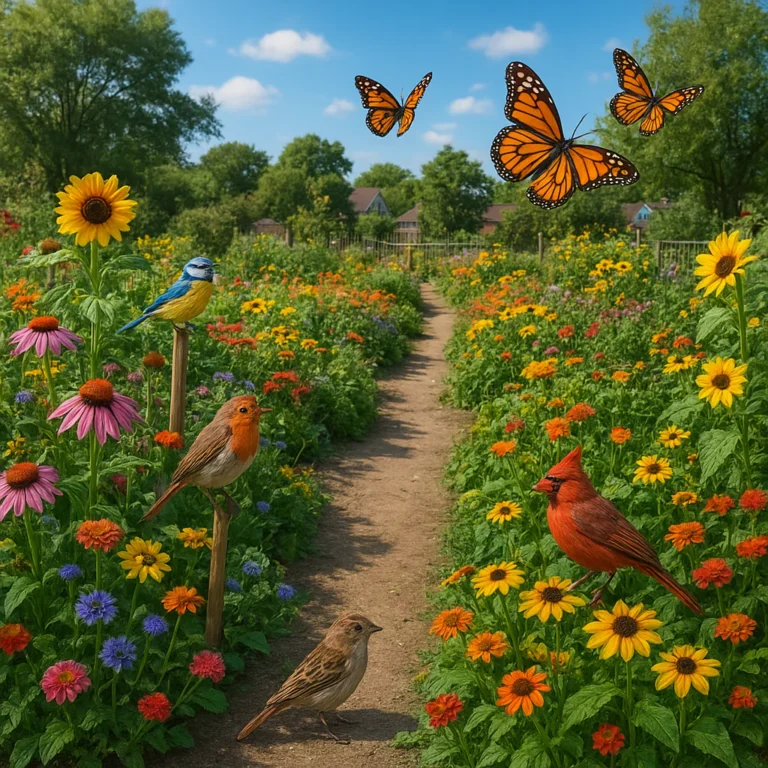
Ever walked through a community garden that felt more like a concrete wasteland than a living ecosystem? We have, and it breaks our hearts. But here’s the plot twist: the secret to a thriving, pest-free, and incredibly productive plot isn’t found in a bottle of chemical spray or a perfectly manicured row of tomatoes. It’s found in the “mess.” Yes, the weeds, the dead leaves, and the chaotic jumble of native flowers are actually the engine of biodiversity that turns a simple garden into a wildlife sanctuary.
In this deep dive, we’re pulling back the curtain on the science of urban ecology. You’ll discover why a “tidy” garden might be killing your harvest, how to turn your compost pile into a five-star hotel for beneficial insects, and the specific 12 native plants that will have bees, butterflies, and birds flocking to your plot like it’s the last oasis in the desert. We’ll even reveal a surprising statistic about solitary bees that will make you rethink every time you reach for the trowel.
Ready to stop fighting nature and start working with it? Let’s turn your community garden into a living laboratory where food grows and life flourishes.
Key Takeaways
- Biodiversity is Synergistic: You don’t have to choose between growing food and saving the planet; diverse ecosystems naturally boost crop yields and reduce pest outbreaks.
- Embrace the “Mess”: Leaving leaf litter, dead stems, and “weds” provides critical overwintering habitat for solitary bees and beneficial predators.
- Native Plants are Non-Negotiable: Planting locally adapted species is the single most effective way to support the specific pollinators and wildlife in your region.
- Soil is Alive: A healthy mycorhizal network beneath the soil is just as important as the plants above it for nutrient cycling and plant resilience.
- Community is the Catalyst: Organizing biodiversity audits and shared management policies can transform a group of individual plots into a powerful urban wildlife corridor.
Table of Contents
- ⚡️ Quick Tips and Facts
- 🌱 From Concrete Jungles to Living Ecosystems: The History of Biodiversity in Community Gardens
- 🦋 Why Your Plot Needs a Party: The Science of Pollinator Diversity and Soil Health
- 🌿 12 Essential Native Plants to Supercharge Local Wildlife Coridors
- 🐞 8 Beneficial Insects You Want Hiding in Your Compost (And How to Atract Them)
- 🐦 5 Bird-Friendly Features That Turn Your Garden into a Feathered Hotel
- 🐍 7 Surprising Creatures That Thrive in Urban Micro-Habitats
- 🚫 6 Common Mistakes That Kill Garden Biodiversity (And How to Fix Them)
- 🌧️ Water Wisdom: Creating Ponds and Rain Gardens for Amphibian and Aquatic Life
- 🧱 4 Creative Ways to Build Insect Hotels and Bug Mansions from Recycled Materials
- 🌾 Companion Planting for Chaos Control: Balancing Pests and Predators Naturally
- 🤝 Community Action: How to Organize a Neighborhood Biodiversity Audit
- 📊 The Data Dive: Measuring Success with Citizen Science Apps
- 🏆 Conclusion: Cultivating a Thriving Web of Life
- 🔗 Recommended Links
- ❓ FAQ: Your Burning Questions About Garden Ecology Answered
- 📚 Reference Links
⚡️ Quick Tips and Facts
Before we dig our hands into the rich, loamy soil of this topic, let’s hit the ground running with some rapid-fire truths that might just change how you look at your next weed pull.
- Myth Buster: You don’t have to choose between growing food and saving the planet. A landmark study by Dr. Shalene Jha found that food production and biodiversity are synergistic, not mutually exclusive! 🌱🦋
- The Bee Truth: Did you know 90% of bee species are solitary? They don’t live in hives; they nest in the ground. If you pave over your garden with concrete or till too aggressively, you’re evicting your most important pollinators.
- The “Wed” Misconception: What you call a “weed” might be a rare native plant. Research in Chicago showed that spontaneous vegetation (wild plants) is crucial for supporting Lepidopteran (butterfly/moth) diversity.
- Social Soil: Biodiversity isn’t just about bugs; it’s about people. Gardens with diverse plantings often reflect the cultural diversity of the gardeners, creating a living tapestry of global flavors.
- The “Right to Grow”: Inspired by projects like “Incredible Edible” in Todmorden, the movement is shifting toward legislative support for community food growing, proving that small actions create massive ripples.
Curious why a “messy” garden often yields better tomatoes? We’ll reveal the secret of the “chaos control” later in the companion planting section!
🌱 From Concrete Jungles to Living Ecosystems: The History of Biodiversity in Community Gardens

Let’s take a trip down memory lane, shall we? 🕰️ The story of community gardens isn’t just about growing zucchini; it’s a saga of urban resilience and ecological awakening.
The Victory Garden Legacy
It started with the “Victory Gardens” of World War I and II. While the primary goal was food security and morale, these gardens inadvertently created pockets of green in the gray concrete. However, the focus was strictly on monoculture (one crop per plot) to maximize yield. Biodiversity was a happy accident, not a design feature.
The Green Shift
Fast forward to the 1970s and the environmental movement. Gardeners began to realize that chemical pesticides were killing more than just pests. The shift toward organic gardening and permaculture principles began to take root.
Did you know? The concept of the “community garden” as a biodiversity hub was largely ignored by urban planners until recent decades. As noted in studies of Chicago gardens, management type is the single biggest driver of what lives there. If the rules say “no weeds,” you lose the butterflies. If the rules say “grow together,” you get an ecosystem.
The Modern Renaissance
Today, we are in a golden age of urban ecology. We now understand that a community garden is a micro-habitat that can support rare species of bees, birds, and even small mammals. It’s no longer just a place to grow food; it’s a living laboratory for climate adaptation and social cohesion.
As we explore the science behind this, you might wonder: How exactly does a patch of dirt in a city support a web of life? The answer lies in the intricate dance of pollinator diversity and soil health.
🦋 Why Your Plot Needs a Party: The Science of Pollinator Diversity and Soil Health
Imagine your garden as a house party. 🎉 If you only invite one type of guest (say, honeybes), the party is okay, but it’s boring. But if you invite solitary bees, bumblebes, hoverflies, betles, and butterflies, the energy is electric!
The Solitary Bee Revolution
Most people think of the honeybee (Apis mellifera) when they hear “pollinator.” But here’s the plot twist: Honeybes are non-native to North America and often compete with native species.
- The Solitary Squad: Over 4,0 species of native bees in the US are solitary. They don’t make honey, but they are super-pollinators. A single bumblebee can visit 10x more flowers than a honeybee in the same amount of time!
- Dietary Diversity is Key: Just like humans need a balanced diet, bees need pollen diversity. A garden with only tomatoes and lettuce offers a limited menu. Add native wildflowers, and you provide the protein variety needed for healthy larvae.
Soil: The Underground Metropolis
You can’t have a thriving above-ground party without a solid foundation. Soil health is the bedrock of biodiversity.
- The Fungal Network: Beneath your feet lies the mycorhizal network, a fungal internet that connects plant roots, exchanging nutrients and warning signals.
- No-Till is Best: Tilling breaks these fungal highways. By adopting no-till or low-till practices, you preserve the soil structure and the millions of microrganisms living there.
| Feature | Monoculture Garden | Biodiverse Garden |
|---|---|---|
| Pollinator Types | Mostly Honeybes | Solitary bees, bumblebes, hoverflies, beetles |
| Pest Control | Relies on sprays | Natural predators (ladybugs, lacewings) |
| Soil Structure | Compacted, low organic matter | Loamy, high fungal activity |
| Resilience | Low (one disease wipes it out) | High (natural buffers) |
| Yield Stability | Variable | Consistent over time |
Why does this matter to you? A diverse soil microbiome means better nutrient uptake for your crops, meaning bigger, tastier veggies without the synthetic fertilizer bill!
🌿 12 Essential Native Plants to Supercharge Local Wildlife Coridors
Ready to transform your plot into a wildlife corridor? You don’t need a degree in botany, just a list of the right plants. These are the 12 MVPs (Most Valuable Plants) for biodiversity.
Note: Native plants vary by region. Always check your local extension office for the best species for your specific zone.
- Purple Coneflower (Echinacea purea): A magnet for butterflies and bees. Drought-tolerant and tough as nails.
- Milkweed (Asclepias spp.): The only host plant for Monarch butterflies. No milkweed, no Monarchs!
- Black-Eyed Susan (Rudbeckia hirta): Provides nectar late in the season when other flowers fade.
- Wild Bergamot (Monarda fistulosa): Loved by bees and hummingbirds. Also a great culinary herb!
- Goldenrod (Solidago spp.): Often blamed for allergies (it’s not!), but it’s a critical late-season food source.
- New England Aster (Symphyotrichum novae-angliae): Another late-bloming powerhouse for migrating butterflies.
- Columbine (Aquilegia spp.): Early spring nectar for emerging bees and hummingbirds.
- Bee Balm (Monarda didyma): Similar to Wild Bergamot but with vibrant red flowers that attract hummingbirds.
- Sunflower (Helianthus spp.): Native varieties provide seeds for birds and pollen for bees.
- Switchgrass (Panicum virgatum): A native grass that provides shelter for ground-nesting bees and overwintering insects.
- Serviceberry (Amelanchier spp.): A small tree/shrub that offers berries for birds and early spring flowers.
- Virginia Creeper (Parthenocissus quinquefolia): Excellent for climbing insects and birds, though keep it contained!
Pro Tip: Don’t just plant them in rows! Interplant these natives with your vegetables. It confuses pests and attracts beneficials.
Where to find these?
- 👉 Shop Native Seeds on: Amazon Native Seeds | Etsy Native Seeds | Native Plant Finder
🐞 8 Beneficial Insects You Want Hiding in Your Compost (And How to Atract Them)
Let’s talk about the good guys. These are the insects that do the dirty work so you don’t have to spray chemicals.
- Ladybugs (Ladybirds): The aphid assassins. One ladybug larva can eat 50 aphids a day!
- Lacewings: Their larvae are known as “aphid lions.” They have massive jaws and a voracious appetite.
- Ground Beetles: Night shift workers that eat slugs, snails, and cutworms. They love hiding under rocks.
- Hoverflies: Look like tiny bees but can’t sting. Their larvae eat aphids. Adults are great pollinators.
- Predatory Wasps: Not the stinging kind you fear. Parasitic wasps lay eggs inside pests, controlling populations naturally.
- Spiders: The ultimate generalist predators. They build webs or hunt on the ground.
- Rove Beetles: Small, fast beetles that eat fly eggs and aphids.
- Praying Mantises: The ninjas of the insect world. They eat almost anything, including other beneficials, so use them with caution!
How to Atract Them
- Leave the Leaves: Don’t clean up every leaf in the fall. Many beneficials overwinter in leaf litter.
- Water Sources: A shallow dish with stones (so they don’t drown) provides hydration.
- Flower Power: Plant umbel-shaped flowers (like dill, fennel, yarrow) which are easy for tiny insects to land on.
Check out this guide on Companion Planting for Beneficial Insects to see which veggies pair best with these allies.
🐦 5 Bird-Friendly Features That Turn Your Garden into a Feathered Hotel
Birds are the canaries in the coal mine for garden health. If you have birds, you likely have a balanced ecosystem. Here’s how to upgrade your garden from a “bed and breakfast” to a five-star hotel.
- Native Berry Bushes: Birds need food. Plant serviceberries, elderberries, and winterberries.
- Water Features: A birdbath is essential. Add a solar fountain to keep the water moving and oxygenated.
- Nesting Sites: Install birdhouses designed for specific species (e.g., bluebirds need a small hole, wrens like a larger one).
- Shelter Layers: Create a “layered” garden with tall trees, shrubs, and ground cover. Birds need cover from predators.
- Leave the Seed Heads: Don’t cut back your dead flowers in the fall. Goldfinches love sunflower and coneflower seeds.
Fun Fact: A single pair of Chickades can consume thousands of pests in a week!
Recommended Gear:
- Birdhouses: Amazon Birdhouses | Etsy Handmade Birdhouses
- Solar Fountains: Amazon Solar Bird Bath Fountains
🐍 7 Surprising Creatures That Thrive in Urban Micro-Habitats
Think you’re alone in your garden? Think again. Urban gardens are teming with surprising creatures that often get a bad rap.
- Garter Snakes: Harmless and great at eating slugs. They are the slayer of the slug.
- Toads: The ultimate slug control. A single toad can eat hundreds of pests a night.
- Fireflies (Lightning Bugs): Their larvae eat snails and slugs. The adults are pollinators.
- Spiders: Yes, again. They are the unsung heroes of pest control.
- Centipedes: Fast runners that eat other insects.
- Earthworms: The engineers of the soil. They aerate and fertilize.
- Moles: Okay, they can be tricky, but they eat grubs. A mole in the garden means you have a grub problem elsewhere!
Myth vs. Reality:
- Myth: “Snakes are dangerous.”
- Reality: Most urban snakes are non-venomous and essential for rodent control.
- Myth: “Toads are ugly.”
- Reality: They are cute, warty, and incredibly efficient pest controllers.
🚫 6 Common Mistakes That Kill Garden Biodiversity (And How to Fix Them)
Even the best-intentioned gardeners can accidentally sabotage their ecosystem. Here are the six deadly sins of biodiversity and how to repent.
-
Over-Cleaning (The “Tidy” Trap)
The Mistake: Removing all dead leaves, stems, and debris in the fall.
The Fix: Leave the mess! Insects overwinter in hollow stems and leaf litter. Wait until spring to clean up. -
Monoculture Madness
The Mistake: Planting 50 feet of only tomatoes.
The Fix: Polyculture! Mix vegetables, herbs, and flowers. It confuses pests and feeds pollinators. -
Chemical Overload
The Mistake: Reaching for the spray bottle at the first sign of a bug.
The Fix: Integrated Pest Management (IPM). Identify the pest first. Often, a predator is already on its way. -
Paving Over Soil
The Mistake: Covering the ground with plastic or concrete to stop weeds.
The Fix: Use cardboard and mulch (sheet mulching) to suppress weeds while feeding the soil. -
Ignoring Native Plants
The Mistake: Planting only exotic ornamentals.
The Fix: Prioritize native species. They have co-evolved with local wildlife for thousands of years. -
Watering Too Much
The Mistake: Overwatering creates fungal issues and weak roots.
The Fix: Water deeply but infrequently. Encourage drought-tolerant plants.
🌧️ Water Wisdom: Creating Ponds and Rain Gardens for Amphibian and Aquatic Life
Water is life. A small pond or rain garden can transform your garden into a haven for amphibians, dragonflies, and aquatic insects.
The Mini-Pond
You don’t need a huge excavation. A pre-formed liner or even a large buried pot works.
- Depth: Vary the depth. Shallow edges for frogs, deeper sections for overwintering.
- Plants: Add water lilies for shade and cattails for cover.
- Access: Add a ramp or stones so creatures can get in and out.
Rain Gardens
These are depressed areas that catch runoff. They filter pollutants and provide moisture for plants.
- Soil Mix: Use a sandy-loam mix for good drainage.
- Plants: Choose plants that love wet feet but can handle dry spells (e.g., Blue Flag Iris, Cardinal Flower).
Did you know? Dragonflies are bio-indicators. If you have dragonflies, your water quality is good!
🧱 4 Creative Ways to Build Insect Hotels and Bug Mansions from Recycled Materials
Why buy an expensive insect hotel when you can build one from recycled materials? It’s a fun weekend project that provides essential shelter.
- The Bamboo Bundle
- Cut bamboo canes to different lengths. Bundle them tightly in a box. The hollow stems are perfect for solitary bees.
- The Drilled Log
- Take a thick log and drill holes of varying diameters (3mm to 10mm). Fill with wood shavings.
- The Brick Stack
- Stack old bricks with gaps between them. The crevices are great for spiders and beetles.
- The Pinecone Tower
- Glue pinecones into a mesh tube or a wooden frame. The scales provide hiding spots for tiny insects.
Materials Needed:
- Bamboo canes
- Old logs
- Bricks
- Pinecones
- Non-toxic glue
- Mesh or wire
👉 Shop Materials:
- Bamboo Canes: Amazon Bamboo Stakes
- Drill Bits: Amazon Wood Drill Bits
🌾 Companion Planting for Chaos Control: Balancing Pests and Predators Naturally
Remember the question we asked earlier? Why does a “messy” garden yield better tomatoes? The answer is Companion Planting.
Theory
By planting specific species together, you can:
- Mask scents to confuse pests.
- Atract predators to eat the pests.
- Improve soil with nitrogen fixers.
Top Combinations
- Tomatoes + Basil + Marigolds: Basil repels flies; Marigolds repel nematodes.
- Carots + Onions: The strong scent of onions masks the smell of carrots from carrot flies.
- Cabbage + Nasturtiums: Nasturtiums act as a “trap crop,” luring aphids away from the cabbage.
- Corn + Beans + Squash: The “Three Sisters” method. Corn provides support, beans fix nitrogen, squash covers the ground.
The Secret: It’s not about perfection. It’s about balance. A few aphids are okay if they feed the ladybugs.
Explore more strategies in our Companion Planting Guide.
🤝 Community Action: How to Organize a Neighborhood Biodiversity Audit
Biodiversity isn’t just a solo act; it’s a community effort. Organizing a Biodiversity Audit can unite your neighbors and gather valuable data.
Step-by-Step Guide
- Form a Team: Gather 5-10 enthusiastic gardeners.
- Define the Scope: Decide which gardens to include and what to count (bes, birds, plants).
- Train the Team: Use apps like iNaturalist or Seek to identify species.
- Conduct the Survey: Spend a weekend counting and photographing.
- Analyze Data: Compare results across different gardens.
- Share Results: Host a community meeting to discuss findings and plan improvements.
Why do this?
- Data for Change: Use the data to advocate for better policies with local government.
- Community Building: It brings people together for a common cause.
- Education: Learn about the local ecosystem.
📊 The Data Dive: Measuring Success with Citizen Science Apps
How do you know if your efforts are working? Data is the answer. Citizen science apps make it easy to track your progress.
Top Apps
- iNaturalist: The gold standard. Upload photos, get AI suggestions, and connect with scientists.
- Seek by iNaturalist: Great for beginners and kids. Instant identification.
- eBird: Specifically for bird watchers. Contribute to global bird migration data.
- Bumble Bee Watch: Focused on bumblebee conservation.
What to Track
- Species Richness: How many different species?
- Abundance: How many individuals of each species?
- Seasonality: When do they appear?
Pro Tip: Consistency is key. Check your garden at the same time each week for the best data.
Ready to start? Download iNaturalist today and join the global network of naturalists!
🏆 Conclusion: Cultivating a Thriving Web of Life

We’ve journeyed from the concrete jungles of the past to the living ecosystems of today. We’ve learned that biodiversity isn’t a luxury; it’s a necessity for resilient, productive, and joyful community gardens.
The Big Reveal: That “messy” garden you were worried about? It’s actually a biodiversity powerhouse. The “weds” are feeding the bees, the “pests” are feeding the predators, and the “chaos” is creating a stable, self-sustaining system.
Key Takeaways:
- Synergy over Trade-off: You can grow food and save the planet simultaneously.
- Native is King: Prioritize native plants to support local wildlife.
- Embrace the Mess: Leave leaves, stems, and dead wood to provide habitat.
- Community is Crucial: Biodiversity thrives when people work together.
As Pam Warhurst said, “We are not the victims, we are part of the solution.” By transforming our community gardens into biodiversity havens, we are not just growing food; we are growing hope, resilience, and connection.
So, grab your trowel, plant a native flower, and let the party begin! 🌱🦋🐦
🔗 Recommended Links
Books & Resources:
- The Nature of Nature: Why We Need the Wild – A deep dive into the importance of wild spaces.
- Bringing Nature Home: How You Can Sustain Wildlife with Native Plants – Essential reading for native plant enthusiasts.
- Gardening for Butterflies: How You Can Atract and Protect Beautiful, Beneficial Insects – Practical tips for butterfly gardens.
Tools & Gear:
- Native Seeds: Amazon Native Seeds | Etsy Native Seeds
- Birdhouses: Amazon Birdhouses | Etsy Handmade Birdhouses
- Solar Fountains: Amazon Solar Bird Bath Fountains
- Insect Hotel Kits: Amazon Insect Hotels
Community Resources:
- Community Gardening Benefits
- Community Garden Events
- Community Garden Policies
- Edible Plants
- Climate Adaptation in Gardening
❓ FAQ: Your Burning Questions About Garden Ecology Answered

How does biodiversity in community gardens impact community health and well-being?
Biodiversity directly correlates with mental health and social cohesion. Studies show that interacting with diverse ecosystems reduces stress, improves mood, and fosters a sense of community connection. The act of caring for a diverse garden provides a sense of purpose and achievement.
Read more about “🌱 7 Ways Gardening for Social Change Transforms Communities (2026)”
What are the challenges of maintaining biodiversity in community gardens?
The main challenges include limited space, urban pollution, lack of knowledge among gardeners, and conflicting management styles. Some gardeners prefer tidy plots, while others embrace wildness. Balancing these needs requires clear communication and shared vision.
Read more about “🌱 5 Smart Irrigation Systems for Community Gardens (2026)”
How can gardeners promote biodiversity while growing food together?
By adopting polyculture practices, interplanting native flowers with vegetables, and avoiding chemical pesticides. Companion planting and crop rotation also help maintain soil health and pest balance.
Read more about “🌱 7 Proven CDC Benefits of Community Gardens (2026)”
What role do community gardens play in urban biodiversity conservation?
Community gardens act as stepping stones or coridors for wildlife in urban areas. They provide essential habitat, food, and water for pollinators, birds, and small mammals, connecting fragmented green spaces.
Read more about “💧 12 Water-Saving Secrets for Thriving Community Gardens (2026)”
How does biodiversity in community gardens impact soil health and productivity?
Diverse plantings support a rich soil microbiome, including fungi and bacteria that improve nutrient cycling and soil structure. This leads to healthier plants, higher yields, and reduced need for fertilizers.
Read more about “What Is a Disadvantage of a Community Garden? 7 Surprising Truths 🌿 (2026)”
What are the challenges of maintaining biodiversity in urban community gardens?
Urban gardens face unique challenges like soil contamination, heat islands, and limited water access. Additionally, noise and light pollution can disrupt wildlife behavior.
Read more about “🌱 7 Common Community Garden Challenges & Fixes (2026)”
How can community gardening practices promote sustainable biodiversity?
By prioritizing native plants, reducing chemical inputs, conserving water, and creating habitat structures like insect hotels and birdhouses. Education and community engagement are also key.
Read more about “🌱 7 Ways Community Gardens Fuel Sustainable Living (2026)”
What role do native plants play in enhancing biodiversity in community gardens?
Native plants are co-evolved with local wildlife, providing the specific food and shelter needed by native pollinators, birds, and insects. They are generally more drought-tolerant and require less maintenance.
Read more about “🍎 10 Essential Food Security Programs for 2026: Your Guide to Getting Fed”
How can community gardens support local wildlife and pollinators?
By providing diverse food sources, water, shelter, and nesting sites. Creating a layered garden with trees, shrubs, and ground cover mimics natural habitats.
Read more about “10 Secrets to Thriving Pollinator-Friendly Community Gardens 🐝 (2026)”
What are the best plants to increase biodiversity in community gardens?
Native wildflowers like Purple Coneflower, Milkweed, and Black-Eyed Susan are excellent choices. Herbs like Basil and Mint also attract beneficial insects.
Read more about “🌱 7 Permaculture Practices for Thriving Community Gardens (2026)”
How does biodiversity benefit community gardens?
Biodiversity leads to natural pest control, improved pollination, better soil health, and increased resilience to climate change. It also enhances the aesthetic and educational value of the garden.
Read more about “🌱 12 Steps to Native Plant Integration in Community Gardens (2026)”
📚 Reference Links
- Domanus, A. (2023). Biodiversity in urban community gardens. Digital Commons at Loyola Marymount University. Read the full study here.
- Jha, S., et al. (2021). Synergies between food production and biodiversity in community gardens. Ecology Letters. Abstract and findings.
- Ong, T. W., et al. (2021). Rare species in urban community gardens. Ecosphere. Study details.
- Xerces Society for Invertebrate Conservation. Atracting Native Pollinators. Official Website.
- National Wildlife Federation. Garden for Wildlife. Official Website.
- American Community Gardening Association. Community Gardening Resources. Official Website.