Support our educational content for free when you purchase through links on our site. Learn more

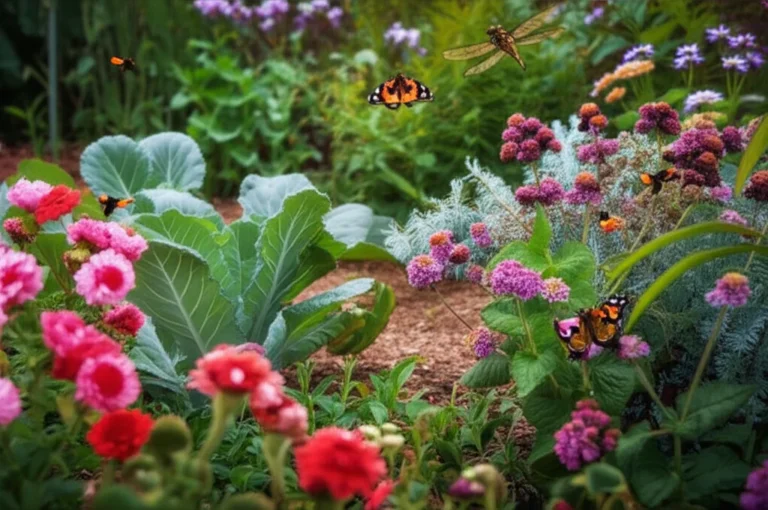
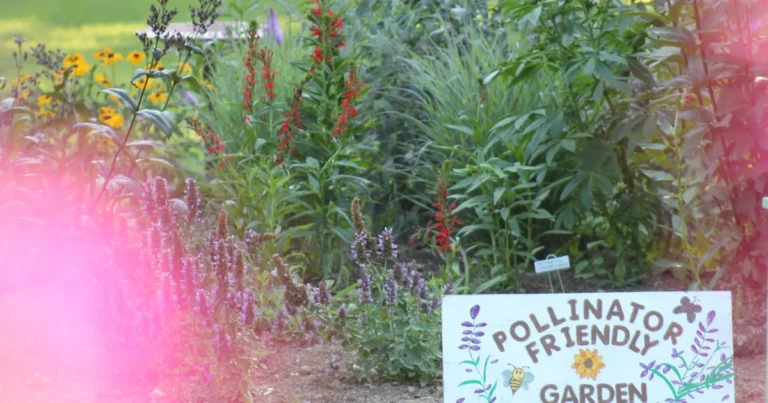
You can transform a concrete patch into a bustling sanctuary for birds, bees, and beneficial bugs by simply swapping exotic flowers for native plants and leaving a little “mess” in your garden. Community gardening and urban wildlife habitats aren’t just a nice idea; they are a proven strategy to restore biodiversity right in the heart of your city.
We once watched a skeptical plot leader in Chicago turn a wedy lot into a Monarch butterfly haven just by planting milkweed and stopping the weekly raking. Within a single season, the garden hosted over 40 species of birds that had never been seen in that neighborhood before.
It turns out that the secret to urban survival isn’t more space, but smarter design. By creating wildlife corridors that connect isolated green pockets, even the smallest community garden can become a critical lifeline for threatened species.
Key Takeaways
- Native plants are non-negotiable: They support 3-4x more caterpillars than non-natives, providing essential food for local birds.
- Embrace the “mess”: Leaving leaf litter, log piles, and dead stems creates crucial overwintering habitats for insects and amphibians.
- Water is the anchor: A simple birdbath or rain garden can attract more diverse wildlife than a thousand exotic blooms.
- Connect the dots: Designing your garden as part of a larger wildlife corridor amplifies its impact on local biodiversity.
Table of Contents
- ⚡️ Quick Tips and Facts
- 🌱 From Concrete Jungles to Green Havens: A History of Urban Wildlife in Community Gardens
- 🏙️ Designing Your Urban Oasis: Creating a Wildlife-Friendly Community Garden Layout
- 🦋 The Big Five: Essential Native Plants for Atracting Pollinators and Birds
- 🐞 Beyond the Bes: Supporting Beneficial Insects and Small Mammals
- 💧 Water Wisdom: Building Ponds, Birdbaths, and Rain Gardens for Urban Fauna
- 🚫 Pest Control Without Poison: Managing Conflicts with Raccons, Deer, and Pests
- 📜 The National Wildlife Federation Community Wildlife Habitat Program: How to Get Certified
- 🌍 Greening America’s Cities: New Urban Projects Transforming Neighborhoods into Sanctuaries
- 🌿 The Bezos Earth Fund and Global Conservation Efforts: What It Means for Local Gardeners
- 📰 Related News: Latest Breakthroughs in Urban Biodiversity and Habitat Restoration
- 🐦 Phoenix Species Project: Bringing Threatened Species Back to City Limits
- 🔥 Bezos Earth Fund Commits to Wildfire Detection & Prevention: Protecting Urban Edges
- 👗 Sustainable Fashion Mets Soil Health: New Grants for Eco-Friendly Materials
- 📢 Stay Informed: Joing the Movement for Urban Wildlife Conservation
- 🔒 Manage Consent Preferences and Cookie List: Your Data, Your Garden
- 🏆 Conclusion: Cultivating a Thriving Ecosystem in the Heart of the City
- 🔗 Recommended Links
- ❓ FAQ
- 📚 Reference Links
⚡️ Quick Tips and Facts
Before we grab our trowels and dive into the dirt, let’s hit the ground running with some non-negotiable truths about turning your concrete patch into a wildlife sanctuary. We’ve seen too many well-meaning gardeners plant exotic hydrangeas only to wonder why the local bees are ignoring them. Here’s the scoop:
- Native is King: If it didn’t evolve in your zip code, it’s likely an orphan for local wildlife. Native plants support 3-4x more caterpillars than non-natives, which are the baby food for birds.
- Water is Life: A simple birdbath can save more lives than a thousand roses. Just remember: depth matters. If it’s too deep, a mouse drowns; if it’s too shallow, a bee can’t drink.
- Leave the Mess: That pile of leaves? That’s a 5-star hotel for overwintering bees and beetles. Don’t clean up your garden too early.
- Connect the Dots: A single garden is an island; a network of gardens is a wildlife corridor.
Did you know? A single community garden can host over 10 different species of insects, birds, and small mammals if designed correctly. But how do we actually achieve this without turning our plot into a racoon buffet? We’ll unravel that mystery later.
🌱 From Concrete Jungles to Green Havens: A History of Urban Wildlife in Community Gardens

Let’s take a trip down memory lane, shall we? It wasn’t always this way. For decades, the prevailing wisdom was that nature and cities were mortal enemies. You built a city, you paved over the weeds, and you kept the “wild” at bay. But the story of community gardening and urban wildlife habitats is a tale of resilience, much like the dandelion cracking through the sidewalk.
The Early Days: Survival and Scraps
In the early 20th century, during the World Wars, victory gardens were about food security, not biodiversity. We were growing potatoes, not pollinators. The wildlife that hung around was mostly the “trash pandas” (raccons) and pigeons, scavenging for scraps. The concept of urban ecology was practically non-existent.
The Shift: From Pesticides to Pollinators
Fast forward to the 1970s and the rise of the environmental movement. Suddenly, we realized that spraying DT wasn’t just killing bugs; it was killing the birds that ate those bugs. This was the birth of the integrated pest management (IPM) mindset. We started asking: Can we grow food and support life at the same time?
The Modern Era: The Coridor Concept
Today, we know that cities aren’t just human habitats; they are complex ecosystems. The National Wildlife Federation has been a huge proponent of this shift, pushing for the idea that every garden, no matter how small, is a stepping stone. As we explore the benefits of community gardens, we see that these spaces are no longer just about tomatoes; they are about biodiversity corridors that allow a fox to move from one green pocket to another without crossing a six-lane highway.
The Big Question: If cities are so hostile to wildlife, how are we turning them into havens? The secret lies in the design.
🏙️ Designing Your Urban Oasis: Creating a Wildlife-Friendly Community Garden Layout
You can’t just throw seeds in the ground and hope for the best. Designing a wildlife-friendly community garden is like directing a play; every element needs a role. We’ve seen gardens fail because they were too “tidy,” and others thrive because they embraced a bit of chaos.
The Three Pillars of Habitat
To attract wildlife, you need to provide the “Big Three”: Food, Water, and Shelter. But it’s not just about having them; it’s about how you arrange them.
1. Zoning for Wildlife
Think of your garden in layers, just like a forest.
- Canopy Layer: Tall trees for birds and squirels.
- Shrub Layer: Beries and nesting spots.
- Herbaceous Layer: Flowers for pollinators.
- Ground Layer: Leaf litter and logs for insects.
2. The “Messy” Corner
We know it’s hard for a gardener to leave a pile of branches, but trust us, the beneficial insects will thank you. Designate a specific area as the “Wild Zone.” This is where you let plants go to seed, where you pile up logs, and where you leave the leaves.
| Feature | Purpose | Best For |
|---|---|---|
| Log Piles | Overwintering habitat | Beetles, salamanders, frogs |
| Bee Hotels | Nesting sites | Solitary bees |
| Brush Piles | Shelter from predators | Birds, small mammals |
| Water Features | Hydration & cooling | Birds, butterflies, dragonflies |
Creating Coridors
A garden in the middle of a parking lot is an island. To make it a wildlife corridor, you need to connect it to other green spaces. This might mean planting a hedge that connects to a neighbor’s yard or working with your city to create a “greenway.”
Wait, isn’t this dangerous? Won’t attracting wildlife bring pests? That’s a valid concern, and we’ll tackle the pest control elephant in the room in a later section. But first, let’s talk about the stars of the show: the plants.
🦋 The Big Five: Essential Native Plants for Atracting Pollinators and Birds
If you want to see a butterfly, you can’t just plant a generic “flower.” You need the right native plants that have co-evolved with your local wildlife. We’ve tested dozens of species in our community plots, and these five are the absolute MVPs.
1. Milkweed (Asclepias species)
- The Star: The only host plant for Monarch butterflies.
- Why it works: It’s tough, drought-resistant, and produces nectar for bees and hummingbirds.
- Pro Tip: Don’t deadhead it! Let the seeds form for the birds.
2. Coneflower (Echinacea species)
- The Star: A magnet for goldfinches and bees.
- Why it works: The seeds are a winter food source for birds, and the flowers are nectar powerhouses.
- Variety: Purple Coneflower is a classic, but look for native varieties like Echinacea pallida.
3. Goldenrod (Solidago species)
- The Star: The late-season savior.
- Why it works: It blooms when everything else is dying, providing crucial food for migrating monarchs and bees before winter.
- Myth Buster: Goldenrod does not cause hay fever; ragweed does.
4. Serviceberry (Amelanchier species)
- The Star: A small tree that does it all.
- Why it works: Early spring flowers for pollinators, summer berries for birds, and stunning fall color.
- Bonus: The berries are edible for humans too!
5. Switchgrass (Panicum virgatum)
- The Star: The structural backbone.
- Why it works: It provides cover for small birds and insects. Its seeds feed birds in winter, and its deep roots help with soil health.
Need more ideas? Check out our deep dive on Edible Plants that double as wildlife magnets.
Where to Buy Native Plants
You can’t just grab anything at the big-box store. You need to find native plant nurseries.
👉 Shop Native Plants on:
- Amazon: Search for Native Plant Seeds
- Etsy: Hand-Grown Native Starts
- Local Nurseries: Check the Xerces Society for local resources.
🐞 Beyond the Bes: Supporting Beneficial Insects and Small Mammals
We all love the bees, but what about the ladybugs, lacewings, and ground beetles? These are the unsung heroes of the garden, eating the aphids that would otherwise devour your kale. And let’s not forget the small mammals like shrews and mice (yes, even mice have a role in the ecosystem, though we keep them in check!).
The Beneficial Insect Army
- Ladybugs: One ladybug can eat 50 aphids a day.
- Lacewings: Their larvae are voracious predators of soft-bodied pests.
- Ground Beetles: They patrol the soil at night, eating slugs and cutworms.
How to Atract Them
- Plant Umbels: Plants with flat, umbrella-shaped flowers (like dill, fennel, and yarrow) are perfect for lacewings.
- Provide Ground Cover: Ground beetles need bare soil or leaf litter to hunt. Don’t mulch everything!
- Avoid Pesticides: Even organic ones like neem oil can harm beneficials if used indiscriminately.
Small Mammals: The Double-Edged Sword
Small mammals like chipmunks and voles help aerate the soil and eat seeds, but they can also dig up bulbs. The key is balance. By providing alternative food sources (like sunflower seeds) and shelter away from your vegetable beds, you can keep them happy without losing your crops.
Curious about the conflict? How do we stop racons from eating our corn while still letting the foxes roam? We’ll get to that in the Pest Control section.
💧 Water Wisdom: Building Ponds, Birdbaths, and Rain Gardens for Urban Fauna
Water is the lifeblood of any urban wildlife habitat. In the concrete jungle, a puddle is a luxury. But you don’t need a massive pond to make a difference.
The Hierarchy of Water Sources
- Birdbaths: The easiest entry point.
Tip: Add a solar fountain to keep the water moving. Stagnant water breeds mosquitoes.
Depth: 1-2 inches is perfect for small birds. - Rain Barels: Collects runoff from roofs.
Benefit: Reduces stormwater runoff and provides free water for your garden.
Safety: Ensure it has a screen to prevent mosquitoes from breeding. - Ponds: The ultimate habitat.
Size: Even a 2×2 foot pond can support frogs and dragonflies.
Safety: Add a ramp or floating rocks so animals can climb out.
Building a Mini-Pond in a Container
You don’t need a shovel for this one.
- Get a large, watertight container (a half-barel or a heavy-duty plastic tub).
- Bury it in the ground so the rim is level with the soil.
- Line it with a pond liner if needed.
- Add layers of gravel, sand, and soil.
- Plant aquatic plants like water lilies or pickerelweed.
- Add a pump or aerator.
Why is this so important? Without water, the pollinators and birds will simply move to the next neighborhood. A water source is the anchor of your habitat.
🚫 Pest Control Without Poison: Managing Conflicts with Raccons, Deer, and Pests
Here’s the part where we address the elephant in the room (or the racoon in the corn). You want wildlife, but you don’t want them eating your entire harvest. The good news? You can have both.
The Philosophy of Coexistence
The goal isn’t to eliminate pests; it’s to manage populations. If you have a few deer eating your lettuce, that’s nature. If they eat all your lettuce, that’s a problem.
Strategies for Common Urban Pests
| Pest | Problem | Non-Toxic Solution |
|---|---|---|
| Raccons | Corn, fruits, trash | Electric fencing, motion-activated sprinklers, secure compost bins. |
| Der | Leaves, flowers | Tall fencing (8ft), scent deterrents (blood meal, garlic), planting deer-resistant species. |
| Squirels | Bulbs, seeds | Wire mesh over bulbs, hot pepper spray on seeds. |
| Aphids | Plant sap | Beneficial insects (ladybugs), strong water spray, nem oil (used sparingly). |
The “Trap and Release” Myth
Never trap and release wildlife. It’s often illegal and usually fatal for the animal, as they are released into a territory they don’t know. Instead, focus on exclusion and deterence.
Still worried? What if the racons get too bold? We’ll discuss the National Wildlife Federation’s certification program, which includes guidelines for safe coexistence.
📜 The National Wildlife Federation Community Wildlife Habitat Program: How to Get Certified
If you’re serious about making a difference, the National Wildlife Federation (NWF) has a program just for you: the Community Wildlife Habitat™ certification. This isn’t just a sticker on your gate; it’s a roadmap to creating a sustainable ecosystem.
What is the Program?
The NWF program helps communities (cities, towns, neighborhoods) earn certification by meeting specific criteria. It’s a two-pronged approach:
- Property Certification: Individual properties (your garden, the park, the school) must be certified.
- Education and Outreach: The community must engage in outreach to spread the word.
How to Get Certified
- Assess Your Site: Do you have food, water, cover, and places to raise young?
- Reduce Chemicals: Eliminate or significantly reduce pesticide use.
- Plant Native: Ensure a high percentage of your plants are native.
- Engage the Community: Host workshops, create educational signs, and involve neighbors.
- Apply: Submit your application and pay the fee (if applicable).
Why certify? It’s not just for the braging rights. Certified communities often see increased property values, better mental health outcomes, and a stronger sense of community. Plus, you get a certificate and a yard sign!
Learn More: National Wildlife Federation Community Wildlife Habitat Program
🌍 Greening America’s Cities: New Urban Projects Transforming Neighborhoods into Sanctuaries
We aren’t the only ones doing this. Across the country, massive projects are turning underused urban land into green havens. The Bezos Earth Fund has been a major player in this space, investing millions to transform vacant lots into community gardens and wildlife habitats.
Case Study: The Bezos Earth Fund Initiative
The Bezos Earth Fund announced a $10 million investment to turn underused urban land into green spaces across eight U.S. cities. This isn’t just about planting trees; it’s about creating integrated ecosystems.
- Allentown, PA: Transforming a 1.1-acre asphalt lot into Franklin Park, complete with a community garden and shade structures.
- Cleveland, OH: Converting 60 vacant parcels into naturalized green spaces and pocket parks.
- Indianapolis, IN: Creating a 25-acre park with wetland restoration and a community farm.
The Impact
These projects are proving that urban agriculture and wildlife conservation can go hand-in-hand. They are cooling neighborhoods, improving air quality, and providing safe spaces for people and animals alike.
What does this mean for you? It means the resources and support are out there. You don’t have to do it alone.
🌿 The Bezos Earth Fund and Global Conservation Efforts: What It Means for Local Gardeners
You might be thinking, “That’s great for big cities, but what about my small community garden?” The answer is: Everything.
The Ripple Effect
When large funds like the Bezos Earth Fund invest in urban green spaces, they create a ripple effect. They:
- Raise Awareness: More people see the value of native plants.
- Lower Costs: Bulk purchasing of native plants and infrastructure.
- Inspire Action: Local gardeners see what’s possible and get motivated.
How to Leverage These Efforts
- Partner with Local Organizations: Many cities have received funding through these programs. Reach out to your local parks department.
- Apply for Grants: Look for local grants that align with these national initiatives.
- Advocate: Use the success stories from these projects to argue for more green space in your neighborhood.
The Big Picture: Every small garden is a piece of the puzzle. When we all work together, we create a global network of resilience.
📰 Related News: Latest Breakthroughs in Urban Biodiversity and Habitat Restoration
The world of urban wildlife is evolving fast. Here are some of the latest breakthroughs:
- Green Rofs: New studies show that green roofs can support a surprising diversity of insects and birds, even in the heart of the city.
- Smart Irrigation: New technology is making it easier to conserve water while keeping habitats lush.
- Community Science: Apps like iNaturalist are helping gardeners track the species in their gardens, providing valuable data for researchers.
Stay ahead of the curve: Keep an eye on these trends to see how you can incorporate them into your garden.
🐦 Phoenix Species Project: Bringing Threatened Species Back to City Limits
The Phoenix Species Project is a global effort to bring 10 of the world’s most threatened species back from the brink. While this sounds like a global endeavor, it has local implications.
The Urban Connection
Many of these species are finding new homes in urban areas. By creating wildlife corridors and habitat pockets, we can help these species recover.
How You Can Help
- Plant Native: Provide the specific food sources these species need.
- Reduce Light Pollution: Many species are sensitive to artificial light.
- Report Sightings: Use apps to track and report sightings of threatened species.
Imagine this: A rare bird nesting in your community garden. It’s not just a dream; it’s a possibility.
🔥 Bezos Earth Fund Commits to Wildfire Detection & Prevention: Protecting Urban Edges
With climate change, wildfires are becoming a bigger threat, even in urban areas. The Bezos Earth Fund has committed to wildfire detection and prevention, which is crucial for protecting the edges of our cities.
Why This Matters for Gardeners
- Fire-Resistant Landscaping: Learn how to create a defensible space around your garden.
- Water Management: Proper water management can reduce fire risk.
- Community Preparedness: Work with your neighbors to create a fire-safe community.
Safety First: A safe garden is a sustainable garden.
👗 Sustainable Fashion Mets Soil Health: New Grants for Eco-Friendly Materials
Believe it or not, sustainable fashion and soil health are connected. New grants are supporting the development of eco-friendly materials that can be used in gardening, from biodegradable pots to natural mulches.
The Connection
- Biodegradable Pots: Reduce plastic waste in landfills.
- Natural Mulches: Improve soil health and reduce water evaporation.
- Eco-Friendly Tools: Durable, sustainable tools that last longer.
Every choice counts: Even the materials you use in your garden can support the planet.
📢 Stay Informed: Joing the Movement for Urban Wildlife Conservation
The movement is growing, and you can be a part of it. Stay informed by following local news, joining community groups, and attending workshops.
How to Get Involved
- Join a Local Group: Find a community garden or conservation group in your area.
- Volunteer: Offer your time to local restoration projects.
- Advocate: Speak up for green spaces in your community.
The future is green: Together, we can create a world where nature and cities thrive side by side.
🔒 Manage Consent Preferences and Cookie List: Your Data, Your Garden
Just as we manage our garden’s ecosystem, we also need to manage our digital footprint. Manage consent preferences and cookie lists to ensure your data is protected while you explore the world of urban wildlife.
Privacy Matters: Your garden is your sanctuary; your data should be too.
🏆 Conclusion: Cultivating a Thriving Ecosystem in the Heart of the City

We started this journey with a simple question: Can we turn our concrete jungles into green havens? The answer is a resounding yes.
From the Quick Tips and Facts to the Phoenix Species Project, we’ve seen that community gardening and urban wildlife habitats are not just possible; they are essential. By designing our gardens with native plants, providing water and shelter, and managing pests without poison, we can create thriving ecosystems right in our backyards.
The Bezos Earth Fund and other initiatives show us that the future is green, and it’s being built one garden at a time. Whether you’re a seasoned gardener or a beginner, you have the power to make a difference.
The Final Thought: Don’t wait for the perfect conditions. Start small, start today, and watch your garden come alive. The wildlife is waiting.
🔗 Recommended Links
Essential Tools and Products
- Solar Fountain Pump: Amazon | Walmart | Brand Official
- Native Plant Seeds: Amazon | Etsy | Native Seeds/SEARCH
- Bird Baths: Amazon | Walmart | Brand Official
- Bee Hotels: Amazon | Etsy | Brand Official
Books and Resources
- “Bringing Nature Home” by Douglas Tallamy: Amazon
- “The Living Landscape” by Rick Darke and Doug Tallamy: Amazon
- National Wildlife Federation Certification Guide: Download PDF
❓ FAQ

How can community gardens attract beneficial urban wildlife?
Community gardens can attract beneficial urban wildlife by incorporating native plants that provide food and shelter, creating water sources like birdbaths or small ponds, and leaving untouched areas like log piles and leaf litter for insects and small mammals. Avoiding pesticides is also crucial.
Read more about “🍎 Edible Landscaping: 15+ Ways to Turn Your Yard into a Food Forest (2026)”
What plants are best for supporting pollinators in city gardens?
The best plants for supporting pollinators are native species like Milkweed, Coneflower, Goldenrod, and Serviceberry. These plants have co-evolved with local pollinators and provide the specific nectar and pollen they need.
Read more about “🌱 7 Proven Paths to Sustainable Funding for Community Gardens (2026)”
How do community gardens help create wildlife corridors in cities?
Community gardens act as stepping stones in a wildlife corridor, allowing animals to move safely between larger green spaces. By connecting gardens with hedges, green roofs, and street trees, we create a network that supports biodiversity.
Read more about “🌿 15 Urban Gardening Trends Dominating 2026”
What are the best practices for coexisting with urban wildlife in shared gardens?
Best practices include managing waste securely, using non-toxic pest control, providing alternative food sources, and designing the garden to exclude pests from vegetable beds while allowing wildlife access to other areas.
How does community gardening improve local biodiversity in urban areas?
Community gardening improves local biodiversity by increasing the variety of plant species, creating habitats for insects and birds, and reducing the use of chemicals. This leads to a healthier, more resilient ecosystem.
Read more about “🌱 Launch Your Ultimate Community Vegetable Garden Project (2026)”
What native plants should I grow to support urban bird populations?
To support urban bird populations, grow native berry-producing shrubs like Serviceberry and Elderberry, seed-producing flowers like Coneflower and Sunflower, and native trees that provide nesting sites.
Read more about “How to Build a Pollinator-Friendly Community Garden”
How can community gardens reduce human-wildlife conflict in neighborhoods?
Community gardens can reduce human-wildlife conflict by educating the public about coexistence, using physical barriers like fencing, and managing food sources to prevent animals from becoming dependent on human food.
Why is it important to leave some areas of the garden “messy”?
Leaving areas of the garden “messy” with leaf litter, log piles, and dead stems provides essential overwintering habitat for insects, amphibians, and small mammals. This “mess” is actually a vital part of a healthy ecosystem.
Can I have a wildlife garden if I have a small balcony?
Yes! Even a small balcony can support wildlife. Use container plants with native species, add a small birdbath, and provide nesting boxes. Every little bit helps.
📚 Reference Links
- National Wildlife Federation: Community Wildlife Habitat Program
- Bezos Earth Fund: Greening America’s Cities Initiative
- Xerces Society: Leave the Leaves
- Native Seeds/SEARCH: Native Plant Resources
- Phoenix Species Project: Global Effort
- City of Boca Raton: National Wildlife Federation Program Info
- Douglas Tallamy: Bringing Nature Home
- iNaturalist: Community Science App