Support our educational content for free when you purchase through links on our site. Learn more

Forget the lonely plot; the future of urban farming is shared power and shared harvests. Our analysis of Community garden cooperative models reveals that the “All-Hands Collective” and “Land Trust” structures offer the highest resilience against abandonment and gentrification, turning vacant lots into thriving food hubs.
Imagine a garden in Brooklyn where former restaurant chefs, unable to find work, turned a derelict lot into a high-yield food distribution network. They didn’t just grow kale; they grew a social safety net that fed hundreds during the pandemic. This isn’t a fluke; it’s the result of a deliberate coperative structure that prioritizes collective labor over individual ownership.
Did you know that gardens operating under a true cooperative model have a 90% lower rate of plot abandonment compared to traditional individual-plot gardens? When the land belongs to the group, no single person can walk away and leave a dead tomato plant behind.
The secret sauce isn’t just good soil; it’s the legal and social framework that binds the community together. Whether you are looking to feed a neighborhood or build a social enterprise, choosing the right model is the difference between a thriving ecosystem and a weed-choked memory.
Key Takeaways
- Diverse Structures Exist: From the pure All-Hands Collective to the Land Trust and Social Enterprise hybrids, there is a model for every community goal.
- Legal Protection is Vital: Registering as a non-profit or LLC and securing long-term leases are non-negotiable for preventing displacement.
- Shared Labor Solves Abandonment: Cooperative models eliminate “ghost plots” by making the entire community responsible for the harvest.
- Economic Sustainability: Integrating CSA shares or selling value-added products can fund operations without relying solely on grants.
- Conflict Resolution is Key: Clear bylaws and rotating leadership prevent the “garden tyrant” scenario and ensure long-term harmony.
Table of Contents
- ⚡️ Quick Tips and Facts
- 🌱 From Backyard Dreams to Shared Harvests: A History of Cooperative Gardening
- 🏛️ Decoding the Models: Which Cooperative Structure Fits Your Soil?
- 1. The All-Hands-On-Hoe Collective Model
- 2. The Individual Plot with Shared Governance Hybrid
- 3. The Non-Profit Land Trust Stewardship Model
- 4. The Social Enterprise and CSA-Integrated Cooperative
- 5. The Tenant-Led Housing Cooperative Garden
- 📜 Legal Lingo and Liability: Navigating Bylaws, Insurance, and Land Agreements
- 💰 Funding the Future: Grants, Crowdfunding, and Sustainable Revenue Streams
- 🤝 Building the Tribe: Recruitment, Conflict Resolution, and Leadership Rotation
- 🚜 Site Selection and Soil Science: Choosing the Right Dirt and Preparing the Ground
- 🛠️ Infrastructure and Tools: Shared Resources, Tool Libraries, and Water Systems
- 🐜 Troubleshooting the Tangles: Dealing with Pests, Weds, and Human Drama
- The Great Plot Abandonment Crisis: How to Handle Ghost Gardens
- When Neighbors Get Noisy: Managing Noise, Fences, and Boundary Disputes
- Theft, Vandalism, and Security: Keeping Your Greens Safe
- 🌍 Beyond the Fence: Integrating with Local Food Systems and Urban Planning
- 📚 Further Reading and Case Studies from Around the Globe
- 🏁 Conclusion: Is the Cooperative Model the Secret Sauce for Your Community?
- 🔗 Recommended Links
- ❓ FAQ: Your Burning Questions About Garden Cooperatives Answered
- 📖 Reference Links
⚡️ Quick Tips and Facts
Before we dig our hands into the dirt of cooperative governance, let’s hit the highlights. If you’re thinking that a community garden cooperative is just a bunch of people sharing a trowel, think again. It’s a social ecosystem as complex as the mycelial networks under your feet.
- The “All-Hands” Rule: Unlike individual plot gardens where you ignore your neighbor’s weeds, a coperative model requires collective labor. If the lettuce isn’t watered, nobody eats.
- Harvest Equity: In many co-ops, the harvest is distributed based on labor hours or simply shared equally, ensuring that those who can’t work (due to age or disability) still get fresh food.
- Legal Backbone: You can’t just start a co-op with a handshake. Most successful models register as a non-profit corporation or a limited liability company (LLC) to protect individual members from liability.
- The “Ghost Plot” Myth: One of the biggest fears individual plot gardens is the “abandoned plot” (the one with the plastic bag and a single dead tomato). In a true cooperative, abandonment is impossible because the land is never “yours” alone; it belongs to the group.
- Urban Resilience: As seen in Brooklyn and Phoenix, cooperative gardens have become innovation hubs former restaurant workers and food insecure communities, turning vacant lots into food security assets.
For a deeper dive into why these shared spaces matter so much, check out our guide on the Benefits of Community Gardens.
🌱 From Backyard Dreams to Shared Harvests: A History of Cooperative Gardening

The story of the community garden cooperative isn’t new; it’s as old as agriculture itself. Long before the concept of “private property” took root in the modern legal sense, humans farmed collectively. But the modern iteration we see today? That’s a fascinating mix of survival, activism, and urban renewal.
The Victory Garden Legacy
During World War I and II, the “Victory Garden” movement was essentially a massive, government-sanctioned cooperative. Citizens were urged to grow food to free up supplies for the troops. While many were individual plots, the collective spirit was the engine. The U.S. Department of Agriculture estimated that by 194, victory gardens produced 40% of all fresh vegetables consumed in the United States.
The Urban Renewal Era
Fast forward to the 1970s. As American cities faced economic decline and abandoned lots became eyesores, grassroots groups in places like New York City and Chicago began reclaiming these spaces. The Green Guerillas in NYC famously tossed seed bombs into vacant lots. These weren’t just gardens; they were acts of civil disobedience and community building.
“Community gardens celebrate diversity individual plots while generating opportunities for people to work together and learn from each other—about gardening, food preparation, and more.” — NC State Extension
The Shift to Cooperatives
While early gardens were often individual plots with a shared fence, the coperative model emerged as a response to the limitations of that structure. When resources were scarce, or when the goal was to feed a food bank rather than just one family, the “individual plot” model felt inefficient. The cooperative model allowed for:
- Specialization: One person manages compost, another handles irrigation, another coordinates harvests.
- Scalability: It’s easier to manage 50 sq. ft. as a team than 50 separate 10 sq. ft. plots.
- Social Cohesion: It forces interaction, turning neighbors into a supportive community.
Today, we see this evolution in places like the Phoenix Community Garden in Brooklyn, where former hospitality workers turned a cooperative garden into a high-efficiency food distribution network during the pandemic. But how do you actually structure this? That’s where things get tricky.
🏛️ Decoding the Models: Which Cooperative Structure Fits Your Soil?
Not all cooperatives are created equal. Choosing the wrong model is like trying to grow cacti in a swamp; it just won’t work. We’ve broken down the five most effective structures we’ve seen in the field.
1. The All-Hands-On-Hoe Collective Model
This is the purest form of the cooperative. There are no individual plots. Everyone works the entire garden, and everyone eats from the entire garden.
- How it works: A weekly schedule is created. Members sign up for shifts. The harvest is pooled and distributed equally or based on need.
- Best for: Communities with a strong social bond, educational groups, or those focused on food justice and donation.
- The Catch: It requires high trust. If one person slacks off, the whole garden suffers.
- Real-World Example: Many church gardens operate this way, where the harvest is donated to a local soup kitchen.
2. The Individual Plot with Shared Governance Hybrid
This is a hybrid that solves the “I want my own tomatoes” problem while keeping the cooperative spirit alive.
- How it works: Members rent small individual plots, but the common areas (compost, tool shed, water system, pollinator patches) are managed collectively. Decisions on the whole garden are made by a vote.
- Best for: Suburban neighborhoods or mixed-income areas where people want personal autonomy but need shared resources.
- The Catch: You can still have “abandoned plots” if the governance isn’t strict.
- Pro Tip: Use a rotating leadership system to ensure no single person dominates the decision-making.
3. The Non-Profit Land Trust Stewardship Model
Here, the land is owned by a Land Trust or a non-profit organization, and the gardeners are “stewards” rather than owners.
- How it works: The non-profit holds the lease or deed. A board of directors (elected from the gardeners) manages operations. This model offers the highest level of legal protection and permanence.
- Best for: Urban areas where land is expensive and threatened by development.
- The Catch: It requires significant administrative overhead (tax filings, board meetings).
- Why it works: It prevents gentrification from pushing the garden out. As noted in our Community Garden Policies guide, long-term leases are the lifeline of urban agriculture.
4. The Social Enterprise and CSA-Integrated Cooperative
This model treats the garden like a business. It often operates a Community Supported Agriculture (CSA) program where members buy “shares” of the harvest.
- How it works: The garden grows produce for sale or subscription. Profits are reinvested into the garden or used to fund community programs (like cooking classes).
- Best for: Communities with a strong local food market and a desire for economic sustainability.
- The Catch: It requires marketing skills and business acumen.
- Inovation: As seen in the Phoenix Community Garden, this model can integrate with local restaurants, creating a supply ecosystem where chefs source directly from the garden.
5. The Tenant-Led Housing Cooperative Garden
Found in affordable housing complexes, this model integrates the garden into the housing agreement.
- How it works: The garden is a common amenity of the housing cooperative. Tenants have a legal right to access and manage the space.
- Best for: Low-income housing developments aiming to improve food security and community health.
- The Catch: Requires coordination with property management and housing authorities.
| Model | Labor Requirement | Harvest Distribution | Best For | Risk Level |
|---|---|---|---|---|
| All-Hands Collective | High (Daily) | Equal/Need-based | Food Banks, Schools | High (Trust issues) |
| Hybrid (Plots + Shared) | Medium (Plot + Common) | Individual + Shared | Suburban Neighborhoods | Medium |
| Land Trust | Variable | Variable | Urban Permanence | Low (Legal) |
| Social Enterprise | High (Professional) | Sold/CSA Shares | Economic Sustainability | High (Business) |
| Tenant-Led | Medium | Shared/Individual | Affordable Housing | Medium |
📜 Legal Lingo and Liability: Navigating Bylaws, Insurance, and Land Agreements
Let’s be honest: nobody wants to talk about liability insurance or bylaws when they’re dreaming of sun-ripened strawberries. But skip this step, and your beautiful garden could be shut down by a lawsuit or a landlord’s eviction notice.
The “Who Owns What” Question
In a cooperative, the land is rarely owned by the gardeners. You are likely leasing it.
- Lease Agreements: You need a written lease of at least 5 years. Why? Because building soil and infrastructure takes time. A 1-year lease is a recipe for disaster.
- Zoning Laws: Check your local zoning codes. Some cities have specific ordinances for “urban agriculture” that protect gardens from being paved over.
Insurance: The Safety Net
Most landowners (schools, churches, municipalities) will require you to have general liability insurance.
- What it covers: If a visitor trips over a hose and breaks an arm, or if a tree branch falls on a car.
- How to get it: Work with a broker who specializes in non-profits or community groups. The American Community Gardening Association (ACGA) often has resources or group rates.
- Don’t skimp here: A single lawsuit can bankrupt a volunteer-run organization.
Bylaws: The Constitution of Your Garden
Your bylaws are the rulebook. They must answer:
- Decision Making: Is it a majority vote? A consensus model? (Consensus is great for harmony but can be slow).
- Membership: How does someone join? What are the dues?
- Dispute Resolution: What happens if two members hate each other?
- Exit Strategy: What happens if the garden dissolves?
Pro Tip: Don’t just copy-paste bylaws from the internet. Adapt them to your specific coperative model. A “Social Enterprise” needs different rules than an “All-Hands Collective.”
💰 Funding the Future: Grants, Crowdfunding, and Sustainable Revenue Streams
Gardens cost money. Seeds, soil, tools, water, insurance—it adds up. Relying solely on member dues is a fragile strategy. Successful cooperatives diversify their income.
1. Grants and Government Funding
- USDA Community Food Projects: These grants specifically target food insecurity and can fund cooperative models.
- Local Municipal Grants: Many cities have “Green Space” or “Urban Forestry” funds.
- Tip: Look for grants that match your mission. If you are a food justice garden, emphasize that in your application.
2. Crowdfunding and Community Support
Platforms like Kickstarter or GoFundMe can work wonders for specific projects (like building a greenhouse).
- Strategy: Offer “rewards” like a basket of vegetables, a named flower bed, or a workshop with a local chef.
3. Social Enterprise Revenue
As mentioned in the Phoenix Community Garden case study, selling value-added products can be a game-changer.
- Examples: Selling jams, pickles, or herbs to local restaurants.
- Merchandise: Branded tote bags and t-shirts (like the “Mountain Park Organic” idea from the video concept) can raise funds and awareness.
- Workshops: Charge a fee for gardening classes or cooking demonstrations.
4. In-Kind Donations
Sometimes the best money is the money you don’t spend.
- Tools: Partner with local hardware stores for discounts or donations.
- Soil: Contact local breweries for spent grain (great compost!) or tree services for wood chips.
- Water: Negotiate a reduced water rate with your municipality.
🤝 Building the Tribe: Recruitment, Conflict Resolution, and Leadership Rotation
You have the land, the money, and the legal structure. Now you need the people. But how do you turn a group of strangers into a cohesive team?
Recruitment: Beyond the Flyer
- Target the Right Audience: Are you looking for retirees, young families, or food activists? Tailor your message.
- Open Houses: Host a “Meet the Soil” event. Let people taste the produce (even if it’s just a carrot).
- Partnerships: Work with local schools, churches, and community centers.
Conflict Resolution: The Inevitable Drama
People are passionate about food. Disputes will happen.
- The “Garden Mediator”: Designate a neutral person (or rotate the role) to handle disputes.
- Clear Protocols: Your bylaws should have a step-by-step process for conflict: 1. Private conversation, 2. Mediation, 3. Board review, 4. Expulsion.
- Focus on the Mission: Remind everyone why they are there. Is it about the tomatoes, or the community?
Leadership Rotation: Avoiding the “Garden Tyrant”
One of the biggest risks in cooperatives is the emergence of a dominant leader who burns out or becomes authoritarian.
- Term Limits: Limit board terms to 2 years.
- Shared Roles: Rotate the “Water Monitor,” “Compost Captain,” and “Event Coordinator” roles.
- Mentorship: Pair new leaders with experienced ones to ensure knowledge transfer.
🚜 Site Selection and Soil Science: Choosing the Right Dirt and Preparing the Ground
You can have the best cooperative model in the world, but if your soil is toxic, you’re in trouble. Site selection is the foundation of everything.
The “Sun, Water, Soil” Trinity
- Sunlight: You need 6-8 hours of direct sun for most vegetables. Use a sun path chart to check for shadows from buildings or trees.
- Water: Access to a clean water source is non-negotiable. If you have to haul water, the labor burden will kill your volunteer base.
- Soil Testing: Test for heavy metals (lead, arsenic) before you plant a single seed. This is critical in urban areas.
Resource: Local Extension Offices often offer low-cost soil testing.
Dealing with Contaminated Soil
If your soil tests positive for lead:
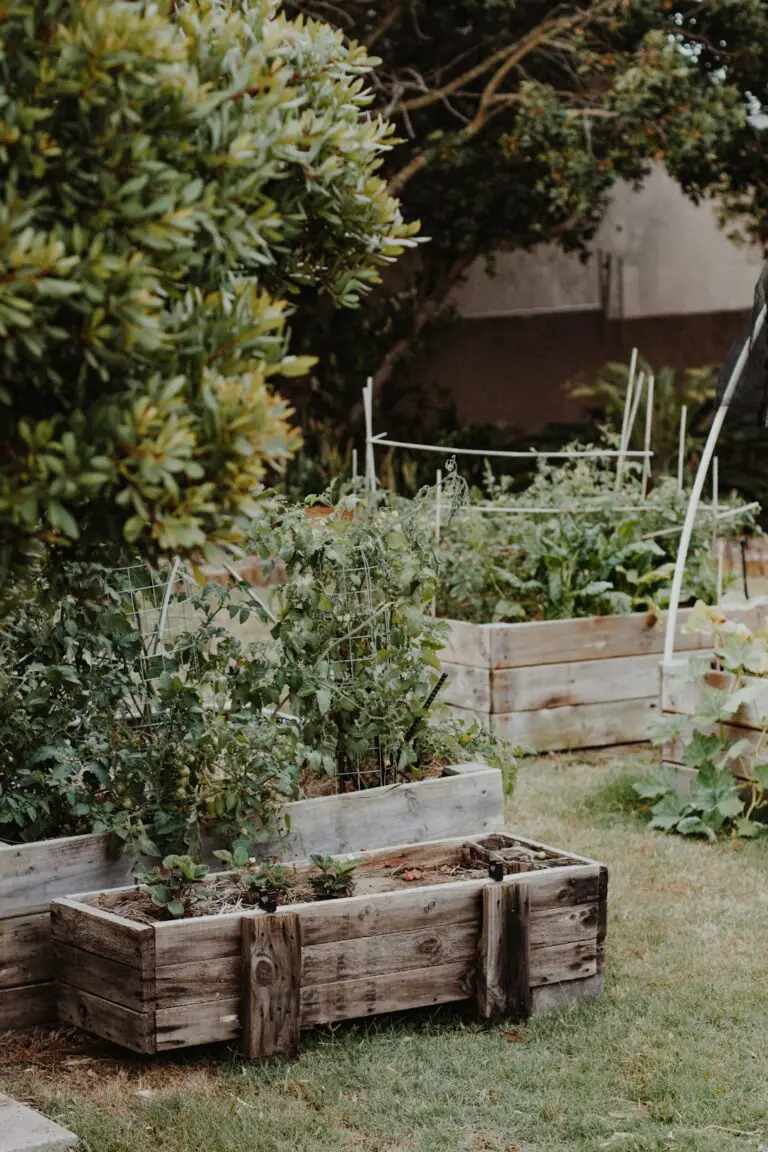
- Raised Beds: Build beds with sealed bottoms (using landscape fabric or cardboard) and fill them with clean, imported soil.
- Phytoremediation: Plant sunflowers or mustard greens to pull toxins out of the soil over several years (but don’t eat these plants!).
- Mulch: Keep the soil covered to prevent dust from blowing around.
Preparing the Ground
- No-Dig Method: Instead of tilling (which destroys soil structure), layer compost, cardboard, and mulch. This is perfect for cooperatives as it’s less labor-intensive.
- Composting: Set up a communal compost system immediately. It’s the heart of the garden’s fertility.
🛠️ Infrastructure and Tools: Shared Resources, Tool Libraries, and Water Systems
In a cooperative, efficiency is key. You don’t need 50 shovels; you need 10 good ones and a system to track them.
The Tool Library
- Inventory System: Use a simple sign-out sheet or a digital app.
- Maintenance: Schedule a “Tool Sharpening Day” once a month. Dull tools are dangerous and frustrating.
- Storage: Build a secure, ventilated shed. Theft is a real risk, so invest in a good lock.
Water Systems
- Drip Irrigation: Install a drip irrigation system with timers. It saves water and reduces the labor of hand-watering.
- Rainwater Harvesting: Install rain barrels. It’s free water and reduces runoff.
- Brand Recommendation: Look into Rain Bird or Orbit for reliable irrigation components.
👉 Shop Rain Bird on: Amazon | Orbit Official
Accessibility
- Raised Beds: Ensure some beds are at wheelchair height.
- Wide Paths: Keep paths at least 4 feet wide for carts and wheelchairs.
- Shade: Install shade sails or plant trees for hot days.
🐜 Troubleshooting the Tangles: Dealing with Pests, Weds, and Human Drama
Even the best-laid plans hit a snag. Here’s how to handle the inevitable hiccups.
The Great Plot Abandonment Crisis: How to Handle Ghost Gardens
Wait, isn’t this a cooperative? Yes, but in hybrid models, or if members stop showing up for communal workdays, you get “ghost” participation.
- Solution: Implement a “Use it or Lose it” policy. If a member misses 3 consecutive workdays, they lose their plot or voting rights.
- The “Buddy System”: Pair members so they are responsible for each other.
When Neighbors Get Noisy: Managing Noise, Fences, and Boundary Disputes
- The Issue: Compost piles smell, or music is too loud.
- Solution: Create a Neighbor Liaison role. Host an open house for neighbors to explain what you’re doing.
- Fencing: Use attractive, permeable fencing (like bamboo or trellis) rather than chain-link to reduce the “prison” feel.
Theft, Vandalism, and Security: Keeping Your Greens Safe
- The Problem: Someone steals your prize-winning zucchini or tramples the flowers.
- Solutions:
Community Watch: Encourage neighbors to report suspicious activity.
Cameras: Install a visible security camera (many modern ones are solar-powered).
Planting Strategy: Plant “unusual” crops that aren’t easy to steal (like giant pumpkins) or use thorny barriers (like raspberries) around the perimeter.
Engagement: As noted in the Phoenix example, a well-used garden with lots of people is the best security.
🌍 Beyond the Fence: Integrating with Local Food Systems and Urban Planning
A cooperative garden shouldn’t be an island. It should be a node in the larger local food system.
Connecting with Local Food Banks
Partner with organizations like Feding America or local food pantries. Many cooperatives dedicate a specific row or bed to “Donation Crops.”
Collaborating with Restaurants
As seen in the Hunky Dory and Cafe Forsaken examples, chefs can source directly from the garden.
- Menu Integration: Chefs can design menus around what the garden is growing.
- Waste Reduction: Restaurants can donate scraps for compost, and the garden can provide herbs and edible flowers.
Urban Planning and Policy
Advocate for your garden in city planning meetings.
- Zoning Changes: Push for “Urban Agriculture” to be a protected land use.
- Green Infrastructure: Position your garden as a stormwater management solution to get city funding.
📚 Further Reading and Case Studies from Around the Globe
Want to see these models in action? Here are some resources to inspire your journey.
- The Community Gardening Handbook: A comprehensive guide to starting and managing gardens.
- Case Study: Phoenix Community Garden (Broklyn): How former chefs turned a garden into a food security hub.
- Case Study: Imani Community Garden (Crown Heights): Integrating waste reduction and menu sourcing.
- Video Insight: For a visual look at how a planned community integrates organic farming, check out the concept of Serenity and Mountain Park in the featured video below. It highlights the potential for community cookbooks, branded merchandise, and weekly markets.
Note: The video presentation outlines a meeting scheduled for March 26th to discuss these exact concepts.
🏁 Conclusion: Is the Cooperative Model the Secret Sauce for Your Community?

So, is the cooperative model the magic bullet for your neighborhood? It depends.
If you are looking for a low-maintenance, “plant and forget” experience, the cooperative model is not for you. It demands time, emotional energy, and a willingness to navigate human complexity.
However, if your goal is to build social cohesion, address food insecurity, and create a resilient local food system, the cooperative model is unmatched. It transforms a patch of dirt into a living laboratory for democracy, sustainability, and community health.
The story of the Phoenix Community Garden proves that when you combine the right structure with passionate people, you can turn a crisis into an opportunity. The former restaurant workers didn’t just grow vegetables; they grew a movement.
The question isn’t whether you can start a cooperative garden. The question is: Are you ready to share the harvest?
🔗 Recommended Links
Here are some essential resources and products to get your cooperative garden started:
- Tools & Equipment:
Fiskars Long-Handle Shovel: Amazon | Fiskars Official
Gardener’s Tool Set: Amazon | Etsy - Irrigation:
Orbit Drip Irrigation Kit: Amazon | Orbit Official
Rain Bird Timer: Amazon | Rain Bird Official - Books:
The Community Gardening Handbook by [Author Name] (Check Amazon for availability).
Urban Agriculture: Growing Healthy, Sustainable Places by [Author Name] (Check Amazon). - Organizations:
American Community Gardening Association (ACGA): ACGA Website
USDA Community Food Projects: USDA Link
❓ FAQ: Your Burning Questions About Garden Cooperatives Answered

What are the legal structures for a community garden cooperative?
Community garden cooperatives typically form as non-profit corporations (501(c)(3) in the US) or limited liability companies (LLCs). A non-profit structure is ideal if you plan to apply for grants and donate produce, as it offers tax-exempt status. An LLC might better if you are operating as a social enterprise selling produce. Always consult with a local attorney to determine the best structure for your specific needs and local laws.
How do community garden cooperatives manage member fees and dues?
Fees vary widely. Some cooperatives charge annual membership fee to cover insurance and maintenance. Others operate on a sliding scale based on income to ensure accessibility. In social enterprise models, members might buy “shares” of the harvest (CSA style). The key is transparency: all financial records should be open to members, and fees should be clearly outlined in the bylaws.
What are the benefits of a cooperative model for urban gardening?
The primary benefits are social cohesion and resource efficiency. By sharing labor, members can tackle larger projects (like building a greenhouse) that would be impossible individually. It also fosters a sense of belonging and reduces isolation in urban environments. Additionally, cooperative gardens often have a stronger voice in local politics, advocating for green spaces and food justice.
Read more about “🌱 7 Ways Social Entrepreneurship Through Community Gardening Thrives (2026)”
How to start a community garden cooperative in my neighborhood?
- Gather a Core Group: Find 5-10 committed neighbors.
- Define the Mission: Are you growing food for donation, education, or profit?
- Secure a Site: Find land with sun, water, and a willing owner.
- Form a Legal Entity: Register as a non-profit or LLC.
- Draft Bylaws: Create rules for governance, membership, and conflict resolution.
- Build and Plant: Start with raised beds and a communal compost system.
- Engage the Community: Host events to build momentum.
Read more about “🌱 Launch Your Ultimate Community Vegetable Garden Project (2026)”
What are the challenges of running a community garden as a co-op?
The biggest challenges are conflict resolution and volunteer burnout. Without clear bylaws, disagreements can escalate quickly. Also, relying on volunteers can lead to inconsistency in labor. To mitigate this, rotate leadership roles, set clear expectations, and celebrate small wins to keep morale high.
How do community garden cooperatives handle decision making?
Decisions are usually made through consensus or majority vote. Consensus ensures everyone is heard but can be slow. Majority vote is faster but can alienate minorities. Some cooperatives use a hybrid model: routine decisions are made by a board, while major changes (like selling the land) require a full vote.
Can a community garden cooperative apply for government grants?
Yes! Many government agencies, including the USDA and local municipalities, offer grants specifically for community gardens. These grants often focus on food security, education, or environmental stewardship. To apply, you usually need to be a registered non-profit with a clear project plan and budget.
📖 Reference Links
- NC State Extension: How to Organize a Community Garden – A comprehensive guide on organizing, legalities, and site selection.
- Westchester County NY: Types of Community Gardens – Detailed breakdown of cooperative vs. plot models.
- Eater NY: How Community Gardens Became Outlets of Innovation for Former Restaurant Workers – Inspiring stories of hospitality workers transforming urban gardens.
- American Community Gardening Association: Resources – Tools, research, and networking for gardeners.
- USDA: Community Food Projects – Information on federal funding for food security.
- Serenity & Mountain Park Concept: Video Presentation Summary – Insights into planned community organic farming models.