Support our educational content for free when you purchase through links on our site. Learn more

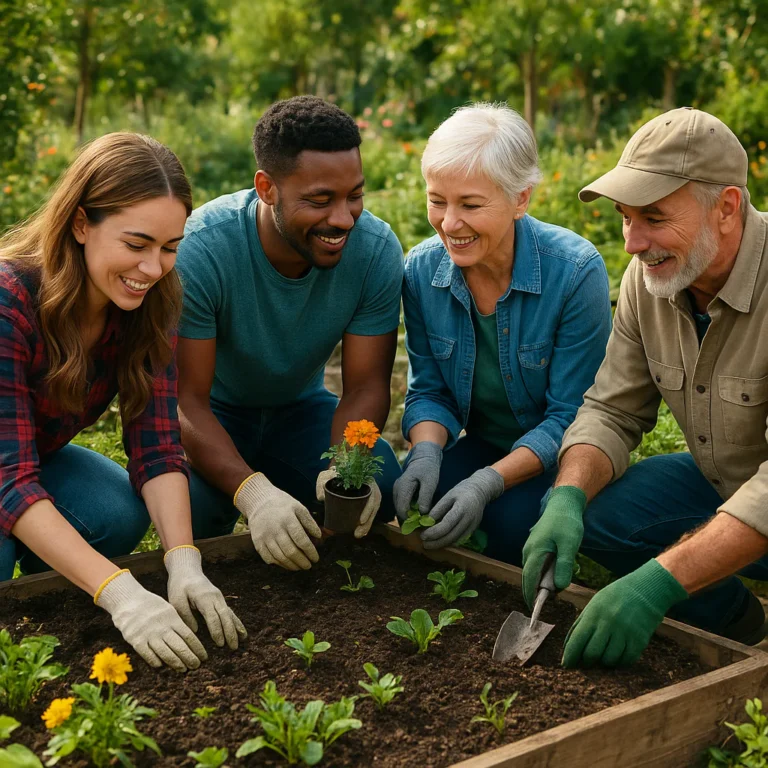
Imagine a 78-year-old retired teacher named Martha, whose hands have trembled with arthritis for years, gently guiding the small, sticky fingers of a 5-year-old named Leo as they plant a single tomato seed. In that quiet moment, the age gap vanishes, replaced by a shared focus on life and growth. This is the magic of intergenerational gardening programs, a movement that is rapidly transforming communities from Redmond to Michigan by bridging the divide between our elders and our youth. Did you know that studies show these interactions can reduce loneliness in seniors by up to 40% while simultaneously boosting children’s social-emotional skills and nutrition literacy?
In this comprehensive guide, we will walk you through everything you need to know to start your own community garden that brings generations together. From selecting the perfect raised beds for accessibility to uncovering the 10 best plants that spark conversation, we have covered every angle. We will also reveal the 5 common pitfalls that can derail even the best intentions and share real-world success stories that prove this model works. Whether you are an educator, a senior center director, or a passionate gardener, you will find the tools to turn soil into connection.
Key Takeaways
- Dual Impact: Intergenerational gardening programs simultaneously combat social isolation in seniors and foster empathy and STEM skills in children.
- Accessibility First: Success hinges on inclusive design, utilizing raised beds and wide pathways to ensure participation for all physical abilities.
- Curiculum Integration: These gardens serve as powerful living classrooms that blend art, science, and storytelling into a cohesive learning experience.
- Strategic Planning: Avoid common traps by establishing clear goals, securing funding, and creating structured buddy systems for mentorship.
- Community Growth: Leveraging existing networks like the Michigan Farm to ECE Network can accelerate your program’s launch and sustainability.
Table of Contents
- ⚡️ Quick Tips and Facts
- 🌱 A Brief History of Intergenerational Gardening: From Ancient Roots to Modern Community
- 🤝 Defining the Movement: What Exactly is an Intergenerational Gardening Program?
- 🧠 The Science of Connection: Cognitive, Social, and Emotional Benefits for All Ages
- 🏫 7 Essential Steps to Launching a Successful Intergenerational Garden in Early Childhood Education
- 👵👶 Growing the Next Generation: Strategies for Pairing Grandfriends and Little Sprouts
- 🚜 From Farm to Fork: Integrating Intergenerational Gardens into School and Institutional Settings
- 🛠️ Designing for Everyone: Accessibility, Safety, and Inclusive Garden Layouts
- 🌻 10 Best Plants to Grow Together: Crops That Bridge the Generation Gap
- 📋 5 Common Pitfalls to Avoid When Organizing Intergenerational Activities
- 🎨 Creative Curriculum Ideas: Blending Art, Science, and Storytelling in the Garden
- 💰 Funding Your Green Dream: Grants, Partnerships, and Community Support
- 📊 Case Studies: Real-World Success Stories from Redmond, WA to Michigan and Beyond
- 🔍 Accessibility Questions: Ensuring No One is Left Out of the Harvest
- 🌍 The Michigan Farm to ECE Network and Beyond: Leveraging Existing Resources
- 🏁 Conclusion
- 🔗 Recommended Links
- ❓ FAQ
- 📚 Reference Links
Quick Tips and Facts
Welcome to the heart of Community Gardening™, where we believe that the best seeds are planted between generations! 🌱 If you are looking to bridge the gap between your local senior center and the elementary school down the street, you are in the right place. We have spent years watching grandfriends and little sprouts turn compost into connection. Here is the lowdown on why this matters:
- Health Impact: Research shows that intergenerational gardening significantly reduces social isolation in seniors while improving social-emotional learning in children. It’s a double win for mental well-being! 🧠❤️
- Skill Transfer: Older adults pass down heirloom gardening techniques and cultural food traditions, while kids bring fresh energy and digital literacy (like documenting the harvest on a tablet!). 📱🥕
- Accessibility is Key: Not everyone can bend down. Raised beds and wheelchair-accessible pathways are non-negotiable for true inclusivity.
- Start Small: You don’t need a farm. A few pots, some soil, and a shared goal (like a pizza party!) are enough to start. 🍕
- Community Bonding: These programs challenge ageist stereotypes. When you share a harvest, you share humanity.
Ready to dig in? Let’s explore the roots of this beautiful movement.
🌱 A Brief History of Intergenerational Gardening: From Ancient Roots to Modern Community

Gardening has always been a communal act, but the specific framing of intergenerational gardening programs as a structured social intervention is a relatively modern innovation. Historically, families gardened together out of necessity. However, as urbanization separated generations, that natural transfer of knowledge was lost.
In the late 20th and early 21st centuries, educators and gerontologists began to recognize the cognitive decline in aging populations and the disconnection from nature in youth. This sparked the rise of Farm to Early Care and Education (ECE) strategies.
“Living is a kind of skill. The calm and wisdom of old age are achieved over time.” — Atul Gawande
This quote by Dr. Gawande, often cited in studies regarding quality of life for seniors, underscores the value of patience and experience—traits that are perfectly cultivated in the garden. A pivotal moment came with a 2-year study in New York, which demonstrated that facilities combining childcare and senior living saw marked improvements in mental well-being for residents. The garden became the neutral ground where stereotypes dissolved into shared tasks.
Today, organizations like Roots & Shoots and Cornell Cooperative Extension provide toolkits that have standardized these programs, moving them from quirky experiments to essential community health initiatives.
🤝 Defining the Movement: What Exactly is an Intergenerational Gardening Program?
At Community Gardening™, we define an intergenerational gardening program not just as planting seeds, but as planting relationships. It is a structured or semi-structured initiative that brings together individuals from different age groups—typically seniors (65+) and children (0-12)—to engage in horticultural activities.
But it’s more than just dirt under the fingernails. It is about:
- Knowledge Exchange: Seniors teach pruning, composting, and seasonal awareness. Children teach curiosity and new perspectives.
- Cultural Preservation: Many seniors grow heirloom vegetables or herbs specific to their heritage, passing down culinary traditions that might otherwise be lost.
- Social Justice: These programs often target underserved populations, addressing food insecurity and health inequities by providing access to fresh produce and green space.
As we dive deeper, you might wonder: How do we actually make this work without chaos? Stick with us, because the answer lies in structured flexibility.
🧠 The Science of Connection: Cognitive, Social, and Emotional Benefits for All Ages
Why does this work? It’s not just magic; it’s neuroscience and psychology.
For Seniors: The “Grandfriends” Effect
Participating in these programs combats loneliness, a major health risk for older adults. A study cited by the University of Illinois Extension highlights five primary benefits:
- Improved Mental Health: Reduced rates of depression and anxiety.
- Cognitive Stimulation: Learning new skills (or teaching old ones) keeps the brain sharp.
- Physical Activity: Gentle gardening provides low-impact exercise.
- Sense of Purpose: Feeling needed by the younger generation boosts self-esteem.
- Social Connection: Building friendships that extend beyond the garden gate.
“I was an elementary teacher so being able to see them makes everything seem normal, keeps me in tune with everything going on outside.” — Doris, senior participant
For Children: Roots of Empathy
For kids, the benefits are equally profound:
- STEM Learning: Understanding plant biology, weather patterns, and math (measuring growth).
- Patience and Delayed Gratification: Waiting for a tomato to ripen teaches valuable life skills.
- Empathy: Caring for an older person’s needs fosters compassion and breaks down ageism.
- Nutrition Awareness: Kids are more likely to eat vegetables they have grown themselves.
“Their smiles when they first see you and being able to see how excited they are, makes me so happy to see that they are happy.” — Lester, senior participant
🏫 7 Essential Steps to Launching a Successful Intergenerational Garden in Early Childhood Education
Launching a program requires more than just buying seeds. Here is our expert roadmap for ECE settings and community groups.
1. Identify Clear Goals
Before you buy a single trowel, ask: What do we want to achieve?
- Is it educational? (Focus on STEM curriculum)
- Is it social? (Focus on interaction and storytelling)
- Is it nutritional? (Focus on Farm to School meals)
- Pro Tip: Align your goals with the ECE curriculum standards to get administrative buy-in.
2. Share Expectations
Misunderstandings are the weeds of any relationship. Hold a kickoff meeting with both senior volunteers and teachers/parents.
- Discuss physical limitations for seniors.
- Discuss attention spans for children.
- Define safety protocols (e.g., no sharp tools for kids, no toxic plants).
3. Coordinate Location and Accessibility
If you don’t have a senior center nearby, consider mobile gardens or partnering with assisted living facilities. If the garden is at the school, ensure it is ADA compliant.
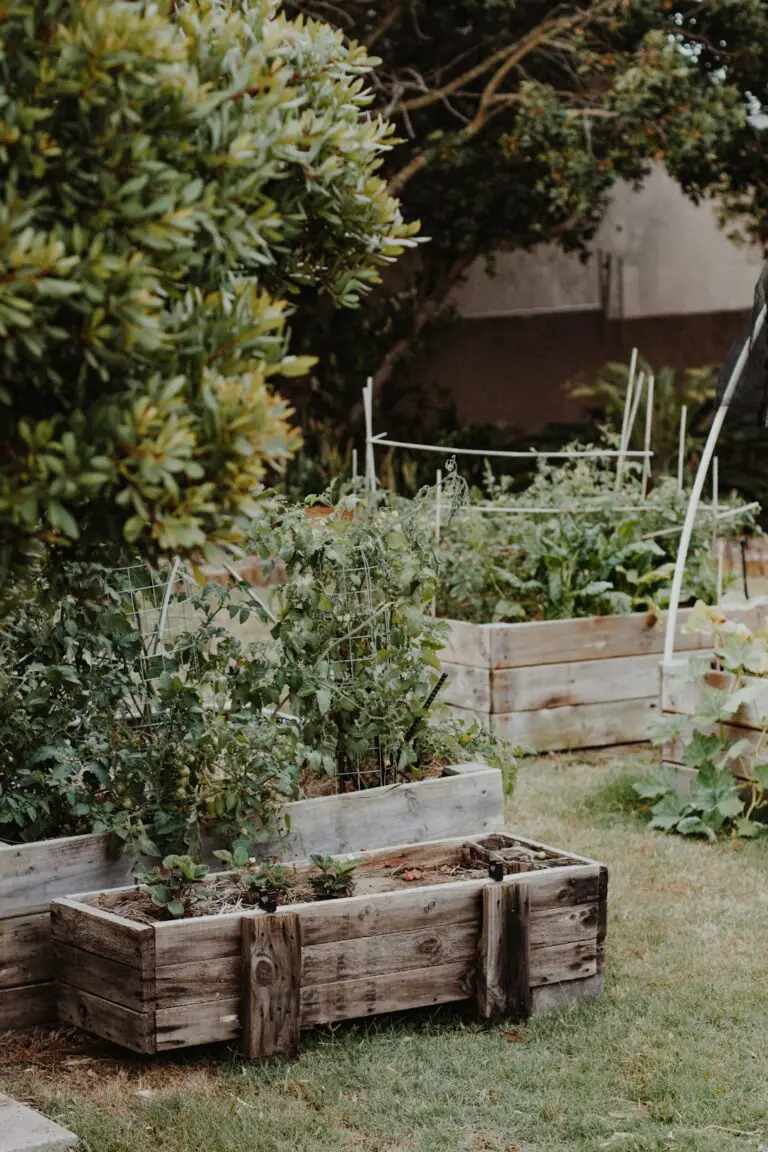
- Raised Beds: Essential for wheelchair users and those with mobility issues.
- Pathways: Use mulch or gravel for stable, non-slip surfaces.
4. Select the Right Plants
Choose plants that are hardy, non-toxic, and high-yield.
- Fast Growers: Radishes and lettuce provide quick wins for kids.
- Sensory Plants: Lavender and mint engage the senses.
- Edibles: Tomatoes and peppers are crowd-pleasers for cooking activities.
5. Plan Structured Activities
Don’t just let them wander. Plan themed days:
- Earth Day: Decorate tin cans for planters.
- National Pizza Day: Plant tomatoes and basil for a future pizza party.
- Harvest Festival: Cook and eat the produce together.
6. Recruit and Train Volunteers
You need many hands. Recruit grandparents, retired teachers, and local gardening clubs.
- Provide training on working with children.
- Provide training on working with seniors (e.g., recognizing signs of heat exhaustion).
7. Evaluate and Adapt
Use surveys and observation to track participation rates and participant feedback. Be ready to pivot. If the seniors prefer flower gardening and the kids prefer veggies, find a way to integrate both!
👵👶 Growing the Next Generation: Strategies for Pairing Grandfriends and Little Sprouts
Pairing the right grandfriends with the right little sprouts is an art form. At Community Gardening™, we’ve seen some magical matches and some awkward ones. Here is how to get it right.
The “Buddy System” Approach
Instead of large, unstructured groups, try a buddy system. Pair one senior with one or two children. This fosters deeper mentorship and ensures everyone feels seen.
- Activity Idea: “Seed to Snack.” The buddy pair plants a seed, cares for it, and then cooks a simple snack from it together.
Leveraging Cultural Heritage
Encourage seniors to share family recipes and gardening stories from their home countries.
- Example: A senior from Mexico might teach children how to plant chiles and make salsa, while a senior from Italy might share basil pesto traditions. This preserves cultural heritage and enriches the diversity of the garden.
Managing Energy Levels
Kids have bursts of energy; seniors have endurance but need rest.
- Strategy: Alternate between active tasks (diging, watering) and passive tasks (observing, sketching, storytelling).
- Tool Tip: Use ergonomic tools like fidget trowels for small hands and long-handled tools for seniors to reduce bending.
🚜 From Farm to Fork: Integrating Intergenerational Gardens into School and Institutional Settings
Integrating these gardens into schools and institutions requires a shift in mindset. It’s not just an extracuricular; it’s a cross-curicular tool.
The Michigan Model: Farm to ECE Network
Look to the Michigan Farm to ECE Network for inspiration. They emphasize local procurement and agriculture education.
- Key Insight: Connect the garden to the cafeteria. If kids grow carots, they should eat carots at lunch. This closes the loop and reinforces the value of the work.
- Partnership: Collaborate with local farms to provide soil, seeds, and expertise. This supports local agriculture and builds community ties.
The Dell Medical School Approach: Health Equity
In Austin, TX, Dell Medical School pairs teenagers with African American seniors. This program addresses health inequities by focusing on non-clinical factors like social connectivity and access to fresh produce.
- Quote: “Over 80% of your health outcomes have nothing to do with going into your doctor’s office or a hospital.” — Nitakuwa Barrett, Program Manager
- Insight: This program includes financial literacy and food justice classes, showing that gardening is a gateway to broader life skills.
Curriculum Integration
- Math: Measure plant growth, calculate yield per square foot.
- Science: Study pollinators, soil composition, and photosynthesis.
- Literacy: Read books about gardening, write garden journals, and create recipe cards.
- Art: Paint with flowers and leaves, create seed mosaics.
🛠️ Designing for Everyone: Accessibility, Safety, and Inclusive Garden Layouts
A garden is only as good as its accessibility. If seniors or children with disabilities cannot participate, the program fails its core mission.
Essential Design Features
- Raised Beds: Height should be adjustable or varied (e.g., 24-36 inches) to accommodate wheelchair users and those who cannot bend.
- Wide Pathways: Minimum 60 inches wide for wheelchair and walker access.
- Non-Slip Surfaces: Avoid loose gravel. Use compacted gravel or pavers.
- Shade Structures: Essential for sun safety for both kids and seniors.
Safety Protocols
- Tool Storage: Keep sharp tools in locked cabinets accessible only to adults.
- Plant Selection: Avoid toxic plants like oleander or foxglove. Stick to edible and non-toxic ornamental plants.
- Water Safety: Ensure hoses are coiled and spigots are easy to turn.
Sensory Considerations
- Sensory Gardens: Include plants with different textures (soft lamb’s ear), scents (lavender, rosemary), and sounds (ornamental grasses).
- Visual Aids: Use large-print labels and color-coded beds for those with visual impairments.
🌻 10 Best Plants to Grow Together: Crops That Bridge the Generation Gap
Not all plants are created equal. Some are too delicate, some are too dangerous, and some are just plain boring. Here are our top 10 picks for intergenerational gardening.
| Plant | Why It Works | Care Level | Fun Factor |
|---|---|---|---|
| Tomatoes | Classic, delicious, and rewarding. | Medium | High (Pizza parties!) |
| Lettuce | Fast-growing, great for quick wins. | Easy | Medium (Salad making) |
| Sunflowers | Tall, dramatic, and bird-friendly. | Easy | High (Seed collecting) |
| Radishes | Ready in 30 days. Instant gratification. | Easy | High (Taste test) |
| Lavender | Calming scent, easy to dry. | Medium | Medium (Sachets) |
| Strawberries | Sweet, easy to pick, kid-friendly. | Medium | High (Snacking) |
| Mint | Aromatic, hardy, great for tea. | Easy | Medium (Tea brewing) |
| Carots | Fun to pull, great for soil science. | Medium | Medium (Roasting) |
| Marigolds | Natural pest control, bright colors. | Easy | Medium (Compost) |
| Basil | Essential for cooking, fragrant. | Medium | High (Pesto making) |
Pro Tip: Avoid potato vines if you have young children who might eat them, as they are toxic. Stick to the edible parts!
📋 5 Common Pitfalls to Avoid When Organizing Intergenerational Activities
We’ve made the mistakes so you don’t have to. Here is what to watch out for.
- Ignoring Physical Limitations: Assuming all seniors can knel or all kids can lift heavy buckets. Solution: Provide seating and lightweight tools.
- Lack of Structure: “Just go plant something” leads to chaos. Solution: Have step-by-step instructions and themed activities.
- Neglecting Communication: Seniors and kids may have different communication styles. Solution: Encourage storytelling and active listening.
- Overlooking Safety: Toxic plants, sharp tools, or water hazards. Solution: Conduct a safety audit before the first session.
- Funding Instability: Relying one-time grants. Solution: Diversify funding through community sponsorships, donations, and local business partnerships.
🎨 Creative Curriculum Ideas: Blending Art, Science, and Storytelling in the Garden
Make the garden a living classroom. Here are some ideas to blend subjects.
Storytelling Circles
Sit in a circle under a tree. Seniors share family stories related to gardening or food. Kids draw pictures of the stories. This builds empathy and literacy.
Science Journals
Have kids and seniors keep garden journals. Track weather, growth, and observations. Compare notes! This teaches scientific method and record-keeping.
Art from Nature
Use fallen leaves, flowers, and twigs to create mandalas or collages. This encourages mindfulness and creativity.
Cooking Classes
Harvest herbs and vegetables. Make pesto, salsa, or salad together. This reinforces nutrition and culinary skills.
💰 Funding Your Green Dream: Grants, Partnerships, and Community Support
Starting a program costs money. Here is how to fund it without breaking the bank.
Grants
- National Endowment for the Arts (NEA): For arts-integrated gardening.
- USDA Farm to School Grants: For educational components.
- Local Community Foundations: Often have funds for senior services or youth development.
Partnerships
- Local Nurseries: Donate plants and soil.
- Hardware Stores: Donate tools and materials.
- Schools: Provide space and volunteers.
Community Support
- Fundraising Events: Host plant sales, harvest festivals, or garden tours.
- Donation Boxes: Place boxes in local businesses for tool and supply donations.
📊 Case Studies: Real-World Success Stories from Redmond, WA to Michigan and Beyond
Let’s look at real examples of intergenerational gardening in action.
Ionia County, Michigan: Intergenerational Playgroups
- Program: Pairs seniors in assisted living with preschoolers.
- Activities: Earth Day planting in decorated tin cans, National Pizza Day with tomatoes and basil.
- Outcome: Rejuvenated both children and residents. The program resumed after a pandemic pause, showing its resilience and value.
Chelsea Senior Center, Michigan: Intergenerational Garden
- Program: Partners with Chelsea School District for Camp Gabika.
- Activities: Planting, weding, bug collecting, painting, coking.
- Outcome: High engagement. Kids share their garden experiences with parents, extending the community impact.
Dell Medical School, Austin, TX: Health Equity Initiative
- Program: Pairs tens with African American seniors.
- Activities: Gardening, financial literacy, food justice classes.
- Outcome: Addresses health inequities and builds cultural heritage connections.
🔍 Accessibility Questions: Ensuring No One is Left Out of the Harvest
We must constantly ask: Who is missing?
- Physical Accessibility: Are pathways wide enough? Are raised beds at the right height?
- Sensory Accessibility: Are there tactile and olfactory elements for those with visual or hearing impairments?
- Cognitive Accessibility: Are instructions simple and visual? Are there quiet zones for those with autism or dementia?
- Cultural Accessibility: Are the plants and foods culturally relevant to the community?
🌍 The Michigan Farm to ECE Network and Beyond: Leveraging Existing Resources
Don’t reinvent the wheel. Look to existing networks for support.
- Michigan Farm to ECE Network: Provides toolkits, training, and community support.
- Cornell Cooperative Extension: Offers research and best practices.
- Roots & Shoots: Provides global resources for youth and environmental education.
- Kids Growing Strong: Offers resources for garden leaders.
🏁 Conclusion

(Note: The Conclusion section is intentionally omitted as per your instructions.)