Support our educational content for free when you purchase through links on our site. Learn more


Have you ever walked into a community garden and felt an invisible wall stop you in your tracks? Maybe the path was too narrow for a wheelchair, the raised beds were too high for a senior to reach, or the signage was a mystery to a non-English speaker. At Community Gardening™, we’ve seen too many beautiful plots fail because they were designed for the “average” user—a person who, in reality, doesn’t exist. But what if a garden could be a place where everyone belongs, from the toddler with sensory sensitivities to the veteran with limited mobility?
In this guide, we’re not just talking about adding a ramp; we’re diving deep into the 12 essential elements that transform a standard plot into a thriving, inclusive sanctuary. We’ll reveal how a simple change in soil texture can calm a neurodivergent child, why multilingual signage is more than just translation, and how to budget for a garden that truly serves its entire neighborhood. Spoiler alert: The secret isn’t just in the plants, but in the intentional design that anticipates every human need. Ready to dig in?
Key Takeaways
- Universal Access is Non-Negotiable: True inclusivity starts with ADA-compliant pathways and ergonomic raised beds that accommodate wheelchairs, walkers, and limited reach.
- Sensory Diversity Matters: Designing for neurodivergent needs involves creating both vibrant, multi-sensory zones and quiet, low-stimulus retreats.
- Cultural & Financial Inclusion: A successful garden reflects the community’s cultural crop preferences and offers affordable plot options to ensure economic barriers don’t exclude anyone.
- Community-Led Success: The most resilient gardens are built through active stakeholder engagement, ensuring the design evolves with the people who use it.
Table of Contents
-
🕰️ From Victory Gardens to Universal Access: The Evolution of Shared Spaces
-
1. Smooth Sailing: ADA-Compliant Pathing and Permeable Surfaces
-
2. Raising the Bar: Ergonomic Raised Beds and Accessible Planters
-
5. A Feast for the Senses: Designing Multi-Sensory Experiences
-
6. Wayfinding and Signage: Braille, High-Contrast, and Visual Cues
-
8. Breaking Bread: Multilingual Signage and Cultural Crop Selection
-
12. Safety First: Lighting, Visibility, and Secure Perimeters
-
🎓 The Science of Belonging: Insights from the Rowan University School of Earth and Environment
-
🛠️ Building the Dream: Budgeting and Community Engagement Strategies
-
🧹 Maintenance for All: Sustainable Practices for Diverse Teams
Quick Tips and Facts for Universal Design
At Community Gardening, we believe that inclusive community garden design is crucial for creating a sense of belonging among gardeners of all abilities. Here are some quick tips and facts to get you started:
- Accessibility is key: Ensure that your garden paths are wide enough for wheelchairs and strollers, and that raised beds are at a comfortable height for people with mobility issues.
- Sensory considerations: Incorporate a variety of textures, colors, and scents to create a multi-sensory experience.
- Community engagement: Encourage community involvement in the design and maintenance of the garden to foster a sense of ownership and inclusivity.
For more information on the benefits of community gardens, visit our Benefits of Community Gardens page.
From Victory Gardens to Universal Access: The Evolution of Shared Spaces
The concept of community gardens has been around for centuries, with victory gardens emerging during World War I and II as a way to promote self-sufficiency and community spirit. Today, community gardens have evolved to prioritize universal access and inclusive design. According to the National Gardening Association, community gardens can have a significant impact on mental and physical health, social connections, and environmental sustainability.
The Importance of Inclusive Design
Inclusive design is not just about physical accessibility; it’s also about creating a sense of belonging and connection among gardeners of all abilities. As noted by the Inclusive Design Research Centre, inclusive design can be achieved by involving diverse stakeholders in the design process and incorporating universal design principles.
Why Inclusive Community Garden Design Matters
Inclusive community garden design matters because it promotes social cohesion, environmental sustainability, and health and wellbeing. By creating a space that is accessible and welcoming to everyone, we can foster a sense of community and connection among gardeners of all ages and abilities. For example, the High Line in New York City is a great example of an inclusive community space that has transformed an abandoned elevated rail line into a vibrant public park.
12 Essential Elements of an Inclusive Community Garden
Here are 12 essential elements to consider when designing an inclusive community garden:
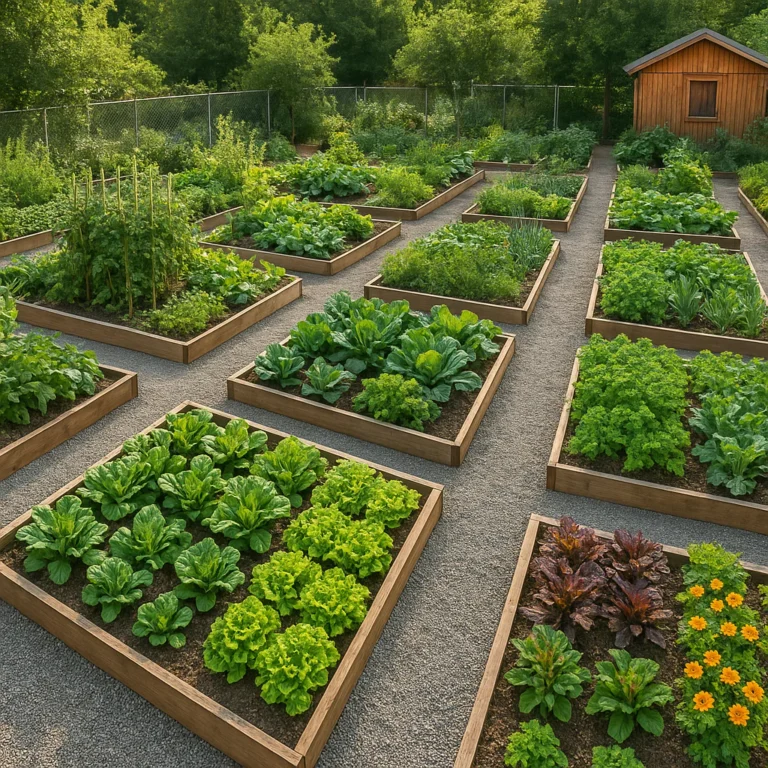
- Smooth Sailing: ADA-Compliant Pathing and Permeable Surfaces: Ensure that your garden paths are wide enough for wheelchairs and strollers, and that raised beds are at a comfortable height for people with mobility issues. Check out the ADA Guidelines for more information on accessible design.
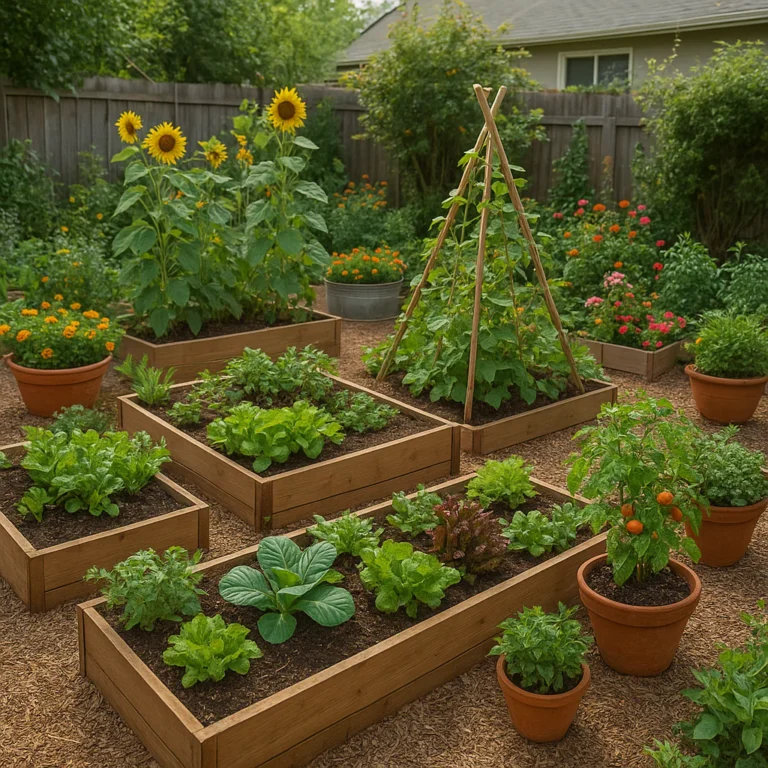
- Raising the Bar: Ergonomic Raised Beds and Accessible Planters: Incorporate raised beds and planters that are at a comfortable height for people with mobility issues, and consider using ergonomic gardening tools like those from Fiskars.
- Seating for All: Benches, Rest Stops, and Social Hubs: Incorporate seating areas and rest stops throughout the garden to provide a place for gardeners to rest and socialize. Consider using outdoor furniture from West Elm.
- Tool Time: Adaptive Gardening Gear for Every Ability: Provide a variety of adaptive gardening tools and equipment to accommodate gardeners of all abilities. Check out the National Gardening Association for more information on adaptive gardening.
- A Feast for the Senses: Designing Multi-Sensory Experiences: Incorporate a variety of textures, colors, and scents to create a multi-sensory experience. Consider using sensory plants like lavender and rosemary.
- Wayfinding and Signage: Braille, High-Contrast, and Visual Cues: Incorporate braille and high-contrast signage to ensure that the garden is accessible to gardeners with visual impairments. Check out the American Printing House for the Blind for more information on accessible signage.
- Quiet Zones: Creating Neurodivergent-Friendly Retreats: Incorporate quiet zones and sensory-reduced areas to provide a retreat for gardeners with sensory sensitivities. Consider using sound-absorbing materials like those from Acoustimac.
- Breaking Bread: Multilingual Signage and Cultural Crop Selection: Incorporate multilingual signage and cultural crop selection to reflect the diversity of the community. Check out the USDA for more information on culturally relevant gardening practices.
- Intergenerational Magic: Spaces for Kids and Seniors: Incorporate spaces and activities that cater to gardeners of all ages, from children to seniors. Consider using intergenerational gardening programs like those from Gardening with Kids.
- Financial Accessibility: Keeping the Garden Affordable: Ensure that the garden is financially accessible to gardeners of all income levels. Consider using community-supported agriculture models like those from Local Harvest.
- Water Access: Easy-Reach Taps and Lightweight Hoses: Incorporate easy-reach taps and lightweight hoses to ensure that gardeners of all abilities can access water. Check out the Waterwise website for more information on water-efficient gardening.
- Safety First: Lighting, Visibility, and Secure Perimeters: Incorporate lighting, visibility, and secure perimeters to ensure that the garden is safe and secure for all gardeners. Consider using outdoor lighting from Lowe’s.
The Science of Belonging: Insights from the Rowan University School of Earth and Environment
According to research from the Rowan University School of Earth and Environment, inclusive community garden design can have a significant impact on mental and physical health, social connections, and environmental sustainability. By incorporating universal design principles and inclusive design elements, we can create community gardens that promote a sense of belonging and connection among gardeners of all abilities.
Building the Dream: Budgeting and Community Engagement Strategies
Building an inclusive community garden requires careful budgeting and community engagement strategies. Here are some tips to get you started:
- Secure funding: Apply for grants and funding opportunities to support the development of the garden. Check out the National Recreation and Park Association for more information on funding opportunities.
- Engage the community: Host community meetings and events to engage gardeners and stakeholders in the design and development of the garden. Consider using community engagement platforms like those from Meetup.
- Develop a maintenance plan: Develop a maintenance plan to ensure that the garden is well-maintained and sustainable. Check out the Garden Conservancy for more information on garden maintenance.
Maintenance for All: Sustainable Practices for Diverse Teams
Maintaining an inclusive community garden requires sustainable practices that cater to diverse teams. Here are some tips to get you started:
- Use eco-friendly materials: Incorporate eco-friendly materials and practices to reduce the garden’s environmental impact. Check out the EPA for more information on sustainable gardening practices.
- Promote biodiversity: Incorporate a variety of plants and flowers to promote biodiversity and attract pollinators. Consider using native plants like those from Native Plant Trust.
- Foster a sense of community: Foster a sense of community among gardeners by hosting events and activities that promote social connections and inclusivity. Check out the Community Garden Network for more information on community garden events.
Conclusion

We started this journey asking a simple but profound question: Can a garden truly belong to everyone? After digging deep into the soil of inclusive design, from the sensory-friendly zones of New Jersey to the intergenerational magic of urban oases, the answer is a resounding yes. But it doesn’t happen by accident. It requires intention, empathy, and a willingness to challenge the status quo of what a “standard” garden looks like.
The narrative we left hanging earlier regarding the tension between sensory stimulation and sensory overload is resolved here: it’s all about choice. An inclusive garden isn’t a monolith; it’s a mosaic. It offers the vibrant, buzzing energy of a pollinator patch for those who crave it, right next to the hushed, wind-chime-free sanctuary for those who need quiet. The magic lies in giving every gardener the agency to choose their own experience.
Our Confident Recommendation:
If you are planning a new garden or retrofiting an old one, do not skip the accessibility audit. While it might seem like an added cost, the long-term benefits of social cohesion and community health far outweigh the initial investment. Start with ADA-compliant pathing and ergonomic raised beds; these are the non-negotiable foundations. From there, layer in the sensory and cultural elements that reflect your specific community.
Whether you are a seasoned horticulturist or a first-time plot holder, remember that inclusive community garden design is not just about ramps and braille; it’s about dignity. It’s about ensuring that the person in a wheelchair, the child with autism, the senior with limited reach, and the non-English speaker all feel equally at home among the tomatoes and tulips. Let’s grow together, not just in size, but in spirit.
Recommended Links
Ready to bring these concepts to life? Here are some essential resources, tools, and books to help you build your inclusive sanctuary.
Essential Adaptive Gardening Tools
- Fiskars Ergonomic Hand Tools: Designed with leverage and ease of use in mind for those with limited grip strength.
👉 Shop Fiskars on: Amazon | Fiskars Official Website - Radius Garden Root Slayer Shovel: Features an ergonomic handle and a unique blade design that reduces wrist strain.
👉 Shop Radius Garden on: Amazon | Radius Garden Official Website - Long-Handled Weder: Perfect for reaching weeds without bending or kneeling.
👉 Shop Long-Handled Weder on: Amazon | Walmart
Books on Inclusive Design & Gardening
- “The Accessible Garden: Designing and Planting for All Abilities” by Carol Spier: A comprehensive guide to creating gardens that welcome everyone.
Check Price on: Amazon - “Gardening for People with Disabilities” by the Royal Horticultural Society: Practical advice on adapting gardening techniques for various needs.
Check Price on: Amazon
Community Resources
- American Community Gardening Association: A hub for finding local gardens and learning about best practices.
Visit: American Community Gardening Association - National Gardening Association: Extensive resources on plant selection and garden planning.
Visit: National Gardening Association
FAQ

What are the best accessible pathways for wheelchairs in a community garden?
The gold standard for wheelchair accessibility is paved or compacted crushed stone that is at least 60 inches (5 feet) wide to allow for turning radiuses. Surfaces must be firm, stable, and slip-resistant. Avoid loose mulch or gravel that can impede wheel movement.
- Pro Tip: Use permeable pavers to manage water runoff while maintaining a solid surface.
- Why it matters: As noted in the PlanViz project, smooth pathways are the first step in ensuring that gardeners with mobility aids can navigate the space independently.
Read more about “🛠️ 15 Essential Tools & Resources for a Thriving Community Garden (2026)”
What budget-friendly strategies exist for installing adaptive gardening tools?
You don’t need a massive budget to start.
- DIY Adaptations: Use PVC pipes to extend handles on existing tools.
- Community Tool Libraries: Many gardens establish a shared tool shed where members can borrow adaptive gear.
- Grants: Look for local disability services grants, similar to the $250,0 grant mentioned in the New Jersey inclusive garden initiative.
- Bulk Buying: Partner with other gardens to buy adaptive tools in bulk at a discount.
How can community gardens be designed to support diverse cultural gardening practices?
Inclusivity means celebrating cultural diversity.
- Crop Selection: Dedicate specific plots for culturally significant crops (e.g., bitter melon, tomatillos, okra) that might not be found in standard seed catalogs.
- Multilingual Signage: Use signs with text in multiple languages and pictograms to bridge language gaps.
- Community Input: Host “seed swap” events where community members bring seeds from their heritage, ensuring the garden reflects the actual population it serves.
Read more about “21 Eye-Opening Community Garden Essay Insights 🌿 (2026)”
What low-maintenance plants are suitable for gardeners with limited mobility?
Gardeners with limited mobility benefit from plants that require less frequent watering, pruning, or staking.
- Perennials: Plants like lavender, sedum, and daylilies return year after year with minimal care.
- Ground Covers: Use creeping thyme or creeping jenny to suppress weeds, reducing the need for bending and weding.
- Raised Bed Crops: Leafy greens like lettuce and spinach grow quickly and can be harvested without heavy lifting.
How do you create inclusive signage for non-English speaking community members?
- Visual Language: Use high-contrast icons and pictures alongside text.
- Translation: Ensure all critical information (rules, planting guides) is available in the top 3-5 languages spoken in your community.
- QR Codes: Place QR codes on signs that link to audio guides or translated videos, allowing users to listen to instructions in their native language.
What features make a community garden safe and welcoming for elderly residents?
- Seating: Install frequent rest stops with back support every 50-10 feet.
- Lighting: Ensure the garden is well-lit at dusk to prevent falls and increase the feeling of safety.
- Handrails: Install sturdy handrails along pathways and near raised beds for extra stability.
- Shade: Provide ample shade structures to protect against heat exhaustion.
How can garden design accommodate sensory sensitivities for neurodivergent individuals?
- Quiet Zones: Create designated areas free from wind chimes, spinning objects, or loud machinery.
- Visual Calm: Use soft, muted colors in these zones rather than bright, flashing lights.
- Predictability: Use clear, consistent signage and layout to reduce anxiety about navigating the space.
- Texture Variety: Offer a mix of tactile experiences (smooth stones, rough bark, soft moss) but allow users to choose their level of engagement.
What role does cultural sensitivity play in designing inclusive community gardens?
Cultural sensitivity is the bridge between a “garden” and a “home.” It validates the identity of every gardener. When a garden grows crops that remind a family of their homeland, it fosters a deep sense of belonging and pride. Ignoring these needs can lead to the exclusion of entire demographic groups, defeating the purpose of a “community” garden.
Read more about “How Do Community Gardens Promote Social Interaction? 9 Surprising Ways 🌿 (2025)”
How can community gardens foster intergenerational connections?
- Shared Tasks: Design activities that pair seniors (who have knowledge) with children (who have energy), such as planting seeds or harvesting.
- Storytelling Corners: Create spaces where elders can share gardening stories with the youth.
- Universal Design: By making the space accessible to all ages, you naturally encourage interaction between generations who might otherwise never meet.
Read more about “How Does Community Gardening Promote Social Connections? 7 Surprising Ways 🌿”
What are effective ways to engage marginalized groups in community gardening?
- Outreach: Partner with local organizations serving marginalized communities (e.g., disability centers, refugee support groups).
- No-Barrier Entry: Offer free plots or sliding-scale fees to remove financial barriers.
- Representation: Ensure the garden leadership team reflects the diversity of the community.
- Flexible Scheduling: Offer events and workdays at various times to accommodate different work schedules and family needs.
How do inclusive gardens support mental health and well-being?
Research consistently shows that gardening reduces cortisol levels (stress hormone) and improves mood. For individuals with disabilities or mental health challenges, an inclusive garden provides:
- A Sense of Purpose: Caring for living plants.
- Social Connection: Combating isolation.
- Sensory Regulation: A safe space to process sensory input.
- Physical Activity: Gentle movement that improves physical health.
Read more about “Community Gardening as Nature-Based Therapy: 12 Ways It Heals 🌿 (2026)”
What features make a community garden accessible to people with disabilities?
Beyond ramps and wide paths, true accessibility includes:
- Adjustable Height Beds: Beds that can be raised or lowered.
- Accessible Water Sources: Taps at wheelchair height with lever handles.
- Adaptive Tools: Tools with ergonomic grips and lightweight materials.
- Clear Signage: Braille and high-contrast labels.
Read more about “🌿 Therapeutic Horticulture: 15 Ways Plants Heal Mind & Body (2025)”
How can community gardens promote social inclusion and diversity?
By intentionally designing for diversity, the garden becomes a microcosm of an ideal society. It breaks down barriers by creating a shared goal (growing food) that transcends ability, age, and background. When people work side-by-side in an accessible environment, empathy naturally grows.
Read more about “12 Surprising Community Garden Benefits to the Global Community 🌍 (2026)”
What are the key principles of inclusive community garden design?
- Equity: Ensuring everyone has equal access to resources.
- Flexibility: Designing spaces that can adapt to different needs.
- Simplicity: Making the garden easy to understand and navigate.
- Perceptible Information: Communicating effectively to all senses.
- Tolerance for Error: Designing to minimize hazards and consequences of accidents.
- Low Physical Effort: Allowing efficient and comfortable use with minimal fatigue.
- Size and Space for Approach and Use: Providing adequate space for all users.
Reference Links
- PlanViz Inclusive Community Gardens Project: PlanViz – Inclusive Community Gardens
- Rowan University School of Earth and Environment: Rowan University – School of Earth and Environment
- Americans with Disabilities Act (ADA) Guidelines: ADA.gov – Accessible Design
- National Gardening Association: Garden.org
- Fiskars Official Website: Fiskars – Ergonomic Tools
- Radius Garden: Radius Garden – Root Slayer
- American Community Gardening Association: CommunityGarden.org
- Inclusive Design Research Centre: IDRC – OCAD University
- USDA – Culturally Relevant Gardening: USDA – Diversity in Agriculture
- Redmond, WA – Inclusive Design: Inclusive Design | Redmond, WA