Support our educational content for free when you purchase through links on our site. Learn more

Have you ever noticed how a simple walk through a garden seems to untangle the knots in your brain? It’s not just in your head; it’s science. At Community Gardening™, we’ve watched veterans find peace in the soil, seniors with dementia light up when holding a sprig of mint, and stressed-out office workers rediscover their joy through the rhythm of planting seeds. But here’s the twist: therapeutic horticulture isn’t just “gardening for fun.” It is a clinically backed, professionally facilitated intervention designed to heal specific physical, mental, and social wounds. While the North Carolina Botanical Garden has been a pioneer in this field for decades, the question remains: how can you harness this ancient power for modern healing?
In this comprehensive guide, we’re digging deep into the science of soil and soul. We’ll explore the 10 powerful nature-based activities that drive real recovery, debunk the myths that keep people from trying it, and reveal exactly how to design a healing sanctuary in your own backyard. Whether you are a healthcare professional looking to expand your toolkit or a curious soul seeking relief from the chaos of daily life, you’ll discover why the green thumb is actually a healing hand.
Key Takeaways
- It’s a Medical Intervention: Unlike casual gardening, therapeutic horticulture is a goal-oriented treatment facilitated by certified professionals to achieve specific physical, cognitive, and emotional outcomes.
- Science-Backed Healing: Research confirms that interacting with plants and soil bacteria (like Mycobacterium vacae) can lower cortisol levels, boost serotonin, and improve motor skills.
- Universal Accessibility: From veterans with PTSD to children with autism and seniors with dementia, nature-based activities can be adapted to benefit virtually anyone, regardless of ability.
- Start Small, Heal Big: You don’t need a degree to begin; simple activities like sensory gardening or raised bed planting can significantly reduce stress and foster community connection.
- Safety First: Always screen for toxic plants and use adaptive tools to ensure a safe, inclusive environment for all participants.
Table of Contents
- ⚡️ Quick Tips and Facts
- 🌱 From Ancient Roots to Modern Healing: A Brief History of Therapeutic Horticulture
- 🧠 What Exactly is Therapeutic Horticulture? Defining the Science of Soil and Soul
- 🏥 Where Does Healing Happen? Exploring Clinical and Community Settings
- 👥 Who Finds Relief? The Diverse Groups Benefiting from Horticultural Therapy
- 🌿 10 Powerful Nature-Based Activities Used in Therapeutic Sessions
- 👩 🌾 The Green Thumb Healer: Roles and Responsibilities of a Certified Therapeutic Horticulture Practitioner
- 🧪 The Science Behind the Green: How Plants Impact Mental and Physical Health
- 🏡 DIY at Home: How to Start Your Own Therapeutic Garden Without a Degree
- 🛠️ Essential Tools and Gear for Therapeutic Gardening Success
- 🚫 Common Myths and Misconceptions About Horticultural Therapy Debunked
- 📊 Case Studies: Real Stories of Transformation Through Plant Power
- 🎓 How to Become a Certified Therapeutic Horticulture Specialist
- 🌍 Global Perspectives: Therapeutic Horticulture Around the World
- 🏛️ @ncbotanicalgarden: A Deep Dive into the North Carolina Botanical Garden’s Pionering Work
- 🏁 Conclusion: Cultivating a Healthier You
- 🔗 Recommended Links
- ❓ Frequently Asked Questions (FAQ)
- 📚 Reference Links
⚡️ Quick Tips and Facts
Before we dive into the deep, rich soil of therapeutic horticulture, let’s grab a quick cup of herbal tea (maybe chamomile, grown right in your own garden!) and hit the highlights. We’ve seen thousands of people transform their lives through the power of plants, and here are the absolute essentials you need to know right now:
- It’s Not Just “Gardening”: While gardening is a hobby, Therapeutic Horticulture (TH) is a professionally facilitated intervention with specific, measurable goals. Think of it as the difference between a casual walk and a guided physical therapy session.
- The “Green” is Real: Research from the American Horticultural Therapy Association confirms that just 30 minutes of gardening can significantly lower cortisol levels (the stress hormone) and boost mood.
- Universal Design is Key: A true therapeutic garden isn’t just pretty; it’s accessible. Raised beds, wide pathways, and sensory-rich plants are non-negotiable for inclusivity.
- Who Needs It? From veterans with PTSD to seniors with dementia, and even office workers suffering from “nature deficit disorder,” the benefits are universal.
- Safety First: Not all plants are friendly! We’ll discuss which toxic plants to avoid and how to screen for allergens later in this guide.
Did you know? The practice of using plants for healing dates back to 1817 when Benjamin Rush, the “Father of American Psychiatry,” prescribed gardening to patients at a psychiatric facility. But how did we get from there to the high-tech, evidence-based programs of today? Let’s dig into the history.
🌱 From Ancient Roots to Modern Healing: A Brief History of Therapeutic Horticulture

You might think therapeutic horticulture is a trendy 21st-century fad, but the roots of this practice go back deeper than the oldest oak tree in your neighborhood.
The Early Days: From Asylums to Reform
In the early 19th century, the concept of “moral treatment” in mental health was gaining traction. Benjamin Rush in the United States and Dorothea Dix were pioneers who recognized that engaging patients in farming and gardening wasn’t just busy work; it was a vital part of recovery. They saw that the rhythm of nature could calm a chaotic mind.
Fast forward to the post-WI and WWII eras. As hospitals began treating returning veterans with physical and psychological wounds, gardening emerged as a powerful rehabilitative tool. It provided a sense of purpose, helped rebuild fine motor skills, and offered a safe space to process trauma.
The Professionalization of the Field
The real turning point came in 1973, when the American Horticultural Therapy Association (AHTA) was established. This was the moment the field moved from “nice idea” to evidence-based profession. The AHTA set the standards for education, ethics, and practice, ensuring that when someone says “therapeutic horticulture,” they mean a structured, goal-oriented process.
Fun Fact: The North Carolina Botanical Garden has been a leader in this space since 1978, offering one of the earliest structured programs in the country. Their work has influenced how we view the intersection of nature and health today.
🧠 What Exactly is Therapeutic Horticulture? Defining the Science of Soil and Soul
So, what’s the deal? Is it just planting seeds? Absolutely not.
Therapeutic Horticulture (TH) is defined as a professionally facilitated treatment intervention that utilizes plant and nature-based activities to achieve specific, individualized goals. It’s a bridge between the natural world and human well-being.
The Core Components
Unlike recreational gardening, where the goal might be a bountiful harvest or a pretty flower bed, TH is driven by client goals. These goals can span several domains:
| Domain | Example Goals |
|---|---|
| Physical | Improving balance, increasing range of motion, enhancing fine motor skills. |
| Psychological | Reducing anxiety, managing depression, coping with grief. |
| Cognitive | Boosting memory, improving concentration, learning new skills. |
| Social | Building interpersonal relationships, reducing isolation, enhancing communication. |
| Spiritual | Fostering a sense of connection to nature, finding meaning, spiritual growth. |
| Vocational | Developing workplace skills, exploring career paths in horticulture. |
The Process
A certified practitioner designs activities based on the participant’s needs. For a stroke survivor, the activity might involve planting seeds to improve grip strength. For someone with PTSD, it might be a mindfulness walk to ground them in the present moment.
Key Insight: As noted by the North Carolina Botanical Garden, “Therapeutic horticulture is a low-cost, effective, and versatile modality that enables both individuals and groups to attain personal goals through task adaptation and environmental modification.”
🏥 Where Does Healing Happen? Exploring Clinical and Community Settings
You might imagine a sterile hospital room, but therapeutic horticulture happens in a surprisingly diverse array of environments. The setting is often tailored to the specific needs of the population.
Clinical Settings
- Hospitals & Rehab Centers: From spinal cord injury units to cancer centers, TH is used to aid physical recovery and provide emotional relief.
- Mental Health Facilities: Psychiatric hospitals and substance abuse clinics use nature-based activities to help patients manage symptoms and build coping mechanisms.
- Hospice & Palliative Care: Providing comfort, distraction from pain, and a sense of peace for end-of-life patients.
Community & Educational Settings
- Botanical Gardens & Public Parks: Many, like the Missouri Botanical Garden, have dedicated sensory gardens and programs.
- Schools: K-12 schools use TH to support children with special needs or behavioral challenges.
- Senior Living: Assisted living facilities and retirement communities integrate TH to combat isolation and maintain cognitive function.
- Correctional Facilities: Prisons and juvenile detention centers use gardening to teach responsibility and provide a constructive outlet.
Community Connection: At Community Gardening™, we believe that the most powerful healing often happens when these clinical practices blend with community gardens, creating a support network that extends beyond therapy session.
👥 Who Finds Relief? The Diverse Groups Benefiting from Horticultural Therapy
The beauty of therapeutic horticulture is its universality. While it started with specific populations, it has expanded to benefit almost anyone.
Vulnerable Populations
- Veterans: Helping with PTSD, TBI, and physical rehabilitation.
- Seniors: Combating dementia, Alzheimer’s, and social isolation.
- Children with Disabilities: Supporting sensory processing, motor skills, and social development.
- Individuals with Mental Health Challenges: Managing anxiety, depression, and schizophrenia.
- People with Chronic Illness: Providing a low-impact way to stay active and connected.
The “Invisible” Disabilities
It’s not just about visible physical limitations. TH is incredibly effective for those with “invisible” disabilities like Fibromyalgia, Chronic Fatigue Syndrome, and Chronic Lyme Disease, offering a way to engage with the world without the pressure of traditional exercise.
Why it works for everyone: As the Florida Horticulture for Health Network highlights, “Therapeutic horticulture may be a useful tool for enhancing the physical, mental and social aspects of the elderly.” But it’s not just for the elderly; it’s for anyone seeking a deeper connection to nature.
🌿 10 Powerful Nature-Based Activities Used in Therapeutic Sessions
What actually happens in a session? It’s not just digging holes! Here are 10 powerful activities that practitioners use to achieve specific therapeutic goals.
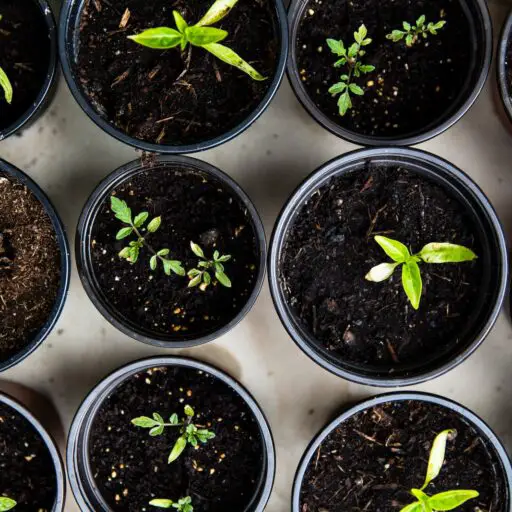
1. Seed Starting & Propagation
- Goal: Fine motor skills, patience, cognitive sequencing.
- How it works: Participants handle small seeds, use twezers, and follow a step-by-step process to germinate plants.
2. Raised Bed Gardening
- Goal: Physical strength, balance, accessibility.
- How it works: Working at waist height reduces strain on the back and knees, making it ideal for those with mobility issues.
3. Sensory Garden Exploration
- Goal: Sensory stimulation, mindfulness, anxiety reduction.
- How it works: Engaging with plants that have unique textures (lamb’s ear), scents (lavender), and sounds (rustling grasses).
4. Harvesting & Food Preparation
- Goal: Vocational skills, nutrition education, social interaction.
- How it works: Picking vegetables, washing them, and preparing a simple meal or snack together.
5. Plant-Based Arts & Crafts
- Goal: Creative expression, fine motor skills, emotional release.
- How it works: Creating pressed flower cards, herbal sachets, or natural dyes.
6. Hydroponics & Aquaponics
- Goal: STEM education, problem-solving, innovation.
- How it works: Setting up and maintaining soil-free growing systems, which can be done indoors year-round.
7. Nature Walks & “Forest Bathing”
- Goal: Stress reduction, cardiovascular health, mindfulness.
- How it works: Guided walks focusing on the sights, sounds, and smells of nature, often incorporating breathing exercises.
8. Composting & Soil Health
- Goal: Understanding life cycles, responsibility, physical activity.
- How it works: Turning compost, learning about decomposition, and using the finished product to nourish plants.
9. Cut Flower Gardening
- Goal: Aesthetic appreciation, vocational training, gift-giving.
- How it works: Growing, harvesting, and arranging flowers for personal use or sale.
10. Group Planting Projects
- Goal: Social skills, teamwork, community building.
- How it works: Collaborating on a large-scale planting project, requiring communication and shared effort.
Pro Tip: The key to success is adaptation. A task that seems simple to one person might be impossible for another. A good practitioner knows how to modify the activity to fit the individual’s abilities.
👩 🌾 The Green Thumb Healer: Roles and Responsibilities of a Certified Therapeutic Horticulture Practitioner
Who is the magic behind the garden? It’s the Therapeutic Horticulture Practitioner. These aren’t just gardeners; they are trained professionals who blend horticultural knowledge with therapeutic principles.
Key Responsibilities
- Assessment: Evaluating the client’s physical, cognitive, and emotional needs to set specific goals.
- Program Design: Creating tailored activities that align with those goals.
- Facilitation: Guiding the session, providing instructions, and ensuring safety.
- Adaptation: Modifying tools, tasks, or the environment to accommodate disabilities.
- Documentation: Tracking progress and outcomes to measure the effectiveness of the intervention.
- Collaboration: Working with a multidisciplinary team, including physical therapists, occupational therapists, and psychologists.
Safety First
Safety is paramount. Practitioners must:
- Screen for toxic plants and allergens.
- Ensure tools are safe and appropriate.
- Conduct hazard checks for tripping or falling.
- Teach proper body mechanics to prevent injury.
Did you know? To become a certified practitioner, one often needs a degree in horticulture or a related field, plus specialized training in therapeutic techniques. The AHTA offers resources and certification pathways for those interested in this career.
🧪 The Science Behind the Green: How Plants Impact Mental and Physical Health
Why does gardening work? It’s not just magic; it’s science.
The Microbiome Hypothesis
One fascinating theory is the “Old Friends” hypothesis. Exposure to soil bacteria, specifically Mycobacterium vacae, can stimulate the production of serotonin, a neurotransmitter that regulates mood. This is why getting your hands dirty can literally make you feel happier.
Stress Reduction
Studies have shown that gardening reduces cortisol levels, lowers blood pressure, and decreases heart rate. The act of focusing on a task (like weding or pruning) can induce a state of flow, where the mind is fully immersed in the present moment, reducing anxiety.
Physical Benefits
- Motor Skills: Repetitive motions like digging, watering, and pruning improve strength and coordination.
- Cardiovascular Health: Gardening is a moderate-intensity physical activity that can improve heart health.
- Vitamin D: Spending time outdoors boosts Vitamin D levels, which is crucial for bone health and immune function.
Research Highlight: A study published in the Journal of Health Psychology found that participants who engaged in gardening for 30 minutes reported significantly lower levels of stress and improved mood compared to those who read indoors.
🏡 DIY at Home: How to Start Your Own Therapeutic Garden Without a Degree
You don’t need a certification to reap the benefits of therapeutic horticulture. You can create your own healing sanctuary right at home.
Step 1: Assess Your Space
- Sunlight: Most edible plants need 6-8 hours of sun. Shade-tolerant plants like hostas or ferns are great for darker spots.
- Accessibility: If you have mobility issues, consider raised beds or container gardening.
- Safety: Remove tripping hazards and ensure paths are wide enough for wheelchairs or walkers.
Step 2: Choose the Right Plants
- Sensory Plants: Lavender (scent), Lamb’s Ear (texture), Lemon Balm (taste/scent).
- Edible Plants: Herbs and vegetables are rewarding and provide a sense of accomplishment.
- Low-Maintenance Plants: Succulents, perennials, and native plants require less care, reducing stress.
Step 3: Gather Adaptive Tools
You don’t need fancy gear, but ergonomic tools can make a huge difference.
- Ergonomic Trowels: Reduce strain on the wrist.
- Long-Handled Tools: Allow you to work without bending over.
- Kneling Pads: Protect your knees.
Step 4: Start Small
Don’t try to build a massive garden overnight. Start with a few pots or a small raised bed. The goal is enjoyment, not perfection.
Community Tip: Check out our Garden Design Ideas category for inspiration on creating accessible and therapeutic spaces.
🛠️ Essential Tools and Gear for Therapeutic Gardening Success
Having the right tools can make the difference between a frustrating experience and a therapeutic one. Here are some of our top picks for adaptive and ergonomic gardening gear.
Top Adaptive Tools
- Fiskars Ergo Trowel: Designed with a curved handle to reduce wrist strain.
- Radius Garden Root Slayer Shovel: Features a unique O-handle that promotes a natural grip and reduces back strain.
- Gardener’s Supply Company Kneler & Seat: A dual-purpose tool that provides a seat and a kneeling pad with handles for easy standing.
Sensory Garden Essentials
- Wind Chimes: For auditory stimulation.
- Bird Feeders: To attract wildlife and provide visual interest.
- Textured Pathways: Using materials like gravel, bark, or stepping stones to provide sensory feedback underfoot.
👉 CHECK PRICE on:
- Fiskars Ergo Trowel: Amazon | Walmart | Fiskars Official
- Radius Garden Root Slayer Shovel: Amazon | Walmart | Radius Garden Official
- Gardener’s Supply Company Kneler: Amazon | Gardener’s Supply Official
Note: Always check with a healthcare provider before starting a new physical activity, especially if you have existing health conditions.
🚫 Common Myths and Misconceptions About Horticultural Therapy Debunked
Let’s clear the air. There are a lot of myths floating around about therapeutic horticulture.
Myth 1: “It’s just gardening.”
Fact: While it involves gardening, it’s a structured intervention with specific goals and professional oversight. It’s not a hobby; it’s a treatment.
Myth 2: “You need a green thumb to benefit.”
Fact: You don’t need to be a master gardener. The focus is on the process, not the outcome. Even killing a plant can be a learning experience!
Myth 3: “It’s only for the elderly or disabled.”
Fact: While it’s highly effective for these groups, everyone can benefit from the stress relief and physical activity of gardening.
Myth 4: “It’s too expensive.”
Fact: Therapeutic horticulture can be incredibly low-cost. A few seeds, some soil, and a container are all you need to get started.
Myth 5: “All plants are safe.”
Fact: Toxic plants like oleander, foxglove, and certain lilies can be dangerous, especially for children or pets. Always research plant safety before planting.
Safety First: Always screen for allergens and toxic plants. Consult with a professional if you’re unsure about plant safety.
📊 Case Studies: Real Stories of Transformation Through Plant Power
Numbers and theories are great, but nothing speaks louder than real stories. Here are a few examples of how therapeutic horticulture has changed lives.
Case Study 1: The Veteran with PTSD
Background: John, a veteran, struggled with severe PTSD and social isolation after returning from service.
Intervention: He joined a therapeutic horticulture program at a local community garden.
Outcome: Over six months, John’s anxiety levels decreased, and he began to form meaningful connections with other participants. He now leads a weekly gardening group for other veterans.
Case Study 2: The Senior with Dementia
Background: Mary, an 85-year-old with early-stage dementia, had become withdrawn and unresponsive.
Intervention: She participated in a sensory garden program, focusing on planting and harvesting herbs.
Outcome: Mary’s memory improved, and she began to engage in conversations with caregivers. The smell of rosemary and mint triggered fond memories of her childhood kitchen.
Case Study 3: The Child with Autism
Background: Leo, a 10-year-old with autism, had difficulty with social interaction and sensory processing.
Intervention: He joined a therapeutic horticulture program designed for children with special needs.
Outcome: Leo learned to communicate with his peers while working on a group planting project. The sensory-rich environment helped him regulate his emotions and improve his focus.
Inspiration: These stories show that the power of plants is real. Whether it’s healing a wound, calming a mind, or connecting a community, therapeutic horticulture is a force for good.
🎓 How to Become a Certified Therapeutic Horticulture Specialist
Interested in making a career out of this? Becoming a Certified Therapeutic Horticulture Specialist is a rewarding path.
Educational Pathways
- Degree: A bachelor’s degree in horticulture, biology, or a related field is often required.
- Certification: Specialized training programs, such as those offered by the North Carolina Botanical Garden, provide the necessary skills in therapeutic techniques.
- Internship: Hands-on experience in a clinical or community setting is crucial.
Skills Needed
- Horticultural Knowledge: Understanding plant biology, soil health, and pest management.
- Therapeutic Skills: Ability to assess needs, design programs, and facilitate activities.
- Communication: Strong interpersonal skills to work with diverse populations.
- Safety Awareness: Knowledge of safety protocols and risk management.
Next Steps: Check out the AHTA for a list of accredited programs and certification requirements.
🌍 Global Perspectives: Therapeutic Horticulture Around the World
Therapeutic horticulture isn’t just a Western phenomenon. It’s a global movement.
Europe
In the UK, the Social and Therapeutic Horticulture movement is well-established, with many hospitals and care homes incorporating gardening into their care plans.
Asia
In Japan, Shinrin-yoku (forest bathing) is a widely practiced form of nature therapy that has been integrated into public health initiatives.
Australia
Australia has a strong focus on horticultural therapy for veterans and people with disabilities, with many dedicated programs and research initiatives.
Global Insight: No matter where you are, the connection between humans and nature is universal. Therapeutic horticulture is a language that everyone can understand.
🏛️ @ncbotanicalgarden: A Deep Dive into the North Carolina Botanical Garden’s Pionering Work
We can’t talk about therapeutic horticulture without mentioning the North Carolina Botanical Garden (NCBG). They’ve been at the forefront of this field since 1978.
Their Mission
The NCBG’s mission is “to promote health and healing through positive connections with plants, nature, and people.” They offer a wide range of programs, from hybrid certificate courses to community outreach initiatives.
Key Programs
- Hybrid Certificate in Therapeutic Horticulture: A comprehensive program that combines online and in-person learning.
- Community Outreach: Programs for underserved children, elders, and disenfranchised individuals.
- Research: They conduct and publish research on the benefits of therapeutic horticulture, contributing to the body of evidence in the field.
Why it matters: The NCBG’s work has set the standard for therapeutic horticulture programs worldwide. Their commitment to research, education, and community engagement is truly inspiring.
🏁 Conclusion: Cultivating a Healthier You

We’ve journeyed from the ancient roots of Benjamin Rush to the modern, evidence-based practices of today. We’ve explored the science, the settings, the people, and the profound impact of therapeutic horticulture.
So, what’s the takeaway?
Therapeutic horticulture is more than just a hobby; it’s a powerful tool for healing. Whether you’re a veteran seeking peace, a senior fighting isolation, or a child with special needs, the garden has something to offer you.
But here’s the question we left you with earlier: Can you really heal just by planting a seed?
The answer is a resounding yes. The act of nurturing a plant mirrors the act of nurturing ourselves. It teaches us patience, resilience, and the beauty of growth.
Ready to start your own journey?
Don’t wait for a perfect day or a perfect garden. Start small. Plant a seed. Water it. Watch it grow. And in doing so, you’ll be cultivating a healthier, happier you.
Final Thought: As we at Community Gardening™ like to say, “Grow Together through Community Gardening.” Let’s all get our hands dirty and heal the world, one plant at a time.
🔗 Recommended Links
Books & Resources
- “Therapeutic Horticulture: A Guide for Practitioners” by American Horticultural Therapy Association
- “The Healing Power of Plants” by North Carolina Botanical Garden
- “Gardening for Health: A Practical Guide” by Missouri Botanical Garden
Tools & Gear
- Fiskars Ergo Trowel: Amazon | Walmart | Fiskars Official
- Radius Garden Root Slayer Shovel: Amazon | Walmart | Radius Garden Official
- Gardener’s Supply Company Kneler: Amazon | Gardener’s Supply Official
Organizations
- American Horticultural Therapy Association (AHTA): https://www.ahta.org/
- North Carolina Botanical Garden: https://ncbg.unc.edu/
- Missouri Botanical Garden: https://www.missouribotanicalgarden.org/
- Florida Horticulture for Health Network: https://floridahorticultureforhealth.org/
❓ Frequently Asked Questions (FAQ)

How to start a therapeutic horticulture project in your community?
Starting a project begins with assessing community needs. Reach out to local hospitals, senior centers, or schools to gauge interest. Then, secure a space (a community garden, a park, or even a rooftop) and gather a team of volunteers or professionals. Partner with local organizations like Community Gardening™ for support and resources.
Read more about “🌱 How Community Gardens Spark Connection (2026)”
What role does community gardening play in therapeutic horticulture?
Community gardens provide a social support network that enhances therapeutic benefits. They offer a sense of belonging, shared purpose, and opportunities for social interaction, which are crucial for mental health.
Can therapeutic horticulture help reduce stress and anxiety?
Yes. Numerous studies show that gardening reduces cortisol levels and promotes relaxation. The act of focusing on a task and connecting with nature can significantly lower stress and anxiety.
Read more about “🌱 12 Ways Gardening Builds Emotional Resilience (2026)”
How does therapeutic horticulture support physical rehabilitation?
Gardening activities like digging, planting, and watering improve motor skills, strength, and balance. These activities can be adapted to suit various physical abilities, making them ideal for rehabilitation.
What activities are included in therapeutic horticulture programs?
Activities range from seed starting, raised bed gardening, and sensory exploration to plant-based arts, harvesting, and nature walks. The specific activities depend on the goals of the participants.
How can community gardening promote social connections and well-being?
Community gardens bring people together, fostering social interaction and a sense of belonging. They provide a space for people to share knowledge, support each other, and build relationships.
Read more about “🌱 12 Steps to Inclusive Community Garden Design (2026)”
How can community gardening projects be used to foster a sense of community and social cohesion?
By working together on a shared project, community members develop a sense of ownership and pride. This shared effort strengthens bonds and creates a more cohesive community.
What are some examples of therapeutic horticulture programs for veterans and older adults?
Programs for veterans often focus on PTSD recovery and physical rehabilitation, while programs for older adults may emphasize cognitive stimulation and social interaction. Many botanical gardens offer specialized programs for these groups.
How can community gardens be designed to accommodate people with disabilities?
Designs should include raised beds, wide pathways, and accessible tools. Sensory elements like fragrant plants and textured surfaces can also enhance the experience for those with visual or hearing impairments.
Read more about “Community Gardening as Nature-Based Therapy: 12 Ways It Heals 🌿 (2026)”
What role does nature play in reducing stress and anxiety in therapeutic horticulture?
Nature provides a calming environment that reduces stress and promotes relaxation. The sights, sounds, and smells of nature can trigger a relaxation response in the body.
Can therapeutic horticulture be used to support rehabilitation and physical therapy?
Yes. Gardening activities can be tailored to improve motor skills, strength, and balance, making them a valuable complement to traditional physical therapy.
Read more about “11 Powerful Purposes of Community Gardens You Didn’t Know (2025) 🌿”
How does community gardening promote social connections and well-being?
Community gardens create a shared space where people can interact, share knowledge, and support each other. This social connection is vital for mental and emotional well-being.
Read more about “What Is the Purpose of a Community Garden? 10 Surprising Reasons 🌱 (2026)”
What are the benefits of therapeutic horticulture for mental health?
Therapeutic horticulture can reduce stress, anxiety, and depression, while improving mood, self-esteem, and cognitive function. It provides a sense of purpose and accomplishment.
Read more about “🧠 10 Proven Cognitive Benefits of Gardening for Seniors (2026)”
📚 Reference Links
- American Horticultural Therapy Association (AHTA): https://www.ahta.org/
- North Carolina Botanical Garden – Therapeutic Horticulture: https://ncbg.unc.edu/engagement/therapeutic-horticulture/
- Missouri Botanical Garden – Therapeutic Horticulture: https://www.missouribotanicalgarden.org/learn-discover/therapeutic-horticulture
- Florida Horticulture for Health Network: https://floridahorticultureforhealth.org/
- Journal of Health Psychology: https://journals.sagepub.com/
- Community Gardening™ – Benefits of Community Gardens: https://www.community-gardening.org/category/benefits-of-community-gardens/
- Community Gardening™ – Community Garden Events: https://www.community-gardening.org/category/community-garden-events/
- Community Gardening™ – Garden Design Ideas: https://www.community-gardening.org/category/garden-design-ideas/
- Community Gardening™ – Edible Plants: https://www.community-gardening.org/category/edible-plants/