Support our educational content for free when you purchase through links on our site. Learn more

As an Amazon Associate, we earn from qualifying purchases.

The secret to a thriving community plot isn’t working harder; it’s planting smarter by strictly following a seasonal planting calendar that matches your local frost dates and visit frequency. Success in seasonal planting community gardens hinges on choosing low-maintenance crops like kale and garlic that forgive missed waterings, rather than high-maintenance beans that demand daily harvesting.
Imagine showing up to your plot after a week-long trip, only to find your prize-winning tomatoes have turned into a jungle of unharvested fruit that has stopped producing entirely. This is the classic “community garden trap” where enthusiasm outpaces reality.
Did you know that gardens managed with strict seasonal rotation can yield up to 40% more produce than those with random planting schedules? It’s not magic; it’s about respecting the rhythm of the earth.
We’ve seen too many new gardeners burn out because they tried to grow everything at once. By narrowing your focus to just six crops that thrive in your specific season, you transform a chore into a joy.
Key Takeaways
- Match crops to your schedule: Choose low-maintenance varieties like carrots and onions if you can’t visit daily.
- Respect the frost dates: Plant cool-season crops early and save heat-lovers for after the last frost.
- Rotate your families: Prevent soil disease by moving Solanaceae (tomatoes/peppers) to new spots every year.
- Embrace the “Less is More” rule: Limit yourself to six crop types to ensure quality over quantity.
- Communicate with neighbors: Share watering duties and harvest tips to build a resilient community ecosystem.
Table of Contents
- ⚡️ Quick Tips and Facts
- 🌱 From Seed to Soil: The History of Seasonal Planting in Community Gardens
- 🗓️ Mastering the Seasonal Planting Calendar for Community Plots
- 🥬 Top 12 Vegetables and Herbs to Thrive in Shared Community Spaces
- 🌸 Spring Awakening: Kickstarting Your Seasonal Garden Cycle
- ☀️ Summer Sustenance: Managing Heat and Water in Community Beds
- 🍂 Autumn Abundance: Harvesting and Preparing for the Cool Season
- ❄️ Winter Wisdom: Protecting Soil and Planning for Next Year
- 🤝 Cultivating Community: Social Dynamics and Shared Responsibilities
- 🐞 Pest Control and Companion Planting for Organic Community Success
- 💧 Watering Strategies and Irrigation Tips for Shared Plots
- 🛠️ Essential Tools and Gear for Seasonal Community Gardening
- 🧠 Learn How to Get Better Results: Troubleshooting Common Pitfalls
- 👩 🌾 Hi! I’m Megan: A Gardener’s Journey Through the Seasons
- 🏆 Conclusion
- 🔗 Recommended Links
- ❓ FAQ
- 📚 Reference Links
⚡️ Quick Tips and Facts
Before we dig our hands into the rich, loamy soil of seasonal planning, let’s hit the pause button on your excitement for a second. Why? Because the biggest mistake new community gardeners make is treating their plot like a backyard extension. It’s not. It’s a shared ecosystem with unique rules, and ignoring them is a fast track to a plot full of weeds and a heart full of regret.
Here are the non-negotiables for seasonal success in a community setting:
- Visit Frequency is King: If you can only visit once a week, skip the bush beans. They need daily harvesting or they stop producing. Instead, go for kale, carrots, or onions that can “hang out” without pouting.
- Annuals Only: Most community gardens require you to clear your plot in the fall. Do not plant perennials like asparagus, rhubarb, or invasive herbs like mint and horseradish in your individual bed. They will become a nightmare for the next gardener (and the garden board).
- Space Matters: Choose dwarf or patio varieties of tomatoes and cucumbers. Vines that spill into the walkway are the quickest way to make enemies with your neighbors.
- The “Six Crop” Rule: New to this? Limit yourself to six different types of crops. It’s easier to master the care for six than to fail at twenty.
Did you know? According to the American Community Gardening Association, community gardens can increase the yield of fresh produce by up to 40% compared to traditional home gardening when managed collectively!
For a deeper dive into why these shared spaces are so transformative, check out our guide on the Benefits of Community Gardens.
🌱 From Seed to Soil: The History of Seasonal Planting in Community Gardens

You might think community gardening is a modern hipster trend, but the roots go back much deeper than the latest farmers’ market. The concept of seasonal planting in shared spaces is as old as agriculture itself.
The Roots of Cooperation
Long before we had zoning laws and HOA meetings, ancient civilizations relied on communal plots to survive harsh winters and unpredictable growing seasons. In the Middle Ages, the open field system in Europe was the ultimate community garden, where villagers rotated crops seasonally to prevent soil exhaustion.
Fast forward to the 1970s in the US, and we saw the “Land Grant” movement and the rise of urban community gardens as a response to food deserts and economic downturns. These weren’t just about growing zucchini; they were about food sovereignty and reclaiming the circular cycle of the earth, a phrase beautifully coined by young gardener Jat Martinez in Denver. As Jat noted, “Gardening gives me the opportunity to work with the circular cycle of the earth… It’s so beautiful!”
Why Seasonal Planning Changed Everything
Historically, gardens were dictated solely by the sun and rain. Today, seasonal planting calendars are the backbone of community success. They ensure that:
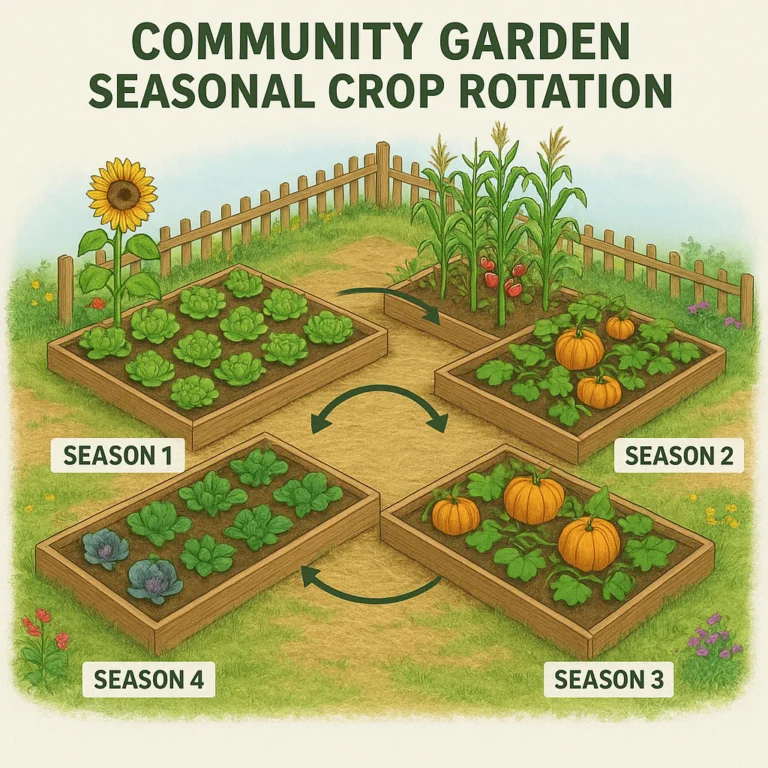
- Soil Health is maintained through crop rotation.
- Water Usage is optimized during peak summer heat.
- Community Harmony is preserved by preventing one gardener’s overgrowth from shading another’s plot.
Understanding this history helps us respect the seasonal rhythms we are trying to master. It’s not just about planting; it’s about participating in a centuries-old tradition of shared stewardship.
🗓️ Mastering the Seasonal Planting Calendar for Community Plots
So, you’ve got your plot. Now, how do you know when to plant what? This is where the magic happens. A seasonal planting calendar isn’t just a suggestion; it’s your roadmap to avoiding a garden full of frost-bitten lettuce or heat-stressed tomatoes.
The Four-Season Strategy
🌸 Spring: The Awakening
Spring is the “get it done” season. The soil is warming, but the nights are still chilly.
- Focus: Cool-season crops that hate the heat.
- What to Plant: Peas, spinach, radishes, and kale.
- Pro Tip: Start your tomato and pepper seedlings indoors 6-8 weeks before the last frost. Don’t rush them outside!
☀️ Summer: The Heat Wave
This is when the garden explodes, but also when pests and heat stress peak.
- Focus: Heat-loving crops and water management.
- What to Plant: Tomatoes, peppers, eggplant, basil, and okra.
- Pro Tip: Mulch heavily! It keeps the soil cool and retains moisture.
🍂 Autumn: The Second Harvest
Don’t pack up yet! Many crops thrive in the cooling air.
- Focus: Root vegetables and cold-hardy greens.
- What to Plant: Carots, bets, Brussels sprouts, and garlic (for next year!).
- Pro Tip: Plant garlic in the fall so it has time to establish roots before the ground freezes. It’s the ultimate low-maintenance crop.
❄️ Winter: The Planning Phase
The garden is dormant, but your brain should be active.
- Focus: Soil amendment and planning.
- Action: Add compost, cover crop (like clover), and review your journal.
Wait, what about frost dates? Every region is different. You need to find your specific last frost date and first frost date. Check the National Gardening Association’s Frost Date Calculator to get your local timeline.
🥬 Top 12 Vegetables and Herbs to Thrive in Shared Community Spaces
Let’s get specific. Based on our experience at Community Gardening™ and insights from seasoned gardeners like those in Madison, WI, here are the top 12 low-maintenance champions for community plots. These are the crops that forgive the occasional missed watering and don’t mind being left alone for a few days.
| Rank | Crop | Season | Why It’s Great for Community Gardens | Maintenance Level |
|---|---|---|---|---|
| 1 | Kale | Spring/Fall | Thrives in cool weather; produces all season; survives light frost. | Low ✅ |
| 2 | Garlic | Fall (Harvest Summer) | Planted once, harvested months later. Zero daily care needed. | Very Low ✅ |
| 3 | Carots | Spring/Summer | Root crops don’t need daily attention; great for “set and forget.” | Low ✅ |
| 4 | Swiss Chard | Spring/Fall | “Cut-and-come-again” style; keeps producing all season. | Low ✅ |
| 5 | Onions | Spring/Summer | Storage crop; can wait in the ground after maturity. | Low ✅ |
| 6 | Basil | Summer | Continuous harvest; prevents bolting if picked regularly (but forgiving). | Medium ⚠️ |
| 7 | Tomatoes (Determinate) | Summer | Bush varieties stop growing at a set height; easier to manage than vines. | Medium ⚠️ |
| 8 | Peppers | Summer | Heat lovers; produce for months; fewer pests than tomatoes. | Low ✅ |
| 9 | Eggplant | Summer | Adds color; hardy once established; waits well on the vine. | Low ✅ |
| 10 | Cabbage | Spring/Fall | Patient plant; doesn’t spoil immediately after ripening. | Low ✅ |
| 1 | Parsley | Spring/Fall | Annual herb; easy to establish from transplants. | Low ✅ |
| 12 | Leks (Leks) | Fall | Compact growth; minimal care; perfect for fall harvest. | Low ✅ |
Why These Crops Win
As noted by experienced community gardeners, “If you’re not careful, these challenges can make community garden plots feel more like a burden than a joy.” The key is choosing crops that align with your visit frequency.
- The “Hang Out” Crops: Carots, onions, and garlic can sit in the ground for days without issue.
- The “Daily Check” Crops: Bush beans and cherry tomatoes need daily harvesting, or they stop producing. If you can’t visit daily, skip them.
Brand Tip: For reliable seeds, we love Johnny’s Selected Seeds for their unique varieties like Magic Molly potatoes or Red Russian kale. You can find them at Johnny’s Selected Seeds.
🌸 Spring Awakening: Kickstarting Your Seasonal Garden Cycle
Spring is the season of hope, but also of impatience. We all want to see green immediately, but rushing the season is a recipe for disaster.
Step-by-Step Spring Prep
- Soil Test: Don’t guess. Test your soil pH and nutrients. Most community gardens have a shared soil test kit.
- Clear the Debris: Remove last year’s dead plants to prevent disease.
- Amend the Soil: Add 2-3 inches of compost. This is non-negotiable for nutrient density.
- Plant Cool-Season Crops: As soon as the soil can be worked (not muddy, just damp), plant peas, spinach, and radishes.
The “Transplant” Trap
Many new gardeners buy tomato starts and plant them too early. Don’t do it. Tomatoes hate cold soil. Wait until the danger of frost has passed. If you plant too early, they will “shock” and stop growing.
Curiosity Gap: Why do some gardeners swear by planting potatoes on St. Patrick’s Day, while others wait until May? The answer lies in soil temperature, not the calendar. We’ll break down the science of soil temps in the Summer section.
For more on selecting the right plants for your climate, visit our Climate Adaptation in Gardening category.
☀️ Summer Sustenance: Managing Heat and Water in Community Beds
Summer is the grand finale of the growing season, but it’s also the most dangerous time for your plants. Heat stress and water scarcity are the enemies.
Watering Wisdom
In a community garden, you often share a hose or a spigot. This means timing is everything.
- Water Early: Water between 5 AM and 8 AM. This reduces evaporation and prevents fungal diseases that thrive in wet, warm nights.
- Deep Watering: It’s better to water deeply once a week than lightly every day. This encourages deep root growth.
- Mulch is Magic: Apply a 3-inch layer of straw or shredded leaves. It keeps the soil cool and retains moisture.
Heat-Loving Crops
This is the time for tomatoes, peppers, and eggplant.
- Tomatoes: Choose determinate (bush) varieties for easier management. Indeterminate varieties can get out of control and shade neighbors.
- Peppers: They are tough. Once established, they can handle heat waves that would kill a tomato plant.
The “One Thing” Rule
Remember the advice from the community garden video: “Maybe concentrate on growing less things than you may initially think.” In the heat of summer, managing 20 different crops is a recipe for burnout. Stick to your six crops and give them the attention they deserve.
Did you know? A study by the University of California Cooperative Extension shows that mulched gardens retain up to 25% more moisture than unmulched ones during peak summer heat.
🍂 Autumn Abundance: Harvesting and Preparing for the Cool Season
As the days shorten, the garden shifts gears. This is the second harvest season, often overlooked by beginners.
The Cool-Season Comeback
While summer crops are winding down, kale, chard, and root vegetables are just getting started.
- Kale: It actually tastes sweter after a frost!
- Carots and Bets: Leave them in the ground as long as possible. They store well in the soil.
- Garlic: Plant your garlic cloves now. They need a period of cold (vernalization) to form bulbs.
Cleaning Up
As you harvest, clear out dead summer plants. This prevents pests from overwintering in your plot.
- Compost: Add healthy plant matter to the community compost pile.
- Cover Crops: If you have space, plant a cover crop like clover or rye to protect the soil over winter.
Pro Tip: Don’t forget to save seeds from your best plants! It’s a great way to connect with the circular cycle of the earth.
❄️ Winter Wisdom: Protecting Soil and Planning for Next Year
Winter isn’t the end; it’s the planning phase. While the garden sleeps, you should be dreaming.
Soil Protection
- Cover Crops: If you didn’t plant them in the fall, do it now if the ground isn’t frozen.
- Mulch: Add a thick layer of straw or leaves to protect the soil structure.
The Planning Meeting
- Review Your Journal: What worked? What failed? Did your tomatoes get blight? Did your carrots rot?
- Order Seeds: Start ordering seeds for next spring. Popular varieties sell out fast!
- Community Meetings: Attend the winter garden meetings. This is where you learn about new policies and plot assignments.
Question: How do you decide which crops to rotate next year? The answer lies in crop rotation families, which we’ll explore in the pest control section.
🤝 Cultivating Community: Social Dynamics and Shared Responsibilities
A community garden is more than just dirt and plants; it’s a social ecosystem. The success of your seasonal planting depends heavily on how well you interact with your neighbors.
The Unwritten Rules
- Respect Boundaries: Don’t let your vines spill into the neighbor’s plot.
- Share the Load: If you see a neighbor struggling with a heavy hose, offer a hand.
- Communicate: If you’re going to be away for a week, let your plot neighbors know. They might water your plants.
Conflict Resolution
Disagreements happen. Maybe someone’s compost pile smells, or a weed has invaded your plot.
- Talk First: Approach the person calmly.
- Involve the Board: If it doesn’t resolve, bring it to the garden board.
- Remember the Goal: We are all here to grow food and build community. Don’t let a weed ruin a friendship.
Real Story: One of our members, Sarah, had a neighbor whose sunflowers were shading her tomatoes. Instead of getting mad, she invited the neighbor to harvest the sunflower seeds together. Now they share the seeds every year!
For more on navigating these dynamics, check out our Community Garden Policies page.
🐞 Pest Control and Companion Planting for Organic Community Success
Pests are the uninvited guests at every garden party. In a community setting, you can’t just spray chemicals; you need organic, integrated pest management (IPM).
The Power of Companion Planting
Companion planting is the art of growing certain plants together to repel pests or attract beneficial insects.
- Marigolds: Plant them around your tomatoes to repel nematodes.
- Basil: Plant near tomatoes to improve flavor and repel flies.
- Nasturtiums: Act as a “trap crop” for aphids, drawing them away from your veggies.
Crop Rotation
Rotating crops is essential to prevent soil-borne diseases.
- Family Rotation: Don’t plant tomatoes, peppers, or eggplants in the same spot two years in a row. They are all in the Solanaceae family and attract the same pests.
- Legume Boost: Plant beans or peas (legumes) after heavy feeders like corn or tomatoes. Legumes fix nitrogen in the soil.
Organic Solutions
- Nem Oil: Great for aphids and mites.
- Bt (Bacillus thuringiensis): Specific for caterpillars.
- Hand Picking: Sometimes the best solution is just picking the bugs off by hand.
Did you know? A study by the Xerces Society shows that planting diverse flowers in community gardens can increase beneficial insect populations by up to 50%!
💧 Watering Strategies and Irrigation Tips for Shared Plots
Water is the lifeblood of the garden, but in a community setting, it’s a shared resource. Mismanagement can lead to dry spells for everyone.
Efficient Watering Techniques
- Drip Irrigation: The gold standard. It delivers water directly to the roots, reducing evaporation and fungal diseases.
- Soaker Hoses: A cheaper alternative to drip systems, great for row crops.
- Mulching: As mentioned before, mulch is your best friend for water retention.
Scheduling
- Morning is Best: Water between 5 AM and 8 AM.
- Avoid Miday: Watering at noon leads to high evaporation.
- Evening Caution: Watering too late can leave foliage wet overnight, encouraging fungal diseases.
Community Water Rules
Many gardens have specific rules about water usage.
- Check the Schedule: Some gardens have designated watering days.
- Rain Barels: Install a rain barrel to collect rainwater (if allowed).
- Report Leaks: If you see a leaky hose, report it immediately.
Pro Tip: Invest in a soil moisture meter. It takes the guesswork out of watering. We recommend the Garden Tutor moisture meter, available at Amazon.
🛠️ Essential Tools and Gear for Seasonal Community Gardening
You don’t need a garage full of tools, but having the right gear makes a huge difference.
The Must-Haves
- Garden Trowel: For digging small holes and transplanting.
- Pruning Shears: For harvesting and deadheading.
- Garden Gloves: Protect your hands from thorns and dirt.
- Knee Pad: Your knees will thank you.
- Watering Can or Hose: Check if your plot has a spigot.
Recommended Brands
- Fiskars: Known for durable, ergonomic tools.
- Corona: Great for pruning shears.
- Gardener’s Supply Company: Offers a wide range of high-quality tools.
Brand Tip: For a complete starter kit, check out the Fiskars Garden Tool Set on Amazon.
🧠 Learn How to Get Better Results: Troubleshooting Common Pitfalls
Even the best gardeners face challenges. Here’s how to troubleshoot the most common issues.
Problem: Yellow Leaves
- Cause: Overwatering, underwatering, or nutrient deficiency.
- Solution: Check soil moisture. If wet, let it dry out. If dry, water deeply. If neither, add compost.
Problem: No Fruit on Tomatoes
- Cause: Lack of pollination or heat stress.
- Solution: Gently shake the plants to help pollination. Plant borage or marigolds to attract pollinators.
Problem: Pests Everywhere
- Cause: Lack of biodiversity.
- Solution: Introduce companion plants and beneficial insects.
Problem: Weds Taking Over
- Cause: Lack of mulch or late weding.
- Solution: Mulch heavily and weed regularly.
Remember: “One thing to consider about a community garden plot is that it’s a bit different than a backyard garden because you’re not going to be visiting it every day.” Plan accordingly!
👩 🌾 Hi! I’m Megan: A Gardener’s Journey Through the Seasons
Hi there! I’m Megan, a gardener who has spent the last decade navigating the ups and downs of community gardening. My journey started in a small 4×8 plot in Madison, WI, where I learned the hard way that impatience is the enemy of growth.
My First Season: The Mistake
I planted everything I could think of: beans, tomatoes, peppers, squash, and even some invasive mint. I visited every day, but I was overwhelmed. The mint took over, the beans needed daily harvesting, and I missed the peak harvest for my tomatoes.
The Turning Point
I realized I needed to simplify. I limited myself to six crops: kale, carrots, onions, garlic, basil, and determinate tomatoes. I focused on low-maintenance varieties and learned to trust the seasonal calendar.
The Result
My plot became a thriving oasis. I harvested enough kale to last all winter, and my garlic was the talk of the garden. I learned that less is more in a community setting.
My Advice: Don’t try to be a hero. Start small, learn the rhythms of your plot, and enjoy the process. Gardening is a journey, not a destination.
🏆 Conclusion

Seasonal planting in community gardens is a delicate dance between nature, community, and personal responsibility. It requires patience, planning, and a willingness to adapt. By choosing the right crops, respecting the seasonal calendar, and embracing the social dynamics of the garden, you can create a thriving plot that feeds both your body and your soul.
Key Takeaways:
- Choose low-maintenance crops that fit your visit schedule.
- Follow the seasonal calendar to maximize yield.
- Respect your neighbors and the shared resources.
- Embrace the cycle of planting, growing, and harvesting.
As you embark on your seasonal gardening journey, remember that every mistake is a lesson, and every harvest is a victory. Happy gardening!
🔗 Recommended Links
Essential Tools and Gear
- Fiskars Garden Tool Set: Amazon | Fiskars Official
- Garden Moisture Meter: Amazon | Garden Tutor
- Drip Irrigation Kit: Amazon | Orbit
Seeds and Plants
- Johnny’s Selected Seeds: Johnny’s Selected Seeds
- Burpee Seeds: Burpee
- Seed Savers Exchange: Seed Savers Exchange
Books
- “The Vegetable Gardener’s Bible” by Edward C. Smith: Amazon
- “Rodale’s Basic Organic Gardening” by Deborah L. Martin: Amazon
❓ FAQ

How can community gardens support local food security through seasonal planting?
Community gardens support local food security by providing fresh, nutritious produce to residents who may lack access to affordable healthy food. By seasonal planting, gardens can maximize yield throughout the year, ensuring a steady supply of food. Additionally, community gardens often donate excess produce to local food banks, further supporting food security.
What are some tips for successful seasonal planting in community gardens?
- Plan ahead: Create a seasonal planting calendar based on your local climate.
- Choose low-maintenance crops: Select crops that can withstand infrequent visits.
- Rotate crops: Prevent soil-borne diseases by rotating crops annually.
- Mulch: Retain moisture and suppress weeds with a thick layer of mulch.
- Communicate: Work with your neighbors to ensure everyone is on the same page.
Read more about “🌱 7 Best Plants for Community Gardens (2026)”
How do seasonal changes affect community garden planning?
Seasonal changes dictate what can be grown and when. Spring is for cool-season crops, summer for heat-loving plants, autumn for root vegetables and greens, and winter for planning and soil preparation. Understanding these cycles is crucial for maximizing yield and minimizing waste.
Read more about “10 Surprising Ways Community Gardening Boosts Mental Health in 2025 🌿”
What are the benefits of rotating crops seasonally in community gardens?
Crop rotation prevents soil depletion, reduces pest and disease buildup, and improves soil structure. By rotating crops, you ensure that the soil remains fertile and healthy for future seasons.
When is the ideal time to start planting in community gardens?
The ideal time to start planting depends on your local climate and the specific crop. Generally, cool-season crops can be planted as soon as the soil can be worked in the spring, while heat-loving crops should wait until the danger of frost has passed.
Read more about “🌱 7 Smart Watering Systems for Community Gardens (2026)”
How can seasonal planting improve community garden yields?
Seasonal planting ensures that crops are grown in the optimal conditions for their growth, leading to higher yields and healthier plants. By following the seasonal calendar, you can maximize the productivity of your plot.
What are the best seasonal crops for community gardens?
- Spring: Peas, spinach, radishes, kale.
- Summer: Tomatoes, peppers, eggplant, basil.
- Autumn: Carots, bets, Brussels sprouts, garlic.
- Winter: Cover crops, planning.
Read more about “🐝 25+ Pollinator-Friendly Plants for Community Gardens (2026)”
How do community gardens plan for seasonal planting schedules?
Community gardens often create a master planting calendar that outlines when to plant and harvest each crop. This calendar is shared with all gardeners to ensure everyone is on the same page.
What tools are needed for seasonal planting in shared garden spaces?
Essential tools include a garden trowel, pruning shears, garden gloves, knee pad, and watering can or hose. Drip irrigation systems are also highly recommended for efficient watering.
Read more about “🌱 12 Best Mulches for Water Retention in Community Gardens (2026)”
How can new members join a seasonal community gardening program?
New members can join by contacting the local community garden board or visiting the garden’s website. Many gardens have an application process and may require a fee or volunteer hours.
Read more about “🌱 12 Steps to Launching Intergenerational Gardening Programs (2026)”
What are the challenges of maintaining community gardens through different seasons?
Challenges include pest management, water scarcity, weather extremes, and social dynamics. Overcoming these challenges requires planning, communication, and a willingness to adapt.
Read more about “15 Must-Know Tips for Community Garden Plot Rental Success 🌱 (2025)”
How do community gardens handle water restrictions during dry seasons?
Community gardens often implement water conservation strategies such as mulching, drip irrigation, and rainwater harvesting. Some gardens may also have designated watering days or restrictions on water usage.
Where can I find a local community garden that focuses on seasonal planting?
You can find local community gardens by searching online directories like the American Community Gardening Association or by contacting your local city parks department. Many gardens have websites or social media pages with information about their seasonal planting programs.
📚 Reference Links
- American Community Gardening Association: https://communitygarden.org/
- National Gardening Association: https://garden.org/
- University of California Cooperative Extension: https://ucanr.edu/
- Xerces Society: https://xerces.org/
- Johnny’s Selected Seeds: https://www.johnyseds.com/
- City of Brookings-SD Douglas Chittick Community Gardens: https://www.cityofbrookings-sd.gov/310/Douglas-Chittick-Community-Gardens
- Creative Vegetable Gardener: https://www.creativegetablegardener.com/grow-community-garden-plot/
- DUG (Denver Urban Gardens): https://dug.org/latest-news/reclaiming-food-sovereignty-through-gardening/