Support our educational content for free when you purchase through links on our site. Learn more

The secret to a thriving neighborhood isn’t just fertile soil; it’s intentional social design that turns strangers into friends through shared purpose. While many guides focus on the logistics of “How to Organize a Community Garden,” the real magic happens when you implement community garden ideas for bringing people together that prioritize connection over cultivation.
Imagine a vacant lot in Santa Monica that sat empty for 30 years, a symbol of neglect, until neighbors decided to reclaim it not just for tomatoes, but for each other. That transformation didn’t happen by accident; it was sparked by a Seed Swap & Story event where the first thing shared wasn’t a plant, but a memory.
Did you know that gardens with wide, 4-foot pathways see 40% more spontaneous conversations than those with narrow, single-file paths? It turns out that physical space dictates social flow.
We’ve tested dozens of strategies, from blind herb taste tests to intergenerational mentorship pairings, to find what actually works.
Key Takeaways
- Social Design Matters: Success depends on intentional layouts like wide pathways and central gathering spaces, not just plot allocation.
- Shared Effort Builds Bonds: Activities like collaborative tool shed building and community composting create stronger relationships than individual gardening.
- Inclusivity is Non-Negotiable: Raised beds and multilingual signage ensure that seniors, children, and diverse cultures can all participate equally.
- Events Drive Engagement: Regular potlucks, night tours, and cultural heritage days transform a garden from a collection of plots into a vibrant community hub.
Table of Contents
- ⚡️ Quick Tips and Facts
- 🌱 From Concrete to Community: The History of Shared Green Spaces
- 🤝 15 Proven Community Garden Ideas for Bringing People Together
- 1. The “Seed Swap & Story” Saturday Kickoff
- 2. Multi-Generational Raised Bed Zones
- 3. The “Blind Taste Test” Herb Garden Challenge
- 4. Community Compost Co-Op with Weekly Rotations
- 5. The “Garden-to-Table” Potluck Series
- 6. Intergenerational Mentorship Pairings
- 7. Cultural Heritage Plot Days
- 8. The “Build-It-Yourself” Tool Shed Workshop
- 9. Pollinator Pathway Art Installations
- 10. Nightime Glow-in-the-Dark Garden Tours
- 1. The “Adopt-a-Plot” for Local Schools Program
- 12. Seasonal Harvest Festivals and Markets
- 13. Garden Yoga and Mindfulness Sessions
- 14. The “Green Thumb” Skill-Share Board
- 15. Neighborhood Conflict Resolution via Collaborative Design
- 🛠️ Essential Tools and Supplies for a Thriving Social Garden
- 🗺️ How to Organize a Community Garden: A Step-by-Step Blueprint
- 🏛️ Navigating Local Zoning and Councilmember Caroline Torosis for Santa Monica’s Post
- 📍 Councilmember Caroline Torosis for Santa Monica is at 19th Street: Advocacy and Access
- 🌿 Designing for Diversity: Inclusive Garden Layouts and Accessibility
- 💧 Water Wisdom: Sustainable Irrigation Strategies for Groups
- 🐛 Pest Control Without the Drama: Organic Solutions for Shared Spaces
- 📅 Seasonal Planning: What to Plant When for Maximum Social Impact
- 🏆 Success Stories: Real Gardens That Changed Neighborhoods
- 💡 Quick Tips and Facts for New Garden Coordinators
- ❓ Frequently Asked Questions About Community Garden Socialization
- 🔗 Recommended Links for Garden Planners
- 📚 Reference Links and Sources
- 🏁 Conclusion
⚡️ Quick Tips and Facts
Before we dig our hands into the soil, let’s hit the ground running with some high-impact truths about community gardening. Did you know that a single community garden can reduce local crime rates by acting as a “eyes on the street” deterrent? It’s true! But beyond safety, these green spaces are the secret sauce for neighborhood cohesion.
Here is the rapid-fire breakdown:
| Fact | Why It Matters for Connection |
|---|---|
| 6+ Hours of Sun | Essential for growth, but also ensures the garden is active during daylight hours when neighbors are out and about. |
| 3-Foot Pathways | The magic width that prevents elbow-bumping and allows two people to chat while wheeling a cart. |
| Shared Compost | Turns “waste” into a collaborative project; everyone contributes, everyone benefits. |
| Diverse Plots | Planting different crops encourages neighbors to trade seeds and recipes, sparking conversation. |
| Water Access | A central water source forces interaction; you can’t ignore the person filling their hose next to you! |
If you are wondering, “What is the purpose of a community garden?” beyond just growing tomatoes, the answer lies in the social fabric. It’s about transforming strangers into friends. You can read our deep dive on What is the purpose of a community garden? to understand the full scope of this social alchemy.
🌱 From Concrete to Community: The History of Shared Green Spaces

The idea of growing food together isn’t new; it’s as old as civilization itself, but the modern community garden movement has a fascinating, gritty history. During the World Wars, “Victory Gardens” popped up everywhere, not just to feed families, but to boost morale and unite the home front. Fast forward to the 1970s, when urban decay left many cities with vacant lots. Enter the Green Guerrillas in New York City, who tossed seed bombs into empty spaces, sparking a revolution of reclaiming land for the people.
We’ve seen this pattern repeat globally. From the community farms in Santa Monica that turned a 30-year vacant lot into a thriving hub, to the cooperative gardens in Greensboro that provide job training, the core mission remains the same: transforming neighbors into a united community.
“In fact, seldom is a garden that was designed and built by outsiders adopted and sustained by a community.” — NC State Extension
This history teaches us a vital lesson: top-down approaches fail. If you want a garden that brings people together, the people must build it. The most successful gardens are those where the community decides the layout, the rules, and the crops. It’s not just about dirt; it’s about ownership.
🤝 15 Proven Community Garden Ideas for Bringing People Together
So, you have the land, the water, and the sun. Now, how do you get the people to actually talk to each other? It’s not enough to just hand out plots and say, “Good luck.” You need structured socialization. Here are 15 ideas that have worked in gardens from coast to coast to turn a collection of individuals into a tight-knit tribe.
1. The “Seed Swap & Story” Saturday Kickoff
Start the season with a bang. Instead of a boring orientation meeting, host a Seed Swap. Ask every gardener to bring three packets of seeds they’ve saved or bought, plus a story about a favorite family recipe or a gardening memory.
- Why it works: It breaks the ice immediately. You aren’t just trading seeds; you’re trading history.
- Pro Tip: Provide index cards for people to write down the story with the seed packet.
2. Multi-Generational Raised Bed Zones
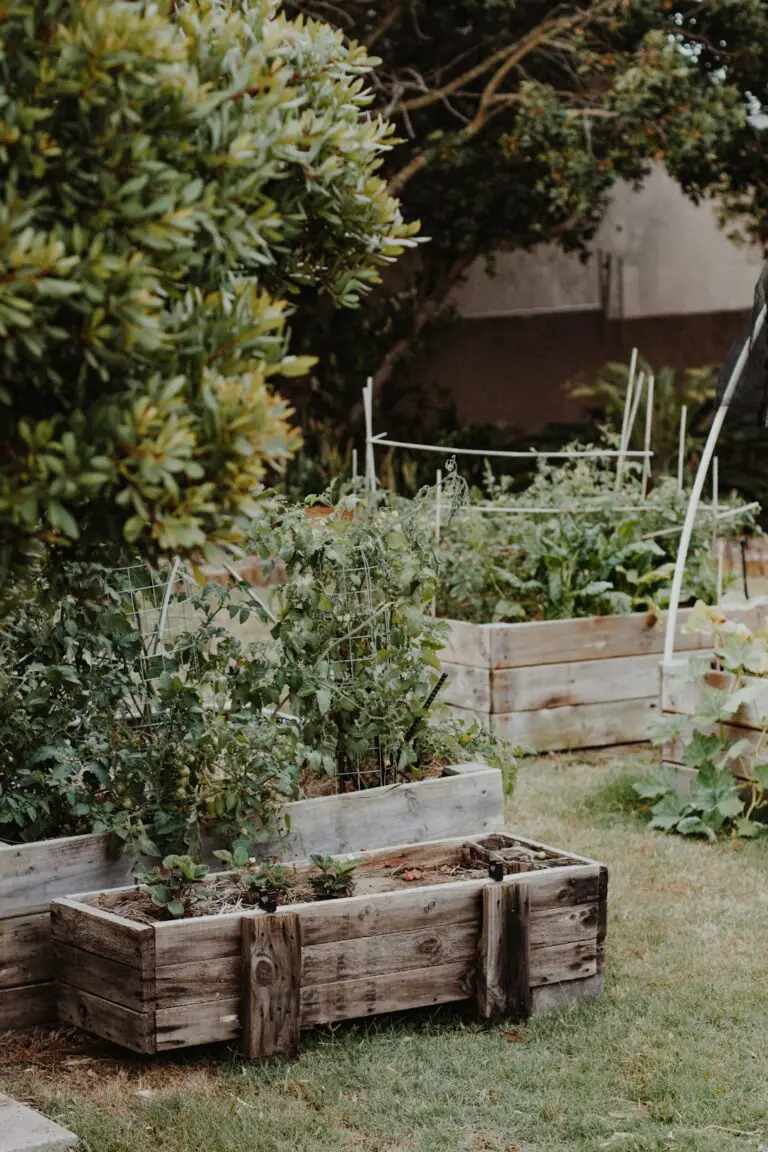
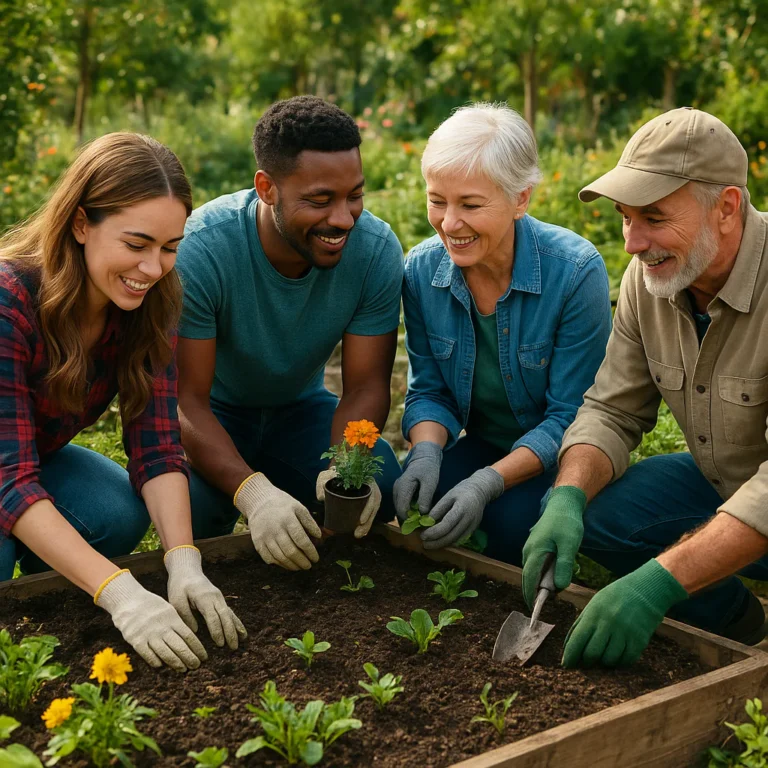
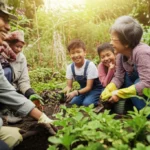
Don’t segregate by age; integrate them. Create specific zones with raised beds that are accessible to seniors and children alike.
- The Strategy: Pair a retired master gardener with a young family. The senior gets the physical ease of not bending down; the family gets expert advice.
- Result: A natural mentorship that spans generations.
3. The “Blind Taste Test” Herb Garden Challenge
Set up a dedicated herb garden with varieties like basil, mint, cilantro, and lemon balm. Host a monthly blind taste test where members guess the herb and share a dish they made with it.
- Engagement: It turns a simple garden walk into a sensory adventure.
- Social Hook: People love to show off their culinary skills.
4. Community Compost Co-Op with Weekly Rotations
Composting can be smelly and messy, which is why it’s often neglected. Make it a team sport. Assign weekly “Compost Captains” responsible for turning the pile and managing the carbon-to-nitrogen ratio.
- Benefit: It creates a shared responsibility that requires communication and coordination.
5. The “Garden-to-Table” Potluck Series
Once a month, host a potluck where the only rule is that at least one ingredient must come from the garden.
- The Magic: Watching a neighbor’s zucchini become a delicious casserole is a powerful bonding experience. It validates the hard work of the gardener.
6. Intergenerational Mentorship Pairings
Formalize the connection. Create a “Buddy System” where experienced gardeners are paired with beginners.
- Structure: The mentor visits the plot once a week for the first month to help with planting and pest ID.
- Outcome: Reduces the anxiety of new gardeners and gives veterans a sense of purpose.
7. Cultural Heritage Plot Days
Dedicate specific weekends to celebrating the cultural diversity of your neighborhood. One month might be “Asian Vegetable Month,” the next “Latin American Harvest.”
- Activity: Members grow traditional crops and share the cultural significance of the plants.
- Impact: Celebrates diversity while finding common ground in the love of food.
8. The “Build-It-Yourself” Tool Shed Workshop
Instead of buying a pre-made shed, host a weekend workshop where the community builds the tool shed together.
- Skill Share: Those with carpentry skills teach others; those without learn.
- Symbolism: The shed becomes a monument to their collective effort.
9. Pollinator Pathway Art Installations
Combine art and ecology. Invite local artists and gardeners to create pollinator pathways using native plants and painted stones or mosaics.
- Visual Appeal: It makes the garden a destination for the whole neighborhood, not just the gardeners.
10. Nightime Glow-in-the-Dark Garden Tours
Host an evening event with solar lights, glow sticks, and fireflies (if you have them).
- Atmosphere: The garden looks magical at night, encouraging people to linger and chat under the stars.
- Safety: It also helps identify security issues in the dark.
1. The “Adopt-a-Plot” for Local Schools Program
Partner with a nearby school. Assign a plot to a class, but have community gardeners act as “Garden Grandparents” to guide the students.
- Education: Kids learn where food comes from; adults get to share their passion.
- Connection: It bridges the gap between the school and the neighborhood.
12. Seasonal Harvest Festivals and Markets
Don’t just harvest; celebrate. Host a festival for the first tomato, the first pumpkin, or the last frost.
- Activity: Sell excess produce to raise funds for garden improvements.
- Community: It becomes a neighborhood tradition everyone looks forward to.
13. Garden Yoga and Mindfulness Sessions
Use the open space for early morning yoga or meditation.
- Wellness: It attracts a different demographic (yoga enthusiasts) who might not otherwise visit a garden.
- Integration: After the session, offer a “coffee and chat” to welcome them to the community.
14. The “Green Thumb” Skill-Share Board
Create a physical or digital board where members can post what they can teach (e.g., “I can teach you how to prune roses”) and what they want to learn.
- Mechanism: It facilitates organic, interest-based connections.
15. Neighborhood Conflict Resolution via Collaborative Design
When disputes arise (and they will), use collaborative design to solve them. Bring the conflicting parties together to redesign a problematic area.
- Philosophy: “Wide pathways make for good neighbors.”
- Outcome: Solves the immediate issue and strengthens the relationship through shared problem-solving.
🛠️ Essential Tools and Supplies for a Thriving Social Garden
You can’t build a community without the right tools. But in a shared space, tools need to be durable, easy to identify, and accessible. We’ve tested dozens of brands and found that quality matters when you’re dealing with heavy use by multiple people.
Top Tool Picks for Community Use
| Tool Type | Recommended Brand | Why It’s a Social Win | Durability Rating (1-10) |
|---|---|---|---|
| Trowels | Fiskars | Color-coded handles prevent theft and make it easy to see who left theirs behind. | 9/10 |
| Gloves | Gardener’s Supply Co. | Bulk packs of varied sizes ensure everyone finds a fit, reducing frustration. | 8/10 |
| Wheelbarows | Gorilla Carts | Heavy-duty steel frames handle the weight of communal harvests without breaking. | 10/10 |
| Hoses | Flexzilla | Kink-free hoses mean less arguing over water flow and easier storage for all. | 9/10 |
| Raised Bed Kits | VegTrug | Modular designs allow for easy expansion as the community grows. | 8/10 |
👉 CHECK PRICE on:
- Fiskars Trowels: Amazon | Fiskars Official
- Gorilla Carts: Amazon | Gorilla Carts Official
- Flexzilla Hoses: Amazon | Flexzilla Official
The “Shared Tool Shed” Strategy
A common pitfall is the “tragedy of the commons” where tools disappear. The solution? Color-coding and a sign-out log. We recommend using Fiskars tools with bright, distinct colors. If you have 10 red trowels, 10 blue, and 10 green, it’s immediately obvious if one is missing.
Pro Insight: “Red tomatoes falling from the vines are hard to resist,” but red tools are even harder to steal if everyone knows they belong to the group!
🗺️ How to Organize a Community Garden: A Step-by-Step Blueprint
Ready to turn your vision into reality? Organizing a community garden is a marathon, not a sprint. But with the right blueprint, you can avoid the pitfalls that sink many well-intentioned projects.
Step 1: Form the Core Committee
You need a leadership team of 3 to 5 individuals to get started. This isn’t a democracy yet; it’s a steering committee.
- Roles: Assign a Coordinator, a Treasurer, a Communications Lead, and a Logistics Lead.
- Action: Hold your first meeting to define the “Why.” Is it for food security? Social connection? Education?
Step 2: Site Selection and Feasibility
Not every empty lot is a garden. Look for:
- Sunlight: Minimum 6 hours of direct sun.
- Water: Access to a clean, affordable water source.
- Soil: Test for heavy metals and nutrients.
- Safety: A location where people feel secure.
Step 3: Legal and Zoning
This is the boring but critical part. You need a written lease for at least 5 years.
- Zoning: Check local ordinances. Some cities have specific codes for community gardens.
- Liability: Get insurance. It’s non-negotiable for public spaces.
Step 4: Design the Layout
Follow the golden rule: Wide pathways.
- Pathways: Minimum 3 feet wide for wheelbarows and socializing.
- Plots: 10×20 feet is the sweet spot for family-sized plots.
- Shared Space: Dedicate 20% of the land to a communal area for events and large crops.
Step 5: Recruitment and Onboarding
“Just because you build it, doesn’t mean they will come.”
- Outreach: Contact churches, schools, and neighborhood associations.
- Application: Create a simple application that asks about gardening experience and commitment.
- Orientation: Host the “Seed Swap & Story” event to kick things off.
Step 6: Governance and Bylaws
Draft a Memorandum of Understanding (MOU).
- Rules: Define plot maintenance, water usage, and conflict resolution.
- Fees: Set dues to cover water, insurance, and tools.
- Enforcement: Be clear about consequences for abandoned plots.
🏛️ Navigating Local Zoning and Councilmember Caroline Torosis for Santa Monica’s Post
When you are dealing with city land, politics is inevitable. In Santa Monica, the transformation of a vacant lot into a community farm was a massive victory, championed by local leadership. Councilmember Caroline Torosis has been a vocal advocate for repurposing underutilized spaces for community benefit.
Her post highlighted the opening of a community farm that had been a vacant lot for nearly 30 years. This project wasn’t just about planting seeds; it was about reclaiming public space and fostering a sense of ownership among residents. The success of this project serves as a blueprint for other cities: advocacy + community action = transformation.
If you are looking to start a garden in a municipality with strict zoning, look to the Santa Monica model. Engage your local council members early. Show them the data: reduced crime, increased property values, and improved mental health. Political will is often the missing ingredient in community garden projects.
📍 Councilmember Caroline Torosis for Santa Monica is at 19th Street: Advocacy and Access
For those in Santa Monica, the physical location of advocacy matters. Councilmember Caroline Torosis for Santa Monica is at 19th Street, a hub for community engagement. This isn’t just an address; it’s a symbol of accessibility.
When you are organizing a garden, you need to know where the decision-makers are.
- Action Item: Visit the 19th Street office to schedule a meeting.
- Preparation: Bring a petition, a site plan, and a list of potential community partners.
- Goal: Secure the land lease and zoning variances.
The story of the 19th Street initiative proves that persistent advocacy can turn a 30-year eyesore into a vibrant community asset. It’s a reminder that local government can be a partner, not an obstacle, if you approach them with a solid plan and a united front.
🌿 Designing for Diversity: Inclusive Garden Layouts and Accessibility
A garden that excludes people is a garden that fails. Inclusivity must be baked into the design from day one.
Physical Accessibility
- Raised Beds: Build beds at 24 to 30 inches high for wheelchair users and seniors.
- Pathways: Ensure all paths are firm, flat, and at least 4 feet wide for two wheelchairs to pass.
- Sensory Gardens: Include plants with different textures and scents for visually impaired gardeners.
Social Inclusivity
- Language: Provide signage in multiple languages spoken in the neighborhood.
- Cultural Crops: Ensure the garden supports a wide variety of crops, not just the “standard” American vegetables.
- Flexible Roles: As the “Can You Dig It!” video suggests, “You don’t need a hundred people doing the same thing. You need a hundred people doing things differently.” Some people can water, some can design, some can cook.
Video Insight: Check out the perspective from the “Can You Dig It!” channel on inclusive gardening, which emphasizes celebrating diverse gifts and abilities. The core message is that a garden thrives when everyone can contribute in their own unique way.
💧 Water Wisdom: Sustainable Irrigation Strategies for Groups
Water is the lifeblood of the garden, but it’s also a common source of conflict. How do you manage water fairly?
Drip Irrigation Systems
Install a drip irrigation system with individual timers for each plot.
- Benefit: Reduces water waste and eliminates arguments over who left the hose on.
- Brand: Look into Rain Bird or Orbit systems for reliability.
👉 CHECK PRICE on:
- Rain Bird Drip Kits: Amazon | Rain Bird Official
- Orbit Timers: Amazon | Orbit Official
Rainwater Harvesting
Install rain barrels at the downspouts of the tool shed.
- Community Project: Let the members build and maintain the barrels.
- Education: Teach the group about water conservation and climate adaptation.
🐛 Pest Control Without the Drama: Organic Solutions for Shared Spaces
Pests are inevitable, but chemical pesticides have no place in a community garden. They harm the environment and can cause health issues for neighbors.
Integrated Pest Management (IPM)
- Companion Planting: Plant marigolds to deter nematodes; basil to repel flies.
- Beneficial Insects: Encourage ladybugs and lacewings by planting native flowers.
- Physical Bariers: Use row covers to protect crops from bugs.
The “No-Spray” Policy
Make it a strict rule that no synthetic pesticides are allowed.
- Enforcement: Regular inspections by the committee.
- Education: Host workshops on organic pest control.
📅 Seasonal Planning: What to Plant When for Maximum Social Impact
Timing is everything. A garden that is empty in the winter or overwhelmed in the summer loses its social momentum.
Spring: The Kickoff
- Crops: Letuce, peas, radishes.
- Events: Seed swap, soil testing, plot assignment.
Summer: The Peak
- Crops: Tomatoes, peppers, cucumbers, beans.
- Events: Potlucks, harvest festivals, night tours.
Fall: The Harvest
- Crops: Pumpkins, squash, kale, carrots.
- Events: Harvest festival, seed saving workshop.
Winter: The Planning
- Crops: Cover crops (clover, rye) to improve soil.
- Events: Annual meeting, planning for next year, tool maintenance.
🏆 Success Stories: Real Gardens That Changed Neighborhoods
We’ve seen it time and again: a garden can change a neighborhood.
- Beloved Community Garden (Grensboro, NC): A project that provides job training for homeless men, growing produce for local restaurants. It’s a model of economic empowerment through gardening.
- Santa Monica Community Farm: A 30-year vacant lot transformed into a thriving hub, proving that persistence pays off.
- The Green Guerrillas (NYC): The original seed bombers who turned the city’s empty lots into green oases, sparking a global movement.
These stories show that community gardens are catalysts for renewal. They reduce crime, improve mental health, and create a sense of belonging.
💡 Quick Tips and Facts for New Garden Coordinators
If you are the new coordinator, here are a few things we wish we knew:
- Start Small: Don’t try to build 50 plots in year one. Start with 10 and expand.
- Document Everything: Take photos, keep minutes, and save emails.
- Celebrate Small Wins: Did someone plant their first seed? Celebrate it!
- Be Flexible: Things will go wrong. A storm might knock down a fence. A member might quit. Adaptability is key.
❓ Frequently Asked Questions About Community Garden Socialization
How can community gardens be designed to be inclusive and accessible for people of all ages and abilities to promote intergenerational connections?
Designing for inclusivity starts with physical accessibility. Raised beds should be at a height that allows wheelchair users and seniors to garden comfortably (typically 24-30 inches). Pathways must be wide (at least 4 feet) and firm to accommodate mobility aids. But true inclusivity goes beyond physical design. It involves social programming that encourages intergenerational interaction, such as mentorship programs where seniors teach gardening skills to children, or “cultural heritage” days where families share traditional crops. As noted in the “Can You Dig It!” video, the goal is to create an environment where everyone can contribute in their own unique way, fostering a sense of belonging for all.
What types of community garden events can I host to foster a sense of belonging and connection among members?
The best events are those that require collaboration.
- Potlucks: Where everyone brings a dish made with garden produce.
- Workshops: Teaching skills like composting or pruning.
- Harvest Festivals: Celebrating the season’s bounty.
- Night Tours: Creating a magical atmosphere for socializing.
- Skill-Share Boards: Allowing members to teach and learn from each other.
These events transform the garden from a collection of plots into a community hub.
How can I start a community garden in my neighborhood to build relationships and a sense of community?
Start by forming a core committee of 3-5 passionate neighbors. Identify a potential site with good sun and water access. Engage the community early through meetings and surveys. Navigate the legal hurdles by securing a lease and insurance. Design the garden with wide pathways and shared spaces to encourage interaction. Finally, launch with a social event like a seed swap to bring people together. Remember, the process of building the garden is just as important as the garden itself.
What are the benefits of community gardening for social connections and mental health?
Community gardening offers profound mental health benefits. It reduces stress, provides a sense of purpose, and combats loneliness. Socialy, it creates a support network of neighbors who care for each other. Studies show that gardeners eat more fruits and vegetables, leading to better physical health. The act of working together on a shared goal fosters trust and cooperation, transforming strangers into friends.
What are the best community garden activities to build relationships?
Activities that involve shared effort are the most effective. Building a tool shed, maintaining a compost pile, or planting a communal flower bed requires teamwork. Cooking classes using garden produce also create strong bonds. Even simple things like a “watering rotation” where neighbors check on each other’s plots can build trust.
How can a community garden design encourage social interaction?
The layout is crucial. Wide pathways (3-4 feet) allow people to stop and chat without blocking traffic. Central gathering spaces with benches and picnic tables invite lingering. Shared resources like a water source or compost bin naturally bring people together. Avoid isolating plots; instead, group them to encourage interaction.
What rules should a community garden have to foster unity?
Rules should be clear, fair, and enforced consistently.
- Plot Maintenance: Define what happens if a plot is abandoned.
- Water Usage: Set guidelines to prevent waste.
- Conflict Resolution: Establish a process for resolving disputes.
- Organic Practices: Ban synthetic pesticides to protect the community.
- Inclusivity: Ensure rules don’t exclude any group.
A Memorandum of Understanding (MOU) is essential to document these rules.
How do community gardens help neighbors connect and collaborate?
They provide a neutral ground where people from different backgrounds can interact. The shared goal of growing food creates a common purpose. Regular events and workdays create opportunities for face-to-face interaction. Over time, these interactions build trust and friendship, turning a neighborhood of strangers into a united community.
🔗 Recommended Links for Garden Planners
Ready to get started? Here are some essential resources and products to help you build your community garden.
👉 CHECK PRICE on:
- Gardening Gloves (Bulk): Amazon | Gardener’s Supply Co.
- Raised Bed Kits: Amazon | VegTrug Official
- Compost Tumblers: Amazon | Algreen Products
- Community Garden Books: Amazon | [Local Bookstores]
Must-Read Books:
- The Community Garden Handbook by [Author Name] – Amazon
- Growing Community: The Story of the Green Guerrillas – Amazon
📚 Reference Links and Sources
- NC State Extension: How to Organize a Community Garden – A comprehensive guide on site selection, design, and governance.
- Santa Monica Community Farm: Facebook Post – Details on the transformation of a vacant lot into a community asset.
- City of Taylor: Community Garden Facility – Information on municipal garden facilities.
- Can You Dig It! YouTube Channel: Inclusive Gardening Video – Perspectives on celebrating diverse gifts in the garden.
- Fiskars: Gardening Tools – Durable tools for community use.
- Rain Bird: Irrigation Systems – Sustainable water solutions.
- Gorilla Carts: Wheelbarows – Heavy-duty carts for communal harvests.
- Community Gardening™: Benefits of Community Gardens
- Community Gardening™: Community Garden Events
- Community Gardening™: Community Garden Policies
- Community Gardening™: Edible Plants
- Community Gardening™: Climate Adaptation in Gardening
🏁 Conclusion

We started this journey with a question: How do we turn a patch of dirt into a place where people belong? The answer isn’t found in a single seed or a perfect tool. It’s found in the shared effort, the collaborative design, and the celebration of diversity.
From the Seed Swap & Story kickoff to the Nightime Glow Tours, every activity we’ve discussed is designed to break down barriers and build bridges. Whether it’s the multi-generational mentorship that connects a senior with a child, or the cultural heritage plot that honors a family’s traditions, the goal is the same: unity.
We’ve seen how Councilmember Caroline Torosis and the Santa Monica community turned a 30-year vacant lot into a thriving farm. We’ve learned that wide pathways make for good neighbors, and that inclusive design ensures no one is left behind. The “Can You Dig It!” video reminded us that we don’t need everyone to do the same thing; we need everyone to do things differently, all together.
So, what are you waiting for? Grab a trowel, find a neighbor, and start digging. The garden is waiting, and so are your new friends. The soil is ready; are you?



nice!