Support our educational content for free when you purchase through links on our site. Learn more

Dreaming of transforming that neglected patch of green into a
vibrant community hub? The secret to how to create a shared garden in your neighborhood lies in a blend of passionate planning, dedicated community engagement, and a sprinkle of practical know-how. It’s not just about planting seeds;
it’s about cultivating connections and growing a greener, more connected community, right outside your door.
We once saw a desolate urban lot, choked with weeds and forgotten trash, transform into a bustling oasis in less than a year. Neighbors
who had barely exchanged glances were suddenly sharing gardening tips, fresh produce, and hearty laughs. This wasn’t magic; it was the result of a clear vision and a step-by-step approach to building something beautiful together.
Did
you know that community gardens can increase local property values by up to 9.5% and reduce crime rates by fostering a sense of shared ownership and vigilance? The impact goes far beyond fresh tomatoes; it truly revitalizes the spirit of a
place. Ready to dig in and discover how you can make this happen in your own backyard (or shared front yard)?
Key Takeaways
- Strategic planning is crucial, from securing land and understanding local regulations to budgeting
for initial setup. - Community engagement is the heart of your garden; foster participation, establish clear rules, and build lasting relationships.
- Prioritize soil health with testing and proper amendments, choosing between in
-ground and raised beds based on your site. - Invest in essential infrastructure like robust raised beds, a shared tool shed, and efficient irrigation systems.
- Embrace sustainable practices including organic gardening, composting
, and smart water management to ensure long-term success. - Don’t let lack of land deter you; explore creative gardening solutions like vertical or container gardens.
- Engage the wider community through
events, workshops, and collaborations to maximize your garden’s impact and reach.
Table of Contents
- ⚡️ Quick Tips and Facts
- 🌱 The Roots of Community: Why Shared Gardens Thrive
- 1. 🗺️ Mapping Out Your Dream: Initial Planning & Site Selection
- Finding the Perfect Patch: Site Scouting & Assessment
- Navigating Local Regulations & Permits
- Budgeting for Blooms: Funding Your Community Garden
- 2. 🤝 Cultivating Connections: Building Your Garden Community
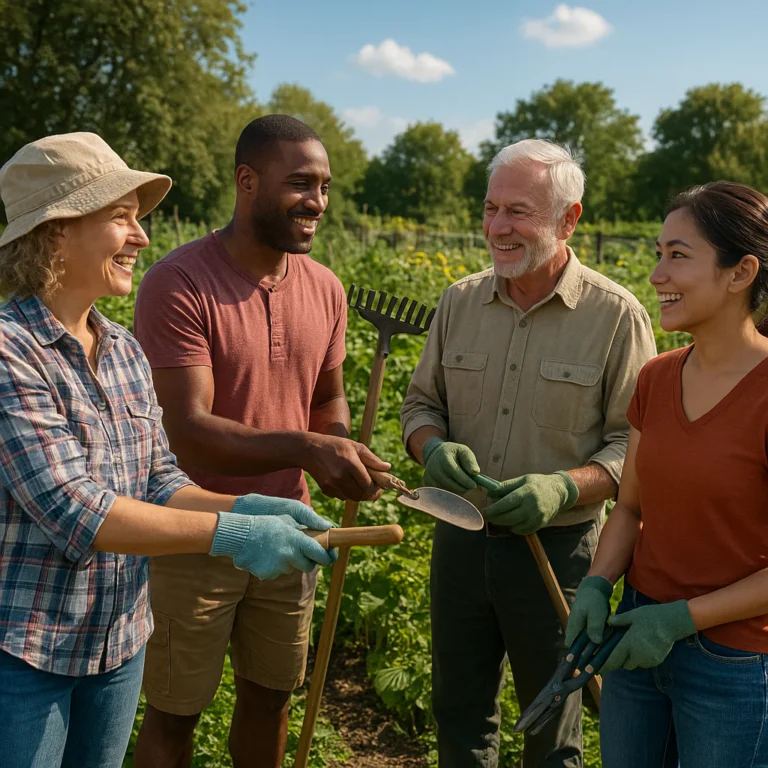
- Gathering Your Green Thumbs: Initial Outreach & Engagement
- Crafting Your Garden’s Constitution: Rules & Responsibilities
- Conflict Resolution in the Compost Pile: Keeping Harmony
- 3. 🌍 The Heart of the Garden: Understanding & Enriching Your Soil
- Soil Testing: What Your Dirt is Telling You
- Our Secret Recipe: The Ultimate Raised Bed Soil Mix
-
Smart Watering Solutions: Designing an Efficient Irrigation System
-
6. 🌿 Nurturing Nature: Embracing Organic Gardening Principles
-
7. ♻️ From Waste to Wonder: Sustainable Practices & Composting
-
8. 🏡 No Land? No Problem! Creative Community Gardening Solutions
-
9. 📣 Spreading the Green Word: Engaging Your Wider Community
-
🍎 Harvests & Heartbeats: What Flourishes in Our Shared Gardens
⚡️ Quick Tips and Facts
So, you’re dreaming of a vibrant patch of green where neighbors connect, kids learn, and fresh veggies abound? You’ve come to the right
place! At Community Gardening™, we’ve seen firsthand how a shared garden can transform a neighborhood from a collection of houses into a thriving, interconnected community. But where to begin? Don’t fret, fellow green thumb! Here are some
quick, juicy nuggets of wisdom to get your spades digging:
- Start Small, Dream Big! 🌱 Don’t try to cultivate an entire farm overnight. Begin with a manageable plot and let enthusiasm grow organically.
Community First, Garden Second! 🤝 Your garden’s success hinges on the people. Engage residents from day one to ensure ownership and sustained effort. Remember, “A garden designed and built by outsiders is seldom adopted
and sustained by a community.”
-
Sunlight & Water are Non-Negotiables! ☀️💧 Seriously, these are your garden’s lifeblood. Aim for at least six hours of direct
sunlight daily and ensure easy access to a clean, affordable water source. -
Soil is the Soul! 🌍 Healthy soil means healthy plants. Test your soil for nutrients and heavy metals,
especially if you’re repurposing an old lot. -
Paperwork Protects Progress! 📝 Secure your land with a written agreement or lease for at least five years. Don’t forget liability
insurance! -
Weeds Happen, Plan for Them! 🌿 Define clear responsibilities for weed management in both individual plots and shared areas to prevent disputes.
-
Share the Bounty, Not Just the Work! 🥕 A “help yourself” plot can deter theft and foster generosity.
-
“This lot was available.” That’s what one
community garden founder told us, highlighting that sometimes, the perfect spot is just waiting to be claimed! And those wood chips? Often free from local tree services!
🌱 The Roots of Community: Why Shared Gardens Thrive
Have you ever walked past a neglected, overgrown lot and imagined something more? A
place where laughter echoes, where children discover the magic of a sprouting seed, and where neighbors, once strangers, become friends over a shared harvest? That’s the power of a community garden, my friends! It’s not just about
growing food; it’s about growing together.
Here at Community Gardening™, we’ve witnessed the incredible transformation these green oases bring. They’re veritable hubs of activity, turning “nearby strangers into a supportive community through shared
work, learning, food preparation, and social activities.” It’s a beautiful thing to behold!
The benefits? Oh, where do we even begin?
- Healthier Lifestyles: Imagine
a constant supply of fresh, organic fruits and vegetables right outside your door! Community gardens lead to “healthier diets with more fresh fruits and vegetables,” boosting wellness and encouraging physical activity. - Stress
Reduction & Nature Connection: There’s something undeniably therapeutic about digging in the dirt. Our gardeners often tell us how their plot is their sanctuary, offering “reduced stress, increased physical activity, and improved wellness,” along
with “greater contact with nature, including plants, birds, and butterflies.” - Education & Skill Building: From understanding water conservation to mastering organic pest control, community gardens are living classrooms. They foster
“education in water conservation, environmental stewardship, and sustainable land use,” and help develop “planning, organization, teamwork, responsibility, patience, and other life skills.” - Economic Perks
: Beyond the joy of growing your own food, there are tangible savings! Gardeners experience “household food savings,” and some even sell their surplus produce, learning valuable entrepreneurial skills. - Neighborhood Beaut
ification & Safety: A vibrant garden is a beacon of care and pride. It contributes to “neighborhood beautification, improved public image, increased home values, and possible crime reduction.” Who knew a tomato plant could be
such a deterrent? - Stronger Bonds: Perhaps the most profound benefit is the human connection. As one expert beautifully put it, “Community gardens build relationships that last beyond the growing season.” We
‘ve seen countless friendships blossom alongside the sunflowers.
But how do you take that dream and turn it into a tangible, thriving reality? It’s a journey, not a sprint, and it starts with a solid plan. Ready to dig
into the nitty-gritty?
1. 🗺️ Mapping Out Your Dream: Initial
Planning & Site Selection
Every great adventure begins with a map, right? Creating a shared garden is no different! This initial phase is all about laying the groundwork, scouting out your potential green haven, and making sure you’re playing by the rules.
It’s where the dream starts to take concrete shape.
Finding the Perfect Patch: Site Scouting & Assessment
Finding the ideal
location is like finding a treasure chest – it requires a keen eye and a bit of detective work! Our team has learned that the “perfect patch” isn’t always obvious, but it always meets a few critical criteria.
First and foremost, **
sunlight is non-negotiable!** Your plants need at least six hours of direct sunlight per day to thrive. Anything less, and you’ll be battling leggy plants and meager harvests. So,
grab a compass and spend some time observing potential sites throughout the day.
Next up: water, water, everywhere! Or at least, easily accessible water. “Clean, affordable, easily accessible irrigation water” is an essential site
requirement. Is there a public spigot nearby? Can you connect to a municipal water line? What about rainwater harvesting? We’ll dive deeper into irrigation later, but for now, ensure a water source is feasible
.
Then there’s the soil. Oh, the soil! Is it “healthy soil or the ability to import suitable soil”? This is where your detective hat really comes in handy. You need to ”
investigate previous land uses and possible contamination.” Was it an old industrial site? A gas station? A dumping ground? These are serious questions because you don’t want to grow food in contaminated soil. “Do not grow
edible crops in a floodplain,” as flooding can introduce nasty contaminants.
Our expert tip: Talk to long-time neighbors! They often hold a wealth of historical knowledge about a property. Also, check with local environmental agencies
and state Brownfields databases. And, of course, soil testing is paramount for nutrients and heavy metals. In North Carolina, for example, the Department of Agriculture & Consumer Services Agronomic Services Division provides diagnostic testing.
Finally, consider safety and convenience. Is the location “where gardeners feel safe”? Is it “convenient for the intended participants”? A beautiful garden in an unsafe or
hard-to-reach spot won’t flourish.
Potential locations often include:
- Vacant lots (like the one in the video where the founder simply noted, “this lot was available.”)
Community or senior centers
- Schools, parks, and housing developments
- Places of worship
Once you’ve identified a promising spot, it’s time to contact the landowner. This leads us to the less glamorous, but equally
crucial, part of the process…
Navigating Local Regulations & Permits
Ah, bureaucracy! It might not be as exciting as planting a seed, but
it’s vital for your garden’s longevity. You absolutely must “secure the land in writing.” This means negotiating a lease or a written agreement. Our team recommends aiming for a term of at least
five years to give your garden a real chance to establish roots.
What should this agreement cover?
- Who provides water and security?
- Required liability insurance. (More on this later, but start thinking about it now!)
- Fees and payment deadlines.
- Responsibility for clearing and preparing the property.
- Resources supplied by the owner.
Grounds for terminating the agreement.**
- Contact information for the primary gardener and landowner.
Don’t skip this step! A handshake agreement might feel neighborly, but a written one protects everyone
involved. We’ve seen too many promising gardens wither due to misunderstandings or changes in land ownership. For more insights on formalizing your garden’s structure, check out our section on Community Garden Policies.
Budgeting for Blooms: Funding Your Community Garden
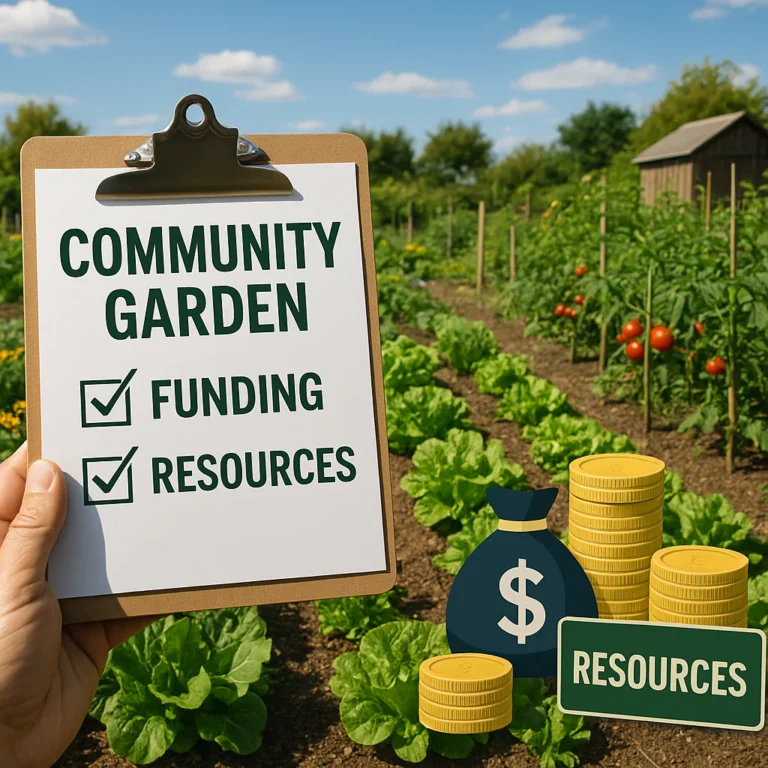
Let
‘s talk money, honey! While community gardens are often built on passion and elbow grease, some funds are usually necessary. Don’t let this intimidate you; there are many creative ways to finance your green dream.
First, create a prior
itized budget and a wish list of needed donations. Think about what you’ll need: soil amendments, tools, seeds, plants, fencing, irrigation supplies, and maybe even a shed.
Possible
funding sources include:
- Membership dues: A small annual fee can cover basic operating costs.
- Fundraising events: Think bake sales, plant sales, or even a “garden gala”!
- Grants: Many
organizations offer grants for community projects. The founder in our featured video mentioned that grants can be sought for soil and irrigation, which can be a huge help. We’ll explore this more in the ”
Funding Your Flora” section. - Sponsors and donations: Local businesses, places of worship, or even generous individuals might be willing to contribute money, labor, or materials.
Our Budget
ing Checklist:
| Item Category | Estimated Need