Support our educational content for free when you purchase through links on our site. Learn more

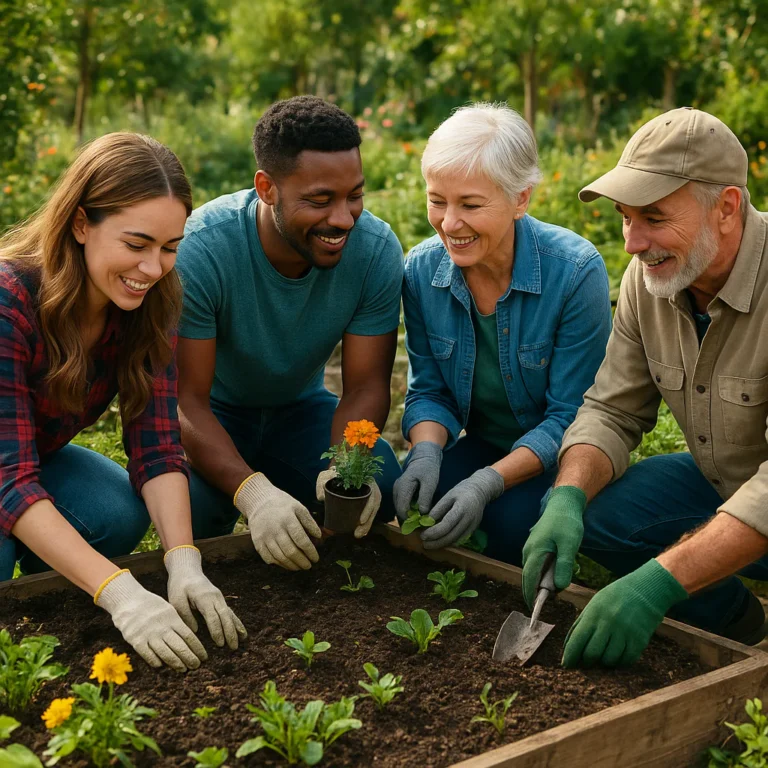
If you want to transform your neighborhood garden into a powerhouse of sustainability, community gardening and zero waste initiatives are your secret weapons. By combining hands-on composting, smart plant choices, and shared resources, you can slash waste, enrich soil, and grow food that feeds both people and planet.
Did you know that community gardens can divert tons of organic waste from landfills each year while boosting local biodiversity? One of our gardens turned a pile of kitchen scraps and yard waste into enough compost to nourish over 100 tomato plants—talk about turning trash into treasure!
Whether you’re a seasoned green thumb or just curious, this guide reveals 15 proven ways to make your community garden a zero waste champion, backed by decades of experience from the Community Gardening™ team.
Key Takeaways
- Composting is the cornerstone of zero waste community gardening, turning organic scraps into nutrient-rich soil.
- Balancing greens and browns in your compost pile accelerates decomposition and prevents odors.
- Native and edible plants reduce resource needs and support local ecosystems.
- Sharing tools, seeds, and knowledge strengthens community bonds and cuts down waste.
- Simple practices like mulching, rainwater harvesting, and no-dig gardening amplify sustainability.
- Education and community involvement multiply the impact of zero waste efforts.
Table of Contents
- ⚡️ Quick Tips and Facts for Community Gardening & Zero Waste
- 🌿 Roots of Change: The History and Evolution of Community Gardening and Zero Waste Movements
- 🌎 Understanding Eco-Friendly Gardening: Principles and Practices for a Grener Tomorrow
- ♻️ Composting 101: Basics, Benefits, and How It Fuels Zero Waste Gardens
- 🌱 Choosing and Managing Compost Materials: What Works Best in Community Gardens?
- 🔥 The Composting Process: Techniques, Troubleshooting, and Expert Tips
- 🛠️ Maintaining Your Compost Pile or Bin: Secrets to Success and Avoiding Common Pitfalls
- 🌻 Using Finished Compost: Boosting Soil Health and Plant Growth Naturally
- 🍂 Enhancing Soil with Organic and Carbon-Rich Materials: Beyond Composting
- 🌾 Sustainable Plant Choices and Practices: Growing Green in Community Gardens
- 🛒 Zero Waste Gardening Tools and Supplies: Brands and Products We Trust
- 🌍 Community Involvement and Education: Building Awareness and Participation
- 💡 15 Proven Ways to Reduce Waste in Community Gardens
- 🏆 Cultivating a Sustainable Future: How Community Gardens Lead the Way
- 🎉 Celebrating 40 Years of Community Gardening: Lessons and Legacy
- 📚 Recommended Links for Community Gardening and Zero Waste Resources
- ❓ FAQ: Your Burning Questions About Community Gardening and Zero Waste Answered
- 🔗 Reference Links: Trusted Sources and Further Reading
⚡️ Quick Tips and Facts for Community Gardening & Zero Waste
Welcome to the green revolution where community gardening meets zero waste! At Community Gardening™, we’ve seen firsthand how these two powerful movements intertwine to create vibrant, sustainable spaces that feed both people and the planet. Here are some quick nuggets to get you started:
- ✅ Composting is the heart of zero waste gardening: turn kitchen scraps and garden waste into “black gold” soil.
- ✅ Aim for a 3:1 ratio of browns to greens in your compost pile for optimal decomposition.
- ✅ Use native and edible plants to reduce water, fertilizer needs, and support local biodiversity.
- ✅ Share tools, seeds, and surplus produce to reduce waste and build community bonds.
- ✅ Avoid plastics by choosing biodegradable pots or repurposing containers like yogurt tubs.
- ✅ Mulch with leaves, straw, or grass clippings to retain moisture and suppress weeds.
- ✅ Hot composting speeds up the process but requires regular turning and monitoring.
- ✅ Vermicomposting is perfect for small spaces and urban community gardens.
- ✅ Rainwater harvesting reduces water waste and lowers utility bills.
- ✅ Community education and events amplify zero waste impact.
Curious how these tips fit together in a thriving community garden? Stick with us as we unravel the secrets of sustainable gardening that’s as fun as it is earth-friendly. For a deep dive into community gardening basics, check out our comprehensive guide.
🌿 Roots of Change: The History and Evolution of Community Gardening and Zero Waste Movements
Community gardening and zero waste initiatives didn’t just pop up overnight—they’re the result of decades of grassroots activism, environmental awareness, and a growing desire to reconnect with nature and neighbors.
The Birth of Community Gardens
- Originated during the World Wars as “Victory Gardens” to boost food production.
- Expanded in the 1970s and 80s as urban spaces shrank and environmentalism grew.
- Today, community gardens are hubs for social interaction, education, and sustainable food production.
Zero Waste Movement’s Garden Connection
- Zero waste gardening grew from the broader zero waste philosophy aiming to eliminate landfill waste.
- Early adopters focused on composting, reusing materials, and reducing synthetic inputs.
- The movement gained momentum with rising concerns about climate change and plastic pollution.
How They Joined Forces
- Community gardens became natural platforms for zero waste practices.
- Shared composting, tool libraries, and seed exchanges embody zero waste principles.
- Together, they create a circular nutrient loop turning “waste” into resources.
This history reminds us that every garden plot is a story of resilience and innovation—and yours can be the next chapter!
🌎 Understanding Eco-Friendly Gardening: Principles and Practices for a Grener Tomorrow
Eco-friendly gardening is more than just planting pretty flowers; it’s about working with nature, not against it. Here’s what that means in practice:
Core Principles
- Reduce waste by reusing and recycling garden materials.
- Protect soil health through organic amendments and minimal disturbance.
- Conserve water using mulches, drip irrigation, and rainwater harvesting.
- Support biodiversity by planting native species and creating habitats.
- Avoid synthetic chemicals to protect beneficial insects and soil microbes.
Practices We Swear By
- No-dig gardening: preserves soil structure and reduces weed growth.
- Companion planting: natural pest control by pairing plants like marigold and basil.
- Mulching: retains moisture and feeds soil as it breaks down.
- Rainwater collection: reduces reliance on municipal water and lowers bills.
Want to see these principles in action? Our Climate Adaptation in Gardening section is packed with real-world examples.
♻️ Composting 101: Basics, Benefits, and How It Fuels Zero Waste Gardens
If composting were a superhero, it’d be the Captain Planet of your garden! It transforms scraps into nutrient-rich soil that feeds plants naturally.
Why Compost?
- Reduces landfill waste and methane emissions.
- Improves soil structure, fertility, and moisture retention.
- Supports beneficial microbes and earthworms.
- Cuts down on chemical fertilizer use.
What to Compost?
| Greens (Nitrogen-rich) | Browns (Carbon-rich) | Avoid |
|---|---|---|
| Vegetable & fruit scraps | Dry leaves | Meat, dairy, oily foods |
| Coffee grounds | Straw, hay | Diseased plants |
| Grass clippings | Cardboard, shredded paper | Perennial/invasive weeds |
| Plant trimmings | Wood chips, sawdust | Plastic, treated wood |
The Magic Ratio
- 3 parts browns to 1 part greens keeps your pile balanced.
- Too many greens? Pile gets smelly and sogy.
- Too many browns? Decomposition slows down.
Composting Methods
- Hot composting: Fast (4-8 weeks), requires turning and temperature monitoring (130–160°F).
- Cold composting: Low maintenance, slower (6-12 months).
- Vermicomposting: Uses red wiggler worms, great for small spaces.
- Bokashi: Fermentation method for meat and dairy scraps.
Our gardeners love the Lomk 37-Gallon Dual Chamber Tumbler for hot composting—easy to turn and keeps criters out.
👉 CHECK PRICE on:
🌱 Choosing and Managing Compost Materials: What Works Best in Community Gardens?
Managing compost in a community garden is a bit like conducting an orchestra—balance and timing are everything.
Selecting Materials
- Use locally available greens and browns to reduce transport and costs.
- Collect kitchen scraps from gardeners and neighbors.
- Gather fallen leaves, straw, and shredded cardboard for browns.
- Avoid invasive weeds and diseased plants to prevent spreading problems.
Preparing Materials
- Chop or shred larger items to speed decomposition.
- Layer greens and browns to maintain airflow.
- Keep moisture at “wrung-out sponge” level—neither dry nor sogy.
Managing Inputs
- Set up labeled bins for easy sorting.
- Rotate materials regularly to avoid pile imbalance.
- Educate community members on what’s acceptable.
Our community once had a “compost confusion” moment when a batch of citrus pels slowed decomposition. Lesson learned: citrus is best limited in compost piles.
🔥 The Composting Process: Techniques, Troubleshooting, and Expert Tips
Ready to become a composting maestro? Here’s the step-by-step:
Step 1: Build Your Pile or Use a Bin
- Minimum size: 3×3×3 feet for heat retention.
- Choose a shaded, well-drained spot.
- Use bins, tumblers, or open piles depending on space.
Step 2: Layer Materials
- Start with a layer of coarse browns for airflow.
- Alternate 2-3 inches of greens with 4-6 inches of browns.
- Add water as needed.
Step 3: Monitor and Maintain
- Turn pile every 3-5 days to add oxygen.
- Check temperature with a compost thermometer.
- Adjust moisture and material balance if pile smells or dries out.
Troubleshooting Common Issues
| Problem | Cause | Fix |
|---|---|---|
| Smelly pile | Too many greens, anaerobic | Add browns, turn pile |
| Dry pile | Not enough moisture | Add water, cover pile |
| Slow decomposition | Too many browns, cold weather | Add greens, insulate pile |
| Pests (rodents, flies) | Meat/dairy scraps, open pile | Avoid meat, use sealed bins/tumblers |
Our gardeners swear by turning the pile with a sturdy pitchfork and using a compost thermometer like the REOTEMP Digital Compost Thermometer for precision.
👉 CHECK PRICE on:
🛠️ Maintaining Your Compost Pile or Bin: Secrets to Success and Avoiding Common Pitfalls
Maintenance is where many gardeners stumble, but with a few insider tips, you’ll keep your compost thriving year-round.
Moisture Management
- Feel the pile: it should be damp like a wrung-out sponge.
- Cover piles during heavy rain to prevent soginess.
- Add water during dry spells.
Turning and Aeration
- Turn regularly to supply oxygen and distribute heat.
- Use a pitchfork or compost aerator tool.
- For tumblers, rotate every few days.
Pest Prevention
- Avoid adding meat, dairy, and oily foods.
- Use enclosed bins or tumblers.
- Line bin bottoms with wire mesh to deter rodents.
Seasonal Care
- In winter, insulate piles with straw or leaves.
- In summer, monitor moisture closely; piles dry out faster.
Our community garden once had a racoon raid until we switched to a sealed tumbler—now, the only thing digging in is us! 🦝
🌻 Using Finished Compost: Boosting Soil Health and Plant Growth Naturally
When your compost is dark, crumbly, and smells like fresh earth, congratulations—you’ve got black gold!
How to Use It
- Topdress garden beds: Spread 1-2 inches over soil to improve fertility.
- Mix into poting soil: Boost nutrient content and drainage.
- Around trees and shrubs: Apply as a slow-release fertilizer.
- Make compost tea: Step compost in water to create a nutrient-rich liquid fertilizer.
- Mulch: Use as a protective layer to retain moisture and suppress weeds.
Benefits
- Enhances soil structure and water retention.
- Provides balanced nutrients for healthy plants.
- Supports beneficial microbes and earthworms.
- Reduces need for chemical fertilizers.
Our gardeners report lush tomato plants and vibrant flowers after regular compost applications. The secret? Healthy soil = happy plants.
🍂 Enhancing Soil with Organic and Carbon-Rich Materials: Beyond Composting
Compost is fantastic, but sometimes your soil needs a little extra TLC.
Organic Amendments to Consider
- Peat moss: Improves moisture retention (use sparingly due to environmental concerns).
- Coconut coir: Sustainable alternative to peat, great for aeration.
- Wood ashes: Adds potassium and raises pH (use carefully).
- Shredded branches and bark: Improve aeration and drainage.
Carbon-Rich Mulches
- Straw and hay help retain moisture and suppress weeds.
- Leaves and wood chips slowly release nutrients as they break down.
Tips for Application
- Apply mulches 2-4 inches thick around plants.
- Avoid piling mulch against stems or trunks.
- Rotate materials seasonally for balanced soil nutrition.
Our community garden uses shredded tree branches from local arborists as mulch—turning what waste into a soil superhero!
🌾 Sustainable Plant Choices and Practices: Growing Green in Community Gardens
Choosing the right plants is like picking teammates for a championship game—they need to work well with the environment and each other.
Native Plants: The MVPs of Sustainability
- Adapted to local climate and soil.
- Require less water and fertilizer.
- Support local pollinators and wildlife.
- Resist local pests and diseases.
Examples: Purple coneflower (Echinacea purea), Black-eyed Susan (Rudbeckia hirta).
Edible Plants: Grow Your Own Food Waste-Free
- Tomatoes, herbs, leafy greens, and berries reduce packaging waste.
- Container gardening maximizes space in urban settings.
- Saves money and improves food security.
Avoid Invasives
- Prevent ecological disruption by steering clear of aggressive species.
- Check local invasive species lists before planting.
Organic Pest Management
- Use companion planting (e.g., marigolds repel aphids).
- Employ homemade sprays like neem oil or garlic.
- Encourage beneficial insects such as ladybugs and lacewings.
For more on edible plants and sustainable choices, visit our Edible Plants category.
🛒 Zero Waste Gardening Tools and Supplies: Brands and Products We Trust
Tools and supplies can either add to your waste problem or help solve it. Here’s what we recommend:
| Product | Design (1-10) | Functionality (1-10) | Sustainability (1-10) | Notes |
|---|---|---|---|---|
| Lomk Compost Tumbler | 9 | 9 | 8 | Durable, easy to turn, keeps pests out |
| REOTEMP Compost Thermometer | 8 | 9 | 7 | Accurate, digital readout |
| Sun Joe Electric Shreder | 7 | 8 | 6 | Good for small branches, electric power |
| Gardener’s Supply Co. Hand Tools | 8 | 9 | 9 | Ergonomic, durable, made with recycled materials |
| Biodegradable Seedling Pots (e.g., Jiffy) | 7 | 7 | 10 | Compostable, reduces plastic use |
Why We Like Them
- Lomk Tumbler: Makes composting accessible and clean.
- REOTEMP Thermometer: Helps monitor compost health precisely.
- Sun Joe Shreder: Turns woody waste into mulch quickly.
- Gardener’s Supply Tools: Built to last, reducing replacement waste.
- Biodegradable Pots: Perfect for starting seedlings without plastic waste.
👉 Shop these tools on:
🌍 Community Involvement and Education: Building Awareness and Participation
Community gardens thrive on people power. Zero waste initiatives multiply their impact when everyone pitches in.
How to Engage Your Community
- Host workshops on composting, seed saving, and natural pest control.
- Organize swap days for seeds, tools, and surplus produce.
- Create clear signage about what can go into compost bins.
- Partner with local schools to integrate gardening into curricula.
- Invite local businesses to donate materials or sponsor events.
Benefits of Community Education
- Builds shared knowledge and responsibility.
- Reduces contamination in compost piles.
- Strengthens social bonds and mental well-being.
- Encourages sustainable habits beyond the garden.
Our garden’s monthly “Compost 101” sessions have turned curious newbies into compost champions. Plus, it’s a blast!
💡 15 Proven Ways to Reduce Waste in Community Gardens
Ready for a checklist that’ll make your garden a zero waste superstar? Here’s what we recommend:
- Set up a community compost system to recycle organic waste.
- Use rain barrels to capture and reuse water.
- Choose native and drought-tolerant plants to minimize inputs.
- Repurpose containers like yogurt tubs and tin cans as planters.
- Host seed exchanges to reduce packaging and waste.
- Use biodegradable seedling pots instead of plastic trays.
- Mulch with local leaves, straw, or wood chips to conserve moisture.
- Avoid synthetic fertilizers and pesticides; opt for organic alternatives.
- Share tools and equipment to reduce duplication.
- Shred woody waste for mulch or compost browns.
- Practice no-dig gardening to preserve soil and reduce waste.
- Educate gardeners on proper composting and waste sorting.
- Organize community clean-up days to collect garden debris.
- Use vermicomposting for small-scale food waste.
- Promote natural pest control with beneficial insects and companion planting.
Implementing these steps can divert tons of waste from landfills and create a thriving, sustainable garden community.
🏆 Cultivating a Sustainable Future: How Community Gardens Lead the Way
Community gardens are more than pretty plots—they’re living laboratories for sustainability.
Environmental Impact
- Divert tons of organic waste from landfills.
- Improve urban soil health and biodiversity.
- Reduce carbon footprint by growing local food.
Social Benefits
- Foster community cohesion and shared purpose.
- Provide access to fresh, healthy food.
- Offer therapeutic benefits and outdoor education.
Economic Advantages
- Lower food costs for participants.
- Reduce municipal waste management expenses.
- Create opportunities for green jobs and volunteerism.
Our gardeners often say, “It’s not just about plants—it’s about planting hope.” Community gardens are the frontline heroes in the fight against waste and climate change.
🎉 Celebrating 40 Years of Community Gardening: Lessons and Legacy
Four decades of digging, planting, and growing together have taught us plenty:
- Persistence pays off: Gardens thrive when communities stay committed.
- Education is key: Knowledge-sharing keeps zero waste practices alive.
- Adaptability matters: Gardens evolve with climate, culture, and technology.
- Sharing is caring: Tool libraries, seed swaps, and compost bins build lasting bonds.
- Every little bit counts: Small actions ripple into big environmental wins.
We’re proud to be part of this legacy and excited for the next 40 years of green growth.
📚 Recommended Links for Community Gardening and Zero Waste Resources
- Community Gardening™ Benefits of Community Gardens
- Community Garden Events
- Community Garden Policies
- Edible Plants
- Climate Adaptation in Gardening
- EPA Composting at Home
- Rodale Institute: Composting Basics
- Bokashi Composting Guide
- The Rodale Book of Composting
❓ FAQ: Your Burning Questions About Community Gardening and Zero Waste Answered
How can community gardens support zero waste initiatives?
Community gardens act as hubs for composting organic waste, sharing resources like tools and seeds, and educating members on sustainable practices. By pooling materials and labor, they reduce landfill contributions and promote circular nutrient cycles.
What are the best composting methods for community gardens?
Hot composting is ideal for large volumes and fast results, while vermicomposting suits small spaces. Bokashi fermentation handles tricky scraps like meat and dairy. Combining methods based on garden size and resources maximizes efficiency.
How can community gardeners reduce plastic waste?
Use biodegradable seedling pots, repurpose containers, avoid single-use plastics, and choose durable tools. Hosting swap days and tool libraries also minimizes plastic purchases.
What materials can be reused in a zero waste community garden?
Yogurt tubs, tin cans, old furniture (converted to raised beds), shredded cardboard for mulch, and broken terra-cotta pots for drainage are all excellent reusables.
How do community gardens promote sustainable food production?
By growing native and edible plants, using organic soil amendments, conserving water, and reducing chemical inputs, community gardens produce healthy food with minimal environmental impact.
What are the benefits of sharing tools and resources in community gardens?
Sharing reduces duplication, lowers costs, fosters community bonds, and ensures sustainable use of resources.
How can schools and neighborhoods start a zero waste community garden?
Start small with compost bins and native plants, involve local experts, host workshops, and create clear waste guidelines. Partner with local organizations for support and funding.
🔗 Reference Links: Trusted Sources and Further Reading
- EPA Food Recovery Hierarchy
- Rodale Institute Composting
- Bokashi Composting Official Site
- Lomk Compost Tumbler
- Sun Joe Electric Shreder
- REOTEMP Compost Thermometer
- Community Gardening™: 7 Proven Ways to Master Community Garden Waste Reduction (2026)
Don’t miss the inspiring story of the Zero Waste Garden in Rathcoffe, where scrap materials and solar-powered water pumps create a thriving sustainable community space—check it out in our featured video!