Support our educational content for free when you purchase through links on our site. Learn more

The secret to a buzzing, thriving community garden isn’t a magic spray or expensive fertilizer; it’s planting a diverse succession of native pollinator-friendly plants that bloom from early spring until the first frost. By selecting the right pollinator-friendly plants for community gardens, you transform a simple plot of dirt into a vital wildlife corridor that supports bees, butterflies, and hummingbirds while boosting your vegetable yields.
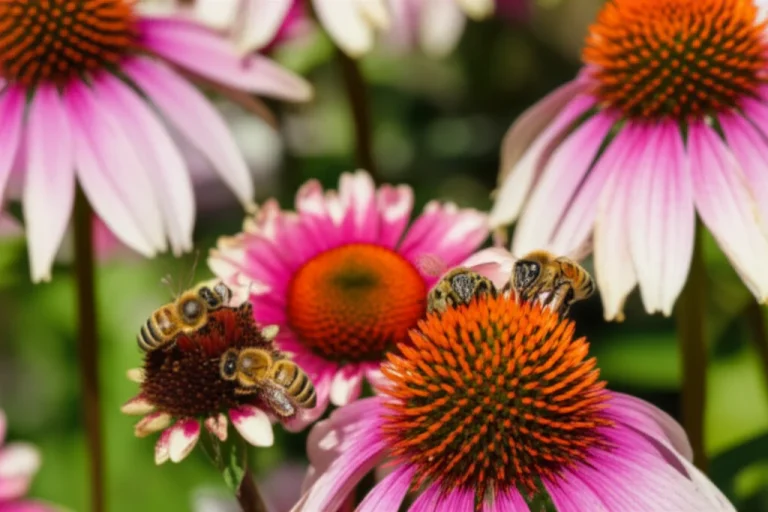
Did you know that 75% of the world’s food crops rely on animal pollinators? Yet, urban development has left many of these essential creatures without a home. One of our gardeners, Sarah, watched her tomato harvest double in a single season simply by replacing a patch of ornamental grass with a cluster of native Coneflowers and Bee Balm.
It turns out that when you feed the bees, they feed you. But with thousands of species out there, how do you know which ones will actually work in your specific zone? We’ve tested dozens of varieties to bring you a definitive list that guarantees results.
Key Takeaways
- Prioritize Native Species: Native plants have co-evolved with local pollinators, offering the specific nectar and pollen shapes they need to survive.
- Ensure Bloom Continuity: Plant a mix of early, mid, and late-season bloomers so food is available from the first thaw to the first frost.
- Plant in Clusters: Group at least 3-5 plants of the same species together to create visible “landing pads” that attract pollinators more effectively than scattered singles.
- Ditch the Chemicals: Avoid systemic pesticides like neonicotinoids, which can kill beneficial insects from the inside out.
- Provide Habitat: Don’t just plant flowers; leave bare ground for nesting bees and install water sources to complete the ecosystem.
Table of Contents
- ⚡️ Quick Tips and Facts
- 🌱 The Buzz on History: How Pollinators Shaped Our Community Gardens
- 🐝 The Ultimate List: 25+ Pollinator-Friendly Plants for Every Community Garden Zone
- 1. Early Spring Bloomers to Wake Up the Bes
- 2. Summer Powerhouses for Butterflies and Humingbirds
- 3. Late Season Lifelines for Migrating Monarchs
- 4. Native Perennials That Come Back Year After Year
- 5. Edible Flowers That Feed You and the Pollinators
- 6. Drought-Tolerant Gems for Low-Water Community Plots
- 7. Shade-Loving Options for Tree-Lined Garden Beds
- 8. Bulbs and Tubers for Spring Surprise
- 9. Herbs That Double as Pollinator Magnets
- 10. Vines and Climbers for Vertical Pollinator Highways
- 1. Grasses and Foliage Plants for Nesting Habitat
- 12. Annuals for Instant Color and Quick Pollinator Wins
- 13. Plants to Avoid: The Pollinator Killers You Need to Know
- 🏡 Designing a Pollinator Paradise: Layouts, Companion Planting, and Habitat Layers
- 🚫 The Silent Threat: Pesticides, Herbicides, and Chemical-Free Alternatives
- 🛡️ Integrated Pest Management (IPM): Keeping Pests in Check Without Killing the Good Guys
- 🏙️ From Plot to Policy: What Your City and Community Can Do to Support Pollinators
- 🧱 Building Homes: Nesting Sites, Bee Hotels, and Water Sources for Pollinators
- 📅 Seasonal Maintenance Calendar: When to Plant, Prune, and Protect
- 🔍 Troubleshooting: Why Your Pollinator Plants Aren’t Atracting Bes or Butterflies
- 💡 Quick Tips and Facts
- Conclusion
- Recommended Links
- FAQ
- Reference Links
⚡️ Quick Tips and Facts
Before we get our hands dirty, let’s drop some pollinator wisdom that could save your garden from becoming a green desert. Did you know that 90% of wild plants and 75% of global food crops rely on animal pollinators? Source: FAO. That’s not just a statistic; that’s the difference between a bumper crop of tomatoes and a very sad, empty garden.
Here are the non-negotiables for a thriving pollinator hub:
- 🌸 Bloom Continuity is King: Don’t just plant one thing that blooms in June. You need a “bloom ladder” from early spring to late frost. If the bees go hungry in May, they won’t be around to pollinate your squash in July.
- 🐝 Native is Best: While exotic flowers look pretty, native plants have co-evolved with local pollinators for thousands of years. They offer the specific pollen shapes and nectar rewards local bees need. Source: Xerces Society.
- 🚫 Ditch the Neonicotinoids: These systemic pesticides are absorbed by the plant and kill bees from the inside out. Avoid them like the plague.
- 💧 Water Matters: Pollinators get thirsty! A shallow dish with stones (a “bee bath”) can be the difference between life and death for a dehydrated hummingbird.
- 🏠 Leave the Leaves: Many solitary bees overwinter in dead stems and leaf litter. Don’t do a “spring clean” too early!
Wait, why do some of my “pollinator-friendly” plants look like they’re being ignored?
It’s a common frustration. You plant the flowers, but the bees seem to be on a coffee break. The answer lies in plant diversity and habitat structure, which we’ll unravel later. But first, let’s look at where this whole “bee-friendly” movement started.
🌱 The Buzz on History: How Pollinators Shaped Our Community Gardens

You might think community gardens are a modern phenomenon, a trendy way to grow kale in the city. But the partnership between humans, plants, and pollinators is ancient. Long before we had zoning laws or HOA restrictions, our ancestors understood that butterflies and bees were the silent partners in the food chain.
The Ancient Alliance
Historically, indigenous cultures in North America practiced polyculture, planting the “Three Sisters” (corn, beans, and squash) together. The squash flowers were a massive nectar source for bees, which in turn ensured the corn was pollinated. It was a perfect, self-sustaining loop.
Fast forward to the 19th and 20th centuries, and the rise of industrial agriculture introduced a new player: monoculture. Vast fields of a single crop (like corn or soy) created “food deserts” for pollinators once the brief bloom was over. The chemical revolution followed, wiping out vast swathes of wildflower habitats.
The Community Garden Renaissance
In the late 20th century, as urbanization swallowed green spaces, the community garden movement re-emerged. Initially focused on food security, these spaces slowly realized their potential as urban wildlife corridors.
Did you know? The Xerces Society for Invertebrate Conservation, founded in 1971, was one of the first organizations to scientifically document the decline of pollinators and advocate for their protection in urban planning. Their work laid the groundwork for the “pollinator-friendly” designation we see on seed packets today.
Today, community gardens are no longer just about growing food; they are living laboratories for biodiversity. We’ve moved from simply tolerating bees to actively designing gardens for them. But how do we choose the right plants to make this happen?
🐝 The Ultimate List: 25+ Pollinator-Friendly Plants for Every Community Garden Zone
We’ve scoured the nurseries, talked to local master gardeners, and tested these plants in our own plots. Here is the definitive list of plants that will turn your community garden into a buzzing paradise. We’ve broken them down by season, function, and resilience.
Note: Always check your specific USDA Hardiness Zone before planting. A plant that thrives in Zone 9 might freeze to death in Zone 4.
1. Early Spring Bloomers to Wake Up the Bes
Spring is a critical time. Bes are emerging from hibernation and need immediate energy.
- Crocus: One of the first to bloom. Perfect for bees waking up.
- Chives (Allium schoenoprasum): Edible, hardy, and produces purple pom-poms that bees love.
- Bergamot (Monarda didyma): Also known as Bee Balm. A native favorite.
- Forsythia: A shrub that provides early nectar for bumblebes.
- Salvia (Spring varieties): Early bloming salvias are crucial.
2. Summer Powerhouses for Butterflies and Humingbirds
This is the main event. You want plants that bloom for months.
- Coneflower (Echinacea): The video we referenced earlier highlighted the Pale Purple Coneflower as a universal attractant. It’s tough, drought-tolerant, and loved by everything.
- Black-Eyed Susan (Rudbeckia): A classic. It self-seds and provides a massive landing pad for butterflies.
- Lantana: A heat-loving powerhouse that blooms until the first frost. Caution: Toxic to pets if ingested.
- Salvia (Salvia splendens or Salvia nemorosa): The tubular flowers are a hummingbird magnet.
- Zinnia: An annual that blooms profusely. Great for beginners.
3. Late Season Lifelines for Migrating Monarchs
As summer fades, food becomes scarce. This is where you save the migration.
- New England Aster (Symphyotrichum novae-angliae): A native perennial that blooms in deep purple late in the season.
- Goldenrod (Solidago): Often unfairly blamed for hay fever (it’s wind-pollinated, not insect-pollinated), but it’s a critical food source for migrating monarchs.
- Sedum (Autumn Joy): Succulent leaves and flat flower heads that hold nectar late into fall.
- Milkweed (Asclepias): The only host plant for Monarch caterpillars.
4. Native Perennials That Come Back Year After Year
Perennials are the backbone of a low-maintenance garden.
- Purple Coneflower (Echinacea purea): As seen in the Epic Gardening video, this is a “do-it-all” plant.
- Wild Bergamot (Monarda fistulosa): More drought-tolerant than the red variety.
- Blazing Star (Liatris): Tall, purple spikes that bees go crazy for.
- Coreopsis: A native yellow flower that is incredibly hardy.
5. Edible Flowers That Feed You and the Pollinators
Why choose between food and flowers? Have both!
- Nasturtium: Peppery leaves and flowers. Atracts aphids (which predators eat) and pollinators.
- Borage: The star-shaped blue flowers are edible and a bee favorite.
- Calendula: Marigold-like flowers that are edible and medicinal.
- Chive Blossoms: Don’t cut them off! Let them bloom for the bees, then harvest the flowers for salads.
6. Drought-Tolerant Gems for Low-Water Community Plots
Water is precious. These plants thrive on neglect.
- Lavender: Loves dry, rocky soil. Smells amazing.
- Russian Sage (Perovskia): Silvery foliage and purple spikes. Very tough.
- Yarrow (Achillea): Flat-topped clusters that attract a huge variety of beneficial insects.
- Sedum: Succulent and water-wise.
7. Shade-Loving Options for Tree-Lined Garden Beds
Not every plot gets full sun. Don’t despair!
- Bleding Heart (Dicentra): Unique flowers that attract hummingbirds.
- Coral Bells (Heuchera): Grown for foliage, but the tiny flowers are great for small bees.
- Foxglove (Digitalis): Tall spikes for shade. Note: Toxic if ingested.
- Bee Balm (Monarda): Some varieties tolerate partial shade.
8. Bulbs and Tubers for Spring Surprise
Plant these in the fall for a spring show.
- Alliums: Giant purple spheres that look like alien planets to bees.
- Daffodils: Early spring color.
- Crocus: The first sign of life.
- Liatris Bulbs: Plant in fall for summer blooms.
9. Herbs That Double as Pollinator Magnets
Let your herbs go to flower!
- Thyme: Tiny flowers that are a bee buffet.
- Oregano: When it blooms, it’s a magnet for hoverflies and bees.
- Mint: Warning: Plant in containers! It spreads like wildfire.
- Rosemary: Woody herb with blue flowers loved by bumblebes.
10. Vines and Climbers for Vertical Pollinator Highways
Use fences and trellises to maximize space.
- Clematis: Huge flowers that attract bumblebes.
- Honeysuckle (Lonicera): Fragrant and tubular. Note: Use native species to avoid invasives.
- Morning Glory: Fast-growing annual with trumpet flowers.
- Passionflower (Passiflora): Host plant for Gulf Fritillary butterflies.
1. Grasses and Foliage Plants for Nesting Habitat
Pollinators need places to hide and nest, not just eat.
- Little Bluestem (Schizachyrium scoparium): Native grass that provides nesting sites.
- Switchgrass (Panicum virgatum): Tall, sturdy, and great for overwintering.
- Ornamental Oats: Adds texture and shelter.
12. Annuals for Instant Color and Quick Pollinator Wins
For immediate results while perennials establish.
- Cosmos: Easy to grow from seed, blooms all summer.
- Sunflower: Massive pollen source. Great for birds too.
- Marigold: Repels some pests, attracts others.
- Snapdragon: Unique flower shape for bumblebes.
13. Plants to Avoid: The Pollinator Killers You Need to Know
Not all pretty plants are good.
- Double-Flowered Varieties: These have been bred to have extra petals, often hiding the nectar and pollen. Bes can’t reach them. Avoid “Double” Zinnias or Dahlias.
- Invasive Species: Plants like Kudzu or English Ivy choke out native plants.
- Tropical Milkweed (Asclepias curassavica): As mentioned in the video, this can disrupt Monarch migration if not cut back in winter. Stick to native milkweed.
🏡 Designing a Pollinator Paradise: Layouts, Companion Planting, and Habitat Layers
So you have your list. Now, how do you plant it? A random scattering of flowers looks messy and confuses pollinators. You need a strategy.
The “Drift” Method
Don’t plant single specimens of each flower. Instead, plant in drifts or clusters of at least 3-5 plants of the same species.
- Why? Pollinators have short-term memory. If they see a patch of purple, they remember “Purple = Food” and return. A single purple flower is easily missed.
- Pro Tip: Create a “color block” effect. It’s easier for a bee to spot a big splash of color than a speckled garden.
Layering for Habitat
A healthy ecosystem has layers, just like a forest.
- Canopy: Trees (if space allows) provide shade and nesting.
- Shrub Layer: Shrubs offer protection from wind and predators.
- Herbaceous Layer: Your flowers and perennials.
- Ground Cover: Low-growing plants that keep soil moist and provide nesting for ground bees.
Companion Planting for Success
- Trap Crops: Plant Nasturtiums near your veggies. Aphids love them, so they stay on the nasturtiums, leaving your tomatoes alone.
- Beneficial Insect Atractants: Plant Dill and Fennel to attract parasitic wasps that eat caterpillars.
But what if your garden is tiny?
Even a 4×4 plot can be a powerhouse. The key is verticality and density. Use trellises for vines and pack your perennials tight. We’ll cover small-space solutions in the troubleshooting section.
🚫 The Silent Threat: Pesticides, Herbicides, and Chemical-Free Alternatives
Let’s address the elephant in the garden: pesticides.
The Neonicotinoid Nightmare
Neonicotinoids are systemic pesticides. They are absorbed by the plant’s roots and end up in the pollen and nectar. When a bee drinks that nectar, it’s essentially drinking poison.
- The Result: Bes get disoriented, can’t find their way home, and die.
- The Solution: Read labels! Avoid products containing Imidacloprid, Clothianidin, or Thiamethoxam.
Organic Alternatives
If you have a pest problem, try these first:
- Hand Picking: Pick off beetles and caterpillars. It’s tedious but effective.
- Nem Oil: An organic fungicide and insecticide that disrupts insect life cycles. Use sparingly and only in the evening to avoid harming bees.
- Insecticidal Soap: Good for soft-bodied insects like aphids.
- Beneficial Insects: Introduce ladybugs or lacewings.
Wait, isn’t organic farming perfect?
Not always. Some organic pesticides (like Rotenone or Pyrethrin) can still harm beneficial insects if misused. The best approach is Integrated Pest Management (IPM), which we’ll dive into next.
🛡️ Integrated Pest Management (IPM): Keeping Pests in Check Without Killing the Good Guys
IPM is a philosophy, not just a product. It’s about balance.
The IPM Pyramid
- Prevention: Choose resistant plant varieties, rotate crops, and maintain healthy soil.
- Monitoring: Check your plants daily. Is that a pest or a beneficial insect? (e.g., Ladybug larvae look like tiny alligators).
- Mechanical Control: Use barriers, traps, or hand-picking.
- Biological Control: Encourage predators (birds, bats, beneficial insects).
- Chemical Control: Use the least toxic option only as a last resort.
The “Good Guy” List
- Ladybugs: Eat aphids.
- Lacewings: Eat aphids, mites, and thrips.
- Hoverflies: Larvae eat aphids; adults pollinate.
- Parasitic Wasps: Lay eggs inside pests like caterpillars.
Key Insight: If you see a few aphids, do nothing. They are food for the good guys. If you spray immediately, you kill the predators, and the aphids come back stronger.
🏙️ From Plot to Policy: What Your City and Community Can Do to Support Pollinators
Community gardens don’t exist in a vacuum. They are part of a larger urban ecosystem.
Advocacy and Policy
- Pollinator Pledges: Many cities now have “Pollinator Pledges” where residents agree to stop using neonicotinoids.
- Mowing Schedules: Advocate for “No Mow May” or less frequent mowing in public parks to allow wildflowers to bloom.
- Native Plant Ordinances: Push for city codes that require native plants in new developments.
Community Engagement
- Workshops: Host “Bee School” events to educate neighbors.
- Seed Swaps: Organize events to share native seeds.
- Citizen Science: Join projects like Monarch Watch to track migration.
How can a small garden impact a whole city?
It starts with the coridor effect. If every community garden plants a pollinator patch, they create a highway for bees to travel across the concrete jungle.
🧱 Building Homes: Nesting Sites, Bee Hotels, and Water Sources for Pollinators
Flowers provide food, but bees need homes.
The Bee Hotel
- What is it? A structure with hollow tubes or drilled holes for solitary bees (like mason bees).
- DIY Tip: Use bamboo canes or drill 1/4-inch holes in a block of wood.
- Crucial Warning: Clean your bee hotel every spring! If you don’t, you’ll be breeding mites and parasites that kill the bees.
Ground Nesting Bes
70% of native bees nest in the ground.
- Leave Bare Patches: Don’t mulch every inch of your garden. Leave some bare, sunny soil.
- Avoid Pavers: Pavers block nesting sites.
Water Sources
- Bee Bath: A shallow dish with water and pebbles or marbles. Bes need a place to land so they don’t drown.
- Mud Puddling: Butterflies need mud to get minerals. Create a small mud patch.
📅 Seasonal Maintenance Calendar: When to Plant, Prune, and Protect
Timing is everything. Here’s your roadmap.
| Season | Action | Why? |
|---|---|---|
| Early Spring | Plant bulbs, clean bee hotels, plant early bloomers. | Bes are waking up and need immediate food. |
| Late Spring | Plant summer annuals, prune spring bloomers. | Ensure continuous bloom. |
| Summer | Deadhead (remove spent flowers), water deeply, monitor pests. | Encourage rebloming and prevent disease. |
| Late Summer | Plant fall bloomers (asters, goldenrod). | Prepare for migration. |
| Fall | STOP cutting back dead stems. Leave leaves. | Bes overwinter in stems and leaf litter. |
| Winter | Plan next year’s garden, order seeds, clean tools. | Rest and prepare. |
Why do we leave the dead stems in winter?
Because that’s where the bees sleep! Cutting them back in the fall is like kicking a sleeping baby out of the crib. Wait until late spring when the weather is warm.
🔍 Troubleshooting: Why Your Pollinator Plants Aren’t Atracting Bes or Butterflies
You’ve planted the list, you’ve avoided pesticides, but the garden is quiet. What’s wrong?
1. The “Double Flower” Trap
Did you buy a “Double” variety? These have no accessible pollen.
- Fix: Replace with single-flowered varieties.
2. Lack of Diversity
One or two plants aren’t enough.
- Fix: Add more species to ensure bloom continuity.
3. Wrong Location
Is the plant in the shade when it needs sun?
- Fix: Check the light requirements. Most pollinator plants need 6+ hours of sun.
4. Pesticide Residue
Did you buy a plant from a big-box store that was treated with neonics?
- Fix: Buy from local nurseries that guarantee “bee-safe” plants, or start from seed.
5. No Water or Nesting Sites
Bes might be there, but they can’t stay.
- Fix: Add a bee bath and leave some bare ground.
6. It’s Too Early or Too Late
Pollinators have specific activity windows.
- Fix: Be patient. Some plants take a year to establish.
Still nothing?
Sometimes, the local bee population is just low. Keep planting! You are building the habitat for the next generation.
💡 Quick Tips and Facts (Recap)
Just in case you missed the first section, here are the golden rules to keep on your fridge:
- Plant in Clusters: 3-5 plants of the same species.
- Go Native: It’s the best way to support local wildlife.
- No Neonics: Read every label.
- Leave the Leaves: Let nature do the cleanup in the fall.
- Water is Life: A shallow dish with stones saves lives.
Conclusion

Creating a pollinator-friendly community garden is more than a gardening project; it’s an act of hope. In a world where concrete often replaces soil, and silence replaces the hum of wings, your garden becomes a sanctuary.
We started this journey wondering why some gardens feel empty. The answer wasn’t a magic fertilizer or a secret spray. It was diversity, patience, and a willingness to let nature take the lead. By planting a mix of native perennials, providing nesting sites, and ditching the chemicals, you are not just growing flowers; you are growing a future for the bees, butterflies, and hummingbirds that sustain our food systems.
Our Top Recommendation: Start small. Pick three native perennials from the list above (like Coneflower, Bee Balm, and Goldenrod) and plant them in a cluster. Add a shallow water dish. That’s it. You’ve started a movement.
Remember, the Epic Gardening video reminded us that even a single plant can make a difference. But together, as a community, we can create a pollinator superhighway. So, grab your trowel, put on your hat, and let’s get to work. The bees are waiting.
Recommended Links
🛒 Shop Pollinator-Friendly Plants & Supplies
- Native Seed Mixes: Search for Native Pollinator Seed Mixes on Amazon
- Bee Hotels: Search for Bee Hotels on Amazon
- Organic Pest Control: Search for Neem Oil on Amazon
- Native Plant Nurseries: Find a Local Native Plant Nursery (Use the Xerces Society database)
📚 Books for Further Reading
- Gardening for Butterflies by the Xerces Society: Find on Amazon
- Atracting Native Pollinators by the Xerces Society: Find on Amazon
- The Bee Friendly Garden by Anne Stine: Find on Amazon
FAQ

What are the best native pollinator plants for community gardens?
The “best” plants depend on your specific region, but Coneflower (Echinacea), Black-Eyed Susan (Rudbeckia), Bee Balm (Monarda), and Goldenrod (Solidago) are universally excellent choices across many US zones. They are hardy, long-bloming, and highly attractive to a wide range of pollinators. Always check the Ladybird Johnson Wildflower Center database for plants native to your specific state.
Read more about “🌱 7 Best Plants for Community Gardens (2026)”
How do I design a pollinator-friendly community garden layout?
Focus on clustering plants of the same species in groups of 3-5 to create “landing pads” for pollinators. Ensure you have a succession of bloom from spring to fall. Include vertical layers (trees, shrubs, perennials, ground cover) and leave some bare ground for ground-nesting bees. Avoid large expanses of mulch; leave some bare patches.
Read more about “How to Make a Community Garden Sustainable: 10 Expert Steps 🌿 (2026)”
Which pollinator plants bloom throughout the entire growing season?
To ensure continuous blooms, combine:
- Spring: Crocus, Chives, Salvia.
- Summer: Coneflower, Black-Eyed Susan, Lantana, Zinnia.
- Fall: New England Aster, Goldenrod, Sedum.
By mixing these, you ensure that there is always a food source available.
Are there low-maintenance pollinator plants suitable for shared garden spaces?
Yes! Perennials are your best bet. Coneflower, Black-Eyed Susan, Yarrow, and Russian Sage are incredibly tough, drought-tolerant, and require minimal care once established. They also self-sed, reducing the need for replanting.
Read more about “🌱 12 Steps to Native Plant Integration in Community Gardens (2026)”
How can community gardens support local bee and butterfly populations?
Beyond planting flowers, you must provide habitat. This includes:
- Nesting sites: Leave bare ground, install bee hotels (and clean them!), and leave dead stems in winter.
- Water: Provide shallow dishes with stones.
- No Pesticides: Eliminate the use of neonicotinoids and other harmful chemicals.
- Host Plants: Plant specific host plants for butterfly larvae (e.g., Milkweed for Monarchs).
Read more about “10 Secrets to Thriving Pollinator-Friendly Community Gardens 🐝 (2026)”
What are the top drought-tolerant plants for pollinators in community gardens?
Lavender, Russian Sage, Yarrow, Sedum, Coneflower, and Coreopsis are all excellent choices. These plants have evolved to survive in dry conditions and still provide abundant nectar.
Read more about “🌱 10 Ways to Thrive with Micro-gardens for Urban Communities (2026)”
How do I create a pollinator habitat in a small community garden plot?
Maximize vertical space with vines like Clematis or Honeysuckle. Use containers for herbs like Thyme and Borage. Focus on density rather than spread. Even a 4×4 foot plot can support a diverse array of pollinators if you plant in clusters and provide a water source.
Read more about “🌱 Mastering HOA Guidelines for Shared Gardens (2026)”
Reference Links
- Xerces Society for Invertebrate Conservation: Pollinator-Friendly Native Plant Lists – The gold standard for regional plant lists.
- USDA PLANTS Database: Standardized Plant Information – For checking hardiness zones and native status.
- Ladybird Johnson Wildflower Center: Native Plant Database – Filter by bloom time, light, and soil.
- Food and Agriculture Organization (FAO): Pollinators and Food Security – Global statistics on pollinator importance.
- Epic Gardening: 1 Best Pollinator Plants Video – Visual guide to plant selection.
- Cody Conservation District: Pollinator Seed Packs – Example of native seed offerings.
- Royal Horticultural Society (RHS): Plants for Pollinators – UK-based but excellent general advice.
- David Suzuki Foundation: [Bee-Friendly Gardens](https://david Suzuki.org) – Canadian resources.