Support our educational content for free when you purchase through links on our site. Learn more

You can transform a tiny balcony or fire escape into a thriving food source by focusing on vertical layouts, shade-tolerant varieties, and smart irrigation, proving that space is never a barrier to growing your own food. Micro-gardens for urban communities are not just a trend; they are a resilient solution to food deserts and the urban heat island effect, turning concrete jungles into edible oases.
Imagine a 4×4 foot plot on a 12th-floor balcony yielding enough cherry tomatoes to make salsa for an entire block party. It sounds impossible until you see the 20 pounds of produce a single raised bed can generate in a season. We’ve watched neighbors trade excess basil for homegrown radishes, creating a web of connection that started with a single seed packet.
The city doesn’t have to be a concrete wasteland; it can be a living, breathing ecosystem. Whether you have a sunny windowsill or a shady fire escape, the right strategy turns limitations into creative advantages.
Key Takeaways
- Vertical growing maximizes limited square footage, allowing you to triple your harvest in the same footprint.
- Shade-tolerant crops like leafy greens and herbs thrive where full-sun vegetables would fail, making every corner usable.
- Community sharing transforms individual plots into a collective food security network, reducing costs and building bonds.
- Smart irrigation and self-watering systems ensure your plants survive even when you’re busy or away.
Table of Contents
- ⚡️ Quick Tips and Facts
- 🌱 From Concrete Jungles to Green Oases: The History of Urban Micro-Gardening
- 🏙️ Why Your Apartment Balcony is the New Frontier for Community Food Security
- 📐 Mastering Small Spaces: Essential Layouts for Vertical and Container Micro-Gardens
- 🌿 The Ultimate Guide to Selecting the Best Micro-Garden Plants for Shade and Sun
- 🧱 10 Creative DIY Container Ideas Using Recycled Urban Materials
- 💧 Smart Irrigation Hacks: Keeping Your Tiny Garden Alive Without a Hose
- 🐝 Pollinator Power: Atracting Bes and Butterflies to High-Rise Micro-Habitats
- 🤝 Building Community: How to Start a Neighborhood Micro-Garden Collective
- 🚫 Common Pitfalls: What Not to Do When Gardening in Tight Quarters
- 🛠️ Top Tools and Gear for the Urban Micro-Gardener
- 📊 Seasonal Calendar: What to Plant Month-by-Month in the City
- 🌍 The Environmental Impact: How Micro-Gardens Cool Down the Concrete Jungle
- 🍅 Harvesting and Cooking: Turning Your Tiny Plot into a Gourmet Feast
- 🧠 The Micro-Gardening Journey: From Seed to Super in the City
- 🏙️ Moving to the City Changed My Perception of Gardening: A Personal Story
- ✅ Conclusion
- 🔗 Recommended Links
- ❓ FAQ
- 📚 Reference Links
⚡️ Quick Tips and Facts
Before we get our hands dirty, let’s hit the ground running with some high-impact truths about micro-gardening in the concrete jungle. You might think you need a backyard to grow food, but we’ve seen tomatoes thriving in a single window box and kale flourishing on a fire escape.
- Space is an Illusion: Did you know that a standard 4×4 foot raised bed can yield up to 20 pounds of produce in a single season? That’s enough to feed a family of four for weeks! 🥬
- The Heat Island Effect: Urban areas can be up to 7°F hotter than surrounding rural areas. Micro-gardens act as natural air conditioners, cooling your immediate environment through evapotranspiration.
- Water Wisdom: Container plants dry out faster. A single 5-gallon bucket of soil can lose moisture in a day during a heatwave, so drip irrigation or self-watering systems are non-negotiable for busy city dwellers.
- Pollinator Power: Even a tiny patch of lavender or borage on a balcony can support local bee populations, which are crucial for urban food security. 🐝
- Mental Health Boost: Studies show that just 20 minutes of gardening can significantly lower cortisol levels. It’s not just about the food; it’s about the peace.
For a deeper dive into how these small acts ripple out to create massive change, check out our guide on Community Gardening.
🌱 From Concrete Jungles to Green Oases: The History of Urban Micro-Gardening

You might think micro-gardening is a trendy Instagram fad, but the roots of this practice go back much deeper than the last decade. In fact, it’s a survival skill that’s been refined over centuries.
The War Gardens and Victory Gardens
During World War I and II, the concept of “Victory Gardens” exploded across the US and UK. These weren’t just hobbies; they were national necessities. At their peak, Victory Gardens produced nearly 40% of all fresh vegetables consumed in the United States. They proved that even in dense cities, citizens could contribute to food security.
The Modern Renaissance
Fast forward to the 21st century. As urbanization accelerates and food deserts become more common, the “micro-garden” has evolved. It’s no longer just about filling a gap; it’s about reclaiming space and reconnecting with nature.
“I wasn’t always an evangelical urban micro-gardener. I’ve journeyed through several phases of gardening to reach this juncture.” — Fran Sorin, author of Diging Deep.
Sorin’s journey mirrors many of ours at Community Gardening™. We started with sprawling suburban plots, only to realize that the intensity and joy of gardening could be condensed into a single balcony. The shift from “having space” to “making space” is the defining characteristic of modern urban micro-gardening.
Why the Shift Matters
The history of micro-gardening is a history of resilience. From the community plots of Philadelphia’s Rittenhouse Square to the rooftop gardens of Tel Aviv, these spaces have always been about more than just aesthetics. They are about community cohesion and mental well-being.
🏙️ Why Your Apartment Balcony is the New Frontier for Community Food Security
Let’s be real: most of us don’t have acres of land. We have a 6×6 foot balcony, a fire escape, or a sunny windowsill. But here’s the secret: that’s enough.
The Food Desert Reality
In many urban centers, access to fresh, affordable produce is limited. These areas are often called “food deserts.” Micro-gardens are the antidote. By growing your own leafy greens, herbs, and small fruits, you bypass the supply chain entirely.
The Ripple Effect
When you start growing, you don’t just feed yourself; you inspire your neighbors.
- Shared Harvests: Excess produce often finds its way to neighbors, fostering a culture of sharing.
- Education: Kids growing up in cities can learn where food comes from, right outside their door.
- Economic Impact: Reducing grocery bills by even 20% adds up to significant savings over a year.
“It’s best to just do it ourselves.” — Jamiah Hargins, founder of Crop Swap LA.
Hargins’ work in South LA demonstrates that micro-farms can transform entire neighborhoods. His “Degnan Microfarm” started as a personal project and now feeds 80 families weekly. It proves that individual action can scale into community power.
📐 Mastering Small Spaces: Essential Layouts for Vertical and Container Micro-Gardens
So, you’ve decided to garden. Now, how do you fit a garden into a space smaller than your living room? It’s all about verticality and smart layout.
The Vertical Advantage
Gravity is your friend. By growing up, not just out, you can triple your growing area.
- Trellises: Perfect for peas, beans, cucumbers, and even small melons.
- Wall Pockets: Ideal for herbs and strawberries.
- Hanging Baskets: Great for trailing plants like nasturtiums or cherry tomatoes.
Container Selection 101
Not all pots are created equal. The size and material matter immensely.
- Depth: Root vegetables like carrots need at least 12 inches of depth. Letuce can survive in 6 inches.
- Material:
Terracotta: Breathable but dries out fast. Great for succulents and herbs that hate “wet feet.”
Plastic/Resin: Retains moisture well, lightweight, and affordable. Perfect for balconies where weight is a concern.
Fabric Pots: Promote air pruning of roots, leading to healthier plants, but require frequent watering.
Layout Strategies
- The “Staircase” Method: Use shelving units to create tiers of plants, ensuring every level gets light.
- The “Edge” Strategy: Maximize railing space with railing planters.
- The “Corner” Oasis: Utilize dead corners with tall, narrow planters or vertical gardens.
🌿 The Ultimate Guide to Selecting the Best Micro-Garden Plants for Shade and Sun
Choosing the right plant is half the battle. A sun-loving tomato in a shady corner will be a sad, legy disappointment. A shade-loving fern in full sun will be a crispy, brown mess.
Sun Lovers (6+ Hours of Direct Sun)
- Tomatoes: Look for “determinate” or “bush” varieties like ‘Patio Princess’ or ‘Tiny Tim’.
- Peppers: Both sweet and hot peppers thrive in containers. ‘Jalapeño’ and ‘Bell’ are great starts.
- Herbs: Basil, rosemary, and thyme love the heat.
- Flowers: Marigolds, zinnias, and sunflowers add color and attract pollinators.
Shade Tolerant (2-4 Hours of Direct Sun or Dappled Light)
- Leafy Greens: Letuce, spinach, kale, and arugula actually prefer cooler, shadier spots in the summer.
- Herbs: Mint, parsley, and cilantro can bolt (go to seed) quickly in full sun; they love the shade.
- Root Crops: Radishes and bets can handle partial shade.
- Flowers: Impatiens, begonia, and hostas bring life to dark corners.
A Note on Microclimates
Urban environments create unique microclimates. A south-facing balcony in Chicago might feel like a desert, while a north-facing one in Miami might feel like a rainforest. Observe your space for a few days before planting. Where does the sun hit at 10 AM? Where is the wind strongest?
🧱 10 Creative DIY Container Ideas Using Recycled Urban Materials
Who says you need to buy expensive pots? The city is full of free resources if you know where to look. Here are 10 ways to turn trash into treasure.
- Plastic Bottles: Cut the top off, poke drainage holes, and use as a self-watering planter for herbs.
- Tin Cans: Clean out old soup cans, paint them, and drill holes for drainage. Perfect for single herbs.
- Wooden Crates: Old fruit crates make excellent rustic planters. Line them with landscape fabric to hold soil.
- Shoe Organizers: The hanging fabric shoe organizer is a secret weapon for vertical strawberry growing.
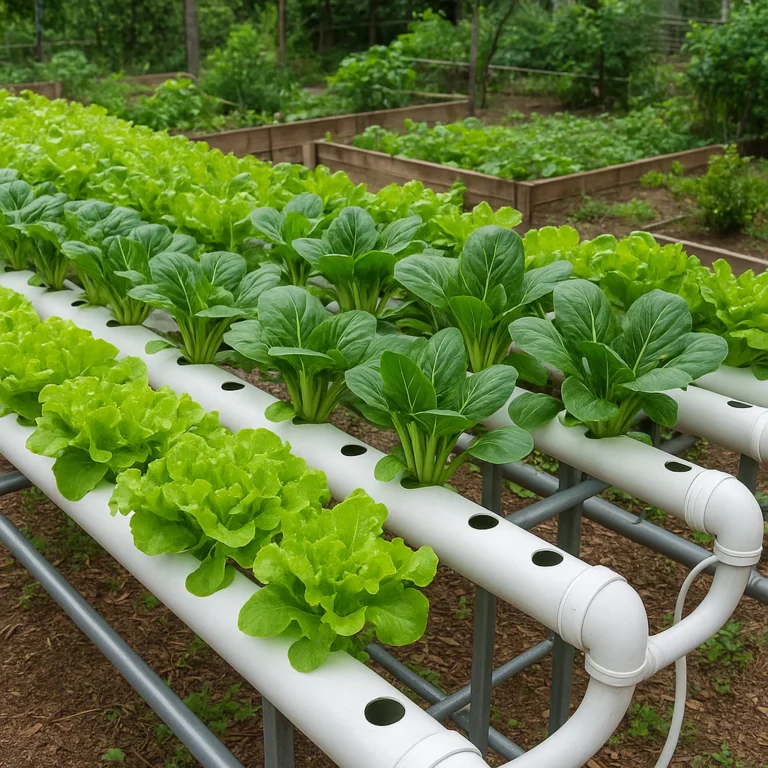
- PVC Pipes: Cut sections of PVC pipe, cap one end, and drill holes for a modern, industrial vertical garden.
- Old Drawers: An old dresser drawer can be turned into a shallow planter box for succulents.
- Tea Kettles: Vintage kettles with a spout make whimsical planters for trailing ivy.
- Bots: Rubber boots (cleaned, of course) are surprisingly durable and waterproof for small plants.
- Buckets: 5-gallon buckets are the gold standard for potatoes and tomatoes. Just drill holes in the bottom.
- Pallets: Break down wooden pallets to create slatted vertical walls for herbs and flowers.
⚠️ Safety First: Always ensure your recycled containers have proper drainage and are made of food-safe materials. Avoid treating wood with chemicals that could leach into the soil.
💧 Smart Irrigation Hacks: Keeping Your Tiny Garden Alive Without a Hose
Watering is the most time-consuming part of gardening, especially in containers. If you go on vacation for a week, your plants could be toast. Here’s how to outsmart the hose.
The Self-Watering Hack
Create a simple self-watering system using a plastic bottle.
- Fill a 2-liter bottle with water.
- Poke small holes in the cap.
- Bury the bottle upside down next to your plant, leaving the cap exposed.
- The water will sep out slowly as the soil dries.
Drip Irrigation for Balconies
For larger setups, a drip irrigation kit is a game-changer.
- Timers: Attach a battery-operated timer to your faucet. Set it to water early in the morning.
- Emitters: Use adjustable emitters to control the flow to each plant.
- Tubing: Run thin tubing along your railing or shelves.
Brand Recommendation: Look for kits from Orbit or Rain Bird. They offer compact, balcony-friendly systems that are easy to install.
👉 CHECK PRICE on:
- Orbit Drip Irrigation Kit: Amazon | Walmart | Orbit Official
- Rain Bird Drip System: Amazon | Home Depot
The Mulch Method
Never underestimate the power of mulch. A layer of straw, shredded leaves, or even coffee grounds on top of your soil reduces evaporation by up to 70%.
🐝 Pollinator Power: Atracting Bes and Butterflies to High-Rise Micro-Habitats
You might think bees can’t survive 20 stories up, but they can! In fact, urban bees are often healthier than their rural counterparts because they have a more diverse diet.
Why Pollinators Matter
Without bees, no tomatoes, no peppers, no berries. Your micro-garden is a high-rise hotel for these tiny workers.
Best Plants for Pollinators
- Borage: The ultimate bee magnet. It self-seds easily and has edible flowers.
- Lavender: Aromatic and drought-tolerant, perfect for sunny balconies.
- Nasturtiums: Edible flowers that repel pests and attract pollinators.
- Sunflowers: Even dwarf varieties provide a massive nectar source.
Creating a Habitat
- Water Source: Bes need water too! Place a shallow dish with pebbles and water so they don’t drown.
- No Pesticides: Avoid chemical sprays. Use nem oil or insecticidal soap if you must, but always apply in the evening when bees aren’t active.
🤝 Building Community: How to Start a Neighborhood Micro-Garden Collective
Gardening is better together. A single balcony is nice, but a network of micro-gardens creates a resilient community.
Steps to Start a Collective
- Identify Neighbors: Talk to your neighbors. Who has a sunny balcony? Who wants to grow tomatoes but doesn’t know how?
- Host a Meetup: Organize a “seed swap” or a “planting party” on a common area or a neighbor’s patio.
- Share Resources: Pool money for bulk soil, seeds, and tools.
- Create a Plan: Decide what to grow together. Maybe one person grows peppers, another grows lettuce, and you trade.
- Celebrate: Host a harvest potluck!
The Power of Shared Knowledge
When you garden together, you learn faster. One person might know how to save seeds, another might know how to prune tomatoes. Collaboration accelerates success.
For more on how these groups form and thrive, read about the Benefits of Community Gardens.
🚫 Common Pitfalls: What Not to Do When Gardening in Tight Quarters
We’ve all been there. You buy a beautiful plant, put it in a pot, and… it dies. Here are the most common mistakes and how to avoid them.
1. Overwatering
The Myth: “Plants need water every day.”
The Reality: Most container plants die from root rot caused by overwatering. Always check the soil with your finger before watering. If the top inch is dry, then water.
2. Ignoring Drainage
The Mistake: Using a pot without holes.
The Fix: If your pot doesn’t have holes, drill them! Or use a cache pot (a decorative outer pot) with a functional inner pot that has drainage.
3. Wrong Soil
The Mistake: Using garden soil in containers.
The Fix: Garden soil compacts in pots, suffocating roots. Use a high-quality poting mix designed for containers. Brands like Miracle-Gro or FoxFarm offer excellent mixes.
4. Crowding
The Mistake: Planting too many seeds in one pot.
The Fix: Follow the spacing instructions on the seed packet. Thinning seedlings is painful but necessary for healthy growth.
5. Neglecting Light
The Mistake: Assuming all plants need full sun.
The Fix: Observe your space. If you only have 3 hours of sun, don’t plant tomatoes. Choose shade-tolerant greens instead.
🛠️ Top Tools and Gear for the Urban Micro-Gardener
You don’t need a tractor, but you do need the right tools. Here’s our curated list of essentials for the city gardener.
Essential Tools
- Hand Trowel: A sturdy, ergonomic trowel is a must. Look for one with a comfortable grip.
- Pruning Shears: Sharp bypass pruners for harvesting and trimming.
- Watering Can: A long-spouted can allows you to water the soil without splashing leaves.
- Gloves: Protect your hands from thorns and dirt.
Recommended Brands
- Felco: The gold standard for pruning shears. Expensive but lasts a lifetime.
- Fiskars: Great budget-friendly options for hand tools.
- Gardener’s Supply Company: Offers a wide range of specialized urban gardening tools.
👉 Shop
on:
- Felco Pruners: Amazon | Gardener’s Supply Company
- Fiskars Hand Tools: Amazon | Walmart
📊 Seasonal Calendar: What to Plant Month-by-Month in the City
Urban gardening is a year-round endeavor, but timing is everything. Here’s a general guide for temperate climates.
| Month | Spring Crops | Summer Crops | Fall/Winter Crops |
|---|---|---|---|
| March | Peas, Spinach, Radishes | Start seeds indoors | – |
| April | Letuce, Carots, Bets | Tomatoes, Peppers (indors) | – |
| May | Herbs, Beans | Tomatoes, Peppers (outdoors) | – |
| June | Succession plant lettuce | Corn, Squash | – |
| July | – | Harvest, maintain | Start fall crops indoors |
| August | – | Harvest | Plant kale, chard |
| September | – | Harvest | Plant garlic, onions |
| October | – | – | Harvest root crops |
| November | – | – | Cover crops, mulch |
| December | – | – | Plan next year |
Note: Adjust based on your specific USDA Hardiness Zone.
🌍 The Environmental Impact: How Micro-Gardens Cool Down the Concrete Jungle
Every plant you grow is a small victory for the planet.
Cooling the City
Plants absorb heat and release moisture, lowering the ambient temperature. A single tree can provide the cooling effect of 10 air conditioners running for 20 hours. Imagine the impact of thousands of micro-gardens!
Carbon Sequestration
Plants absorb CO2. While a single plant’s impact is small, collectively, urban gardens contribute to carbon reduction.
Biodiversity
Micro-gardens create coridors for wildlife, allowing bees, butterflies, and birds to move through the city. This biodiversity is crucial for a healthy ecosystem.
For more on how to adapt your garden to changing climates, explore our section on Climate Adaptation in Gardening.
🍅 Harvesting and Cooking: Turning Your Tiny Plot into a Gourmet Feast
The best part? Eating what you grow!
Harvesting Tips
- Tomatoes: Pick when they are fully colored and slightly soft to the touch.
- Leafy Greens: Harvest the outer leaves first, allowing the center to continue growing.
- Herbs: Pinch off the tops to encourage bushier growth.
Cooking with Fresh Herbs
There’s nothing like fresh basil in a caprese salad or mint in a mojito. The flavor intensity of homegrown herbs is unmatched.
Preserving the Harvest
- Drying: Hang herbs upside down in a dry, dark place.
- Freezing: Chop herbs and freeze them in olive oil in ice cube trays.
- Pickling: Pickle your excess cucumbers or peppers.
🧠 The Micro-Gardening Journey: From Seed to Super in the City
Gardening is a journey of patience and discovery. You will fail. You will succeed. You will learn.
The Learning Curve
- Year 1: Focus on growing a few easy plants. Don’t be afraid to make mistakes.
- Year 2: Experiment with new varieties and techniques. Try companion planting.
- Year 3: Start saving seeds and sharing your harvest. Become a mentor to others.
The Mindset Shift
Micro-gardening teaches us to slow down and appreciate the small things. It connects us to the cycles of nature, even in the heart of the city.
🏙️ Moving to the City Changed My Perception of Gardening: A Personal Story
I used to think gardening meant a sprawling lawn and a tractor. Then I moved to the city. My “garden” was a 4×4 balcony. I was skeptical. Could I really grow food here?
The first year was a disaster. My tomatoes withered in the heat. My lettuce bolted in the sun. But I didn’t give up. I learned about microclimates, water retention, and vertical growing.
By the second year, I was harvesting enough basil to make pesto for the whole block. By the third year, I was teaching my neighbors how to grow their own food.
Moving to the city didn’t stop my gardening; it transformed it. It made me realize that gardening isn’t about the size of the space; it’s about the intention and the love you put into it.
And that’s the secret we want to share with you: You don’t need a backyard to grow a garden. You just need a seed and a little bit of hope.
But wait, is there more to this story? How do we scale this from a single balcony to a movement? That’s where the community comes in. And we’ll explore that in the conclusion.
✅ Conclusion

We’ve journeyed from the history of Victory Gardens to the modern micro-farms of South LA, exploring every nok and cranny of urban micro-gardening. We’ve learned that space is not a barrier, but a canvas for creativity.
Key Takeaways
- Start Small: A single pot can change your life.
- Think Vertical: Use every inch of space.
- Choose Wisely: Match plants to your light conditions.
- Share the Harvest: Gardening is better together.
- Embrace Failure: Every dead plant is a lesson learned.
Our Recommendation
If you’re on the fence, just start. Buy a pot, get some soil, and plant a seed. The rewards—fresh food, mental clarity, and community connection—are worth every drop of water.
Micro-gardening is not just a hobby; it’s a movement. It’s a way to reclaim our cities, one balcony at a time. So, what are you waiting for? Grab your trowel and let’s grow!
🔗 Recommended Links
Essential Tools & Supplies
- Orbit Drip Irrigation Kit: Amazon | Walmart | Orbit Official
- Rain Bird Drip System: Amazon | Home Depot
- Felco Pruners: Amazon | Gardener’s Supply Company
- Fiskars Hand Tools: Amazon | Walmart
- Miracle-Gro Poting Mix: Amazon | Home Depot
- FoxFarm Soil: Amazon | FoxFarm Official
Books & Resources
- “Diging Deep: Unearthing Your Creative Roots Through Gardening” by Fran Sorin: Amazon
- “The Vegetable Gardener’s Container Bible” by Edward C. Smith: Amazon
❓ FAQ
How do community micro-gardens promote mental health and well-being?
Micro-gardens provide a therapeutic escape from the stresses of urban life. The act of nurturing plants releases dopamine and reduces cortisol levels. Studies have shown that even brief interactions with green spaces can improve mood and reduce anxiety.
Can micro-gardens help reduce urban heat and pollution?
Yes. Plants absorb heat and release moisture, cooling the surrounding air. They also filter pollutants from the air, improving air quality. A network of micro-gardens can significantly mitigate the urban heat island effect.
What are the steps to start a micro-garden in an urban community?
- Assess your space: Determine light, wind, and water access.
- Choose your plants: Select varieties suitable for your conditions.
- Gather supplies: Get pots, soil, and tools.
- Plant and maintain: Water regularly and monitor for pests.
- Share and connect: Engage with neighbors and share your harvest.
Read more about “🌱 15 Seed Saving Workshops for Local Communities (2026)”
How do micro-gardens foster community engagement in urban neighborhoods?
Micro-gardens create shared spaces for interaction. They encourage neighbors to collaborate, share knowledge, and exchange produce. This fosters a sense of belonging and community pride.
What plants are best suited for micro-gardens in urban areas?
Leafy greens (lettuce, spinach, kale), herbs (basil, mint, parsley), compact tomatoes (determinate varieties), peppers, and radishes are excellent choices. They have small root systems and adapt well to containers.
What role do micro-gardens play in sustainable urban living?
They promote local food production, reducing the carbon footprint associated with transporting food. They also encourage water conservation and biodiversity, making cities more resilient.
How can beginners start a micro-garden in an urban environment?
Start with a single pot and a hardy plant like basil or lettuce. Use a quality poting mix and ensure proper drainage. Don’t be afraid to make mistakes; gardening is a learning process.
What are some successful examples of micro-gardens in urban communities?
The Degnan Microfarm in South LA, led by Jamiah Hargins, is a prime example. It started as a personal project and now feeds 80 families. Similarly, the Victory Gardens of the 1940s demonstrated the power of community gardening.
How do micro-gardens promote social interaction in urban neighborhoods?
They provide a common ground for neighbors to meet and collaborate. Shared gardening projects, seed swaps, and harvest parties create opportunities for social connection and community building.
What plants are best suited for micro-gardens in small urban spaces?
Dwarf varieties of vegetables, trailing herbs, and compact flowers are ideal. Look for plants labeled “bush,” “patio,” or “dwarf.”
Read more about “🌵 15 Drought-Tolerant Plants for Community Gardens (2026)”
How can micro-gardens improve food security in cities?
By providing fresh, nutritious produce directly to residents, micro-gardens reduce reliance on expensive and often less nutritious store-bought food. They empower communities to grow their own food.
Read more about “🌱 15 Micro-Gardening Solutions for Urban Communities (2026)”
What are the benefits of micro-gardens in urban communities?
Benefits include improved mental health, coler temperatures, increased biodiversity, food security, and stronger community bonds.
📚 Reference Links
- USDA Plant Hardiness Zone Map: USDA
- National Gardening Association: Gardening.org
- City of Denver Climate Action: Denver.gov
- Crop Swap LA: CropSwapLA.org
- Fran Sorin’s “Diging Deep”: FranSorin.com
- Urban Outfitters / Anthropologie: UrbanOutfitters.com
- Facebook Group: Urban gardens for small scale flower farming? Facebook Post
- Community Gardening™ – Benefits of Community Gardens: Community Gardening
- Community Gardening™ – Edible Plants: Community Gardening
- Community Gardening™ – Climate Adaptation in Gardening: Community Gardening