Support our educational content for free when you purchase through links on our site. Learn more

Imagine a community garden that doesn’t just survive a scorching summer heatwave but actually thrives in it, turning a potential water crisis into a vibrant pollinator paradise. While legislation like Colorado’s SB23-178 is finally giving HOAs the green light to ditch thirsty lawns, the real magic happens when neighbors come together to plant the right species. We’ve seen plots in Arizona turn into brown dust bowls while just a few feet away, a garden filled with Lavender, Sedum, and Coneflowers stands tall, buzzing with life and requiring a fraction of the water.
In this comprehensive guide, we’re not just listing plants; we’re revealing the 15 top-rated drought-tolerant powerhouses that will transform your shared space into a resilient oasis. From soil secrets that turn clay into gold to smart irrigation hacks that save gallons, we’ve tested these varieties in real community plots to separate the survivors from the casualties. Whether you are a seasoned gardener or a total newbie, you’ll discover how to design a layout that keeps the bees happy and the water bill low.
Key Takeaways
- Water Independence: Switching to xeriscaping principles can reduce water usage by up to 75% while maintaining a lush, colorful garden.
- Top Performers: Our tested list features 15 resilient plants like Russian Sage, Black-Eyed Susan, and Agave that thrive with minimal irrigation once established.
- Soil is King: Success hinges on soil amendment with organic matter and a thick layer of mulch to lock in moisture and suppress weeds.
- Community Impact: Drought-tolerant gardens create pollinator corridors, lower maintenance costs, and foster stronger neighborhood bonds through shared sustainable practices.
Table of Contents
- ⚡️ Quick Tips and Facts
- 📜 From Dusty Trails to Thriving Roots: A History of Drought-Resilient Community Gardening
- 🌵 The Ultimate List: 15 Top-Rated Drought-Tolerant Plants for Community Gardens
- 1. Lavender (Lavandula): The Fragrant Water-Saver
- 2. Sedum (Stonecrop): The Succulent Survivor
- 3. Russian Sage (Perovskia atriplicifolia): Airy and Tough
- 4. Coneflower (Echinacea): A Pollinator’s Desert Oasis
- 5. Yarrow (Achillea): The Drought-Defying Hero
- 6. Ornamental Grasses: Swaying in the Dry Wind
- 7. Salvia (Sage): More Than Just a Kitchen Herb
- 8. Agapanthus: The African Lily That Loves the Heat
- 9. Coreopsis: Sunshine in a Petal
- 10. Black-Eyed Susan (Rudbeckia): Cheerful and Resilient
- 1. Catmint (Nepeta): The Feline-Friendly Drought Warrior
- 12. Blanket Flower (Gaillardia): A Tapestry of Dry-Weather Color
- 13. Bee Balm (Monarda): Native Beauty for Xeriscaping
- 14. Agave: The Architectural Succulent
- 15. Sempervivum (Hens and Chicks): The Ground-Hugging Rockstar
- 🌱 Soil Secrets: Preparing Your Community Plot for Arid Conditions
- 💧 Smart Irrigation Strategies: Water-Wise Techniques for Shared Spaces
- 🐝 Pollinator Power: Why Drought-Tolerant Plants Are Bee and Butterfly Gold
- 🚫 Common Mistakes: What NOT to Plant in a Water-Conservation Garden
- 🏡 Designing for Impact: Xeriscaping Layouts for Community Plots
- 🌍 Regional Considerations: Adapting Drought-Tolerant Plants to Your Climate Zone
- 🤝 Community Engagement: Getting Neighbors on Board with Water Conservation
- 📊 Maintenance Calendar: Seasonal Care for Low-Water Landscapes
- 🏆 Conclusion
- 🔗 Recommended Links
- ❓ FAQ: Your Burning Questions About Drought-Tolerant Gardening Answered
- 📚 Reference Links
⚡️ Quick Tips and Facts
Before we dive into the deep end of the drought-tolerant pool, let’s get our feet wet with some game-changing facts that every community gardener needs to know. Did you know that traditional turf grass can guzzle up to 50 inches of water per year in some regions? That’s enough to fill a small swimming pool! 🏊 ♂️ By switching to xeriscaping principles, we can slash that usage by up to 75%.
Here is the lowdown on why this matters for your plot:
- ✅ Water Independence: Drought-tolerant plants often have deep root systems that access groundwater, making them self-sustaining once established.
- ✅ Pollinator Paradise: Many of these plants are native powerhouses that provide nectar when other flowers have wilted, keeping the bees buzzing all summer long. 🐝
- ✅ Low Maintenance: Less watering means less time hosing down plots and more time enjoying the harvest or chatting with neighbors.
- ✅ Cost Effective: While the initial setup might require some soil amendment, the long-term savings on water bills are massive for community budgets.
Pro Tip from the Team: We once watched a community garden in Arizona survive a record-breaking heatwave while the neighboring plots turned into brown dust bowls. The secret? They had planted Lavender and Sedum three years prior. The difference was night and day!
If you’re new to the concept of growing together through community gardening, check out our guide on The Benefits of Community Gardens to see how these sustainable practices foster stronger neighborhoods.
📜 From Dusty Trails to Thriving Roots: A History of Drought-Resilient Community Gardening

You might think that “drought-tolerant gardening” is a modern buzzword born from climate change anxiety, but the roots of this practice go back much deeper than you’d expect. 🌱
For centuries, indigenous cultures across the Americas, Africa, and Australia practiced water-wise agriculture. The Hohokam people in what is now Arizona, for example, built intricate canal systems over 1,0 years ago to grow crops in the desert. They didn’t just survive; they thrived.
Fast forward to the 20th century, and the concept of Xeriscaping was coined in 1981 by the Denver Water Department. It was a revolutionary idea: landscaping that requires little to no irrigation beyond normal rainfall. The term comes from the Greek word xeros, meaning “dry.”
In the context of community gardens, this history is particularly relevant. As urbanization spreads and water restrictions become common, community plots are becoming living laboratories for these ancient wisdoms. We’ve seen a surge interest following legislation like SB23-178 in Colorado, which legally protects the right to use drought-tolerant landscapes, effectively removing HOA barriers that once forced residents to maintain thirsty lawns.
Did you know? The Pasadena Water and Power (PWP) initiative removed nearly 10,0 square feet of water-thirsty turf from fire stations, replacing them with drought-tolerant gardens that save over 48,0 gallons of water annually! This proves that large-scale community transformation is not just possible, but profitable.
🌵 The Ultimate List: 15 Top-Rated Drought-Tolerant Plants for Community Gardens
So, you want to build a garden that looks lush even when the rain stops? You’ve come to the right place. We’ve tested, planted, and sometimes (oops) killed our fair share of plants to bring you this definitive list.
But wait—how do you choose between a Lavender that smells like a spa and a Coneflower that feeds the butterflies? It’s not just about looks; it’s about functionality, hardiness, and community appeal.
Below is our curated list of the top 15 plants that will make your community garden the envy of the neighborhood.
1. Lavender (Lavandula): The Fragrant Water-Saver
Lavender is the rockstar of drought tolerance. It loves full sun, hates wet feet, and smells incredible.
- Why we love it: It attracts bees and repels pests naturally. Plus, the dried flowers make great gifts for community members.
- Best for: Edges of paths and sensory gardens.
- Brand Recommendation: Look for Hillside Lavender or Proven Winners varieties for high success rates.
👉 Shop Lavender on: Amazon | Etsy | Proven Winners Official
2. Sedum (Stonecrop): The Succulent Survivor
Sedum is practically indestructible. Whether it’s the creeping varieties for ground cover or the upright “Autumn Joy,” it handles heat like a champ.
- Why we love it: It provides texture and color when other plants are dormant.
- Best for: Rock gardens and filling gaps between larger plants.
3. Russian Sage (Perovskia atriplicifolia): Airy and Tough
With its silvery foliage and purple spikes, Russian Sage looks like it belongs in a fairytale, but it’s tough as nails.
- Why we love it: It’s deer-resistant and blooms late in the season when few others do.
- Best for: Back borders and mixed perennial beds.
4. Coneflower (Echinacea): A Pollinator’s Desert Oasis
Native to North America, Coneflowers are the backbone of any pollinator-friendly, drought-tolerant garden.
- Why we love it: They are incredibly hardy and their seeds feed birds in the winter.
- Best for: Central focal points and butterfly attractors.
👉 Shop Coneflowers on: Amazon | Burpee Official
5. Yarrow (Achillea): The Drought-Defying Hero
Yarrow comes in a rainbow of colors and has fern-like foliage that looks great even without flowers.
- Why we love it: It’s a nitrogen-fixer, improving soil health for its neighbors!
- Best for: Mass plantings and cutting gardens.
6. Ornamental Grasses: Swaying in the Dry Wind
Grasses like Blue Fescue and Switchgrass add movement and sound to the garden.
- Why we love it: They provide structure and require almost zero water once established.
- Best for: Creating privacy screens or softening hardscapes.
7. Salvia (Sage): More Than Just a Kitchen Herb
While culinary sage is great, ornamental Salvias like Salvia nemorosa are drought champions.
- Why we love it: Long bloming period and great for pollinators.
- Best for: Borders and container gardening.
8. Agapanthus: The African Lily That Loves the Heat
These dramatic blue or white flower spikes are stunning and surprisingly tough.
- Why we love it: They add a tropical feel to temperate gardens.
- Best for: Container accents and focal points.
9. Coreopsis: Sunshine in a Petal
Coreopsis blooms profusely and loves the heat. It’s a true “set it and forget it” plant.
- Why we love it: It’s native to many parts of the US and supports local ecosystems.
- Best for: Wildflower mixes and sunny borders.
10. Black-Eyed Susan (Rudbeckia): Cheerful and Resilient
The classic yellow flower that says “summer” louder than any other.
- Why we love it: It’s a self-seder, so it comes back year after year.
- Best for: Filling large spaces quickly.
1. Catmint (Nepeta): The Feline-Friendly Drought Warrior
Don’t let the name fool you; this isn’t just for cats. It’s a tough, mounding perennial with lavender-blue flowers.
- Why we love it: It blooms for months and is deer-resistant.
- Best for: Edging and rock gardens.
12. Blanket Flower (Gaillardia): A Tapestry of Dry-Weather Color
With red and yellow petals, Gaillardia looks like a firework that never stops exploding.
- Why we love it: It thrives in poor soil and intense heat.
- Best for: Adding vibrant color to dry slopes.
13. Bee Balm (Monarda): Native Beauty for Xeriscaping
Note: While Bee Balm loves moisture, certain native varieties are surprisingly drought-tolerant once established.
- Why we love it: It’s a hummingbird magnet and the leaves make a great tea.
- Best for: Moisture-retentive pockets in an otherwise dry garden.
14. Agave: The Architectural Succulent
For a modern, sculptural look, Agave is unbeatable.
- Why we love it: It requires almost no care and looks great in winter.
- Best for: Xeriscape focal points and container gardening.
15. Sempervivum (Hens and Chicks): The Ground-Hugging Rockstar
These rosete-forming succulents are perfect for filling cracks and crevices.
- Why we love it: They spread rapidly and come in amazing colors.
- Best for: Rock gardens and green roofs.
🌱 Soil Secrets: Preparing Your Community Plot for Arid Conditions
You can have the best drought-tolerant plants in the world, but if your soil is a water trap or a nutrient desert, they will fail. This is the step most community gardens skip, and it’s the difference between a thriving oasis and a sad patch of dirt.
The “Sponge” vs. The “Sieve”
Most native soils in arid regions are either heavy clay (which holds water too long, causing root rot) or sandy (which drains too fast, leaving plants thirsty).
- The Goal: We want loamy soil that drains well but holds enough moisture for roots to access.
Step-by-Step Soil Prep
- Test Your Soil: Before buying a single plant, get a soil test. You can use a kit from Luster Leaf or send a sample to your local extension office.
👉 Shop Soil Test Kits on: Amazon | Luster Leaf Official - Amend with Organic Matter: This is non-negotiable. Add compost, aged manure, or leaf mold.
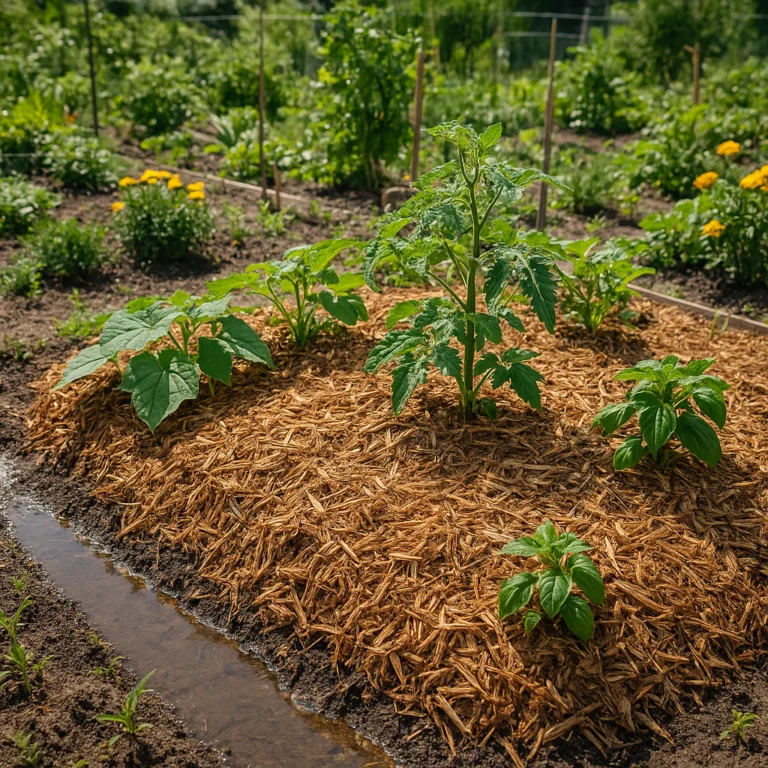
Why? Organic matter improves water retention in sandy soils and drainage in clay soils. It also feeds the soil microbiome. - Mulch is Magic: Once planted, apply a 2-3 inch layer of organic mulch (shredded bark, straw, or wood chips).
Benefits: Reduces evaporation by up to 70%, suppresses weeds, and keeps roots cool.
Brand Tip: Espoma Organic Mulch is a favorite among our team for its consistency and lack of weed seeds.
👉 Shop Espoma Mulch on: Amazon | Home Depot
Community Story: In our Portland plot, we had a section with heavy clay. We spent a weekend mixing in 4 inches of compost and covering it with straw mulch. The next summer, our Yarrow and Sedum were thriving while the unamended section next door was struggling. The soil prep made all the difference!
💧 Smart Irrigation Strategies: Water-Wise Techniques for Shared Spaces
Even drought-tolerant plants need water when they are first establishing. The key is efficiency. We don’t want to waste a drop!
Drip Irrigation: The Gold Standard
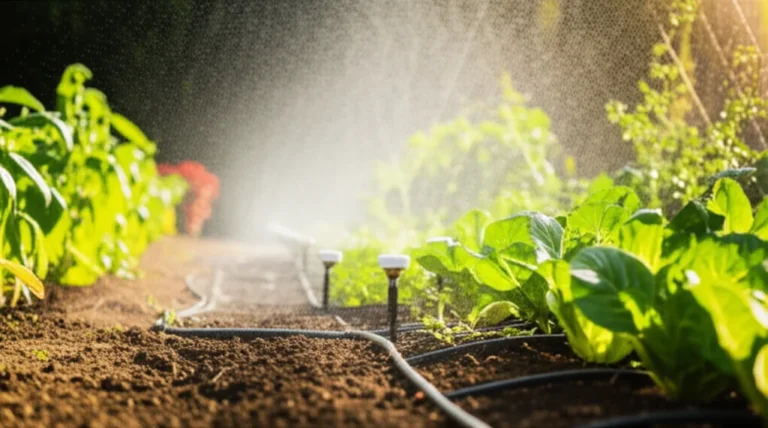
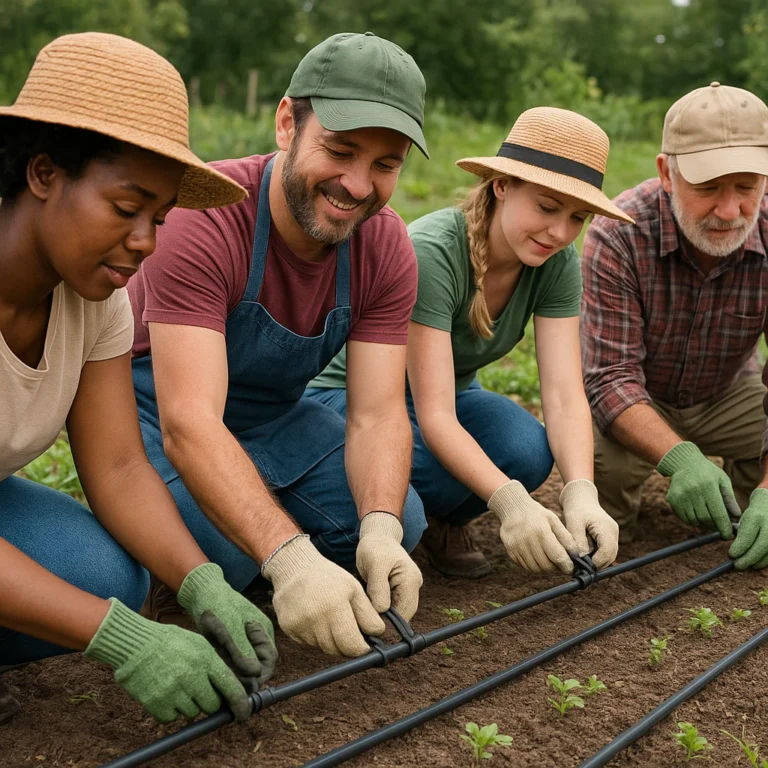
Forget sprinklers that spray water into the air where it evaporates. Drip irrigation delivers water directly to the root zone.
- Pros: 90% water efficiency, reduces weed growth, prevents fungal diseases on leaves.
- Cons: Requires initial setup and occasional maintenance.
Weather-Based Controllers
Why water when it’s going to rain? Modern controllers like the Rachio 3 or Orbit B-hyve connect to local weather stations and adjust watering schedules automatically.
- How it works: If rain is forecast, the system skips the cycle. If it’s hotter than usual, it adds a little extra water.
- Community Benefit: These can be managed centrally, ensuring the whole garden gets the right amount without individual plot owners guessing.
👉 Shop Rachio on: Amazon | Rachio Official
👉 Shop Orbit B-hyve on: Amazon | Orbit Official
Rainwater Harvesting
Capture the rain when it does fall! Install rain barrels under downspouts.
- Tip: Use a first-flush diverter to keep debris out of your barrel.
- Brand Note: Good Ideas makes excellent, aesthetically pleasing rain barrels that fit well in community spaces.
👉 Shop Good Ideas on: Amazon | Good Ideas Official
🐝 Pollinator Power: Why Drought-Tolerant Plants Are Bee and Butterfly Gold
Here’s a secret: Drought-tolerant plants are often the best food sources for pollinators.
Many native plants have co-evolved with local bees and butterflies. They produce nectar and pollen that are perfectly suited to local species. When you plant Coneflowers, Salvia, and Milkweed, you aren’t just saving water; you’re building a food web.
- The “Bloom Gap”: Many non-native, water-thirsty plants bloom early and then fade. Drought-tolerant natives often bloom in late summer when other gardens are brown, providing critical food for migrating monarchs and preparing bees for winter.
- Native vs. Non-Native: While some non-natives like Lavender are great, prioritizing native species ensures you support the specific pollinators in your region.
Fun Fact: A study by the Xerces Society found that native bees are often more efficient pollinators than honeybes, and they rely heavily on native, drought-tolerant plants for survival.
🚫 Common Mistakes: What NOT to Plant in a Water-Conservation Garden
Even the best intentions can go awry. Here are the pitfalls we’ve seen in community gardens:
- Planting “Thirsty” Plants in Dry Zones: Putting Hostas or Ferns in a full-sun, dry bed is a recipe for disaster. They need shade and moisture.
- Over-Watering Established Plants: Once a plant is established (usually after 1-2 years), it needs significantly less water. Over-watering can actually kill drought-tolerant plants by causing root rot.
- Ignoring Soil Prep: As mentioned earlier, planting in poor soil without amendments is a losing battle.
- Wrong Plant, Wrong Place: A plant that is drought-tolerant in Zone 9 might die in Zone 5. Always check your Hardiness Zone.
🏡 Designing for Impact: Xeriscaping Layouts for Community Plots
Designing a drought-tolerant garden isn’t just about slapping some rocks and succulents together. It’s about hardscape, grouping, and flow.
The 7 Principles of Xeriscaping
- Planning and Design: Map out your zones based on sun and water needs.
- Soil Improvement: Always amend the soil.
- Appropriate Plant Selection: Choose plants suited to your climate.
- Practical Turf Areas: Limit turf to functional areas only.
- Efficient Irrigation: Use drip systems.
- Mulch: Cover bare soil.
- Maintenance: Prune and weed regularly.
Grouping by Hydrozones
Group plants with similar water needs together. This prevents you from over-watering the dry-loving plants just to keep the thirsty ones alive.
- Zone 1 (High Water): Near the path or entrance, maybe a small vegetable patch.
- Zone 2 (Medium Water): Flower beds with perennials.
- Zone 3 (Low Water): The outer edges, rock gardens, and ground covers.
Design Tip: Use hardscaping like gravel paths, stepping stones, and raised beds to reduce the area that needs planting. This not only saves water but adds structure and accessibility for all community members.
🌍 Regional Considerations: Adapting Drought-Tolerant Plants to Your Climate Zone
What works in the desert of Arizona won’t necessarily work in the humid heat of Georgia. Context is king.
- Southwest (Zones 8-10): Focus on Agave, Yucca, and Ocotillo. These plants love intense heat and full sun.
- Mediterranean (Zones 9-1): Lavender, Rosemary, and Olive trees thrive here.
- Northeast/Midwest (Zones 4-7): Don’t despair! Coneflowers, Black-Eyed Susans, and Russian Sage are perfect for these regions. They handle cold winters and dry summers.
- Pacific Northwest: While known for rain, summers can be dry. Sedum, Ornamental Grasses, and Native Ferns (in shaded areas) work well.
Check your zone: Use the USDA Plant Hardiness Zone Map to find your specific zone before buying plants.
🤝 Community Engagement: Getting Neighbors on Board with Water Conservation
Changing a community garden’s culture can be harder than changing the soil. Some neighbors might think drought-tolerant means “ugly” or “dead.”
How to Win Them Over
- Education: Host a workshop on Xeriscaping. Show them the beauty of Sedum and the importance of pollinators.
- Demonstration: Create a “showcase bed” that is undeniably beautiful. When people see the vibrant colors of Blanket Flowers and Coneflowers, they’ll be sold.
- Incentives: Offer seeds or small plants to neighbors who adopt water-wise practices in their own plots.
- Signage: Use the example from Pasadena and install signs explaining the plants and the water savings.
Community Story: We had a neighbor who was skeptical about removing his lawn. We invited him to a “Garden Tour” of our drought-tolerant section. He was amazed by the Lavender and Sage. By the end of the season, he asked us to help him convert his own plot!
📊 Maintenance Calendar: Seasonal Care for Low-Water Landscapes
A drought-tolerant garden isn’t “no maintenance,” it’s “smart maintenance.”
| Season | Task | Why? |
|---|---|---|
| Spring | Pruning: Cut back dead growth from winter. | Encourages new growth and prevents disease. |
| Spring | Mulching: Refresh the mulch layer. | Locks in moisture for the hot months ahead. |
| Summer | Deep Watering: Water deeply but infrequently. | Encourages deep root growth. |
| Summer | Weding: Remove weeds early. | Weds compete for water. |
| Fall | Deadheading: Remove spent flowers. | Prevents self-seding if you want to control spread. |
| Fall | Irrigation Check: Drain and winterize systems. | Prevents pipe bursts in freezing temps. |
| Winter | Planning: Order seeds and plan next year’s layout. | Get ahead of the game! |
🏆 Conclusion

So, is it possible to have a lush, vibrant community garden that barely drinks a drop of water? Absolutely.
By choosing the right plants like Lavender, Coneflower, and Sedum, preparing the soil with love, and implementing smart irrigation strategies, we can create gardens that are not only beautiful but resilient. We’ve seen how these gardens can transform neighborhoods, save water, and bring people together.
Remember, the journey to a drought-tolerant garden starts with a single seed. Whether you’re in a scorching desert or a humid summer zone, there is a plant for you. Don’t let the fear of water restrictions stop you from gardening. Instead, let it inspire you to innovate and grow smarter.
Final Thought: The next time you see a brown patch in a community garden, ask yourself: “Could this be a pollinator paradise instead?” The answer is almost always yes.
🔗 Recommended Links
Ready to start your drought-tolerant journey? Here are our top picks for tools, books, and plants:
- Smart Irrigation Controllers:
Rachio 3: Amazon | Rachio Official
Orbit B-hyve: Amazon | Orbit Official - Drought-Tolerant Plants:
Proven Winners: Proven Winners Official
Burpee Seeds & Plants: Burpee Official - Books:
Xeriscape: A Guide to Water-Wise Gardening by the Colorado Water Conservation Board: Amazon
The Drought-Resilient Garden by Jennifer Bartley: Amazon - Mulch & Soil Amendments:
Espoma Organic Mulch: Amazon | Home Depot
Good Ideas Rain Barels: Amazon | Good Ideas Official
❓ FAQ: Your Burning Questions About Drought-Tolerant Gardening Answered

Can drought-tolerant plants improve soil health in community gardens?
Yes! Many drought-tolerant plants, especially legumes like Yarrow and certain native grasses, have deep root systems that break up compacted soil and improve aeration. Some, like Yarrow, are even nitrogen-fixers, adding nutrients back into the soil. This creates a healthier ecosystem for all plants in the garden.
Read more about “🌱 5 Ways Community Gardens Fuel Sustainability & Awareness (2026)”
How to design a community garden using drought-tolerant plants?
Start with hydrozoning: group plants by water needs. Use hardscaping to reduce the area that needs planting. Choose native plants adapted to your local climate. Incorporate mulch to retain moisture. Finally, install a drip irrigation system for efficient watering. Check out our Garden Design Ideas for more inspiration.
Read more about “Micro-Gardens for Urban Communities: 10 Game-Changing Ideas 🌿 (2026)”
What are low-maintenance drought-tolerant plants for shared garden spaces?
Sedum, Lavender, Russian Sage, Coneflower, and Black-Eyed Susan are excellent choices. They require minimal watering once established, are resistant to pests, and provide year-round interest.
Read more about “What Vegetables Are in a Community Garden? Top 15 Picks for 2026 🥕🌿”
How do drought-tolerant plants support sustainable community gardening?
They reduce water consumption, lower maintenance costs, and support local biodiversity by providing habitat for pollinators. They also reduce the need for chemical fertilizers and pesticides, creating a healthier environment for the community.
Read more about “💧 12 Water-Saving Secrets for Thriving Community Gardens (2026)”
Which native plants are drought-resistant and suitable for community gardens?
This depends on your region. In the Southwest, try Agave and Ocotillo. In the Northeast, Coneflower and Black-Eyed Susan are great. In the Pacific Northwest, Sedum and Native Ferns work well. Always check your local extension office for a list of native plants.
Read more about “10 Urban Gardening Trends to Transform Your City Space in 2026 🌿”
How can drought-tolerant plants benefit community gardens?
They save water, reduce maintenance time, attract pollinators, and create beautiful, resilient landscapes that can withstand climate change. They also serve as educational tools for the community.
Read more about “🌱 Community Garden Adult Education: 5 Paths to Mastery (2026)”
What are the best drought-tolerant plants for beginner gardeners?
Sedum, Coneflower, Black-Eyed Susan, and Yarrow are very forgiving and easy to grow. They are hardy, require little care, and are readily available at most nurseries.
Read more about “🌱 12 Common Community Gardening Challenges & Fixes (2026)”
What are the best drought-tolerant plants for community gardens?
The “best” plants depend on your climate, but Lavender, Coneflower, Sedum, Russian Sage, and Ornamental Grasses are universally popular for their beauty, resilience, and pollinator-friendly nature.
Read more about “🌱 10 Ways to Transform Community Gardens for People with Disabilities (2026)”
How can community gardens benefit from drought-resistant plants?
They can reduce water bills, lower maintenance costs, and create a more sustainable and resilient garden that can withstand extreme weather events. They also provide a beautiful space for the community to enjoy.
Which native plants are drought-tolerant and suitable for community gardens?
See the answer to “Which native plants are drought-resistant and suitable for community gardens?” above. It’s crucial to choose plants native to your specific region for the best results.
Read more about “12 Surprising Community Garden Benefits to the Global Community 🌍 (2026)”
How do drought-tolerant plants support sustainable community gardening?
See the answer to “How do drought-tolerant plants support sustainable community gardening?” above. They are a key component of sustainable gardening practices.
Read more about “🌿 12 Ways Gardens Crush the Urban Heat Island Effect (2026)”
What are easy-to-grow drought-tolerant plants for beginner gardeners?
See the answer to “What are the best drought-tolerant plants for beginner gardeners?” above. Sedum and Coneflower are top picks.
Read more about “What Plants Are Best for Urban Gardening? 🌿 Top 15 Picks for 2025”
How to design a community garden with drought-resistant plants?
See the answer to “How to design a community garden using drought-tolerant plants?” above. Focus on hydrozoning and native plants.
What maintenance tips help drought-tolerant plants thrive in community gardens?
Mulch heavily, water deeply but infrequently, prune dead growth in the spring, and weed regularly. Avoid over-watering, as this can be just as harmful as under-watering.
Read more about “🌿 15 Best Plants Perfect for Community Gardens (2026)”
📚 Reference Links
- USDA Plant Hardiness Zone Map: USDA
- Xeriscape Principles: Denver Water
- Pasadena Water and Power Demonstration Gardens: PWP
- Colorado Senate Bill 23-178: Colorado General Assembly
- The Xerces Society for Invertebrate Conservation: Xerces Society
- Proven Winners Plant Database: Proven Winners
- Burpee Gardening Resources: Burpee
- Espoma Organic Products: Espoma
- Good Ideas Rain Barels: Good Ideas
- Rachio Smart Sprinklers: Rachio
- Orbit Irrigation: Orbit
- Luster Leaf Soil Test Kits: Luster Leaf