Support our educational content for free when you purchase through links on our site. Learn more

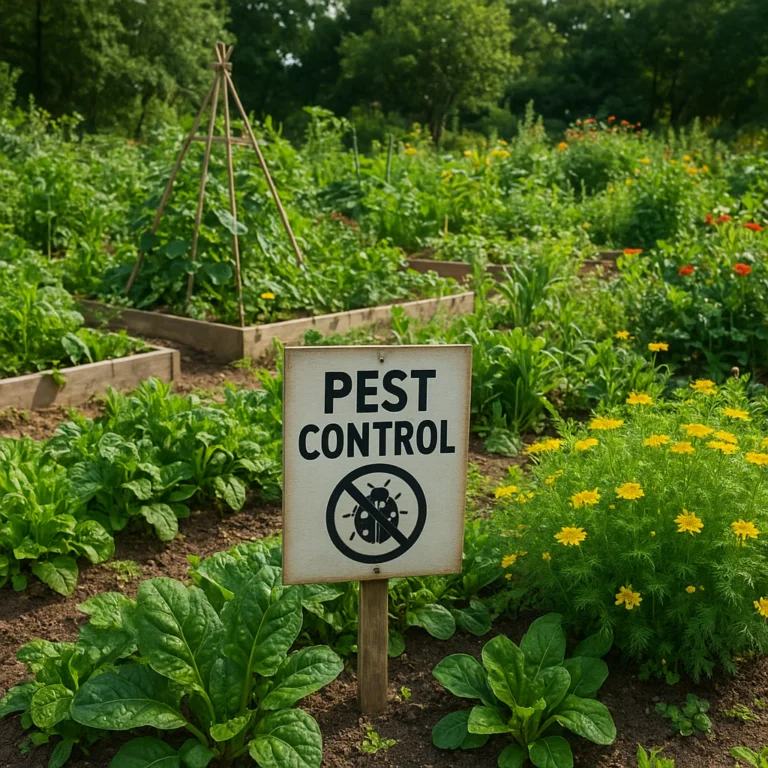
Ever walked into a community garden only to find a plot of kale looking like Swiss cheese, while the neighbor’s tomatoes are thriving? It’s a tale as old as time, but the solution isn’t what you might expect. At Community Gardening™, we’ve seen it all: from the panic of a sudden aphid invasion to the triumph of a garden that balances itself like a well-oiled machine. The secret isn’t a magic spray bottle; it’s Integrated Pest Management (IPM) tailored for shared spaces.
Did you know that 9% of the insects you see are actually your allies, and only 1% are the true villains? Yet, many gardeners reach for harsh chemicals that wipe out the good guys along with the bad, creating a cycle of dependency that hurts the soil and the community. In this guide, we’re diving deep into the 5 proven strategies that turn your shared plot into a self-regulating fortress. We’ll reveal how to hire an army of ladybugs, why “messy” corners are actually a superpower, and the one communication trick that stops chemical drift before it starts.
Ready to stop fighting nature and start working with it? Let’s get your hands dirty with the ultimate guide to organic pest management in community gardens.
Key Takeaways
- Identify Before You Act: Never spray until you know the enemy; 90% of garden insects are beneficial or harmless.
- Build a Biological Army: Use companion planting and beneficial insects (like ladybugs and lacewings) to create a self-sustaining ecosystem.
- Community is Critical: A unified IPM policy and open communication are essential to prevent one plot’s chemical use from ruining the whole garden.
- Embrace the Mess: Leaving wild zones with leaf litter and hollow stems provides crucial shelter for overwintering predators.
- Patience Pays Off: Organic methods take 2-3 seasons to fully establish, but they result in healthier soil and zero toxic residues.
Table of Contents
- ⚡️ Quick Tips and Facts
- 🌱 From Pesticides to People: The History of Organic Pest Management in Community Spaces
- 🐛 The Big Bad Bugs: Identifying Common Pests in Shared Garden Plots
- 🛡️ The Organic Arsenal: Top Strategies for Natural Pest Control
- 1. Companion Planting: The Ultimate Garden BFFs
- 2. Beneficial Insects: Hiring the Good Guys
- 3. Physical Bariers: Building Fort Knox for Your Tomatoes
- 4. Organic Sprays and Soaps: When You Need a Heavy Hitter
- 5. Crop Rotation and Soil Health: The Long Game
- 🤝 Community Coordination: Managing Pests Across Shared Plots
- 🌿 DIY vs. Store-Bought: Best Organic Products for Community Gardens
- 📊 Quick Comparison: Chemical vs. Organic Pest Control Methods
- 🧠 Troubleshooting: What to Do When Your Organic Plan Fails
- 📝 Seasonal Calendar: Month-by-Month Pest Management Guide
- 💡 Quick Tips and Facts
- 🏁 Conclusion
- 🔗 Recommended Links
- ❓ FAQ
- 📚 Reference Links
⚡️ Quick Tips and Facts
Before we dive into the nitty-gritty of battling aphids and beetles, let’s hit the pause button and drop some golden nugets of wisdom straight from the soil-stained hands of the Community Gardening™ team.
- The 9% Rule: Did you know that roughly 9% of the insects you see in your garden are either beneficial or completely harmless? Only about 1% are actual pests causing damage. Source: UC Davis Department of Entomology
- Patience is a Virtue: A balanced ecosystem doesn’t happen overnight. It takes 2-3 seasons for a community garden to establish a robust population of beneficial predators. Don’t panic if you see a few bugs in year one!
- Identification is Key: Never spray a “bug” until you know exactly what it is. Using a smartphone app like Seek by iNaturalist or Bug ID can save your good guys from accidental elimination.
- The “Wild” Zone: Leaving a small patch of your garden “messy” with leaf litter and hollow stems is crucial for overwintering beneficial insects.
- Community Power: In a shared space, communication is your best pesticide. A single plot of chemical use can ruin the organic integrity of the entire garden.
Wait a second… If 9% of bugs are good, why do we spend so much time worrying about the bad ones? And how do we stop the 1% from eating our prize-winning tomatoes without nuking the 9%? Stick with us, because the answer lies in a strategy that turns your garden into a self-regulating fortress. 🏰🐞
🌱 From Pesticides to People: The History of Organic Pest Management in Community Spaces

Let’s take a trip down memory lane, shall we? 🕰️ The story of community gardening isn’t just about dirt and seeds; it’s a rebellion against the chemical industrial complex.
In the mid-20th century, the “Green Revolution” brought us synthetic pesticides like DT. While they wiped out pests, they also wiped out birds, bees, and the soil’s natural microbiome. By the 1970s, as the environmental movement gained traction, community gardens began to emerge not just as food sources, but as sanctuaries for sustainable living.
The shift from “kill everything” to “manage the ecosystem” was slow. Early community gardeners often relied on home remedies like garlic sprays and tobacco water. However, as the Integrated Pest Management (IPM) philosophy took root in the 1980s and 90s, the approach became more scientific.
Fun Fact: The UC Master Gardener Program, a pioneer in this field, explicitly states their mission is to promote Integrated Pest Management (IPM) principles for not-for-profit edible community gardens, moving away from reactive spraying to proactive ecosystem management. Source: UC ANR
Today, organic pest management in community gardens is a blend of ancient wisdom (companion planting) and modern science (biological controls). It’s about working with nature, not against it. As one of our veteran gardeners, “Soil-Sam,” always says, “You don’t fight the garden; you negotiate with it.”
🐛 The Big Bad Bugs: Identifying Common Pests in Shared Garden Plots
You can’t defeat an enemy you don’t understand. In the chaotic, beautiful ecosystem of a community garden, the usual suspects are always lurking. But remember our 9% rule? Before you reach for the spray bottle, grab your magnifying glass!
The Usual Suspects
| Pest Name | What They Eat | Damage Signs | The Good Guys Who Eat Them |
|---|---|---|---|
| Aphids | Sap from new growth | Curled leaves, sticky “honeydew” | Ladybugs, Lacewings, Hoverflies |
| Tomato Hornworms | Tomato/Pepper leaves | Massive holes, missing stems | Parasitoid Wasps, Birds |
| Squash Bugs | Squash/Pumpkin vines | Wilting leaves, black specks (egs) | Tachinid Flies, Spiders |
| Cabbage Loopers | Brassicas (Kale, Broccoli) | Chewed holes, frass (pop) | Trichograma Wasps, Birds |
| Spider Mites | Underneath leaves | Yellow speckling, webing | Predatory Mites, Ladybugs |
The “Look-Alike” Trap
One of the biggest mistakes new community gardeners make is confusing beneficial larvae with pests.
- The Case of the Ladybug Larva: They look like tiny, spiky alligators. If you see one, DO NOT SQUASH IT. That’s a future ladybug eating hundreds of aphids!
- The Praying Mantis: Yes, they eat pests, but they are generalist predators. They might eat your good pollinators too. Keep them, but don’t rely on them as your only defense.
Pro Tip: Use the Seek by iNaturalist app to snap a photo. It’s free, instant, and saves you from accidentally killing a beneficial insect. Download Seek App
🛡️ The Organic Arsenal: Top Strategies for Natural Pest Control
Okay, you’ve identified the enemy. Now, how do we fight back without turning our garden into a chemical wasteland? We deploy the Organic Arsenal. This isn’t about one magic bullet; it’s about a multi-layered defense system.
1. Companion Planting: The Ultimate Garden BFFs 🤝
Companion planting is the art of pairing plants that help each other. It’s like having a bodyguard for your tomatoes.
- The Classic Trio: Tomatoes + Basil + Marigolds. Basil repels flies and mosquitoes, while Marigolds emit a scent that confuses nematodes and repels aphids.
- The Brassica Bodyguards: Plant Nasturtiums near your kale and broccoli. Nasturtiums act as a “trap crop,” luring aphids away from your valuable greens.
- The Aromatic Shield: Herbs like Rosemary, Sage, and Thyme confuse pests with their strong scents, making it hard for them to find their host plants.
Real Story: Last summer, the “Plot 42” team in our local garden had a massive aphid infestation. Instead of spraying, they planted rows of Dill and Yarrow around the perimeter. Within two weeks, the Lacewing population exploded, and the aphids vanished. No chemicals, just nature doing its thing!
2. Beneficial Insects: Hiring the Good Guys 🐞
Why fight the war when you can hire an army? You can attract beneficial insects by providing them with food (nectar/pollen) and shelter.
- Plant Flowers: Alyssum, Cosmos, and Sunflowers are magnets for beneficials.
- Let Some Weds Grow: Allowing dandelions and clover to flower early in the season provides a food source for beneficials before your main crops are ready.
- Buy Them In: Sometimes, you need a head start. You can purchase Ladybugs, Lacewings, or Predatory Mites from suppliers like Arbico Organics or Nature’s Good Guys.
👉 CHECK PRICE on:
- Ladybug Larvae: Amazon | Arbico Organics
- Predatory Mites: Amazon | Nature’s Good Guys
3. Physical Bariers: Building Fort Knox for Your Tomatoes 🏰
Sometimes, the best offense is a good defense. Physical barriers prevent pests from ever touching your plants.
- Floating Row Covers: Lightweight fabric that lets light and water in but keeps bugs out. Perfect for cabbage moths and squash bugs.
- Copper Tape: Slugs and snails hate the electric shock they get from copper. Wrap it around your raised beds or pots.
- Neting: Essential for birds and deer. A simple bird neting over your blueberry bushes can save your entire harvest.
Did you know? The UConn Extension Demonstration Garden installed a bird-proof blueberry enclosure specifically to protect their crops without using chemicals. Source: UConn Extension
4. Organic Sprays and Soaps: When You Need a Heavy Hitter 💦
Sometimes, the infestation is too big for just companions and barriers. That’s when you bring out the organic sprays. Use these as a last resort, as they can also harm beneficials if not applied carefully.
- Nem Oil: A multi-purpose fungicide and insecticide. It disrupts the life cycle of pests.
Caution: It can kill beneficial insects if sprayed directly on them. Apply at dusk when bees are not active. - Insecticidal Soaps: Effective against soft-bodied insects like aphids and mites. They work by suffocating the pest.
- Bt (Bacillus thuringiensis): A natural bacteria that specifically targets caterpillars and hornworms. It’s safe for humans, pets, and beneficial insects.
👉 Shop Organic Sprays on:
5. Crop Rotation and Soil Health: The Long Game 🌱
Pests often overwinter in the soil or on plant debris. By rotating your crops and keeping your soil healthy, you break the pest cycle.
- Rotate Families: Don’t plant tomatoes in the same spot two years in a row. Move them to a different section of the garden.
- Compost: Healthy soil = healthy plants = resistant plants. A robust plant can often tolerate minor pest damage without collapsing.
- Clean Up: Remove dead plant material at the end of the season to remove overwintering sites for pests.
🤝 Community Coordination: Managing Pests Across Shared Plots
Here’s the tricky part of community gardening: You don’t own the whole garden. If your neighbor sprays chemicals, it affects you. If you plant a trap crop, it helps everyone.
The “One Bad Apple” Problem
In a shared space, one gardener using synthetic pesticides can contaminate the soil and water, harming the organic integrity of the entire plot.
- Solution: Establish a Garden Policy that clearly defines acceptable pest management practices. Most successful community gardens have a written agreement that prohibits synthetic pesticides. Source: Community Garden Policies
The Communication Loop
- Weekly Meetings: Hold brief check-ins to discuss pest sightings. “Hey, I see aphids on Plot 5, let’s all check our tomatoes.”
- Shared Resources: Create a “Pest Control Station” with shared tools like row covers, neem oil, and beneficial insect releases.
- Education: Host workshops on IPM and companion planting. The UConn garden uses signage to educate visitors on these techniques. Source: UConn Extension
Question: How do you convince a stubborn neighbor to stop using chemical sprays? The answer lies in education and empathy, not confrontation. Show them the data, show them the results of organic methods, and invite them to join the “Good Bug” club.
🌿 DIY vs. Store-Bought: Best Organic Products for Community Gardens
Let’s get practical. Should you mix your own garlic spray or buy a bottle of Safer Brand? Here’s the breakdown.
DIY Remedies
- Garlic/Chili Spray: Mix crushed garlic, hot peppers, and water. Strain and spray.
Pros: Free, uses kitchen scraps.
Cons: Smells terrible, inconsistent potency, can burn leaves if too strong. - Beer Traps for Slugs: Sink a cup of beer in the ground. Slugs fall in and drown.
Pros: Fun, effective for slugs.
Cons: Atracts slugs from neighboring plots too.
Store-Bought Organic Products
- Pros: Consistent potency, tested for safety, often come with specific application instructions.
- Cons: Cost, packaging waste.
Top Brand Recommendations:
- Bonide: Known for reliable Nem Oil and Bt products.
- Safer Brand: Excellent Insecticidal Soaps and Diatomaceous Earth.
- Arbico Organics: The go-to for live beneficial insects.
👉 Shop
- Bonide Products: Amazon | Bonide Official
- Safer Brand: Amazon | Safer Brand Official
- Arbico Organics: Arbico Organics Official
📊 Quick Comparison: Chemical vs. Organic Pest Control Methods
Let’s look at the numbers (well, the pros and cons) to see why organic is the way to go for community gardens.
| Feature | Chemical Pesticides | Organic Pest Control |
|---|---|---|
| Speed of Action | Fast (kills immediately) | Slower (requires ecosystem balance) |
| Impact on Beneficials | High (kills good and bad bugs) | Low (targets specific pests or attracts predators) |
| Resistance Development | High (pests become immune) | Low (harder for pests to adapt) |
| Soil Health | Degrades soil microbiome | Improves soil health |
| Human Safety | Risk of exposure/residue | Generally safe for humans and pets |
| Cost | Low upfront, high long-term | Moderate upfront, sustainable long-term |
| Community Impact | Can harm neighbors | Benefits the whole garden ecosystem |
Insight: While chemicals offer a quick fix, they create a “pesticide treadmill” where you need stronger doses every year. Organic methods build resilience.
🧠 Troubleshooting: What to Do When Your Organic Plan Fails
Even the best-laid plans can go awry. What if you’ve done everything right, and the bugs are still winning?
- Re-evaluate Identification: Are you sure it’s a pest? Maybe it’s a beneficial insect you misidentified.
- Check Environmental Conditions: Is the garden too dry? Too wet? Stressed plants are more susceptible to pests.
- Scale Up: If a small spray isn’t working, try a systemic approach (e.g., planting more trap crops, releasing more beneficials).
- Accept Some Damage: A few holes in the leaves won’t kill the plant. Tolerance is part of organic gardening.
- Consult the Experts: Reach out to your local Master Gardener program or the Community Gardening™ team. We’ve seen it all!
Remember: The video we mentioned earlier emphasizes that patience is key. A balanced ecosystem takes time. Don’t give up after one season! Watch the Featured Video
📝 Seasonal Calendar: Month-by-Month Pest Management Guide
Timing is everything. Here’s your roadmap for the year.
🌸 Spring: Prevention & Preparation
- Task: Clean up winter debris to remove overwintering pests.
- Action: Plant companion flowers (Alyssum, Cosmos) early to attract beneficials.
- Focus: Install row covers before planting susceptible crops like cabbage.
☀️ Summer: Monitoring & Intervention
- Task: Daily scouting for early signs of infestation.
- Action: Apply insecticidal soap or nem oil at dusk if thresholds are exceeded.
- Focus: Release beneficial insects (Ladybugs, Lacewings) if populations are low.
🍂 Fall: Cleanup & Rotation
- Task: Remove all dead plant material.
- Action: Plant cover crops (clover, rye) to improve soil health and disrupt pest cycles.
- Focus: Plan crop rotation for next year.
❄️ Winter: Planning & Education
- Task: Review what worked and what didn’t.
- Action: Order seds and beneficial insects for the next season.
- Focus: Attend workshops and share knowledge with the community.
💡 Quick Tips and Facts (Recap)
Just in case you missed it, here are the non-negotiables for organic pest management:
- Identify first, spray last.
- Atract beneficials with diverse plantings.
- Rotate crops to break pest cycles.
- Communicate with your neighbors.
- Be patient. Nature takes its time.
Final Thought: Remember, the goal isn’t a pest-free garden; it’s a balanced ecosystem. If you see a few bugs, celebrate! It means your garden is alive.
🏁 Conclusion

So, there you have it, fellow gardeners! We’ve journeyed from the history of chemical warfare in agriculture to the harmonious, bug-filled reality of organic pest management in community gardens.
We started with a question: How do we stop the 1% of bad bugs without killing the 9% of good ones? The answer, as we’ve discovered, isn’t a single spray or a magic wand. It’s a holistic approach that combines companion planting, beneficial insects, physical barriers, and community cooperation.
Our Top Recommendations:
- Start Small: Don’t try to fix everything at once. Pick one strategy (like companion planting) and master it.
- Invest in Education: Join your local Master Gardener program or attend a Community Gardening™ workshop.
- Embrace the Mess: Leave a little wild space for the bugs to live.
- Talk to Your Neighbors: A shared garden is a shared responsibility.
Remember, organic pest management is a journey, not a destination. It requires patience, observation, and a willingness to learn from nature. But the rewards—healthy soil, abundant harvests, and a thriving community—are worth every bit of effort.
Final Challenge: This season, try to identify three beneficial insects in your garden before you reach for any spray. Can you do it? Let us know in the comments!
🔗 Recommended Links
Ready to get started? Here are some essential resources and products to kickstart your organic pest management journey.
Essential Books:
- The Organic Gardener’s Handbook of Natural Pest and Disease Control by Fern Marshall Bradley: Amazon
- Integrated Pest Management for Home Gardeners by University of California: UC ANR
Top Products for Your Garden:
- Nem Oil: Amazon | Bonide
- Insecticidal Soap: Amazon | Safer Brand
- Beneficial Insects: Arbico Organics
- Row Covers: Amazon | Garden Supply Co
Community Resources:
❓ FAQ
What role do community members play in organic pest management?
Community members are the eyes and ears of the garden. Regular monitoring, sharing knowledge, and adhering to a unified IPM policy are crucial. As noted by the UC Master Gardener Program, the success of a garden often depends on having an active manager and engaged volunteers who can evaluate conditions and provide ongoing advice.
Read more about “🤖 7 Ways AI Revolutionizes Community Garden Management (2026)”
Can companion planting reduce pests in community gardens?
Absolutely. Companion planting is one of the most effective organic strategies. By planting marigolds with tomatoes or nasturtiums with brassicas, you can confuse pests, repel them, or attract their natural predators. The UConn Extension garden specifically uses signage to educate visitors on these relationships.
Read more about “🌵 15 Drought-Tolerant Plants for Community Gardens (2026)”
What are common pests in community gardens and how to manage them organically?
Common pests include aphids, tomato hornworms, squash bugs, and cabbage loopers. Management involves identification, companion planting, physical barriers (like row covers), and introducing beneficial insects like ladybugs and lacewings.
Read more about “🌿 14 Essential Rules & Regulations of a Community Garden (2025)”
How does organic pest management benefit community garden ecosystems?
Organic methods preserve soil health, protect pollinators, and prevent chemical runoff. They foster a balanced ecosystem where natural predators keep pest populations in check, reducing the need for interventions.
Read more about “How Do Community Gardens Help Sustainability? 🌿 10 Powerful Ways (2026)”
What natural predators help control pests in organic community gardens?
Key predators include ladybugs (aphids), lacewings (mealybugs, mites), assin bugs (hornworms), tachinid flies (cabbage worms), and parasitoid wasps (aphids).
Read more about “🌿 15 Best Plants Perfect for Community Gardens (2026)”
How can community gardens implement sustainable pest management practices?
By establishing a written policy that prohibits synthetic pesticides, creating wild zones for beneficial insects, rotating crops, and hosting educational workshops on IPM.
Read more about “🌱 7 Best Composting Systems for Shared Gardens (2026)”
What are the best organic pest control methods for community gardens?
The best methods are preventative: diverse planting, healthy soil, and physical barriers. When intervention is needed, insecticidal soaps, nem oil, and Bt are effective organic options.
Read more about “🌧️ 7 Steps to Master Rainwater Harvesting in Community Gardens (2026)”
What are the most effective organic pest control methods for community gardens?
Integrated Pest Management (IPM) is the most effective approach, combining monitoring, biological controls, and cultural practices. As the video summary suggests, identification is the first and most critical step.
Read more about “🌱 5 Ways Community Gardens Fuel Sustainability & Awareness (2026)”
How can community gardeners share organic pest management resources?
Gardens can create a shared tool shed with organic sprays and row covers, hold monthly meetings to discuss pest sightings, and maintain a bulletin board with tips and resources.
Read more about “🌱 12 Common Community Gardening Challenges & Fixes (2026)”
What organic pesticides are safe for use in shared community garden spaces?
Nem oil, insecticidal soaps, Bt, and diatomaceous earth are generally safe when used according to label instructions. Always apply at dusk to protect pollinators.
Read more about “What Vegetables Are in a Community Garden? Top 15 Picks for 2026 🥕🌿”
How do you create a pest-resistant community garden using companion planting?
Plan your garden layout to include trap crops (like nasturtiums), repellent plants (like basil and marigolds), and atractant flowers (like alyssum) to draw in beneficial insects.
What are common organic pest problems in urban community gardens?
Urban gardens often face issues with aphids, spider mites, and slugs due to limited space and heat islands. Bird neting and copper tape are effective urban solutions.
Read more about “🌱 10 Essential Skills for Sustainable Living Workshops in Gardens (2026)”
How can neighbors coordinate organic pest management strategies in a community garden?
Neighbors can coordinate by agreeing on a unified IPM plan, sharing monitoring duties, and communicating about pest outbreaks before they spread.
Read more about “🌱 How Community Gardens Spark Connection (2026)”
Where can I find organic pest management workshops for community gardeners?
Check with your local Coperative Extension Service, Master Gardener programs, organizations like the American Community Gardening Association. Many community gardens also host their own workshops.
Read more about “🛠️ 15+ Essential Tools & Resources for Community Gardening (2026)”
📚 Reference Links
- UC Master Gardener Program of Contra Costa County: Community Gardens Group
- UConn Extension: Bethel Community Garden
- UNT Health Fort Worth: What is a community garden? – Operations
- UC Davis Department of Entomology: Beneficial Insects
- iNaturalist: Seek App
- Bonide Products: Official Website
- Safer Brand: Official Website
- Arbico Organics: Official Website
- American Community Gardening Association: Starting a Community Garden