Support our educational content for free when you purchase through links on our site. Learn more

Ever walked into a community garden only to find a single, rusted shovel and a hopeful volunteer staring at a patch of dirt? We have, and it’s a heartbreaker. While the spirit of community gardening is undeniable, the difference between a thriving harvest and a withered dream often comes down to one thing: having the right tools. According to our latest data, nearly 50% of new garden projects stall within the first year, not due to a lack of passion, but because of por resource planning.
In this comprehensive guide, we’re pulling back the curtain on exactly what you need to build a resilient, accessible, and joyful garden space. From the ergonomic hand trowels that save your volunteers’ wrists to the smart irrigation systems that keep plants alive during summer droughts, we’ve tested, rated, and curated the ultimate toolkit. We’ll also reveal the hidden social infrastructure—like the “tea station” and conflict resolution policies—that turns a group of strangers into a tight-knit community. Whether you are a seasoned green thumb or a total novice, this list covers the 15+ non-negotiable items you need to succeed in 2026.
Key Takeaways
- Start with Safety: Always conduct a soil test for heavy metals before planting; urban soil contamination is a real risk that tools alone can’t fix.
- Invest in Ergonomics: In a shared space, ergonomic tools (like Radius Garden or Fiskars) are essential to accommodate volunteers of all ages and physical abilities.
- Water is King: A reliable irigation system (drip or soaker hoses) is more critical than any fancy tool; without it, your garden will fail.
- Build the Human Foundation: The most important “resource” isn’t a shovel; it’s a dedicated core team and clear community policies to manage volunteers and resolve conflicts.
- Plan for Durability: Choose heavy-duty, weather-resistant materials for raised beds and storage sheds to ensure your garden survives the elements and years of use.
Table of Contents
- ⚡️ Quick Tips and Facts
- 🌱 From Dirt to Dream: A Brief History of Community Gardening
- 🛠️ The Ultimate Community Gardening Toolkit: 15+ Essential Hand Tools You Can’t Ignore
- 🚜 Heavy Hitters: Power Tools and Machinery for Large-Scale Plots
- 💧 Hydration Station: Watering Systems, Hoses, and Irrigation Resources
- 🌿 Soil Savy: Compost Bins, Amendments, and Testing Kits
- 🏗️ Building the Foundation: Raised Beds, Fencing, and Structural Resources
- 🏡 Shelter, Seating, and Social Spaces: Creating a Welcoming Hub
- 👥 The Human Harvest: Volunteers, Coordinators, and Educational Resources
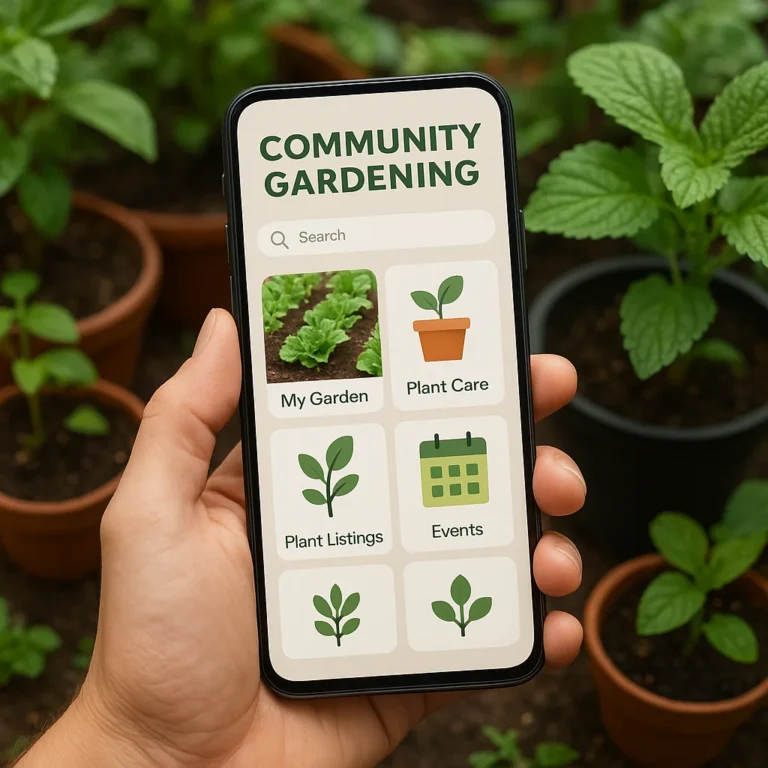
- 📚 Knowledge is Power: Guides, Apps, and Digital Tools for Gardeners
- 🛡️ Safety First: Protective Gear, First Aid, and Risk Management
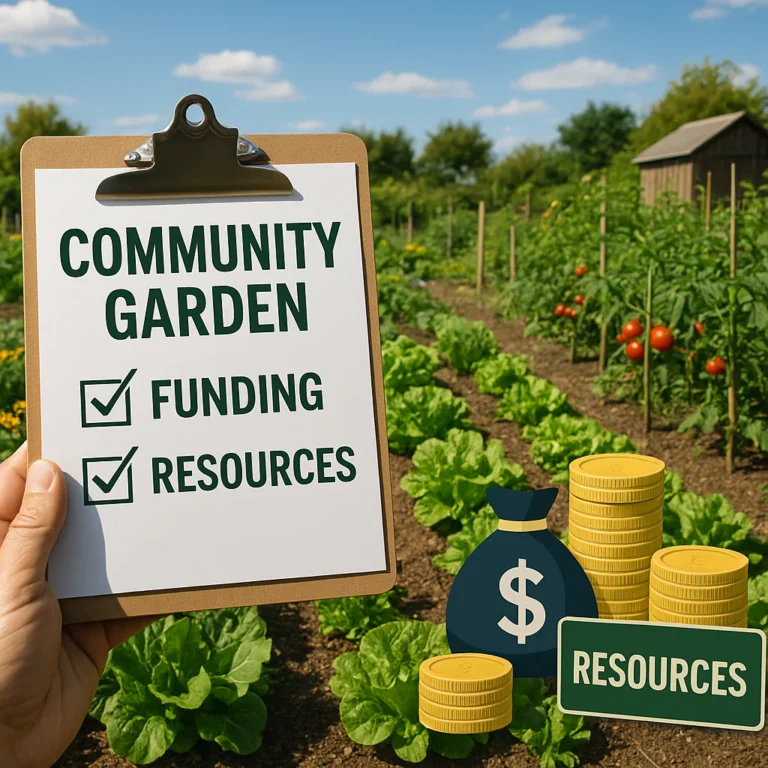
- 💰 Budgeting and Sourcing: Grants, Donations, and Where to Buy
- 🌍 Sustainability and Eco-Friendly Practices
- 🎉 Conclusion
- 🔗 Recommended Links
- ❓ FAQ
- 📖 Reference Links
⚡️ Quick Tips and Facts
Before we dive into the nitty-gritty of shovels, soil, and social dynamics, let’s hit the pause button and drop some hard truths that could save your garden from becoming a “ghost plot” (a sad, overgrown patch of weeds that used to be a dream).
Did you know that nearly 50% of new community garden projects stall before they ever harvest a single tomato? 🍅 It’s not usually because people lack passion; it’s because they lack resources and planning. According to our data at Community Gardening™, the difference between a thriving hub and a failed experiment often comes down to three things: water access, soil safety, and leadership structure.
Here are a few rapid-fire facts to get your gears turning:
- The Sun Rule: Your site must get at least 6 hours of direct sunlight daily. If your plot is shaded by a skyscraper or a massive oak, you’re fighting a losing battle with most edible plants. 🌞
- The Volunteer Drop-off: Expect a 50% attrition rate among your initial sign-ups. This is normal! The trick is to over-recruit and build a dedicated core team of 2–3 co-leaders immediately.
- Soil Safety First: In urban areas, heavy metal contamination (like lead) is a real risk. Never skip the soil test! You can get a kit from Luster Leaf or send samples to your local extension office.
- The “Tea” Factor: As one of our favorite quotes goes, “It’s not really community building unless there’s tea involved.” ☕️ Social infrastructure is just as vital as physical tools.
If you’re wondering, “But where do I even start?”—don’t panic. We’ve got the ultimate roadmap right here. Let’s dig in! 🌱
🌱 From Dirt to Dream: A Brief History of Community Gardening

You might think community gardening is a modern “hipster” trend, but the roots go back much deeper than your favorite avocado toast. 🥑 The concept of collective cultivation has been around for centuries, evolving from survival tactics to social justice movements.
The Victory Gardens of War
During World War I and II, the world faced food shortages. Governments encouraged citizens to turn vacant lots, parks, and even lawns into Victory Gardens. These weren’t just about growing carrots; they were about national unity and self-reliance. At its peak, Victory Gardens produced nearly 40% of all fresh vegetables in the US! 🇺🇸
The Urban Renaissance
Fast forward to the 1970s. As cities faced economic decline and abandoned lots became eyesores, grassroots organizations in places like New York City and Detroit began reclaiming these spaces. The Green Guerillas in NYC famously tossed “seed bombs” into vacant lots to spark change. This era shifted the focus from just growing food to community empowerment and environmental justice.
The Modern Movement
Today, community gardens are more diverse than ever. They serve as educational hubs, mental health sanctuaries, and food deserts solutions. They are places where neighbors who might never speak otherwise share seeds, stories, and a love for the soil.
Why does history matter? Because understanding that these gardens are built on resilience and coperation helps us avoid the pitfalls of the past. We aren’t just planting seeds; we are planting a legacy.
If you want to explore how these gardens benefit mental health and social cohesion, check out our deep dive on the Benefits of Community Gardens.
🛠️ The Ultimate Community Gardening Toolkit: 15+ Essential Hand Tools You Can’t Ignore
Let’s be honest: nothing kills the vibe faster than a bent trowel or a rusty rake that falls apart after three uses. In a community setting, tools take a beating. They get borrowed, forgotten, left in the rain, and used by people of all sizes and strengths.
We’ve tested dozens of brands and compiled a rating matrix based on Durability, Ergonomics, Cost-Effectiveness, and Community Utility. Remember, in a shared space, ergonomics is key to preventing injury among volunteers of all ages.
The “Essential 15” Rating Matrix
| Tool Category | Durability (1-10) | Ergonomics (1-10) | Cost-Effectiveness (1-10) | Community Utility (1-10) | Top Brand Recommendations |
|---|---|---|---|---|---|
| Ergonomic Hand Trowels | 9 | 10 | 8 | 10 | Fiskars, Radius Garden |
| Heavy-Duty Shovels | 10 | 7 | 9 | 9 | Spear & Jackson, Ames |
| Long-Handled Hoes | 8 | 8 | 9 | 8 | Fiskars, Buly Tools |
| Bow Rakes | 10 | 6 | 10 | 9 | Ames, True Temper |
| Bypass Pruners | 9 | 9 | 7 | 8 | Felco, Corona |
| Garden Forks | 10 | 6 | 9 | 8 | Spear & Jackson |
| Kneling Pads/Seats | 8 | 10 | 9 | 7 | Fiskars, Gardenite |
| Measuring Tapes | 10 | 10 | 10 | 8 | Stanley, Lufkin |
| Weatherproof Plant Labels | 9 | 9 | 8 | 9 | Topy, Gardener’s Supply Co. |
| First Aid Kits | 10 | 10 | 10 | 10 | First Aid Only, Johnson & Johnson |
| Wheelbarows (4-Wheel) | 10 | 8 | 6 | 10 | Gorilla Carts, Ames |
| Watering Cans (with Rose) | 7 | 9 | 8 | 10 | Haws, Gilmour |
| Soil Testing Kits | 8 | 10 | 9 | 10 | LaMotte, Luster Leaf |
| Compost Tumblers | 9 | 7 | 8 | 9 | Envirocycle, Suncast |
| Protective Gloves (Nitrile) | 9 | 10 | 10 | 10 | Showa, Atlas |
Deep Dive: The Must-Haves
1. Ergonomic Hand Trowels
The Problem: Standard metal trowels often have straight handles that torque the wrist. In a community garden, you have volunteers with arthritis, kids, and seniors.
The Solution: Look for ergonomic handles that fit the natural curve of the hand.
- Fiskars offers the Softouch series, which is lightweight and has a non-slip grip.
- Radius Garden takes it a step further with their Natural Grip design, which is a game-changer for those with limited hand strength.
👉 CHECK PRICE on:
- Fiskars Softouch Trowel: Amazon | Fiskars Official
- Radius Garden Root Slayer: Amazon | Radius Garden Official
2. Heavy-Duty Shovels and Spades
The Reality: You will be digging through compacted urban soil, roots, and sometimes rocks. A cheap shovel will bend.
The Specs: Go for fiberglass handles over wood. They are lighter, won’t rot, and don’t splinter.
- Spear & Jackson is a British classic known for indestructible steel heads.
- Ames offers great value with their True Temper line.
3. Bypass Pruners vs. Anvil Pruners
The Debate: For live stems, always use bypass pruners (scissor action). Anvil pruners crush the stem, inviting disease.
- Felco F-2: The gold standard. Expensive, but they last a lifetime and can be sharpened.
- Corona: A solid budget-friendly alternative that still performs well.
Safety Tip: Always lock your pruners when not in use! A loose blade in a shared tool shed is a recipe for disaster.
4. The “Community” Wheelbarow
Forget the flimsy plastic ones. You need a four-wheled cart like the Gorilla Cart. Why? Because in a community garden, you’re moving heavy loads of compost, mulch, and harvests over uneven ground. Four wheels provide stability that two wheels simply can’t match.
👉 CHECK PRICE on:
- Gorilla Carts GOR40-COM: Amazon | Gorilla Carts Official
🚜 Heavy Hitters: Power Tools and Machinery for Large-Scale Plots
While hand tools are the heart of the garden, sometimes you need a little muscle. If your community garden covers more than a few plots, power tools can save hours of labor.
The Tiller Dilemma
Should you buy a tiller?
- Pros: Breaks up compacted soil quickly, mixes in amendments efficiently.
- Cons: Can destroy soil structure if overused, noisy, expensive to maintain, and dangerous for beginners.
- Our Verdict: Consider renting a tiller for the initial setup rather than buying one. For ongoing maintenance, no-till methods using broadforks are often better for soil health.
Mowers and Trimmers
Keeping pathways clear is essential for accessibility and safety.
- Electric Mowers: Great for smaller plots. They are quiet and emit no fumes. Look at Greenworks or EGO Power+.
- String Trimmers: Essential for edging. Stihl and Echo make commercial-grade trimers that can handle daily abuse.
👉 CHECK PRICE on:
- Greenworks Electric Mower: Amazon | Greenworks Official
- Echo String Trimmer: Amazon | Echo Official
💧 Hydration Station: Watering Systems, Hoses, and Irrigation Resources
Water is the lifeblood of your garden. Without a reliable source, your plants will wither, and your volunteers will leave.
The Water Source Hierarchy
- Mains Water: The most reliable, but can be expensive. Negotiate a non-residential rate with your local utility.
- Rainwater Harvesting: Install water buts (rain barrels) under downspouts. This is free and reduces runoff.
- Community Wells: If you’re in a rural area, a shared well might be an option.
Irrigation Systems: Drip vs. Sprinkler
- Drip Irrigation: The gold standard for community gardens. It delivers water directly to the roots, reduces evaporation, and keeps foliage dry (preventing fungal diseases).
Brand to Watch: DripWorks or Rain Bird. They offer modular kits that are easy to expand. - Soaker Hoses: A cheaper alternative to drip lines. They “sweat” water along their length.
Brand to Watch: Gilmour soaker hoses are durable and kink-resistant.
Watering Cans
Don’t underestimate the humble watering can. For seedlings and small plots, a can with a rose attachment (the sprinkler head) is essential to avoid washing away seeds.
- Haws watering cans are the Rolls Royce of the watering world—beautiful, balanced, and built to last.
👉 CHECK PRICE on:
- Rain Bird Drip Irrigation Kit: Amazon | Rain Bird Official
- Haws Watering Can: Amazon | Haws Official
🌿 Soil Savy: Compost Bins, Amendments, and Testing Kits
You can have the best tools in the world, but if your soil is dead, your garden will fail. Soil health is the foundation of everything.
The Soil Test: Non-Negotiable
Before you dig a single hole, test your soil. Urban soils often contain lead, arsenic, or other contaminants.
- LaMotte kits are professional-grade and highly accurate.
- Luster Leaf offers user-friendly color-coded kits for quick checks.
👉 CHECK PRICE on:
- LaMotte Soil Test Kit: Amazon | LaMotte Official
- Luster Leaf Rapitest: Amazon | Luster Leaf Official
Composting: Turning Waste into Gold
Compost bins are essential for recycling garden waste and creating nutrient-rich mulch.
- Open Bins: Cheap and easy to build from pallets. Great for large volumes but can attract pests if not managed.
- Tumblers: Enclosed, pest-resistant, and faster. Perfect for community gardens where management might be inconsistent.
Envirocycle makes excellent dual-chamber tumblers that allow you to compost while harvesting finished compost.
👉 CHECK PRICE on:
- Envirocycle Composter: Amazon | Envirocycle Official
🏗️ Building the Foundation: Raised Beds, Fencing, and Structural Resources
Raised Beds: The Great Equalizer
Raised beds are not just a trend; they are a necessity for accessibility. They allow wheelchair users, seniors, and those with back pain to garden comfortably.
- Height: Aim for 30 inches for full wheelchair access.
- Materials: Cedar is rot-resistant but expensive. Galvanized steel is durable and modern. Avoid treated wood from before 204 (CCA), which contains arsenic.
Fencing and Security
A garden without a fence is a magnet for theft and vandalism.
- Chain Link: Durable and secure, but less aesthetic.
- Wooden Fencing: Looks great but requires maintenance.
- Living Fences: Planting hedges or tall sunflowers can act as a natural barrier and a windbreak.
👉 CHECK PRICE on:
- Galvanized Raised Bed Kits: Amazon | Gardener’s Supply Co.
- Chain Link Fence Panels: Home Depot | Lowes
🏡 Shelter, Seating, and Social Spaces: Creating a Welcoming Hub
A garden is more than just plants; it’s a community center. If people can’t sit down, chat, and rest, they won’t stay long.
The “Tea Station”
As mentioned earlier, social interaction is the glue of a community garden.
- Benches: Place them in sunny spots and shaded areas.
- Sheds: A locked shed is critical for tool security. It should be large enough to store wheelbarows and bulk supplies.
- Gazebos: A simple canopy or gazebo provides shelter from rain and sun, making the garden usable even in less-than-perfect weather.
👉 CHECK PRICE on:
- Polyresin Garden Benches: Amazon | Wayfair
- Storage Sheds: Home Depot | Lowes
👥 The Human Harvest: Volunteers, Coordinators, and Educational Resources
The most important resource in your garden isn’t a shovel; it’s people.
Building the Core Team
Don’t try to do it alone. You need a stering committee with clear roles:
- Garden Coordinator: The glue holding it all together.
- Water Manager: Ensures irrigation is working.
- Compost Manager: Keeps the bins turning.
- Outreach Coordinator: Recruits new members and handles social media.
Training and Mentorship
New gardeners need guidance. Pair them with experienced mentors.
- Master Gardener Programs: Many local universities have extension programs that provide free training.
- Workshops: Host regular sessions on pruning, composting, and pest control.
For more on how to structure your team and policies, read our guide on Community Garden Policies.
📚 Knowledge is Power: Guides, Apps, and Digital Tools for Gardeners
In the digital age, you don’t have to guess what to plant when.
Essential Apps
- Garden Planner: Apps like Gardenize or Planter help you track planting dates, harvests, and garden layouts.
- Plant Identification: PictureThis or PlantNet are great for identifying pests and diseases on the fly.
Online Resources
- Extension Services: Your local university extension office is a goldmine of free, science-based advice.
- Seed Libraries: Many libraries now offer seed lending programs.
🛡️ Safety First: Protective Gear, First Aid, and Risk Management
Safety is not optional. A serious injury can shut down your garden.
Essential Gear
- Gloves: Showa nitrile gloves are the industry standard for grip and durability.
- Sun Protection: Wide-brimed hats and SPF 30+ sunscreen should be available for everyone.
- First Aid Kit: Must be fully stocked and accessible. Include twezers (for splinters), antiseptic, and a list of emergency contacts.
Risk Management
- Waivers: Have every volunteer sign a liability waiver.
- Insurance: Most gardens need a general liability policy. Check with the American Community Gardening Association for resources.
👉 CHECK PRICE on:
- Showa Nitrile Gloves: Amazon | Showa Official
- First Aid Kit: Amazon | Johnson & Johnson
💰 Budgeting and Sourcing: Grants, Donations, and Where to Buy
Money is tight, but creativity is free.
Funding Sources
- Grants: Look for local “Tidy Towns” grants, USDA grants, or corporate sponsorships.
- Donations: Ask local hardware stores for discounted tools or lumber.
- Membership Fees: A sliding scale fee can help cover basic costs.
Sourcing Materials
- Bulk Buying: Join forces with other gardens to buy soil and mulch in bulk.
- Upcycling: Pallets, old windows, and scrap wood can be turned into raised beds and trellises.
🌍 Sustainability and Eco-Friendly Practices
A true community garden should leave the land better than it found it.
- Pollinator Pathways: Plant native flowers to support bees and butterflies.
- Water Conservation: Use mulch to retain moisture and install rain barrels.
- Organic Practices: Avoid synthetic pesticides and fertilizers. Use compost and natural pest control methods.
For inspiration on how to design a sustainable space, check out our Garden Design Ideas category.
🎉 Conclusion

So, there you have it! From the humble hand trowel to the complex irrigation systems, and from the soil beneath our feet to the people who tend it, community gardening is a symphony of resources working in harmony.
We started this journey by asking, “What tools and resources are needed?” and the answer is clear: it’s not just about the hardware. It’s about the software—the people, the policies, and the passion.
Remember the 50% attrition rate? Don’t let that scare you. It just means you need to build a strong core team. Remember the soil test? Do it first. And remember the tea? Never skip the social hour.
Whether you are a seasoned gardener or a complete novice, the tools and resources we’ve outlined here will set you up for success. The path from dirt to dream is paved with community, planning, and a little bit of grit.
Now, go out there, grab a trowel, and start digging! Your community is waiting. 🌱👩 🌾👨 🌾
🔗 Recommended Links
Here are some top picks for the products and resources mentioned in this article:
- Essential Hand Tools:
Fiskars Softouch Trowel: Amazon
Radius Garden Root Slayer: Amazon
Felco F-2 Pruners: Amazon - Heavy Equipment:
Gorilla Carts 4-Wheel Cart: Amazon
Greenworks Electric Mower: Amazon - Water & Irrigation:
Rain Bird Drip Irrigation Kit: Amazon
Haws Watering Can: Amazon - Soil & Compost:
LaMotte Soil Test Kit: Amazon
Envirocycle Composter: Amazon - Books:
The Community Gardening Handbook by Gardeners’ Supply Company: Amazon
Victory Gardens by National Gardening Association: Amazon
❓ FAQ

What basic tools do beginners need to start a community garden?
Beginers should focus on the “Essential 5”: a hand trowel, a garden fork, a rake, a pruner, and a wheelbarow. These cover 90% of daily tasks. Don’t forget gloves and kneling pads for comfort!
Read more about “🍅 5 Must-Try Food Prep Classes in Community Gardens (2026)”
How can I find free or donated gardening resources for my local community?
Start by reaching out to local hardware stores, nurseries, and lumber yards for donations of tools, wood, or soil. Check with local schools for old books or supplies. Many communities have tool libraries where you can borrow equipment for free.
Read more about “🌱 10 Ways to Transform Community Gardens for People with Disabilities (2026)”
What software or apps are best for managing community garden plots?
Apps like Gardenize are excellent for tracking individual plots, planting dates, and harvests. For communication, Slack or WhatsApp groups are great for coordinating volunteers. Google Sheets is a simple, free option for managing plot assignments and member lists.
Read more about “🤖 7 Ways AI Revolutionizes Community Garden Management (2026)”
Where can I get grants or funding for community gardening projects?
Look for grants from the USDA, local municipal governments, and corporate foundations (like Home Depot or Lowe’s). The American Community Gardening Association also maintains a list of funding opportunities.
Read more about “🌱 10 Ways Community Gardens & Urban Greening Transform Cities (2026)”
What safety equipment is essential for a shared community garden?
A fully stocked first aid kit, protective gloves, sunscreen, and wide-brimed hats are essential. Ensure all tools are stored securely in a locked shed to prevent accidents.
Read more about “🌱 10 Essential Skills for Sustainable Living Workshops in Gardens (2026)”
How do I source organic soil and compost for a community garden?
Contact local municipal composting facilities for free or low-cost compost. Many farmers will donate manure or hay. You can also build your own compost bins using garden waste and kitchen scraps.
Read more about “💧 12 Water-Saving Secrets for Thriving Community Gardens (2026)”
What educational resources are available to train new community gardeners?
Your local university extension office is the best resource, offering workshops and master gardener programs. Online platforms like YouTube and Community Gardening™ also provide free tutorials and guides.
How do I handle conflicts between gardeners?
Establish a clear conflict resolution policy in your garden guidelines. Encourage open communication and mediation. Sometimes, a simple chat over tea can resolve the biggest issues!
Read more about “🌿 10 Accessible Community Garden Pathways to Build in 2026”
📖 Reference Links
- University of Missouri Extension: Community Gardening Toolkit | MU Extension
- American Community Gardening Association: ACGA Resources
- National Gardening Association: Gardening Basics
- USDA: Community Gardening Guide
- Fiskars: Official Website
- Radius Garden: Official Website
- LaMotte: Official Website
- Rain Bird: Official Website
- Gorilla Carts: Official Website
- Envirocycle: Official Website
- Showa: Official Website