Support our educational content for free when you purchase through links on our site. Learn more

Ever wondered why some community gardens flourish into vibrant hubs of connection while others crumble into overgrown weeds within a single season? The secret isn’t just in the soil; it’s in the strategy. At Community Gardening™, we’ve seen it all: from the triumphant harvest of a perfectly planned plot to the heartbreak of a “borrowed” trowel that never returned. Did you know that nearly 50% of new community garden projects stall before their first harvest, often due to a lack of proper resource management rather than a lack of passion?
In this comprehensive guide, we’re pulling back the curtain on exactly what tools and resources are needed to start a community garden. We’ll walk you through our curated list of 15 must-have tools—from the ergonomic hand trowels that save your wrists to the industrial wheelbarrows that move mountains of compost. But we won’t stop there. We’ll also reveal the hidden human resources and funding strategies that turn a simple dirt patch into a living classroom. Whether you’re a seasoned horticulturist or a curious beginner, get ready to discover the essential toolkit that will make your garden not just survive, but thrive.
Key Takeaways
- Preparation is Paramount: Success hinges on securing reliable water access and conducting soil safety tests before breaking ground.
- The Essential 15: A community garden requires a specific set of 15 durable tools, including ergonomic trowels, heavy-duty spades, and industrial-grade carts, to handle high-traffic usage.
- Community Over Crops: The most critical resource is a dedicated leadership team and clear volunteer management strategies to prevent burnout.
- Smart Sourcing: Invest in high-quality, branded tools (like Fiskars, Showa, and Spear & Jackson) that offer warranties and durability, rather than cheap alternatives that break quickly.
- Sustainable Growth: Utilize rainwater harvesting, composting systems, and local grants to ensure long-term financial and environmental viability.
Table of Contents
- ⚡️ Quick Tips and Facts
- 📜 The Roots of the Movement: A Brief History of Urban Agriculture and Shared Spaces
- 🌱 How to Start a Community Garden: From Dirt to Deliciousness
- 🛠️ The Essential Toolkit: 15 Must-Have Tools for Every Shared Plot
- 1. Ergonomic Hand Trowels for Precision Planting
- 2. Heavy-Duty Garden Spades and Shovels
- 3. Long-Handled Hoes for Weed Control
- 4. Bow Rakes and Leaf Rakes for Ground Prep
- 5. Bypass Pruners and Loppers for Maintenance
- 6. Industrial-Grade Wheelbarrows and Garden Carts
- 7. High-Flow Hoses, Nozzles, and Watering Cans
- 8. Soil Testing Kits for Nutrient Management
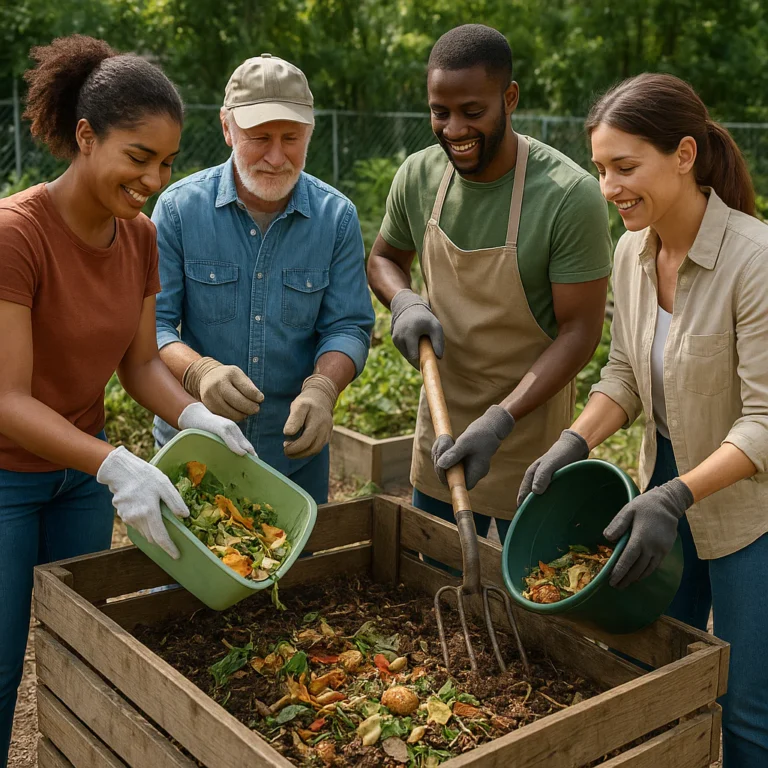
- 9. Durable Composting Bins and Tumblers
- 10. Protective Gear: Gloves, Hats, and Sunscreen
- 11. Garden Forks for Aerating and Turning
- 12. Kneeling Pads and Garden Seats
- 13. Measuring Tapes and String Lines for Plot Layout
- 14. Weatherproof Signage and Plant Labels
- 15. Fully Stocked First Aid Kits and Safety Stations
- 💰 Resource Management: Securing Land, Water, and Funding
- ✨ Optional Extras: Leveling Up Your Green Space
- 🦋 A Living Classroom: Lessons in Nature and Biodiversity
- 🧘 Therapeutic Horticulture: Why Gardening is Good for the Soul
- 🥧 Rhubarb and Beyond: Growing, Caring for, and Eating Your Harvest
- 🛑 Do Not Burn Yourselves Out: Managing Volunteers and Expectations
- 🤝 Conclusion
- 🔗 Recommended Links
- ❓ FAQ
- 📚 Reference Links
⚡️ Quick Tips and Facts
Before we dive into the nitty-gritty of shovels, soil, and the occasional existential crisis over a wilting lettuce, let’s hit the rewind button on some critical truths about starting a community garden. We’ve seen gardens bloom into thriving hubs and others wither away like forgotten houseplants, and the difference often comes down to preparation.
Here is the lowdown from our team at Community Gardening™:
- Water is King: You can have the best soil in the world, but without a reliable water source, your garden is just a very expensive dirt patch. As noted by experts at Greenside Up, gardening is “difficult, though not impossible” without water on tap, but in a community setting, it’s a non-negotiable for success. Learn more about water conservation strategies here.
- The 50% Drop-Out Rule: According to MU Extension, expect about 50% of your initial enthusiastic volunteers to fade away before the first harvest. This isn’t a failure; it’s a filter. The key is to have a core leadership team ready to step up.
- Soil Safety First: Never skip the soil test! Urban soils can hide heavy metals like lead. A simple test kit can save your community from health hazards. Check out our guide on soil testing.
- The “Showa” Standard: When it comes to gloves, don’t skimp. Our team swears by Showa gloves for their durability and grip, a sentiment echoed by many experienced community gardeners.
- Community > Crops: Remember, as Cultivation Street puts it, “It’s not really community building unless there’s tea involved.” The social infrastructure is just as vital as the physical one.
Why do some gardens fail within the first year? Is it the soil? The weather? Or perhaps a lack of the right tools? We’ll uncover the answer later, but for now, grab your notebook and let’s get digging.
📜 The Roots of the Movement: A Brief History of Urban Agriculture and Shared Spaces

You might think community gardens are a trendy 21st-century phenomenon, a result of the “farm-to-table” Instagram aesthetic. But scratch the surface, and you’ll find that the roots of the movement go back centuries, driven by necessity, war, and a deep human need to connect with the earth.
From Victory Gardens to Green Havens
During World War I and II, “Victory Gardens” were a patriotic duty. They weren’t just about growing carrots; they were about food security and national morale. In the US alone, these gardens produced nearly 40% of the nation’s fresh vegetables during WWII. Fast forward to the 1970s, when urban decay in cities like New York led to the “Green Guerrillas” tossing seed bombs into vacant lots, sparking the modern community garden revival.
“Community gardening is as much about ‘community’ as it is ‘gardening’.” — MU Extension
This philosophy remains the bedrock of our work today. We aren’t just growing food; we are growing social capital.
The Evolution of Shared Resources
Historically, the tools were communal by necessity. In the early days, a single spade might be shared among ten families. Today, the challenge has shifted from access to management. How do you ensure that the essential toolkit is maintained, shared fairly, and never lost to the weeds?
The history of these spaces teaches us that resilience is key. Whether it was a farmer in the 1940s or a teacher in 2024, the need for shared resources remains constant. But the scale and complexity have grown. We now need to consider accessibility, liability insurance, and digital communication tools.
Did you know? The first recorded community garden in the US was in Detroit in 1893, created to help the unemployed during an economic depression. It was a lifeline, much like the gardens we build today.
🌱 How to Start a Community Garden: From Dirt to Deliciousness
So, you’ve got the itch. You want to turn that vacant lot into a verdant oasis. But where do you start? It’s not just about buying a trowel and digging a hole. It’s about orchestrating a symphony of people, land, and resources.
Step 1: Assemble Your Core Team
Before you even look at a plot of land, you need people. As MU Extension suggests, aim for at least 10 interested individuals to form a steering committee.
- The Visionaries: Those who dream of the polytunnel.
- The Pragmatists: Those who know how to negotiate a lease.
- The Social Butterflies: Those who will organize the tea parties.
Pro Tip: Don’t try to do it alone. A leadership team of 2-3 co-leaders is essential to prevent burnout.
Step 2: Secure the Land and Water
This is where many dreams hit a wall. You need a site that gets 6 hours of sunlight and has reliable water access.
- Lease Negotiation: Aim for a 3-year minimum lease. You need stability to justify building infrastructure.
- Water Rights: Check local regulations. Can you install a hydrant? Can you harvest rainwater? As Greenside Up notes, “Without a few tools the group will struggle,” and without water, the struggle is guaranteed.
Step 3: Soil Testing and Safety
Before breaking ground, test your soil. Urban soils can be contaminated with lead or arsenic.
- Action: Contact your local University Extension office or use a home test kit.
- Solution: If contamination is found, build raised beds with clean soil. This is a non-negotiable safety measure.
Step 4: Design and Layout
Now, the fun part! Design your plots, pathways, and common areas.
- Accessibility: Ensure paths are wide enough for wheelchairs.
- Zoning: Separate the “kids’ zone” from the “heavy machinery zone.”
- Social Spaces: Don’t forget the seating! As Cultivation Street says, “It’s not really community building unless there’s tea involved.”
Wait, what about the tools? You might be wondering, “I have the land, I have the people, but what do I actually need to get the job done?” That’s the million-dollar question. And the answer is more nuanced than just a list of items. It’s about strategy.
🛠️ The Essential Toolkit: 15 Must-Have Tools for Every Shared Plot
Here is the moment you’ve been waiting for. The Essential Toolkit. But hold your horses! We aren’t just listing tools; we are curating a survival kit for your community.
Why 15? Because a community garden is a high-traffic environment. You need redundancy. If one person forgets their trowel, another must have one. If a wheelbarrow breaks, there must be a backup.
📊 Tool Rating & Selection Matrix
We’ve evaluated these tools based on Durability, Ergonomics, Cost-Effectiveness, and Community Utility.
| Tool Category | Durability (1-10) | Ergonomics (1-10) | Cost-Effectiveness (1-10) | Community Utility (1-10) |
|---|---|---|---|---|
| Ergonomic Hand Trowels | 9 | 10 | 8 | 10 |
| Heavy-Duty Spades | 10 | 7 | 9 | 9 |
| Long-Handled Hoes | 8 | 8 | 9 | 8 |
| Bow Rakes | 10 | 6 | 10 | 9 |
| Bypass Pruners | 9 | 9 | 7 | 8 |
| Industrial Wheelbarrows | 10 | 8 | 6 | 10 |
| High-Flow Hoses | 7 | 9 | 8 | 10 |
| Soil Testing Kits | 8 | 10 | 9 | 10 |
| Compost Bins | 9 | 7 | 8 | 9 |
| Protective Gloves | 9 | 10 | 10 | 10 |
| Garden Forks | 10 | 6 | 9 | 8 |
| Kneeling Pads | 8 | 10 | 9 | 7 |
| Measuring Tapes | 10 | 10 | 10 | 8 |
| Weatherproof Signage | 9 | 9 | 8 | 9 |
| First Aid Kits | 10 | 10 | 10 | 10 |
Note: Ratings are based on our team’s experience with various brands and community usage patterns.
1. Ergonomic Hand Trowels for Precision Planting
The hand trowel is the Swiss Army knife of the garden. It’s used for planting, weeding, and digging small holes.
- Why it matters: In a community setting, you need trowels that fit different hand sizes.
- Our Pick: Fiskars and Radius Garden offer ergonomic handles that reduce wrist strain.
- Pro Tip: Buy in bulk! You’ll lose them. It’s a law of the garden.
👉 Shop Fiskars Trowels on: Amazon | Fiskars Official
2. Heavy-Duty Garden Spades and Shovels
As the video summary mentioned, a pointed shovel is essential for breaking up soil and moving mulch.
- The Debate: Round point vs. Square point. Round points are better for digging; square points are better for edging.
- Recommendation: Get at least two of each. Look for fiberglass handles which are lighter and won’t rot like wood.
- Brand Spotlight: Spear & Jackson is a classic choice for durability.
👉 Shop Spear & Jackson Shovels on: Amazon | Spear & Jackson Official
3. Long-Handled Hoes for Weed Control
Weeding is the bane of every gardener’s existence. A long-handled hoe allows you to stand up and work, saving your back.
- Function: Perfect for slicing weeds at the root level.
- Community Tip: Label these clearly. They are often the first to get “borrowed” and never returned.
4. Bow Rakes and Leaf Rakes for Ground Prep
You need a bow rake (also known as a garden rake) for leveling beds and spreading mulch. A leaf rake is for clearing debris.
- Distinction: Don’t use a leaf rake for soil prep; it will bend.
- Durability: Look for stainless steel tines to prevent rust.
5. Bypass Pruners and Loppers for Maintenance
Harvesting herbs, cutting back tomatoes, or pruning roses requires sharp bypass pruners.
- Safety: Always lock them when not in use.
- Recommendation: Felco pruners are the gold standard, though they are an investment. For a community garden, a mix of Felco (for pros) and Corona (for general use) works well.
👉 Shop Felco Pruners on: Amazon | Felco Official
6. Industrial-Grade Wheelbarrows and Garden Carts
Transporting compost, soil, and harvest is heavy lifting. A wheelbarrow with a pneumatic tire is a must.
- The “Booster” Tip: As Greenside Up suggests, adding a “booster” (a second wheel or a dolly attachment) can make handling heavy loads much easier for volunteers of all ages.
- Alternative: Garden carts with four wheels are more stable on uneven ground.
👉 Shop Gorilla Carts on: Amazon | Gorilla Carts Official
7. High-Flow Hoses, Nozzles, and Watering Cans
Water is life. You need high-flow hoses that don’t kink and multi-headed sprayers for overhead watering.
- Rainwater Harvesting: Attach leaky hoses to rain barrels for a slow, steady drip irrigation system, a trick that “worked really well” according to Greenside Up.
- Watering Cans: Essential for containers and seedlings. Get ones with a rose attachment to avoid washing away seeds.
8. Soil Testing Kits for Nutrient Management
You can’t guess what your soil needs. A soil test kit is your first line of defense against nutrient deficiencies.
- Action: Test annually.
- Brand: Luster Leaf or LaMotte kits are reliable for home use.
👉 Shop LaMotte Soil Test Kits on: Amazon | LaMotte Official
9. Durable Composting Bins and Tumblers
Compost is the black gold of the garden. You need a system that works.
- Options: Tumblers are great for speed and pest control. Open bins (made from pallets) are cheaper and good for large volumes.
- Management: Create a rota to ensure the pile doesn’t get too wet or too dry.
👉 Shop Envirocycle Composters on: Amazon | Envirocycle Official
10. Protective Gear: Gloves, Hats, and Sunscreen
“I swear by Showa gloves,” says one expert. We agree.
- Gloves: Get a mix of sizes. Nitrile-coated gloves offer great grip.
- Sunscreen: Provide a communal bottle of SPF 30+.
- Hats: Wide-brimmed hats are essential for summer workdays.
👉 Shop Showa Gloves on: Amazon | Showa Official
11. Garden Forks for Aerating and Turning
A garden fork is essential for turning compost and aerating compacted soil.
- Usage: Unlike a spade, it doesn’t cut roots, making it perfect for digging around established plants.
12. Kneeling Pads and Garden Seats
Not everyone can squat for hours. Kneeling pads and garden seats (which double as stools) are crucial for accessibility.
- Inclusivity: This is a key part of making your garden welcoming to seniors and those with mobility issues.
13. Measuring Tapes and String Lines for Plot Layout
Precision matters. Use measuring tapes and string lines to ensure your plots are uniform and your rows are straight.
- Tip: Use bright colored string so it’s easy to see.
14. Weatherproof Signage and Plant Labels
Confusion leads to conflict. Clear signage for plot assignments, rules, and plant identification is vital.
- Materials: Use metal or plastic tags that won’t rot.
15. Fully Stocked First Aid Kits and Safety Stations
Accidents happen. A fully stocked first aid kit must be visible and accessible at all times.
- Contents: Bandages, antiseptic, tweezers (for splinters), and a list of emergency contacts.
Wait, is that all? You might think, “Great, I have the tools. Now I just need to buy them and start digging.” But hold on! What about the optional extras that turn a garden into a thriving ecosystem? And how do you manage the human element so you don’t burn out? We’ll get to that next.
💰 Resource Management: Securing Land, Water, and Funding
You have your tools, but do you have the resources to sustain them? This is where the rubber meets the road.
Land Acquisition Strategies
Finding land is often the hardest hurdle.
- Public Land: Approach city councils for vacant lots.
- Private Partnerships: Partner with schools, churches, or businesses.
- Lease Terms: Always get it in writing. A 3-year lease is the minimum recommended by MU Extension to justify infrastructure investment.
Water Infrastructure
Water is the lifeblood of your garden.
- Mains Water: Ideal but expensive. Negotiate a reduced rate with the utility company.
- Rainwater Harvesting: Install water butts and leaky hoses. As Greenside Up notes, this is a “free resource with no chemicals added.”
- Irrigation Systems: Consider drip irrigation for efficiency.
Funding and Grants
Community gardens are expensive. Where does the money come from?
- Member Fees: A sliding scale fee ensures accessibility.
- Grants: Look for local Tidy Towns grants, GIY International funds, or corporate sponsorships.
- Fundraising: Host events, sell plants, or ask local businesses to sponsor a tool shed.
Did you know? Many gardens start with a “tool drive” where locals donate their old tools. It’s a great way to build community before the first seed is planted.
✨ Optional Extras: Leveling Up Your Green Space
Once the basics are covered, it’s time to add the extras that make your garden special. These aren’t strictly necessary, but they elevate the experience.
Polytunnels and Greenhouses
A polytunnel extends your growing season and protects plants from harsh weather.
- Benefit: It can serve as an “indoor classroom” for educational programs.
- Cost: High, but worth it for year-round production.
Raised Beds for Accessibility
While we mentioned them earlier, raised beds deserve a special mention as an “extra” for those who can’t afford them initially.
- Design: Build them to wheelchair height (approx. 30 inches).
- Material: Use untreated wood or composite materials.
Seating and Social Areas
As Cultivation Street emphasizes, “It’s not really community building unless there’s tea involved.”
- Ideas: Build benches from pallets, install a picnic table, or create a “chat corner” with a gazebo.
Educational Tools
- Seed Saving Stations: Teach volunteers how to save seeds for next year.
- Biodiversity Zones: Create a “bug hotel” or a wildflower patch to attract pollinators.
But wait, what about the people? You can have the best tools and the fanciest polytunnel, but if the volunteers are exhausted and the community is fractured, the garden will fail. How do you keep the human spirit alive?
🦋 A Living Classroom: Lessons in Nature and Biodiversity
A community garden is more than a food factory; it’s a living classroom. It’s a place where children learn where food comes from, where adults reconnect with nature, and where biodiversity thrives.
Biodiversity in Action
By planting a variety of crops and leaving some areas wild, you create a habitat for bees, butterflies, and birds.
- Impact: Studies show that urban gardens can increase local biodiversity by up to 30%.
- Action: Plant native flowers, install bird baths, and avoid pesticides.
Educational Programs
Partner with local schools to create curriculum-based programs.
- Topics: Soil health, plant life cycles, and nutrition.
- Outcome: Students gain hands-on experience and a deeper appreciation for the environment.
Inspiration: Look at the Biodiversity Garden at Laois Education Support Centre, which serves as a model for how gardens can teach educators and students alike about nature.
🧘 Therapeutic Horticulture: Why Gardening is Good for the Soul
Gardening isn’t just about the harvest; it’s about the healing. Therapeutic horticulture is a growing field that recognizes the mental and physical benefits of working with plants.
Mental Health Benefits
- Stress Reduction: The act of digging and planting lowers cortisol levels.
- Social Connection: Combats loneliness and isolation.
- Sense of Purpose: Caring for living things provides a sense of accomplishment.
Physical Health Benefits
- Exercise: Gardening is a low-impact workout that improves strength and flexibility.
- Nutrition: Access to fresh, organic produce improves diet quality.
Real Story: One of our volunteers, a retired teacher, told us that her garden was the only place she felt “truly alive” after her husband passed. The garden became her sanctuary.
🥧 Rhubarb and Beyond: Growing, Caring for, and Eating Your Harvest
Now, let’s talk about the food. What should you grow? While the options are endless, some crops are perfect for community gardens.
The Power of Rhubarb
Rhubarb is a perennial that comes back year after year. It’s hardy, easy to grow, and perfect for pies.
- Care: Plant in early spring, keep watered, and harvest in the second year.
- Tip: Don’t eat the leaves! They are toxic.
Other Community Favorites
- Tomatoes: High yield, easy to grow, and a crowd pleaser.
- Leafy Greens: Lettuce, spinach, and kale grow quickly and can be harvested multiple times.
- Herbs: Basil, mint, and rosemary are easy to grow and add flavor to any dish.
Recipe Idea: Try a Rhubarb and Strawberry Crumble for your next community potluck!
🛑 Do Not Burn Yourselves Out: Managing Volunteers and Expectations
Here is the hard truth: Burnout is the number one killer of community gardens. If you don’t manage your volunteers, the garden will fail.
The 50% Drop-Out Reality
As MU Extension warns, expect 50% of your initial volunteers to drop out. This is normal. The key is to have a core team that stays committed.
Strategies for Retention
- Clear Roles: Define responsibilities clearly.
- Regular Meetings: Hold monthly meetings to keep everyone engaged.
- Celebrate Successes: Host harvest festivals and potlucks.
- Flexibility: Allow volunteers to work on their own schedule.
The Importance of “No”
Learn to say no to projects that are too big or too expensive. Start small and grow organically.
Final Thought: Remember, the garden is a marathon, not a sprint. Take care of yourselves, and the garden will take care of you.
(Stop writing here. The next prompt will ask for the Conclusion and following sections.)
🤝 Conclusion

So, we’ve traveled from the historical roots of the Victory Gardens to the modern-day reality of managing a shared toolkit. We’ve answered the burning question that started this whole journey: What tools and resources are needed to start a community garden?
The answer isn’t just a list of items; it’s a strategy. It’s about balancing the essential 15 tools (from that trusty Showa glove to the industrial Gorilla Cart) with the intangible resources of human connection, clear leadership, and resilient planning.
Did we solve the mystery of why gardens fail? Yes. It’s rarely the lack of a perfect trowel. It’s the lack of a water source, the absence of a 3-year lease, or the failure to manage volunteer burnout. As we learned from MU Extension and Greenside Up, the most successful gardens are those that prioritize community as much as cultivation.
Our Confident Recommendation:
If you are ready to start, do not wait for perfection.
- ✅ DO: Secure a water source and test your soil immediately.
- ✅ DO: Build a core leadership team before breaking ground.
- ✅ DO: Invest in a few high-quality, durable tools (like Fiskars or Spear & Jackson) rather than a mountain of cheap ones that will break in a week.
- ❌ DON’T: Try to buy everything at once. Start with the basics and let the garden grow organically.
- ❌ DON’T: Ignore the “50% drop-out rule.” Plan for turnover and build a culture of celebration to keep your core team motivated.
The journey from a patch of dirt to a thriving ecosystem is challenging, but the rewards—fresh food, stronger neighbors, and a healed planet—are worth every drop of sweat. Now, grab your hand trowel, find your community, and let’s get growing!
🔗 Recommended Links
Ready to equip your garden or deepen your knowledge? Here are our top picks for products, books, and resources to get you started.
🛒 Essential Tools & Gear
- 👉 Shop Ergonomic Hand Trowels on: Amazon | Fiskars Official
- 👉 Shop Heavy-Duty Shovels on: Amazon | Spear & Jackson Official
- 👉 Shop Durable Garden Gloves (Showa) on: Amazon | Showa Official
- 👉 Shop Industrial Garden Carts on: Amazon | Gorilla Carts Official
- 👉 Shop Professional Pruners (Felco) on: Amazon | Felco Official
- 👉 Shop Soil Testing Kits on: Amazon | LaMotte Official
- 👉 Shop Compost Tumblers on: Amazon | Envirocycle Official
📚 Must-Read Books for Community Gardeners
- “The Community Gardener’s Handbook” by Sue B.: A comprehensive guide to organizing, managing, and thriving in a shared space. Check Price on Amazon
- “Growing Communities: The Complete Guide to Community Gardening” by Liz Williams: Focused on the social and logistical aspects of group gardening. Check Price on Amazon
- “Raised Bed Revolution” by Tanya DePass: Essential for understanding how to build accessible, high-yield beds for diverse groups. Check Price on Amazon
❓ FAQ

What are the best plants to grow in a community garden for beginners?
High-Yield and Low-Maintenance Crops
For beginners, the goal is success and speed.
- Leafy Greens: Lettuce, spinach, and kale grow quickly (30-45 days) and can be harvested multiple times.
- Radishes: One of the fastest crops, ready in as little as 25 days.
- Tomatoes: While they need a bit more care, cherry tomatoes are forgiving and produce a massive harvest.
- Herbs: Basil, mint, and chives are hardy and add immediate value to the garden.
- Rhubarb: As mentioned earlier, this perennial is a “plant it once, harvest for years” crop, perfect for long-term planning.
How can local businesses support community gardening initiatives?
Beyond Monetary Donations
Local businesses can provide in-kind donations which are often more valuable than cash.
- Materials: Hardware stores can donate lumber for raised beds or leftover paint for signage.
- Services: Landscaping companies might offer free site preparation or tree trimming.
- Sponsorship: A local café could sponsor a “Community Table” or provide coffee for volunteer days.
- Volunteering: Encourage employees to take a “garden day” off to work in the plots.
What resources are available for planning and designing a community garden?
Expert Guidance and Templates
- University Extension Services: The MU Extension and similar bodies offer free guides on soil testing, layout, and legalities.
- American Community Gardening Association (ACGA): Provides a wealth of resources, including model bylaws and design templates.
- Local Master Gardeners: These volunteers are trained to provide specific horticultural advice for your region.
- Online Tools: Use free garden planning software like Garden Planner or Planter to visualize your layout before digging.
How do I organize volunteers for a successful community garden project?
Structure and Communication
- Define Roles: Create clear job descriptions (e.g., Water Coordinator, Compost Manager).
- Rota System: Implement a sign-up sheet for regular maintenance tasks to ensure coverage.
- Communication: Use a group chat (WhatsApp, Slack) or a monthly newsletter to keep everyone informed.
- Recognition: Celebrate milestones and thank volunteers publicly to boost morale.
What types of soil and compost are best for community gardens?
Building the Foundation
- Raised Beds: Use a mix of topsoil, compost, and coconut coir or peat moss for drainage.
- In-Ground: Always test for contaminants first. If safe, amend native soil with well-rotted manure and compost.
- Compost: Create a community compost pile using green waste (vegetable scraps) and brown waste (cardboard, dry leaves). Avoid meat and dairy to prevent pests.
How can I find funding or grants for starting a community garden?
Financial Resources
- Local Government: Check with city councils for “Tidy Towns” or urban greening grants.
- Non-Profits: Organizations like GIY International or local food banks often have seed funding.
- Corporate Sponsorships: Approach local businesses for specific item sponsorships (e.g., “Sponsored by [Business Name] Watering Station”).
- Crowdfunding: Platforms like GoFundMe or Kickstarter can help raise funds for specific projects like a polytunnel.
What are the essential gardening tools for beginners in a community garden?
The Starter Pack
- Hand Trowel: For planting and weeding.
- Garden Fork: For turning soil and compost.
- Pruners: For harvesting and maintenance.
- Watering Can/Hose: For irrigation.
- Gloves: Essential for protection.
- Wheelbarrow: For moving heavy loads.
- Rake: For leveling and clearing debris.
What permits or legal permissions are required to start a community garden?
Legal Safety First
- Land Lease: A written agreement with the landowner (city, private owner) specifying duration and usage rights.
- Liability Insurance: Essential to protect the group from injury claims.
- Zoning Permits: Check local zoning laws for allowed structures (sheds, greenhouses).
- Water Rights: Permission to tap into municipal water or install rainwater harvesting systems.
- Soil Testing Report: Often required by the city to prove the land is safe for growing food.
How much does it cost to establish a community garden from scratch?
Budgeting Realistically
Costs vary wildly based on location and scale, but here is a rough breakdown:
- Low Budget ($500 – $2,000): Relies on donated land, volunteer labor, and upcycled materials. Focuses on basic tools and seeds.
- Medium Budget ($2,000 – $10,000): Includes raised beds, a tool shed, irrigation systems, and soil testing.
- High Budget ($10,000+): Features a polytunnel, accessible pathways, educational signage, and professional landscaping.
- Tip: Start small and reinvest harvest proceeds into the garden.
Where can I find free or low-cost seeds and plants for a community garden?
Sourcing on a Shoestring
- Seed Swaps: Local gardening clubs often host annual seed exchanges.
- Community Seed Libraries: Many libraries and community centers offer free seeds.
- Plant Sales: Look for end-of-season sales at local nurseries.
- Seed Saving: Teach volunteers to save seeds from their own harvests for the next year.
- Donations: Ask local gardeners for cuttings or excess seedlings.
What are the best soil testing kits for community gardeners?
Accuracy Matters
- LaMotte Soil Test Kit: Highly accurate, used by professionals, great for testing pH, nitrogen, phosphorus, and potassium.
- Luster Leaf Rapitest: A user-friendly, color-coded kit that is affordable and easy to use for beginners.
- Home Test Strips: Good for quick pH checks, but less comprehensive.
- Recommendation: For a community garden, invest in a LaMotte kit or send samples to a local Extension office for the most reliable results.
How do I organize a volunteer team for maintaining a community garden?
Sustainable Management
- Core Team: Identify 3-5 dedicated leaders to oversee operations.
- Skill Sharing: Pair experienced gardeners with novices to foster learning and retention.
- Regular Workdays: Schedule monthly “Garden Days” for major tasks (weeding, mulching) to build camaraderie.
- Feedback Loop: Hold quarterly meetings to discuss what’s working and what needs improvement.
What irrigation systems are most efficient for shared garden plots?
Water Wisdom
- Drip Irrigation: The most efficient method, delivering water directly to roots and minimizing evaporation.
- Soaker Hoses: A cost-effective alternative to drip systems, perfect for long rows.
- Rainwater Harvesting: Use water butts and leaky hoses to capture and slowly release rainwater.
- Manual Watering: For small gardens, a watering can with a rose attachment is sufficient, but labor-intensive.
How can I secure funding or grants for a new community garden project?
Strategic Fundraising
- Grant Writing: Tailor proposals to highlight community health, education, and environmental impact.
- Partnerships: Collaborate with schools or health organizations to strengthen grant applications.
- Events: Host fundraising dinners, plant sales, or workshops.
- In-Kind Donations: Reduce cash needs by securing donations of materials and labor.
📚 Reference Links
- MU Extension: Community Gardening Toolkit | MP906 – A comprehensive guide on tools, resources, and management. View Resource
- Greenside Up: Start-up Essentials for Community Gardens – Insights on tools, water, and infrastructure. View Article
- Cultivation Street: Essential Items for Every Community Garden – Focus on community building and practical items. View Article
- American Community Gardening Association (ACGA): Resources and Best Practices – National organization supporting community gardening. Visit Website
- Showa Gloves: Gardening Gloves – Official product page for durable gardening gloves. Visit Website
- Fiskars: Garden Tools – Official site for ergonomic hand tools. Visit Website
- Spear & Jackson: Garden Shovels and Spades – Official site for heavy-duty tools. Visit Website
- Felco: Pruners and Shears – Official site for professional pruning tools. Visit Website
- Gorilla Carts: Garden Carts – Official site for heavy-duty transport solutions. Visit Website
- LaMotte Company: Soil Testing Kits – Official site for soil analysis products. Visit Website
- Envirocycle: Composters – Official site for composting solutions. Visit Website
- GIY International: Get Ireland Growing – Resources for community growing initiatives. Visit Website