Support our educational content for free when you purchase through links on our site. Learn more

Ever stared at a patch of weeds and wondered, “Did I just sign up for a lifetime of back-breaking labor?” You aren’t alone. At Community Gardening™, we’ve seen the spark of excitement in new gardeners dim the moment a squash vine borer strikes or a late frost nips their seedlings. But here’s the secret the pros don’t always shout from the rooftops: failure is just data. Whether you’re battling the “rental dilemma,” trying to squeeze a harvest into a 4×4 plot, or wrestling with the elusive pepper seed that refuses to sprout, every hurdle has a solution. In this guide, we’re diving deep into the 12 most common challenges faced by community gardeners and handing you the exact blueprints to overcome them. From the “1-Hour Rule” for weeding to the magic of raised beds in low-light zones, we’ve got the strategies you need to turn your plot from a source of stress into a sanctuary of abundance.
Key Takeaways
- Right Plant, Right Place: Matching crops to your specific light and soil conditions solves 50% of gardening problems before you even plant a seed.
- Prevention Over Cure: Using row covers, practicing crop rotation, and maintaining soil health are far more effective than trying to fix diseases after they appear.
- Community is Key: The biggest asset in a community garden isn’t the soil; it’s the shared knowledge and support of fellow gardeners who can help you troubleshoot pests or share surplus harvests.
- Start Small & Scale Up: Avoid burnout by focusing on easy-win crops like radishes and lettuce first, then gradually expanding to more challenging varieties as your confidence grows.
Table of Contents
- ⚡️ Quick Tips and Facts
- 🌱 The Roots of the Problem: A Brief History of Community Gardening Struggles
- 🏠 Navigating the Rental Dilemma: Gardening Without Permanent Ownership
- 📅 Mastering the Calendar: Solving “What to Plant and When” Confusion
- 🛠️ The Essential Toolkit: Materials You Actually Need vs. Marketing Hype
- 📐 Maximizing Small Footprints: Overcoming Space Constraints in Shared Plots
- ⏰ The Timing Trap: How to Recover from Late Season Starts
- 🌿 Taming the Green Beast: Effective Weed Management Strategies
- ☀️ Shady Days: Thriving in Low-Light Community Plots
- 🐛 The Uninvited Guests: Identifying and Managing Common Garden Pests
- 🌦️ Battling the Elements: Weather Extremes and Microclimate Solutions
- 🦠 Disease Defense: Preventing and Treating Plant Pathogens
- 🥕 The Harvest Gap: Planning for Abundance and Avoiding Waste
- 🌶️ From Seed to Sprout: Cracking the Code on Germination Challenges
- 🧠 The Novice Mindset: Building Confidence and Overcoming Inexperience
- 💚 Defining Success: Is Your Garden “Enough” for You?
- 🏆 Secrets of the Seasoned Growers: What Top Gardeners Owe Their Success
- 📚 Recommended Links
- 📖 Reference Links
- 🏁 Conclusion
⚡️ Quick Tips and Facts
Before we dive deep into the muddy trenches of community gardening struggles, let’s arm you with some battle-tested facts that can save your season (and your sanity).
- The “Right Plant, Right Place” Rule: This isn’t just a catchy slogan; it’s the golden rule. A tomato plant in the shade will never thrive, no matter how much you love it. Match the plant to the light, soil, and space, and you’ve solved 50% of your problems before you even plant a seed.
- Weeds are Time Bombs: A weed that goes to seed can produce thousands of new weeds for next year. Pull them before they flower. It’s the difference between a 5-minute chore and a weekend war.
- Soil is Alive: Healthy soil isn’t just dirt; it’s an ecosystem. Adding organic matter like compost increases water retention in droughts and improves drainage during floods.
- The “1-Hour Rule”: Feeling overwhelmed by weeds? Set a timer for 60 minutes. Focus only on that. When the timer rings, you’ve won. You can always come back later.
- Germination Patience: Did you know pepper seeds can take up to 30 days to sprout? It’s not dead; it’s just thinking! Use a seedling heat mat to speed things up.
Why do so many gardeners quit in their first year? It’s rarely the plants; it’s the expectation gap. We expect Instagram perfection, but gardening is messy, unpredictable, and wonderfully human. Stick with us, and we’ll show you how to bridge that gap.
🌱 The Roots of the Problem: A Brief History of Community Gardening Struggles

Community gardening isn’t a modern fad; it’s a survival tactic with deep roots. From the Victory Gardens of World War I and II, where citizens grew 40% of the nation’s vegetables, to the urban green spaces of the 1970s, the struggle has always been the same: how to make things grow in difficult conditions.
Historically, the challenges were about scarcity. Today, they are often about access, space, and knowledge. As we transitioned from rural farms to urban apartments, the “common ground” became harder to find. We moved from fighting drought and pests to fighting zoning laws, rental restrictions, and soil contamination.
According to the American Community Gardening Association, the number of community gardens has surged, yet the turnover rate for new gardeners remains high. Why? Because the “how-to” manuals often skip the “how-to-deal-with-disaster” chapters.
But here’s the twist: The very challenges that drive people away are the ones that build the strongest communities. When you solve a pest problem together, you’re not just saving a tomato; you’re building a bond.
🏠 Navigating the Rental Dilemma: Gardening Without Permanent Ownership
One of the most common excuses we hear at Community Gardening™ is, “I can’t garden; I rent.” Wrong. You can garden anywhere, even in a shoebox apartment.
The “No-Dig” Revolution
If you can’t dig, you lift. The solution lies in containers and grow bags.
- Grow Bags: These fabric pots allow for superior aeration and prevent root circling. They are lightweight, movable, and perfect for balconies.
- Raised Beds on Decks: You can build lightweight raised beds that sit on your deck, not in it. Just ensure you check your lease for weight limits!
The Landlord Negotiation
Don’t ask for permission to “dig a hole.” Ask to “install a temporary, non-invasive container garden.”
- Strategy: Offer to remove everything when you move out.
- Benefit: You get fresh veggies; they get a beautiful, low-maintenance landscape.
Ever tried growing a full-sized watermelon on a balcony? Probably not. But have you tried a dwarf watermelon variety? That’s the secret. We’ll cover specific plant choices in the “Space Constraints” section.
📅 Mastering the Calendar: Solving “What to Plant and When” Confusion
Nothing kills a garden faster than planting a frost-tender crop too early or a cool-weather crop too late. The confusion stems from not knowing your frost dates.
The Two Dates You Must Know
- Last Frost Date (Spring): The average date after which frost is unlikely.
- First Frost Date (Fall): The average date before which frost is likely.
How to Calculate Your Window
Use the Farmers’ Almanac or the USDA Plant Hardiness Zone Map to find your dates. Then, look at the seed packet. It will say something like “Direct sow 2 weeks after last frost” or “Start indoors 8 weeks before last frost.”
| Plant Type | Planting Time (Relative to Frost) | Notes |
|---|---|---|
| Cool Season (Peas, Spinach) | 4-6 weeks before last frost | Can handle light frost. |
| Warm Season (Tomatoes, Peppers) | 1-2 weeks after last frost | Frost kills them instantly. |
| Fall Crops (Kale, Carrots) | 10-12 weeks before first frost | Harvest into winter with protection. |
Why do so many people plant tomatoes in March? Because they see green in the store and get excited! But without a frost blanket, those plants will turn into ice cubes. Patience is a virtue in gardening.
🛠️ The Essential Toolkit: Materials You Actually Need vs. Marketing Hype
You don’t need a $500 set of Japanese steel tools to grow a garden. In fact, Joe Lamp’l started his family garden on a $25 budget and fed his family for the season for $15.05.
The “Must-Haves” vs. The “Nice-to-Haves”
| Item | Essential? | Why? | Budget Alternative |
|---|---|---|---|
| Shovel | ✅ | Digging, turning soil. | A sturdy trowel or even a strong spoon for containers. |
| Gloves | ✅ | Protection from thorns, dirt, and bugs. | Old socks or thick dishwashing gloves. |
| Watering Can/Hose | ✅ | Consistent hydration. | A repurposed milk jug with holes punched in the lid. |
| Pruners | ✅ | Pruning, harvesting, deadheading. | Sharp kitchen scissors (sanitize them!). |
| Soil Test Kit | ❌ | Good for long-term planning. | Observe plant health; add compost if plants look yellow. |
| Expensive Trowel Set | ❌ | Aesthetic appeal. | One good, cheap trowel from a hardware store. |
Sourcing Free Materials
- Freecycle & Buy Nothing Groups: Neighbors often give away free soil, pots, and seeds.
- Municipal Compost: Many cities offer free or low-cost compost to residents.
- Upcycling: Pizza boxes make great seed trays; plastic yogurt containers make perfect humidity domes.
What’s the one tool you can’t live without? For us, it’s the trowel. It’s the Swiss Army knife of gardening. But don’t let the lack of tools stop you. Improvise!
📐 Maximizing Small Footprints: Overcoming Space Constraints in Shared Plots
Think you need an acre to grow food? Think again. An 18-inch wide strip of land can support a thriving garden.
Vertical Gardening
When you run out of horizontal space, look up.
- Trellises: Essential for cucumbers, pole beans, and peas.
- Cages: Use heavy-duty cages for tomatoes to keep them off the ground.
- Hanging Baskets: Perfect for strawberries and trailing herbs.
The “Hell Strip”
That narrow strip of grass between the sidewalk and the street? It’s often neglected, but it’s prime real estate for drought-tolerant or deep-rooted plants. Check with your local municipality first, but many allow “xeriscaping” or food gardens in these areas.
Choosing the Right Varieties
- Dwarf Varieties: Look for “Patio,” “Bush,” or “Dwarf” in the name. These are bred to stay small.
- Succession Planting: Plant a small amount of lettuce every two weeks instead of one giant patch. This maximizes yield in small spaces.
Can you grow a full meal in a 4×4 foot plot? Absolutely. With square foot gardening techniques, you can grow enough vegetables for a family of four in that tiny space.
⏰ The Timing Trap: How to Recover from Late Season Starts
Did you wait too long to start? Don’t panic. Plants are incredibly resilient.
The “Catch-Up” Strategy
- Transplants vs. Seeds: If you missed the seed-starting window, buy transplants (baby plants) from a local nursery. They are already 4-6 weeks ahead.
- Fast-Maturing Varieties: Switch to crops that mature quickly (e.g., radishes, bush beans, lettuce) rather than slow ones (e.g., winter squash).
- Extend the Season: Use row covers or cold frames to protect late-planted crops from early fall frosts.
Is it too late to plant tomatoes in July? In many zones, yes. But is it too late to plant kale? No! Kale loves the cool fall weather. The key is knowing what can still grow.
🌿 Taming the Green Beast: Effective Weed Management Strategies
Weeds are the number one cause of garden abandonment. They are relentless, but they are beatable.
The “Compartmentalize” Method
As mentioned in our quick tips, set a timer.
- 15 Minutes: Just pull the weeds in one bed.
- 30 Minutes: Mulch that bed.
- 1 Hour: Tackle the worst infestation.
Mulch is Your Best Friend
A 2-3 inch layer of organic mulch (straw, wood chips, shredded leaves) blocks sunlight from reaching weed seeds, preventing them from germinating.
- Pro Tip: Apply mulch after the soil has warmed up in spring. If you mulch too early, you cool the soil and delay growth.
The “Pull Before Seed” Rule
If a weed flowers, it’s too late. It has already made thousands of babies. Pull it immediately.
Why do weeds grow faster than my vegetables? Because weeds are evolved to survive. They have deep taproots and aggressive growth habits. Your vegetables are bred for flavor, not survival. Give them a fighting chance with mulch!
☀️ Shady Days: Thriving in Low-Light Community Plots
Most fruiting vegetables (tomatoes, peppers, cucumbers) need 6-8 hours of direct sun. But what if your plot is shaded by a building or a giant oak tree?
The Shade-Tolerant List
You can still grow a garden! Focus on leafy greens and root vegetables that thrive in partial shade (3-4 hours of sun).
- Leafy Greens: Lettuce, Spinach, Arugula, Kale, Swiss Chard.
- Roots: Radishes, Carrots, Beets (they may grow slower but will still produce).
- Herbs: Mint, Parsley, Cilantro, Chives.
The “Right Plant, Right Place” Mindset
Don’t fight the sun. If you have shade, grow shade plants. If you have sun, grow sun plants.
- Ornamentals: Hostas, Ferns, and Azaleas are beautiful and thrive in low light.
Can you grow tomatoes in the shade? You can try, but they will be leggy, produce few fruits, and be prone to disease. Instead, grow lettuce and enjoy a salad that tastes better than any store-bought one.
🐛 The Uninvited Guests: Identifying and Managing Common Garden Pests
Pests are inevitable. The goal isn’t to eliminate them entirely (impossible!), but to manage them so they don’t destroy your crop.
Proactive Monitoring
Check your garden 1-2 times a day. Look under leaves. Look for holes. Look for eggs.
- Squash Vine Borer: Look for sawdust-like frass at the base of the stem.
- Cabbage Worms: Look for small white butterflies and green caterpillars on brassicas.
Prevention Tactics
- Row Covers: This is the gold standard for pest prevention. It creates a physical barrier that stops insects from laying eggs.
- Product Recommendation: Agribon AG-19 Floating Row Cover
- Beneficial Insects: Plant flowers like marigolds, dill, and cosmos to attract ladybugs and lacewings, which eat aphids.
Organic Control
If pests appear, start with the least toxic method:
- Hand-picking: Pick off caterpillars and beetles.
- Water Blast: Spray aphids off with a strong stream of water.
- Organic Sprays: Use Neem Oil or Insecticidal Soap (e.g., Earth’s Ally 3-in-1 Plant Spray).
Why do my tomatoes get eaten overnight? It’s likely squash vine borers or hornworms. The key is catching them early. Once they are inside the stem, it’s game over. Prevention is key!
🌦️ Battling the Elements: Weather Extremes and Microclimate Solutions
Weather is the great equalizer. Droughts, floods, and heatwaves can wipe out a garden in days.
Drought and Heat
- Deep Watering: Water deeply and less frequently to encourage deep root growth. Shallow watering leads to shallow roots that dry out quickly.
- Mulch: Keeps soil cool and retains moisture.
- Water Storage: Consider installing IBC tanks or rain barrels to store water for dry spells.
Heavy Rain and Flooding
- Raised Beds: Improve drainage by planting in raised beds.
- Soil Health: Add organic matter to improve soil structure. Healthy soil acts like a sponge, absorbing excess water.
Cold Snaps
- Frost Blankets: Use these to protect plants from unexpected frost.
- Product Recommendation: Agribon AG-30 Frost Blanket
Can you save a garden after a flood? It depends. If the soil is waterlogged, wait for it to dry before walking on it (to avoid compaction). If plants are submerged, they may rot. But often, a little rain is all they need!
🦠 Disease Defense: Preventing and Treating Plant Pathogens
Diseases are often caused by poor sanitation and overhead watering.
The Golden Rules of Disease Prevention
- Water at the Soil Level: Avoid wetting the leaves. Wet leaves = fungal diseases like powdery mildew.
- Sanitation: Remove diseased leaves immediately. Do not compost them; throw them in the trash.
- Crop Rotation: Don’t plant the same family of vegetables in the same spot two years in a row.
- Air Circulation: Space plants properly to allow air to flow through.
Common Diseases
- Powdery Mildew: White powdery substance on leaves. Treat with neem oil or baking soda spray.
- Blossom End Rot: Black spot on the bottom of tomatoes. Caused by calcium deficiency or inconsistent watering.
Why do my tomatoes get blossom end rot? It’s not a disease; it’s a watering issue. Inconsistent watering prevents the plant from absorbing calcium. Water deeply and consistently!
🥕 The Harvest Gap: Planning for Abundance and Avoiding Waste
There’s nothing worse than growing 50 pounds of zucchini and having it rot on the vine.
The “Scale Back” Strategy
If you harvested too much last year, plant fewer plants this year.
- Succession Planting: Plant small amounts every 2 weeks to ensure a steady supply, not a glut.
Preservation
Learn to can, freeze, or dry your produce.
- Freezing: Great for beans, corn, and tomatoes.
- Canning: Perfect for salsa, pickles, and sauces.
- Sharing: Give extras to neighbors, food banks, or friends.
What do you do with 20 pounds of zucchini? Make zucchini bread, freeze it, or give it to your neighbors. But next year, plant two plants instead of ten!
🌶️ From Seed to Sprout: Cracking the Code on Germination Challenges
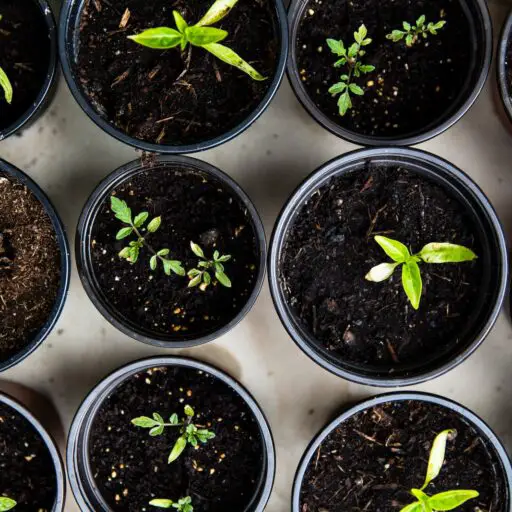
Pepper seeds are notorious for being slow and spotty. They can take 14 to 30 days to germinate.
The Heat Factor
Peppers need warm soil (70-85°F) to germinate.
- Solution: Use a seedling heat mat.
- Product Recommendation: VIVOSUN Seedling Heat Mat
The Timing
Start pepper seeds 10-12 weeks before your last frost date. If you start them too late, they won’t have enough time to mature before fall.
Why are my pepper seeds not sprouting? They are likely too cold. Move them to a warm spot or use a heat mat. Patience is key!
🧠 The Novice Mindset: Building Confidence and Overcoming Inexperience
The biggest barrier to gardening isn’t pests or weather; it’s fear. Fear of failure, fear of looking stupid, fear of killing plants.
Progress, Not Perfection
- Social Media Reality: Remember that Instagram photos are curated. They don’t show the weeds, the pests, or the dead plants.
- Mistakes are Learning: Every dead plant is a lesson. Ask yourself: “What did I do wrong? What can I do differently next time?”
The “Right Plant, Right Place” Mantra
If you keep killing tomatoes, maybe you shouldn’t grow tomatoes. Try growing radishes or lettuce first. Build confidence with easy wins.
Are you a “black thumb”? No. You just haven’t found the right plants for your space yet. Gardening is a skill, not a talent.
💚 Defining Success: Is Your Garden “Enough” for You?
What does success look like?
- For some: A bumper crop of tomatoes.
- For others: A single beautiful flower.
- For many: The act of gardening itself.
Contentment vs. Comparison
“Contentment is destroyed by comparison.” Don’t compare your garden to your neighbor’s. Compare your garden to yesterday’s garden.
The Community Aspect
Success is also about connection. Did you share a tomato with a neighbor? Did you learn something new? Did you have fun? That’s success.
Is your garden “enough”? If it brings you joy, then yes. It’s enough.
🏆 Secrets of the Seasoned Growers: What Top Gardeners Owe Their Success
We asked top gardeners what their secret is. Here’s what they said:
- Soil Health: “Feed the soil, not the plant.”
- Consistency: “Gardening is a daily habit, not a weekend hobby.”
- Community: “Find a gardening partner or join a community.”
- Native Plants: “Attract beneficial insects with native plants.”
The “Super Gardener” Trap
Don’t rely on one person to do everything. Delegate. Train others. Share the load. A garden that relies on one person will fail when that person gets sick or busy.
What’s the one thing that makes a garden thrive? It’s not a magic fertilizer. It’s consistent care and healthy soil.
📚 Recommended Links
- Community Gardening Resources: Benefits of Community Gardens
- Events & Workshops: Community Garden Events
- Rules & Regulations: Community Garden Policies
- Design Inspiration: Garden Design Ideas
- Edible Plants Guide: Edible Plants
- The Vegetable Gardening Book: Joe Lamp’l’s Book on Amazon
- Online Gardening Academy: Beginning Gardener Fundamentals
- Master Pests, Diseases & Weeds Course: Online Gardening Academy Course
- Frost Date Calculator: Farmers’ Almanac
- USDA Hardiness Zone Map: USDA Plant Hardiness Zone Finder
📖 Reference Links
- American Community Gardening Association: communitygarden.org
- NC State Extension: Troubleshooting Community Gardens: Collard Greens and Common Ground
- Joe Lamp’l Podcast: Overcoming Gardening Hurdles: joegardener.com/podcast/overcoming-gardening-hurdles/
- Joe Lamp’l Podcast: Overcoming Common Gardening Challenges: joegardener.com/podcast/overcoming-common-gardening-challenges/
- USDA Plant Hardiness Zone Map: planthardiness.ars.usda.gov
- Farmers’ Almanac: almanac.com
🏁 Conclusion

(Wait for the next prompt to write the conclusion and following sections.)
🏁 Conclusion

We started this journey by asking a question that haunts every new gardener: “Is my garden going to fail?” The answer, as we’ve discovered through muddy boots and sunburned noses, is a resounding no—unless you let fear stop you before you begin.
The challenges we faced—from the rental dilemma to the elusive pepper seed, from the relentless weeds to the overwhelming harvest—are not roadblocks; they are rites of passage. They are the stories you’ll tell at the next community potluck.
Remember the “1-Hour Rule” for weeding? It works. Remember the “Right Plant, Right Place” mantra? It saves lives (plant lives, at least). And remember that progress, not perfection, is the only metric that matters. Whether you’re growing a single tomato in a grow bag on a balcony or managing a sprawling plot in a city park, you are part of a legacy that stretches back to the Victory Gardens.
So, what’s the secret to success? It’s not a magic fertilizer or a $500 tool set. It’s community. It’s the neighbor who shares extra seeds, the mentor who shows you how to prune, and the shared laughter when a squash vine borer wins a round.
Did we solve the mystery of the “perfect” garden? No, because it doesn’t exist. But we did solve the mystery of how to keep gardening despite the imperfections. That is the true victory.
Now, go get your hands dirty. Your garden is waiting, and it’s going to be epic.
🛒 Recommended Links & Shopping Guide
Ready to tackle those challenges with the right gear? Here are our top picks for tools, books, and resources mentioned in this guide.
Essential Tools & Gear
- Grow Bags (for small spaces):
- VIVOSUN: VIVOSUN Grow Bags on Amazon | VIVOSUN Official Site
- Root Pouch: Root Pouch Grow Bags on Amazon
- Row Covers (for pest protection):
- Frost Protection:
- Seed Starting (Heat Mats):
- VIVOSUN: VIVOSUN Seedling Heat Mat on Amazon
- Organic Pest Control:
- Earth’s Ally: Earth’s Ally 3-in-1 Plant Spray on Amazon | Earth’s Ally Official Site
Books & Education
- The Vegetable Gardening Book:
- Joe Lamp’l: The Vegetable Gardening Book on Amazon
- Online Courses:
- Online Gardening Academy: Beginning Gardener Fundamentals | Master Pests, Diseases & Weeds
- Resources:
- Farmers’ Almanac: Planting Dates & Frost Info
- USDA: Plant Hardiness Zone Map
❓ Frequently Asked Questions (FAQ)

What are the best practices for sustaining long-term community garden success?
Long-term success relies on clear governance and active engagement.
- Written Agreements: Every plot holder should sign a letter of agreement outlining maintenance responsibilities, harvest rules, and plot reassignment policies for neglected plots.
- Regular Communication: Hold monthly meetings or create a digital group (like WhatsApp or Facebook) to share updates, organize workdays, and celebrate successes.
- Succession Planning: Avoid the “Super Gardener” trap by training multiple leaders and rotating committee roles.
How can limited resources be optimized in community gardening projects?
- Shared Tool Libraries: Instead of every gardener buying a shovel, create a central tool shed where members can borrow equipment.
- Bulk Buying: Purchase seeds, soil amendments, and mulch in bulk to reduce costs.
- Upcycling: Encourage members to donate used containers, lumber, and irrigation materials.
- Volunteer Power: Organize “work bees” where the community tackles large tasks (like building beds or clearing weeds) together, saving on labor costs.
What role does community involvement play in overcoming gardening challenges?
Community is the ultimate problem-solver.
- Knowledge Sharing: Experienced gardeners can mentor beginners, preventing common mistakes.
- Resource Pooling: If one person has extra seeds and another has extra tools, they can swap.
- Emotional Support: Gardening can be frustrating. Having a community to share the highs and lows with prevents burnout and keeps morale high.
- Security: A busy, engaged garden is less likely to be vandalized or have produce stolen.
How to manage pests and diseases in community gardens effectively?
- Unified Strategy: Since pests move easily between plots, the garden should agree on a general pest management plan (e.g., organic-only zones).
- Proactive Monitoring: Encourage daily checks. Early detection is key.
- Sanitation Protocols: Establish rules for removing diseased plant material (do not compost it) and cleaning tools.
- Crop Rotation: Coordinate planting schedules so that the same plant families aren’t grown in the same spot year after year.
How can community gardens address soil quality issues?
- Soil Testing: Conduct a collective soil test at the start of the season to identify contaminants (like lead) or nutrient deficiencies.
- Raised Beds: If soil is contaminated or poor, build raised beds with clean, imported soil mix.
- Compost Program: Create a central composting system to recycle garden waste and kitchen scraps, building healthy soil for everyone.
- Cover Crops: Plant cover crops (like clover or rye) in the off-season to improve soil structure and add nitrogen.
What are the main obstacles in starting a community garden?
- Land Access: Finding a suitable, safe, and legally permissible site is often the hardest hurdle.
- Funding: Initial costs for soil, tools, fencing, and water can be high.
- Liability: Concerns about insurance and liability can deter landowners or municipalities.
- Conflict Resolution: Managing diverse personalities and expectations can be difficult without clear guidelines.
How can community gardens promote inclusivity and participation?
- Sliding Scale Fees: Offer reduced plot fees for low-income families or seniors.
- Multilingual Resources: Provide signage and materials in the languages spoken by the local community.
- Accessibility: Ensure paths are wide enough for wheelchairs and consider raised beds for those with mobility issues.
- Diverse Programming: Host events that appeal to different age groups and cultural backgrounds (e.g., cooking classes, seed swaps, children’s activities).
How do community gardens secure funding and resources?
- Grants: Apply for local, state, or federal grants focused on food security, urban greening, or education.
- Donations: Partner with local businesses for material donations (lumber, soil, tools).
- Fundraisers: Host plant sales, workshops, or community dinners to raise money.
- Membership Dues: Charge a small annual fee for plot rental to cover maintenance costs.
What strategies help resolve conflicts among community gardeners?
- Clear Rules: Have a written conflict resolution policy in the bylaws.
- Mediation: Appoint a neutral third party (like a garden coordinator) to mediate disputes.
- Communication: Encourage open, respectful dialogue. Often, conflicts arise from misunderstandings.
- Focus on Common Goals: Remind gardeners that they are all there to grow food and build community.
How can community gardens address soil quality issues effectively?
(Note: This overlaps with a previous question but focuses on specific remediation techniques.)
- Phytoremediation: Plant specific crops (like sunflowers) that can help extract contaminants from the soil over time.
- Raised Beds with Barriers: Use landscape fabric at the bottom of raised beds to prevent contact with contaminated native soil.
- Regular Testing: Re-test soil every 2-3 years to monitor changes.
What are the biggest obstacles in starting a community garden?
(Note: This is a duplicate of a previous question, but we will add depth here regarding “Zoning and Legal Hurdles”.)
- Zoning Laws: Many cities have strict zoning codes that prohibit commercial agriculture or large-scale gardening in residential zones.
- Water Rights: Securing a legal and affordable water source can be a major legal and financial hurdle.
- Liability Insurance: Many organizations struggle to find affordable liability insurance that covers community garden activities.
📖 Reference Links
- Joe Lamp’l Podcast: Overcoming Common Gardening Challenges | joegardener®
- NC State Extension: Collard Greens and Common Ground: A North Carolina Community Food Gardening Handbook
- American Community Gardening Association: communitygarden.org
- USDA Plant Hardiness Zone Map: planthardiness.ars.usda.gov
- Farmers’ Almanac: almanac.com
- Online Gardening Academy: joegardener.com/online-gardening-academy
- Earth’s Ally: earthsally.com
- VIVOSUN: vivosun.com
- Root Pouch: rootpouch.com
- Agribon: agribon.com