Support our educational content for free when you purchase through links on our site. Learn more

Ever walked past a fenced-off patch of green in the middle of a concrete jungle and wondered, “What on earth is happening in there?” Is it a secret vegetable empire? A neighborhood therapy session? Or just a really well-tended flower bed? At Community Gardening™, we’ve dug into the dirt of dozens of these spaces, from bustling city rooftops to quiet suburban backyards, and we’ve found that “community garden” is just the umbrella term for a wildly diverse ecosystem of growing.
You might be looking for a personal plot to grow your own tomatoes, or perhaps you want to help feed a local food pantry, or maybe you’re just seeking a place to meet neighbors who don’t just nod at you from behind their fences. The truth is, not all community gardens are created equal. Some are strictly individual plots, while others are collective shovels where everyone works together. Some are designed for healing, others for profit, and some are specifically for teaching the next generation. We’ve broken down the 7 distinct types you need to know, including a surprising “market garden” model that actually pays its growers, and a “therapeutic” type that’s changing lives one seed at a time.
Ready to stop guessing and start growing? Keep reading to discover which garden model fits your lifestyle, your soil, and your soul. We’ll even reveal the one type of garden that often gets overlooked but offers the most freedom for the DIY gardener.
Key Takeaways
- Diversity is Key: There is no “one-size-fits-all” model; gardens range from private allotments to collective shared spaces and therapeutic sanctuaries.
- Purpose Drives Design: Whether your goal is food security, education, income generation, or mental health, there is a specific garden type tailored to that mission.
- Community First: Regardless of the type, the core benefit of all these gardens is fostering social connection and neighborhood resilience.
- Choose Wisely: Understanding the differences between rented plots and shared labor models is crucial before you commit your time and money.
Table of Contents
- ⚡️ Quick Tips and Facts
- 🌱 A Brief History of Community Gardening: From Victory Gardens to Urban Oases
- 🏡 The 7 Distinct Types of Community Gardens You Need to Know
- 1. Allotment Gardens: Your Personal Plot of Paradise
- 2. Neighborhood Shared Gardens: The Power of the Collective Shovel
- 3. School Gardens: Cultivating the Next Generation of Growers
- 4. Therapeutic Gardens: Healing Hands and Sothing Soil
- 5. Donation and Food Security Gardens: Feding the Community
- 6. Market Gardens: Turning Green Thumbs into Greenbacks
- 7. Demonstration and Educational Gardens: Learning by Doing
- 🔍 How to Choose the Right Community Garden Model for Your Needs
- 🛠️ Essential Infrastructure and Design Considerations for Every Garden Type
- 🤝 Navigating Rules, Regulations, and Membership in Local Garden Associations
- 🌿 Overcoming Common Challenges: Pests, Politics, and Plot Maintenance
- 📊 Comparison Table: Which Garden Type Fits Your Lifestyle?
- 🌟 Success Stories: Real People, Real Harvests, Real Community
- 🚀 Getting Started: Your Step-by-Step Guide to Joing or Starting a Garden
- 🏆 Conclusion: Why Your Community Needs a Garden Today
- 🔗 Recommended Links for Aspiring Gardeners
- ❓ Frequently Asked Questions About Community Garden Types
- 📚 Reference Links and Sources
Quick Tips and Facts
As we explore the world of community gardens at Community Gardening, we find that these green spaces are not just about growing plants, but about building community and fostering sustainability. Here are some quick tips and facts to get you started:
- Community gardens can be found in urban, suburban, and rural areas, and can be adapted to fit any size or type of space.
- These gardens can serve as outdoor classrooms, teaching children and adults about gardening, nutrition, and environmental stewardship.
- They can also provide fresh produce to local food banks and pantries, helping to address food insecurity in the community.
- To learn more about the benefits of community gardens, visit our page on Benefits of Community Gardens.
- For inspiration on garden design, check out our Garden Design Ideas page.
A Brief History of Community Gardening: From Victory Gardens to Urban Oases

Community gardening has a rich history that dates back to World War I, when Victory Gardens were planted to support the war effort. These gardens were not only a source of fresh produce, but also a symbol of patriotism and community spirit. Today, community gardens can be found in cities and towns around the world, providing a green oasis in the midst of urban sprawl. To learn more about the history of community gardening, visit the National Gardening Association website.
The 7 Distinct Types of Community Gardens You Need to Know
There are many different types of community gardens, each with its own unique characteristics and benefits. Here are 7 distinct types of community gardens you should know:
1. Allotment Gardens: Your Personal Plot of Paradise
Allotment gardens are a type of community garden where individuals or families rent a plot of land to grow their own fruits, vegetables, and flowers. These gardens are a great way to grow your own food, save money, and connect with nature. For more information on allotment gardens, visit the National Allotment Gardens Association website.
2. Neighborhood Shared Gardens: The Power of the Collective Shovel
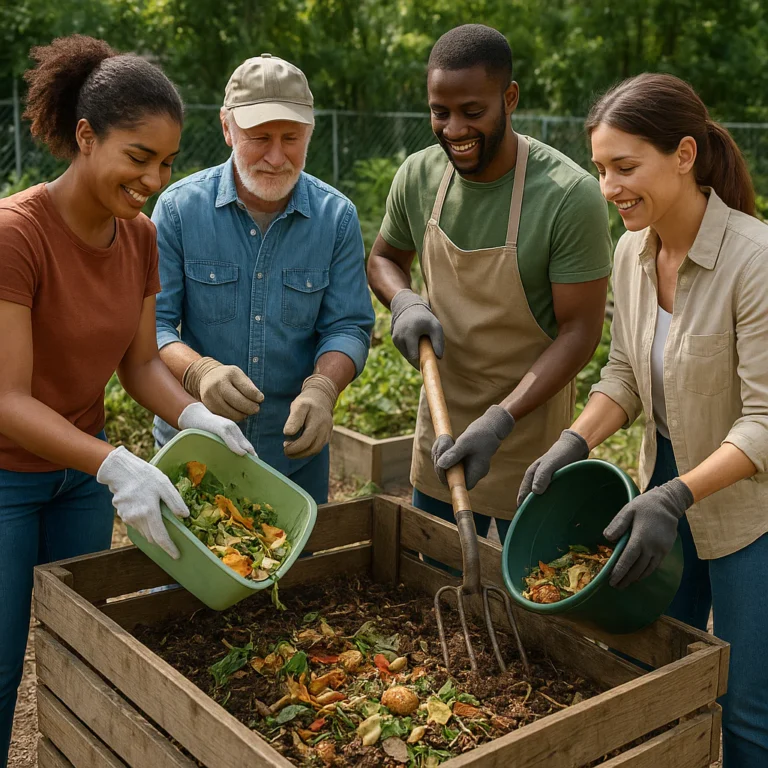
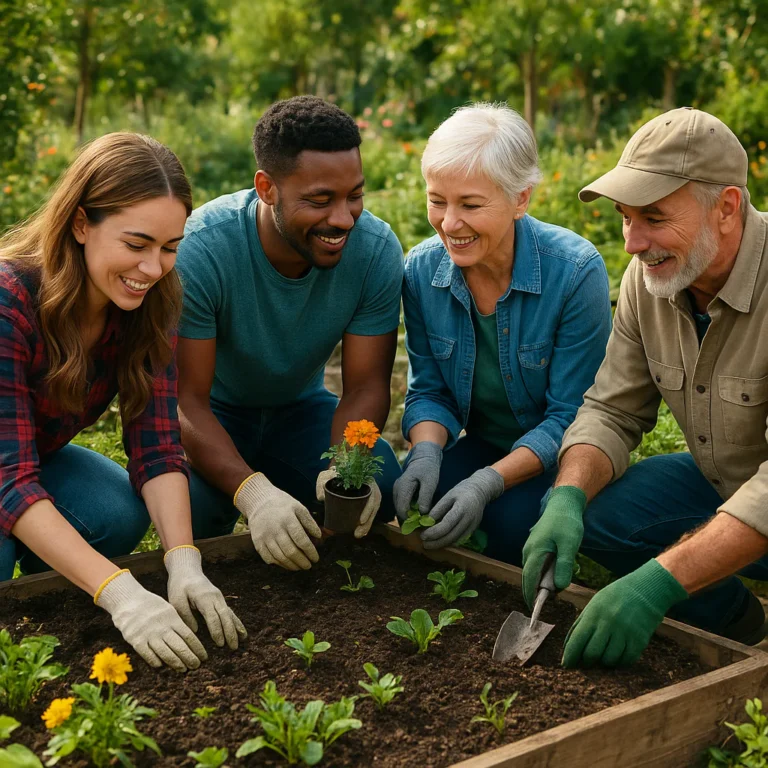
Neighborhood shared gardens are a type of community garden where a group of people come together to maintain a shared garden space. These gardens are a great way to build community, share knowledge, and grow a variety of crops. To learn more about neighborhood shared gardens, check out the American Community Gardening Association website.
3. School Gardens: Cultivating the Next Generation of Growers
School gardens are a type of community garden that is specifically designed for educational purposes. These gardens provide a hands-on learning experience for students, teaching them about gardening, nutrition, and environmental stewardship. For more information on school gardens, visit the National Gardening Association website.
4. Therapeutic Gardens: Healing Hands and Sothing Soil
Therapeutic gardens are a type of community garden that is specifically designed to provide a healing and therapeutic environment for people with physical or mental disabilities. These gardens are a great way to reduce stress, improve mood, and promote overall well-being. To learn more about therapeutic gardens, check out the Therapeutic Gardens Association website.
5. Donation and Food Security Gardens: Feding the Community
Donation and food security gardens are a type of community garden that is specifically designed to provide fresh produce to those in need. These gardens are a great way to address food insecurity, support local food banks, and build community. For more information on donation and food security gardens, visit the Feding America website.
6. Market Gardens: Turning Green Thumbs into Greenbacks
Market gardens are a type of community garden that is specifically designed to provide a source of income for gardeners. These gardens are a great way to grow a variety of crops, sell produce at market, and support local agriculture. To learn more about market gardens, check out the National Farmers Market Association website.
7. Demonstration and Educational Gardens: Learning by Doing
Demonstration and educational gardens are a type of community garden that is specifically designed to provide a hands-on learning experience for gardeners. These gardens are a great way to learn new skills, share knowledge, and connect with other gardeners. For more information on demonstration and educational gardens, visit the Gardening Know How website.
How to Choose the Right Community Garden Model for Your Needs
Choosing the right community garden model for your needs can be a daunting task, but with a little research and planning, you can find the perfect fit. Here are some factors to consider:
- Space: How much space do you have available for your garden?
- Resources: What resources do you have available, such as water, soil, and tools?
- Goals: What are your goals for your garden, such as growing food, building community, or providing a therapeutic environment?
- Budget: What is your budget for your garden, including costs for seeds, tools, and maintenance?
Essential Infrastructure and Design Considerations for Every Garden Type
When designing a community garden, there are several essential infrastructure and design considerations to keep in mind. Here are some key factors to consider:
- Soil quality: What is the quality of the soil in your garden, and how can you improve it?
- Water availability: How will you access water for your garden, and what are your options for irrigation?
- Tool storage: Where will you store your tools and equipment, and how will you keep them organized?
- Pathways and accessibility: How will you design pathways and accessibility features for your garden, such as raised beds and wheelchair ramps?
Navigating Rules, Regulations, and Membership in Local Garden Associations
When joining a local garden association, there are several rules, regulations, and membership requirements to navigate. Here are some key factors to consider:
- Membership fees: What are the membership fees for your local garden association, and what benefits do you receive in return?
- Rules and regulations: What are the rules and regulations for your garden, such as hours of operation, noise levels, and waste disposal?
- Volunteer opportunities: What volunteer opportunities are available in your garden, and how can you get involved?
Overcoming Common Challenges: Pests, Politics, and Plot Maintenance
When gardening in a community garden, there are several common challenges to overcome, such as pests, politics, and plot maintenance. Here are some tips for overcoming these challenges:
- Pests: How can you manage pests in your garden, such as aphids, slugs, and snails?
- Politics: How can you navigate conflicts and disagreements with other gardeners, such as disputes over plot allocation or resource sharing?
- Plot maintenance: How can you keep your plot well-maintained, such as weding, watering, and fertilizing?
Comparison Table: Which Garden Type Fits Your Lifestyle?
Here is a comparison table of the different types of community gardens:
| Garden Type | Description | Benefits | Challenges |
|---|---|---|---|
| Allotment Garden | Individual plots for rent | Grow your own food, save money, connect with nature | Limited space, maintenance requirements |
| Neighborhood Shared Garden | Shared garden space | Build community, share knowledge, grow a variety of crops | Conflicts over plot allocation, resource sharing |
| School Garden | Educational garden for students | Teach gardening, nutrition, and environmental stewardship | Limited space, maintenance requirements |
| Therapeutic Garden | Healing and therapeutic environment | Reduce stress, improve mood, promote overall well-being | Limited accessibility, maintenance requirements |
| Donation and Food Security Garden | Fresh produce for those in need | Address food insecurity, support local food banks, build community | Limited resources, maintenance requirements |
| Market Garden | Source of income for gardeners | Grow a variety of crops, sell produce at market, support local agriculture | Limited space, maintenance requirements, market fluctuations |
| Demonstration and Educational Garden | Hands-on learning experience | Learn new skills, share knowledge, connect with other gardeners | Limited space, maintenance requirements |
Success Stories: Real People, Real Harvests, Real Community
Here are some success stories from community gardens around the world:
- Urban Harvest: A community garden in Houston, Texas, that provides fresh produce to local food banks and pantries.
- Green Thumb: A community garden in New York City that provides a therapeutic environment for people with physical and mental disabilities.
- Garden of Dreams: A community garden in Los Angeles, California, that provides a hands-on learning experience for students and teachers.
Getting Started: Your Step-by-Step Guide to Joing or Starting a Garden
Here is a step-by-step guide to joining or starting a community garden:
- Research local gardens: Look for community gardens in your area, and research their rules, regulations, and membership requirements.
- Choose a garden type: Decide which type of community garden is right for you, such as an allotment garden, neighborhood shared garden, or school garden.
- Find a plot: Look for available plots in your chosen garden, and apply for membership.
- Prepare your plot: Prepare your plot for planting, including soil testing, tilling, and fertilizing.
- Plant your garden: Plant your garden, including choosing the right crops, spacing, and watering schedule.
- Maintain your garden: Maintain your garden, including weding, watering, and fertilizing.
Getting Involved in Community Garden Events
To get involved in community garden events, visit our page on Community Garden Events. You can also check out our page on Community Garden Policies to learn more about the rules and regulations of community gardens. For inspiration on edible plants, visit our page on Edible Plants.