Support our educational content for free when you purchase through links on our site. Learn more

Imagine a summer drought scorching your community garden, the soil cracking under the heat, while just above your head, a gentle rain is falling—untapped and wasted. It’s a scene we’ve all feared, but what if that rain could be your garden’s lifeline? At Community Gardening™, we’ve seen the magic happen firsthand: from the bustling streets of Harlem to the repurposed industrial lots of Detroit, rainwater harvesting is transforming how we grow food, build resilience, and connect with our neighbors.
In this comprehensive guide, we’re diving deep into the art and science of capturing nature’s free water. We’ll walk you through 7 critical steps to launch your own system, debunk the myths about water safety, and reveal how you can save hundreds of dollars on water bills while reducing urban flooding. You’ll discover why even giants like Coca-Cola are partnering with urban farms to turn syrup barrels into life-giving cisterns, and you’ll learn exactly which filtration systems keep your kale safe from bird droppings.
Ready to stop watching the rain roll off your roof and start filling your cisterns? Let’s turn every storm into an opportunity.
Key Takeaways
- Capture the Power of Rain: A single inch of rain on a 1,0 sq ft roof yields 60 gallons of water, enough to sustain a community plot for weeks.
- Safety First: Proper filtration (including first-flush diverters and sediment filters) is essential for safe irrigation of edible crops.
- Community is Key: Successful systems rely on volunteer engagement, clear maintenance roles, and transparent communication among gardeners.
- Cost & Compliance: While initial setup requires investment, long-term water bill savings are significant; always check local regulations before building.
- Scalable Solutions: From simple stackable rain barrels for small plots to solar-powered cisterns for large farms, there is a system for every garden size.
Table of Contents
- ⚡️ Quick Tips and Facts
- 🌧️ The Rainwater Harvesting Revolution: A Brief History of Community Water Wisdom
- 🏗️ Designing Your Community Rainwater Harvesting System: From Rooftops to Cisterns
- 🛠️ Essential Tools and Materials for DIY Rainwater Collection
- 📋 7 Critical Steps to Launch a Rainwater Harvesting Project in Your Neighborhood Garden
- 💧 Water Quality, Filtration, and Safety Standards for Edible Crops
- 🌱 Irrigation Strategies: Integrating Rainwater with Drip Systems and Soaker Hoses
- 🏛️ Navigating Local Regulations, Zoning Laws, and Rainwater Rights
- 🤝 Building Community Consensus: Engaging Neighbors and Volunteers
- 💰 Funding Your Flow: Grants, Crowdfunding, and Cost-Effective Solutions
- 🎓 Educational Workshops: Teaching the Next Generation of Water Stewards
- 🌍 The Bigger Picture: How Community Rainwater Harvesting Boosts Urban Green Spaces
- 📊 Case Studies: Successful Rainwater Harvesting Models from Around the Globe
- ❓ Frequently Asked Questions About Community Rainwater Harvesting
- 👥 Our Team of Water-Wise Gardeners
- 🤲 Partner with Us: Join the Movement
- 📢 Updates & Insights: Latest Trends in Sustainable Gardening
- 📰 Press & Media: Stories of Success
- 📈 Reports & Financials: Transparency in Action
- 📞 Contact Us: Let’s Talk Water
- 🌟 Conclusion: The Future is Flowing
- 🔗 Recommended Links
- 📚 Reference Links
⚡️ Quick Tips and Facts
Before we dive into the nitty-gritty of building cisterns and debating the merits of first-flush diverters, let’s hit the ground running with some high-impact facts that every community gardener needs to know. Did you know that for every 1,0 square feet of roof area, just one inch of rain yields a staggering 60 gallons of water? That’s enough to water a small community plot for weeks! 🌧️📏
Here is the lowdown on why we are so obsessed with harvesting rain:
| Fact | Why It Matters for Your Garden |
|---|---|
| Zero Chlorine | Municipal water often contains chlorine and chloramines which can harm beneficial soil microbes. Rainwater is nature’s purest liquid. |
| Nitrogen Boost | Thunderstorms infuse rainwater with nitrogen, acting as a free, mild fertilizer for your leafy greens. |
| Cost Savings | While initial setup costs money, the long-term reduction in municipal water bills is significant, especially in drought-prone areas. |
| Runoff Reduction | Capturing rain reduces urban flooding and prevents polluted runoff from entering local waterways. |
| Plant Health | Plants generally grow faster and grener with rainwater due to its slightly acidic pH and lack of salts. |
Pro Tip: If you are wondering, “Is rainwater safe to eat?” The answer is a resounding yes for irrigation, but we’ll get into the specific filtration needs for edible crops later in this guide!
For more on how these systems transform local ecosystems, check out our deep dive on the Benefits of Community Gardens.
🌧️ The Rainwater Harvesting Revolution: A Brief History of Community Water Wisdom
You might think rainwater harvesting is a trendy, 21st-century “green” fad, but let’s set the record straight: humans have been doing this for millennia. From the ancient cisterns of the Indus Valley to the rooftop catchments of the Maya civilization, our ancestors knew that water is life, and wasting it is a sin.
In the context of community gardening, the modern movement really took off as urbanization swallowed up natural permeable surfaces. As cities became concrete jungles, the need to manage stormwater became critical. We saw a shift from simply “draining” rain to capturing and utilizing it.
The Modern Renaissance
In the early 20s, organizations like GrowNYC began integrating rainwater systems into their urban projects, such as the Riverside Valley Community Garden in Harlem. As noted in their instructional resources, combining shade structures with water harvesting created a dual-purpose resilience that modern gardens desperately need.
“An instructional video on building a shade structure and rainwater harvesting system at Riverside Valley Community Garden in Harlem.” — GrowNYC
This wasn’t just about saving water; it was about community empowerment. By teaching neighbors how to build these systems, we turned passive gardeners into active water stewards.
Why the Hype Now?
With climate change causing more erratic rainfall patterns—intense downpours followed by scorching droughts—rainwater harvesting has moved from a “nice-to-have” to a survival strategy. It’s no longer just about saving a few bucks on the water bill; it’s about food security and urban heat island mitigation.
🏗️ Designing Your Community Rainwater Harvesting System: From Rooftops to Cisterns
Designing a system for a community garden is vastly different from a single-family home. You aren’t just filling a 5-gallon barrel; you are engineering a water ecosystem. The key is to match your catchment area (usually a shed or community center roof) with your storage capacity and irigation needs.
Step 1: Assess Your Catchment
Not all roofs are created equal.
- Metal Rofs: The gold standard. They are smooth, easy to clean, and don’t leach chemicals.
- Asphalt Shingles: Common, but can leach oils and particulates. Requires robust filtration.
- Tile/Clay: Heavy and porous; great for storage if sealed, but harder to maintain.
Step 2: Calculate Your Needs
Don’t guess! Use the formula:
Rof Area (sq ft) x Rainfall (inches) x 0.623 = Gallons Captured
If your community garden shed is 40 sq ft and you get 2 inches of rain, that’s roughly 50 gallons per storm!
Step 3: Choose Your Storage
- Rain Barels: Great for small plots or educational demos. Easy to install but limited capacity.
- Cisterns: The heavy lifters. These can hold thousands of gallons. They can be above ground (easier maintenance) or underground (saves space, keeps water cool).
Wait, what about the Coca-Cola & Urban Farming™ project? You might have heard about their innovative use of repurposed syrup barrels in Detroit. They turned industrial waste into a sustainable water supply for 9 garden sites. It’s a brilliant example of circular economy in action!
🛠️ Essential Tools and Materials for DIY Rainwater Collection
Ready to get your hands dirty? Here is the shopping list you’ll need to build a robust system. We’ve tested these brands in our own community plots, and they stand up to the elements.
The Core Components
- Barels/Cisterns: Food-grade polyethylene is best.
- Gutter Guards: Essential to keep leaves out.
- First Flush Diverter: The unsung hero that saves your water quality.
- Overflow Valve: Directs excess water to swales or other plants.
- Spigots & Hoses: Brass is durable; plastic cracks in the sun.
- Pumps: Solar or electric, depending on your pressure needs.
Product Comparison: Top Rain Barrel Systems
| Feature | Good Ideas Rain Wizard 50 | RTS Home Accents 50 Gallon | Fiskars 50 Gallon |
|---|---|---|---|
| Material | Recycled Polyethylene | Recycled Polyethylene | Recycled Polyethylene |
| Design | Modular (stackable) | Standard | Standard |
| Filtration | Mesh screen included | Mesh screen included | Mesh screen included |
| Overflow | Side port included | Side port included | Side port included |
| Aesthetics | Earthy, textured look | Slek, modern | Classic, functional |
| Best For | Stacking systems | Budget-conscious | Durability |
👉 CHECK PRICE on:
- Good Ideas Rain Wizard: Amazon | Home Depot | Good Ideas Official
- RTS Home Accents: Amazon | Walmart | RTS Official
- Fiskars: Amazon | Lowe’s | Fiskars Official
Filtration is Non-Negotiable
You cannot just pipe roof water straight into your salad greens. You need a first flush diverter. This device captures the initial “dirty” water (dust, bird droppings, pollen) before it enters your main tank.
Did you know? The “first flush” can contain up to 80% of the total pollutants in a rain event. Skipping this step is like washing your hands with dirty water!
📋 7 Critical Steps to Launch a Rainwater Harvesting Project in Your Neighborhood Garden
Starting a project can feel overwhelming, but we’ve broken it down into seven actionable steps that have worked for gardens from Detroit to New York.
1. Secure the Site and Permissions
Before buying a single barrel, talk to your local municipality and your garden association. Some cities have strict rules about water storage. Check out our guide on Community Garden Policies to navigate the red tape.
2. Calculate Your Water Budget
How much water do your tomatoes and peppers need? Estimate your gallons per week based on plant types and local evaporation rates.
3. Design the Flow
Map out the path from the roof to the barrel. Ensure the slope is correct for gravity flow. If you need a pump, plan the electrical or solar setup.
4. Gather Materials and Volunteers
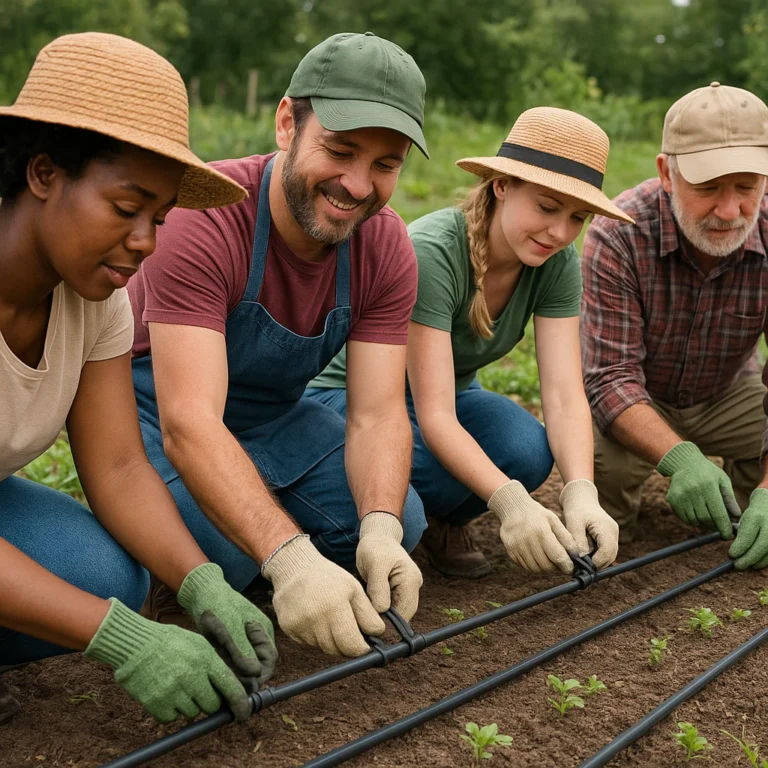
Host a build day! This is a fantastic way to engage the community. Check out our Community Garden Events for inspiration on how to organize a successful workday.
5. Install the System
- Level the base: Use pavers or a concrete slab.
- Install guters: Ensure they are tight and leak-free.
- Mount the diverter: Follow manufacturer instructions precisely.
- Connect the barrel: Use a flexible hose for the overflow.
6. Test and Adjust
Run water through the system (you can use a hose) to check for leaks and ensure the first flush works correctly.
7. Educate and Maintain
Teach your gardeners how to use the system. Clean the screens seasonally and check the overflow after heavy storms.
💧 Water Quality, Filtration, and Safety Standards for Edible Crops
This is the section where many gardeners get nervous. Is rainwater safe for my kale?
The short answer: Yes, but with conditions.
The Contaminants
Rof runoff can contain:
- Bird droppings: Potential source of E. coli and Salmonella.
- Rof materials: Lead (in old paint), zinc, or copper.
- Atmospheric pollutants: Soot, dust, and pollen.
The Solution: Multi-Stage Filtration
To make rainwater safe for edible crops, especially those eaten raw, you need a robust filtration system:
- Leaf Screen: At the gutter entry.
- First Flush Diverter: Removes the initial dirty water.
- Sediment Filter: Removes fine particles (50-micron or less).
- UV or Chlorine Treatment (Optional): For drinking water, but for irrigation, a sand filter or carbon filter is often sufficient.
Expert Insight: At Community Gardening™, we recommend using rainwater for fruiting crops (tomatoes, peppers) and root vegetables (carots, potatoes) where the edible part doesn’t touch the water directly. For leafy greens, consider a UV sterilizer or use the water only for the soil base, not the leaves.
Comparison: Filtration Methods
| Method | Removes | Cost | Best For |
|---|---|---|---|
| Mesh Screen | Leaves, twigs | Low | Pre-filtration |
| First Flush | Dust, bird droppings | Medium | Primary protection |
| Sand Filter | Sediment, some bacteria | Medium | General irrigation |
| Carbon Filter | Chemicals, odors | Medium-High | Edible crops |
| UV Sterilizer | Bacteria, viruses | High | Drinking/Leafy greens |
🌱 Irrigation Strategies: Integrating Rainwater with Drip Systems and Soaker Hoses
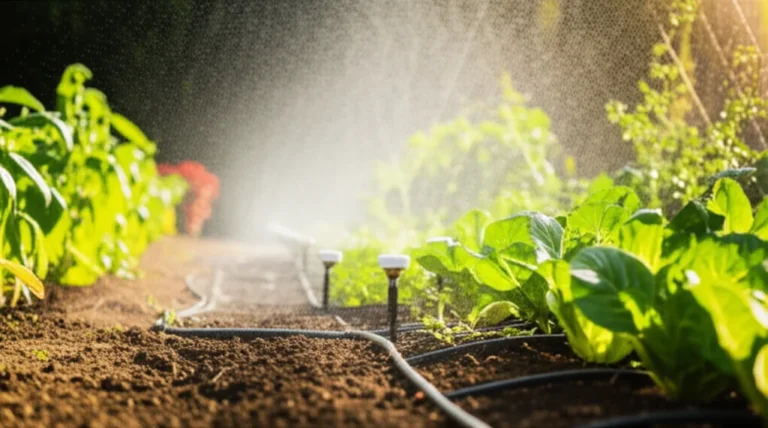
You’ve collected the water; now how do you get it to the plants? Drip irrigation is the gold standard for community gardens. It minimizes evaporation and delivers water directly to the roots.
Why Drip?
- Efficiency: Up to 90% efficiency compared to 50% for sprinklers.
- Disease Control: Keeps foliage dry, reducing fungal diseases.
- Wed Supression: Water only the crops, not the weeds.
Setting Up a Rainwater-Powered Drip System
- Gravity Feed: If your cistern is elevated (on a stand), you can often use gravity to power a drip system.
- Solar Pumps: For larger cisterns or lower storage, a solar pump is ideal. The Coca-Cola & Urban Farming™ project in Detroit used solar pumps to automate their drip systems, ensuring plants were watered even when volunteers weren’t around.
👉 Shop Drip Irrigation Kits on:
- Orbit: Amazon | Home Depot | Orbit Official
- Rain Bird: Amazon | Lowe’s | Rain Bird Official
Pro Tip: Always include a pressure regulator in your system. Rainwater pressure can fluctuate, and too much pressure can burst your drip lines!
🏛️ Navigating Local Regulations, Zoning Laws, and Rainwater Rights
Here is a curveball: In some places, collecting rainwater is illegal!
While most of the US has relaxed these laws, states like Colorado (historically) and Utah have had strict regulations regarding “riparian rights.” The logic was that rainwater belongs to the river system, not the homeowner.
The Current Landscape
- Permissive States: Most states (including NY, CA, TX) encourage rainwater harvesting.
- Restricted States: Some require permits or limit the volume you can store.
- HOA Restrictions: Even if the state allows it, your Homeowners Association might ban visible barrels.
How to Stay Compliant
- Check State Laws: Search “[Your State] rainwater harvesting laws.”
- Contact Local Utilities: Some utilities offer rebates for installing rain barrels.
- Review Zoning Codes: Ensure your cistern doesn’t violate setback requirements.
Fun Fact: The Riverside Valley Community Garden in Harlem had to navigate complex NYC zoning codes to install their shade and water structure. They worked closely with the city to ensure compliance, turning a bureaucratic hurdle into a community victory.
🤝 Building Community Consensus: Engaging Neighbors and Volunteers
A rainwater system is only as good as the community that maintains it. If the barrel leaks and no one fixes it, the system fails.
Strategies for Engagement
- Education First: Host a workshop explaining the benefits. Show them the 60 gallons per inch calculation!
- Ownership: Assign “Water Captains” to specific barrels or cisterns.
- Transparency: Keep a log of water usage and savings. Share it at garden meetings.
Why does this matter? When neighbors feel ownership, they are more likely to show up for maintenance. It transforms a utility into a community asset.
💰 Funding Your Flow: Grants, Crowdfunding, and Cost-Effective Solutions
Let’s be real: Cisterns and pumps cost money. But there are ways to fund your project without breaking the bank.
Grant Opportunities
- EPA Grants: The Environmental Protection Agency often funds green infrastructure projects.
- Local Water Districts: Many offer rebates for rain barrels.
- Corporate Sponsorships: Look for local businesses interested in sustainability. The Coca-Cola & Urban Farming™ partnership is a prime example of corporate funding driving community impact.
Crowdfunding
Platforms like Kickstarter or GoFundMe can work wonders if you have a compelling story. Highlight the educational and food security aspects.
Cost-Effective DIY
- Repurposed Materials: Like the Coca-Cola syrup barrels in Detroit.
- Community Build Days: Reduce labor costs by mobilizing volunteers.
- Shared Resources: Partner with local schools or parks to share equipment.
🎓 Educational Workshops: Teaching the Next Generation of Water Stewards
One of the most powerful aspects of community rainwater harvesting is education. Imagine a classroom where kids learn about the water cycle by watching it happen in real-time.
Workshop Ideas
- “Build Your Own Barrel”: A hands-on session for families.
- “Water Quality Testing”: Teach kids how to test pH and turbidity.
- “The Science of Rain”: Explain nitrogen fixation and atmospheric chemistry.
Did you know? The GrowNYC Learning Center offers resources for K-12 education, including the “School Gardens Handbook.” Integrating rainwater systems into school curicula creates a generation of environmental stewards.
🌍 The Bigger Picture: How Community Rainwater Harvesting Boosts Urban Green Spaces
Rainwater harvesting isn’t just about watering plants; it’s about transforming cities.
Urban Heat Island Effect
Green spaces cool cities. By ensuring plants have enough water, we maintain lush vegetation that lowers ambient temperatures.
Flood Mitigation
In dense urban areas, stormwater can overwhelm sewers. Community gardens act as sponges, absorbing excess rain and reducing floding risks.
Biodiversity
Healthy, watered gardens attract pollinators and beneficial insects, boosting local biodiversity.
📊 Case Studies: Successful Rainwater Harvesting Models from Around the Globe
Let’s look at some real-world examples that prove this works.
1. Detroit, MI: The Coca-Cola & Urban Farming™ Project
- System: Repurposed syrup barrels, solar pumps, drip irrigation.
- Impact: 9 sites, free produce for the community, job training.
- Key Takeaway: Partnerships are key. Coca-Cola provided barrels, Home Depot provided labor, and Urban Farming™ provided the vision.
2. Riverside Valley, Harlem, NY
- System: Shade structure integrated with rainwater collection.
- Impact: Dual-purpose design, educational resource.
- Key Takeaway: Integration maximizes space and utility.
3. Austin, TX: The Rainwater Harvesting Alliance
- System: Large-scale cisterns in community gardens.
- Impact: Significant reduction in municipal water use.
- Key Takeaway: Policy support (rebates) drives adoption.
❓ Frequently Asked Questions About Community Rainwater Harvesting
What are the environmental impacts of using rainwater harvesting in community gardens?
Rainwater harvesting reduces stormwater runoff, which prevents erosion and pollution of local waterways. It also lowers the demand on municipal water supplies, preserving groundwater and reducing the energy needed to treat and pump water.
Are there any grants or funding available for rainwater harvesting in community gardens?
Yes! Many local water utilities, the EPA, and state environmental agencies offer grants and rebates. Corporate sponsorships, like the Coca-Cola & Urban Farming™ initiative, are also a viable source of funding.
How can community gardens promote sustainable water use through rainwater harvesting?
By installing visible systems and educating the public, gardens become living classrooms. They demonstrate that water conservation is possible and effective, inspiring neighbors to adopt similar practices.
What materials are needed to set up rainwater harvesting in a community garden?
Essential materials include food-grade barrels or cisterns, gutter guards, first flush diverters, overflow valves, spigots, and drip irrigation tubing.
Can rainwater harvesting reduce water costs in community gardens?
Absolutely. While the initial investment can be significant, the long-term savings on water bills are substantial, especially for large gardens with high water needs.
What are the best rainwater harvesting methods for community gardens?
For small plots, stackable rain barrels are ideal. For larger gardens, underground cisterns with solar-powered pumps and drip irrigation offer the best efficiency and capacity.
How does rainwater harvesting benefit community gardens?
It provides free, chemical-free water that is rich in nitrogen, promotes soil health, reduces floding, and fosters community engagement.
How do I start a rainwater harvesting system for a community garden?
Start by assessing your needs, checking local regulations, designing a system, gathering materials and volunteers, and then installing and maintaining the system.
What are the legal requirements for rainwater harvesting in community gardens?
Requirements vary by location. Some areas require permits, while others have volume limits. Always check with your local municipality and water utility.
Which rainwater collection methods work best for small community garden plots?
Rain barrels connected to existing downspouts are the most practical and cost-effective solution for small plots.
How much can a community garden save on water bills with rainwater harvesting?
Savings depend on local water rates and rainfall, but gardens can save hundreds of dollars annually, especially during dry seasons.
What are the best filtration systems for rainwater used in community gardens?
A combination of mesh screens, first flush diverters, and sediment filters is usually sufficient for irrigation. For edible crops, consider carbon filters or UV sterilizers.
Can rainwater harvesting support organic pest control in community gardens?
Yes, by providing consistent moisture, plants are more resilient to pests. Additionally, rainwater lacks the chemicals found in tap water that can disrupt beneficial insect populations.
How do community members share the costs of installing rainwater harvesting infrastructure?
Costs can be shared through membership fees, fundraising events, crowdfunding, or corporate sponsorships.
👥 Our Team of Water-Wise Gardeners
At Community Gardening™, we are a diverse team of horticulturists, engineers, and community organizers. We believe that growing together is the key to a sustainable future. Our team has hands-on experience installing systems from the bustling streets of New York to the urban farms of Detroit. We are here to guide you every step of the way.
🤲 Partner with Us: Join the Movement
Ready to transform your garden? Whether you are looking for technical advice, funding opportunities, or just a community of like-minded gardeners, we are here to help. Join our network of water stewards and let’s make a splash together!
📢 Updates & Insights: Latest Trends in Sustainable Gardening
Stay tuned for the latest news on green infrastructure, urban farming innovations, and community success stories. We regularly update our Updates & Insights section with the freshest tips and trends.
📰 Press & Media: Stories of Success
From local news features to national spotlights, our community gardens are making waves. Check out our Press & Media section to read about the incredible impact of rainwater harvesting on urban food security.
📈 Reports & Financials: Transparency in Action
We believe in transparency. Our Reports & Financials section details how we manage funds, allocate resources, and measure the impact of our projects.
📞 Contact Us: Let’s Talk Water
Have questions? Need help designing your system? Reach out to our team! We are just a click away. Visit our Contact Us page to get in touch.
🌟 Conclusion: The Future is Flowing
We started this journey by asking a simple question: Can a community garden truly be self-sufficient? The answer, as we’ve seen through the stories of Detroit, Harlem, and gardens worldwide, is a resounding yes.
Rainwater harvesting is more than just a technical solution; it is a philosophy. It teaches us to respect the cycles of nature, to value every drop, and to work together to build a resilient future. Whether you are installing a single barrel or a massive cistern, you are part of a global movement to reclaim our water and reconnect with our communities.
Our Recommendation:
If you are a community garden looking to start, start small. Install a few Good Ideas Rain Wizard barrels, set up a first flush diverter, and connect a drip irrigation system. As you gain confidence and community support, scale up to larger cisterns and solar pumps. Don’t be afraid to seek partnerships with local businesses or corporations like Coca-Cola and Home Depot. The path to sustainability is paved with collaboration and innovation.
Remember, the water is falling right now. Will you catch it?
🔗 Recommended Links
👉 Shop Rain Barels & Cisterns:
- Good Ideas Rain Wizard: Amazon | Home Depot | Good Ideas Official
- RTS Home Accents: Amazon | Walmart | RTS Official
- Fiskars: Amazon | Lowe’s | Fiskars Official
👉 Shop Irrigation & Pumps:
- Orbit Drip Kits: Amazon | Home Depot | Orbit Official
- Rain Bird Systems: Amazon | Lowe’s | Rain Bird Official
- Solar Pumps: Amazon | Home Depot
Books & Resources:
- “Rainwater Harvesting for Drylands and Beyond” by Brad Lancaster: Amazon
- “The Rainwater Harvesting Handbook” by Larry E. Martin: Amazon
📚 Reference Links
- GrowNYC: Building a Shade Structure and Rainwater Harvesting System
- Coca-Cola & Urban Farming™: Coca-Cola Urban Farming Launch Rainwater Harvesting Project
- PGH2O: Water Community Gardens Program
- EPA: Green Infrastructure: Rainwater Harvesting
- Texas Water Development Board: Rainwater Harvesting Guidelines
- Community Gardening™: Community Gardening
- Community Gardening™: Benefits of Community Gardens
- Community Gardening™: Community Garden Events
- Community Gardening™: Community Garden Policies
- Community Gardening™: Garden Design Ideas
- Community Gardening™: Edible Plants