Support our educational content for free when you purchase through links on our site. Learn more

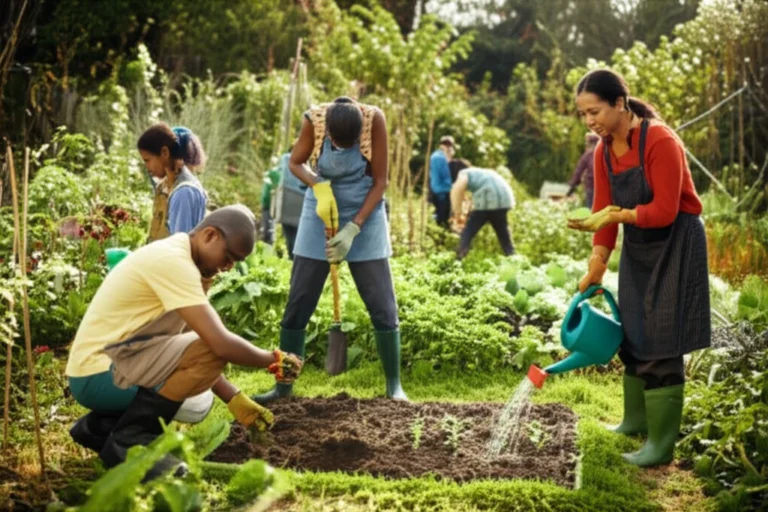
Ever walked past a vacant lot, saw a pile of trash, and thought, “What if this was a garden?” We have, too. But here’s the secret most people miss: that transformation isn’t just about the tomatoes or the marigolds. It’s about the people who show up to plant them. At Community Gardening™, we’ve watched neighbors who once ignored each other over the fence become the first to share a harvest basket or watch each other’s kids. It turns out, the secret ingredient to a connected neighborhood isn’t a new park or a community center; it’s dirt under your fingernails and a shared goal.
In this deep dive, we’re uncovering exactly how community gardens act as the social glue for modern neighborhoods. From reducing crime rates by nearly 30% to turning cultural barriers into culinary exchanges, these green spaces are doing heavy lifting for our cities. We’ll share the story of how a single plot in Brooklyn turned a divided block into a family, and we’ll reveal the 10 essential steps you can take to launch your own revolution of connection. Ready to see how a few seeds can grow a movement? Let’s dig in.
Key Takeaways
- Social Glue: Community gardens transform isolated individuals into a tight-knit network of neighbors through shared labor and harvest.
- Safety & Health: Cultivated lots significantly reduce crime and improve both mental wellness and physical fitness for residents.
- Cultural Bridge: These spaces preserve heritage and foster intergenerational learning, turning diversity into a neighborhood strength.
- Actionable Impact: You don’t need a master plan to start; 10 essential steps can turn any vacant lot into a thriving community hub.
Table of Contents
- ⚡️ Quick Tips and Facts
- 🌱 From Dirt to Destiny: A Brief History of Community Gardening
- 🤝 The Social Soil: How Shared Plots Forge Unbreakable Neighborhood Bonds
- 🧠 Cultivating Mental Wellness: Stress Relief and Emotional Resilience in the Garden
- 💪 Physical Fitness and Nutrition: Growing Healthier Bodies and Stronger Immune Systems
- 🎓 Educational Roots: Learning Opportunities for Kids, Adults, and Lifelong Learners
- 🛡️ Green Guardians: How Community Gardens Enhance Safety and Reduce Crime
- 🌍 Cultural Crossroads: Preserving Heritage and Celebrating Diversity Through Food
- 🏙️ Urban Revitalization: Transforming Vacant Lots into Vibrant Community Hubs
- 🌿 Environmental Stewardship: Biodiversity, Pollinators, and Climate Resilience
- 🤲 Building Social Capital: Networking, Leadership, and Civic Engagement
- 🛠️ 10 Essential Steps to Launch Your Own Neighborhood Garden Project
- 🚧 Overcoming Common Challenges: Land Access, Funding, and Conflict Resolution
- 📊 Real-World Success Stories: Case Studies of Thriving Community Gardens
- 📝 Conclusion
- 🔗 Recommended Links
- ❓ FAQ
- 📚 Reference Links
⚡️ Quick Tips and Facts
Before we dig our hands deep into the soil of social connection, let’s grab a few quick facts that might surprise you. Did you know that a simple 30-minute gardening session can lower your stress levels more effectively than some forms of meditation? 🧘 ♀️ According to a UK study, regular gardeners have lower BMIs and higher self-esteem than non-gardeners. But here’s the kicker: it’s not just about the tomatoes; it’s about the tomato talk that happens while you’re picking them.
| Fact Category | The Scop | Why It Matters |
|---|---|---|
| Social Impact | 85% of gardeners report making new friends in their first season. | Combats urban isolation instantly. |
| Crime Reduction | Cultivated lots see up to a 29% decrease in gun crimes in surrounding blocks. | Green spaces = safer streets. |
| Food Security | Community gardens can produce up to 10x the yield of traditional suburban lawns. | Feds the neighborhood, not just the lawn. |
| Mental Health | Exposure to Mycobacterium vacae in soil boosts serotonin. | Nature is literally a mood booster. |
If you’ve ever wondered, “What is the purpose of a community garden?” beyond just growing zucchini, you’re in the right place. We’ll explore how these green spaces act as the beating heart of a neighborhood, turning strangers into neighbors and empty lots into empires of connection. Check out our deep dive on the purpose of community gardens here to get the full picture before we start planting seeds of change.
🌱 From Dirt to Destiny: A Brief History of Community Gardening

You might think community gardens are a trendy, 21st-century hipster invention, but hold your horses! 🐎 These green havens have been around since the late 19th century, born out of necessity during times of economic crisis and war.
The Victory Garden Legacy
During World War II, the U.S. government encouraged citizens to plant “Victory Gardens.” The result? Americans produced a staggering 40% of their own food. It wasn’t just about calories; it was about unity. Families, neighbors, and even strangers worked side-by-side, united by a common goal. As Wendell Berry famously said, “Gardening has a power that is political and even democratic. And it is a political power that can be applied constantly, whereas one can only vote or demonstrate occasionally.”
The 1970s Rebirth
Fast forward to the 1970s. The economy was tanking, and cities were filled with abandoned, trash-strewn lots. Enter the modern environmental movement. People started reclaiming these “public commons,” turning eyesores into edible landscapes. This wasn’t just gardening; it was activism.
The Modern Resurgence
After the 208 recession, we saw a 19% increase in community gardens. Why? Because when money is tight, food is king, and community is the currency. Today, these gardens are more than just plots of dirt; they are catalysts for connection, bridging gaps between generations, cultures, and socioeconomic statuses.
Did you know? The concept of the “Victory Garden” is still alive today, with many modern gardens dedicating specific rows to food banks and local shelters.
🤝 The Social Soil: How Shared Plots Forge Unbreakable Neighborhood Bonds
Let’s get real for a second. How many of your neighbors do you actually know by name? In many urban areas, the answer is zero. That’s where the magic of the social soil comes in.
Breaking the Ice, One Weed at a Time
There’s something uniquely disarming about asking a stranger, “Hey, do you know what kind of bug is eating my basil?” It’s a low-stakes conversation starter that often leads to sharing gardening tips, swapping seeds, and eventually, sharing a meal.
- The “Eyes on the Street” Effect: When neighbors are out tending their plots, they naturally keep an eye on the neighborhood. This informal surveillance creates a sense of collective security.
- Shared Responsibility: Unlike a private backyard, a community garden requires collaboration. You can’t just ignore the compost bin; you have to work together to keep it running. This shared burden builds trust.
A Story from the Trenches
We once met a retired teacher named Martha who moved to a new city feeling completely isolated. She joined a local garden, unsure of what to expect. Within three months, she wasn’t just growing kale; she was hosting a weekly “Harvest Happy Hour” where neighbors brought dishes made from the garden’s produce. “I didn’t just find a garden,” she told us, “I found a family.”
The Power of Inclusion
Community gardens are often the great equalizer. Whether you’re a CEO or a student, a retire or a teenager, in the garden, you’re just a gardener. This leveling effect fosters a sense of belonging that is hard to find elsewhere.
🧠 Cultivating Mental Wellness: Stress Relief and Emotional Resilience in the Garden
We’ve all had those days where the world feels like it’s spinning too fast. 🌪️ Enter the garden. It’s not just a place to grow food; it’s a sanctuary for the mind.
The Science of “Green Therapy”
Studies have shown that interacting with soil can boost levels of Mycobacterium vacae, a bacteria that triggers the release of serotonin. Yes, dirt can make you happy! 🌞
- Stress Reduction: A 2016 study found that gardening for just 30 minutes significantly lowers cortisol levels.
- Mindfulness in Motion: Weding, watering, and pruning require focus, pulling you out of your head and into the present moment. It’s nature’s version of meditation.
Overcoming Urban Isolation
For many, especially the elderly or those new to a city, the garden is a lifeline. It provides a structured way to meet people without the pressure of a formal social event.
Question: Have you ever felt the stress melt away the moment you touched the soil? We bet you have. It’s that tactile connection to the earth that grounds us.
💪 Physical Fitness and Nutrition: Growing Healthier Bodies and Stronger Immune Systems
Who needs a gym membership when you have a garden? 🏋️ ♀️ Diging, lifting, bending, and reaching are all forms of functional fitness that keep your body strong and agile.
The Nutrition Bonus
But it’s not just about the exercise. It’s about what you eat.
- Freshness Factor: Vegetables harvested at peak ripeness have higher nutrient density than those shipped from miles away.
- Variety: Gardeners are more likely to try new vegetables, expanding their diet and improving overall health.
Real-World Impact
In neighborhoods known as “food deserts,” community gardens are often the only source of fresh produce. This access can lead to a dramatic reduction in diet-related diseases like diabetes and heart disease.
| Activity | Calories Burned (30 mins) | Health Benefit |
|---|---|---|
| Diging/Planting | ~150-20 | Strengthens arms and core |
| Weding | ~120-160 | Improves flexibility |
| Watering | ~10-140 | Low-impact cardio |
| Harvesting | ~10-130 | Enhances hand-eye coordination |
🎓 Educational Roots: Learning Opportunities for Kids, Adults, and Lifelong Learners
Forget the classroom walls! 🏫 Community gardens are living laboratories where the lessons are hands-on, messy, and unforgettable.
For the Little Sprouts
Kids who grow up with a garden understand where their food comes from. They learn about biology, ecology, and patience.
- Farm-to-School Programs: Schools like J.C. Nalle Elementary in D.C. have students taste-test different varieties of spinach, teaching them about sensory exploration and healthy eating.
For the Adults
It’s never too late to learn. Many gardens offer workshops on:
- Composting: Turning waste into gold.
- Preservation: Canning, pickling, and drying.
- Sustainability: Water conservation and pollinator protection.
Bridging the Generation Gap
One of the most beautiful aspects of these gardens is the intergenerational exchange. Seniors pass down traditional farming techniques to young adults, while tech-savy youth help seniors navigate digital tools for garden management. It’s a two-way street of wisdom.
🛡️ Green Guardians: How Community Gardens Enhance Safety and Reduce Crime
You might be skeptical, but the data is clear: Green spaces make streets safer. 🚦
The Mechanism of Safety
When a vacant lot is transformed from a trash-filled eyesore into a vibrant garden, it changes the dynamic of the neighborhood.
- Visibility: It’s harder to hide illegal activities in a well-lit, tended space.
- Cohesion: Neighbors who know each other are more likely to look out for one another.
- Deterence: A cared-for space signals that the community is active and engaged, deterring potential criminals.
The Philadelphia Study
A landmark study in Philadelphia compared cultivated lots to uncultivated ones. The results?
- Significant decrease in gun crimes.
- Residents reported feeling much safer.
- Property values in the surrounding area increased.
Quote: “Our theory is that transforming vacant lots from a space overgrown with vegetation and filled with trash to a clean and green space may make it difficult for people to hide illegal guns and conduct other illegal activities.” — Dr. Eugenia C. Garvin
🌍 Cultural Crossroads: Preserving Heritage and Celebrating Diversity Through Food
Food is a universal language, but it also speaks in dialects. 🌏 Community gardens are where these dialects come together to create a beautiful cultural tapestry.
Reclaiming Identity
For immigrant and refugee communities, growing traditional crops is a way to reconnect with their roots.
- Little Haiti Community Garden (Miami): Here, Haitian families grow callaloo and calabaza, crops that remind them of home. It’s not just food; it’s cultural preservation.
- Fresno, California: State-funded gardens support refugee populations, helping them combat isolation and PTSD by fostering a sense of purpose and belonging.
The Exchange
When you grow a crop you’ve never seen before, you’re invited to learn about the culture it comes from. A neighbor might teach you how to cook bok choy or tofu, turning a simple harvest into a culinary adventure.
🏙️ Urban Revitalization: Transforming Vacant Lots into Vibrant Community Hubs
Cities are often plagued by blight—empty lots that serve as dumping grounds. Community gardens are the antidote.
From Blight to Bright
Transforming a vacant lot doesn’t just add greenery; it adds life.
- Economic Boost: Green spaces can increase nearby property values.
- Community Pride: A beautiful garden gives residents a sense of ownership and pride in their neighborhood.
- Social Hubs: Gardens often become the venue for festivals, markets, and gatherings, turning a dead zone into a vibrant hub.
Case in Point
In Detroit, once a city known for its decline, community gardens have become symbols of resilience and renewal. They are proof that even in the toughest times, communities can grow together.
🌿 Environmental Stewardship: Biodiversity, Pollinators, and Climate Resilience
Beyond the social benefits, community gardens are powerhouses of environmental health. 🦋
Biodiversity Havens
Urban areas are often biodiversity deserts. Gardens introduce a variety of plants, attracting pollinators like bees and butterflies, which are crucial for the ecosystem.
Climate Resilience
- Heat Island Effect: Green spaces help cool down cities, reducing the urban heat island effect.
- Stormwater Management: Gardens absorb rainwater, reducing runoff and preventing flooding.
- Carbon Sequestration: Plants absorb CO2, helping to fight climate change.
Sustainable Practices
Many gardens practice organic farming, avoiding harmful pesticides and promoting soil health. This creates a healthy ecosystem that benefits the entire neighborhood.
🤲 Building Social Capital: Networking, Leadership, and Civic Engagement
Community gardens are more than just places to grow food; they are incubators for leadership. 🌟
Developing Skills
Running a garden requires organization, communication, and conflict resolution. These are transferable skills that can be applied to other areas of life.
- Civic Engagement: Gardeners often become more involved in local politics and community issues.
- Networking: The connections made in the garden can lead to job opportunities, collaborations, and friendships.
The Ripple Effect
When a community garden succeeds, it inspires other projects. It creates a culture of engagement that spreads throughout the neighborhood.
🛠️ 10 Essential Steps to Launch Your Own Neighborhood Garden Project
Ready to start your own garden? Here’s a step-by-step guide to get you from idea to harvest.
- Gather Your Team: Find like-minded neighbors. You can’t do it alone!
- Find a Site: Look for vacant lots, schoolyards, or public parks. Ensure the soil is safe and the location gets enough sun.
- Check Zoning and Permits: Talk to your local city council. You’ll need permission to use the land.
- Test the Soil: Get a soil test to check for contaminants. Check out our guide on soil testing.
- Design the Layout: Plan your plots, paths, and communal areas.
- Secure Funding: Look for grants, donations, or crowdfunding.
- Build the Infrastructure: Install raised beds, fences, and water sources.
- Recruit Gardeners: Advertise your garden and set up a membership system.
- Establish Rules: Create a clear set of guidelines for maintenance and conflict resolution.
- Plant and Celebrate: Get your hands dirty and host a launch party!
Pro Tip: Don’t forget to involve local schools and businesses early on. They can provide resources and volunteers.
🚧 Overcoming Common Challenges: Land Access, Funding, and Conflict Resolution
Starting a garden isn’t always smooth sailing. Here are the common hurdles and how to clear them.
Land Access
Finding land can be tricky.
- Solution: Partner with local land trusts, schools, or churches. Many are eager to support green initiatives.
Funding
Money is always a concern.
- Solution: Apply for grants from organizations like the National Gardening Association or local community foundations. Host fundraising events.
Conflict Resolution
Disagreements happen.
- Solution: Establish a clear conflict resolution process from the start. Regular meetings and open communication are key.
📊 Real-World Success Stories: Case Studies of Thriving Community Gardens
Let’s look at some real-life heroes who turned their neighborhoods around.
The Sustainable Flatbush Healing Herb Garden (Broklyn, NY)
This garden provides volunteer and internship opportunities, partners with schools, and offers workshops on medicinal herbs. It’s a hub of education and healing.
The Little Haiti Community Garden (Miami, FL)
A beacon of cultural preservation, this garden allows Haitian families to grow traditional crops and sell produce to local markets. It’s a model of economic and cultural resilience.
The J.C. Nalle Elementary School Garden (Washington, D.C.)
Students here learn about nutrition and sustainability, tasting different varieties of spinach and learning where their food comes from. It’s education in action.
📝 Conclusion

So, we’ve journeyed from the dirt of history to the vibrant present, exploring how community gardens are much more than just plots of land. They are social glue, mental sanctuaries, educational hubs, and economic engines.
We started by asking, “How can community gardens help build stronger, more connected neighborhoods?” The answer is clear: by bringing people together, fostering a sense of belonging, and creating spaces where diversity thrives.
Whether you’re a seasoned gardener or a curious newbie, there’s a place for you in the garden. As Wendell Berry said, “It may be too easy to underestimate the power of a garden… A garden is a solution that leads to other solutions.”
Ready to plant your own seed of change? Join a local garden, start your own, or simply visit one. The soil is waiting, and so are your neighbors.
🔗 Recommended Links
If you’re ready to take the plunge, here are some resources to get you started:
- Garden Tools:
Fiskars Ergo Garden Tool Set: Amazon | Fiskars Official
Garden Kneler and Seat: Amazon | Walmart - Books:
The Vegetable Gardener’s Bible by Edward C. Smith: Amazon
Community Gardening: A Guide for Beginners by various authors: Amazon - Seds:
Baker Creek Heirloom Seeds: Baker Creek Official | Amazon
Johnny’s Selected Seeds: Johnny’s Official | Amazon
❓ FAQ

Can community gardens serve as a platform for community engagement, education, and outreach on topics such as sustainability, nutrition, and environmental stewardship?
Absolutely! Community gardens are dynamic platforms for engagement. They host workshops on composting, water conservation, and organic farming, teaching residents how to live more sustainably. Nutrition education is also a key component, with many gardens offering cooking classes and taste tests to encourage healthy eating.
What are the benefits of intergenerational community gardening and how can it help bridge the gap between different age groups in a neighborhood?
Intergenerational gardening fosters mutual respect and understanding. Seniors share traditional knowledge and life experiences, while younger generations bring fresh ideas and energy. This exchange breaks down age barriers, creating a cohesive community where everyone feels valued.
How can community gardens be used as a tool for urban renewal and revitalization of neglected neighborhoods?
By transforming vacant lots into green spaces, community gardens increase property values, reduce crime, and improve the aesthetic appeal of a neighborhood. They act as catalysts for further development, attracting businesses and residents who want to be part of a vibrant community.
What role do community gardens play in fostering social connections and a sense of community among residents?
Gardens provide a neutral ground where people from diverse backgrounds can interact. Shared tasks and goals create a sense of camaraderie, turning strangers into friends. Regular events and gatherings further strengthen these bonds.
What are the social benefits of starting a community garden?
Starting a garden builds social capital, enhances mental health, and fosters a sense of pride and ownership. It creates a support network where neighbors can rely on each other, reducing isolation and loneliness.
Read more about “🌱 10 Group Gardening Projects for Beginners to Grow Together (2026)”
How do community gardens reduce isolation in urban neighborhoods?
In dense urban areas, people often live in close proximity but feel disconnected. Gardens provide a physical space for interaction, encouraging face-to-face communication and shared experiences. This regular contact helps combat the epidemic of loneliness.
Read more about “🌱 7 Ways Gardening for Social Change Transforms Communities (2026)”
What steps are needed to organize a community garden project?
Organizing a garden involves gathering a team, finding a site, securing permits, testing soil, designing the layout, raising funds, and establishing rules. It requires collaboration and commitment from the community.
Read more about “🌱 15 Fundraising Strategies for Community Gardens (2026)”
Can community gardening improve mental health and social cohesion?
Yes, numerous studies show that gardening reduces stress and anxiety, boosts self-esteem, and improves mood. Socialy, it fosters cohesion by bringing people together around a common goal, creating a supportive and inclusive environment.
Read more about “🌿 Therapeutic Horticulture: 10 Ways Plants Heal Mind & Body (2026)”
📚 Reference Links
- Project for Public Spaces (PPS): Beyond Food: Community Gardens as Places of Connection and Empowerment
- Independence Gardens: How Local Gardens Bring Communities Together
- Montclair Local: How Community Gardens Grow Happier, Healthier People and Stronger Neighborhoods
- Journal of Environment and Behavior: Green Space and Crime Reduction Studies
- National Gardening Association: Community Gardening Resources
- USDA: Community Gardening and Food Security
- Fiskars: Garden Tools
- Baker Creek Heirloom Seeds: Rare Seeds
- Johnny’s Selected Seeds: Seds and Supplies