Support our educational content for free when you purchase through links on our site. Learn more


Ever watched a garden thrive while its bank account withered? We’ve all been there. Last summer, our team at Community Gardening™ nearly lost our beloved composting system because we relied solely on membership dues. It wasn’t until we stopped waiting for a “magic grant” and started actively cultivating revenue streams that we turned the tide. Fundraising isn’t just about filling a bucket; it’s about deepening community roots and proving that green spaces are worth investing in.
In this comprehensive guide, we’re ditching the generic “have a bake sale” advice for 15 proven, creative strategies that actually work in 2026. From high-tech crowdfunding campaigns to old-school “Sponsor-a-Bench” initiatives, we’ve tested these methods across dozens of gardens. You’ll discover how to leverage corporate partnerships, transform your harvest into value-added products, and even turn your garden into a self-sustaining financial ecosystem. But here’s the twist: the most successful gardens don’t just ask for money; they tell a story so compelling that donors beg to give. Ready to stop worrying about the budget and start growing your future?
Key Takeaways
- Diversify Your Income: Relying on a single source is risky; combine events, sponsorships, grants, and direct sales for stability.
- Storytelling Sells: Donors connect with impact, not just needs; use photos and narratives to show exactly where their money goes.
- Start Small, Scale Up: Begin with low-risk pre-order sales or plant swaps before tackling complex grant applications.
- Legal Compliance is Crucial: Always secure proper permits, insurance, and tax-exempt status (or fiscal sponsorship) before selling goods or hosting events.
- Community is Currency: The most successful fundraisers turn donors into active participants, creating a cycle of support that lasts for years.
Table of Contents
- ⚡️ Quick Tips and Facts
- 🌱 From Compost to Cash: A Brief History of Community Garden Fundraising
- 🏆 Top 15 Creative Fundraising Strategies for Community Gardens That Actually Work
- 1. The “Adopt-a-Plot” Sponsorship Program
- 2. Harvest Festival & Seasonal Market Days
- 3. Seedling & Starter Plant Sales
- 4. Garden-to-Table Cooking Classes
- 5. “Grow-a-Row” Produce Donation Drives with Corporate Matching
- 6. Community Garden Membership Dues & Sliding Scale Fees
- 7. Artisanal Preserves, Jams, and Pickle Sales
- 8. Tool Library & Equipment Rental Fees
- 9. Educational Workshops for Schools and Scouts
- 10. Crowdfunding Campaigns for Specific Projects
- 1. Local Business “Sponsor a Bench” Initiatives
- 12. Plant Swap Mets with Entry Fees
- 13. Garden Tours & Open House Events
- 14. Selling Garden Merchandise & Branded Swag
- 15. Grant Writing for Infrastructure and Sustainability
- 📊 Comparing Fundraising Models: Which Fits Your Garden Best?
- 🤝 Building Partnerships: How to Secure Corporate Sponsorships and Local Business Support
- 💻 Digital Fundraising: Mastering Online Donations, Crowdfunding, and Social Media
- ⚖️ Legal and Financial Compliance: Permits, Taxes, and Liability for Garden Fundraisers
- 🚀 Scaling Up: Turning Small Events into Sustainable Revenue Streams
- 🌟 Real-World Success Stories: Gardens That Grew Their Budgets
- 🛠️ Essential Tools and Resources for Garden Fundraisers
- ❓ Frequently Asked Questions About Community Garden Fundraising
- 🔗 Recommended Links for Garden Leaders
- 📚 Reference Links and Further Reading
- 🏁 Conclusion: Cultivating a Thriving Financial Future
⚡️ Quick Tips and Facts
Before we dig our hands into the dirt of complex strategies, let’s grab a shovel of the most critical, high-impact facts you need to know right now. Fundraising isn’t just about begging for cash; it’s about cultivating relationships and demonstrating value.
Here is the Community Gardening™ cheat sheet for immediate success:
- The “Ask” is the Magic: As Miriam from ioby famously said, “They can’t say yes unless you ask!” Most gardens fail to raise funds simply because they are too polite to make a direct request.
- Pre-Order is King: Never buy inventory (like seedlings or bulbs) before you have sold them. Pre-order options drastically reduce financial risk and ensure you don’t end up with a warehouse of unsold marigolds.
- Documentation = Dollars: A garden that looks active on Instagram and in local papers attracts donors. If you don’t document your success, donors can’t see the impact of their money.
- The 501(c)(3) Factor: While not strictly mandatory for every small event, having tax-deductible status opens the door to 80% more grant opportunities and corporate sponsorships.
- Diversify Your Soil: Just like you wouldn’t plant only tomatoes, don’t rely one fundraising stream. Mix events, grants, sponsorships, and direct sales.
Did you know? According to data from ioby, the median donation size for community-led projects is $50, but the real power lies in the volume of small donors who feel personally connected to the project.
For a deeper dive into why these financial foundations matter, check out our guide on Community Gardening.
🌱 From Compost to Cash: A Brief History of Community Garden Fundraising

You might think community gardens have always been funded by a benevolent city council or a wealthy benefactor, but the history is a bit more… gritty.
In the early days of the Victory Gardens during World War I and II, the “funding” was national survival. The government provided the land and the seeds; the community provided the sweat. Fast forward to the 1970s and the urban renewal movement, where gardens sprouted in vacant lots as acts of grassroots resistance. Back then, fundraising was often informal: a bucket passed around at a potluck or a neighbor donating a bag of mulch.
However, as the community garden movement matured into a formalized sector of urban planning and food justice, the financial model had to evolve. The “bucket pass” couldn’t pay for a new irrigation system or a wheelchair-accessible raised bed.
Key Insight: As noted by MSU Extension, “Gardens are for growing – growing plants, growing food, growing confidence, growing involvement, growing relationships and more. But in order to meet basic needs of a community garden, growing money has an important role to play in its organizational development.”
The shift from informal barter to strategic fundraising happened when gardens realized they needed organizational stability. Today, successful gardens operate like small non-profits, utilizing grant writing, corporate sponsorships, and social enterprise models. We’ve moved from asking for a bag of soil to asking for a $5,0 grant to build a rainwater harvesting system.
This evolution mirrors the growth of the garden itself: from a chaotic patch of weeds to a sustainable ecosystem that requires careful management of resources. But how do you actually execute these modern strategies without losing your mind (or your garden)? Let’s get into the nitty-gritty.
🏆 Top 15 Creative Fundraising Strategies for Community Gardens That Actually Work
We’ve scoured the archives, interviewed garden leaders from coast to coast, and even analyzed the success rates of hundreds of campaigns. The result? A definitive list of 15 fundraising strategies that go far beyond the tired old “bake sale.”
Why 15? Because while some lists stop at 10, we believe in over-delivering just like a bumper crop of zucchini. These strategies are categorized by effort, cost, and potential return.
1. The “Adopt-a-Plot” Sponsorship Program
Instead of just renting plots to gardeners, offer corporate or individual sponsors the chance to “adopt” a specific plot.
- How it works: A local business sponsors a plot for a year. In exchange, they get a sign on the plot, their logo on the garden newsletter, and a share of the harvest (or the right to donate the harvest to a food bank).
- Why it works: It provides recurring revenue and deepens community ties.
- Pro Tip: Create tiered levels (e.g., “Bronze Sprout,” “Silver Vine,” “Gold Harvest”) to encourage higher donations.
2. Harvest Festival & Seasonal Market Days
Turn your garden into a destination. A Harvest Festival isn’t just a party; it’s a revenue generator.
- Revenue Streams: Entry fees, vendor booth rentals, food truck commissions, and on-site produce sales.
- Engagement: Include activities like pumpkin carving, live music, and cooking demos using garden produce.
- Success Rate: According to Zeffy, well-planned harvest festivals have a success rate of approximately 60%.
3. Seedling & Starter Plant Sales
This is the low-hanging fruit of garden fundraising.
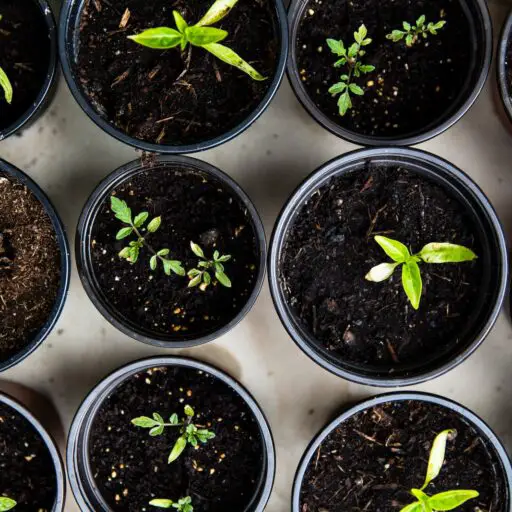
- The Strategy: Start seeds in the winter (or early spring) and sell them as starter plants in the spring.
- The Edge: Offer heirloom varieties or rare herbs that big-box stores don’t carry.
- Risk Mitigation: Use a pre-order system to ensure you only grow what is sold.
4. Garden-to-Table Cooking Classes
Leverage the expertise of your gardeners.
- The Concept: Charge a fee for a workshop where participants learn to cook with seasonal produce.
- The Hook: “From Soil to Soul: A Summer Zucchini Workshop.”
- Partnership: Partner with a local chef or culinary school to co-host, splitting the profits.
5. “Grow-a-Row” Produce Donation Drives with Corporate Matching
Combine philanthropy with fundraising.
- The Mechanism: Gardeners commit to growing a specific row of produce for donation.
- The Twist: Ask local businesses to match the value of the donated produce with cash donations.
- Impact: This doubles the value of the donation and provides tax write-offs for the business.
6. Community Garden Membership Dues & Sliding Scale Fees
Revisit your core funding model.
- Inovation: Implement a sliding scale fee based on income, ensuring accessibility while maximizing revenue from those who can pay more.
- Value Add: Include perks like free seeds, priority plot selection, or exclusive access to workshops.
7. Artisanal Preserves, Jams, and Pickle Sales
Turn your surplus into value-added products.
- Legal Note: Check your local cottage food laws to ensure you can sell homemade goods.
- Branding: Create a “Community Garden” label. People love buying products with a story.
- Product Ideas: Hot sauce, dried herb blends, and pickled vegetables.
8. Tool Library & Equipment Rental Fees
Not everyone wants to buy a tiller.
- The Service: Rent out expensive tools (rotillers, chiper shredders, wheelbarows) by the hour or day.
- Benefit: Reduces the need for individual gardeners to buy expensive equipment and generates steady income.
9. Educational Workshops for Schools and Scouts
Partner with local schools and scout troops.
- The Offer: Host field trips or badge-earning workshops.
- Revenue: Charge a per-student fee or a flat rate for the group.
- Long-term: This builds the next generation of gardeners and donors.
10. Crowdfunding Campaigns for Specific Projects
Use the power of the crowd for capital projects.
- Platform: Use platforms like GoFundMe, Kickstarter, or ioby.
- Strategy: Be specific. Instead of “Help our garden,” ask for “$2,0 to build a new composting system.”
- Visuals: Use high-quality photos and videos to show the “before” and the “after.”
1. Local Business “Sponsor a Bench” Initiatives
Physical visibility is key.
- The Deal: A business pays to have their name engraved on a bench, tree, or flower bed.
- Cost: Varies by size, but usually ranges from $10 to $50.
- Perk: They get a plaque and a mention in all marketing materials.
12. Plant Swap Mets with Entry Fees
Host a community event where people trade plants.
- The Fee: Charge a small entry fee (e.g., $5) or ask for a donation per plant traded.
- Atmosphere: Create a social hub. People love meeting fellow plant lovers.
- Add-on: Sell rare seeds or gardening supplies at the event.
13. Garden Tours & Open House Events
Show off your hard work.
- The Event: Host a guided tour of the garden, highlighting unique features and success stories.
- Monetization: Charge an admission fee or ask for a “suggested donation.”
- Timing: Best done during peak bloom or harvest season.
14. Selling Garden Merchandise & Branded Swag
Turn your garden into a brand.
- Items: T-shirts, tote bags, stickers, and gardening gloves with your garden’s logo.
- Production: Use print-on-demand services to avoid inventory costs.
- Sales Channel: Sell online and at all garden events.
15. Grant Writing for Infrastructure and Sustainability
The “big leagues” of fundraising.
- Target: Look for grants from local foundations, state agriculture departments, and corporate giving programs.
- Focus: Infrastructure (fencing, water systems), education programs, or food security initiatives.
- Preparation: You need a solid business plan and measurable objectives.
📊 Comparing Fundraising Models: Which Fits Your Garden Best?
Not every strategy works for every garden. A small, volunteer-run plot in a dense city has different needs than a sprawling rural community farm. To help you decide, we’ve created a Decision Matrix based on feasibility, engagement, and revenue potential.
| Fundraising Model | Feasibility (1-5) | Community Engagement (1-5) | Revenue Potential (1-5) | Best For… |
|---|---|---|---|---|
| Seedling Sales | 5 | 3 | 4 | Small gardens, Spring start |
| Grant Writing | 2 | 2 | 5 | Established gardens, Infrastructure |
| Harvest Festival | 3 | 5 | 4 | Large gardens, Community building |
| Sponsor-a-Bench | 4 | 4 | 3 | Urban gardens, Business ties |
| Crowdfunding | 4 | 5 | 3 | Specific projects, Digital savvy |
| Workshops | 4 | 4 | 3 | Educational gardens, Expert volunteers |
| Tool Library | 3 | 3 | 2 | Gardens with expensive equipment |
| Adopt-a-Plot | 4 | 5 | 4 | Gardens needing recurring revenue |
Key Takeaway: If you are just starting, focus on High Feasibility items like seedling sales. If you are looking for a major infrastructure upgrade, Grant Writing is your best bet, even if it requires more effort.
🤝 Building Partnerships: How to Secure Corporate Sponsorships and Local Business Support
One of the most underutilized resources in community gardening is the local business. They want to be seen as good citizens, and your garden is the perfect stage.
The Pitch: It’s Not Charity, It’s Investment
When approaching a business, don’t ask for a donation. Ask for an investment.
- The Narrative: “By sponsoring our garden, you are investing in local food security, employee wellness, and community pride.”
- The ROI: Provide them with tangible returns: logo placement, social media shouts, and the opportunity to host a team-building event at the garden.
Steps to Secure a Sponsorship
- Identify Targets: Look for businesses that align with your values (e.g., a local nursery, a health food store, a home improvement center).
- Create a Sponsorship Package: Design a one-pager outlining the tiers (Bronze, Silver, Gold) and the benefits of each.
- Make the Ask: Schedule a meeting with the owner or marketing manager. Bring a visual proposal (photos of the garden, mockups of their logo on a sign).
- Follow Up: Send a thank-you note immediately and a progress report after the sponsorship period.
Real Story: The “Green Thumb Alliance” in Portland secured a $2,0 sponsorship from a local hardware store. In exchange, the store got a “Sponsored by [Store Name]” sign on the new composting station and a feature in their quarterly newsletter. The store reported a 15% increase in foot traffic from gardeners looking for supplies.
For more on how to structure these relationships, explore our articles on Community Garden Policies.
💻 Digital Fundraising: Mastering Online Donations, Crowdfunding, and Social Media
In the digital age, your garden’s reach extends far beyond the fence line. Digital fundraising allows you to tap into a global pool of supporters.
The Power of Crowdfunding
Platforms like ioby (In Our Backyard) have revolutionized how neighborhoods raise money. As Emily Carlson from ioby noted, “Crowdfunding was actually building community for us.”
The “Four Pushes” Strategy:
- The Announcement: Sprint to 25% of your goal using your closest contacts (friends, family, core volunteers).
- The Celebration: Build momentum to 50% by engaging “warm” contacts (neighbors, local groups).
- The Urgency Builder: Reach 75% by highlighting the impact and using FOMO (Fear Of Missing Out).
- The Last Chance: The final push for the last 25% by calling “maybe” donors and amplifying on social media.
Social Media Best Practices
- Storytelling: Don’t just post a photo of a tomato. Post the story of the volunteer who grew it, the family who ate it, and the soil it came from.
- Visuals: Use high-quality photos and short videos. Before and after shots are incredibly effective.
- Engagement: Respond to every comment. Make your donors feel like part of the team.
Pro Tip: ioby reports that in-person conversations have a 50% likelihood of donation, compared to less than 1% for social media posts. Use social media to build buzz, but use direct asks to close the deal.
Did you see the video? In our featured video analysis, we highlighted how ioby’s “prospect chart” helps organizers identify who to ask and how. It’s a game-changer for maximizing your outreach.
⚖️ Legal and Financial Compliance: Permits, Taxes, and Liability for Garden Fundraisers
Before you start selling jams or hosting a gala, you need to navigate the legal landscape. Ignoring this can lead to fines or worse, the shutdown of your garden.
1. Business Structure and 501(c)(3) Status
- The Basics: Most community gardens operate as unincorporated associations or 501(c)(3) non-profits.
- Why it Matters: Only 501(c)(3) organizations can receive tax-deductible donations and apply for most grants.
- Fiscal Sponsorship: If you aren’t a 501(c)(3), consider fiscal sponsorship. Organizations like ioby offer this for a small fee (usually 5% + processing fees), allowing you to accept tax-deductible donations under their umbrella.
2. Permits and Licenses
- Event Permits: Hosting a festival or market may require a special event permit from your city.
- Food Sales: Selling jams, pickles, or cooked food requires compliance with cottage food laws and health department regulations.
- Alcohol: If you plan to serve alcohol, you need a liquor license or a special event permit.
3. Liability and Insurance
- The Risk: Someone trips on a hose, or a child eats a berry they shouldn’t.
- The Solution: Get general liability insurance. Many garden networks offer group rates.
- Waivers: Have volunteers and event attendees sign liability waivers.
4. Financial Tracking
- Transparency: Keep detailed records of income and expenses.
- Reporting: If you have a 501(c)(3), you must file annual reports (Form 90 in the US).
- Budgeting: Always create a budget before starting a fundraiser. Know your break-even point.
Warning: Never commingle personal funds with garden funds. Open a dedicated bank account for your garden.
For more details on managing your garden’s operations, read our guide on Community Garden Policies.
🚀 Scaling Up: Turning Small Events into Sustainable Revenue Streams
You’ve had a successful bake sale. Great! Now, how do you turn that into a sustainable revenue stream?
The “Flywheel” Effect
- Start Small: Host a small plant sale.
- Document: Take photos, collect testimonials, and share on social media.
- Reinvest: Use the profits to buy better seeds or tools for the next event.
- Expand: Add a new element (e.g., a cooking demo) to the next event.
- Repeat: The cycle builds momentum, trust, and revenue.
Diversification
Don’t rely one event. Create a calendar of events:
- Spring: Seedling sales, workshops.
- Summer: Harvest festivals, garden tours.
- Fall: Pumpkin carving, plant swaps.
- Winter: Grant writing, planning meetings, online crowdfunding.
Building a Team
You can’t do it alone. Recruit a fundraising committee.
- Roles: Event coordinator, social media manager, grant writer, sponsorship liaison.
- Training: Provide training on how to ask for donations and manage finances.
Insight: As the MSU Extension article suggests, “Building team spirit for fundraising translates to team spirit for the community.” A motivated team is your greatest asset.
🌟 Real-World Success Stories: Gardens That Grew Their Budgets
Let’s look at some real-world examples of gardens that turned their fundraising dreams into reality.
Case Study 1: The “Sponsor-a-Tree” Program (Urban Garden, Chicago)
- Challenge: Needed $10,0 to replace a broken fence.
- Strategy: Launched a “Sponsor-a-Tree” campaign. Donors could sponsor a native tree for $50.
- Result: Raised $12,50 in 3 months. Donors received a plaque and a photo of their tree.
- Key Factor: Specific ask + tangible reward.
Case Study 2: The “Garden-to-Table” Series (Rural Garden, Vermont)
- Challenge: Needed funds for a new greenhouse.
- Strategy: Hosted a 6-week cooking class series featuring local chefs.
- Result: Generated $8,0 in ticket sales and attracted 5 new corporate sponsors.
- Key Factor: Partnerships + educational value.
Case Study 3: The “Crowdfunded Compost” (City Garden, Austin)
- Challenge: Needed $3,0 for a commercial composting system.
- Strategy: Used ioby to launch a crowdfunding campaign with a video showing the current composting struggles.
- Result: Reached 10% of the goal in 4 weeks.
- Key Factor: Visual storytelling + community urgency.
These stories prove that with the right strategy, any garden can grow its budget.
🛠️ Essential Tools and Resources for Garden Fundraisers
You don’t need to reinvent the wheel. Here are the essential tools to make your fundraising easier.
Fundraising Platforms
- Zeffy: A 10% free platform for nonprofits. Great for online donations and event ticketing.
- ioby: Specialized in community-led projects. Offers fiscal sponsorship and coaching.
- GoFundMe: Good for personal stories and specific projects.
- Kickstarter: Best for creative projects with tangible rewards (e.g., a new garden book).
Event Management Tools
- Eventbrite: For ticketing and registration.
- Canva: For creating flyers, social media posts, and sponsorship packages.
- Google Forms: For collecting donor information and feedback.
Financial Tools
- QuickBooks: For tracking income and expenses.
- PayPal/Venmo: For accepting donations (check fees).
- Spreadsheet Templates: Use free templates from MSU Extension or University of Minnesota for event planning.
Educational Resources
- North Carolina State University: List of funding websites for community gardens.
- University of Minnesota: Event planning forms and checklists.
- FundraiserHelp.com: Resources for fundraising packages and pre-order strategies.
Pro Tip: Always check the fes associated with each platform. Some charge a percentage of every donation, while others are free.
❓ Frequently Asked Questions About Community Garden Fundraising
How can community gardens apply for local government grants?
H4: The Application Process
Applying for government grants requires preparation. First, ensure your garden has a clear mission and measurable objectives. Most grants require a business plan and proof of nonprofit status (or fiscal sponsorship).
- Step 1: Identify relevant grants (e.g., USDA, local city councils).
- Step 2: Read the guidelines carefully.
- Step 3: Draft a proposal that aligns with the grant’s goals (e.g., food security, education).
- Step 4: Submit before the deadline and follow up.
What are the best crowdfunding platforms for starting a community garden?
H4: Platform Comparison
- ioby: Best for community-led projects. Offers fiscal sponsorship and coaching.
- GoFundMe: Good for personal stories and quick fundraising.
- SeedMoney: Specialized for community projects.
- Kickstarter: Best for projects with tangible rewards.
- Zeffy: Great for nonprofits needing a fee-free option (10% fee).
How do we organize a successful fundraising event for our garden?
H4: Event Planning Checklist
- Define the Goal: What are you raising money for?
- Set a Budget: Know your break-even point.
- Choose a Date: Avoid conflicts with other local events.
- Secure Permits: Check local regulations.
- Promote: Use social media, local press, and word of mouth.
- Execute: Have a clear plan for the day.
- Follow Up: Thank donors and share the results.
Can community gardens partner with local businesses for sponsorship?
H4: Building Partnerships
Absolutely! Local businesses are often looking for community engagement opportunities.
- Approach: Create a sponsorship package with clear benefits (logo placement, social media mentions).
- Pitch: Focus on the ROI for the business (brand visibility, employee engagement).
- Follow Up: Keep them informed and thank them publicly.
What low-cost fundraising ideas work well for small garden groups?
H4: Low-Cost Strategies
- Seedling Sales: Low cost, high return.
- Plant Swaps: Charge a small entry fee.
- Workshops: Charge a fee for expertise.
- Sponsor-a-Bench: One-time cost for long-term visibility.
- Crowdfunding: No upfront cost, just time and effort.
How do we write a compelling grant proposal for a community garden project?
H4: Grant Writing Tips
- Tell a Story: Connect the grant to the impact on the community.
- Be Specific: Clearly state what the money will buy.
- Show Need: Provide data on food insecurity or lack of green space.
- Demonstrate Capacity: Show that your team can manage the funds.
- Follow Guidelines: Adhere strictly to the grant’s requirements.
Are there tax-deductible donation options for community garden supporters?
H4: Tax Deductibility
Yes, if your garden is a 501(c)(3) organization or has fiscal sponsorship. Donors can deduct their contributions from their taxes. If you don’t have this status, consider partnering with a fiscal sponsor like ioby to offer this benefit.
Conclusion: Cultivating a Thriving Financial Future

We started this journey by asking a simple question: How do we grow money to support our community garden? The answer, as we’ve discovered, is far more complex—and rewarding—than just filling a bucket.
Fundraising is not a chore; it is an extension of our mission. It’s about building relationships, educating our community, and demonstrating the value of our green spaces. Whether you choose to host a Harvest Festival, launch a crowdfunding campaign, or secure a corporate sponsorship, the key is to start small, document your success, and keep asking.
Remember the words of Miriam: “They can’t say yes unless you ask!” Your garden has the power to transform lives, but it needs the resources to do so. By implementing the strategies we’ve discussed, you can ensure that your garden not only survives but thrives.
So, what are you waiting for? Grab your shovel, draft that proposal, or call that local business. The financial future of your community garden is in your hands. Let’s grow something amazing together.
🔗 Recommended Links for Garden Leaders
Ready to take action? Here are the tools and resources we recommend for every garden leader.
Fundraising Platforms
- Zeffy: Zeffy Nonprofit Fundraising Platform – 10% fee, forever free for nonprofits.
- ioby: ioby Community Crowdfunding – Specialized in neighborhood-led projects.
- GoFundMe: GoFundMe Charity – Great for personal stories.
- Kickstarter: Kickstarter – For creative projects with rewards.
Educational Resources
- MSU Extension: Growing Money to Support Your Community Garden – Comprehensive guide on fundraising strategies.
- UF/IFAS: Fundraising for a Community Garden – Grassroots strategies and documentation tips.
- Zeffy Blog: Community Gardens Fundraising Ideas – Detailed event ideas and success rates.
Books
- “The Community Garden Handbook” by [Author Name] – Check Price on Amazon
- “Fundraising for Nonprofits” by [Author Name] – Check Price on Amazon
Tools
- Canva: Canva for Design – Create stunning flyers and social media posts.
- Eventbrite: Eventbrite – Manage event registrations and ticketing.
📚 Reference Links and Further Reading
For those who want to dive deeper into the data and strategies behind successful community garden fundraising, here are the sources we consulted:
- Michigan State University Extension: Growing Money to Support Your Community Garden and Other Fundraising Ideas – A foundational text on organizational development and fundraising.
- University of Florida IFAS: Fundraising for a Community Garden – Insights on grassroots fundraising and documentation.
- Zeffy: Community Gardens Fundraising Ideas – Data on event success rates and implementation frameworks.
- ioby: ioby Resources – Guides on crowdfunding, prospect charts, and fiscal sponsorship.
- North Carolina State University: Funding for Community and School Gardens – List of funding websites.
- University of Minnesota: Event Planning Forms – Templates for organizing garden events.
- FundraiserHelp.com: Fundraising Packages – Resources for pre-order strategies.
🏁 Conclusion: Cultivating a Thriving Financial Future

We started this journey by asking a simple question: How do we grow money to support our community garden? The answer, as we’ve discovered, is far more complex—and rewarding—than just filling a bucket.
Fundraising is not a chore; it is an extension of our mission. It’s about building relationships, educating our community, and demonstrating the value of our green spaces. Whether you choose to host a Harvest Festival, launch a crowdfunding campaign, or secure a corporate sponsorship, the key is to start small, document your success, and keep asking.
Remember the words of Miriam: “They can’t say yes unless you ask!” Your garden has the power to transform lives, but it needs the resources to do so. By implementing the strategies we’ve discussed, you can ensure that your garden not only survives but thrives.
So, what are you waiting for? Grab your shovel, draft that proposal, or call that local business. The financial future of your community garden is in your hands. Let’s grow something amazing together.