Support our educational content for free when you purchase through links on our site. Learn more

You can absolutely build a thriving community garden within your HOA, but success hinges on framing it as a managed asset rather than a wild plot. Navigating HOA guidelines for shared gardens requires a strategic blend of legal savvy, aesthetic compromise, and bulletproof liability planning.
Most homeowners assume the board will immediately reject any vegetable patch, yet many associations are desperate for projects that boost property values and neighborly connection. The real hurdle isn’t the plants; it’s the fear of liability and maintenance costs.
Consider the story of a quiet subdivision in Utah that turned a blighted, weed-choked corner into a bustling harvest hub. They didn’t just ask for permission; they presented a comprehensive maintenance plan and a signed liability waiver before the first seed was sown.
Did you know that in states like Florida, new laws now explicitly protect homeowners’ rights to grow food in their backyards, even if the HOA hates the look? This shifting legal landscape is opening doors for shared spaces that were once impossible.
Key Takeaways
- Reframe the Narrative: Present your garden as a low-maintenance, high-value asset that enhances community aesthetics, not a chaotic weed patch.
- Address Liability First: Secure liability waivers and verify insurance coverage before proposing any physical changes to common areas.
- Master the Docs: Success depends on understanding your specific CC&Rs and Architectural Guidelines to find the loopholes for edible landscaping.
- Build a Coalition: A single voice is easily ignored, but a unified group of neighbors with a signed petition is hard for a board to dismiss.
- Design for Compliance: Use raised beds, neat pathways, and an approved plant palette to ensure the garden meets strict HOA visual standards.
Table of Contents
- ⚡️ Quick Tips and Facts
- 📜 From Common Law to Covenants: A Brief History of HOA Garden Rules
- 🏡 Decoding the Docs: How to Read Your HOA’s CC&Rs for Gardening Clauses
- 🌱 The Shared Green Space Dilemma: Navigating HOA Guidelines for Shared Gardens
- 🚫 Common HOA Restrictions on Community Plots and What They Actually Mean
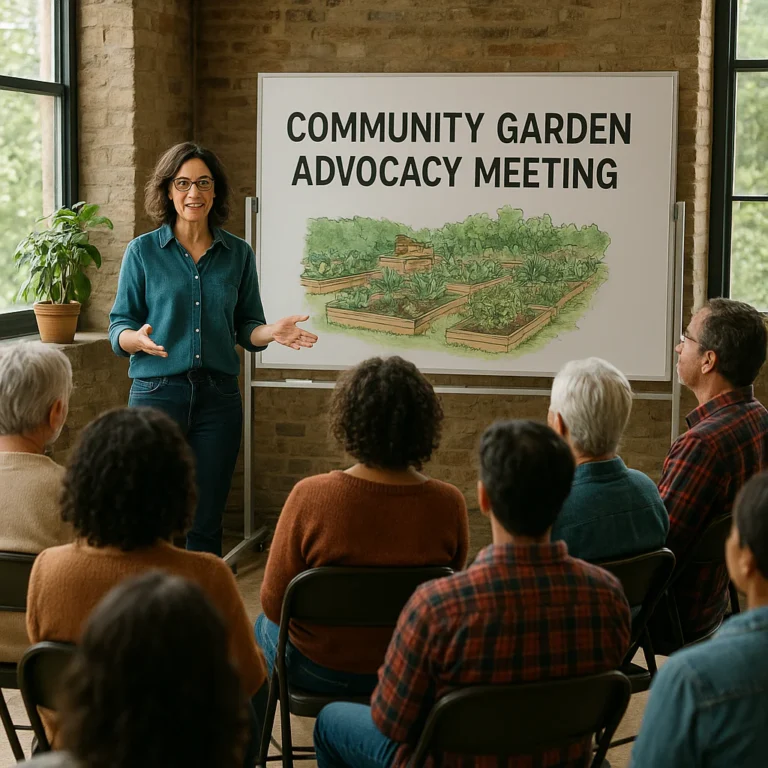
- 📝 7 Essential Steps to Propose a Community Garden to Your Board
- 🤝 Building Consensus: How to Rally Neighbors and Win Over Skeptical HOA Members
- ⚖️ Legal Perspectives on Community Gardens: Liability, Insurance, and Waivers
- 🛡️ Mitigating Risk: Crafting Bulletproof HOA Garden Agreements and Policies
- 🎨 Designing Within the Lines: Aesthetic Standards for HOA-Approved Garden Beds
- 💧 Water Rights and Irrigation: Complying with HOA Land Use Regulations
- 🐝 Pollinator-Friendly vs. “Wedy”: Handling HOA Complaints About Native Plants
- 🔧 Maintenance Responsibilities: Who Mows, Who Waters, and Who Pays?
- 🏆 Success Stories: How Other HOAs Transformed Vacant Lots into Thriving Gardens
- 💡 Troubleshooting: What to Do When Your HOA Says “No” to Your Garden
- 🏁 Conclusion
- 🔗 Recommended Links
- ❓ FAQ: Your Burning Questions About HOA Garden Rules Answered
- 📚 Reference Links
⚡️ Quick Tips and Facts
Before we dive into the thorny underbrush of HOA bylaws, let’s grab a cup of coffee and hit the ground running with the absolute essentials. If you’re reading this, you probably have a green thumb and a slightly nervous heart about your neighborhood association. Don’t panic! We’ve got your back.
Here is the TL;DR on navigating HOA guidelines for shared gardens:
- Visibility is Key: Did you know that in many jurisdictions, if your garden is hidden from the street and neighbors, the HOA often can’t fine you? We’ll explain the “interior view” rule later.
- The “First-Come, First-Served” Reality: As seen in successful models like Daybreak, HOAs often manage shared plots via strict registration windows. If you miss the window, you wait a year!
- Water Rights Matter: You can’t just hook up a hose to a common spigot without permission. Most HOAs have specific irrigation codes.
- Invasive Species are a Hard No: Bamboo is the enemy of the HOA board. It spreads like wildfire and destroys property values. Avoid it at all costs.
- Liability is the Elephant in the Room: The biggest hurdle isn’t aesthetics; it’s who gets sued if a kid trips over a hose. We’ll show you how to solve this.
For a deeper dive into why we do this, check out our guide on Community Gardening.
📜 From Common Law to Covenants: A Brief History of HOA Garden Rules

You might think HOA rules are a modern invention designed torture people who want to grow heirloom tomatoes, but the roots go back much further. The concept of covenants, conditions, and restrictions (CC&Rs) dates back to English common law, where landowners agreed to certain restrictions to maintain the value of their collective estate. Fast forward to the mid-20th century in the US, and the suburban boom created a need for uniformity.
The philosophy, as noted by landscaping experts like Yellowstone Landscape, is simple: “Rules and regulations are in place for a reason—mostly to keep a community looking its best and keeping the property in a mostly uniform look, from home to home.”
However, the pendulum has swung. In the past, HOAs were strict enforcers of “no weeds, no vegetables.” Today, the trend is shifting toward sustainable living and community engagement. We’ve seen a massive rise in HOAs designating specific areas for shared gardening, moving away from the idea that a garden is an “eyesore” and embracing it as a community asset.
But why the shift? It’s about property values meeting lifestyle desires. A well-maintained community garden can actually increase home values, whereas a neglected, overgrown backyard plot can decrease them. The history of HOA garden rules is essentially a tug-of-war between aesthetic uniformity and individual expression.
🏡 Decoding the Docs: How to Read Your HOA’s CC&Rs for Gardening Clauses
So, you’ve decided to fight the good fight. Your first step isn’t buying seeds; it’s cracking open the CC&Rs (Covenants, Conditions, and Restrictions). This document is the bible of your HOA, and it’s usually dense, legalistic, and boring. But don’t let it intimidate you.
The “Garden” Keyword Search
Most HOA documents don’t have a section titled “Gardening.” You need to look for these specific terms:
- Landscaping Standards
- Exterior Modifications
- Common Area Usage
- Nuisance Clauses
- Vegetation Control
What to Look For
When you find the relevant sections, look for the definitions. Does the HOA define “landscaping” to include “edible plants”? Does “common area” include “shared plots”?
Pro Tip: Don’t just read the CC&Rs. Look at the Architectural Guidelines or Design Standards. These often contain the specific lists of approved plants and prohibited structures.
If your HOA is silent on community gardens, that’s actually a good thing! It means you have room to propose a new policy. If they are silent on individual gardens, you might have more freedom than you think, provided you stay within the “visibility” rules we mentioned earlier.
🌱 The Shared Green Space Dilemma: Navigating HOA Guidelines for Shared Gardens
This is where the rubber meets the road. You want a community garden, but the HOA board is worried about liability, maintenance, and “weds.” How do you navigate this?
The core of the dilemma is control. The HOA wants to ensure that the shared space doesn’t become a burden on the association’s budget or a source of complaints.
The “Shared” vs. “Individual” Distinction
Many HOAs are terrified of individual backyard gardens because they can’t control them. A shared garden, however, is a managed asset.
- Individual Garden: You are responsible. If it looks bad, you get fined.
- Shared Garden: The HOA (or a committee) is responsible. If it looks bad, the committee gets fired.
This distinction is crucial. When proposing a shared garden, frame it as a managed community asset that will be maintained by a dedicated group of volunteers, not a free-for-all.
The Daybreak Model
Let’s look at a real-world example: Daybreak HOA Utah. They have successfully implemented a shared garden program with clear guidelines.
- Registration: They use a platform called RecDesk to manage plot assignments.
- Fees: They charge a fee based on square footage (e.g., $0.50 per sq ft) to cover water and maintenance.
- Rules: They have a specific “Daybreak Community Garden Rules” PDF that outlines everything from plot size to prohibited plants.
This model works because it removes the ambiguity. Residents know exactly what to expect, and the HOA knows exactly what they are getting into.
🚫 Common HOA Restrictions on Community Plots and What They Actually Mean
Even with the best intentions, HOAs often have restrictions that seem counterintuitive to gardeners. Let’s decode the most common ones.
1. The “Approved Plant Palette”
The Rule: “You must use plants from the pre-approved list.”
The Reality: This is about invasive species and aesthetic consistency.
- Bamboo: Almost universally banned. It spreads aggressively and can damage foundations.
- Native vs. Exotic: Some HOAs prefer native plants to support local ecosystems, while others want a specific “look” (e.g., all green shrubs, no purple flowers).
- Vegetables: Some HOAs still view vegetables as “temporary” and “messy.” You may need to argue that raised beds with neat rows look more “landscaped” than a wild patch of squash.
2. The “Decoration” Ban
The Rule: “No sculptures, birdbaths, or unapproved decorations.”
The Reality: This is about safety and mosquito control.
- Water Features: Standing water is a no-go because of mosquitoes.
- Sculptures: Large, weird sculptures can be seen as “clutter.”
- The Workaround: Use edible landscaping. A trellis with beans or a planter box with herbs can serve as a “decoration” that is also functional.
3. The “Maintenance” Trap
The Rule: “Residents are responsible for their own plots.”
The Reality: If the HOA doesn’t have a clear maintenance plan, the garden will fail.
- Who waters? If the HOA doesn’t provide water, who pays for the hose?
- Who weeds? If a plot is abandoned, who cleans it up?
- The Solution: Create a Maintenance Agreement that outlines the responsibilities of the garden committee and the HOA.
📝 7 Essential Steps to Propose a Community Garden to Your Board
Ready to take the plunge? Here is your step-by-step guide to proposing a community garden that the HOA can’t say no to.
Step 1: Do Your Homework
Before you walk into a board meeting, know the rules. Read the CC&Rs, the Architectural Guidelines, and the meeting minutes. Are there any previous attempts? Why did they fail?
Step 2: Build a Coalition
You can’t do this alone. Gather a group of neighbors who are interested. A petition with 20 signatures carries more weight than one person’s idea.
Step 3: Draft a Proposal
Your proposal should include:
- Location: Where will the garden go? (Look for unused common areas).
- Design: Sketches of raised beds, pathways, and irrigation.
- Budget: How much will it cost? Who pays?
- Maintenance Plan: Who will water, weed, and harvest?
- Liability Mitigation: How will you handle accidents?
Step 4: Present to the Board
Be professional, polite, and prepared. Anticipate their concerns (liability, cost, aesthetics) and have answers ready.
Step 5: Get the Ball Rolling
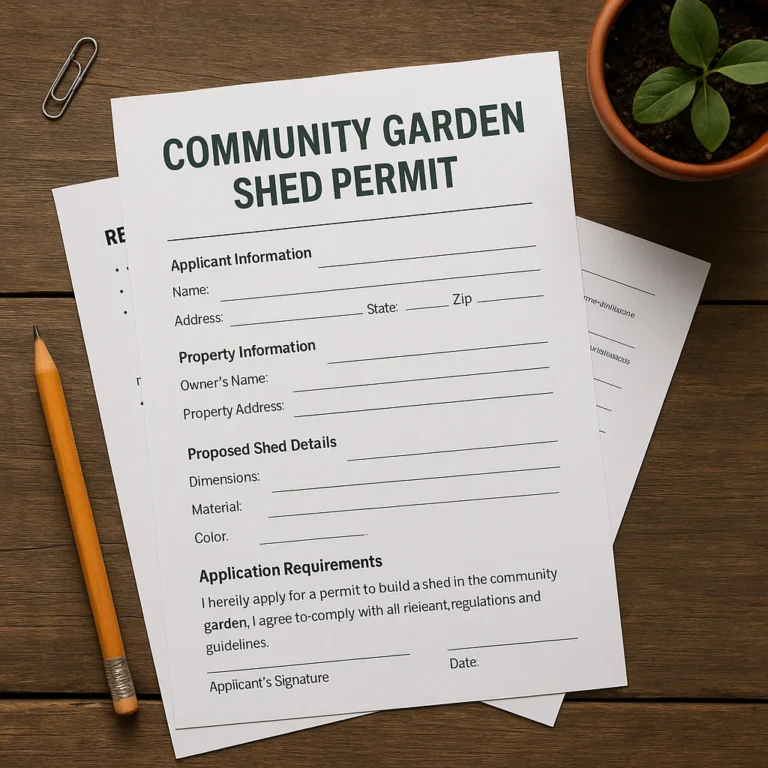
If the board approves, start the process of getting permits, ordering materials, and recruiting volunteers.
Step 6: Launch the Garden
Host a kickoff event. Get the community excited.
Step 7: Maintain and Evolve
Keep the garden thriving. Regular updates to the board will show that the garden is a success, not a burden.
🤝 Building Consensus: How to Rally Neighbors and Win Over Skeptical HOA Members
Not everyone will be on board. Some neighbors might worry about property values, noise, or pests. How do you win them over?
Listen First
Don’t just pitch your idea. Ask the skeptics what their concerns are. “I hear you’re worried about weeds. Here’s how we plan to prevent that.”
Highlight the Benefits
- Social Connection: “This is a place for neighbors to meet.”
- Education: “Kids can learn where food comes from.”
- Property Values: “A well-maintained garden adds value to the community.”
Show, Don’t Just Tell
Bring photos of successful community gardens in other HOAs. Show them that it’s possible to have a beautiful, productive garden that fits the community aesthetic.
The “Trial Run”
Suggest a pilot program. “Let’s try this for one year. If it doesn’t work, we can remove it.” This lowers the stakes for the board.
⚖️ Legal Perspectives on Community Gardens: Liability, Insurance, and Waivers
This is the part that keeps HOA boards up at night: Liability. What if someone gets hurt? What if a child eats a poisonous berry?
The Liability Shield
HOAs are often required to carry general liability insurance. However, this insurance might not cover “volunteer activities” or “agricultural use.”
- Solution: You may need to add a rider to the HOA’s insurance policy or require the garden committee to carry its own liability insurance.
Waivers and Releases
Every gardener should sign a waiver that releases the HOA from liability for injuries. This is a standard legal document that protects the association.
The “Atractive Nuisance” Doctrine
If your garden has a pond or a structure that attracts children, you could be liable if a child gets hurt.
- Solution: Avoid water features or ensure they are fenced off. Keep tools locked away.
Recent Legal Changes: The Florida Example
It’s worth noting that laws are changing. For instance, new Florida laws (HB 1203), effective July 1st, prohibit HOAs from fing residents for having vegetable gardens in their backyards if they are not visible from the street, adjacent parcels, or golf courses. This is a massive shift toward homeowner rights. While this applies to individual gardens, it sets a precedent for how HOAs should treat shared spaces.
Check out this video for a deeper dive into how new laws are changing the landscape of HOA regulations: New Florida HOA Laws Explained.
🛡️ Mitigating Risk: Crafting Bulletproof HOA Garden Agreements and Policies
To make your garden a success, you need a Garden Agreement. This document should cover:
- Plot Assignment: How are plots assigned? (First-come, first-served? Lottery?)
- Fees: What are the costs? (Water, soil, tools?)
- Maintenance: Who is responsible for what?
- Prohibited Plants: A list of banned species.
- Harvest Rules: Can you sell your produce? (Usually no, it’s for personal use).
- Dispute Resolution: What happens if two neighbors fight over a plot?
The “Abandonment” Clause
What happens if a gardener stops showing up? The agreement should state that if a plot is neglected for X weeks, the HOA or committee can reassign it.
The “Compliance” Clause
Gardeners must agree to follow the HOA’s aesthetic guidelines. If they don’t, they lose their plot.
🎨 Designing Within the Lines: Aesthetic Standards for HOA-Approved Garden Beds
You want a garden that looks good, not like a mess. Here’s how to design within the HOA’s aesthetic standards.
Raised Beds are Your Friend
Raised beds look neat, organized, and landscaped. They are easier to control than in-ground plots.
- Materials: Use wood, stone, or composite materials that match the community’s hardscaping.
- Colors: Stick to neutral tones (brown, gray, black) rather than bright red or neon green.
Pathways and Edging
Define the garden with clear pathways. Use gravel, pavers, or mulch to create a clean look.
Vertical Gardening
Use trellises and vertical structures to maximize space and keep the garden looking tidy.
The “Green Wall” Effect
If you’re worried about the garden looking “too agricultural,” use ornamental grasses or flowering vines to soften the edges.
💧 Water Rights and Irrigation: Complying with HOA Land Use Regulations
Water is life, but it’s also a regulated resource.
The Water Source
- Common Area Spigots: Most HOAs have spigots in common areas. You may need a faucet key (like in Daybreak) to access them.
- Irrigation Systems: If you want to install a drip irrigation system, you’ll need approval. It must be hidden and not damage existing landscaping.
Water Restrictions
Many HOAs have watering restrictions based on the time of day or day of the week. Make sure your garden complies.
Rainwater Harvesting
Some HOAs ban rain barrels. Check your local laws and HOA rules. In some states, rainwater harvesting is a right, and HOAs cannot ban it.
🐝 Pollinator-Friendly vs. “Wedy”: Handling HOA Complaints About Native Plants
One of the biggest conflicts in modern gardening is the clash between pollinator-friendly native plants and the HOA’s desire for a “manicured” look.
The “Wedy” Misconception
Native plants often look “wild” to the untrained eye. A patch of coneflowers might look like weeds to a neighbor who expects a lawn.
- Education: Explain the benefits of native plants (pollinators, low water use).
- Design: Use native plants in a structured way. Group them in beds, not scattered randomly.
The “Invasive” Fear
HOAs are right to be wary of invasive species. Make sure your native plants are non-invasive in your specific region.
The Compromise
Propose a pollinator garden that is clearly designated and maintained. Show the board that it’s a feature, not a bug.
🔧 Maintenance Responsibilities: Who Mows, Who Waters, and Who Pays?
The success of a community garden depends on clear maintenance responsibilities.
The Garden Committee
Form a committee of volunteers to manage the garden. They should:
- Schedule watering.
- Monitor plot conditions.
- Handle disputes.
- Organize workdays.
The HOA’s Role
The HOA should:
- Provide water access.
- Handle major repairs (e.g., broken fences).
- Carry liability insurance.
The Gardeners’ Role
Gardeners should:
- Maintain their own plots.
- Follow the rules.
- Pay their fees.
The “Workday” Model
Organize regular community workdays where everyone pitches in. This builds community and ensures the garden stays tidy.
🏆 Success Stories: How Other HOAs Transformed Vacant Lots into Thriving Gardens
Let’s look at some real-world examples of HOAs that got it right.
Case Study 1: The Daybreak Community Garden
- Location: Utah
- Model: Online registration via RecDesk, fees based on square footage.
- Result: High demand, well-maintained plots, happy residents.
Case Study 2: The “Green Thumb” Initiative
- Location: Florida
- Model: A pilot program in a vacant lot.
- Result: Transformed a blighted area into a community hub. The HOA even installed a compost station and tool shed.
Case Study 3: The “Edible Landscape” Project
- Location: California
- Model: Replaced ornamental shrubs with fruit trees and vegetables in common areas.
- Result: Increased property values and community engagement.
💡 Troubleshooting: What to Do When Your HOA Says “No” to Your Garden
So, the board said no. Don’t give up!
1. Ask Why
Get specific feedback. Is it a liability issue? Aesthetic concern? Budget?
2. Address the Concerns
If it’s liability, propose a waiver. If it’s aesthetics, show a better design.
3. Escalate
If the board is unreasonable, you can appeal to the state HOA association or seek legal advice.
4. Go Underground (Literally)
If the HOA won’t allow a shared garden, focus on individual gardens that are hidden from view. Remember the Florida law: if it’s not visible, they can’t fine you!
5. Build Alliances
Find other HOAs in your area that have successful gardens. Use them as examples.
The “No” is Not the End
Sometimes, a “no” is just a “not yet.” Keep the conversation going. Attend meetings, volunteer, and show that you are a responsible neighbor.
🏁 Conclusion

Navigating HOA guidelines for shared gardens is a journey that requires patience, diplomacy, and a lot of green thumbs. We’ve covered everything from decoding the dense legal jargon of CC&Rs to crafting bulletproof liability waivers. The key takeaway? Communication and preparation are your best tools.
HOAs aren’t the enemy; they are guardians of community standards. By framing your community garden as a managed asset that enhances property values and fosters social connection, you can turn skeptics into supporters. Whether you’re proposing a pilot program, designing raised beds that fit the aesthetic, or simply navigating the new laws that protect your right to grow food in your backyard, remember that every successful garden started with a single seed of an idea.
Don’t let the fear of a “no” stop you. Use the strategies we’ve discussed—build a coalition, draft a solid proposal, and address liability head-on. And if the board says no to a shared space, remember the power of the hidden garden. As long as it’s not visible from the street, you might just have the freedom to grow your own paradise.
So, what are you waiting for? Grab your trowel, rally your neighbors, and start digging. The community garden of your dreams is just a proposal away.
🔗 Recommended Links
If you’re ready to get your hands dirty, here are some essential tools and resources to help you build your HOA-approved community garden.
👉 Shop Garden Tools on:
- Fiskars: Amazon | Walmart | Fiskars Official
- Gardener’s Supply Company: Amazon | Gardener’s Supply Official
👉 Shop Raised Bed Kits on:
- Vigoro: Amazon | Home Depot
- GreenStalk: Amazon | GreenStalk Official
Books for HOA Gardeners:
- The Community Gardening Handbook by Amazon
- HOA Rules and Regulations: A Guide for Homeowners by Amazon
❓ FAQ: Your Burning Questions About HOA Garden Rules Answered
What are the common HOA rules for community garden plots?
Common rules include plot size limits, approved plant lists (often banning invasive species like bamboo), maintenance requirements (weding, watering), and aesthetic standards (raised beds, neat pathways). Many HOAs also require a registration fee and a liability waiver.
Read more about “🌱 12 Steps to Native Plant Integration in Community Gardens (2026)”
Can an HOA charge fees for shared garden maintenance?
Yes. HOAs can charge fees to cover the cost of water, soil, tools, and maintenance. These fees are often calculated based on the square footage of the plot. For example, the Daybreak HOA charges $0.50 per square foot.
How do I propose a new community garden to my HOA?
Start by researching your CC&Rs, then build a coalition of interested neighbors. Draft a detailed proposal that includes a design, budget, maintenance plan, and liability mitigation strategy. Present this to the board at a meeting, and be prepared to answer questions about aesthetics and costs.
What plants are prohibited by HOA guidelines in shared gardens?
Most HOAs prohibit invasive species (like bamboo), tall plants that block views, and plants that attract pests (like certain fruit trees if not managed). They often require an approved plant palette to ensure consistency.
Read more about “🌱 Community Garden Rules: 12 Essential Laws You Must Know (2026)”
Who is responsible for watering the HOA shared garden?
This depends on the Garden Agreement. In some cases, the HOA provides water access, and gardeners are responsible for watering their own plots. In others, a maintenance committee or professional landscaper handles watering. Always clarify this in your proposal.
Read more about “🌿 14 Essential Rules & Regulations of a Community Garden (2025)”
Can the HOA restrict the types of vegetables I grow in the community plot?
Yes. HOAs can restrict the types of vegetables you grow if they are deemed unsightly, invasive, or messy. However, many HOAs are becoming more flexible, especially if the vegetables are grown in raised beds that look neat and organized.
How do I resolve disputes with neighbors over shared garden space?
Disputes should be handled according to the Garden Agreement. Most agreements include a dispute resolution process, such as mediation by the garden committee or the HOA board. Open communication and clear rules are key to preventing conflicts.
Read more about “How Do You Make a Community Vegetable Garden? 15 Steps to Success 🌿 (2026)”
📚 Reference Links
- Daybreak Community Gardens: Community Gardens | Daybreak HOA Utah
- Yellowstone Landscape: Most Common HOA Landscaping & Gardening Policies
- Florida HB 1203: Florida Statutes – Homeowners’ Associations (Note: Check for the latest version of HB 1203)
- Community Gardening™: Benefits of Community Gardens
- Community Gardening™: Community Garden Policies
- Community Gardening™: Edible Plants
- Community Gardening™: Climate Adaptation in Gardening