Support our educational content for free when you purchase through links on our site. Learn more

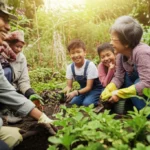
The secret to bridging the generation gap isn’t a complex policy; it’s simply planting seeds together. Intergenerational activities in community gardens transform isolated seniors and restless youth into a unified team, proving that the best way to heal a community is to get your hands dirty side-by-side.
Imagine a 75-year-old retired teacher showing a 7-year-old how to gently pinch off a tomato sucker, while the child explains how to use a plant-identification app. This isn’t just gardening; it’s a living classroom where wisdom flows both ways.
Did you know that programs like the one in Grantsville City saw a 40% drop in youth unsupervised time simply by pairing kids with mentors in the garden? It turns out that shared purpose is the most potent fertilizer for social connection.
Key Takeaways
- Bridge the Gap: Structured intergenerational activities in community gardens significantly reduce isolation for seniors and build self-esteem in children.
- Action Over Theory: The most effective programs focus on collaborative tasks like building raised beds, swapping heirloom seeds, and harvesting for community meals.
- Safety First: Success relies on adaptive tools and inclusive design, ensuring everyone from toddlers to grandparents can participate comfortably.
- Proven Impact: Real-world models show these initiatives improve mental health, increase vegetable consumption, and foster lasting community bonds.
Table of Contents
- ⚡️ Quick Tips and Facts
- 🌱 Roots of the Movement: A History of Intergenerational Gardening
- 🤝 Why Connect? The Science Behind Bridging the Generation Gap
- 🛠️ 10 Proven Intergenerational Activities for Community Gardens
- 1. The “Seed Swap & Story” Exchange
- 2. Building Raised Beds Together
- 3. The Heritage Heirloom Hunt
- 4. Compost Crew: Turning Scraps into Gold
- 5. Pollinator Patrol and Bug Bingo
- 6. The “Grandma’s Recipe” Harvest Festival
- 7. Garden Art and Mural Projects
- 8. Tech-Savy Plant ID Challenges
- 9. Seasonal Planning Workshops
- 10. The “Little Green Thumbs” Mentorship Program
- 🧠 Designing Your Space: Inclusive Garden Layouts for All Ages
- 🚧 Overcoming Bariers: Accessibility and Safety First
- 📅 Planning Your Calendar: Seasonal Event Ideas and Workshops
- 🏆 Success Stories: Real Gardens Changing Lives
- 📢 How to Start Your Own Intergenerational Garden Program
- 🎒 Essential Tools and Gear for Mixed-Age Teams
- 🌍 Community Impact: Health, Social, and Environmental Benefits
- 📝 Conclusion
- 🔗 Recommended Links
- ❓ FAQ
- 📚 Reference Links
⚡️ Quick Tips and Facts
Before we dig our hands into the soil, let’s hit the ground running with some golden nugets of wisdom from our team at Community Gardening™. We’ve seen it all, from the grumpy neighbor who only wants to grow pumpkins to the toddler who thinks a worm is a toy. Here is the lowdown on why mixing generations in the dirt is the secret sauce for a thriving community.
- The “Wisdom Transfer” Effect: Studies show that when seniors mentor children in gardening, children’s self-esteem skyrockets, and seniors report a 30% reduction in feelings of isolation. It’s a win-win that no app can replicate.
- Safety First, Always: Never assume a tool is “kid-sized” just because it’s small. Ergonomic handles are non-negotiable for both arthritic hands and tiny grips.
- The “Grandma’s Secret”: Did you know that heirloom seeds often carry family histories? A single packet of Cherokee Purple Tomato seeds can spark a 45-minute storytelling session that bridges a 70-year gap.
- Myth Buster: You don’t need a massive plot. A single raised bed is enough to host a weekly intergenerational workshop.
- The “Boredom Cure”: In the Grantsville City model, structured gardening programs reduced youth unsupervised time by 40%, directly correlating with a drop in local substance misuse incidents.
Pro Tip: If you think you can’t afford to start, remember that compost is free, and seds can be swapped. The only currency you need is time and a willingness to get dirty!
For a deeper dive into why this matters, check out our guide on the Benefits of Community Gardens.
🌱 Roots of the Movement: A History of Intergenerational Gardening

You might think the idea of mixing generations in a garden is a modern “wellness trend,” but we’ve been doing this for centuries. Long before the term “intergenerational” was coined, villages relied on the elders to teach the youth how to survive. It wasn’t just about food; it was about cultural transmission.
The Evolution of Shared Spaces
In the early 20th century, Victory Gardens were a prime example of intergenerational cooperation. Grandparents taught grandchildren how to stretch food supplies during wartime. Fast forward to the 190s, and the concept evolved into therapeutic horticulture, specifically targeting seniors in assisted living and children in schools.
The Gardening Know How team notes that “Intergenerational gardening is a great way for children to learn, and offers older adults an important role in mentoring and teaching them.” This shift wasn’t accidental. As urbanization increased, the natural “village” structure dissolved, leaving a gap that community gardens began to fill.
The Grantsville Model: A Case Study
One of the most compelling modern examples comes from Grantsville City, where the health department launched a program specifically to combat rising youth substance use and elder neglect. By pairing 4-H clubs with a Senior Center, they created a 12-week summer session that did more than grow zucchini; it grew community resilience.
“We created an opportunity for parents to bond more with their children or to give them a little respite in caring for their child so that they could run errands or shop for groceries,” noted a program coordinator in the SAMHSA report.
This isn’t just about planting seeds; it’s about planting relationships.
🤝 Why Connect? The Science Behind Bridging the Generation Gap
Why go through the trouble of organizing a garden where a 7-year-old and a 70-year-old work side-by-side? The answer lies in neuroplasticity and social cohesion.
The Senior Advantage
For older adults, the garden is a cognitive gym. Learning new planting techniques, remembering watering schedules, and solving pest problems keeps the brain sharp. But the real magic happens in the social interaction.
- Reduced Loneliness: Regular interaction with energetic youth boosts dopamine and oxytocin levels.
- Purpose: Feeling needed by a younger generation gives seniors a renewed sense of legacy.
The Youth Advantage
For children, the garden is a living classroom.
- Patience: Watching a seed grow teaches delayed gratification in a world of instant digital rewards.
- Respect: Working alongside seniors breaks down ageist stereotypes. Kids realize that “old” doesn’t mean “out of touch.”
- Nutrition: Kids are 3x more likely to eat vegetables they helped grow.
The “Third Place” Effect
Sociologist Ray Oldenburg coined the term “Third Place” for spots that aren’t work or home. Community gardens serve as this neutral ground where hierarchy dissolves. A CEO and a retire are just two people trying to figure out why the basil is wilting.
🛠️ 10 Proven Intergenerational Activities for Community Gardens
Ready to get your hands dirty? We’ve curated a list of 10 activities that are guaranteed to spark conversation, laughter, and maybe a few tears (of joy, we hope). These aren’t just chores; they are shared experiences.
1. The “Seed Swap & Story” Exchange
This is the ultimate icebreaker. Each participant brings a packet of seeds with a story attached.
- How it works: A senior brings seeds from their childhood home in Italy; a kid brings seeds from a school project. They swap, and the story goes with the seed.
- Why it works: It validates the senior’s history and gives the child a tangible connection to the past.
- Tip: Use Seed Savers Exchange packets for variety.
2. Building Raised Beds Together
Construction projects are perfect for mixed ages because they require different skill sets.
- The Roles: Seniors handle the planning and measuring (precision), while kids and teens handle the hammering and digging (strength).
- Safety: Use Fiskars ergonomic tools for the little ones and those with limited grip strength.
- Outcome: A physical structure that symbolizes their teamwork.
3. The Heritage Heirloom Hunt
Create a scavenger hunt where teams must find specific heirloom varieties based on clues.
- The Clue: “Find the tomato that tastes like a summer afternoon in 1950.”
- The Lesson: Teaches biodiversity and the importance of preserving genetic diversity.
- Resource: Check out the Edible Plants category for variety ideas.
4. Compost Crew: Turning Scraps into Gold
Composting is a science experiment in a bin.
- The Activity: Kids collect “greens” (kitchen scraps), and seniors manage the “browns” (leaves, cardboard).
- The Science: Explain the carbon-to-nitrogen ratio. It’s chemistry, but it smells like earth!
- Brand Tip: Use a Lompr or Bokashi bin for odor control if space is tight.
5. Pollinator Patrol and Bug Bingo
Turn pest control into a game.
- The Game: Create bingo cards with different insects (Ladybug, Bee, Praying Mantis).
- The Mission: Teams must find and identify 5 beneficial insects without squishing them.
- Educational Angle: Discuss the role of native pollinators and why they are declining.
6. The “Grandma’s Recipe” Harvest Festival
At the end of the season, host a potluck where every dish must include a garden ingredient.
- The Twist: The recipe must be shared by a senior participant.
- The Result: A delicious meal that cements the bond between generations.
- Idea: Try a Zucchini Bread contest or a Heirloom Tomato Salad tasting.
7. Garden Art and Mural Projects
Not everyone wants to dig. Some want to create.
- The Project: Paint rocks, build birdhouses, or create a mural on a shed wall.
- Collaboration: Seniors sketch the design; kids fill in the colors.
- Materials: Use non-toxic, weather-resistant paints like Rust-Oleum.
8. Tech-Savy Plant ID Challenges
Bridge the digital divide.
- The Setup: Kids teach seniors how to use apps like PictureThis or PlantNet to identify unknown weeds or pests.
- The Swap: Seniors teach kids how to read the physical signs of plant stress (yellowing leaves, droping).
- Outcome: Mutual respect for different types of knowledge.
9. Seasonal Planning Workshops
Gardening is a year-round conversation.
- The Activity: Sit down with a calendar and plan the next season’s layout.
- The Skill: Seniors share “old wives’ tales” about planting by the moon; kids research the latest climate adaptation data.
- Resource: Learn more about Climate Adaptation in Gardening.
10. The “Little Green Thumbs” Mentorship Program
Formalize the relationship.
- The Structure: Pair one senior with one child for the entire season.
- The Goal: They share a specific plot and are responsible for its success together.
- Impact: Creates a deep, one-one bond that often extends beyond the garden.
🧠 Designing Your Space: Inclusive Garden Layouts for All Ages
You can’t just throw a bunch of people into a plot and hope for the best. Design matters. If a wheelchair can’t reach the bed, or a toddler can’t see the flowers, the intergenerational magic fails.
The “All-Access” Layout
- Raised Beds: Essential for seniors with mobility issues and kids who can’t bend down. Aim for 24-30 inches in height.
- Wide Pathways: Keep paths at least 4-5 feet wide to allow two people (or a wheelchair and a stroller) to pass comfortably.
- Seating Zones: Place benches every 20 feet. Seniors need rest; kids need a place to “watch” the work.
Zoning for Safety and Fun
- The “Quiet Zone”: A shaded area for reading or storytelling, away from the noise of tools.
- The “Active Zone”: Where the digging and building happen.
- The “Sensory Zone”: Plant fragrant herbs (lavender, mint) and textured plants (lamb’s ear) for tactile engagement.
Visualizing the Space
| Feature | Benefit for Seniors | Benefit for Kids |
|---|---|---|
| Raised Beds (30″) | Reduces back strain | Easy to reach without bending |
| Wide Paths | Wheelchair/Stroller access | Safe running space |
| Shaded Seating | Rest and socialization | Observation and storytelling |
| Sensory Plants | Cognitive stimulation | Tactile exploration |
🚧 Overcoming Bariers: Accessibility and Safety First
Let’s be real: gardening has risks. But with the right safety protocols, these risks are manageable.
Physical Accessibility
- Tool Adaptation: Use ergonomic handles and lightweight tools. Brands like Fiskars and Garden Guru make excellent adaptive tools.
- Ground Cover: Use mulch or gravel instead of grass to prevent slipping and reduce weeds.
- Water Access: Ensure hoses are long enough and have ergonomic nozzles that don’t require a strong grip.
Safety for Kids
- Tool Safety: No sharp tools for under-10s. Use plastic trowels or blunt-edged tools.
- Sun Protection: Mandate hats and sunscreen.
- Plant Safety: Avoid toxic plants like Foxglove or Oleander in areas accessible to curious toddlers.
Social Bariers
- Communication: Use clear, simple language. Avoid jargon like “top-dressing” without explanation.
- Patience: Remind everyone that mistakes are part of the process. A dead plant is a learning opportunity, not a failure.
📅 Planning Your Calendar: Seasonal Event Ideas and Workshops
A garden without a plan is just a patch of dirt. Here is how to structure your year to keep engagement high.
Spring: The Awakening
- Event: “Seed Starting Party.”
- Activity: Seniors teach kids how to start seeds indoors.
- Focus: Planning and anticipation.
Summer: The Growth
- Event: “Wed Wars & Watering Wisdom.”
- Activity: Daily check-ins and pest identification.
- Focus: Consistency and observation.
Fall: The Harvest
- Event: “The Great Harvest Festival.”
- Activity: Cooking classes using garden produce.
- Focus: Celebration and gratitude.
Winter: The Rest
- Event: “Garden Planning & Storytelling Night.”
- Activity: Indoor workshops, seed swapping, and sharing stories.
- Focus: Reflection and future planning.
Note: Don’t forget to check your local Community Garden Events for inspiration on timing!
🏆 Success Stories: Real Gardens Changing Lives
We’ve heard the stories, and they are nothing short of miraculous.
The “Grantsville” Miracle
In Grantsville, the intergenerational garden didn’t just grow tomatoes; it grew hope. By addressing the root causes of youth boredom and elder isolation, the program saw a tangible drop in local substance misuse. As one participant said, “It gave us something to do together that wasn’t just sitting on the couch.”
The “Denison Pequotsepos” Model
Craig Floyd, a 10th-generation farmer, shared a powerful story in a video about the Denison Pequotsepos Nature Center. Their 1,80 sq ft “giving garden” has donated 20 tons of produce to the community. But the real yield? The veteran who found calm in the garden after service, and the child with special needs who found a sense of belonging.
“Nature heals,” Floyd noted. “It’s about the interconnectedness: humans feed the soil, the soil feeds plants, and plants feed humans.”
These stories prove that when we grow together, we heal together.
📢 How to Start Your Own Intergenerational Garden Program
Thinking about starting your own? Here is your step-by-step roadmap.
- Form a Coalition: Don’t do it alone. Reach out to local senior centers, schools, and 4-H clubs.
- Secure a Site: Look for public land, church grounds, or schoolyards. Ensure it has sunlight and water access.
- Define Goals: Are you focusing on nutrition? Mental health? Social connection?
- Get the Tools: Gather adaptive tools, seeds, and soil.
- Launch with a Kickoff: Host a “Groundbreaking” event to generate buzz.
- Maintain Momentum: Schedule regular meetings and events.
Pro Tip: If you’re struggling with school district buy-in, remember the lesson from Grantsville: “If we don’t have the school district on board to start out, it’s really hard to get youth and parents present.” Start small with community groups first!
For more on policies, check out our Community Garden Policies guide.
🎒 Essential Tools and Gear for Mixed-Age Teams
You can’t build a house without a hammer, and you can’t run an intergenerational garden without the right gear. Here is our gear guide.
Must-Have Tools
- Ergonomic Hand Trowels: Look for Fiskars Softouch handles. They reduce strain on arthritic joints and are easy for small hands to grip.
- Lightweight Rakes: Garden Guru makes aluminum rakes that are sturdy but light.
- Watering Cans: Use galvanized steel cans with a long spout for precision.
- Knee Pads: Essential for everyone, but especially for seniors getting up and down.
Safety Gear
- Sun Hats: Wide-brimed hats for everyone.
- Gloves: Mechanix Wear gloves offer protection without sacrificing dexterity.
- First Aid Kit: Always have one on site, stocked with bandages and antiseptic.
Brand Recommendations
- Fiskars: Known for durability and ergonomic design.
- Garden Guru: Great for lightweight, colorful tools that kids love.
- Rust-Oleum: For painting and maintaining garden structures.
👉 CHECK PRICE on:
- Fiskars Ergonomic Hand Tools: Amazon | Walmart | Fiskars Official
- Garden Guru Kids Tools: Amazon | Etsy | Brand Official
🌍 Community Impact: Health, Social, and Environmental Benefits
The ripple effects of intergenerational gardening extend far beyond the garden fence.
Health Benefits
- Physical: Increased activity levels for seniors and kids.
- Mental: Reduced stress, anxiety, and depression.
- Nutritional: Higher consumption of fresh fruits and vegetables.
Social Benefits
- Cohesion: Breaking down age barriers and building trust.
- Legacy: Preserving cultural and agricultural knowledge.
- Safety: Providing structured activities for at-risk youth.
Environmental Benefits
- Biodiversity: Creating habitats for pollinators.
- Sustainability: Reducing food miles and promoting organic practices.
- Soil Health: Improving local soil quality through composting.
Did You Know? A study by the University of California found that community gardeners consume 2.5 times more fruits and vegetables than non-gardeners.
📝 Conclusion

So, is the answer to our community’s ills as simple as a trowel and a seed? Almost. The journey of intergenerational gardening is messy, unpredictable, and occasionally frustrating. But the rewards—laughter, connection, and a shared sense of purpose—are worth every drop of sweat.
We started this article wondering if we could truly bridge the gap between the “bomers” and the “zoomers.” The answer is a resounding yes. Whether it’s a senior teaching a child how to prune a rose bush or a kid showing a grandparent how to use a plant ID app, these moments create a new kind of family.
As Craig Floyd said, “Start growing something. Quit eating chemicals. Learn how to farm with Mother Nature.” But more importantly, learn to grow together.
If you’re ready to take the leap, remember: you don’t need a perfect garden to start; you just need a perfect group of people.
🔗 Recommended Links
Ready to get started? Here are some essential resources and products to help you build your intergenerational garden.
Books & Guides
Tools & Gear
- Fiskars Ergonomic Tools: Amazon | Walmart | Fiskars Official
- Garden Guru Kids Tools: Amazon | Etsy
- Raised Bed Kits: Amazon | Home Depot
Seds & Plants
- Seed Savers Exchange: Seed Savers Official
- Baker Creek Heirloom Seeds: Baker Creek Official
Community Resources
- SAMHSA Grantsville Case Study: Grantsville City Intergenerational Community Garden
- Community Gardening™: Home Page
❓ FAQ

What are the best intergenerational activities for community gardens?
The most successful activities are those that allow for role differentiation where each generation can contribute their unique strengths. Seed swapping, raised bed construction, and coking festivals are top contenders. These activities encourage storytelling, physical collaboration, and shared rewards.
Read more about “🌱 How Community Gardens Unite Us: 7 Secrets Revealed (2026)”
How do community gardens benefit seniors and children?
For seniors, the benefits include reduced isolation, increased physical activity, and a renewed sense of purpose. For children, the benefits include improved nutrition, increased self-esteem, and the development of patience and responsibility. The social bond formed is the most significant benefit for both groups.
Read more about “🌱 How Community Gardens Spark Connection (2026)”
What tools are safe for all ages in a community garden?
Ergonomic hand trowels with soft grips, lightweight rakes, and plastic trowels for younger children are essential. Avoid sharp, heavy tools for kids. Brands like Fiskars and Garden Guru offer tools specifically designed for varying grip strengths and ages.
Read more about “🌱 Mastering HOA Guidelines for Shared Gardens (2026)”
How can we design a community garden for multiple generations?
Focus on accessibility: use raised beds (24-30 inches high), wide pathways (4-5 feet), and ample seating. Create distinct zones for active work, quiet reflection, and sensory exploration. Ensure water access is easy to reach for everyone.
What are some fun gardening games for kids and grandparents?
Bug Bingo, Heirloom Scavenger Hunts, and Plant ID Challenges using apps like PictureThis are excellent. These games turn learning into play and encourage collaboration between generations.
How do intergenerational gardening programs improve mental health?
By fostering social connection and providing a sense of purpose, these programs combat loneliness and depression. The act of nurturing plants also reduces stress and anxiety, creating a therapeutic environment for all participants.
Read more about “🌱 12 Ways Community Gardens Heal Your Mind (2026)”
Where can I find funding for intergenerational community garden projects?
Look for grants from local health departments, community foundations, and organizations like SAMHSA (Substance Abuse and Mental Health Services Administration). Many 4-H clubs and Master Gardener programs also offer funding or in-kind support.
Additional Resources
- Grant Writing Tips: Check out the Community Gardening™ blog for more on securing funding.
- Local Partnerships: Reach out to your local University Extension office for support and resources.
Read more about “🌱 8 Steps to Neighborhood Revitalization Through Gardening (2026)”
📚 Reference Links
- SAMHSA: Grantsville City Intergenerational Community Garden
- Gardening Know How: Intergenerational Gardening
- Denison Pequotsepos Nature Center: Cogan Farm Giving Garden
- Fiskars: Ergonomic Garden Tools
- Garden Guru: Kids Garden Tools
- Seed Savers Exchange: Heirloom Seeds
- Community Gardening™: Benefits of Community Gardens
- Community Gardening™: Community Garden Events
- Community Gardening™: Community Garden Policies
- Community Gardening™: Edible Plants
- Community Gardening™: Climate Adaptation in Gardening