Support our educational content for free when you purchase through links on our site. Learn more


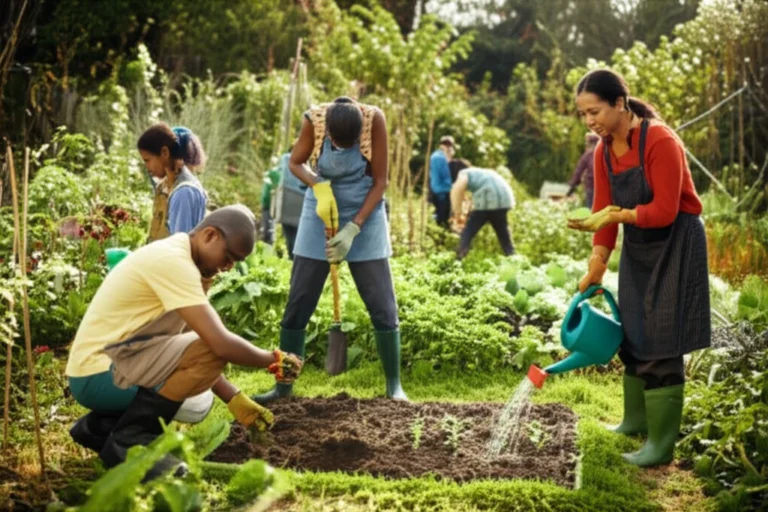
Ever feel like your brain is running a marathon on a treadmill that never stops? You’re not alone. In our hyper-connected, high-stress world, the simple act of getting your hands dirty in a community garden has emerged as a surprising, powerful antidote. But it’s not just about growing the perfect tomato; it’s about growing emotional resilience from the ground up.
At Community Gardening™, we’ve watched skeptics turn into believers, and isolated individuals find their tribe, all within the confines of a shared plot. Did you know that a single 20-minute session in the soil can lower your cortisol levels more effectively than reading a book indoors? Or that the bacteria in the dirt actually triggers your brain to release serotonin, nature’s own antidepressant?
In this deep dive, we’re uncovering the 12 proven ways community gardening rewires your brain for happiness, fosters unbreakable social bonds, and provides a sanctuary for your mental health. From the science of Mycobacterium vacae to the heartwarming stories of intergenerational healing, we’ll explore why your next therapy session might just be in a raised bed. Ready to trade your anxiety for a harvest of joy? Let’s dig in.
Key Takeaways
- Natural Mood Boosters: Gardening exposes you to Mycobacterium vacae, a soil bacterium that naturally increases serotonin levels, acting as a potent mood elevator.
- Stress Reduction: Just 20 minutes of gardening can significantly lower cortisol levels, providing a biological reset button for a stressed mind.
- Social Connection: Community gardens combat loneliness by fostering a supportive network of neighbors, creating a sense of belonging that is crucial for mental wellbeing.
- Cognitive Resilience: The planning and physical engagement required in gardening act as a workout for the brain, helping to delay cognitive decline and improve focus.
- Accessible Therapy: You don’t need a “green thumb” or expensive equipment to reap these benefits; the act of caring for living things is therapeutic core.
Table of Contents
- ⚡️ Quick Tips and Facts
- 🌱 From Dirt to Delight: A Brief History of Community Gardening for Mental Wellness
- 🧠 The Science of Soil: How Gardening Rewires Your Brain for Happiness
- 🤝 Cultivating Connection: The Social Benefits of Shared Green Spaces
- 🌿 12 Proven Ways Community Gardens Boost Emotional Resilience and Reduce Stress
- 🧘 Mindfulness in the Mulch: Using Gardening as a Meditative Practice
- 👵👶 Bridging Generations: Intergenerational Healing Through Shared Plot Work
- 🌦️ Overcoming the Blues: How Seasonal Gardening Combats Depression and Anxiety
- 🛠️ Getting Started: A Step-by-Step Guide to Finding Your Perfect Community Plot
- 🚫 Common Myths About Community Gardening and Mental Health Debunked
- 📊 Real Stories: Anecdotes of Transformation from Our Community Gardeners
- 🌍 Global Perspectives: How Different Cultures Leverage Gardens for Collective Wellbeing
- 📈 New MSU Research Shows Gardening Improves Mental, Social Well-being: What the Data Actually Says
- 🏆 Conclusion: Why Your Next Therapy Session Might Be in a Raised Bed
- 🔗 Recommended Links
- ❓ FAQ: Frequently Asked Questions About Community Gardens and Mental Health
- 📚 Reference Links
⚡️ Quick Tips and Facts
Before we dive deep into the soil of mental wellness, let’s grab a few quick nugets of wisdom to get your mental gears turning. Did you know that just 20 minutes of gardening can significantly lower cortisol levels? It’s true! Here are some rapid-fire facts to get you excited about your next plot:
- ✅ The “Green Prescription”: In the UK, doctors are increasingly prescribing time in nature to treat mild depression and anxiety.
- ✅ Microbiome Magic: The bacterium Mycobacterium vacae found in soil triggers the release of serotonin, a natural mood booster.
- ✅ Social Antidote: Community gardeners report feeling less lonely than non-gardeners, even in dense urban environments.
- ✅ Cognitive Boost: Gardening tasks requiring planning and memory (like crop rotation) act as a workout for the brain, potentially delaying cognitive decline.
- ❌ Myth Buster: You don’t need a “green thumb” to reap the mental benefits; the act of caring for anything living is therapeutic.
For a deeper dive into why these spaces exist in the first place, check out our guide on What is the purpose of a community garden?.
🌱 From Dirt to Delight: A Brief History of Community Gardening for Mental Wellness

The concept of gathering to grow food isn’t new; it’s as old as civilization itself. However, the specific focus on mental health as a primary driver is a fascinating evolution.
The Victory Garden Legacy
During World War I and II, “Victory Gardens” were a patriotic duty. But beyond feeding the nation, they provided a crucial psychological lifeline. In times of global uncertainty, tending a plot gave people a sense of control and purpose. We often forget that these gardens were the original community mental health hubs, offering a safe space to process trauma and build resilience.
The Urban Renaissance
Fast forward to the 1970s, when urban decay threatened cities like New York and London. Community gardens emerged from the ashes of vacant lots, not just to grow tomatoes, but to grow hope. These spaces became sanctuaries where neighbors could reconnect, breaking the isolation of city life.
Today, the movement has matured. It’s no longer just about survival; it’s about thriving. Modern community gardens are designed with therapeutic landscapes in mind, featuring raised beds for accessibility, sensory gardens for those with sensory processing disorders, and quiet corners for reflection.
“We were surprised to find that the gardening triad was nearly universal among the participants and that love was integrated throughout the gardening experience — love and connection with plants, self and nature.” — Katherine Alaimo, MSU Researcher
🧠 The Science of Soil: How Gardening Rewires Your Brain for Happiness
Ever wonder why you feel so “light” after weding a bed? It’s not just the exercise; it’s the biology.
The Serotonin Connection
When you dig into the earth, you are exposed to Mycobacterium vacae. This friendly soil bacterium, when inhaled or absorbed through minor cuts, stimulates the immune system and triggers the release of serotonin. This is the same neurotransmitter targeted by many antidepressants. Essentially, you are giving yourself a natural, organic mood lift with every shovel full of dirt.
Cortisol and the Stress Response
A study published in Frontiers in Psychology found that gardening for 30 minutes significantly reduced cortisol levels compared to reading an indoor magazine. The combination of sunlight exposure (which boosts Vitamin D and regulates circadian rhythms) and physical movement creates a perfect storm for stress reduction.
The “Flow” State
Gardening naturally induces a psychological state known as flow. This is where you are so immersed in the task (pruning, planting, watering) that you lose track of time and your own worries. It’s a form of active meditation that quiets the “monkey mind.”
| Biological Factor | Effect on Mental Health | Source of Activation |
|---|---|---|
| Serotonin | Mood elevation, reduced anxiety | Soil bacteria (M. vacae) |
| Cortisol | Stress reduction | Physical activity + Nature exposure |
| Vitamin D | Depression prevention | Sunlight exposure |
| Dopamine | Sense of reward/acomplishment | Harvesting/Seeing growth |
🤝 Cultivating Connection: The Social Benefits of Shared Green Spaces
One of the most profound, yet often overlooked, benefits of community gardening is the social fabric it weaves. In an era of digital isolation, the garden is a rare place where you have to look someone in the eye and ask, “How’s your kale doing?”
Breaking the Ice
Gardens are natural conversation starters. You don’t need to be a social butterfly to join in; the plants do the talking. A shared interest in edible plants or climate adaptation creates an immediate bond. We’ve seen grumpy neighbors become best friends over a dispute about who watered the tomatoes last.
The Support Network
Community gardens often become informal support groups. Whether it’s sharing advice on pest control or offering a listening ear during a tough week, the social support network formed in these spaces is robust. As noted in the MSU research, these relationships are crucial for managing mental health challenges.
“I find the community garden is twofold. One, it’s an oasis of quiet in a busy world… On the other hand, there’s a word community in community garden, and that’s one of the benefits I had no idea would be there, and that’s making wonderful friends.” — Community Gardener Testimonial
For more on how these connections form, explore our articles on Community Garden Events and Benefits of Community Gardens.
🌿 12 Proven Ways Community Gardens Boost Emotional Resilience and Reduce Stress
Based on our years of experience and the latest research, here are 12 specific mechanisms through which community gardening builds emotional armor.
- Restoring a Sense of Control: In a chaotic world, a garden is a place where your actions have direct, visible results. You plant, you water, it grows. This agency is vital for combating feelings of helplessness.
- Providing a “Therapeutic Escape”: Stepping into the garden creates a physical and mental boundary from work stress and digital noise.
- Fostering Mindfulness: The sensory details—the smell of basil, the texture of soil, the sound of bees—anchor you in the present moment.
- Building Self-Estem: Successfully growing a vegetable from seed to harvest provides a tangible sense of accomplishment.
- Encouraging Physical Activity: Gentle movement releases endorphins, the body’s natural painkillers and mood elevators.
- Creating a Sense of Belonging: Being part of a group with a shared goal reduces feelings of isolation and loneliness.
- Offering a Safe Space for Vulnerability: Many gardeners find that the non-judgmental environment allows them to open up about personal struggles.
- Connecting with Nature: Biophilia theory suggests humans have an innate need to connect with nature; fulfilling this need reduces anxiety.
- Promoting Routine and Structure: Regular gardening visits provide a healthy structure to the day, which is helpful for those struggling with depression.
- Facilitating Intergenerational Learning: Sharing wisdom between young and old fosters mutual respect and reduces age-related isolation.
- Enhancing Cognitive Function: Planning crop rotations and managing pests keep the brain sharp and engaged.
- Providing a Sense of Purpose: Caring for living things gives life meaning, especially for retirees or those recovering from loss.
🧘 Mindfulness in the Mulch: Using Gardening as a Meditative Practice
You don’t need a yoga mat to find your zen; sometimes, you just need a trowel.
The Art of “Weding”
Weding is often seen as a chore, but try reframing it. Focus entirely on the sensation of the weed pulling from the soil. Feel the resistance, hear the snap of the roots. This is active meditation. It forces you to let go of the weeds (your worries) and focus on the task at hand.
Sensory Grounding
Try the “5-4-3-2-1” technique in the garden:
- 5 things you can see (a red tulip, a buzzing bee).
- 4 things you can touch (rough bark, soft moss).
- 3 things you can hear (birds chirping, wind rustling).
- 2 things you can smell (damp earth, bloming jasmine).
- 1 thing you can taste (a fresh strawberry).
This simple exercise instantly pulls you out of your head and into the moment, breaking the cycle of anxious rumination.
👵👶 Bridging Generations: Intergenerational Healing Through Shared Plot Work
One of the most magical aspects of community gardening is the intergenerational exchange.
Wisdom in the Soil
Older gardeners often possess decades of knowledge about local weather patterns, soil types, and heirloom varieties. Younger gardeners bring energy, new ideas, and tech-saviness. When they work side-by-side, a unique bond forms.
Combating Isolation
For seniors, the garden is a place to stay active and feel valued. For youth, it’s a place to learn patience and responsibility. We’ve witnessed teenagers who were initially withdrawn open up completely when an elder gardener asks for their help with a heavy watering can. This reciprocal care heals both parties, bridging the generation gap and fostering a deep sense of community.
🌦️ Overcoming the Blues: How Seasonal Gardening Combats Depression and Anxiety
Gardening is a year-round practice, but the seasons offer different mental health tools.
Spring: The Hope of Renewal
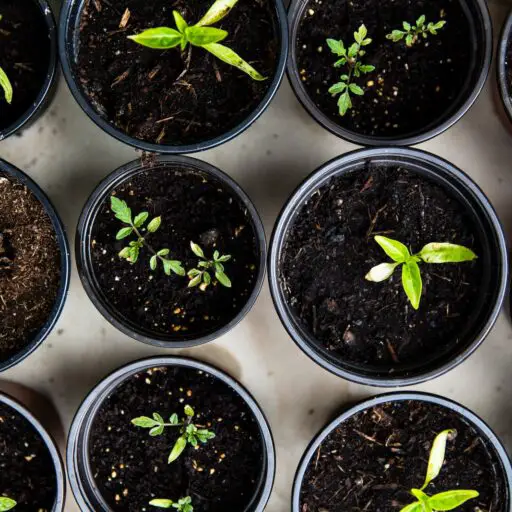
Spring is the season of new beginnings. The act of planting seeds is a physical manifestation of hope. Even if you are struggling with depression, the simple act of burying a seed and believing it will grow is a powerful cognitive reframing exercise.
Summer: The Joy of Abundance
Summer brings the sensory overload of growth. The abundance of flowers and food can lift spirits. It’s a time for social gatherings, harvest festivals, and sharing the bounty, reinforcing social bonds.
Autumn: The Art of Leting Go
Fall teaches us about cycles and release. Cleaning up the garden, composting the dead leaves, and preparing the soil for winter is a metaphor for letting go of the past and preparing for rest. It’s a healthy way to process change.
Winter: The Quiet Reflection
Even in winter, the garden offers mental health benefits. Planning the next season, ordering seeds, and tending to indoor plants keep the mind engaged. It’s a time for introspection and dreaming, proving that growth happens even when nothing is visible above ground.
🛠️ Getting Started: A Step-by-Step Guide to Finding Your Perfect Community Plot
Ready to trade your couch for a compost bin? Here is how to find your spot.
Step 1: Assess Your Needs
Do you want a social hub or a quiet retreat? Do you need raised beds due to mobility issues? Are you interested in edible plants ornamental flowers? Knowing your “why” helps narrow the search.
Step 2: Locate a Garden
Search online for “community gardens near me” or check with your local City Parks Department. Many cities have maps of available plots.
Step 3: Attend an Open House
Most gardens have an orientation day. This is your chance to meet the garden coordinator, see the facilities, and gauge the vibe. Ask about waitlists, fees, and rules.
Step 4: Apply and Commit
Be prepared to sign a lease or agreement. This usually involves a small fee and a commitment to maintain your plot. Remember, the social contract is just as important as the lease!
Step 5: Gear Up
You don’t need expensive tools to start. A basic trowel, gloves, and a watering can are enough. For those looking to upgrade, we recommend durable, ergonomic tools.
👉 Shop Gardening Gloves on:
- Amazon: Gardening Gloves Search | Walmart: Gardening Gloves Search | Brand Official: Fiskars Official
👉 Shop Ergonomic Trowels on:
- Amazon: Ergonomic Garden Trowel Search | Etsy: Handmade Garden Tools Search | Brand Official: Radius Garden Official
🚫 Common Myths About Community Gardening and Mental Health Debunked
Let’s clear the air (and the weeds) of some misconceptions.
- Myth: “I need to be an expert gardener to join.”
Fact: Wrong! Gardens are full of beginners. The learning curve is part of the fun and the mental challenge. - Myth: “It’s too much work for someone with depression.”
Fact: Many gardens offer flexible plots or shared responsibilities. You can start with a small container or even just volunteer for an hour a week. - Myth: “It’s just about growing food.”
Fact: While food is great, the mental health benefits are the real harvest. Many plots are dedicated to flowers, pollinators, or sensory plants. - Myth: “I’ll be judged if I kill a plant.”
Fact: Gardeners are the most supportive people you’ll meet. If you kill a plant, they’ll help you figure out why and celebrate the next one.
📊 Real Stories: Anecdotes of Transformation from Our Community Gardeners
Numbers are great, but stories touch the heart. Here are a few tales from our team at Community Gardening™.
The Story of “The Quiet Corner”
Meet Sarah, a software engineer who suffered from severe social anxiety. She joined a garden hoping to avoid people. Instead, she found a “quiet corner” where she could work on her plot. Slowly, a neighbor named Dave started asking her about her tomatoes. One question led to another, and now, two years later, Sarah leads the garden’s composting workshop. “The garden didn’t cure my anxiety,” she says, “but it gave me a safe place to practice being human.”
The Story of “The Grandfather’s Garden”
Then there’s Mr. Henderson, a widower who felt his life had lost purpose after his wife passed. He joined a garden to keep busy. He started mentoring a group of local kids, teaching them how to grow heirloom corn. “I thought I was just teaching them to plant,” he told us, “but they taught me how to live again.”
These stories highlight the transformative power of community. It’s not just about the plants; it’s about the people.
🌍 Global Perspectives: How Different Cultures Leverage Gardens for Collective Wellbeing
The healing power of gardens is a universal language, but the dialects vary.
- Japan: The concept of Shinrin-yoku (forest bathing) is deeply integrated into urban planning, with community gardens serving as micro-forests for stress relief.
- Scandinavia: “Allotment gardens” are a cultural institution, providing a space for families to disconnect from technology and reconnect with nature, fostering work-life balance.
- Latin America: Community gardens often double as cultural centers, preserving indigenous farming practices and strengthening cultural identity, which is a key component of mental resilience.
- USA: In urban centers, gardens are often used as restorative justice programs, helping at-risk youth find purpose and community.
📈 New MSU Research Shows Gardening Improves Mental, Social Well-being: What the Data Actually Says
We’ve mentioned the Michigan State University (MSU) study a few times, but let’s break down exactly what the data tells us, because the details matter.
The “Gardening Triad”
Researchers Katherine Alaimo and her team identified three core elements that drive mental health benefits:
- Caring for Plants: The act of nurturing creates a bond.
- Sense of Accomplishment: Seeing tangible results builds confidence.
- Connection to Nature: Feeling part of something larger than oneself.
The Study Demographics
The study focused on 34 new participants over one season. This is significant because it shows that you don’t need years of experience to feel the benefits. The initial motivation was often just “to grow food,” but the outcome was profound emotional resilience.
Comparison with Other Studies
While the Rutgers study (FS136) highlights the role of horticultural therapy for clinical populations, the MSU study emphasizes the universal accessibility of these benefits for the general public. Both agree: social connection is the multiplier. When you garden alone, you get benefits. When you garden with others, you get more benefits.
“Understanding how and why gardening improves health and well-being is important, particularly when designing nature-based health programs.” — Katherine Alaimo
This data supports the idea that community gardens should be viewed as public health infrastructure, not just recreational amenities.
🏆 Conclusion: Why Your Next Therapy Session Might Be in a Raised Bed

So, is gardening the magic bullet for mental health? Well, it’s not a replacement for professional therapy in severe cases, but it is a powerful adjunctive treatment.
We’ve explored the science of soil, the power of connection, and the stories of transformation. The evidence is overwhelming: community gardening is a potent tool for building emotional resilience, reducing stress, and fostering a sense of belonging.
Whether you are battling anxiety, seeking a sense of purpose, or just looking for a place to breathe, a community garden offers a unique blend of physical activity, mindfulness, and social support that few other activities can match.
As one of our gardeners famously said, “It’s the real world. This is true life. This is how we can be in love with the earth.”
Ready to dig in? Your mental health might just thank you.
🔗 Recommended Links
If you’re ready to start your journey, here are some essential resources and tools to get you growing.
Essential Gardening Gear:
- Ergonomic Hand Tools: Fiskars Ergo Trowel Set | Walmart | Fiskars Official
- Raised Bed Kits: Gorilla Glue Raised Beds | Home Depot | Gorilla Glue Official
- Compost Bins: Lompe Compost Bin | Etsy | Lompe Official
Books for Inspiration:
- The Well-Tempered Garden by Christopher Lloyd
- Braiding Sweetgrass by Robin Wall Kimer (Available on Amazon)
- The Vegetable Gardener’s Bible by Edward C. Smith
Community Resources:
❓ FAQ: Frequently Asked Questions About Community Gardens and Mental Health

Are there any specific gardening activities that have been shown to have a positive effect on mental health and wellbeing?
Yes! Research suggests that mindful planting, weding, and harvesting are particularly effective. These activities require focus and physical engagement, which helps induce a “flow” state. Additionally, nature journaling and composting have been linked to increased mindfulness and a sense of purpose.
Can participating in a community garden improve self-esteem and body image individuals?
Absolutely. The sense of accomplishment from growing your own food or creating a beautiful space boosts self-confidence. Furthermore, the physical activity involved in gardening can improve body image by fostering a positive relationship with one’s physical capabilities.
What role do social connections play in community gardening and its impact on mental wellbeing?
Social connections are the multiplier of mental health benefits in community gardens. They provide a support network, reduce isolation, and create a sense of belonging. Studies show that the social support derived from these interactions is often the most significant factor in reducing depression and anxiety.
How does gardening reduce stress and anxiety individuals with mental health conditions?
Gardening reduces stress through multiple pathways: physical activity releases endorphins, exposure to nature lowers cortisol, and the sensory experience promotes mindfulness. For those with mental health conditions, the structured routine and the non-judgmental environment of a garden provide a safe space for healing.
How does gardening in a community setting reduce stress and anxiety?
While solo gardening is beneficial, the community aspect adds a layer of social support that amplifies stress reduction. Sharing challenges, celebrating successes, and simply being around others who understand the gardening journey creates a collective resilience that individual gardening cannot match.
Read more about “🌿 Therapeutic Horticulture: 10 Ways Plants Heal Mind & Body (2026)”
What are the social benefits of joining a community garden for mental health?
The social benefits include reduced loneliness, increased social skills, cultural exchange, and the formation of lasting friendships. These connections act as a buffer against mental health crises and provide a sense of community belonging.
Read more about “🌿 10 Ways Stress-Reduction Community Gardens Heal You (2026)”
Can community gardening improve mood and combat depression?
Yes. The combination of sunlight exposure (Vitamin D), physical activity, and social interaction creates a powerful antidepressant effect. Many participants report a significant improvement in mood and a reduction in depressive symptoms after joining a community garden.
Read more about “10 Surprising Mental Health Benefits of Community Gardens 🌿 (2025)”
How does working with soil in a group setting boost overall wellbeing?
Working with soil in a group setting combines the therapeutic benefits of soil bacteria with the psychological benefits of social connection. It fosters a sense of shared purpose and collective achievement, which enhances overall wellbeing and life satisfaction.
📚 Reference Links
- Michigan State University (MSU) Research: New MSU research shows gardening improves mental, social well-being
- Rutgers NJAES: FS136: Cultivating Mental Wellness: The Impact of Community Gardens on Emotional Resilience
- University of Florida IFAS Extension: The Value of Community Gardens: Mental Health Impact
- American Horticultural Therapy Association: What is Horticultural Therapy?
- Denver Urban Gardens: Community Gardens & Mental Health
- Frontiers in Psychology: Gardening and Mental Health
- National Institute of Mental Health (NIMH): Stress and Mental Health