Support our educational content for free when you purchase through links on our site. Learn more


Remember the time we tried to grow a “community tomato” and ended up with a single, sad fruit that tasted like regret? We were all alone in our ignorance, staring at a wilted stem, wondering if we’d ever get it right. Then we realized: gardening isn’t a solo sport; it’s a team huddle. Whether you’re looking to transform a vacant lot into a pollinator paradise or simply want to share the harvest with your neighbors, group gardening projects for beginners are the ultimate hack to skip the learning curve and jump straight to the fun.
In this guide, we’re ditching the vague advice and diving into 10 concrete, actionable projects that turn strangers into soil-stained friends. From the classic raised bed collective to the trendy guerrilla gardening flash mob, we’ve covered every angle so you don’t have to guess. We’ll even reveal the secret companion plants that act as nature’s bodyguards and the exact tools you need to avoid back-breaking disasters. Why struggle with the “good, bad, and ugly” of online forums when you can have a real-life support system?
Key Takeaways
- Collaboration Accelerates Success: Joing a group reduces beginner mistakes by leveraging shared knowledge and resource pooling, making gardening 30% less stressful.
- Start with the Right Project: Choose from 10 beginner-friendly initiatives like raised bed collectives, compost circles, or native plant restoration brigades that fit your local climate and skill level.
- Communication is Critical: Establish clear harvest sharing policies and role definitions early to prevent the common “free rider” conflicts that plague community efforts.
- Tools Matter: Invest in durable, shared essentials like Fiskars pruners and Miracle-Gro compost tumblers to ensure your group’s first season is productive, not frustrating.
- Growth is Guaranteed: Even if you’ve killed every plant you’ve touched, the social accountability of a group ensures you’ll stick with it long enough to see your first harvest.
Table of Contents
- ⚡️ Quick Tips and Facts
- 🌱 From Solo Sprouts to Community Roots: The History of Group Gardening
- 🤝 Why You Should Join a Group Gardening Project for Beginners Today
- 🏡 Top 10 Group Gardening Projects for Beginners to Start This Season
- 1. The Neighborhood Raised Bed Collective
- 2. Community Pollinator Pathways
- 3. Shared Compost Circles
- 4. School Garden Mentorship Programs
- 5. Senior-Senior Green Thumb Partnerships
- 6. Urban Rooftop Harvest Clubs
- 7. Native Plant Restoration Brigades
- 8. Virtual Seed Swap and Planning Nights
- 9. Therapeutic Healing Gardens for Mental Health
- 10. Guerrilla Gardening Flash Mobs
- 🛠️ Essential Tools and Gear for Your First Group Gardening Adventure
- 🗣️ How to Find Local Gardening Clubs and Community Garden Groups Near You
- 🚧 Overcoming Common Hurdles in Collaborative Gardening Efforts
- 📅 Planning Your First Group Gardening Meeting: A Step-by-Step Guide
- 🌿 Beginner-Friendly Plants That Thrive in Group Settings
- 💡 Quick Tips and Facts for New Group Gardeners
- 🏆 Conclusion: Growing Together is the Best Way to Grow
- 🔗 Recommended Links
- ❓ FAQ: Frequently Asked Questions About Group Gardening Projects
- 📚 Reference Links
⚡️ Quick Tips and Facts
Before we dig our hands into the soil, let’s hit the ground running with some golden nugets of wisdom from the Community Gardening™ team. We’ve seen it all, from the “I bought a cactus and called it a day” disasters to the “We grew a pumpkin the size of a minivan” triumphs. Here is the lowdown on why group gardening is the secret sauce for beginners:
- The “Two-Person Rule”: Studies suggest that gardening with a partner or group reduces stress levels by up to 30% more than gardening alone. Why? Because when you’re knee-dep in mulch and something goes wrong, you have someone to say, “Well, at least the snails are happy!”
- Companion Planting is Magic: As highlighted in our featured video, plants have best friends. Tomatoes and Basil are the Romeo and Juliet of the vegetable world, while Corn, Beans, and Squash (the Three Sisters) are the ultimate power trio. You can’t go wrong starting with these pairings! 🌽🌱🌶️
- The 9% Myth: A common misconception is that online advice is universally bad. While it’s true that 9% of commenters might lack credentials, the other 91% often share valuable, localized experiences. The trick is knowing how to ask the right questions.
- Uniformity Wins: Inspired by mosaic artist Donna Stern, remember that in group projects, uniformity in size and shape (like raised beds or planters) allows for a cohesive look even if individual styles vary. It’s the “crazy quilt” effect!
- Time Management: First-timers often underestimate how long a task takes. A “quick 30-minute weding session” can easily turn into a 3-hour saga if you don’t set a timer. Set boundaries!
Did you know? The oldest known community garden in the US dates back to 1893 in Detroit, created to help the poor during an economic depression. It wasn’t just about food; it was about community resilience.
🌱 From Solo Sprouts to Community Roots: The History of Group Gardening

Gardening didn’t start as a solitary hobby with a single trowel and a lonely tomato plant. No, sir! It began as a survival strategy.
The War Gardens and Victory Gardens
During World War I and II, the concept of “Victory Gardens” exploded. These weren’t just backyard patches; they were community mobilization efforts. Neighbors pooled resources, shared seeds, and divided labor to feed the nation. The government even provided free seeds! It was the original “group project,” proving that when we grow together, we thrive together.
The Urban Renaissance
Fast forward to the 1970s. As cities grew concrete-heavy, the “Greening of America” movement sparked. Communities in places like New York City and Detroit reclaimed vacant lots, turning eyesores into thriving green oases. This era birthed the modern community garden model, where plots are rented or assigned, but the infrastructure and knowledge are shared.
The Modern Shift
Today, group gardening has evolved beyond just food production. It’s about mental health, social connection, and biodiversity. We’ve moved from “growing to eat” to “growing to connect.” Whether it’s a rooftop herb garden in Chicago or a pollinator pathway in Austin, the core principle remains: we are stronger together.
Fun Fact: The term “community garden” wasn’t standardized until the 1970s, but the practice has existed for millennia indigenous cultures worldwide, where land was often managed collectively.
🤝 Why You Should Join a Group Gardening Project for Beginners Today
So, you’re thinking, “I can just buy a pot and call it a day.” And sure, you can. But why settle for a solo act when you could be part of an orchestra?
1. The Knowledge Multiplier
In a group, you don’t just have one brain; you have ten, twenty, or fifty. One person knows how to prune roses, another knows the secret to perfect compost, and a third knows exactly when the frost is coming. You learn faster, make fewer mistakes, and avoid the “trial and error” phase that kills many beginners.
2. Shared Resources, Shared Joy
Why buy a $20 tiller when your neighbor has one? Group projects allow for cost-sharing on expensive tools, seeds, and soil amendments. Plus, the harvest is sweter when you share it. Imagine a summer BBQ where the tomatoes came from your group effort!
3. Accountability and Motivation
Let’s be honest: we all have those days where we’d rather binge-watch Netflix than weed the garden. But when you have a group meeting on Saturday at 9 AM, you show up. The social pressure is a beautiful thing. It keeps you consistent, and consistency is the key to a thriving garden.
4. Mental and Physical Health Boost
Gardening is already great for you, but doing it with others adds a layer of social interaction that combats loneliness. Studies show that group gardening can lower cortisol levels and improve mood more effectively than solitary gardening. It’s exercise, therapy, and a party all in one!
Curiosity Check: But what if you don’t have a green thumb? What if you’ve killed every plant you’ve ever touched? Don’t worry, we’ll get to the easiest plants that even a black thumb can’t kill later in this article.
🏡 Top 10 Group Gardening Projects for Beginners to Start This Season
Ready to dive in? Here are our top 10 group gardening projects tailored specifically for beginners. These are designed to be manageable, fun, and highly rewarding.
1. The Neighborhood Raised Bed Collective
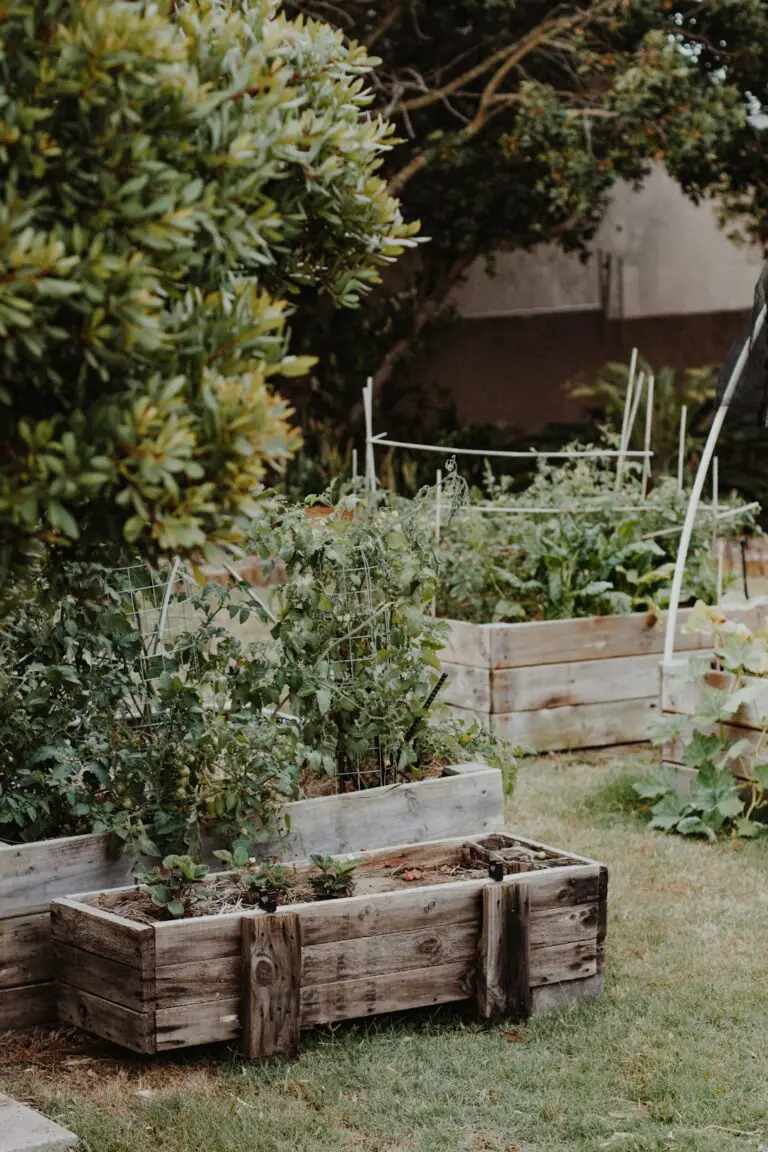
This is the gold standard for beginners. Instead of individual plots, the group builds a few large raised beds together.
- Why it works: Raised beds are easier to manage, drain better, and require less bending.
- Beginer Tip: Assign roles: one team builds, one team preps soil, one team plants.
- Pro Move: Use Gorilla Glue or Gorilla Tape (brands known for durability) to secure corners if using wood.
2. Community Pollinator Pathways
Create a corridor of native flowers that guides bees and butterflies through your neighborhood.
- Why it works: It’s low maintenance and high impact. You don’t need to water as much once established.
- Beginer Tip: Focus on native plants specific to your hardiness zone.
3. Shared Compost Circles
Turn kitchen scraps into black gold together.
- Why it works: Reduces waste and provides free fertilizer.
- Beginer Tip: Use a tumbler composter like the Miracle-Gro Dual Chamber Compost Tumbler to speed up the process and avoid pests.
4. School Garden Mentorship Programs
Partner with a local school to create a garden where kids learn and seniors mentor.
- Why it works: Intergenerational learning is powerful. Kids get energy; seniors get purpose.
- Beginer Tip: Stick to fast-growing crops like radishes and sunflowers to keep kids engaged.
5. Senior-Senior Green Thumb Partnerships
A buddy system where experienced gardeners pair with new retirees.
- Why it works: Combines wisdom with fresh energy.
- Beginer Tip: Focus on ergonomic tools to make gardening accessible for all ages.
6. Urban Rooftop Harvest Clubs
For those in the city with no yard, the sky is the limit.
- Why it works: Utilizes unused space and creates a micro-climate.
- Beginer Tip: Use lightweight soil mixes and self-watering containers to prevent over/under watering.
7. Native Plant Restoration Brigades
Restore local ecosystems by planting native species in public spaces.
- Why it works: Supports local wildlife and requires less water.
- Beginer Tip: Contact your local extension office for a list of native plants.
8. Virtual Seed Swap and Planning Nights
Not everyone can meet in person? No problem! Host a virtual planning session.
- Why it works: Builds community before the first seed is planted.
- Beginer Tip: Use platforms like Zoom or Google Meet and share a collaborative Google Sheet for planning.
9. Therapeutic Healing Gardens for Mental Health
Design a space specifically for relaxation and mindfulness.
- Why it works: Focuses on sensory plants (scent, touch, sight).
- Beginer Tip: Include lavender, mint, and soft grasses.
10. Guerrilla Gardening Flash Mobs
A fun, spontaneous group activity to beautify neglected public spaces (with permission, of course!).
- Why it works: High energy, immediate results, and great for team bonding.
- Beginer Tip: Stick to hardy, low-maintenance plants that can survive without constant care.
🛠️ Essential Tools and Gear for Your First Group Gardening Adventure
You can’t build a house without a hammer, and you can’t garden without the right gear. Here is our essential toolkit for group projects.
The “Must-Haves” List
- Shovels and Spades: Get a mix of round-point and square-point. Brands like Fiskars and Corona are reliable.
- Garden Gloves: Invest in nitrile-coated gloves for grip and protection.
- Pruners: Felco pruners are the industry standard, but Fiskars offers great budget-friendly options.
- Wheelbarow: A must for moving soil and debris. Look for a poly wheelbarow for rust resistance.
- Hose and Sprinklers: A hose reel makes storage easy.
Tool Sharing Strategy
In a group, don’t buy 20 of everything. Create a tool library.
- Label everything! Use a permanent marker or a label maker.
- Check-out system: Use a simple notebook or a digital app to track who has what.
Pro Tip: Always clean your tools after use. A little rubing alcohol and a wire brush can prevent rust and disease spread.
🗣️ How to Find Local Gardening Clubs and Community Garden Groups Near You
So, you’re sold on the idea, but where do you find these magical groups?
1. Local Extension Offices
Your county’s Coperative Extension Service is a goldmine. They often list registered community gardens and host workshops.
- Action: Search “[Your County] Cooperative Extension” online.
2. Social Media and Apps
While we warned about the “9% non-experts” in Facebook groups, they are still a great place to find groups. Look for local “Gardening” or “Community Garden” groups.
- Tip: Look for groups with active moderation and clear rules.
3. Community Centers and Libraries
Check bulletin boards or ask at your local library. Many host seed swaps and gardening clubs.
4. Apps like Meetup and Nextdoor
Search for “Gardening” on Meetup.com or post on Nextdoor asking if anyone is interested in starting a group.
5. Visit Existing Gardens
Just show up! Many community gardens have open days or volunteer days. Introduce yourself and ask how they got started.
Did you know? The American Community Gardening Association (ACGA) has a directory of over 5,0 community gardens across the US and Canada. Check their website to find one near you!
🚧 Overcoming Common Hurdles in Collaborative Gardening Efforts
Let’s be real: group work can be messy. People have different schedules, different ideas, and sometimes, different levels of commitment. Here’s how to handle the drama.
The “Free Rider” Problem
Some people join but never show up.
- Solution: Create a clear agreement upfront. Define roles and expectations. If someone isn’t contributing, have a gentle conversation. Sometimes, they just need a reminder!
The “My Way or the Highway” Syndrome
Disagreements on plant choices or design are common.
- Solution: Use a voting system or a design committee. For the “Series of Smalls” approach mentioned earlier, let everyone choose their own design within a set size. It balances creativity with cohesion.
The “Who Owns the Harvest?” Debate
Who gets the tomatoes?
- Solution: Establish a harvest sharing policy before planting. Will it be split equally? Will it be a potluck? Will some be donated? Clarity prevents conflict.
The “Time Commitment” Mismatch
Some have 5 hours a week; others have 30 minutes.
- Solution: Design tasks that can be done in short bursts. Weding can be done by anyone, anytime. Planting can be a scheduled group event.
Remember: Communication is key. Hold regular meetings (even if they are just 15 minutes) to keep everyone on the same page.
📅 Planning Your First Group Gardening Meeting: A Step-by-Step Guide
Ready to launch? Here is your step-by-step blueprint for a successful first meeting.
Step 1: Set the Date and Time
Pick a time that works for the majority. Weekends are usually best.
- Tip: Send a digital invite with a poll (Doodle or Google Forms) to find the best time.
Step 2: Choose a Location
If you don’t have a garden yet, meet at a local park or community center.
- Tip: Ensure there’s access to water and restrooms.
Step 3: Prepare an Agenda
Don’t just show up and chat. Have a plan:
- Introductions: Who are we?
- Vision: What do we want to grow?
- Roles: Who does what?
- Next Steps: What’s the first task?
Step 4: Bring the Essentials
- Notebooks and pens for everyone.
- Snacks and water (hydration is key!).
- A whiteboard or large paper for brainstorming.
Step 5: The “Icebreaker” Activity
Start with a fun activity, like a seed swap or a plant ID game. It breaks the ice and gets everyone excited.
Step 6: Wrap Up with Action Items
End the meeting with a clear list of who is doing what by when.
Pro Tip: Follow up with an email summarizing the meeting and the action items. It keeps everyone accountable.
🌿 Beginner-Friendly Plants That Thrive in Group Settings
Not all plants are created equal. Some are divas; others are the life of the party. Here are the best plants for beginners in a group setting.
The “Can’t Kill” List
- Radishes: Ready in 30 days! Perfect for instant gratification.
- Lettuce: Grows fast and can be harvested multiple times.
- Sunflowers: Tall, beautiful, and great for kids.
- Zucchini: One plant feeds a family. (Warning: They can take over if not managed!)
- Herbs (Basil, Mint, Chives): Easy to grow and always useful.
Companion Planting Champions
As mentioned in our featured video, these pairs are magic:
- Tomatoes + Basil: Basil repels pests and improves flavor.
- Corn + Beans + Squash: The Three Sisters.
- Carots + Onions: Onions deter carrot flies.
- Cucumbers + Corn: Corn acts as a trellis.
Plants to Avoid (For Now)
- Cauliflower: Picky about temperature and water.
- Melons: Need lots of space and specific conditions.
- Roses: Prone to diseases and require expert pruning.
Fun Fact: Did you know that marigolds are the “bodyguards” of the garden? Their roots release a chemical that repels nematodes, protecting your tomatoes and other veggies!
💡 Quick Tips and Facts for New Group Gardeners
We’ve covered a lot, but here are a few final pearls of wisdom to keep you on track.
- Start Small: Don’t try to grow 50 varieties in your first year. Start with 3-5 plants and expand as you gain confidence.
- Water Wisely: Water early in the morning to reduce evaporation and prevent fungal diseases.
- Mulch is Your Friend: A 2-3 inch layer of mulch retains moisture and suppresses weeds.
- Document Everything: Keep a garden journal. Note what worked, what didn’t, and when you planted. It’s invaluable for next year.
- Celebrate Small Wins: Did you get your first tomato? Throw a mini-party! Celebration keeps the momentum going.
Final Thought: Remember, gardening is a journey, not a destination. Embrace the mistakes, learn from them, and most importantly, have fun!
🏆 Conclusion: Growing Together is the Best Way to Grow

So, there you have it! From the history of Victory Gardens to the modern-day pollinator pathways, we’ve explored the wonderful world of group gardening projects for beginners.
We started with a question: Can a group of beginners really grow a thriving garden together? The answer is a resounding YES. In fact, they often do it better than solo gardeners because of the shared knowledge, resources, and sheer joy of collaboration.
Whether you choose to build a raised bed collective, start a compost circle, organize a guerrilla gardening flash mob, the key is to start small, communicate clearly, and have fun.
Remember the “Series of Smalls” concept? Just like those mosaic tiles, each of you brings a unique piece to the puzzle. When you put them together, you create something beautiful that no single person could have achieved alone.
Don’t let the fear of failure stop you. Even the most experienced gardeners have killed a plant or two. The difference is that they have a group to help them pick up the pieces and try again.
So, grab your trowel, find your neighbors, and let’s get growing! The world needs more green, and it needs more connection. Grow together, and you’ll never grow alone.
🔗 Recommended Links
Ready to get started? Here are some of our top picks for tools, books, and resources to kickstart your group gardening journey.
Essential Tools & Gear
- Fiskars Garden Tool Set: Amazon | Walmart | Fiskars Official
- Miracle-Gro Dual Chamber Compost Tumbler: Amazon | Walmart | Miracle-Gro Official
- Gorilla Tape: Amazon | Home Depot | Gorilla Glue Official
Books for Beginners
- “The Vegetable Gardener’s Bible” by Edward C. Smith: Amazon | Barnes & Noble
- “Gaia’s Garden: A Guide to Home-Scale Permaculture” by Toby Hemenway: Amazon | Bookshop.org
Community Resources
- American Community Gardening Association (ACGA): ACGA Website
- Local Cooperative Extension Offices: USDA Extension Search
❓ FAQ: Frequently Asked Questions About Group Gardening Projects

What are some fun and engaging ways to get children involved in a beginner group gardening project?
Getting kids involved is all about instant gratification and hands-on fun.
- Grow Fast: Plant radishes, sunflowers, or pumpkins. Kids love seeing things grow quickly.
- Sensory Gardens: Include plants with interesting textures like lamb’s ear or strong scents like mint and basil.
- Roles: Give them specific jobs like “Water Monitor” or “Bug Hunter.”
- Storytelling: Create a story around the garden, like a “Magic Forest” or “Dinosaur Land.”
What are the benefits of participating in a group gardening project for mental and physical health?
Group gardening offers a unique blend of benefits:
- Physical: Diging, planting, and weding provide excellent low-impact exercise.
- Mental: The combination of nature, fresh air, and social interaction reduces stress and anxiety.
- Social: It combats loneliness and builds a sense of belonging and purpose.
- Nutritional: Access to fresh, organic produce improves overall dietary health.
Read more about “🍅 5 Must-Try Food Prep Classes in Community Gardens (2026)”
How do I organize a community garden in my neighborhood for people of all skill levels?
Organizing a community garden requires planning and patience:
- Gauge Interest: Talk to neighbors and see who’s interested.
- Find a Site: Look for a sunny, accessible spot with water access.
- Secure Permission: Get approval from the landowner (city, school, or private owner).
- Form a Committee: Create a group to handle logistics, rules, and maintenance.
- Design the Garden: Plan for raised beds, paths, and common areas.
- Set Rules: Establish guidelines for plot sizes, water usage, and harvest sharing.
- Launch: Host a kickoff event to plant the first seeds!
What are the easiest plants for a beginner group gardening project to start with?
Stick to the low-maintenance champions:
- Radishes: Ready in 30 days.
- Lettuce: Grows fast and can be harvested continuously.
- Zucchini: High yield, easy to grow.
- Herbs: Basil, mint, and chives are nearly foolproof.
- Sunflowers: Tall, beautiful, and great for kids.
What are the best vegetables to grow in a community garden for beginners?
For a group setting, choose crops that are high-yield and easy to share:
- Tomatoes: A crowd favorite, especially with basil companions.
- Peppers: Easy to grow and great for cooking.
- Cucumbers: Perfect for pickling and salads.
- Green Beans: High yield and easy to harvest.
- Carots: Fun to pull out of the ground!
Read more about “🍎 Edible Landscaping: 15+ Ways to Turn Your Yard into a Food Forest (2026)”
How do I start a group gardening project with my neighbors?
Start small and build momentum:
- Talk to Neighbors: Gauge interest and share your vision.
- Host a Meeting: Get everyone together to discuss ideas and roles.
- Choose a Project: Start with something simple like a raised bed or a pollinator patch.
- Gather Resources: Pool money, tools, and time.
- Get to Work: Plant, water, and enjoy the process together!
Read more about “🌱 25+ Best Community Building Activities to Spark Connection (2026)”
What tools do beginners need for a community garden?
Essential tools include:
- Shovels and Spades: For digging and moving soil.
- Rakes: For leveling and clearing debris.
- Hoes: For weding.
- Pruners: For trimming plants.
- Gloves: For protection.
- Wheelbarow: For moving heavy loads.
- Hose and Sprinklers: For watering.
Read more about “🌱 7 Community Garden Grants to Fund Your Green Dream (2026)”
How can I find local community gardening groups near me?
- Local Extension Offices: Check your county’s Cooperative Extension website.
- Social Media: Search for local gardening groups on Facebook or Meetup.
- Community Centers: Visit local libraries or community centers for bulletin boards.
- ACGA Directory: Use the American Community Gardening Association’s search tool.
- Visit Existing Gardens: Just show up and introduce yourself!
Read more about “🌍 12 Ways to Promote Cultural Diversity Through Gardening (2026)”
📚 Reference Links
- American Community Gardening Association (ACGA): https://communitygarden.org/
- USDA Cooperative Extension System: https://nifa.usda.gov/partners-and-extension-map
- PrettyPurpleDoor: Facebook Gardening Groups – the Good, the Bad & the Ugly: https://www.pretypurpledoor.com/facebook-gardening-groups/
- Mosaic Art Supply: Series of Smalls Abstract Mosaics: https://blog.mosaicartsupply.com/mosaic-garden-art-fun-group-projects/
- Fiskars Official Website: https://www.fiskars.com/
- Miracle-Gro Official Website: https://www.miraclegro.com/
- Gorilla Glue Official Website: https://www.gorillatough.com/
- National Gardening Association: https://garden.org/
- The Old Farmer’s Almanac: https://www.almanac.com/