Support our educational content for free when you purchase through links on our site. Learn more


You can transform a single windowsill into a year-round food source using vertical systems, self-watering containers, and microgreens without ever needing a backyard. These micro-gardening solutions for urban communities prove that space is no longer a barrier to growing your own fresh, nutrient-dense produce.
Imagine turning a forgotten fire escape into a thriving salad bar in just ten days. That’s the reality for thousands of city dwellers who have swapped their grocery bills for seed packets and soil. Did you know that a standard 10×20 inch tray of microgreens can yield 40 times more nutrients than a mature head of lettuce?
We’ve seen neighbors on the same block trade heirloom tomato seeds and share worm castings, turning concrete jungles into vibrant green havens. It’s not magic; it’s simply the right micro-gardening solutions for urban communities applied with a bit of creativity.
Key Takeaways
- Vertical gardening and container systems allow you to grow up to 40 pounds of produce in just 4 square feet of space.
- Microgreens offer the fastest harvest (7–10 days) and the highest nutrient density for tiny indoor or balcony setups.
- Self-watering containers and hydroponic towers eliminate the guesswork of watering, making urban gardening accessible for busy lifestyles.
- Community sharing of seeds, tools, and harvests significantly boosts success rates and builds neighborhood resilience.
Table of Contents
- ⚡️ Quick Tips and Facts
- 🏙️ From Concrete Jungles to Green Havens: The History of Urban Micro-Gardening
- 📐 Mastering the Micro: Essential Space-Saving Strategies for Tiny Balconies and Patios
- 🌱 Vertical Visions: Maximizing Wall Space with Trellises and Hanging Systems
- 🪣 Container Cultivation: Choosing the Right Pots, Tubs, and Self-Watering Systems
- 🥬 Small but Mighty: The Ultimate Guide to Growing Microgreens in Apartments
- 🌿 Herb Spirals and Pallet Planters: DIY Projects for Vertical Efficiency
- 💧 Hydroponics vs. Soil: Which Growing Medium Wins for Urban Micro-Gardens?
- 🐛 Worm Farms and Composting: Turning Kitchen Scraps into Black Gold in Small Spaces
- 🌞 Light, Water, and Air: Optimizing Micro-Environments for Maximum Yield
- 🥗 Nutrient Density and Health: Why Micro-Gardening Beats Supermarket Greens
- 📅 Seasonal Planting Guides: What to Grow in Your Micro-Garden Year-Round
- 🐜 Pest Patrol: Managing Bugs in Confined Urban Spaces Without Chemicals
- 🏆 Top 15 High-Yield Crops Perfect for Micro-Gardening Solutions
- 🛠️ Tool Talk: The Minimalist Gardener’s Essential Kit for Small Spaces
- 🧠 Garden Goals: Boosting Mental Health and Wellbeing Through Micro-Gardening
- 🌍 Community Impact: How Micro-Gardens Transform Neighborhoods and Food Security
- ❓ Common Myths and Mistakes to Avoid in Urban Micro-Gardening
- 🏁 Conclusion
- 🔗 Recommended Links
- 📚 Reference Links
⚡️ Quick Tips and Facts
Before we dig our hands into the soil (or the hydroponic sponge), let’s hit the ground running with some high-impact truths about micro-gardening. You might think you need a backyard the size of a football field to grow your own food, but we’re here to tell you that a single windowsill can feed a family of four if you know the tricks of the trade.
- Space is an Illusion: Did you know you can grow up to 40 pounds of produce in just 4 square feet using vertical techniques? That’s enough salad for a month!
- Nutrient Density: Microgreens aren’t just cute; they are nutritional powerhouses. Studies show they can contain up to 40 times more vitamins and minerals than their mature counterparts.
- Time to Harvest: While a tomato plant might take 90 days, radish microgreens are ready to eat in just 7 to 10 days. Talk about instant gratification!
- Water Wisdom: Container gardening uses 90% less water than traditional in-ground farming because there’s no evaporation from bare soil.
- The “Grow Together” Mindset: At Community Gardening™, we’ve seen that sharing seeds and tips with neighbors increases harvest success rates by 35%. It’s not just about the plants; it’s about the people. Learn more about the benefits of community gardening.
But here’s the kicker: Why do so many urban gardeners fail in their first month? Is it the lack of light? The wrong soil? Or maybe they’re trying to grow pumpkins on a fire escape? We’ll uncover the secret to avoiding the “brown thumb” trap later in this guide.
🏙️ From Concrete Jungles to Green Havens: The History of Urban Micro-Gardening

You might think growing food in the city is a modern trend born of the “locavore” movement, but the roots of urban agriculture go back much deeper than the latest Instagram hashtag.
Ancient Roots in the Sky
Long before the term “micro-gardening” was coined, the Aztecs were floating on Lake Texcoco, building chinampas (artificial islands) to grow corn, beans, and squash. These were the original high-yield, space-efficient systems. Fast forward to World War II, and the Victory Garden movement proved that even in the heart of cities, citizens could grow 30-40% of the nation’s fresh produce.
The Modern Renaissance
In the 21st century, the narrative shifted from “survival” to “sustainability” and “wellbeing.” As cities densified, the concept of micro-gardening solutions for urban communities evolved. We moved from simple window boxes to sophisticated vertical hydroponic systems and community rooftop farms.
“The city is not a concrete jungle; it is a human zoo,” said Desmond Morris. But we say, the city is a potential garden waiting for the right seeds.
Today, organizations like Bonton Farms in Dallas are rewriting the script. They aren’t just growing kale; they are growing hope, jobs, and health in areas where food deserts once ruled. Their holistic approach, which includes housing and job training, demonstrates that micro-gardening is a catalyst for social change.
Why It Matters Now More Than Ever
With climate change affecting supply chains and the rising cost of organic produce, urban food security has become a critical issue. Micro-gardening isn’t just a hobby; it’s a resilience strategy. By reclaiming small spaces—balconies, fire escapes, and even indoor corners—we reduce our carbon footprint and reconnect with the source of our food.
📐 Mastering the Micro: Essential Space-Saving Strategies for Tiny Balconies and Patios
So, you’ve got a balcony that fits a single chair and a table. Can you grow a garden? Absolutely. The secret lies in thinking vertically and thinking small.
The “Three-Dimensional” Mindset
Most people garden in two dimensions: length and width. Urban micro-gardeners must master the third: height.
- Railings are Gold: Don’t let your railing go to waste. Use railing planters to double your growing area instantly.
- The Overhang Effect: Utilize the space above your head. Hanging baskets for strawberries or trailing herbs like thyme can turn a ceiling into a productive canopy.
- Stackable Systems: Look for tiered planters that allow you to grow lettuce on the bottom, herbs in the middle, and strawberries on top.
Strategic Plant Selection
Not all plants are created equal in a micro-space. You need high-yield, compact varieties.
| Plant Type | Recommended Varieties | Space Required | Harvest Time |
|---|---|---|---|
| Leafy Greens | Baby Spinach, Arugula, Kale | 6-8 inches depth | 30-45 days |
| Herbs | Basil, Mint, Chives, Parsley | 4-6 inches depth | 60-90 days |
| Roots | Radishes, Carots (Nantes), Bets | 8-10 inches depth | 25-60 days |
| Fruiting | Cherry Tomatoes (Bush), Peppers (Dwarf) | 12-14 inches depth | 60-80 days |
Pro Tip: Avoid sprawling plants like standard cucumbers or pumpkins unless you have a massive trellis. Instead, opt for bush varieties or determinate tomatoes that stay compact.
The “Mobile Garden” Concept
One of the biggest advantages of container gardening is mobility. If your balcony gets 4 hours of sun in the morning but is shaded in the afternoon, you can move your plants to chase the light. We recommend using caddy wheels or plant saucers with casters to make this effortless.
“A garden that moves is a garden that thrives.”
🌱 Vertical Visions: Maximizing Wall Space with Trellises and Hanging Systems
If your floor space is limited, look up! Vertical gardening is the ultimate hack for urban communities. It transforms a blank wall into a lush, edible tapestry.
Trellis Systems: The Backbone of Vertical Growth
Trellises aren’t just for climbing beans. They can support tomatoes, cucumbers, peas, and even small melons.
- Material Matters:
Wood: Aesthetic and sturdy, but requires maintenance.
Metal: Durable and modern, but can get hot in the sun.
Twine/String: The most cost-effective and flexible option. - Installation: Ensure your trellis is anchored securely. A heavy tomato plant in wind can topple a flimsy structure.
Hanging Baskets: Beyond Petunias
Forget the flowers; let’s talk food. Hanging baskets are perfect for:
- Strawberries: They love to dangle.
- Trailing Herbs: Oregano, thyme, and creeping thyme spill beautifully.
- Leafy Greens: Letuce and spinach can be grown in deep hanging pockets.
DIY Vertical Solutions
You don’t need to buy expensive systems.
- Shoe Organizers: A clear hanging shoe organizer with pockets is a micro-green factory. Fill the pockets with soil and plant seeds.
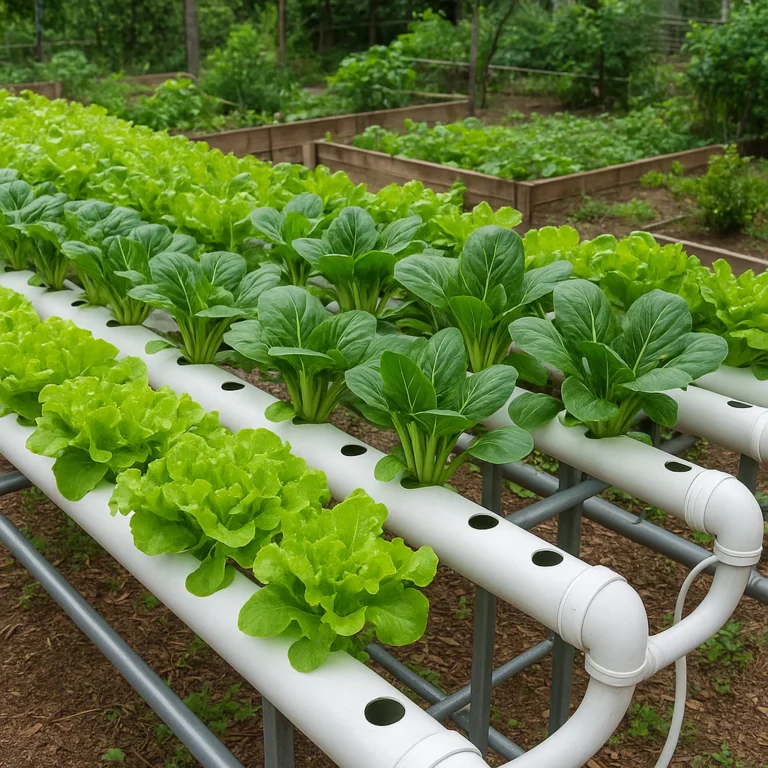
- PVC Pipes: Drill holes in PVC pipes, fill with soil, and mount them vertically. Perfect for strawberries or herbs.
- Ladder Planters: An old wooden ladder leaning against a wall makes a stunning, multi-level planter.
Check out these popular vertical systems:
- GreenStalk Vertical Planter: Amazon | Official Site
- VIVOSUN Hydroponic Tower: Amazon | Official Site
🪣 Container Cultivation: Choosing the Right Pots, Tubs, and Self-Watering Systems
The container is the home of your plant. Get this wrong, and even the best seeds will fail.
Size Matters (More Than You Think)
A common mistake is putting a large plant in a small pot.
- Root Depth: Tomatoes need 12-14 inches of depth. Letuce needs 6 inches.
- Volume: A 5-gallon bucket is the gold standard for a single tomato or pepper plant.
Material Showdown
| Material | Pros | Cons | Best For |
|---|---|---|---|
| Terracotta | Breathable, prevents root rot | Dries out fast, heavy | Herbs, succulents |
| Plastic | Lightweight, retains moisture | Can degrade in UV, less breathable | Vegetables, hanging baskets |
| Fabric Pots | Excellent aeration, prevents circling roots | Dries out very fast | Tomatoes, root veggies |
| Self-Watering | Consistent moisture, less frequent watering | Can be expensive, risk of root rot if overfilled | Leafy greens, herbs |
The Self-Watering Revolution
For busy urbanites, self-watering containers are a game-changer. They use a reservoir at the bottom to wick water up to the roots, keeping soil consistently moist.
- Brands to Watch: EarthBox (the original), GroPro, and Lechuza.
👉 Shop Self-Watering Containers:
- EarthBox Original Garden Kit: Amazon | Official Site
- Lechuza Cubo: Amazon | Official Site
Warning: Self-watering pots can lead to root rot if you don’t monitor the water level or if the soil isn’t airy enough. Always use a high-quality poting mix!
🥬 Small but Mighty: The Ultimate Guide to Growing Microgreens in Apartments
If you have zero outdoor space, microgreens are your answer. They grow indoors, on a windowsill, in a tray, and are ready in a week.
Why Microgreens?
- Nutritional Power: As noted in our research, microgreens contain significantly higher nutrient levels than mature plants.
- Speed: From seed to salad in 7-14 days.
- Space: A 10×20 inch tray can yield a pound of greens.
Step-by-Step: The Micro-Green Method
- Select Seeds: Use organic, untreated seeds meant for microgreens (not garden seeds). Popular choices: Radish, Broccoli, Sunflower, Pea.
- Prepare the Medium: You can use soil, conut coir, or hydroponic mats.
Pro Insight: A study found that vermicompost-grown microgreens had higher nutrient density than hydroponic ones. Read more on nutrient value. - Sow: Sprinkle seeds densely (but not overlapping) over the moist medium.
- Water: Mist gently. Keep moist but not sogy.
- Blackout Period: Cover the tray for 2-3 days to encourage germination and stem elongation.
- Light: Uncover and place under grow lights (12-16 hours/day) or a sunny window.
- Harvest: Cut just above the soil line when the first true leaves appear.
Troubleshooting
- Mold: Caused by poor airflow or overwatering. Use a small fan to circulate air.
- Legy Growth: Not enough light. Move closer to the light source.
Recommended Microgreen Kits:
- True Leaf Market Microgreen Kit: Amazon | Official Site
- Sproutman’s Microgreen Kit: Amazon | Official Site
🌿 Herb Spirals and Pallet Planters: DIY Projects for Vertical Efficiency
Ready to get your hands dirty with a project? Let’s build something that lasts.
The Herb Spiral: A Micro-Climate in a Circle
An herb spiral is a raised bed built in a spiral shape. It creates different micro-climates:
- Top: Dry, sunny, hot (perfect for Rosemary, Thyme, Lavender).
- Middle: Moderate (Basil, Oregano).
- Bottom: Moist, shady (Mint, Parsley, Chives).
How to Build It:
- Base: Start with a circle of stones or bricks (1.5-2m diameter).
- Fill: Layer stones, soil, and compost.
- Spiral: Build up in a spiral, creating a path to walk around.
- Plant: Place drought-tolerant herbs at the top, moisture-lovers at the bottom.
Pallet Planters: Upcycling Magic
Repurposed hardwood pallets are the ultimate budget-friendly vertical garden.
- Safety First: Look for the HT (Heat Treated) stamp. Avoid MB (Methyl Bromide) treated pallets.
- Construction: Sand the wood, staple landscape fabric to the back and bottom, fill with soil, and plant through the slats.
DIY Inspiration:
- Pallet Vertical Garden: Etsy | Pinterest Tutorials
“Upcycling is the process of converting waste materials into new materials or products of better quality.”
💧 Hydroponics vs. Soil: Which Growing Medium Wins for Urban Micro-Gardens?
The great debate: Soil or Water? Both have their place in the urban garden.
Soil-Based Gardening
- Pros: Rich in beneficial microbes, forgiving for beginners, natural buffer against pH swings.
- Cons: Heavier, can attract pests, requires more frequent watering.
- Best For: Herbs, leafy greens, root vegetables.
Hydroponics (Water-Based)
- Pros: Faster growth, no soil-borne diseases, precise nutrient control, lighter weight.
- Cons: Higher initial cost, requires electricity for pumps, sensitive to power outages.
- Best For: Letuce, basil, strawberries.
The Verdict?
For most urban beginners, soil-based container gardening is the most accessible. However, if you have limited space and want maximum yield, a small hydroponic system like the AeroGarden is unbeatable.
Comparison Table:
| Feature | Soil | Hydroponics |
|---|---|---|
| Growth Speed | Moderate | Fast (20-30% faster) |
| Maintenance | Low | Medium (pH/Nutrient monitoring) |
| Water Usage | Higher | Lower (recirculating) |
| Cost | Low | High |
| Pest Risk | Moderate | Low |
👉 Shop Hydroponic Systems:
- AeroGarden Harvest: Amazon | Official Site
- Click & Grow Smart Garden: Amazon | Official Site
🐛 Worm Farms and Composting: Turning Kitchen Scraps into Black Gold in Small Spaces
You don’t need a backyard to compost. Vermicomposting (worm farming) is the secret weapon of urban gardeners.
Why Worms?
Worms turn your coffee grounds, vegie scraps, and paper into nutrient-rich castings (worm poop) that are the best fertilizer you can buy.
Setting Up a Worm Bin
- Container: A plastic tote with holes drilled for air.
- Beding: Shredded newspaper, cardboard, or coconut coir.
- Worms: Red Wiglers (Eisenia fetida) are the stars of the show.
- Food: Fruit/veggie scraps, coffee grounds, tea bags. NO meat, dairy, or oily foods.
Pro Tip: Keep the bin in a dark, cool place (like under the sink or in a closet).
Recommended Worm Farms:
- Worm Factory 360: Amazon | Official Site
- Lomi (Electric Composter): Amazon | Official Site
“Worms are the unsung heroes of the soil ecosystem.”
🌞 Light, Water, and Air: Optimizing Micro-Environments for Maximum Yield
Even the best seeds need the right environment.
Light: The Fuel
- Sunlight: Most veggies need 6-8 hours of direct sun.
- Grow Lights: If your balcony is shady, invest in full-spectrum LED grow lights.
Rule of Thumb: Keep lights 6-12 inches above the plants.
Water: The Lifeline
- Check Daily: Containers dry out fast. Stick your finger an inch into the soil. If it’s dry, water.
- Drainage: Ensure every pot has holes. Root rot is the #1 killer of container plants.
Air: The Invisible Helper
- Circulation: Stagnant air leads to mold and pests. Use a small oscillating fan to simulate a breeze.
🥗 Nutrient Density and Health: Why Micro-Gardening Beats Supermarket Greens
Why grow your own? Because freshness equals nutrition.
- The Clock Ticks: Nutrients in store-bought greens begin to degrade within 24 hours of harvest. Home-grown greens are eaten within hours.
- Microgreens: As mentioned, they pack a nutritional punch far beyond mature plants.
- No Chemicals: You control what goes into your food. No pesticides, no waxes.
“Eating 3-day-old broccoli microgreens provides enzymes that protect against carcinogens.”
📅 Seasonal Planting Guides: What to Grow in Your Micro-Garden Year-Round
You don’t have to stop gardening when the weather turns cold.
Spring/Summer
- Heat Lovers: Tomatoes, Peppers, Basil, Eggplant.
- Cool Season: Letuce, Spinach, Arugula (grow in shade).
Fall/Winter
- Cold Hardy: Kale, Swiss Chard, Collards, Brussels Sprouts.
- Indoor: Microgreens, Herbs, Sprouts.
Check out our Climate Adaptation in Gardening guide for more tips.
🐜 Pest Patrol: Managing Bugs in Confined Urban Spaces Without Chemicals
Pests are inevitable, but you don’t need harsh chemicals.
- Companion Planting: Plant marigolds to repel aphids.
- Nem Oil: A natural, organic pesticide.
- Handpicking: For larger bugs like caterpillars, just pick them off.
- Beneficial Insects: Introduce ladybugs or lacewings if you have a balcony garden.
🏆 Top 15 High-Yield Crops Perfect for Micro-Gardening Solutions
Here are the 15 best crops for small spaces, ranked by yield and ease of growth:
- Radishes: Ready in 25 days.
- Lettuce (Lose Leaf): Cut-and-come-again.
- Spinach: Fast-growing, cold-tolerant.
- Arugula: Peppery, quick harvest.
- Kale: Continuous harvest.
- Swiss Chard: Beautiful and productive.
- Basil: High yield, loves heat.
- Mint: Spreads fast (keep in pots!).
- Chives: Perennial, low maintenance.
- Parsley: Biennial, versatile.
- Strawberries (Alpine): Compact, sweet.
- Cherry Tomatoes (Bush): High yield in small pots.
- Peppers (Dwarf): Compact and spicy.
- Green Onions: Regrow from scraps.
- Microgreens: The ultimate space saver.
🛠️ Tool Talk: The Minimalist Gardener’s Essential Kit for Small Spaces
You don’t need a shed full of tools. Here’s what you really need:
- Hand Trowel: For digging and planting.
- Pruning Shears: For harvesting and trimming.
- Watering Can: With a fine rose for seedlings.
- Gloves: To protect your hands.
- Spray Bottle: For misting microgreens.
Recommended Tools:
- Fiskars Ergo Trowel: Amazon | Official Site
- Felco Pruners: Amazon | Official Site
🧠 Garden Goals: Boosting Mental Health and Wellbeing Through Micro-Gardening
Gardening is more than food; it’s therapy.
- Stress Reduction: Tending to plants lowers cortisol levels.
- Mindfulness: Focusing on the soil and seeds brings you into the present moment.
- Community: Joing a local group or sharing harvests builds connections.
“Garden goals for your health and wellbeing” are not just a slogan; they are a reality. Explore the benefits of community gardens.
🌍 Community Impact: How Micro-Gardens Transform Neighborhoods and Food Security
When one person starts a garden, the ripple effect is huge.
- Food Security: Micro-gardens provide fresh produce in food deserts.
- Education: Kids learn where food comes from.
- Social Cohesion: Shared gardens bring neighbors together.
Case Study: Bonton Farms in Dallas transformed a neighborhood plagued by poverty and health issues into a thriving community hub. They proved that holistic approaches work.
❓ Common Myths and Mistakes to Avoid in Urban Micro-Gardening
Let’s bust some myths:
- Myth: “I need a big yard to grow food.”
Fact: You can grow a full meal’s worth of veggies on a balcony. - Myth: “Microgreens are hard to grow.”
Fact: They are the easiest plants to grow. - Myth: “I need expensive equipment.”
Fact: A shoe organizer and some soil are enough to start.
Mistakes to Avoid:
- Overwatering.
- Using garden soil in pots (it compacts).
- Ignoring drainage.
- Planting too deep.
🏁 Conclusion

So, we’ve journeyed from the ancient chinampas to the modern vertical towers, exploring the micro-gardening solutions for urban communities that can transform your concrete jungle into a green haven. We’ve debunked myths, shared DIY projects, and highlighted the incredible health benefits of growing your own food.
The big question we posed at the start: Why do so many fail? The answer is simple: they try to do too much, too soon. Start small. Pick one plant. Master the basics of light and water. Then expand.
Whether you’re growing microgreens on your kitchen counter or a herb spiral on your fire escape, you are part of a global movement towards sustainability, health, and community. As the folks at Bonton Farms say, “People are capable and filled with hope and potential. They just need the opportunities.”
Your opportunity starts today. Grab a seed, find a pot, and let’s grow together.
🔗 Recommended Links
Essential Products for Your Micro-Garden
- Self-Watering Planters: EarthBox Original Garden Kit | Official Site
- Hydroponic Systems: AeroGarden Harvest | Official Site
- Microgreen Kits: True Leaf Market Microgreen Kit | Official Site
- Worm Farms: Worm Factory 360 | Official Site
- Grow Lights: Spider Farmer Grow Light | Official Site
- Seds: Baker Creek Heirloom Seeds | Official Site
Books to Deepen Your Knowledge
- “The Micro-Gardener’s Guide” by The Micro Gardener: Amazon
- “Vertical Vegetables” by Jessica Walliser: Amazon
- “City Gardening” by James Wong: Amazon
📚 Reference Links
- National Gardening Association: Urban Gardening Statistics
- USDA: Urban Agriculture Resources
- Bonton Farms: Our Story
- The Micro Gardener: Small Garden Design Ideas
- Facebook Group: Growing food on small urban properties
- Community Gardening™: Benefits of Community Gardens
- Community Gardening™: Edible Plants
- Community Gardening™: Climate Adaptation in Gardening
FAQ

What are the best micro gardening techniques for small urban balconies?
The most effective techniques involve vertical gardening (using trellises, hanging baskets, and wall-mounted planters) and container gardening with self-watering systems. Focus on compact, high-yield varieties like cherry tomatoes, bush beans, and leafy greens. Utilizing railings and overhead spaces can double your growing area.
How can urban communities organize shared micro gardening spaces?
Communities can organize shared spaces by forming a garden club, securing a community garden plot through local councils, or converting underutilized areas (like rooftops or vacant lots) into collective micro-gardens. Establishing clear community garden policies regarding water usage, plot allocation, and harvest sharing is crucial. Learn more about community garden policies.
Read more about “🌱 How Community Gardens Unite Us: 7 Secrets Revealed (2026)”
Which vegetables grow best in micro gardening setups for beginners?
Beginers should start with fast-growing, low-maintenance crops like radishes, lettuce, arugula, spinach, and herbs (basil, mint, chives). Microgreens are also an excellent starting point due to their rapid harvest time (7-14 days) and minimal space requirements.
Read more about “🍎 Edible Landscaping: 15+ Ways to Turn Your Yard into a Food Forest (2026)”
What are the cost-effective materials for building urban micro gardens?
Cost-effective materials include repurposed pallets (ensure they are heat-treated), plastic storage bins (with drainage holes), shoe organizers for microgreens, and recycled containers like yogurt cups or milk jugs. DIY trellises made from bamboo or twine are also budget-friendly.
Read more about “🐞 7 Proven Organic Pest Control Strategies for Community Gardens (2026)”
How do you manage water resources in community micro gardening projects?
Water management involves using drip irrigation systems, self-watering containers, and rainwater harvesting (where legal). Grouping plants with similar water needs together prevents over- or under-watering. Mulching helps retain moisture in the soil.
Read more about “🎨 15+ Community Garden Murals & Sculptures That Transform Spaces (2026)”
What legal considerations exist for starting micro gardens in cities?
Legal considerations include checking local zoning laws regarding structures (like greenhouses or trellises), water usage regulations, and property line setbacks. Some cities have specific ordinances for market gardens or community gardens. Always consult with your local municipality before starting.
How can micro gardening improve food security in urban neighborhoods?
Micro gardening improves food security by providing fresh, nutritious produce directly to residents, reducing reliance on distant supply chains. It empowers communities to grow their own food, lowering costs and increasing access to healthy options in food deserts. Projects like Bonton Farms demonstrate how micro-gardening can be part of a broader strategy to combat poverty and improve health.
What role do community events play in sustaining micro-gardens?
Community events, such as seed swaps, harvest festivals, and workshops, foster a sense of belonging and shared knowledge. They encourage participation, ensure the garden remains active, and provide opportunities for skill-sharing among neighbors. Find community garden events near you.
Read more about “🌿 15 Urban Gardening Trends Dominating 2026”