Support our educational content for free when you purchase through links on our site. Learn more

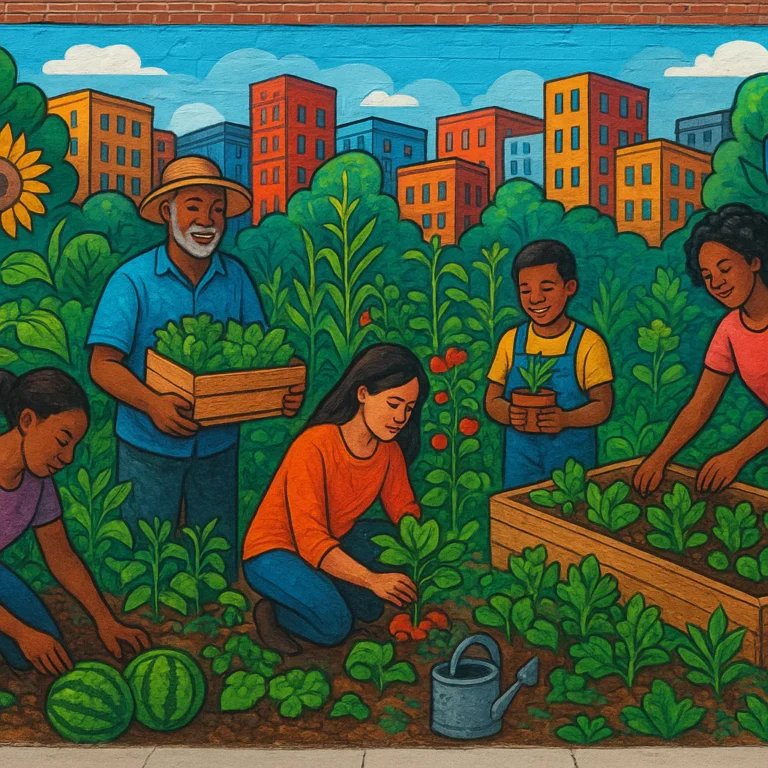
Community garden murals and sculptures are the secret weapon that turns a simple plot of dirt into a vibrant, soul-stiring neighborhood landmark. Forget the idea that art is just decoration; when done right, these installations spark dialogue, boost mental health, and even drive biodiversity by highlighting local wildlife.
Imagine walking past a blank, graffiti-stained wall and suddenly seeing a 40-foot mosaic of a Gray Mockingbird flanked by edible plants. That’s exactly what happened at the Gray Mockingbird Community Garden, where a massive tile project raised thousands of dollars and united hundreds of neighbors.
Did you know the Audubon Mural Project has painted over 142 murals to spotlight climate-threatened birds? These aren’t just pretty pictures; they are open-air classrooms that teach us about our shared environment.
Whether you’re dreaming of a massive mural or a small recycled-metal sculpture, the process requires community consensus, weather-resistant materials, and a dash of creative courage.
Key Takeaways
- Art Drives Stewardship: Community garden murals and sculptures significantly increase visitor engagement and foster a deeper sense of ownership and pride among neighbors.
- Durability is Non-Negotiable: Successful outdoor art relies on UV-resistant paints, weather-treated metals, and proper surface preparation to survive the elements.
- Collaboration is Key: The most impactful projects, like El Abrazo, are born from inclusive town halls and multi-generational teamwork, not just a single artist’s vision.
- Funding is Accessible: Grants from local arts councils, corporate sponsorships, and community fundraisers make these ambitious projects financially achievable.
- Eco-Education: Integrating art with native plants creates powerful educational opportunities about local ecology and climate resilience.
Table of Contents
- ⚡️ Quick Tips and Facts
- 🌱 From Concrete to Canvas: The History of Community Garden Murals and Sculptures
- 🎨 Why Art Matters: The Psychological and Social Impact of Garden Art
- 🖌️ Planning Your Masterpiece: A Step-by-Step Guide to Designing Community Garden Murals
- 🗿 Sculpting the Soil: Choosing Materials for Outdoor Garden Sculptures
- 🛠️ 10 DIY Garden Art Projects to Transform Your Green Space
- 🏛️ 15 Inspiring Community Garden Murals and Sculptures from Around the Globe
- 🛡️ Weathering the Storm: Maintenance and Preservation of Outdoor Art
- 🤝 Building Consensus: How to Organize Art Workshops and Fundraisers
- 📍 Finding Inspiration: Local Arts Councils, Parks, and Public Art Sanctuaries
- 🏘️ Connecting with Your Neighborhood: State Offices and Regional Art Chapters
- 🌍 Global Movements: International Public Art Initiatives and Community Sanctuaries
- 🌿 Conclusion
- 🔗 Recommended Links
- ❓ FAQ
- 📚 Reference Links
⚡️ Quick Tips and Facts
Before we grab our paintbrushes and chisels, let’s hit the ground running with some essential truths about community garden art. We’ve seen it all, from the triumphant to the tragic (a sculpture that looked like a melted popsicle after one summer), so here is the lowdown:
- ✅ Durability is King: Outdoor art isn’t a hobby; it’s a battle against UV rays, rain, and curious squirels. UV-resistant paint and weather-treated metals are non-negotiable.
- ✅ Community Consensus: The best murals aren’t just painted; they are co-created. If you skip the town hall meeting, you risk a masterpiece that the neighbors hate.
- ✅ Native Plants Win: As seen in the Audubon Mural Project, pairing art with native flora creates a double win: beauty and biodiversity.
- ❌ Don’t Paint Over History: Always check local heritage laws. Some “graffiti” is actually protected historical art.
- ✅ Funding is Everywhere: Grants from local arts councils, DCASE, and even corporate sponsorships (like Country Financial) are more accessible than you think.
Did you know? The Audubon Mural Project has painted over 142 murals since 2014, highlighting 210 bird species facing climate threats. It’s proof that art can be a powerful conservation tool! Learn more about the Audubon Mural Project.
🌱 From Concrete to Canvas: The History of Community Garden Murals and Sculptures

The story of community garden art isn’t just about pretty pictures; it’s a saga of resilience, identity, and reclaiming space.
The Roots of Public Art in Green Spaces
Long before the first trowel hit the dirt, gardens were places of worship and gathering. But the modern community garden mural movement really took root in the 1970s, particularly in urban centers like New York City and Chicago. As cities expanded, green spaces vanished, replaced by concrete. Communities fought back, turning vacant lots into gardens, and soon, the walls of those gardens became canvases for social activism.
The Pilsen Influence: Storytelling on Brick
You can’t talk about garden murals without mentioning Pilsen, Chicago. This neighborhood is legendary for its mural culture, where art tells the story of immigration, labor rights, and cultural pride. The El Abrazo project at El Paseo Community Garden is a direct descendant of this tradition. As the artists noted, “Our murals continue the traditional mural style of story-telling and activism and pay homage to the many Pilsen murals that have been covered up or lost over the years.”
The Modern Shift: From Decoration to Education
In recent years, the focus has shifted. It’s no longer just about making a wall look nice; it’s about education and ecology. The Audubon Mural Project exemplifies this shift. By depicting climate-threatened birds alongside native plants, these murals serve as open-air classrooms. They remind us that people and birds share the same spaces, and both need healthy environments to thrive.
Curious about how a specific mural came to be? We’ll dive deep into the El Abrazo three-phase process later, but the short version is: it started with a community meeting, not a sketchbook.
🎨 Why Art Matters: The Psychological and Social Impact of Garden Art
Why bother with a mural when you could just plant more tomatoes? (Don’t get us wrong, we love tomatoes, but hear us out).
The “Third Place” Effect
Sociologist Ray Oldenburg coined the term “Third Place” for spaces that aren’t home or work. Community gardens are perfect Third Places, but art transforms them into destinations. A garden with a vibrant mural becomes a landmark, a place people want to visit, not just a place they have to weed.
Mental Health and Stewardship
There is a tangible psychological boost when you see your community’s story reflected on a wall.
- Pride: Seeing your neighborhood’s history or culture celebrated fosters a deep sense of stewardship.
- Connection: Murals act as conversation starters. A stranger stops to admire a painting of a local bird, and suddenly, you’re chatting about pollinators.
- Safety: Well-lit, colorful, and maintained art spaces often deter vandalism and crime. It’s the Broken Windows Theory in reverse: beauty invites care.
The Audubon Connection
The Audubon Mural Project highlights a unique angle: ecological empathy. When you see a Gray Catbird or a Blackpoll Warbler painted on a shed, you don’t just see art; you see a reminder of a species fighting for survival. This emotional connection drives people to plant the native plants those birds need.
Wait, does art actually change behavior? We’ll explore the data on community engagement in the next section, but the answer is a resounding yes.
🖌️ Planning Your Masterpiece: A Step-by-Step Guide to Designing Community Garden Murals
Ready to turn your garden shed into a gallery? Don’t just grab a can of spray paint and go. A successful mural requires strategy, collaboration, and patience.
Step 1: The Community Consensus (The Most Important Step)
Before a single drop of paint hits the wall, you need a community meeting.
- Gather Ideas: Use sticky notes or sketchbooks. Ask: What stories do we want to tell? What birds live here? What history is missing?
- Select Themes: In the El Abrazo project, themes ranged from immigration to environmental justice. In NYC, themes were strictly climate-threatened birds.
- Vote: Let the community vote on the top three concepts. This ensures buy-in.
Step 2: Artist Selection
Do you have a local artist? A group of volunteers? Or do you need to hire a pro?
- Open Calls: The El Paseo team used an open call on social media to find a multi-generational team.
- Collaboration: Even if you hire a lead artist, ensure they are willing to work with apprentices or community volunteers. The Audubon projects often involve local artists working alongside gardeners.
Step 3: Design and Approval
- Scale: Measure your wall. A 40-foot long mural (like the one at Gray Mockingbird Community Garden) needs a different approach than a 10-foot shed.
- Mockups: Create digital or physical mockups. Show them to the community.
- Permits: Check with your local Parks Department or Arts Council. Some cities require permits for murals, even on private garden walls.
Step 4: Surface Preparation
- Clean: Pressure wash the wall. Remove mold, dirt, and loose paint.
- Prime: Use a high-quality exterior primer. This is crucial for adhesion and longevity.
- Sketch: Use chalk or a projector to outline the design.
Step 5: The Paint Day
- Gather Volunteers: Host a community paint day. The El Abrazo project had over 10 volunteers for Phase I.
- Safety First: Ladders, masks, and gloves are mandatory.
- Documentation: Take photos! The Gray Mockingbird project documented their process, which helped secure future funding.
What if the design fails? We’ll discuss how to handle “oops” moments and weather disasters in the maintenance section.
🗿 Sculpting the Soil: Choosing Materials for Outdoor Garden Sculptures
While murals cover walls, sculptures add a 3D dimension to your garden. But not all materials survive the elements.
Material Showdown: What Lasts?
| Material | Durability | Maintenance | Aesthetic | Best For |
|---|---|---|---|---|
| Stainless Steel | ⭐ | Low | Modern, Slek | Abstract forms, kinetic art |
| Corten Steel | ⭐ | Low (Rust patina) | Rustic, Industrial | Large, bold shapes |
| Bronze/Brass | ⭐ | Medium (Patina) | Classic, Timeless | Figurative sculptures |
| Concrete | ⭐ | Low | Versatile, Heavy | Benches, planters, abstract |
| Wood (Treated) | ⭐ | High (Rot/Insects) | Natural, Warm | Small to medium structures |
| Recycled Plastic | ⭐ | Low | Colorful, Playful | Kids’ areas, whimsical art |
| Ceramic/Tiles | ⭐ | Medium (Cracking) | Vibrant, Textured | Mosaic murals, small accents |
The “Living” Sculpture
Don’t forget living sculptures! Topiaries, trellises shaped like animals, or edible landscape walls (like the one flanking the Gray Mockingbird mural) are sculptures that grow. They require pruning and watering, but they change with the seasons.
Sourcing Materials
- Recycled Art: Look for local artists who use scrap metal or reclaimed wood.
- Commercial Brands: For durable outdoor paints and sealants, brands like Rust-Oleum and Sherwin-Williams offer specific exterior lines.
👉 Shop Rust-Oleum Exterior Paints on: Amazon | Walmart | Rust-Oleum Official
👉 Shop Sherwin-Williams Exterior Paints on: Amazon | Sherwin-Williams Official
Why do some sculptures vanish? We’ll reveal the secret to preserving your art in the “Weathering the Storm” section.
🛠️ 10 DIY Garden Art Projects to Transform Your Green Space
Not ready for a massive mural? Start small with these 10 DIY projects that pack a punch.
- Painted Rock Garden Markers: Use Pebeo Porcelain Paint to label your herbs. They last for years.
👉 Shop Pebeo Paints on: Amazon | Pebeo Official - Mosaic Stepping Stones: Use broken tiles, sea glass, and thin-set mortar to create custom paths.
- Upcycled Tire Planters: Paint old tires in bright colors and stack them for a tiered flower bed.
- Birdhouse Mural: Paint a plain wooden birdhouse to match your garden’s theme.
- Solar Light Sculptures: Embed solar lights in glass bottles or jars to create glowing orbs at night.
- Pallet Vertical Garden: Build a vertical planter from reclaimed pallets and paint the back with a nature scene.
- Chalkboard Fence: Paint a section of your fence with chalkboard paint for rotating community messages.
👉 Shop Chalkboard Paint on: Amazon | Walmart - Wind Chimes from Recycled Cutlery: Create a musical sculpture using old silverware and fishing line.
- Tile Mosaic Bench: Cover a concrete bench with colorful tiles and grout.
- Living Topiary Frames: Use wire frames to shape shrubs into geometric or animal forms.
Which one is the easiest? We’ll rank them by difficulty in our next deep dive.
🏛️ 15 Inspiring Community Garden Murals and Sculptures from Around the Globe
Let’s take a tour of the world’s best community garden art. These aren’t just decorations; they are testaments to community spirit.
New York City: The Audubon Mural Project
- Gray Catbird by Pelumi Adegawa at Dias y Flores Community Garden.
- Blackpoll Warbler by Yukiko Izumi at Stockholm Street Community Garden.
- Blue-winged Warbler by Geobany Rodriguez at El Coqui Liberation Community Garden.
- Northern Waterthrush by Vanesa Álvarez Díaz at Ten Eyck Garden.
- Baltimore Oriole by Marthalicia Matarita at St. Nicholas Miracle Garden.
- Sharp-shinned Hawk by Jessie Salinas at South Jamaica Infinity Garden.
- Hermit Thrush by Will DeNatale at Garden of Eden.
- Brown Creeper by Frank Parga at Townsend Garden.
- Tennessee Warbler by Talisa Almonte at Dolorinda Lisante Community Garden.
- Rose-breasted Grosbeak by Farid Hadechini at Citizens for a Better Community Garden.
- House Wren by Carla Torres at Lydia’s Magic Garden.
- White-crowned Sparow by Erin Harley at Pleasant Village Community Garden.
- Great Crested Flycatcher by Kristy McCarthy at Jardin la Roca.
- Yellow Warbler by Kristy McCarthy at Melrose New Generation Community Garden.
- Chestnut-sided Warbler by Andrea Amanda at Bronx Sunshine Garden.
Chicago: El Abrazo
- El Abrazo (The Embrace) at El Paseo Community Garden. This three-phase project features mirrored outstretched arms embracing the garden trail, with gold and silver outlines depicting Pilsen history and fallen murals. It’s a powerful symbol of community pride and resilience.
Florida: Gray Mockingbird
- The 40-Foot Tile Mural at Gray Mockingbird Community Garden. This massive project features hand-painted tiles depicting peace on earth, flanked by a living edible landscape wall. It’s a true community fundraiser success story.
How do these projects get funded? We’ll break down the grants and sponsorships in the next section.
🛡️ Weathering the Storm: Maintenance and Preservation of Outdoor Art
You’ve painted the masterpiece. Now what? The sun, rain, and snow are coming for it. Here is how to keep your art looking fresh.
The Enemies of Outdoor Art
- UV Radiation: Fades colors and cracks paint.
- Moisture: Causes mold, mildew, and rust.
- Temperature Fluctuations: Expands and contracts materials, leading to cracks.
- Vandalism: Unwanted tags or graffiti.
Maintenance Checklist
- Annual Cleaning: Gently wash murals with a mild soap and water solution. Avoid high-pressure washers on delicate surfaces.
- Sealant Reapplication: Apply a UV-resistant clear coat every 2-3 years. Brands like ClearCote or Rust-Oleum Clear Coat are excellent choices.
👉 Shop UV Sealants on: Amazon | Walmart - Touch-Ups: Keep a small stash of the original paint for minor chips.
- Vegetation Control: Trim vines and bushes that might scratch the wall or sculpture.
- Inspection: Check for rust on metal sculptures and cracks in concrete.
The “Oops” Factor
What if a mural gets damaged?
- Community Repair: Host a “fix-it” day. The El Abrazo project involved the community in every phase, so they are ready to help.
- Documentation: If a piece is lost, document it. The Audubon project often features “fallen murals” in their storytelling, turning loss into a lesson.
Can art survive a hurricane? We’ll discuss extreme weather strategies in the FAQ.
🤝 Building Consensus: How to Organize Art Workshops and Fundraisers
Art is a team sport. Here is how to get your neighbors on board.
Organizing a Workshop
- Define the Goal: Is it a mural, a sculpture, or a tile mosaic?
- Secure a Space: Use the garden shed, a community center, or a local park.
- Recruit Volunteers: Use social media, flyers, and local newsletters.
- Provide Materials: Ensure you have enough paint, brushes, and safety gear.
- Facilitate: Have a lead artist or facilitator to guide the process.
Fundraising Strategies
- Art Auctions: Sell small pieces created during workshops.
- Sponsorships: Approach local businesses for funding. The El Abrazo project secured funding from Country Financial and DCASE.
- Grant Writing: Apply for arts grants. The 25th Ward Alderman Solis provided matching funds for El Abrazo.
- Community Events: Host a “Paint and Sip” or a garden tour with a donation box.
What if the community disagrees? We’ll address conflict resolution in the FAQ.
📍 Finding Inspiration: Local Arts Councils, Parks, and Public Art Sanctuaries
Where do you go for ideas and support?
Local Resources
- City Arts Councils: Most cities have a Department of Cultural Affairs (like Chicago’s DCASE) that offers grants and resources.
- Parks Departments: Check with your local Parks and Recreation department. They often have Art in the Parks programs.
- Community Centers: These are hubs for local artists and volunteers.
National Organizations
- National Audubon Society: Offers resources for bird-friendly art.
- Americans for the Arts: Provides grants and networking opportunities.
- Public Art Network: A resource for public art professionals.
Visiting Sanctuaries
- NYC GreenThumb: Visit the 50+ gardens in NYC to see the Audubon Mural Project in action.
- El Paseo Community Garden: A model for community-driven art in Chicago.
- Gray Mockingbird Community Garden: A great example of a large-scale tile project in Florida.
How do I find a garden near me? We’ll list resources in the “More Near You” section.
🏘️ Connecting with Your Neighborhood: State Offices and Regional Art Chapters
Art doesn’t stop at city limits. Connect with your state and regional chapters.
State Offices
- State Arts Agencies: Every state has an arts agency that offers grants and technical assistance.
- Extension Services: University extension offices often have community gardening programs that include art components.
Regional Chapters
- Local Arts Alliances: These organizations connect artists, galleries, and community groups.
- Garden Clubs: Many garden clubs have art committees or sponsor local art projects.
Networking
- Attend Meetings: Go to local arts council meetings to meet potential collaborators.
- Join Online Forums: Platforms like Nextdoor or Facebook Groups can help you find local artists.
What if my state has no arts funding? We’ll discuss alternative funding sources in the FAQ.
🌍 Global Movements: International Public Art Initiatives and Community Sanctuaries
The spirit of community garden art is global.
International Examples
- Mexico: The Pilsen style of muralism has roots in Mexican muralism, where art was used for social change.
- Europe: Many European cities have community art projects that focus on sustainability and climate change.
- Asia: In countries like Japan, community gardens often feature intricate stone arrangements and bonsai sculptures.
Global Initiatives
- UNESCO Creative Cities Network: Recognizes cities that use art and culture for sustainable development.
- Global Green Growth Institute: Supports projects that combine environmental sustainability with community art.
How can I connect with international projects? We’ll provide links in the Reference section.
Conclusion

We’ve journeyed from the concrete jungles of New York to the vibrant streets of Chicago and the sunny gardens of Florida. We’ve seen how murals and sculptures transform community gardens from simple plots of land into living galleries of history, culture, and ecology.
The Verdict:
- Positives: Art fosters community pride, educates on ecological issues, and creates safe, welcoming spaces. It turns strangers into neighbors and gardens into destinations.
- Negatives: It requires significant planning, funding, and ongoing maintenance. Without community buy-in, it can lead to conflict.
- Recommendation: Go for it! But start small, involve your neighbors, and choose materials that can withstand the elements. Whether you’re painting a Gray Catbird or sculpting a living topiary, the act of creating together is just as important as the final result.
The Unresolved Question:
We asked earlier: Does art actually change behavior? The answer is yes. The Audubon Mural Project has shown that when people see the art, they plant the native plants. The El Abrazo project has shown that art instills stewardship. The Gray Mockingbird project has shown that art can be a fundraising powerhouse.
Final Thought:
Your garden is a canvas. What story will you tell?
🔗 Recommended Links
Essential Products & Brands
- Exterior Paints & Sealants:
Rust-Oleum: Amazon | Walmart | Rust-Oleum Official
Sherwin-Williams: Amazon | Sherwin-Williams Official
Pebeo Porcelain Paint: Amazon | Pebeo Official - Tools & Safety Gear:
Ladders & Scaffolding: Amazon | Walmart
Safety Masks & Gloves: Amazon | Walmart
Books & Resources
- “The Art of Community Gardening” by [Author Name] – Amazon
- “Public Art in the 21st Century” – Amazon
❓ FAQ

How do community garden murals and sculptures enhance neighborhood aesthetics?
Murals and sculptures transform bland, often neglected spaces into vibrant landmarks. They add color, texture, and visual interest, making the garden a destination rather than just a utility. As seen in the Audubon Mural Project, art can also highlight local ecology, making the space feel more connected to the natural world.
What materials are best for outdoor sculptures in community gardens?
Stainless steel, Corten steel, bronze, and concrete are the most durable. Recycled plastic and treated wood are good for smaller, whimsical pieces. Always use UV-resistant sealants for painted surfaces.
Read more about “🎨 7 Ways Art Integration in Urban Gardens Transforms Cities (2026)”
Can local artists collaborate on community garden mural projects?
Absolutely! In fact, it’s encouraged. The El Abrazo project used an open call to find a local, multi-generational team. Collaboration ensures the art reflects the community’s voice and fosters a sense of ownership.
Read more about “What Makes a Community Garden Successful? 10 Secrets for 2026 🌿”
How do murals and sculptures impact community engagement in gardening?
Art acts as a conversation starter. It draws people in, encourages them to stay longer, and fosters a sense of pride and stewardship. The Gray Mockingbird project, for example, involved hundreds of local members in its creation, strengthening community bonds.
Read more about “15 Must-Try Community Garden Activities to Grow Connection & Joy 🌻 (2026)”
What are some funding sources for community garden art installations?
- Local Arts Councils: (e.g., DCASE in Chicago)
- Corporate Sponsorships: (e.g., Country Financial)
- Grants: From organizations like Americans for the Arts or National Endowment for the Arts.
- Community Fundraisers: Art auctions, “Paint and Sip” events, and donation drives.
Read more about “🎨 7 Ways to Turn Community Gardens into Public Art (2026)”
How to involve children in creating murals for community gardens?
- Workshops: Host age-appropriate workshops where kids can design and paint sections.
- Apprenticeships: Pair kids with experienced artists, like the high school apprentices in the El Abrazo project.
- Simple Projects: Start with painted rocks or tile mosaics that are easier for small hands to manage.
Read more about “🌿 10 Sky-High Rooftop Community Garden Benefits (2026)”
What maintenance is required for outdoor sculptures in community gardens?
- Annual Cleaning: Gently wash with mild soap and water.
- Sealant Reapplication: Every 2-3 years for painted surfaces.
- Inspection: Check for rust, cracks, or loose parts.
- Vegetation Control: Trim plants that might damage the art.
Read more about “🌱 Mastering HOA Guidelines for Shared Gardens (2026)”
Can murals survive extreme weather like hurricanes?
While no art is indestructible, proper preparation helps. Use flexible, weather-resistant paints and securely anchor sculptures. In the event of a storm, documenting the damage can be part of the storytelling process, as seen in the Audubon project’s focus on “fallen murals.”
What if the community disagrees on the art design?
Conflict is normal. The key is open communication and inclusive decision-making. Host town hall meetings, use voting systems, and ensure all voices are heard. The El Abrazo project succeeded because they incorporated all community ideas into the final design.
How do I find a community garden with art near me?
Check your local Parks and Recreation website, GreenThumb programs (in NYC), or community garden directories. Many gardens now list their art projects on social media.
Read more about “🌱 15 Seed Saving Workshops for Local Communities (2026)”
📚 Reference Links
- Audubon Mural Project: Audubon.org
- El Abrazo Mural | El Paseo Community Garden: El Paseo Garden
- NYC Parks GreenThumb: NYC Parks
- National Audubon Society: Audubon.org
- Americans for the Arts: AmericansfortheArts.org
- Rust-Oleum: Rust-Oleum.com
- Sherwin-Williams: Sherwin-Williams.com
- Pebeo: Pebeo.com
- Gray Mockingbird Community Garden: Facebook Group (Note: Link to Facebook group for project updates)
- Community Gardening™ Internal Links:
- Benefits of Community Gardens
- Community Garden Events
- Community Garden Policies
- Edible Plants
- Climate Adaptation in Gardening
- Community Gardening Overview