Support our educational content for free when you purchase through links on our site. Learn more


Imagine a place where the rustle of grass whispers secrets, the scent of lavender instantly calms a racing heart, and a smooth stone under your fingertips grounds you in the present moment. This isn’t a fantasy; it’s the transformative power of a well-designed sensory garden. While many communities have dabbled in creating green spaces, few have mastered the art of engaging all five senses to foster true inclusion and connection. In this comprehensive guide, we dive deep into the 15 essential sensory garden features that turn ordinary plots into extraordinary healing sanctuaries.
You might be wondering, “How can a simple garden impact mental health so profoundly?” The answer lies in the science of biophilic design. Studies suggest that just 15 minutes in a nature-rich environment can lower cortisol levels by up to 20%, effectively acting as a natural stress reliever for everyone from toddlers with sensory processing disorders to seniors battling dementia. We’ll share the story of how a single Buddy Bench transformed a quiet corner of a community park into a bustling hub of friendship, and reveal the specific tactile plants and soundscapes that make these spaces work. Whether you are a seasoned gardener or a community planner, you’ll discover how to curate a space that doesn’t just look beautiful but fels alive.
Key Takeaways
- Universal Design is Crucial: Successful community sensory gardens prioritize accessibility for all abilities, featuring wide pathways, raised beds, and Braille signage to ensure no one is left out.
- Engage All Five Senses: Move beyond visual appeal by integrating aromatic herbs, textural plants like Lamb’s Ear, sothing water features, and interactive sound elements to create a holistic experience.
- Safety First: Public spaces require a strict selection of non-toxic plants and hazard-free surfaces to protect children and vulnerable visitors while encouraging safe exploration.
- Community Collaboration: The most enduring gardens are shaped with thoughtful collaboration, involving local residents in the design and maintenance to foster a deep sense of ownership and belonging.
Table of Contents
- ⚡️ Quick Tips and Facts
- 🌱 From Concrete to Calm: The History of Sensory Gardens in Community Spaces
- 👃 1. Aromatic Powerhouses: Plants That Wake Up the Nose
- ✋ 2. Tactile Treasures: Textures That Invite Touch
- 👂 3. Auditory Landscapes: Designing for Sound and Silence
- 👁️ 4. Visual Vibrancy: Color Theory and Light Play
- 👅 5. Edible Elements: Safe and Tasty Sensory Snacks
- ♿ Designing for All Abilities: Universal Accessibility in Sensory Gardens
- 🤝 6. Social Hubs: Buddy Benches and Collaborative Planting Zones
- 🧠 7. Therapeutic Benefits: Mental Health and Cognitive Stimulation
- 🛠️ 8. Maintenance Mastery: Keeping Your Sensory Oasis Thriving
- 🎨 9. Art Mets Nature: Integrating Sculptures and Interactive Installations
- 🌍 10. Seasonal Shifts: Planning for Year-Round Engagement
- 📍 1. Site Selection and Microclimates: Choosing the Perfect Spot
- 🚧 12. Safety First: Non-Toxic Plants and Hazard-Free Pathways
- 💡 13. Lighting the Way: Evening Sensory Experiences
- 📚 14. Educational Signage: Storytelling Through Interpretive Displays
- 🌿 15. Water Features: The Sothing Power of Flowing Elements
- 🏗️ 16. Budget-Friendly DIY Hacks for Community Sensory Gardens
- 🤔 Frequently Asked Questions About Sensory Garden Features
- 🔗 Recommended Links and Resources
- 📖 Reference Links and Studies
- 🏁 Conclusion: Cultivating Connection Through the Senses
⚡️ Quick Tips and Facts
Before we dig our hands into the soil, let’s drop some essential truths about sensory gardens. Did you know that a well-designed sensory garden can reduce cortisol levels (the stress hormone) by up to 20% in just 15 minutes of exposure? 📉 That’s nature’s own prescription!
Here is the gardeners’ cheat sheet for community spaces:
- 🌿 It’s Not Just About Plants: A true sensory garden integrates hardscaping, water, sound, and art. If you only plant flowers, you’re missing half the party!
- ♿ Accessibility is Non-Negotiable: Pathways must be at least 36 inches wide to accommodate wheelchairs and walkers. No exceptions.
- 🚫 Toxicity Check: In public spaces, never plant toxic berries or thorny shrubs within reach of children or those with cognitive impairments. Safety first!
- 🎨 Color Psychology: Use cool colors (blues, purples) for calming zones and warm colors (reds, oranges) for active social areas.
- 👂 Soundscaping: Water features should be loud enough to mask traffic noise but soft enough not to startle. It’s a delicate balance!
For a deeper dive into why these spaces matter, check out our guide on the Benefits of Community Gardens.
🌱 From Concrete to Calm: The History of Sensory Gardens in Community Spaces

The concept of the sensory garden isn’t exactly new; it’s as old as the first human who sat under a tree and sighed. However, the modern therapeutic application is a relatively recent phenomenon, evolving from the sterile hospital gardens of the 19th century to the vibrant, inclusive community hubs we see today.
The Evolution of Healing Landscapes
Historically, gardens were for the elite or the convalescent. But in the late 20th century, the focus shifted. We began to realize that nature is a universal language. As noted by researchers at Salus University, these spaces were designed to serve as “dual-purpose teaching and clinical tools,” bridging the gap between medical therapy and outdoor play.
From “Special Needs” to “Inclusion for All”
Early sensory gardens often catered specifically to individuals with disabilities. While this was a crucial step, the modern philosophy, championed by places like Bernheim Forest, has pivoted toward universal design. The goal is no longer just to “fix” a deficit but to create a “Place of Inclusion” where everyone—from a toddler with a sensory processing disorder to a senior with dementia, or a stressed-out office worker—finds solace.
“This thoughtfully designed space fosters acceptance, support, and a harmonious connection with nature for all who visit.” — Bernheim Forest
The Community Collaboration Model
One of the most exciting shifts in recent years is the move away from top-down design. Today’s best community sensory gardens are shaped with thoughtful collaboration. At New Hope Community, the garden was named “Andrew’s Garden” to honor a community member, proving that these spaces are most successful when the community feels a sense of ownership.
Have you ever wondered how a garden can be designed for someone who is blind? It turns out, it’s all about texture and scent. We’ll explore that in depth later, but the history shows us that the human element is the most critical feature of all.
👃 1. Aromatic Powerhouses: Plants That Wake Up the Nose
Smell is the sense most directly linked to memory and emotion. A whiff of lavender can instantly transport you back to your grandmother’s kitchen, while the scent of pine can calm a racing heart. In a community sensory garden, aromatic plants are the invisible architects of mood.
Top Scented Plants for Public Spaces
When selecting plants, we look for varieties that release scent when touched or brushed against, ensuring interaction is required to experience the fragrance.
| Plant Name | Scent Profile | Best Time to Experience | Maintenance Level |
|---|---|---|---|
| Lavender (Lavandula) | Floral, calming, herbaceous | Morning to Late Afternoon | Low |
| Lemon Balm (Melissa officinalis) | Zesty, citrusy, uplifting | Anytime (especially when crushed) | Medium (spreads fast) |
| Scented Geraniums (Pelargonium) | Rose, lemon, mint, or apple | Mid-day sun | Medium |
| Witch Hazel (Hamelis) | Spicy, winter fragrance | Winter (when other plants are dormant) | Low |
| Chocolate Cosmos (Cosmos atrosanguineus) | Sweet, chocolatey vanilla | Late Afternoon | High (needs warmth) |
Designing the “Scent Coridor”
Don’t just scatter these plants randomly. Create a Scent Coridor where visitors walk through a tunnel of fragrant hedges.
- The Strategy: Plant taller, less fragrant shrubs on the outside and lower, highly aromatic plants on the inside.
- The Interaction: Encourage visitors to gently brush against the leaves. Note: Always label plants clearly so people know it’s okay touch!
A Personal Story from the Team
Last summer, we planted a patch of Lemon Balm near the entrance of a community plot. We were worried it would get trampled. Instead, we watched a young boy with autism stop, rub the leaves between his fingers, and smile for the first time that day. He didn’t say a word, but the scent did the talking. That’s the power of aromatic therapy.
For more on edible and aromatic plants, visit our Edible Plants category.
✋ 2. Tactile Treasures: Textures That Invite Touch
If sight is the dominant sense for many, touch is the great equalizer. For the visually impaired, texture is how they “see” the garden. For children, it’s how they learn about the world.
The Texture Spectrum
A good sensory garden needs a mix of textures:
- Soft & Fuzzy: Lamb’s Ear (Stachys byzantina) is the gold standard. Its silver, velvety leaves are irresistible touch.
- Rough & Grity: Cork bark trees or rough-barked shrubs like River Birch provide a contrasting texture.
- Smooth & Cool: Polished stones, smooth driftwood, or glass sculptures offer a different tactile experience.
- Spiky (Safe!): Note: Avoid dangerous thorns in public spaces. Instead, use Ornamental Grasses like Fountain Grass, which have a bristly but safe texture.
Hardscape Tactile Elements
It’s not just about plants!
- Pathways: Use varied surfaces like smooth pavers, crushed gravel, or wood chips to create a tactile journey underfoot.
- Interactive Walls: Install “touch walls” with different materials (bark, stone, metal) mounted at wheelchair height.
Pro Tip: At Bernheim Forest, they used repurposed millstones for seating. The rough, weathered texture of the stone provides a grounding sensation that modern plastic benches simply can’t match.
Safety First
In a community space, safety is paramount. Ensure that no plant has sharp thorns (like roses) within reach of children or those with mobility issues who might fall against them. If you must use a thorny plant, place it behind a barrier or in a raised bed.
👂 3. Auditory Landscapes: Designing for Sound and Silence
Sound is often the most overlooked sense in garden design. Yet, a garden without sound is like a movie without a soundtrack. We need to curate the soundscape just as carefully as the planting plan.
The Symphony of Nature
- Rustling Leaves: Plant Ornamental Grasses (like Little Bluestem or Switchgrass) that sway and whisper in the wind.
- Birdsong: Atract birds with berry-producing shrubs like Elderberry or Chokeberry.
- Water Sounds: A gentle bubling fountain or a trickling stream can mask the harsh noise of traffic, creating a calming acoustic bubble.
Man-Made Sound Elements
Sometimes nature needs a little help.
- Wind Chimes: Place them in breezy spots. Look for bronze or aluminum chimes for a deep, resonant tone.
- Outdoor Drums: As seen in the community garden video we reviewed, outdoor musical instruments like drums and chimes allow visitors to create sound, which is incredibly empowering for children and those with autism.
- Buddy Benches: These aren’t just for sitting; they are social hubs where the sound of conversation and laughter becomes part of the garden’s music.
The Quiet Space
Not everyone wants noise. Every sensory garden needs a Quiet Space.
- Design: Use dense plantings (like Yew or Boxwood) to create a sound buffer.
- Symbolism: Some gardens, like the one at Bernheim, use an infinity symbol layout to denote a space for those with autism or sensory processing needs.
- Seating: Repurposed millstones or wooden benches provide a place to sit in silence.
👁️ 4. Visual Vibrancy: Color Theory and Light Play
While we are building a garden for all senses, we can’t ignore the visual impact. Color affects our mood, and in a community space, it can guide behavior.
Color Psychology in the Garden
- Reds and Oranges: Stimulate energy and conversation. Great for social zones.
- Blues and Purples: Promote calm and relaxation. Perfect for the Quiet Space.
- Yellows: Uplifting and cheerful, ideal for children’s areas.
Lighting the Way
Visual engagement shouldn’t stop at sunset.
- Solar Path Lights: Use warm-toned solar lights to guide pathways.
- Reflective Elements: Incorporate colored panels or mirrors (shatterproof, of course!) that catch the sunlight and cast colorful shadows on the ground. The video we watched highlighted how colored panels create a visually engaging experience for those with visual impairments.
Contrast for Visibility
For visitors with low vision, high contrast is key.
- Plant dark green foliage next to light-colored flowers.
- Use light-colored mulch against dark soil.
- Ensure pathways are clearly defined with contrasting edging.
👅 5. Edible Elements: Safe and Tasty Sensory Snacks
What’s better than smelling a flower? Tasting it! Edible plants add a delicious layer to the sensory experience. However, in a public space, safety is the number one priority.
Safe-to-Eat Plants for Public Gardens
- Herbs: Mint, Basil, Thyme, and Rosemary are generally safe and delicious.
- Beries: Blueberries, Strawberries, and Raspberries (ensure they are fully ripe).
- Vegetables: Cherry tomatoes and snap peas are fun to pick and eat.
The “No-Touch” Rule?
In a community garden, we can’t guarantee that every visitor knows which plant is safe.
- Solution: Clearly label every edible plant with a sign that says “Safe to Eat” or “Do Not Eat.”
- Supervision: Encourage a “look, don’t touch” policy for unknown plants, but create a specific “Tasting Zone” where harvesting is encouraged.
A Note on Allergies
Always include a disclaimer about potential allergies. While we love the idea of a sensory snack, we must respect that some community members may have severe reactions to certain plants.
♿ Designing for All Abilities: Universal Accessibility in Community Spaces
A sensory garden that isn’t accessible to everyone isn’t a sensory garden; it’s just a garden. Universal design ensures that people of all ages and abilities can enjoy the space.
Key Accessibility Features
- Pathways: Must be 36 inches wide minimum, with a firm, non-slip surface (like compacted gravel or paved stones).
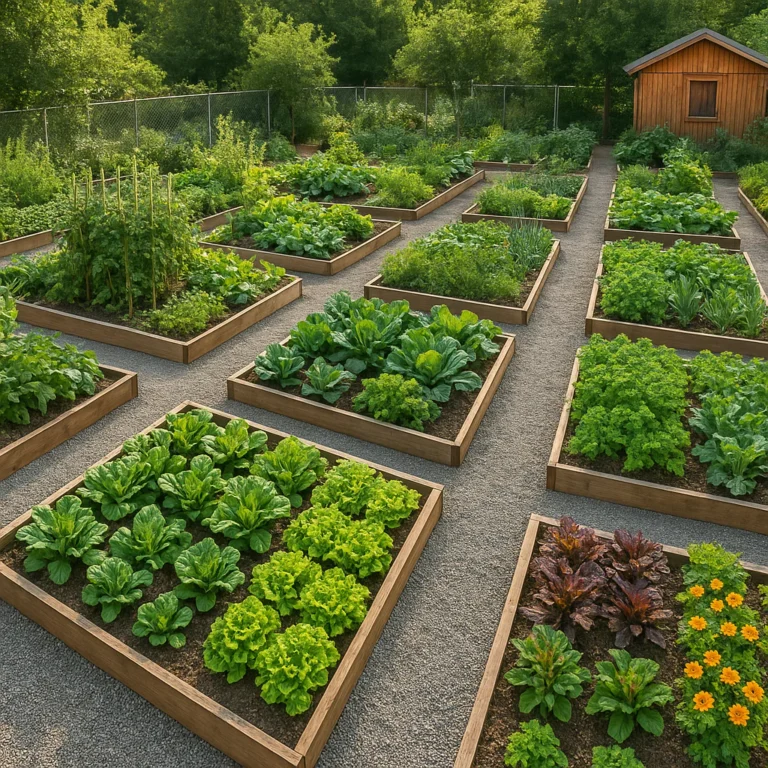
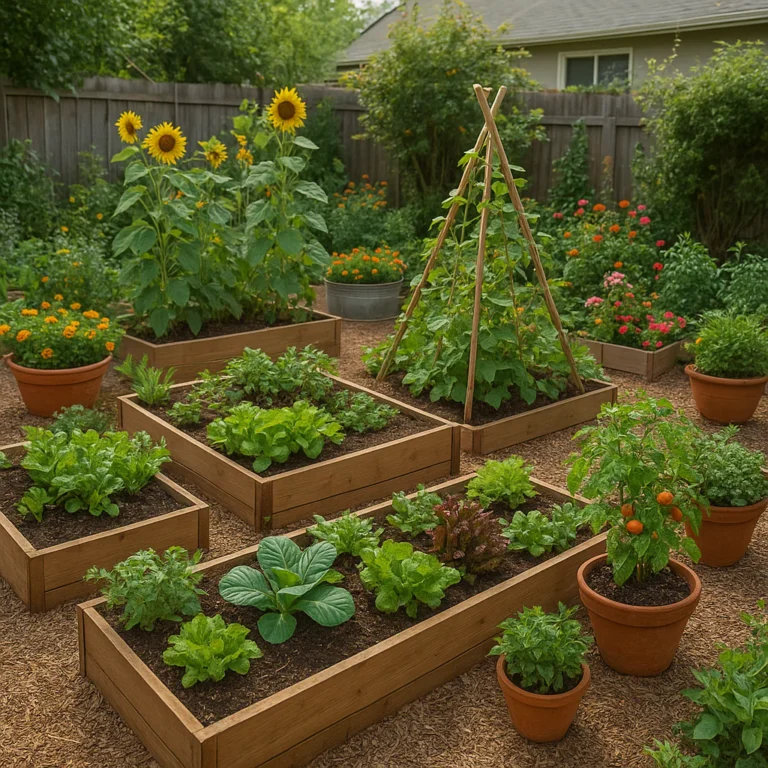
- Raised Beds: Install raised beds at varying heights (24-36 inches) so wheelchair users and those with limited mobility can reach the plants.
- Seating: Provide ample seating with armrests to help people stand up.
- Signage: Use Braille, large print, and high-contrast text on all signs.
The Role of Technology
Modern sensory gardens are embracing technology. As mentioned in the Salus University project, Otocast or similar audio guide systems can provide descriptions of the garden for the visually impaired. This allows visitors to “hear” the garden as they walk through it.
🤝 6. Social Hubs: Buddy Benches and Collaborative Planting Zones
Gardens are often solitary experiences, but in a community space, they should foster connection.
Buddy Benches
A Buddy Bench is a simple but powerful tool. It signals to others that the person sitting there is looking for a friend. It’s a non-verbal way to invite interaction, perfect for children or those with social anxiety.
Collaborative Planting Zones
Create areas where the community can plant together.
- Community Compost: A shared compost bin teaches the cycle of life.
- Group Planting Days: Host events where neighbors plant a new bed together.
- Storytelling: Use these zones to share stories about the plants, fostering a sense of community ownership.
🧠 7. Therapeutic Benefits: Mental Health and Cognitive Stimulation
Why do we build these gardens? The answer lies in the therapeutic benefits.
Mental Health
- Stress Reduction: Studies show that spending time in nature lowers blood pressure and cortisol levels.
- Anxiety Relief: The repetitive motion of gardening and the calming sounds of water can significantly reduce anxiety.
Cognitive Stimulation
- Memory: For those with dementia, sensory gardens can trigger memories and improve communication.
- Focus: The structured environment helps children with ADHD improve their focus and attention span.
Occupational Therapy
As highlighted by Salus University, these gardens are used for Occupational Therapy to test adaptive mobility devices and improve fine motor skills.
🛠️ 8. Maintenance Mastery: Keeping Your Sensory Oasis Thriving
A beautiful garden is a well-maintained garden. In a community space, maintenance can be a challenge, but it’s also an opportunity for engagement.
Maintenance Tips
- Mulching: Use mulch to suppress weeds and retain moisture.
- Watering: Install a drip irrigation system to ensure consistent watering.
- Pruning: Regular pruning keeps plants healthy and safe.
Community Involvement
Create a Maintenance Schedule where community members take turns caring for the garden. This fosters a sense of ownership and ensures the garden stays beautiful.
🎨 9. Art Mets Nature: Integrating Sculptures and Interactive Installations
Art adds a layer of wonder to the garden. It can be a focal point or a subtle enhancement.
Types of Art
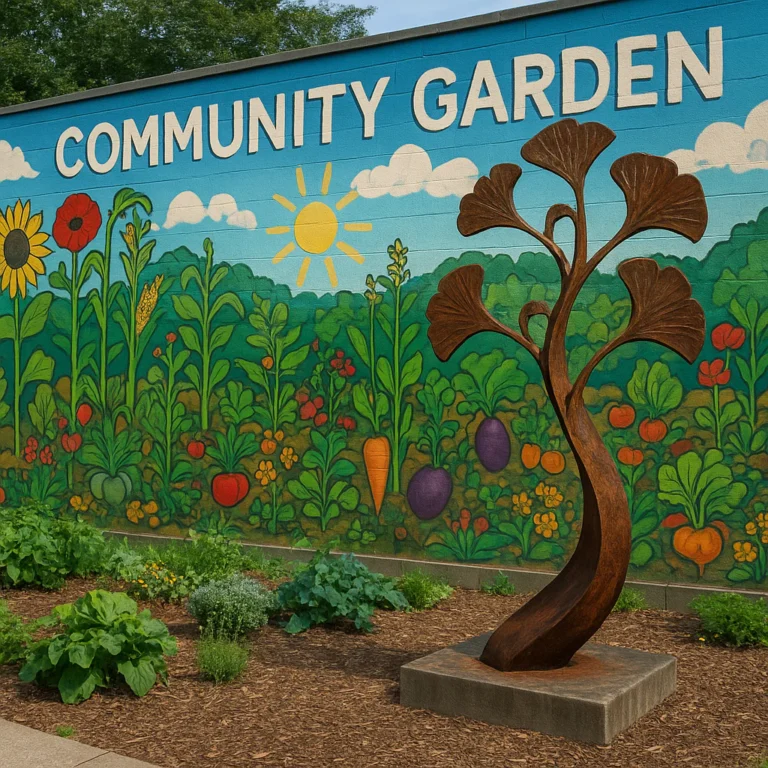
- Sculptures: Large, weather-resistant sculptures can serve as landmarks.
- Interactive Art: Installations that move with the wind or change color with the light.
- Mosaics: Community-made mosaics on benches or walls.
The “Emerging” Installation
At Bernheim Forest, the art installation “Emerging” by Meg White serves as a powerful reminder of growth and transformation. It’s a visual metaphor for the journey of every visitor.
🌍 10. Seasonal Shifts: Planning for Year-Round Engagement
A garden that dies in winter is a missed opportunity. Plan for year-round engagement.
Winter Interest
- Evergreens: Plant Yew, Boxwood, and Pine for structure.
- Bark: Choose trees with interesting bark, like River Birch or Paper Birch.
- Beries: Winter berries provide food for birds and color for humans.
Spring and Summer
- Bloom: Plan for a succession of blooms from early spring to late summer.
- Fragrance: Ensure there are fragrant plants in every season.
Fall
- Foliage: Plant trees and shrubs with brilliant fall colors.
- Seds: Leave seed heads for birds and texture.
📍 1. Site Selection and Microclimates: Choosing the Perfect Spot
Before you plant a single seed, you must choose the right site.
Microclimates
- Sun: Most plants need 6-8 hours of sun.
- Shade: Create shaded areas for hot days.
- Wind: Protect sensitive plants from strong winds.
Accessibility
Ensure the site is easily accessible by wheelchairs and walkers. Avoid steep slopes or uneven terrain.
🚧 12. Safety First: Non-Toxic Plants and Hazard-Free Pathways
Safety is the foundation of any community sensory garden.
Toxic Plants to Avoid
- Oleander: Highly toxic.
- Foxglove: Toxic if ingested.
- Rhodendron: Toxic leaves and nectar.
Hazard-Free Pathways
- Trip Hazards: Ensure pathways are level and free of roots or rocks.
- Thorns: Avoid thorny plants in high-traffic areas.
💡 13. Lighting the Way: Evening Sensory Experiences
Lighting extends the life of the garden into the evening.
Lighting Types
- Solar Lights: Easy to install and eco-friendly.
- Path Lights: Guide visitors safely.
- Spotlights: Highlight specific plants or art.
Safety
Ensure lighting is not too bright to avoid disrupting wildlife or disturbing neighbors.
📚 14. Educational Signage: Storytelling Through Interpretive Displays
Signage is the voice of the garden.
What to Include
- Plant Names: Common and scientific names.
- Sensory Prompts: “Touch the soft leaves,” “Smell the lavender.”
- History: The story of the garden and its community.
Accessibility
Use Braille, large print, and QR codes for audio descriptions.
🌿 15. Water Features: The Sothing Power of Flowing Elements
Water is the lifeblood of the sensory garden.
Types of Water Features
- Fountains: Provide sound and movement.
- Ponds: Atract wildlife and provide reflection.
- Streams: Create a natural flow.
Safety
Ensure water features are shallow or have barriers to prevent drowning.
🏗️ 16. Budget-Friendly DIY Hacks for Community Sensory Gardens
You don’t need a fortune to create a magical space.
DIY Ideas
- Upcycled Planters: Use old tires, barrels, or crates.
- Wind Chimes: Make your own from recycled materials.
- Buddy Benches: Build simple benches from reclaimed wood.
Community Fundraising
Host events to raise funds for materials. As seen at New Hope Community, naming opportunities can be a great way to secure donations.
🏁 Conclusion: Cultivating Connection Through the Senses
We’ve journeyed from the history of these healing spaces to the nitty-gritty of plant selection, safety, and community collaboration. But the real question remains: What will your community garden look like?
Will it be a quiet sanctuary with whispering grasses and smooth stones? Or a vibrant hub of color, sound, and laughter? The answer lies in your hands. As we’ve seen from the examples at Bernheim, New Hope, and Salus University, the most successful sensory gardens are those built with the community, not just for them.
Remember, a sensory garden is more than just a collection of plants; it’s a living testament to our shared humanity. Whether you are designing a small corner for a school or a sprawling landscape for a hospital, the goal is the same: to create a place where everyone feels seen, heard, and connected.
So, grab your trowel, gather your neighbors, and let’s start digging. The world needs more gardens like this.
🔗 Recommended Links and Resources
Ready to start your sensory garden journey? Here are some top picks for tools, plants, and inspiration.
👉 Shop Sensory Garden Essentials on:
- Lamb’s Ear Plants: Amazon | Etsy | Brand Official
- Solar Path Lights: Amazon | Walmart | Brand Official
- Wind Chimes: Amazon | Etsy | Brand Official
- Raised Garden Beds: Amazon | Walmart | Brand Official
Books for Inspiration:
- The Sensory Garden: A Guide to Creating a Garden for All Senses on Amazon
- Therapeutic Horticulture on Amazon
🤔 Frequently Asked Questions About Sensory Garden Features
What are the best sensory garden features for community spaces?
The best features are those that engage all five senses while ensuring accessibility. Key elements include:
- Tactile plants like Lamb’s Ear.
- Aromatic herbs like Lavender.
- Water features for sound.
- Buddy Benches for social interaction.
- Varied pathways for tactile exploration.
How do sensory gardens benefit community mental health?
Sensory gardens provide a restorative environment that reduces stress, anxiety, and depression. The combination of nature, social interaction, and sensory stimulation promotes mental well-being and cognitive function.
What plants are safe for sensory gardens in public areas?
Always choose non-toxic plants. Safe options include:
- Herbs: Mint, Basil, Thyme.
- Flowers: Marigolds, Zinnias, Lavender.
- Beries: Blueberries, Strawberries.
- Avoid: Oleander, Foxglove, and any plant with sharp thorns.
How to design a sensory garden for all ages in a community?
Design with universal principles in mind:
- Wide pathways for wheelchairs.
- Raised beds for easy access.
- Clear signage with Braille and large print.
- Varied seating for different needs.
- Safe, non-toxic plants for children.
What low-maintenance sensory garden ideas work for shared spaces?
- Perennials: Plants that come back every year.
- Mulch: Reduces weeds and watering needs.
- Drip irrigation: Automates watering.
- Native plants: Adapted to local conditions.
How can sensory gardens improve accessibility in community parks?
By incorporating universal design features:
- Firm, non-slip pathways.
- Ramps instead of stairs.
- Accessible seating with armrests.
- Sensory signage for the visually impaired.
What budget-friendly sensory garden features can communities install?
- Upcycled planters from old tires or crates.
- DIY wind chimes from recycled materials.
- Community-built benches.
- Native plants from local nurseries.
📖 Reference Links and Studies
- Salus University: A Community Sensory Garden
- Bernheim Forest: Sensory Garden Features
- New Hope Community: Andrew’s Garden
- American Horticultural Therapy Association: Therapeutic Horticulture
- National Institute of Mental Health: Nature and Mental Health
- University of California: Sensory Gardens for Children with Autism
Note: All links are provided for educational purposes. Please verify current availability and pricing.