Support our educational content for free when you purchase through links on our site. Learn more

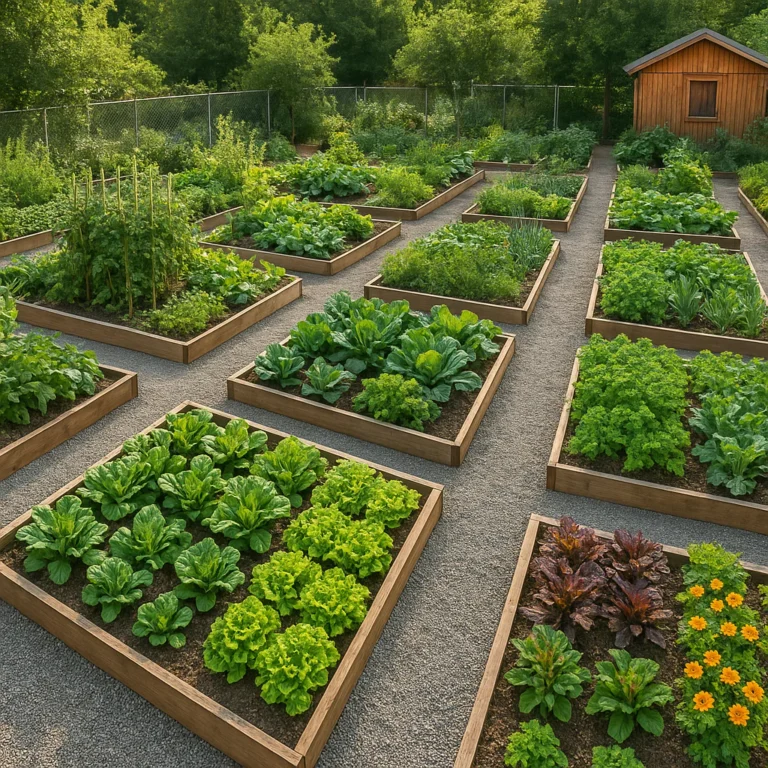
Imagine a community garden where a wheelchair user can roll right up to a raised bed to harvest basil, while a child with sensory sensitivities finds calm in a textured, fragrant corner, and a senior gardener rests on a supportive bench without ever feeling like an afterthought. This isn’t a utopian dream; it’s the reality of universal design in urban gardens, a movement transforming concrete jungles into inclusive sanctuaries for everyone. At Community Gardening™, we’ve seen firsthand how a few strategic changes—like widening a path by just 12 inches or swapping a standard trowel for an ergonomic handle—can turn a “nice-to-have” space into a vital, life-affirming hub for neighbors of all abilities.
But here’s the twist: universal design isn’t just about compliance or adding ramps; it’s about reimagining the entire gardening experience from the ground up. In this guide, we’re pulling back the curtain on the 10 essential elements that make a garden truly accessible, from the science of sensory plant selection to the nitty-gritty of microclimate management. We’ll share real stories from our team, debunk common myths about “too small” urban plots, and reveal why designing for the margins actually benefits the center. Ready to discover how a little empathy can grow a whole lot of community? Let’s dig in.
Key Takeaways
- Universal design benefits everyone: Features like wide pathways and raised beds aren’t just for wheelchair users; they make gardening easier and more enjoyable for parents with strollers, children, and seniors alike.
- Accessibility starts at the planning stage: Integrating ergonomic raised beds, sensory pathways, and adaptive tools from the beginning creates a seamless experience, avoiding costly and awkward retrofits later.
- Small spaces can be fully inclusive: With creative vertical growing systems and thoughtful layout strategies, even tiny urban rooftops and narrow plots can accommodate diverse mobility needs.
- Sensory engagement is crucial: Incorporating plants with varied textures, scents, and sounds creates a rich environment that supports neurodivergent gardeners and those with visual or hearing impairments.
- Community thrives on inclusion: Gardens designed with universal principles foster deeper social connections, reduce isolation, and create a stronger, more resilient neighborhood fabric.
Table of Contents
- ⚡️ Quick Tips and Facts
- 🏛️ From Exclusion to Inclusion: A Brief History of Universal Design in Urban Gardens
- 🧠 The Core Principles: Applying Universal Design to Small City Spaces
- 🛠️ 10 Essential Elements for Creating an Accessible Urban Garden Oasis
- 🪑 1. Ergonomic Raised Beds and Vertical Growing Systems
- 🚶 2. Wheelchair-Friendly Pathways and Surface Materials
- 💧 3. Adaptive Irrigation and Watering Solutions
- 🌿 4. Sensory Plant Selection for Visual, Tactile, and Olfactory Stimulation
- 🪑 5. Accessible Seating and Rest Areas with Back Support
- 🔦 6. Universal Lighting for Nightime Safety and Visibility
- 🧤 7. Adaptive Gardening Tools and Ergonomic Handles
- 🚪 8. Wide Gate Entrances and Barrier-Free Access Points
- 📏 9. Reachable Storage and Tool Organization
- 🌡️ 10. Microclimate Management for Temperature and Wind Sensitivity
- 👵 Designing for All Ages: Intergenerational Gardening in the City
- 🦽 Navigating Mobility Challenges: Solutions for Wheelchair and Scoter Users
- 👁️🗨️ Sensory Gardens: Creating Inclusive Spaces for Neurodivergent Gardeners
- 🏙️ Overcoming Urban Constraints: Maximizing Accessibility in Tiny Plots and Rooftops
- 💰 Budget-Friendly Universal Design Hacks for the DIY Urban Gardener
- 🌱 Plant Picks: The Best Low-Maintenance, High-Accessibility Crops for City Dwellers
- 🤝 Community Impact: How Inclusive Gardens Strengthen Neighborhood Bonds
- 📐 Planning Your Layout: A Step-by-Step Guide to Universal Garden Design
- 🚫 Common Mistakes to Avoid When Retrofiting for Accessibility
- 📚 Resources and Professional Help: Finding the Right Landscape Architect
- 🏆 Case Studies: Real-World Examples of Successful Accessible Urban Gardens
- 📝 Conclusion
- 🔗 Recommended Links
- ❓ FAQ
- 📖 Reference Links
⚡️ Quick Tips and Facts
Welcome, fellow green thumbs and urban adventurers! 🌱 Here at Community Gardening™, we believe that every hand, regardless of age or ability, deserves to dig into the joy of growing. That’s why we
‘re diving deep into universal design in urban gardens – a philosophy that transforms ordinary plots into extraordinary, inclusive havens for everyone. Think about it: wouldn’t it be amazing if your community garden was a place where a grandparent in
a wheelchair could easily tend to their tomatoes right alongside a curious child, or where someone with a visual impairment could navigate the paths with confidence? We certainly think so!
Universal design isn’t just about ramps and wide paths; it’
s about creating an environment that is inherently usable and enjoyable by the widest range of people, without the need for adaptation or specialized design. It’s about designing with empathy and foresight, ensuring our shared green spaces truly
embody the “community” in community gardening.
Here are some quick facts to get your trowels turning:
- Fact 1: Did you know that designing for accessibility often benefits everyone? Think
about curb cuts – originally for wheelchairs, now a lifesaver for strollers, shopping carts, and delivery drivers! - Fact 2: Raised garden beds aren’t just trendy; they’re
a cornerstone of universal design, allowing gardeners to work comfortably without bending or kneeling, and providing crucial knee space for wheelchair users. ✅ - Fact 3: Sensory elements like fragrant herbs, textured leaves, and the gentle sound of water
can transform a garden into a rich, multi-dimensional experience for individuals with diverse sensory needs. 👃👂✋ - Fact 4: Over 6 out of 10 people with dementia wander, making circular or figure-eight paths
with clear boundaries essential for safe navigation in therapeutic gardens. - Fact 5: Community gardens designed with universal principles foster social engagement and combat loneliness, strengthening neighborhood bonds across generations and abilities. This is a huge win for the Benefits of Community Gardens!
Ready to cultivate a truly welcoming garden? Let’s get digging
! And for more on how we grow together, check out our main article on Community Gardening.
🏛️ From Exclusion to Inclusion: A Brief
History of Universal Design in Urban Gardens
Gardens, throughout history, have often been spaces of beauty and respite, but for many, they’ve also been places of unintentional exclusion. Think about those quaint, winding paths, steep steps, or narrow entrances
– charming, perhaps, but formidable barriers for someone using a wheelchair, a parent with a stroller, or an elderly person with limited mobility. The journey from these often-exclusive designs to the inclusive philosophy of universal design is a fascinating one,
deeply rooted in the broader disability rights movement.
The concept of universal design itself emerged in the 1980s, spearheaded by architect Ronald Mace, who believed that environments should be inherently usable by all people, to the greatest
extent possible, without the need for adaptation. This was a significant shift from the earlier “accessible design,” which often focused on retrofitting spaces to meet minimum legal requirements, sometimes resulting in designs that felt separate or stigmat
izing. Universal design, by contrast, aims for seamless integration from the outset.
In the realm of urban gardens, this evolution has meant moving beyond simply adding a ramp here or there. It’s about fundamentally rethinking how we plan, build
, and maintain our green spaces. For instance, early “accessible gardens” might have featured a single raised bed. Today, a universally designed urban garden considers everything from the texture of pathways to the height of planting areas, the types of plants chosen, and
the placement of seating, ensuring a holistic experience for everyone. As the American Society of Landscape Architects (ASLA) emphasizes, “By applying universal design principles and including people with disabilities in the planning and design process, landscape architects can ensure gardens
maintain their cultural importance into the future.” This proactive approach transforms gardens into truly therapeutic spaces that offer respite and health benefits to all, regardless of their physical or cognitive abilities.
🧠 The Core Principles: Applying Universal Design to Small City Spaces
At the heart of universal design are seven guiding principles, developed by the Center for Universal Design at North Carolina State University. These aren’t just abstract ideas; they’
re practical blueprints for creating spaces that work for everyone. And guess what? They apply perfectly to our beloved urban gardens, no matter how small or sprawling! The beauty of redesigning a garden with universal design in mind is that it “both removes barriers and
makes the space more usable and enjoyable for everyone.”
Let’s break down these principles and see how they blossom in a city garden:
| Principle | Explanation
We’re talking about making our urban gardens accessible and enjoyable for everyone – from the tiniest tot to the wisest elder, from individuals using wheelchairs to those with sensory sensitivities.
Here’s a detailed look at how these principles apply to creating a universally designed urban garden:
| Principle | What It Means
Universal design means creating spaces that are inherently usable by the widest range of people, without specific adaptations. This isn’t just about meeting minimum legal requirements; it’s about designing with
empathy and foresight. At Community Gardening™, we truly believe that designing for everyone means everyone benefits.
Here’s how the seven core principles of universal design translate to your urban garden oasis:
- ✅ Equitable Use: The
garden is useful and marketable to people with diverse abilities.
- In Your Garden: Imagine a garden where a wheelchair user can comfortably reach plants in a raised bed, and a child can also easily engage with the same plants. This means
varied heights and accessible pathways that don’t feel “special” but are simply well-designed for all.
- ✅ Flexibility in Use: The design accommodates a wide range of individual preferences and abilities.
- In
Your Garden: Think about seating. Instead of fixed benches, offer a mix of movable chairs, benches with backrests and armrests, and even raised beds that double as seating. This allows individuals to choose what
works best for their comfort and social needs.
- ✅ Simple and Intuitive Use: Use of the design is easy to understand, regardless of the user’s experience, knowledge, language skills, or current concentration level.
- In Your Garden: Clear, visual signage with symbols (e.g., for herbs, vegetables, or restrooms), distinct pathway textures, and logical layouts help everyone navigate. Avoid confusing dead ends or hidden
areas, especially for those with cognitive disabilities.
- ✅ Perceptible Information: The design communicates necessary information effectively to the user, regardless of ambient conditions or the user’s sensory abilities.
In Your Garden: This is where sensory gardens truly shine! Use high-contrast plantings for those with low vision, fragrant herbs for olfactory cues, and water features for auditory wayfinding. Tactile paving can signal
changes in terrain or warn of hazards.
- ✅ Tolerance for Error: The design minimizes hazards and the adverse consequences of accidental or unintended actions.
- In Your Garden: Choose non-toxic and non-thorny
plants to allow safe physical engagement. Ensure pathways are non-slippery, even when wet, and that any level changes are clearly marked with multi-sensory cues to prevent trips.
- ✅ Low Physical Effort: The design can be used efficiently and comfortably and with a minimum of fatigue.
- In Your Garden: This means ergonomic tools, easily accessible watering systems (like drip irrigation),
raised beds at comfortable heights, and frequent rest areas with supportive seating. No one should feel exhausted just trying to enjoy the garden!
- ✅ Size and Space for Approach and Use: Appropriate size and space are
provided for approach, reach, manipulation, and use regardless of user’s body size, posture, or mobility.
- In Your Garden: Wide pathways (at least 36 inches, ideally 48 inches for two-way traffic), ample turning space for wheelchairs, and clear knee and toe clearance under raised beds are crucial. Ensure all garden elements, from tools to spigots, are within easy reach.
By embracing these principles from
the initial planning stages, we can ensure our urban gardens are not just beautiful, but truly welcoming and functional for every single person who wishes to enjoy them. It’s about creating spaces where everyone can “roll right under the garden box” or walk
smoothly to the beds, as they did at Shoreline Plaza.
🛠️ 10 Essential Elements for Creating an Accessible Urban Garden Oasis
Alright, gardeners, it’s time to get down
to the nitty-gritty! Crafting an urban garden that truly embraces universal design means thinking about every single detail, from the ground up. We’ve seen firsthand how these elements can transform a good garden into a great,
inclusive garden. Are you ready to discover the secrets to making your urban green space an oasis for all? Let’s unveil the 10 essential elements that will make your garden shine with accessibility and joy!
🪑 1.
Ergonomic Raised Beds and Vertical Growing Systems
Raised garden beds are the unsung heroes of accessible urban gardening. They bring the garden up to you, reducing the need for bending, kneeling, or excessive stretching. For wheelchair users, the magic
happens when there’s knee and toe clearance underneath, allowing them to roll right up and get hands-on with the soil.
Our team at Community Gardening™ has experimented with countless raised bed designs,
and we’ve found that versatility is key. We love the options that offer different heights or modular designs.
Product Spotlight: Vego Garden Metal Raised Garden Beds
| Aspect | Rating (1-10) | Notes
UNIVERS
UNIVERSAL DESIGN IN URBAN GARDENS: CULTIVATING INCLUSIVITY FOR ALL
⚡️ Quick Tips and Facts
Hey there, green thumbs and urban adventurers! 🌱 Here at Community Gardening™, we believe that every hand, regardless of age or ability, deserves to dig into the joy of growing. That’s why we’
re diving deep into universal design in urban gardens – a philosophy that transforms ordinary plots into extraordinary, inclusive havens for everyone. Think about it: wouldn’t it be amazing if your community garden was a place where a grandparent in a wheelchair
could easily tend to their tomatoes right alongside a curious child, or where someone with a visual impairment could navigate the paths with confidence? We certainly think so!
Universal design isn’t just about ramps and wide paths; it’s about creating an
environment that is inherently usable and enjoyable by the widest range of people, without the need for adaptation or specialized design. It’s about designing with empathy and foresight, ensuring our shared green spaces truly embody the “community
” in community gardening.
Here are some quick facts to get your trowels turning:
- Fact 1: Did you know that designing for accessibility often benefits everyone? Think about curb cuts – originally for wheelchairs, now a
lifesaver for strollers, shopping carts, and delivery drivers! - Fact 2: Raised garden beds aren’t just trendy; they’re a cornerstone of universal design, allowing gardeners to work comfortably
without bending or kneeling, and providing crucial knee space for wheelchair users. ✅ - Fact 3: Sensory elements like fragrant herbs, textured leaves, and the gentle sound of water can transform a garden into a rich, multi-
dimensional experience for individuals with diverse sensory needs. 👃👂✋ - Fact 4: Over 6 out of 10 people with dementia wander, making circular or figure-eight paths with clear boundaries essential for safe navigation
in therapeutic gardens. - Fact 5: Community gardens designed with universal principles foster social engagement and combat loneliness, strengthening neighborhood bonds across generations and abilities. This is a
huge win for the Benefits of Community Gardens!
Ready to cultivate a truly welcoming garden? Let’s get digging!
And for more on how we grow together, check out our main article on Community Gardening.
🏛️ From Exclusion to Inclusion: A Brief History

of Universal Design in Urban Gardens
Gardens, throughout history, have often been spaces of beauty and respite, but for many, they’ve also been places of unintentional exclusion. Think about those quaint, winding paths, steep steps, or
narrow entrances – charming, perhaps, but formidable barriers for someone using a wheelchair, a parent with a stroller, or an elderly person with limited mobility. The journey from these often-exclusive designs to the inclusive philosophy of universal design is a fascinating
one, deeply rooted in the broader disability rights movement.
The concept of universal design itself emerged in the 1980s, spearheaded by architect Ronald Mace, who believed that environments should be inherently usable by all people,
to the greatest extent possible, without the need for adaptation. This was a significant shift from the earlier “accessible design,” which often focused on retrofitting spaces to meet minimum legal requirements, sometimes resulting in designs that felt
separate or stigmatizing. Universal design, by contrast, aims for seamless integration from the outset.
In the realm of urban gardens, this evolution has meant moving beyond simply adding a ramp here or there. It’s about fundamentally rethinking how
we plan, build, and maintain our green spaces. For instance, early “accessible gardens” might have featured a single raised bed. Today, a universally designed urban garden considers everything from the texture of pathways to the height of planting areas,
the types of plants chosen, and the placement of seating, ensuring a holistic experience for everyone. As the American Society of Landscape Architects (ASLA) emphasizes, “By applying universal design principles and including people with disabilities in the planning and design
process, landscape architects can ensure gardens maintain their cultural importance into the future.” This proactive approach transforms gardens into truly therapeutic spaces that offer respite and health benefits to all, regardless of their physical or cognitive abilities.
🧠 The Core Principles: Applying Universal Design to Small City Spaces
At the heart of universal design are seven guiding principles, developed by the Center for Universal Design at North Carolina State University. These aren’
t just abstract ideas; they’re practical blueprints for creating spaces that work for everyone. And guess what? They apply perfectly to our beloved urban gardens, no matter how small or sprawling! The beauty of redesigning a garden with universal design
in mind is that it “both removes barriers and makes the space more usable and enjoyable for everyone.”
Here’s how the seven core principles of universal design translate to your urban garden oasis:
| Principle
| What It Means
UNIVERS
UNIVERSAL DESIGN IN URBAN GARDENS: CULTIVATING INCLUSIVITY FOR ALL
⚡️ Quick Tips and Facts
Hey there, green thumbs and urban adventurers! 🌱 Here at Community Gardening™, we believe that every hand
, regardless of age or ability, deserves to dig into the joy of growing. That’s why we’re diving deep into universal design in urban gardens – a philosophy that transforms ordinary plots into extraordinary, inclusive havens for everyone
. Think about it: wouldn’t it be amazing if your community garden was a place where a grandparent in a wheelchair could easily tend to their tomatoes right alongside a curious child, or where someone with a visual impairment could navigate the paths with
confidence? We certainly think so!
Universal design isn’t just about ramps and wide paths; it’s about creating an environment that is inherently usable and enjoyable by the widest range of people, without the need for adaptation or specialized design
. It’s about designing with empathy and foresight, ensuring our shared green spaces truly embody the “community” in community gardening.
Here are some quick facts to get your trowels turning:
Fact 1:** Did you know that designing for accessibility often benefits everyone? Think about curb cuts – originally for wheelchairs, now a lifesaver for strollers, shopping carts, and delivery drivers!
- Fact 2: Raised garden beds aren’t just trendy; they’re a cornerstone of universal design, allowing gardeners to work comfortably without bending or kneeling, and providing crucial knee space for wheelchair users. ✅
Fact 3: Sensory elements like fragrant herbs, textured leaves, and the gentle sound of water can transform a garden into a rich, multi-dimensional experience for individuals with diverse sensory needs. 👃👂✋
- Fact
4: Over 6 out of 10 people with dementia wander, making circular or figure-eight paths with clear boundaries essential for safe navigation in therapeutic gardens. - Fact 5:
Community gardens designed with universal principles foster social engagement and combat loneliness, strengthening neighborhood bonds across generations and abilities. This is a huge win for the Benefits of Community Gardens!
Ready to cultivate a truly welcoming garden? Let’s get digging! And for more on how we grow together, check out our main article on Community Gardening.
🏛️ From Exclusion to Inclusion: A Brief History of Universal Design in Urban Gardens
Gardens, throughout history, have often been spaces of
beauty and respite, but for many, they’ve also been places of unintentional exclusion. Think about those quaint, winding paths, steep steps, or narrow entrances – charming, perhaps, but formidable barriers for someone using a wheelchair, a parent
with a stroller, or an elderly person with limited mobility. The journey from these often-exclusive designs to the inclusive philosophy of universal design is a fascinating one, deeply rooted in the broader disability rights movement.
The concept of **universal design
** itself emerged in the 1980s, spearheaded by architect Ronald Mace, who believed that environments should be inherently usable by all people, to the greatest extent possible, without the need for adaptation. This was a
significant shift from the earlier “accessible design,” which often focused on retrofitting spaces to meet minimum legal requirements, sometimes resulting in designs that felt separate or stigmatizing. Universal design, by contrast, aims for seamless integration from the outset.
In the realm of urban gardens, this evolution has meant moving beyond simply adding a ramp here or there. It’s about fundamentally rethinking how we plan, build, and maintain our green spaces. For instance, early “accessible gardens” might
have featured a single raised bed. Today, a universally designed urban garden considers everything from the texture of pathways to the height of planting areas, the types of plants chosen, and the placement of seating, ensuring a holistic experience for everyone. As
the American Society of Landscape Architects (ASLA) emphasizes, “By applying universal design principles and including people with disabilities in the planning and design process, landscape architects can ensure gardens maintain their cultural importance into the future.” This proactive approach transforms gardens into truly therapeutic spaces that offer respite and health benefits to all, regardless of their physical or cognitive abilities.
🧠 The Core Principles: Applying Universal Design to Small City Spaces
At the heart of universal design are seven guiding principles, developed by the Center for Universal Design at North Carolina State University. These aren’t just abstract ideas; they’re practical blueprints for creating spaces that work for everyone. And guess
what? They apply perfectly to our beloved urban gardens, no matter how small or sprawling! The beauty of redesigning a garden with universal design in mind is that it “both removes barriers and makes the space more usable and enjoyable for everyone.”
Here’s how the seven core principles of universal design translate to your urban garden oasis:
| Principle | What It Means
UNIVERSAL DESIGN IN URBAN GARDENS: CULTIVATING INCLUSIVITY FOR ALL
⚡️ Quick Tips and Facts
Hey there, green thumbs and urban adventurers! 🌱 Here at Community Gardening™, we believe that every hand, regardless of age or ability, deserves to dig into the joy of growing. That’s why
we’re diving deep into universal design in urban gardens – a philosophy that transforms ordinary plots into extraordinary, inclusive havens for everyone. Think about it: wouldn’t it be amazing if your community garden was a place where a
grandparent in a wheelchair could easily tend to their tomatoes right alongside a curious child, or where someone with a visual impairment could navigate the paths with confidence? We certainly think so!
Universal design isn’t just about ramps and wide paths;
it’s about creating an environment that is inherently usable and enjoyable by the widest range of people, without the need for adaptation or specialized design. It’s about designing with empathy and foresight, ensuring our shared green
spaces truly embody the “community” in community gardening.
Here are some quick facts to get your trowels turning:
- Fact 1: Did you know that designing for accessibility often benefits everyone? Think about curb
cuts – originally for wheelchairs, now a lifesaver for strollers, shopping carts, and delivery drivers! - Fact 2: Raised garden beds aren’t just trendy; they’re a
cornerstone of universal design, allowing gardeners to work comfortably without bending or kneeling, and providing crucial knee space for wheelchair users. ✅ - Fact 3: Sensory elements like fragrant herbs, textured leaves, and the gentle sound of water
can transform a garden into a rich, multi-dimensional experience for individuals with diverse sensory needs. 👃👂✋ - Fact 4: Over 6 out of 10 people with dementia wander, making circular or figure
-eight paths with clear boundaries essential for safe navigation in therapeutic gardens. - Fact 5: Community gardens designed with universal principles foster social engagement and combat loneliness, strengthening neighborhood bonds across generations and abilities
. This is a huge win for the Benefits of Community Gardens!
Ready to cultivate a
truly welcoming garden? Let’s get digging! And for more on how we grow together, check out our main article on Community Gardening.
🏛
️ From Exclusion to Inclusion: A Brief History of Universal Design in Urban Gardens
Gardens, throughout history, have often been spaces of beauty and respite, but for many, they’ve also been places of unintentional exclusion. Think about those
quaint, winding paths, steep steps, or narrow entrances – charming, perhaps, but formidable barriers for someone using a wheelchair, a parent with a stroller, or an elderly person with limited mobility. The journey from these often-exclusive designs to
the inclusive philosophy of universal design is a fascinating one, deeply rooted in the broader disability rights movement.
The concept of universal design itself emerged in the 1980s, spearheaded by architect Ronald Mace, who believed that
environments should be inherently usable by all people, to the greatest extent possible, without the need for adaptation. This was a significant shift from the earlier “accessible design,” which often focused on retrofitting spaces to meet minimum legal
requirements, sometimes resulting in designs that felt separate or stigmatizing. Universal design, by contrast, aims for seamless integration from the outset.
In the realm of urban gardens, this evolution has meant moving beyond simply adding a ramp here or there
. It’s about fundamentally rethinking how we plan, build, and maintain our green spaces. For instance, early “accessible gardens” might have featured a single raised bed. Today, a universally designed urban garden considers everything from the texture of
pathways to the height of planting areas, the types of plants chosen, and the placement of seating, ensuring a holistic experience for everyone. As the American Society of Landscape Architects (ASLA) emphasizes, “By applying universal design principles and including
people with disabilities in the planning and design process, landscape architects can ensure gardens maintain their cultural importance into the future.” This proactive approach transforms gardens into truly therapeutic spaces that offer respite and health benefits to all, regardless
of their physical or cognitive abilities.
🧠 The Core Principles: Applying Universal Design to Small City Spaces
At the heart of universal design are seven guiding principles, developed by the Center for Universal Design at
North Carolina State University. These aren’t just abstract ideas; they’re practical blueprints for creating spaces that work for everyone. And guess what? They apply perfectly to our beloved urban gardens, no matter how small or sprawling! The beauty
of redesigning a garden with universal design in mind is that it “both removes barriers and makes the space more usable and enjoyable for everyone.”
Here’s how the seven core principles of universal design translate to your urban garden
oasis:
| Principle | What It Means