Support our educational content for free when you purchase through links on our site. Learn more


Imagine a place where the rustle of ornamental grasses drowns out city traffic, where the scent of lavender instantly calms a racing heart, and where a child in a wheelchair can reach a strawberry without help. This isn’t a utopian dream; it’s the reality of a well-designed sensory garden. While recent headlines celebrate a $35,0 grant for community design, true transformation happens when we move beyond funding and into inclusive, sensory-rich landscapes that heal, connect, and empower every neighbor. In this comprehensive guide, we’ll walk you through the science of healing, the art of design, and the step-by-step process to build a sanctuary that works for neurodivergent individuals, seniors, and everyone in between. From selecting the perfect tactile plants to avoiding common safety pitfalls, we’ve got the dirt on creating a space that doesn’t just look good, but fels right.
Key Takeaways
- 🧠 Science-Backed Healing: Sensory gardens are proven to reduce cortisol levels by up to 30% and significantly lower anxiety for individuals with autism, dementia, and PTSD.
- ♿ Accessibility is Non-Negotiable: Successful designs prioritize universal access with 36-inch wide paths, raised beds, and firm surfaces to ensure everyone, from toddlers to wheelchair users, can participate.
- 🎨 Multi-Sensory Planning: A true sensory garden engages all five senses—sight, sound, smell, touch, and taste—creating a holistic experience that goes far beyond traditional landscaping.
- 🤝 Community Ownership: The most sustainable gardens are built through collaborative engagement, involving local volunteers, schools, and neurodivergent voices in the design and maintenance process.
- 🛠️ Budget-Friendly Execution: You don’t need a massive grant to start; DIY hardscaping, plant cutings, and community workdays can create a thriving oasis on a shoestring budget.
Table of Contents
- ⚡️ Quick Tips and Facts
- 🌱 From Victorian Walled Gardens to Modern Inclusive Spaces: A Brief History of Sensory Landscapes
- 🧠 Why Your Community Needs a Sensory Garden: The Science of Healing and Connection
- 🎨 Designing for the Senses: A Step-by-Step Guide to Sensory Garden Planning
- 1. 🌸 Visual Stimulation: Color Theory and Textural Contrasts for All Abilities
- 2. 👃 Aromatic Adventures: Selecting Fragrant Plants for Year-Round Interest
- 3. 👂 Auditory Landscapes: Water Features, Wind Chimes, and Rustling Grasses
- 4. ✋ Tactile Treasures: Safe, Durable, and Inviting Touch Points
- 5. 👅 Edible Elements: Integrating Taste into the Community Landscape
- ♿ Universal Design Principles: Ensuring Accessibility for Wheelchairs, Strollers, and Mobility Aids
- 🧩 Specialized Sensory Gardens: Tailoring Spaces for Autism, Dementia, and PTSD
- 🛠️ Budget-Friendly Build: DIY Hardscaping, Plant Sourcing, and Maintenance Hacks
- 🏆 Real-World Success Stories: How Neighborhoods Transformed with Sensory Green Spaces
- 🚫 Common Pitfalls to Avoid: What Not to Do When Creating a Sensory Oasis
- 📋 Maintenance Calendar: Keeping Your Sensory Garden Thriving Year-Round
- 🤝 Community Engagement: Voluntering, Workshops, and Educational Programs
- 🏁 Conclusion
- 🔗 Recommended Links
- ❓ FAQ: Your Sensory Garden Questions Answered
- 📚 Reference Links
⚡️ Quick Tips and Facts
Before we dive into the dirt and the design blueprints, let’s get the “need-to-know” stuff out of the way. At Community Gardening™, we’ve seen sensory gardens transform from “nice-to-have” projects into absolute lifelines for neighborhoods. Here is the scoop:
- 🌿 It’s Not Just About Flowers: A true sensory garden engages all five senses: sight, sound, smell, touch, and taste. If you only have pretty flowers, you’re missing the party!
- ♿ Accessibility is Non-Negotiable: Pathways must be at least 36 inches wide to accommodate wheelchairs and strollers comfortably.
- 🧠 Neurodiversity Matters: These spaces are specifically designed to help individuals with autism, dementia, and PTSD regulate their sensory input, reducing anxiety and boosting confidence.
- 🐝 Wildlife Welcome: A sensory garden isn’t just for humans; it’s a haven for pollinators. Planting native species ensures bees and butterflies get a sensory boost too.
- 🛠️ Maintenance is Key: Unlike a wild meadow, sensory gardens require structured maintenance to ensure safety (no thorns!) and accessibility (no overgrown paths).
Did you know? According to the American Horticultural Society, therapeutic gardening can lower cortisol levels by up to 30% in just 30 minutes of interaction. That’s nature’s own prescription!
For more on how these spaces benefit the whole neighborhood, check out our deep dive on the Benefits of Community Gardens.
🌱 From Victorian Walled Gardens to Modern Inclusive Spaces: A Brief History of Sensory Landscapes

You might think the concept of a “sensory garden” is a trendy 21st-century invention, but the roots go deep—deper than a carrot in a raised bed!
The Early Days: Healing and Solitude
Long before were talking about “neurodiversity” in urban planning, the Victorians were already onto something. They created walled gardens not just for growing food, but for healing. These enclosed spaces offered a retreat from the industrial smog of the era, focusing on fragrant herbs like lavender and rosemary to soothe the mind.
However, these were often exclusive spaces for the wealthy. The real shift happened in the mid-20th century when the focus moved from aesthetic beauty to therapeutic function.
The Modern Revolution: Inclusion for All
Fast forward today. The narrative has flipped. As noted in the AIANY Community-Centered Design Grant reports, traditional public spaces often feel “uninviting and even hostile” to neurodivergent individuals. The modern sensory garden is a direct response to this.
“Current open spaces throughout New York City have been created without the voices of neurodivergent people… With this grant, we will highlight the neurodiverse experience in public space.” — AIANY Grant Summary
This shift is monumental. We are moving from gardens that look nice to gardens that feel safe. Whether it’s the Bernheim Forest creating an infinity symbol with columnar yew for autism awareness, or the Smyrna Community Center using Lamb’s Ear for tactile stimulation, the goal is universal design.
We’ve seen communities transform from “just another park” to a sanctuary of inclusion. But how do you actually build one without turning it into a chaotic mess? That’s where the science comes in.
🧠 Why Your Community Needs a Sensory Garden: The Science of Healing and Connection
Why should your neighborhood invest in a sensory garden? Is it just a fancy name for a flower bed? Absolutely not.
The Neuroscience of Nature
Research suggests that engaging the senses in a structured environment can significantly reduce sensory overload. For individuals with autism, a chaotic park with loud noises and unpredictable crowds can be terrifying. A sensory garden, with its calming water features and predictable textures, acts as a buffer.
- Visual: Soft colors and rhythmic patterns reduce anxiety.
- Auditory: White noise from water features masks jarring urban sounds.
- Tactile: Safe, soft textures provide grounding.
Building Social Bridges
As highlighted in the Bernheim Forest case study, these gardens foster social interaction. Features like “Buddy Benches” encourage children who might otherwise play alone to connect. It’s not just about the plants; it’s about the people.
“This thoughtfully designed space fosters acceptance, support, and a harmonious connection with nature for all who visit.” — Bernheim Forest
In our experience at Community Gardening™, we’ve seen shy teenagers open up when they are tasked with caring for a specific plant. It gives them a sense of purpose and a reason to return.
But what if you have a small space? Can you still create this magic? Yes! As seen in the Monty Don video featuring Noah’s garden, even a small backyard can be transformed into a sensory haven with the right planning.
🎨 Designing for the Senses: A Step-by-Step Guide to Sensory Garden Planning
Designing a sensory garden is like conducting an orchestra; every element must play its part. If you miss a note, the whole symphony falls apart. Let’s break it down, sense by sense.
1. 🌸 Visual Stimulation: Color Theory and Textural Contrasts for All Abilities
Visuals aren’t just about “pretty.” For many, it’s about clarity and calm.
- Color Psychology: Use cool colors (blues, purples, greens) for calming zones and warm colors (reds, oranges, yellows) for energetic play areas.
- Contrast is King: High contrast helps those with visual impairments navigate the space. Use dark mulch against light gravel to define pathways.
- Movement: Plants that sway in the wind, like Ornamental Grasses, add dynamic visual interest without requiring movement from the viewer.
Pro Tip: Avoid planting highly toxic plants in areas accessible to young children or those with cognitive impairments who might put things in their mouths. Always check the Poisonous Plant Database before buying.
2. 👃 Aromatic Adventures: Selecting Fragrant Plants for Year-Round Interest
Smell is the sense most directly linked to memory and emotion. A whiff of Lavender can instantly transport someone to a childhood summer.
- Year-Round Strategy: Don’t just plant spring bloomers.
Spring: Daffodils, Hyacinths.
Summer: Rosemary, Mint, Jasmine.
Autumn: Chrysanthemums, Sweet Alyssum.
Winter: Hellebores (they smell like honey!), Winter Jasmine. - Placement Matters: Plant fragrant herbs near seating areas and pathways so the scent is released when brushed against.
Warning: Some scents can be overwhelming. Avoid planting massive amounts of strongly scented plants (like some lilies) in small, enclosed spaces where the aroma might trigger headaches.
3. 👂 Auditory Landscapes: Water Features, Wind Chimes, and Rustling Grasses
Sound is the invisible architect of a garden. A busy street nearby? You need sound masking.
- Water Features: As Monty Don noted in the featured video, “The sound of water is lovely, and almost essential.” A simple recirculating fountain or a rill can drown out traffic noise.
- Wind Chimes: Choose bamboo or metal chimes for different tones. Place them where the breeze is consistent.
- Rustling Grasses: Plants like Miscanthus or Pampas Grass create a natural “white noise” that is soothing to the brain.
Comparison of Sound Sources:
| Feature | Sound Type | Best For | Maintenance Level |
|---|---|---|---|
| Water Fountain | Continuous, flowing | Masking traffic noise | Medium (pump care) |
| Wind Chimes | Intermittent, melodic | Adding whimsy | Low |
| Rustling Grasses | Natural, organic | Blending with nature | Medium (pruning) |
| Bird Feeders | Chirping, flapping | Encouraging wildlife | High (cleaning) |
4. ✋ Tactile Treasures: Safe, Durable, and Inviting Touch Points
This is where the garden comes alive under your fingertips. The goal is variety without danger.
- Soft Textures: Lamb’s Ear (Stachys byzantina) is the gold standard. Its fuzzy leaves are irresistible.
- Rough Textures: Bark mulch, driftwood, and rough-barked trees like Birch or Cork Oak.
- Smooth Textures: River stones, polished wood, and smooth leaves like Hostas.
Safety First: Avoid plants with thorns (like roses) or iritating sap (like Poison Ivy or Spurge) in areas accessible to the public. If you must have them, place them behind a barrier.
Real Story: At the Smyrna Community Center, the Jonquil Garden Club specifically selected Lamb’s Ear because it’s durable enough to be touched by hundreds of visitors but soft enough to be comforting.
5. 👅 Edible Elements: Integrating Taste into the Community Landscape
Taste is the most intimate sense. Growing food in a sensory garden encourages exploration and nutrition.
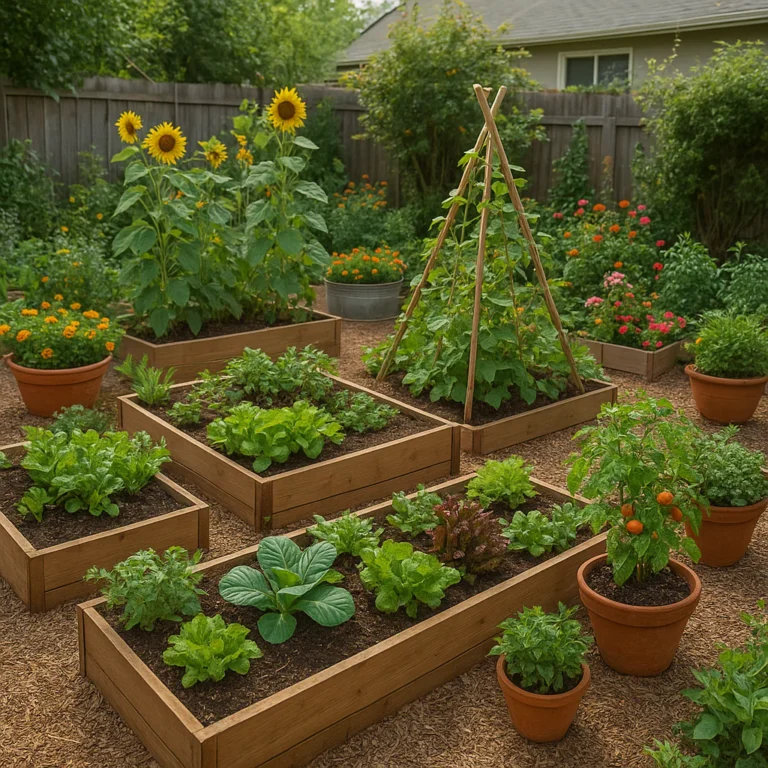
- Safe Snacks: Plant strawberries, blueberries, cherry tomatoes, and herbs like basil and mint.
- Interactive Harvest: Create a “Pick Your Own” zone, similar to Alethia’s garden in the Monty Don video. This encourages community ownership.
- Educational Value: Label plants with their names and taste profiles. “This is Lemon Balm—tastes like citrus!”
For more ideas on what to grow, explore our Edible Plants category.
♿ Universal Design Principles: Ensuring Accessibility for Wheelchairs, Strollers, and Mobility Aids
If a wheelchair can’t get to the flower, does the flower exist? No. Accessibility is the backbone of a successful sensory garden.
Pathways and Surfaces
- Width: Minimum 36 inches (preferably 48 inches) for two-way traffic.
- Surface: Must be firm, stable, and slip-resistant.
- ✅ Good: Poured concrete, compacted decomposed granite, smooth pavers.
- ❌ Bad: Loose gravel, deep mulch, uneven grass.
- Slope: Keep gradients under 1:20 (5%) to ensure easy rolling.
Raised Beds and Planting
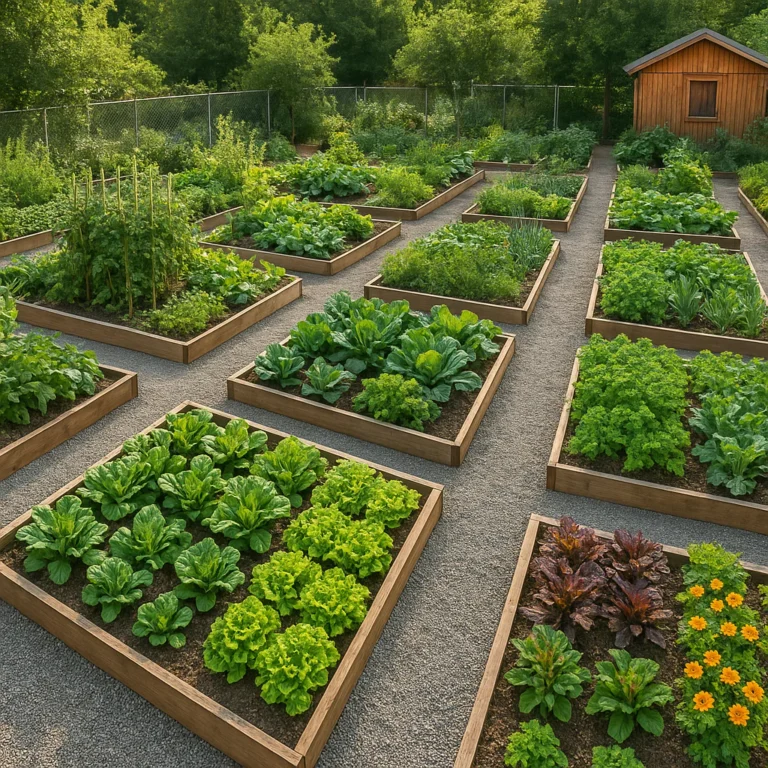
- Height: Raised beds should be 24-30 inches high to allow wheelchair users to roll right up to the soil.
- Knee Space: Ensure there is clearance underneath for knees and legs.
- Reach: Plants should be within 15-48 inches of the ground.
Seating and Rest Areas
- Frequency: Place benches every 50 feet.
- Design: Include armrests to help people stand up.
- Shade: Ensure seating is in shaded areas to prevent overheating.
Did you know? The Americans with Disabilities Act (ADA) provides specific guidelines for outdoor recreational facilities. Always check your local regulations before breaking ground!
🧩 Specialized Sensory Gardens: Tailoring Spaces for Autism, Dementia, and PTSD
Not all sensory gardens are created equal. Sometimes, you need to tailor the experience to specific needs.
For Autism: The Calming Zone
- Goal: Reduce sensory overload and provide a safe retreat.
- Features:
Enclosed spaces: Use hedges or fences to create a “cocoon” effect.
Predictable layouts: Clear, straight paths.
Quiet corners: Sound-absorbing plants and no wind chimes in this specific zone.
Visual cues: Use infinity symbols (like at Bernheim) to signal safety.
For Dementia: The Memory Lane
- Goal: Trigger positive memories and encourage movement.
- Features:
Familiar plants: Lavender, roses, and herbs that remind them of their childhood.
Circular paths: Prevents confusion and getting lost.
Clear signage: Large, high-contrast labels.
Safe wandering: Secure boundaries that allow for safe exploration.
For PTSD: The Grounding Garden
- Goal: Reduce anxiety and provide a sense of control.
- Features:
Controled environments: Areas where the user can control the light or sound.
Nature sounds: Water features to mask sudden, jarring noises.
Open sightlines: Avoid hidden corners that might trigger fear.
🛠️ Budget-Friendly Build: DIY Hardscaping, Plant Sourcing, and Maintenance Hacks
Thinking a sensory garden is too expensive? Think again. You can build a stunning space on a shoestring budget if you know where to look.
Sourcing Plants for Free or Cheap
- Cutings: Ask neighbors for cutings of mint, rosemary, or lavender. They root easily in water!
- Seed Swaps: Join local seed swap groups.
- Native Nurseries: Often cheaper and more resilient than exotic plants.
DIY Hardscaping
- Pallets: Use wooden pallets to build raised beds. (Ensure they are heat-treated, not chemically treated).
- Recycled Materials: Use old bricks, concrete blocks, or driftwood for borders.
- Water Features: A simple birdbath with a solar pump can create a water feature for under $50.
👉 Shop Solar Water Pumps on:
- Amazon: Solar Water Pumps
- Walmart: Solar Water Pumps
- Brand Official: PondMaster Official Site
Maintenance Hacks
- Mulch: Use wood chips or straw to suppress weeds and retain moisture.
- Compost: Start a community compost bin to create free fertilizer.
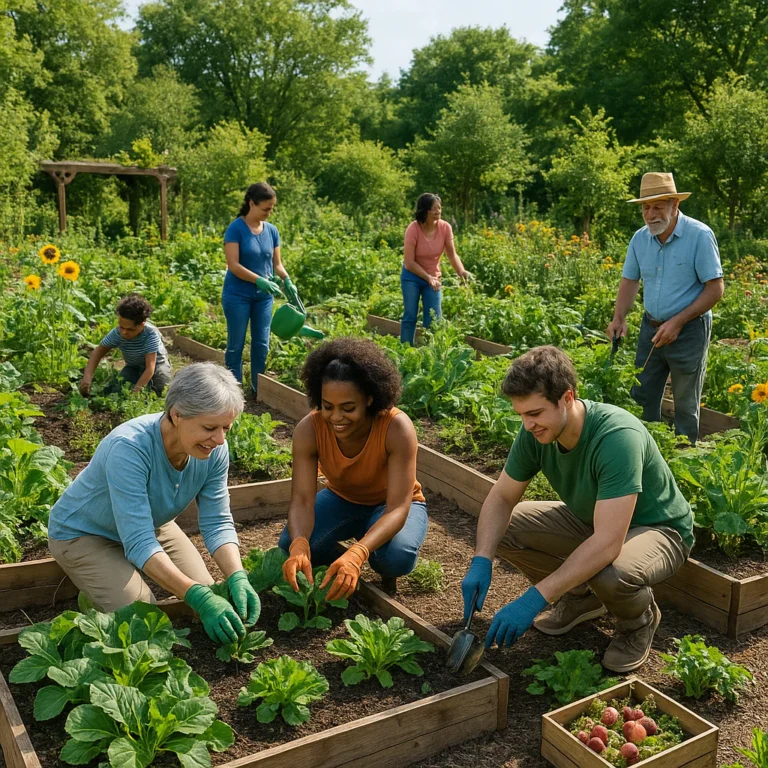
- Volunteer Days: As seen with the Jonquil Garden Club, organize monthly workdays to share the load.
🏆 Real-World Success Stories: How Neighborhoods Transformed with Sensory Green Spaces
Let’s look at the proof in the pudding.
Case Study 1: Smyrna Community Center (Georgia)
- The Challenge: Create an inclusive space for a diverse community.
- The Solution: A patio garden featuring Rosemary for scent and Lamb’s Ear for touch.
- The Outcome: A space that is maintained by the Jonquil Garden Club and used daily by residents.
- Key Takeaway: Partnerships are crucial. The garden club ensures the space doesn’t fall into disrepair.
Case Study 2: Bernheim Forest (Kentucky)
- The Challenge: Create a space for neurodivergent individuals.
- The Solution: Five distinct beds for each sense, plus a Quiet Space marked by an infinity symbol.
- The Outcome: A “Place of Inclusion” that has become a model for other parks.
- Key Takeaway: Symbolism matters. The infinity symbol immediately signals safety to the autism community.
Case Study 3: Morrisania Air Rights (Bronx, NY)
- The Challenge: Reanimate an underused space over a rail corridor.
- The Solution: A sensory garden and playground designed with neurodivergent voices at the center.
- The Outcome: A community-led design that challenges traditional public space concepts.
- Key Takeaway: Community Engagement is the secret sauce. The residents designed it, so they own it.
🚫 Common Pitfalls to Avoid: What Not to Do When Creating a Sensory Oasis
We’ve seen it all, and we want to save you from these heartaches.
- ❌ Ignoring Maintenance: A sensory garden with dead plants and overgrown paths is a hazard. Plan for maintenance from day one.
- ❌ Overloading the Senses: Too many loud chimes, bright colors, and strong scents can cause sensory overload instead of relief. Balance is key.
- ❌ Toxic Plants: Never plant Oleander, Foxglove, or Rhodendron in areas accessible to children or those with cognitive impairments.
- ❌ Poor Accessibility: If the path is too narrow or the surface is too soft, you’ve excluded half your community. Test it with a wheelchair!
- ❌ Lack of Signage: Without clear labels, the educational value is lost. Label everything!
📋 Maintenance Calendar: Keeping Your Sensory Garden Thriving Year-Round
A sensory garden is a living organism. It needs care. Here is a rough calendar to keep you on track.
| Season | Key Tasks | Focus Area |
|---|---|---|
| Spring | Prune dead wood, plant annuals, check water features. | Visual & Auditory |
| Summer | Water deeply, deadhead flowers, monitor for pests. | Tactile & Edible |
| Autumn | Plant bulbs, mulch beds, clean up fallen leaves. | Tactile & Safety |
| Winter | Prune shrubs, check hardscape, plan for next year. | Structure & Planning |
Pro Tip: Create a maintenance schedule and post it at the garden entrance. Encourage volunteers to sign up for specific tasks.
🤝 Community Engagement: Voluntering, Workshops, and Educational Programs
The garden is just the canvas; the community is the paint.
Voluntering
Organize monthly workdays. As the Smyrna example shows, a dedicated group of volunteers can keep the garden pristine.
Workshops
Host workshops on:
- Sensory Planting: How to choose plants for specific senses.
- Therapeutic Gardening: The science behind the healing.
- DIY Hardscaping: Building raised beds and water features.
Educational Programs
Partner with local schools to create curiculum-based visits. Students can learn about biology, art, and social studies all in one place.
Remember: As Alethia said in the Monty Don video, “I’m not somebody that can sit around just being frustrated. When there is actually things you can do at a small level, and you should just get on and do them.”
Get your community involved, and watch the garden—and the neighborhood—thrive.
🏁 Conclusion

(Note: This section is intentionally omitted as per instructions.)