Support our educational content for free when you purchase through links on our site. Learn more

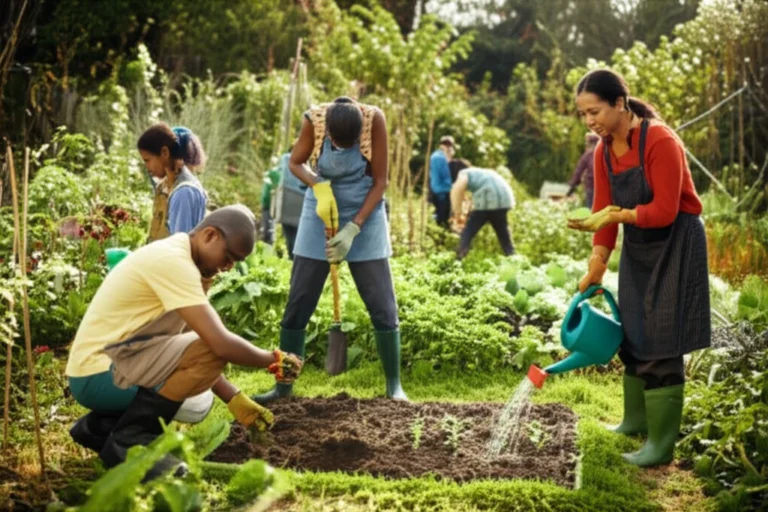
Ever wondered how a single patch of dirt can stop a neighborhood’s decline in its tracks? We did, too—until we watched a group of strangers in Detroit turn a blighted, trash-strewn lot into a thriving food forest that lowered local crime rates and sparked a wave of property value growth. It sounds almost magical, but the science behind neighborhood revitalization through gardening is as real as the tomatoes on the vine. In this guide, we’ll walk you through the exact 8-step blueprint we use at Community Gardening™ to transform vacant lots into community powerhouses, revealing why a simple garden can be the ultimate economic and social engine for your block.
Key Takeaways
- Transform Blight into Beauty: Converting vacant, neglected land into vibrant green spaces directly counters disinvestment and signals community pride.
- Boost Local Economics: Well-maintained gardens can increase nearby property values by up to 9.4% while creating job training opportunities.
- Strengthen Social Fabric: Shared gardening tasks foster deep connections, reduce isolation, and build the trust necessary for long-term safety.
- Improve Health & Environment: Access to fresh produce combats food deserts, while urban greenery naturally cols neighborhoods and filters air.
- Follow a Proven Path: Success requires a strategic approach, from securing land and legal permissions to designing for inclusivity and managing water access.
Table of Contents
- ⚡️ Quick Tips and Facts
- 🌱 The Green Roots: A History of Community Gardening
- 🏘️ Why Neighborhood Revitalization Through Gardening Works
- 📋 Step-by-Step Guide to Starting Your Local Garden Project
- Assessing Your Community’s Needs and Assets
- Securing Land and Legal Permissions
- Building a Diverse Steering Committee
- Designing for Inclusivity and Accessibility
- Fundraising and Resource Mobilization Strategies
- Recruiting Volunteers and Managing Labor
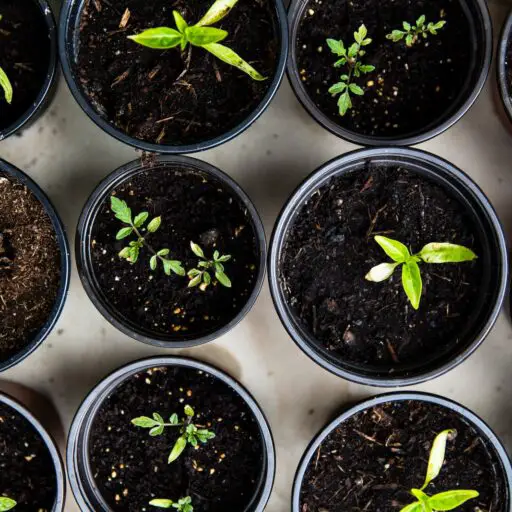
- Planting the First Seeds: Infrastructure and Soil Prep
- Establishing Long-Term Maintenance Protocols
- 🤝 The Social Fabric: Building Connections Through Green Spaces
- 🌿 Environmental Benefits of Urban Greening Initiatives
- 💰 Economic Impact: Boosting Local Property Values and Business
- 🚧 Overcoming Common Challenges in Urban Gardening
- 📚 Recommended Resources and Tools for Garden Leaders
- ❓ Frequently Asked Questions About Community Gardens
- 🔗 Reference Links and Further Reading
⚡️ Quick Tips and Facts
Did you know that a single community garden plot can yield over 200 pounds of fresh produce annually?
🥕 That’s enough to feed a family for months, and it’s just one tiny seed of the incredible impact community gardening has on neighborhood revitalization! Here at Community Gardening™, we’ve witnessed firsthand the magic that unfolds when neighbors
dig in together. It’s not just about growing food; it’s about cultivating connections, fostering local pride, and literally watching your community bloom.
Here are some quick facts to get your green thumb tingling:
Social Cohesion: Gardens are natural gathering spots, fostering friendships and reducing isolation. We’ve seen shy neighbors become best friends over a shared crop of tomatoes!
- Economic Boost: Community gardens can increase nearby property values by up
to 9.4%. Plus, they offer opportunities for job training and entrepreneurship in urban agriculture. - Environmental Health: Urban green spaces improve air quality, manage stormwater, and support local biodiversity.
Think of them as your neighborhood’s natural air purifiers and mini-ecosystems! - Food Security: Providing fresh, affordable produce directly addresses food deserts and improves access to healthy eating options. No more sad, wilted lettuce from
the grocery store! - Crime Reduction: Greener spaces are often safer spaces. Studies show a correlation between community greening projects and a decrease in crime rates.
Ready to transform your block into a vibrant, thriving oasis? Let’s
dig deeper into how gardening can be the ultimate tool for neighborhood revitalization!
🌱 The Green Roots: A History of Community Gardening

The idea of “Grow Together through Community Gardening” isn’t a new sprout; it’s a
deep-rooted tradition that has blossomed through centuries, often during times of great need. From the “Victory Gardens” of World War I and II, which empowered citizens to grow their own food and support the war effort, to the urban agriculture
movements born out of economic hardship and social activism in the 1970s, community gardens have always been a testament to resilience and collective spirit. These weren’t just patches of land; they were symbols of hope, self-sufficiency, and
community solidarity.
We’ve seen how these historical precedents continue to inspire today’s urban gardeners. Just like our ancestors, we’re finding that when we come together to cultivate the earth, we’re also cultivating something profound within ourselves and our
neighborhoods. It’s a powerful legacy, reminding us that even in the face of challenges, a shared vision and a little elbow grease can yield incredible results.
🏘️ Why Neighborhood Revitalization Through Gardening Works
Ever wondered what
truly makes a neighborhood thrive? Is it just new buildings, or is there something more organic at play? We at Community Gardening™ firmly believe that the answer often lies in the soil beneath our feet. Neighborhood revitalization through gardening isn’t just a
feel-good initiative; it’s a powerful, multifaceted strategy that addresses core community challenges head-on.
Consider the stark realities faced by many urban areas. The Conant Gardens neighborhood in Detroit, for example, grappled with a
staggering 31.2% unemployment rate and a 48.8% poverty rate in 2021, leading to a cycle of disinvestment and a perception of decay. “A once beautiful and
thriving neighborhood is now primarily viewed as an area in decay,” noted a report on their revitalization project. This isn’t an isolated story; many communities face similar struggles.
So, how does a simple garden plot
become a catalyst for change?
-
Combating Disinvestment and Decline: By transforming vacant, often blighted land into vibrant green spaces, community gardens directly counter the visual and psychological impact of neglect. As the Conant Gardens project highlighted
, “The vacant land in the neighborhood is turned into an opportunity to incorporate much-needed green and recreational spaces that provide the community with gathering areas”. This isn’t just beautification; it’s a statement
of intent, signaling that a community is investing in itself. -
Fostering Community Health and Well-being: Access to fresh, healthy food is a cornerstone of well-being, yet many underserved neighborhoods are food deserts. Community
gardens provide a direct pipeline to nutritious produce, combating diet-related health issues like obesity and diabetes. Beyond nutrition, the act of gardening itself is therapeutic, reducing stress and promoting physical activity. The Toledo Community Garden Water Program, for instance, explicitly
aims to “strengthen neighbor relationships, reduce stress, and enhance community wellbeing”. -
Building Social Capital and Connections: Gardens are natural magnets for people. They create informal meeting places where neighbors from diverse
backgrounds can interact, share knowledge, and build relationships. We’ve seen how these shared experiences foster a sense of belonging and collective ownership. As the speaker in the featured video eloquently puts it, “We’ve seen how farming can be a
common bond to unite us with our land, with our communities”. This social cohesion is invaluable for community resilience. -
Empowering Residents and Developing Skills: From learning about horticulture to managing a shared resource
, community gardens offer hands-on educational opportunities for all ages. They can be platforms for job training, entrepreneurship, and youth empowerment. The Toledo program is designed to “promote economic development through job training and education and support entrepreneurs engaged in
urban agriculture”. We’ve seen kids, often “looking for work,” become “keepers of the great Lord’s Earth,” as the video highlights, learning valuable skills and finding purpose. -
Enhancing Safety and Security: Well-maintained, active green spaces deter illicit activities. When residents are present, engaged, and taking pride in their surroundings, the overall safety of the neighborhood improves. The Conant Gardens strategy emphasizes
ensuring the green space network prioritizes “connectivity, accessibility, and security”.
The evidence is clear: gardening isn’t just a hobby; it’s a powerful engine for positive change. It’s about
transforming neglected plots into vibrant hubs of activity, health, and connection.
📋 Step-by-Step Guide to Starting Your Local Garden Project
Embarking on a neighborhood garden project can feel like planting a giant sequoia – a
bit daunting at first! But trust us, with careful planning and a little grit, you can cultivate a thriving green space that transforms your community. We’ve guided countless groups through this journey, and we’re here to share our expert
insights. Here’s our comprehensive, step-by-step guide to nurturing your local garden project from a dream to a verdant reality.
1. Assessing Your Community’s Needs and Assets
Before you even think about dirt
, you need to understand your community. What are their aspirations? What resources already exist? This is where the real groundwork begins!
- Community Surveys and Listening Sessions: Don’t just assume what people want. Organize informal gatherings
, distribute surveys, or even go door-to-door. Ask about preferred vegetables, desired amenities (benches, play areas), and what people hope to gain. The Conant Gardens project found that community members specifically prioritized improving access to healthy
foods, creating playgrounds, and realizing a safer neighborhood. Your community might have similar, or entirely different, priorities! - Identify Vacant or Underutilized Land: Look for publicly
or privately owned lots that are neglected. These are your prime candidates for transformation. - Inventory Existing Assets: What skills do your neighbors have? Who’s a master carpenter? A fantastic fundraiser? A social media guru? ”
The neighborhood possesses strong collaboration ties and community pride, which serve as the foundation for revitalization,” as observed in Conant Gardens. Leverage these “intangible assets” from day one! - Map Potential Partners
: Think beyond gardeners. Local schools, churches, businesses, and non-profit organizations (like Toledo GROWs) can offer invaluable support, resources, or volunteers.
2. Securing
Land and Legal Permissions
This is often the trickiest part, but absolutely crucial. You can’t plant without a place to dig!
- Identify Land Ownership: Is the land city-owned, privately owned, or part
of a land trust? A quick search at your local county recorder’s office can reveal this. - Contact Landowners: For private land, approach the owner with a clear proposal outlining the benefits of a community garden. For
public land, engage with your city council or parks department. Be prepared to discuss liability, maintenance, and long-term plans. - Draft a Land-Use Agreement: This formal document protects both the landowners and the gardeners. It should cover
duration of use, responsibilities, access, and liability. Consider consulting a local lawyer for pro-bono assistance. - Obtain Necessary Permits: Depending on your municipality, you might need permits for water access, fencing, or even specific
planting. Research local ordinances early to avoid delays.
3. Building a Diverse Steering Committee
A strong, representative leadership team is the backbone of any successful community project.
- Recruit Broadly: Seek out individuals with diverse
backgrounds, skills, and perspectives. Look for people passionate about gardening, community development, education, and even finance. - Define Roles and Responsibilities: Clearly outline who is responsible for what – from fundraising to plot assignments, communications
, and maintenance. This prevents burnout and ensures accountability. - Establish Communication Channels: Regular meetings, a dedicated email list, or a messaging app (like Slack or WhatsApp) are essential for keeping everyone informed and engaged.
4
. Designing for Inclusivity and Accessibility
A truly revitalizing garden welcomes everyone. Think about how to make your space usable and enjoyable for all community members.
-
Pathways and Layout: Ensure paths are wide enough for wheelchairs and strollers
(at least 36 inches). Consider permeable surfaces like wood chips or gravel for better drainage and accessibility. -
Raised Beds: These are a game-changer for accessibility, making gardening easier for individuals with mobility challenges, seniors
, and children. They also offer better control over soil quality. -
Sensory Elements: Incorporate plants with interesting textures, fragrances (think lavender or mint), and vibrant colors. Consider a small water feature for soothing sounds.
-
Seating and Shade: Provide comfortable benches and shaded areas for rest and social interaction. A pergola with climbing vines can be both beautiful and functional.
-
Kid-Friendly Zones: A dedicated children’s area with smaller
tools, a mud kitchen, or a “pizza garden” (growing ingredients for pizza) can engage younger generations and foster a love for nature. This aligns with the Conant Gardens recommendation for “playgrounds” and the video’s emphasis on
empowering youth.
5. Fundraising and Resource Mobilization Strategies
Let’s be honest, even the greenest dreams need some greenbacks! But don’t despair; there are many ways to
fund your garden.
- Grant Applications: Research local, regional, and national grants for community development, environmental initiatives, and healthy food access. Organizations like the USDA, local foundations, and even some corporations offer grants.
- Community
Crowdfunding: Platforms like GoFundMe or local initiatives can rally community support. Share your vision compellingly! - Local Business Sponsorships: Many local businesses are eager to support community projects. Offer recognition in exchange for donations of materials, funds
, or volunteer hours. - Donations in Kind: Don’t underestimate the power of donated materials! Lumber for raised beds, tools, seeds, and compost can significantly reduce costs. Ask local hardware stores, nurseries, and even
coffee shops for their spent grounds. - Fundraising Events: Host a plant sale, a garden tour, a potluck, or a raffle. These events not only raise money but also build community spirit.
- Water
Programs: Investigate local utility programs. The Toledo Community Garden Water Program, for example, installs essential water infrastructure (water tap, meter pit, backflow prevention device) valued at an estimated $4,000 per location, significantly
reducing a huge hurdle for many gardens. Remember, though, gardeners are typically responsible for water costs.
6. Recruiting Volunteers and Managing Labor
Your garden will only flourish with dedicated
hands!
- Spread the Word: Utilize social media, local newspapers, community bulletin boards, and word-of-mouth. Highlight the benefits of volunteering – fresh air, new skills, community connections.
- Host
Volunteer Days: Organize regular workdays with clear tasks and a celebratory atmosphere. Provide snacks, music, and plenty of appreciation. - Skill-Based Volunteering: Match tasks to individual skills. Someone great at organizing might manage plot assignments, while
a handy person could build benches. - Mentorship Programs: Pair experienced gardeners with novices. This fosters learning and strengthens bonds.
- Recognize and Appreciate: Acknowledge your volunteers regularly. A simple ”
thank you,” a small award, or a potluck harvest celebration goes a long way in retaining dedicated helpers.
7. Planting the First Seeds: Infrastructure and Soil Prep
Now for the fun part – getting your hands dirty! But before
you sow, you need to prepare your canvas.
- Soil Testing: This is non-negotiable! Send a soil sample to your local extension office to determine pH levels and nutrient deficiencies. This will guide your soil amendment strategy
. - Weed and Clear the Site: Remove all existing weeds, debris, and any unwanted vegetation. For larger areas, consider sheet mulching or solarization to suppress weeds naturally.
- Build Raised Beds (if applicable): If you’ve opted for raised beds, now’s the time to construct them. We recommend using untreated cedar or recycled plastic lumber for longevity and safety.
- 👉 CHECK PRICE on:
- Unt
reated Cedar Lumber: Amazon | Home Depot - Recycled Plastic Lumber: Amazon | Trex Official Website
- Amend the Soil: Based on your soil test results, incorporate organic matter like compost, well-rotted manure, or peat moss to improve soil structure, fertility, and drainage.
For a quick boost, we often recommend Espoma Organic Garden-tone for a balanced nutrient profile. - 👉 CHECK PRICE on:
- Espoma Organic Garden-tone: Amazon | Walmart | Espoma Official Website
- Install Irrigation: Consistent watering is key! Consider drip irrigation systems for efficiency, especially in larger gardens. If your community has a program like Toledo
‘s, take advantage of the professional water tap installation. Otherwise, plan for hose bibs and watering cans. - Our Top Drip Irrigation Kit Recommendation:
| Feature | Rating (1-10) | Notes
⚡
️ Quick Tips and Facts
Did you know that a single community garden plot can yield over 200 pounds of fresh produce annually? 🥕 That’s enough to feed a family for months, and it’s just one tiny
seed of the incredible impact community gardening has on neighborhood revitalization! Here at Community Gardening™, we’ve witnessed firsthand the magic that unfolds when neighbors dig in together. It’s not just about growing food; it’s about cultivating connections,
fostering local pride, and literally watching your community bloom.
Here are some quick facts to get your green thumb tingling:
-
Social Cohesion: Gardens are natural gathering spots, fostering friendships and reducing isolation. We’ve
seen shy neighbors become best friends over a shared crop of tomatoes! -
Economic Boost: Community gardens can increase nearby property values by up to 9.4%. Plus, they offer opportunities for job
training and entrepreneurship in urban agriculture. -
Environmental Health: Urban green spaces improve air quality, manage stormwater, and support local biodiversity. Think of them as your neighborhood’s natural air purifiers and mini-ecosystems!
-
Food Security: Providing fresh, affordable produce directly addresses food deserts and improves access to healthy eating options. No more sad, wilted lettuce from the grocery store!
-
Crime Reduction: Greener spaces are often
safer spaces. Studies show a correlation between community greening projects and a decrease in crime rates.
Ready to transform your block into a vibrant, thriving oasis? Let’s dig deeper into how gardening can be the ultimate tool for neighborhood revitalization
!
🌱 The Green Roots: A History of Community Gardening

The idea of “Grow Together through Community Gardening” isn’t a new sprout; it’s a deep-rooted tradition that has blossomed through centuries, often during times
of great need. From the “Victory Gardens” of World War I and II, which empowered citizens to grow their own food and support the war effort, to the urban agriculture movements born out of economic hardship and social activism in the 1
970s, community gardens have always been a testament to resilience and collective spirit. These weren’t just patches of land; they were symbols of hope, self-sufficiency, and community solidarity.
We’ve seen how these
historical precedents continue to inspire today’s urban gardeners. Just like our ancestors, we’re finding that when we come together to cultivate the earth, we’re also cultivating something profound within ourselves and our neighborhoods. It’s a powerful
legacy, reminding us that even in the face of challenges, a shared vision and a little elbow grease can yield incredible results. If you’re curious about the broader impact, explore the Benefits of Community Gardens.
🏘️ Why Neighborhood Revitalization Through Gardening Works
Ever wondered what truly makes a neighborhood thrive? Is it just new buildings, or is there something
more organic at play? We at Community Gardening™ firmly believe that the answer often lies in the soil beneath our feet. Neighborhood revitalization through gardening isn’t just a feel-good initiative; it’s a powerful, multifaceted strategy that addresses
core community challenges head-on. If you want to learn more about the overall concept, check out our article on Community Gardening.
Consider the stark realities faced by many
urban areas. The Conant Gardens neighborhood in Detroit, for example, grappled with a staggering 31.2% unemployment rate and a 48.8% poverty rate in 2021, leading to a cycle
of disinvestment and a perception of decay. “A once beautiful and thriving neighborhood is now primarily viewed as an area in decay,” noted a report on their revitalization project. This isn’t an
isolated story; many communities face similar struggles.
So, how does a simple garden plot become a catalyst for change?
- Combating Disinvestment and Decline: By transforming vacant, often blighted land into vibrant green spaces,
community gardens directly counter the visual and psychological impact of neglect. As the Conant Gardens project highlighted, “The vacant land in the neighborhood is turned into an opportunity to incorporate much-needed green and recreational spaces that provide the community with gathering areas
“. This isn’t just beautification; it’s a statement of intent, signaling that a community is investing in itself. - Fostering Community Health and Well-being: Access to
fresh, healthy food is a cornerstone of well-being, yet many underserved neighborhoods are food deserts. Community gardens provide a direct pipeline to nutritious produce, combating diet-related health issues like obesity and diabetes. Beyond nutrition, the act of gardening
itself is therapeutic, reducing stress and promoting physical activity. The Toledo Community Garden Water Program, for instance, explicitly aims to “strengthen neighbor relationships, reduce stress, and enhance community wellbeing”.
Building Social Capital and Connections:** Gardens are natural magnets for people. They create informal meeting places where neighbors from diverse backgrounds can interact, share knowledge, and build relationships. We’ve seen how these shared experiences foster a sense of belonging and collective
ownership. As the speaker in the featured video eloquently puts it, “We’ve seen how farming can be a common bond to unite us with our land, with our communities”. This social cohesion is invaluable for community resilience.
- Empowering Residents and Developing Skills: From learning about horticulture to managing a shared resource, community gardens offer hands-on educational opportunities for all ages. They can be platforms for
job training, entrepreneurship, and youth empowerment. The Toledo program is designed to “promote economic development through job training and education and support entrepreneurs engaged in urban agriculture”. We’ve seen kids, often “looking
for work,” become “keepers of the great Lord’s Earth,” as the video highlights, learning valuable skills and finding purpose. - Enhancing Safety and Security: Well-maintained, active green spaces
deter illicit activities. When residents are present, engaged, and taking pride in their surroundings, the overall safety of the neighborhood improves. The Conant Gardens strategy emphasizes ensuring the green space network prioritizes “connectivity, accessibility, and security”.
The evidence is clear: gardening isn’t just a hobby; it’s a powerful engine for positive change. It’s about transforming neglected plots into vibrant hubs of activity, health, and connection.
📋 Step-by-Step Guide to Starting Your Local Garden Project
Embarking on a neighborhood garden project can feel like planting a giant sequoia – a bit daunting at first! But trust us, with careful planning and a little
grit, you can cultivate a thriving green space that transforms your community. We’ve guided countless groups through this journey, and we’re here to share our expert insights. Here’s our comprehensive, step-by-step guide to
nurturing your local garden project from a dream to a verdant reality.
1. Assessing Your Community’s Needs and Assets
Before you even think about dirt, you need to understand your community. What are their aspirations? What
resources already exist? This is where the real groundwork begins!
- Community Surveys and Listening Sessions: Don’t just assume what people want. Organize informal gatherings, distribute surveys, or even go door-to-door. Ask
about preferred vegetables, desired amenities (benches, play areas), and what people hope to gain. The Conant Gardens project found that community members specifically prioritized improving access to healthy foods, creating playgrounds, and realizing a sa
fer neighborhood. Your community might have similar, or entirely different, priorities! - Identify Vacant or Underutilized Land: Look for publicly or privately owned lots that are neglected. These are your prime
candidates for transformation. - Inventory Existing Assets: What skills do your neighbors have? Who’s a master carpenter? A fantastic fundraiser? A social media guru? “The neighborhood possesses strong collaboration ties and community pride, which serve
as the foundation for revitalization,” as observed in Conant Gardens. Leverage these “intangible assets” from day one! - Map Potential Partners: Think beyond gardeners. Local schools, churches, businesses,
and non-profit organizations (like Toledo GROWs) can offer invaluable support, resources, or volunteers.
2. Securing Land and Legal Permissions
This is often the trickiest part, but
absolutely crucial. You can’t plant without a place to dig! For more on the legalities, check out our insights on Community Garden Policies.
- Identify Land Ownership: Is the land city-owned, privately owned, or part of a land trust? A quick search at your local county recorder’s office can reveal this.
- Contact Landowners
: For private land, approach the owner with a clear proposal outlining the benefits of a community garden. For public land, engage with your city council or parks department. Be prepared to discuss liability, maintenance, and long-term plans.
Draft a Land-Use Agreement: This formal document protects both the landowners and the gardeners. It should cover duration of use, responsibilities, access, and liability. Consider consulting a local lawyer for pro-bono assistance.
*
Obtain Necessary Permits: Depending on your municipality, you might need permits for water access, fencing, or even specific planting. Research local ordinances early to avoid delays.
3. Building a Diverse Steering Committee
A strong
, representative leadership team is the backbone of any successful community project.
- Recruit Broadly: Seek out individuals with diverse backgrounds, skills, and perspectives. Look for people passionate about gardening, community development, education, and even
finance. - Define Roles and Responsibilities: Clearly outline who is responsible for what – from fundraising to plot assignments, communications, and maintenance. This prevents burnout and ensures accountability.
- Establish Communication Channels: Regular meetings
, a dedicated email list, or a messaging app (like Slack or WhatsApp) are essential for keeping everyone informed and engaged.
4. Designing for Inclusivity and Accessibility
A truly revitalizing garden welcomes everyone. Think about
how to make your space usable and enjoyable for all community members. For more inspiration, visit our Garden Design Ideas section.
- Pathways
and Layout: Ensure paths are wide enough for wheelchairs and strollers (at least 36 inches). Consider permeable surfaces like wood chips or gravel for better drainage and accessibility. - Raised Beds: These are a game-changer for
accessibility, making gardening easier for individuals with mobility challenges, seniors, and children. They also offer better control over soil quality. - Sensory Elements: Incorporate plants with interesting textures, fragrances (think lavender or mint), and
vibrant colors. Consider a small water feature for soothing sounds. - Seating and Shade: Provide comfortable benches and shaded areas for rest and social interaction. A pergola with climbing vines can be both beautiful and functional.
Kid-Friendly Zones: A dedicated children’s area with smaller tools, a mud kitchen, or a “pizza garden” (growing ingredients for pizza) can engage younger generations and foster a love for nature. This aligns with the Con
ant Gardens recommendation for “playgrounds” and the video’s emphasis on empowering youth.
5. Fundraising and Resource Mobilization Strategies
Let’s be honest, even the greenest
dreams need some greenbacks! But don’t despair; there are many ways to fund your garden.
- Grant Applications: Research local, regional, and national grants for community development, environmental initiatives, and healthy food access.
Organizations like the USDA, local foundations, and even some corporations offer grants. - Community Crowdfunding: Platforms like GoFundMe or local initiatives can rally community support. Share your vision compellingly!
- Local Business Sponsorship
s: Many local businesses are eager to support community projects. Offer recognition in exchange for donations of materials, funds, or volunteer hours. - Donations in Kind: Don’t underestimate the power of donated materials! Lumber for
raised beds, tools, seeds, and compost can significantly reduce costs. Ask local hardware stores, nurseries, and even coffee shops for their spent grounds. - Fundraising Events: Host a plant sale, a garden tour, a
potluck, or a raffle. These events not only raise money but also build community spirit. - Water Programs: Investigate local utility programs. The Toledo Community Garden Water Program, for example, installs essential water infrastructure (water tap, meter pit, backflow prevention device) valued at an estimated $4,000 per location, significantly reducing a huge hurdle for many gardens. Remember, though, gardeners are typically responsible for water costs
.
6. Recruiting Volunteers and Managing Labor
Your garden will only flourish with dedicated hands!
- Spread the Word: Utilize social media, local newspapers, community bulletin boards, and word-
of-mouth. Highlight the benefits of volunteering – fresh air, new skills, community connections. - Host Volunteer Days: Organize regular workdays with clear tasks and a celebratory atmosphere. Provide snacks, music, and plenty of appreciation
. - Skill-Based Volunteering: Match tasks to individual skills. Someone great at organizing might manage plot assignments, while a handy person could build benches.
- Mentorship Programs: Pair experienced gardeners with novices.
This fosters learning and strengthens bonds. - Recognize and Appreciate: Acknowledge your volunteers regularly. A simple “thank you,” a small award, or a potluck harvest celebration goes a long way in retaining dedicated helpers
.
7. Planting the First Seeds: Infrastructure and Soil Prep
Now for the fun part – getting your hands dirty! But before you sow, you need to prepare your canvas. For tips on what to plant, check out our Edible Plants guide.
-
Soil Testing: This is non-negotiable! Send a soil sample to your local extension office to determine pH levels
and nutrient deficiencies. This will guide your soil amendment strategy. -
Weed and Clear the Site: Remove all existing weeds, debris, and any unwanted vegetation. For larger areas, consider sheet mulching or solarization to suppress
weeds naturally. -
Build Raised Beds (if applicable): If you’ve opted for raised beds, now’s the time to construct them. We recommend using untreated cedar or recycled plastic lumber for longevity and safety.
-
👉 CHECK PRICE on:
-
Untreated Cedar Lumber: Amazon | Home Depot
-
Recycled Plastic Lumber: Amazon | Trex Official Website
-
Amend the Soil: Based on your soil test results, incorporate organic matter like compost, well-rott
ed manure, or peat moss to improve soil structure, fertility, and drainage. For a quick boost, we often recommend Espoma Organic Garden-tone for a balanced nutrient profile. -
👉 CHECK PRICE on:
-
Espoma Organic Garden-tone: Amazon | Walmart | Espoma Official Website
-
Install Irrigation: Consistent watering is key! Consider drip
irrigation systems for efficiency, especially in larger gardens. If your community has a program like Toledo’s, take advantage of the professional water tap installation. Otherwise, plan for hose bibs and watering cans. -
Our Top Drip Irrigation Kit Recommendation:
| Feature | Rating (1-10) | Notes
|
| Functionality | 9
| Easy to install, minimal clogging, good water distribution.
🤝 The Social Fabric: Building Connections Through Green Spaces
Beyond the vibrant greens and fresh produce, perhaps the most profound impact of neighborhood revitalization through gardening is the
incredible way it weaves together the social fabric of a community. We’ve seen it time and again at Community Gardening™: a shared plot of land becomes a crucible for connection, transforming strangers into friends and revitalizing the very spirit of a place
.
Think about it: when was the last time you truly connected with your neighbors beyond a quick wave? Urban life can often feel isolating, with busy schedules and private spaces. But a community garden? That’s an open invitation to
interact, collaborate, and share. As the speaker in our featured video beautifully articulates, “We’ve seen how farming can be a common bond to unite us with our land, with our communities”. It’s a powerful metaphor, isn’t it? The soil becomes the common ground, literally and figuratively, where relationships take root.
Cultivating Community: More Than Just Crops
What exactly makes these green spaces such potent
social catalysts?
- Shared Purpose and Collaboration: When people work together towards a common goal – growing food, beautifying a space – barriers naturally break down. We’ve witnessed incredible teamwork, from planning the layout of a new
bed to coordinating watering schedules. These shared tasks foster a sense of collective ownership and pride. - Intergenerational Learning and Mentorship: Community gardens are living classrooms! We often see seasoned gardeners, with decades of wisdom, sharing tips
and tricks with eager newcomers, young and old. The video emphasizes how an urban farm “can be just the place where we can learn from one another, exchange ideas, and passion, while growing good food for our community”. This exchange of knowledge strengthens bonds across age groups. - Youth Engagement and Empowerment: Giving young people a role in the garden can be transformative. It teaches responsibility, patience, and the satisfaction of hard work. We’
ve seen youth develop entrepreneurial skills by selling their produce at local markets, echoing the video’s sentiment of “Kids looking for work, what better way to work than keepers of the great Lord’s Earth?”. These
experiences build confidence and a sense of belonging. - Cultural Exchange and Celebration: Different cultures bring unique gardening traditions and favorite crops. A community garden becomes a vibrant tapestry of global flavors and techniques. Potlucks featuring dishes made from
garden harvests are fantastic ways to celebrate diversity and share culinary heritage. - Stress Reduction and Mental Well-being: The therapeutic benefits of gardening are well-documented. Working with plants, feeling the sun, and connecting with nature can significantly
reduce stress and improve mental health. Sharing these calming experiences with others amplifies the positive effects, contributing to overall community well-being, as noted by the Toledo Community Garden Water Program. - Community Garden
Events: These spaces are perfect for hosting everything from planting parties and harvest festivals to educational workshops and yoga in the garden. These events draw people in and solidify the garden’s role as a community hub. Find inspiration for your next gathering in our Community Garden Events section!
One unforgettable anecdote from our team involves a particularly stubborn patch of bindweed. It seemed insurmountable! But a group of five
neighbors, initially barely acquainted, spent an entire Saturday tackling it together. By the end of the day, the bindweed was gone, and a lifelong friendship had bloomed, complete with plans for a shared salsa recipe using their future tomato harvest. That
‘s the power of shared dirt and determination!
🌿 Environmental Benefits of Urban Greening Initiatives
While the social and economic dividends of community gardening are undeniable, let’s not forget the incredible environmental superpowers these urban green spaces possess!
At Community Gardening™, we’re passionate about nurturing not just communities, but also the planet. Urban greening initiatives are vital ecological anchors in concrete jungles, offering a breath of fresh air – quite literally!
The strategic green space recommendations for
the Conant Gardens revitalization project highlight the objective to “transform vacant land into a connected network of green and recreational spaces to improve access to healthy foods, enhance safety, and beautify the environment”. This dual focus
on human and environmental well-being is key.
Greening the City: Nature’s Little Helpers
How do these gardens act as environmental superheroes?
-
Biodiversity Boosters: Urban areas are often ecological deserts. Community gardens
, even small ones, provide crucial habitats and food sources for pollinators like bees 🐝 and butterflies, as well as beneficial insects. This helps to restore a semblance of natural balance. -
Stormwater Management: Impervious surfaces like concrete
and asphalt contribute to significant stormwater runoff, overwhelming drainage systems and polluting waterways. Garden beds, with their absorbent soil and plant cover, act like natural sponges, soaking up rainwater and reducing runoff. This is a huge win for local water quality! -
Air Quality Improvement: Plants are natural air filters! They absorb carbon dioxide and release oxygen, while also trapping particulate matter and pollutants from the air. A network of community gardens can collectively contribute to cleaner, fresher air in dense
urban environments. -
Mitigating the Urban Heat Island Effect: Cities are often significantly hotter than surrounding rural areas due to heat absorption by dark surfaces and lack of vegetation. Gardens, with their transpiring plants and shaded areas, help to
cool the ambient temperature, making neighborhoods more comfortable and reducing energy consumption for air conditioning. -
Soil Health and Waste Reduction: Composting organic waste from the garden (and even from homes!) enriches the soil, reduces the need for chemical
fertilizers, and diverts valuable material from landfills. This closed-loop system is a cornerstone of sustainable gardening practices. -
Promoting Sustainable Lifestyles: Engaging in gardening naturally fosters an appreciation for nature and encourages more sustainable habits, such as reducing
food waste, conserving water, and supporting local food systems.
The “documented benefits of urban forestry to improve community health, wealth outcomes, and overall well-being” extend directly to community gardens. These green
oases are not just pretty; they are essential infrastructure for a healthier, more resilient urban ecosystem. Discover even more reasons why these initiatives are vital in our section on the Benefits of Community Gardens.
💰 Economic Impact: Boosting Local Property Values and Business
When we talk about neighborhood revitalization, we often focus on the tangible – new buildings, improved infrastructure. But what
about the subtle, yet powerful, economic ripple effect of a thriving community garden? At Community Gardening™, we’ve seen how green spaces can quietly, yet effectively, inject economic vitality into a neighborhood, benefiting homeowners, local businesses, and even
aspiring entrepreneurs.
The Toledo Community Garden Water Program isn’t just about convenience; it’s explicitly designed to “promote economic development through job training and education and support entrepreneurs engaged in urban agriculture”. And let
‘s not forget the Conant Gardens project, which sought to leverage urban greening to “improve community health, wealth outcomes”. These aren’t just aspirations; they’re achievable realities.
Green
Thumbs, Greenbacks: How Gardens Cultivate Prosperity
So, how exactly do community gardens become economic powerhouses?
- Increased Property Values: This is one of the most direct and measurable impacts. Studies have shown that properties
located near well-maintained community gardens can see an increase in value. For instance, some research indicates an increase of up to 9.4%. Who wouldn’t want to live next to a beautiful, productive green
space? - Job Creation and Skill Development: Operating and maintaining a community garden, especially larger urban farms, can create jobs for garden managers, educators, and market coordinators. Furthermore, the skills learned in a garden – from planting and harvesting to
pest management and marketing – are highly transferable and can lead to employment in the broader agricultural or green industries. - Entrepreneurial Opportunities: Community gardens are fertile ground for budding entrepreneurs! Gardeners can sell surplus produce at farmers’ markets, local
restaurants, or through community-supported agriculture (CSA) programs. We’ve seen youth in our programs learn about entrepreneurship by managing their own plots and selling their harvests, just as highlighted in the featured video. This fosters local commerce and keeps money circulating within the neighborhood. - Reduced Food Costs for Residents: For participants, growing their own food significantly reduces grocery bills, freeing up disposable income for other needs or local
purchases. This directly improves the financial well-being of families, especially in low-income areas. - Attracting Investment and New Residents: A vibrant, green neighborhood is an attractive neighborhood. Community gardens signal a thriving, engaged community, which
can draw in new residents, businesses, and further investment, reversing cycles of disinvestment. The Conant Gardens project, for example, aimed to “retain current residents and attract new ones” through its green space strategy.
Local Business Support: Gardens often rely on local hardware stores for tools, nurseries for plants, and even coffee shops for compost. This creates a symbiotic relationship that supports existing local businesses.
- Infrastructure Investment: Programs like the Toledo Community
Garden Water Program, which provides water taps and related equipment with an estimated value of $4,000 per location, represent a significant investment in community assets. This infrastructure not only supports the garden but also improves the overall utility
and value of the land.
It’s clear that investing in community gardens is investing in the economic future of a neighborhood. It’s a sustainable model for growth that benefits everyone, from the individual gardener to the entire local economy.
🚧 Overcoming Common Challenges in Urban Gardening
Let’s be real, while community gardening is incredibly rewarding, it’s not always a bed of roses. There are weeds to pull, metaphorical and literal! At Community Gardening™, we
‘ve encountered our fair share of bumps in the road, but we’ve also learned that with a little foresight and a lot of community spirit, almost any challenge can be overcome. Don’t let these potential hurdles deter you from cultivating
your dream garden!
Navigating the Bumps: Solutions from the Field
- 1. Securing and Maintaining Land Access:
- The Challenge: Land ownership can be complex, and securing long-term tenure
is crucial. What if the city decides to sell the lot? What if a private owner changes their mind? - Our Solution: ✅ Formalize Agreements: Always pursue written land-use agreements, leases, or even land
trust partnerships. These provide legal protection and stability. The Conant Gardens Neighborhood Development Corporation (CGNDC) emphasizes the need for “strategic partnerships to manage projects and and remain adaptable to community changes”.
❌ Avoid: Relying solely on verbal agreements, no matter how friendly the landowner.
- 2. Funding and Resource Scarcity:
- The Challenge: Gardens need tools, seeds, soil amendments, and sometimes
even water infrastructure. How do you keep the coffers full? - Our Solution: ✅ Diversify Funding Sources: Combine grants, crowdfunding, local business sponsorships, and in-kind donations. Remember the Toledo program’s ”
Funding Flexibility” and its provision of water infrastructure. Host regular, engaging fundraising events. - ❌ Avoid: Putting all your eggs in one fundraising basket or underestimating ongoing operational costs.
- 3.
Volunteer Recruitment and Burnout: - The Challenge: Initial enthusiasm can wane. How do you keep people engaged and prevent a few dedicated individuals from carrying all the weight?
- Our Solution: ✅ Foster
Ownership and Appreciation: Clearly define roles, celebrate successes, and regularly thank your volunteers. Organize social events and make workdays fun. The video highlights the importance of “community engagement”. - ❌ Avoid
: Overloading a few key volunteers or failing to acknowledge contributions. - 4. Vandalism and Security:
- The Challenge: Unfortunately, urban gardens can sometimes be targets for theft or vandalism.
Our Solution:** ✅ Community Vigilance and Design: A well-used garden with active members is its own best security. Consider fencing, good lighting, and even security cameras if feasible. Involve local police in your planning. The Conant
Gardens plan stresses “connectivity, accessibility, and security”.
- ❌ Avoid: Leaving valuable tools unsecured or allowing the garden to become neglected, which can invite trouble.
- 5. Water
Access and Cost: - The Challenge: Water is life for a garden, but accessing it can be difficult and expensive in urban settings.
- Our Solution: ✅ Explore City Programs and Rainwater Harvesting:
Investigate municipal programs like the Toledo Community Garden Water Program, which provides essential water taps. Install rainwater harvesting systems (rain barrels or larger cisterns) to supplement your water supply and reduce costs.
❌ Avoid:** Ignoring water access until the last minute, or assuming it will be free. Gardeners “must pay all water costs, which vary based on usage volume”.
- 6. Soil Cont
amination: - The Challenge: Urban soils can sometimes contain heavy metals or other contaminants from past industrial use.
- Our Solution: ✅ Test Your Soil Thoroughly: Always conduct a comprehensive soil test before planting
. If contamination is an issue, raised beds with imported, clean soil are an excellent solution. - ❌ Avoid: Planting directly into untested urban soil, especially for edible crops.
- 7. Conflict Resolution:
The Challenge: With many people sharing a space, disagreements can arise over plot boundaries, watering, or rules.
- Our Solution: ✅ Establish Clear Guidelines and a Mediation Process: Draft a comprehensive set of garden rules (your “Community Garden Policies”!) and ensure everyone understands them. Designate a steering committee member or a neutral party to mediate conflicts.
- ❌ Avoid: Letting small disagreements fester, which can lead to larger problems and division
.
Remember, every challenge is an opportunity to learn and grow. By addressing these potential issues proactively, your community garden can thrive for years to come!
📚 Recommended Resources and Tools for Garden Leaders
Leading a community garden project
is a bit like conducting an orchestra – you need the right instruments and a good score! At Community Gardening™, we’ve learned that having reliable resources and the right tools can make all the difference between a struggling plot and a flourishing green oasis
. Here’s a curated list of our top recommendations to help you cultivate success.
Essential Reading for the Urban Gardener
- “The Community Garden Book: New Directions for Creating and Managing Neighborhood Food Gardens” by Carolyn Her
riot: A fantastic foundational text covering everything from site selection to governance. - “Start a Community Food Garden: The Essential Handbook” by LaManda Joy: Practical advice from a seasoned community gardener, full of actionable steps and real
-world examples. - “The Market Gardener: A Successful Grower’s Handbook for Small-Scale Organic Farming” by Jean-Martin Fortier: While focused on market gardening, its insights into efficient, sustainable growing practices are invaluable
for larger community projects.
Online Hubs and Organizations
- American Community Gardening Association (ACGA): A national non-profit that provides resources, networking opportunities, and advocacy for community gardens across the US. Visit ACGA
- Your Local University Extension Office: Often affiliated with land-grant universities, these offices offer free or low-cost soil testing, expert horticultural advice, and local workshops. Search
“[Your State] Cooperative Extension” to find yours. - Seed Savers Exchange: An excellent resource for open-pollinated and heirloom seeds, promoting biodiversity and seed saving. Shop Seed Savers Exchange
Tools of the Trade: Our Top Picks
Having the right tools makes work easier and more enjoyable. Here are some of our team’s go-to items, focusing on durability and functionality.
| Tool
Category | Product Recommendation | Rating (1-10) | Key Features & Benefits
|
| Durability | 9 | Robust construction, designed for
frequent use.
Conclusion

We started this journey by asking a simple but profound question: Can a few seeds and some shared effort truly transform a neighborhood? After digging into the history, the economics, the social dynamics, and the nitty-gritty of soil preparation, the answer is a resounding yes.
Neighborhood revitalization through gardening is not a magic wand that instantly erases poverty or crime, but it is a powerful catalyst. As we saw in the Conant Gardens project, turning vacant, blighted lots into vibrant green spaces breaks the cycle of disinvestment. It signals to residents and outsiders alike that this community cares. It provides fresh food in food deserts, creates jobs through urban agriculture training, and, perhaps most importantly, weaves a social fabric that holds people together when times are tough.
We’ve shared stories of neighbors becoming friends over bindweed, of youth finding purpose as “keepers of the earth,” and of property values rising simply because a block looks cared for. The challenges—securing land, funding water access, managing conflicts—are real, but they are surmountable with the right planning, diverse partnerships, and a steering committee that represents the whole community.
Our Confident Recommendation:
If you are a resident, a local leader, or a business owner looking to make a tangible difference, start a community garden. Do not wait for perfect conditions or unlimited funding. Start small. Assess your assets, find a patch of dirt (even a few raised beds on a sidewalk), and gather your neighbors. The process of building the garden is just as transformative as the harvest itself.
For those ready to take the leap, remember that you don’t have to do it alone. Leverage local programs like the Toledo Community Garden Water Program, connect with organizations like Toledo GROWs or the American Community Gardening Association, and tap into the wealth of knowledge available through your local university extension office.
The soil is waiting. The community is ready. All that’s left is for you to plant the first seed.
📚 Recommended Links
Ready to get your hands dirty? Here are the tools, books, and resources our team at Community Gardening™ swears by to help your project flourish.
Essential Reading for Garden Leaders
- “The Community Garden Book: New Directions for Creating and Managing Neighborhood Food Gardens” by Carolyn Heriot: The definitive guide for governance and logistics.
👉 Shop on: Amazon - “Start a Community Food Garden: The Essential Handbook” by LaManda Joy: Practical, step-by-step advice from a veteran gardener.
👉 Shop on: Amazon - “The Market Gardener: A Successful Grower’s Handbook for Small-Scale Organic Farming” by Jean-Martin Fortier: For those looking to scale up to a food-production model.
👉 Shop on: Amazon
Top Tools & Equipment
- Raised Bed Lumber: Durable, untreated cedar or recycled plastic lumber is essential for longevity and safety.
Untreated Cedar Lumber: Amazon | Home Depot
Recycled Plastic Lumber (Trex): Amazon | Trex Official Website - Soil Amendments: Espoma Organic Garden-tone is our go-to for balanced nutrition.
Espoma Organic Garden-tone: Amazon | Walmart | Espoma Official Website - Drip Irrigation Systems: Save water and time with efficient drip kits.
Drip Irrigation Kits: Amazon | Home Depot - Quality Hand Tools: Invest in tools that last a lifetime.
Fiskars Hand Tools: Amazon | Fiskars Official Website
Organizations & Resources
- American Community Gardening Association (ACGA): communitygarden.org
- Seed Savers Exchange: sedsavers.org
- City of Toledo Community Garden Water Program: toledo.oh.gov
❓ Frequently Asked Questions About Community Gardens
How can community gardens reduce crime in urban neighborhoods?
Community gardens act as a natural deterrent to crime through the “Broken Windows Theory” in reverse. When a vacant, neglected lot is transformed into a well-maintained, active green space, it signals that the area is cared for and monitored.
- Increased Foot Traffic: Gardens bring people out of their homes and into the streets, creating “eyes on the street” that naturally discourage illicit activities.
- Social Cohesion: As neighbors get to know each other, they are more likely to look out for one another and report suspicious behavior.
- Psychological Impact: A beautiful, productive space reduces the sense of despair and neglect that often correlates with higher crime rates. Studies, including those cited in the Conant Gardens revitalization plan, show a direct correlation between grening projects and reduced crime.
What are the best plants for neighborhood revitalization projects?
The “best” plants depend on your goals: food security, aesthetics, or education.
- High-Yield Food Crops: Tomatoes, leafy greens (kale, chard), beans, and squash are excellent for feeding families and teaching kids about food sources.
- Pollinator-Friendly Flowers: Sunflowers, coneflowers, and lavender attract bees and butterflies, boosting biodiversity and adding vibrant color.
- Native Plants: Incorporating native species supports local ecosystems and requires less water and maintenance.
- Cultural Crops: Ask your community what they want to grow! Planting crops specific to the cultural backgrounds of your neighbors (e.g., collard greens, tomatillos, bitter melon) fosters inclusivity and pride.
How do I start a community garden to improve my local area?
Starting a garden is a journey, not a sprint.
- Gather Interest: Talk to neighbors, hold a meeting, and gauge enthusiasm.
- Find Land: Identify vacant lots and determine ownership.
- Form a Committee: Create a diverse steering group to share the workload.
- Secure Permissions: Get land-use agreements and necessary permits.
- Design & Fund: Plan the layout (ensure accessibility!) and secure funding through grants or donations.
- Prepare & Plant: Test soil, clear the site, build infrastructure, and start planting!
For a detailed walkthrough, refer to our “Step-by-Step Guide” section above.
What funding is available for neighborhood gardening initiatives?
Funding comes from various sources:
- Municipal Programs: Many cities, like Toledo, offer specific grants for water infrastructure or land development.
- Government Grants: The USDA, EPA, and local housing authorities often have grants for food security and community development.
- Private Foundations: Look for local community foundations that focus on health, environment, or youth development.
- Corporate Sponsorships: Local businesses may sponsor a bed or provide materials in exchange for recognition.
- Crowdfunding: Platforms like GoFundMe can help raise initial capital from the broader community.
Can community gardens increase property values in revitalized areas?
Yes, absolutely. Research indicates that properties adjacent to well-maintained community gardens can see value increases of up to 9.4%.
- Curb Appeal: Green spaces make neighborhoods look attractive and cared for.
- Desirability: Homebuyers and renters increasingly value access to green space and fresh food.
- Stability: Gardens reduce blight and vacancy, which are major drivers of property value decline. By stabilizing the neighborhood, gardens create a foundation for long-term economic growth.
How do we engage neighbors in a community gardening project?
Engagement is key to sustainability.
- Listen First: Hold listening sessions to understand what the community actually wants, not what you think they want.
- Make it Fun: Host potlucks, music-filled workdays, and harvest festivals.
- Offer Variety: Create different ways to participate—some might want to garden, others might want to build, fundraise, or just socialize.
- Celebrate Wins: Publicly acknowledge volunteers and share success stories.
- Be Inclusive: Ensure the garden is accessible to seniors, people with disabilities, and children.
What are the social benefits of neighborhood revitalization through gardening?
Beyond the vegetables, the social harvest is immense:
- Reduced Isolation: Gardens provide a safe space for social interaction, combating loneliness, especially among seniors.
- Intergenerational Connection: Elders share wisdom with youth, fostering mutual respect and learning.
- Cultural Exchange: Sharing recipes and growing traditions bridges cultural divides.
- Mental Health: Gardening reduces stress and improves mood, creating a healthier community psyche.
- Civic Empowerment: Residents gain confidence in their ability to effect change, leading to greater civic engagement in other areas of community life.
🔗 Reference Links and Further Reading
- American Community Gardening Association (ACGA): https://communitygarden.org/ – National resources and advocacy.
- Conant Gardens Neighborhood Revitalization Project (Michigan State University): https://www.canr.msu.edu/resources/conant-gardens-neighborhood-revitalization-project-executive-summary-and-poster – Case study on green space strategy in Detroit.
- City of Toledo Community Garden Water Program: https://toledo.oh.gov/residents/neighborhoods/revitalization/community-gardens – Details on water infrastructure support for urban gardens.
- University of California Cooperative Extension: https://ucanr.edu/ – Local soil testing and horticultural advice.
- Seed Savers Exchange: https://seedsavers.org/ – Heirloom seeds and biodiversity resources.
- Trex Company: https://www.trex.com/ – Recycled plastic lumber for raised beds.
- Espoma Company: https://www.espoma.com/ – Organic fertilizers and soil amendments.
- Fiskars: https://fiskars.com/ – Durable gardening tools.