Support our educational content for free when you purchase through links on our site. Learn more

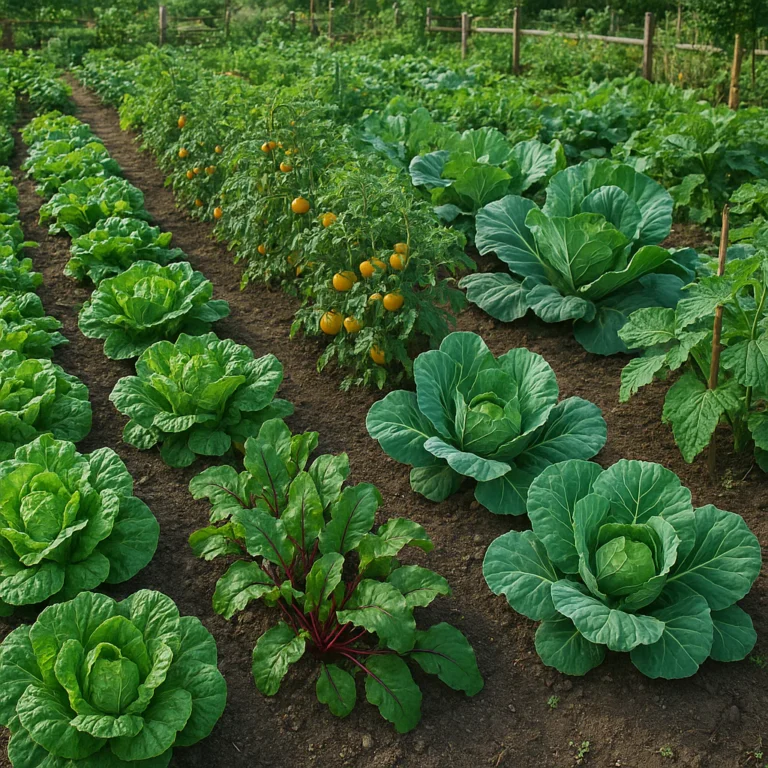
Imagine a forgotten, debris-strewn lot in the heart of a bustling city, once a symbol of neglect, suddenly bloming with vibrant tomatoes, fragrant herbs, and neighbors sharing stories over a shared harvest. This isn’t a fantasy; it’s the daily reality of community gardens and urban grening initiatives reshaping our concrete jungles. Did you know that a single well-planned garden can lower local temperatures by several degrees, turning a sweltering “heat island” into a cool, breathable oasis? In this comprehensive guide, we’ll walk you through the history of these green revolutions, reveal the top 10 plants that thrive in city soil, and uncover the surprising funding secrets (like the 50% match grants) that can turn your dream into reality. But beware: not all gardens are created equal, and we’ll expose the critical inclusivity pitfalls that could make or break your community’s success.
Key Takeaways
- Community gardens are powerful engines for social cohesion, transforming isolated neighborhoods into vibrant hubs of connection and shared purpose.
- Urban grening directly combats environmental challenges, reducing heat islands, improving air quality, and managing stormwater runoff effectively.
- Success requires more than just planting seeds; it demands strategic planning, soil testing for contaminants, and inclusive governance to ensure all neighbors feel welcome.
- Funding is available through programs like the Urban Green and Community Garden Grant Program, often offering significant match opportunities for eligible projects.
- Choosing the right plants matters: Opt for compact, high-yield varieties like determinate tomatoes, bush beans, and leafy greens to maximize small urban spaces.
Table of Contents
- ⚡️ Quick Tips and Facts
- 🌱 The Roots of Urban Greening: A Brief History
- 🏙️ Why Community Gardens Matter in the Concrete Jungle
- 📋 How to Start Your Own Community Garden: A Step-by-Step Guide
- Identify Your Passion and Assemble a Core Team
- Secure Land and Navigate Zoning Regulations
- Develop a Sustainable Garden Plan
- Build Infrastructure and Soil Health
- Launch, Market, and Engage the Neighborhood
- 🌿 Top 10 Plants for Successful Urban Greening Projects
- 💰 Funding Your Green Space: Grants and Financial Support
- Understanding the Urban Green and Community Gardens Grant Program
- Alternative Funding Sources for Urban Farmers
- 🤝 Building Community Through Shared Soil
- 🚫 Common Pitfalls to Avoid in Urban Gardening
- 🔗 Recommended Links and Resources
- ❓ Frequently Asked Questions
- 📚 Reference Links
⚡️ Quick Tips and Facts
Did you know that a single community garden can transform a barren urban lot into a vibrant hub of life,
fresh food, and camaraderie? It’s true! We’ve seen it happen countless times, from bustling city centers to quiet neighborhood corners. Urban greening and community gardening aren’t just about growing plants; they’re about cultivating
stronger communities, improving local ecosystems, and even boosting mental well-being. So, let’s dig into some quick facts that might just inspire you to get your hands dirty! 🧤
- Green Oasis in the Grey: Urban green
spaces, including community gardens, can reduce ambient temperatures by several degrees, combating the dreaded “urban heat island effect.” Imagine a cooler stroll through your neighborhood, all thanks to some strategically placed greenery!
Food Security & Fresh Produce: Many urban areas are considered “food deserts,” where access to fresh, affordable produce is limited. Community gardens provide a vital source of nutritious food, directly addressing this disparity. In fact, a study found that community gardens can
significantly increase fruit and vegetable intake among participants.
- Community Cohesion: Gardens are natural gathering places. They foster social interaction, knowledge sharing, and a sense of collective ownership. Berks Nature beautifully
puts it, “A community garden changes the aesthetics and the spirit of a community.” - Environmental Benefits: Beyond cooling, urban greening improves air quality by absorbing pollutants, supports biodiversity by offering habitats
for pollinators, and manages stormwater runoff, reducing the burden on city drainage systems. - Economic Impact: While we’re not talking about commercial farms, community gardens can reduce household food bills and even
create micro-economies through seed swaps or shared harvests. Plus, green spaces can increase property values in surrounding areas.
Ready to unearth more about how these green havens are changing our cities? Let’s
keep digging!
🌱 The Roots of Urban Greening: A Brief History of Cultivating City Spaces

Before the concrete jungles
we know today, cities often had more natural integration. But as urbanization boomed, green spaces dwindled. So, how did we get back to planting peas where pavement once lay? The history of urban greening and community gardens is a
fascinating journey, often born out of necessity, resilience, and a deep human desire to connect with nature.
Our story isn’t just about pretty flowers; it’s about survival, social reform, and sometimes, quiet rebellion. Think back
to the late 19th and early 20th centuries. The “vacant lot cultivation” movement emerged in cities like Detroit and New York during economic depressions. These weren’t just gardens; they were lifelines, providing food
and purpose to struggling families. Fast forward to World War I and II, and you’ll find the widespread phenomenon of “Victory Gardens.” Millions of Americans, including our grandparents’ generation, transformed their backyards, parks, and even rooftops
into productive food plots, contributing to the war effort and ensuring food security at home. It was a national movement, a collective act of patriotism and self-sufficiency that truly demonstrated the power of community-wide gardening.
The late 20th
century saw a resurgence, often fueled by environmental awareness and urban revitalization efforts. As cities grappled with neglected spaces, crime, and a disconnect from nature, grassroots movements began reclaiming abandoned lots. We at Community Gardening™ have personally witnessed this transformation
, working alongside dedicated residents to turn forgotten corners into flourishing oases. We remember one particularly challenging lot in Philadelphia, choked with debris and despair. It took months of dedicated effort, but seeing the first tomato plant bear fruit there felt like a
victory for the entire neighborhood. It’s a testament to the enduring human spirit and the power of a shared vision.
This rich history reminds us that urban greening isn’t a new fad; it’s a cyclical return to essential values
: sustainability, community, and the simple joy of growing something beautiful and nourishing.
🏙️ Why Community Gardens Matter in
the Concrete Jungle
In a world increasingly dominated by screens and concrete, community gardens stand as vibrant, breathing testaments to our innate need for connection – to nature, to our food, and to each other. Here at Community Gardening™, we’ve seen
firsthand how these green havens do more than just grow vegetables; they cultivate hope, health, and genuine community spirit.
🍎 Addressing Food Deserts and Promoting Healthy Lifestyles
Let’s be blunt: many urban areas are
food deserts, places where fresh, affordable, and nutritious food is as rare as a unicorn. Supermarkets are few and far between, and convenience stores offer little beyond processed snacks. This isn’t just an inconvenience; it’s a serious
public health crisis.
Community gardens directly combat this issue. They provide immediate access to fresh, often organic, produce that might otherwise be out of reach for many residents. Imagine biting into a juicy, sun-ripened tomato picked
just hours ago from your neighborhood plot – a stark contrast to the often-sad, trucked-in produce found in some urban grocery aisles. This isn’t just about filling stomachs; it’s about empowering individuals to take control of their diets
and fostering healthier eating habits. We’ve seen families, especially children, discover a love for vegetables they never knew they had, simply because they helped plant and harvest them. For more on this, check out our insights on the Benefits of Community Gardens.
🧠 Boosting Mental Health and Well-being
The therapeutic power of gardening is no secret. The
act of tending to plants – digging in the soil, watching seeds sprout, harvesting the fruits of your labor – is incredibly grounding. It reduces stress, alleviates symptoms of anxiety and depression, and provides a sense of purpose and accomplishment. In our fast-paced urban lives, a community garden offers a much-needed respite, a chance to slow down, breathe fresh air, and reconnect with the natural world. It’s a form of “green
therapy” that’s accessible to everyone. We’ve heard countless stories from our gardeners about how their plot became their sanctuary, a place to decompress and find peace amidst the city’s hustle.
🤝 Cultivating Community
and Social Cohesion
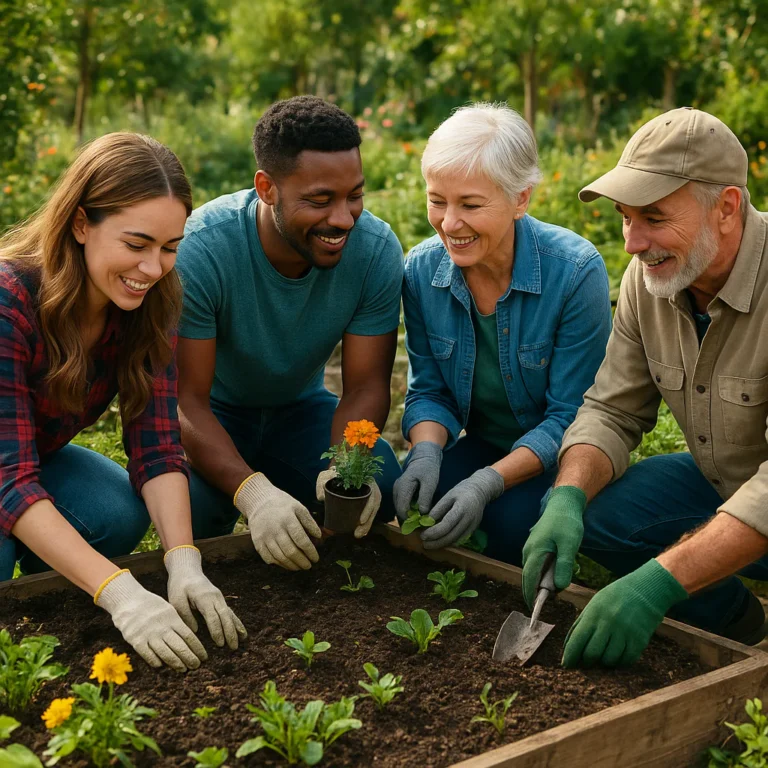
Perhaps the most profound impact of community gardens is their ability to weave the fabric of a neighborhood together. They are melting pots where people of all ages, backgrounds, and walks of life come together with a shared purpose.
We’ve seen unlikely friendships blossom over shared gardening tips, potluck lunches, and collective weeding sessions. These interactions break down social barriers, reduce isolation, and build a stronger sense of belonging. As Berks Nature eloquently states, a community garden “changes
the aesthetics and the spirit of a community.” This isn’t just about shared physical space; it’s about shared experiences and the creation of a supportive network.
However, it’s crucial to acknowledge that while
gardens are intended as public spaces, access and belonging aren’t always equitable. As highlighted in the featured video, many community gardens in New York City, originally founded by Black and brown residents fighting food deserts, now show a concerning lack of
diverse participation, especially in gentrified areas. The speaker in the video rightly questions, “who actually gets access to green spaces” and “who is actually welcomed in these spaces.” This perspective reminds us that while
the potential for community building is immense, we must be intentional and proactive in ensuring genuine inclusivity, welcoming all cultural foodways, and honoring the diverse histories of these vital urban green spaces.
🌎 Environmental Stewardship and Urban Resilience
Community
gardens are powerful tools for urban environmental stewardship. They:
- Improve Air Quality: Plants absorb carbon dioxide and release oxygen, acting as mini-lungs for the city. They also filter out airborne pollutants.
- Support Biodiversity: Even a small garden can become a haven for pollinators like bees and butterflies, crucial for our ecosystem.
- Manage Stormwater: Garden beds and permeable pathways
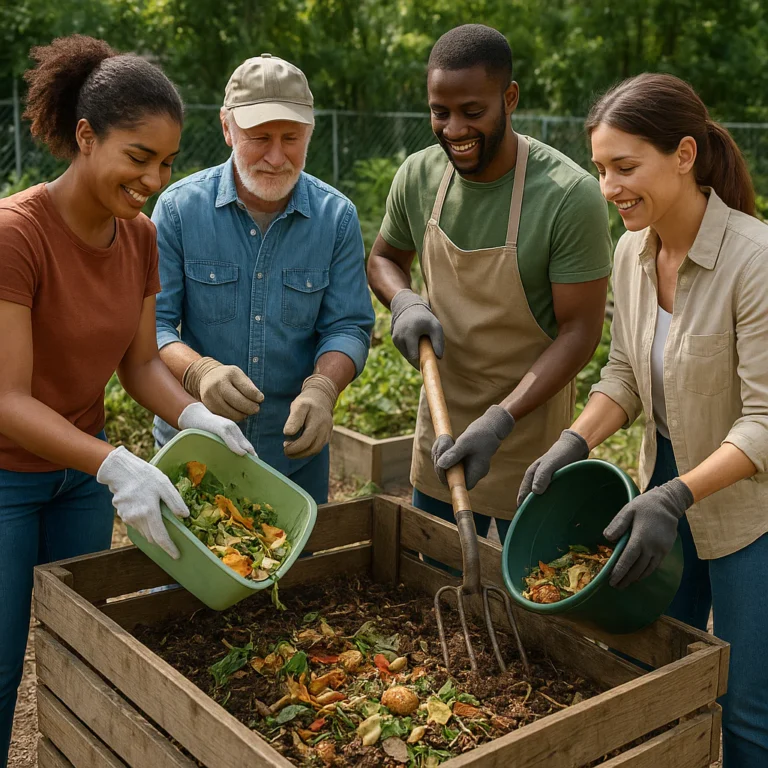
help absorb rainwater, reducing runoff and the strain on urban drainage systems. - Reduce Waste: Composting initiatives within gardens divert organic waste from landfills, turning it into nutrient-rich soil.
These benefits contribute to a more resilient and sustainable urban environment, making our cities healthier and more livable for everyone.
📋 How to Start Your Own Community Garden: A Step-by-Step Guide to Growing Together
So, you’re inspired to bring a little green to your corner of the concrete jungle? Fantastic! Starting
a community garden might seem like a daunting task, but trust us, the rewards far outweigh the challenges. We’ve helped countless groups transform dreams into thriving realities, and we’re here to guide you through every sprout and hurdle. This isn’
t just about digging; it’s about dreaming, planning, and rallying your neighbors!
1. Identify Your
Passion and Assemble a Core Team
Every great garden starts with a seed of an idea and a few dedicated hands. Before you even think about soil, ask yourselves: What’s our vision for this green space? Do you dream
of a vibrant vegetable patch, a serene flower garden, or a mix of both? What specific needs in your community could this garden address – food access, youth education, a gathering spot?
- Define Your Mission: Clearly articulate the
purpose of your garden. This will be your guiding star. Is it primarily for food production, beautification, education, or all of the above? - Gather Your Green Thumbs (and Non-Green Thumbs!): You
don’t need a team of master gardeners. You need passionate people! Look for individuals with diverse skills: organizers, communicators, handy folks, and even those who just love to learn. A core team of 3-5 committed
individuals is a great starting point. We’ve found that a mix of skills – from social media savvy to basic carpentry – makes the journey smoother. - Hold an Initial Meeting: Get together, share ideas, and brainstorm.
This is where the magic of collective vision truly begins. Discuss potential locations, initial challenges, and how you’ll communicate with the wider community.
2. Secure Land and Navigate Zoning Regulations
This is often the trickiest part, but don’t let it deter you! Finding suitable land requires persistence and a good understanding of local regulations.
Scout Potential Sites:** Look for vacant lots, underutilized public spaces (like parks or school grounds), or even large private properties whose owners might be open to a partnership. Consider factors like sun exposure (at least 6-8 hours daily for most edibles!), water access, and accessibility for future gardeners.
- Identify Land Ownership: This is crucial. Is the land privately owned, municipal, or state-owned? You’ll need to approach the owner for permission.
Understand Local Zoning and Permits: This is where things can get a bit bureaucratic, but it’s essential. Contact your local city planning or zoning department. They can advise you on what’s permissible on your chosen site. You
might need special permits for land use, water hookups, or even temporary structures like sheds. For insights into navigating these waters, our article on Community Garden Policies can be a great resource.
- Pro Tip: Some grant programs, like the Connecticut Department of Energy and Environmental Protection’s Urban Green and Community Garden Grant Program (UGCG), specifically target projects in “Distressed
Municipalities,” “Targeted Investment Communities,” or “Environmental Justice Communities.” This means if your chosen location falls within these designations, you might have a significant advantage in securing funding later on! - Draft
a Land Use Agreement: Once you have permission, get it in writing! A formal agreement or lease with the landowner protects everyone involved. It should outline responsibilities, duration of use, and any specific rules.
3. Develop a Sustainable Garden Plan
Now for the fun part – designing your green oasis! This isn’t just about aesthetics; it’s about functionality and sustainability.
Site Assessment: Beyond sun and water, consider existing soil conditions (get a soil test!), drainage patterns, and any existing features like trees or structures.
-
Design Layout: This is where you bring your vision to life.
-
Pathways: Plan for accessible pathways (at least 3-4 feet wide) to allow for easy movement of people and wheelbarrows.
-
Garden Beds: Decide between in-ground beds
or raised beds. Raised beds are excellent for poor soil, drainage issues, or accessibility. -
Common Areas: Designate spaces for gathering, composting, tool storage, and perhaps a children’s area. For more inspiration
, explore our Garden Design Ideas. -
Water Source: This is non-negotiable. How will you get water to your plants? Rain
water harvesting (rain barrels!), municipal water hookups, or even a well are options. Plan for efficient irrigation systems like drip lines to conserve water. -
Crop Selection & Cultural Foodways: What will you grow? Consider what
your community wants and needs. While many gardens focus on common vegetables like tomatoes, peppers, and lettuce, remember the importance of culturally relevant foodways. As the featured video points out, some gardens can inadvertently reflect “white taste versus cultural food
ways,” potentially making diverse community members feel they “don’t belong” if their traditional crops aren’t represented. Be intentional about offering a diverse range of edible plants that cater to the culinary traditions of *
all* your potential gardeners. Our “Edible Plants” category on Community Gardening™ can give you some great ideas for what thrives in urban settings. -
Tool Storage: A secure shed or storage box is essential for keeping tools safe and organized
.
4. Build Infrastructure and Soil Health
With a plan in hand, it’s time to get physical! This phase involves preparing
the site and building the foundational elements of your garden.
- Site Preparation: This might involve clearing debris, removing weeds, or even breaking up compacted soil. For heavily compacted or contaminated sites, consider raised garden beds as a
robust solution. - Soil Testing: Seriously, don’t skip this! A soil test will tell you what nutrients your soil lacks and if there are any contaminants (especially important in urban areas). Your local agricultural extension office can provide
kits and analysis. - Soil Amendments: Based on your soil test, you’ll likely need to amend the soil. This is where compost becomes your best friend! We recommend a mix of high-quality compost,
aged manure, and organic fertilizers to build rich, living soil. Brands like Black Gold Organic Compost or Miracle-Gro Organic Choice Garden Soil can give your plants a fantastic start. - Raised Bed Construction:
If you opt for raised beds, consider durable materials like untreated cedar, recycled plastic lumber, or galvanized steel. Brands like Gardener’s Supply Company offer excellent raised bed kits. - Essential Tools: You don’t need every
gadget under the sun, but a few reliable tools will make a world of difference. - Shovels & Spades: For digging and moving soil. We swear by Fiskars Ergo D-Handle Steel
Garden Spade. - Rakes: For leveling and clearing.
- Wheelbarrows or Garden Carts: For moving heavy loads. The Gorilla Carts GOR4PS Poly Garden Dump Cart is a
workhorse. - Gloves: Protect those precious hands! Wells Lamont Leather Work Gloves are durable and comfortable.
- Hand Trowels & Cultivators: For detailed work.
Watering Cans & Hoses: For hydration.
👉 CHECK PRICE on:
- Fiskars Ergo D-Handle Steel Garden Spade: Amazon | Walmart | Fiskars Official Website
- Gorilla Carts GOR4PS Poly Garden Dump Cart: Amazon | Walmart | Gorilla Carts Official Website
- Wells Lamont Leather Work Gloves: Amazon | Walmart | Wells Lamont Official Website
- Gardener’s Supply Company Raised Bed Kits: Gardener’s Supply Company Official Website
5. Launch, Market, and Engage the
Neighborhood
Your garden is taking shape – now it’s time to invite the community to join the journey!
- Host a Grand Opening/Planting Day: Make it a celebration! Invite local officials, community leaders, and,
most importantly, your neighbors. Offer activities like seed planting, face painting, or a potluck. This is a fantastic way to generate excitement and recruit new gardeners. - Establish Clear Communication Channels: How will gardeners communicate? A dedicated
email list, a social media group, or even a physical bulletin board at the garden are effective. - Develop Garden Guidelines: To ensure harmony and productivity, establish clear rules for plot usage, common area maintenance, watering schedules, and conflict
resolution. These guidelines are vital for the long-term success of your garden. - Offer Workshops and Educational Opportunities: Keep the learning going! Host workshops on composting, pest management, seed saving, or even cooking with garden produce. This adds
value and keeps gardeners engaged. Check out our Community Garden Events for inspiration. - Proactive Outreach: Remember the video’s
crucial point about ensuring authentic inclusivity? Don’t just wait for people to show up. Actively reach out to diverse communities, including residents of public housing, and offer workshops that cover both general biodiversity and culturally relevant foodways. Make sure your garden truly reflects the rich tapestry of your neighborhood.
Starting a community garden is a marathon, not a sprint. There will be challenges, but the joy of seeing your community grow alongside your plants is an unparalleled
reward.
🌿 Top 10 Plants for Successful Urban Greening Projects
Choosing the right plants is crucial
for any urban greening endeavor, especially when space, sunlight, and sometimes even soil quality can be at a premium. We’ve experimented with countless varieties over the years at Community Gardening™, and these are our tried-and-true champions
for thriving in city environments, bringing both beauty and bounty!
Here’s our list of top performers, perfect for community gardens, container gardening, or even a sunny balcony:
- **Tomatoes (Solanum lycopersicum):
** 🍅 No surprise here! Tomatoes are the quintessential garden crop. For urban spaces, we highly recommend determinate varieties like ‘Celebrity’ or ‘Roma’ for their bushier growth, or container-specific varieties such
as ‘Patio Princess’ or ‘Tiny Tim’. They love sun and warmth, and a good sturdy cage or stake is essential. - Leafy Greens (Various species): 🥬 Think lettuce, spinach, kale
, and Swiss chard. These are incredibly versatile, grow quickly, and many can tolerate partial shade. ‘Black Seed Simpson’ lettuce, ‘Tyfon’ spinach, and ‘Lacinato’ kale are excellent choices. Plus, you can often
harvest outer leaves repeatedly, extending your yield! - Bush Beans (Phaseolus vulgaris): 🌱 Unlike pole beans that need extensive trellising, bush beans are compact and prolific. Varieties like ‘Contender’ or ‘
Provider’ are fantastic. They fix nitrogen in the soil, benefiting neighboring plants, and are relatively low-maintenance. - Radishes (Raphanus sativus): 🥕 Talk about instant gratification! Radishes
mature incredibly fast, often in under 30 days. They’re perfect for tucking into small spaces or planting between slower-growing crops. ‘Cherry Belle’ and ‘French Breakfast’ are classic, reliable choices.
Herbs (Various species): 🌿 Basil, mint, parsley, cilantro, rosemary, thyme – oh my! Herbs are perfect for urban gardens. Many thrive in containers, require minimal space, and provide incredible flavor for your cooking. Just
be wary with mint; it’s a vigorous spreader and best kept in its own pot!
6. Peppers (Capsicum annuum): 🌶️ Bell peppers, jalapeños, or poblanos – peppers
are fantastic warm-weather crops. They do well in containers, provided they get plenty of sun and consistent watering. Varieties like ‘California Wonder’ (bell) or ‘Early Jalapeño’ are great for beginners.
7. Z
ucchini/Summer Squash (Cucurbita pepo): 🥒 While some squash can sprawl, many bush varieties of zucchini and summer squash are well-suited for urban gardens. ‘Black Beauty’ zucchini or ‘Early Prolific Straight
neck’ squash produce abundantly with proper care. Just be prepared for a generous harvest!
8. Carrots (Daucus carota subsp. sativus): 🧡 Who doesn’t love pulling a fresh carrot from the
earth? For urban gardens, especially those with heavy or shallow soil, choose shorter or “stumpy” varieties like ‘Danvers Half Long’ or ‘Paris Market’. Ensure your soil is loose and free of rocks for straight
, happy carrots.
9. Strawberries (Fragaria x ananassa): 🍓 These delightful berries are perfect for hanging baskets, raised beds, or dedicated patches. Ever-bearing varieties like ‘Albion’ or ‘
Seascape’ produce fruit throughout the growing season. They’re a perennial favorite and a sweet reward for your efforts.
10. Marigolds (Tagetes spp.): 🌼 While not edible, marigolds are a
superstar companion plant for any urban garden. They deter common pests like nematodes and aphids, add a splash of cheerful color, and attract beneficial insects. Plant them throughout your vegetable beds for a natural pest control solution.
For more detailed information on specific varieties
and growing tips, make sure to visit our Edible Plants section!
💰 Funding Your Green Space: Grants and Financial Support for Community Gardens
Let’s face it, while passion grows freely, garden infrastructure, tools, and initial supplies often require a bit of
green of the monetary kind. Securing funding is a critical step for many community garden projects. The good news is, there are numerous avenues to explore, from government grants to local sponsorships. We’ve navigated these waters many times at Community Gardening
™, and we’re here to share our insights on how to find the financial support you need to make your urban greening dreams a reality.
Understanding the Urban Green and Community Gardens Grant Program
One of the most significant opportunities for funding, particularly in certain regions, comes from dedicated government programs. For instance, the Urban Green and Community Garden Grant Program (UGCG) in Connecticut, administered by the Department of Energy and Environmental Protection (DEEP), is a prime example of how states are investing in urban greening.
Program Overview and Purpose
The UGCG
program is designed to provide crucial funding to develop or enhance urban green spaces for public enjoyment and environmental education. Its core mission is to promote open space in urban settings, which explicitly includes the development of community gardens or the reclaiming and enhancing
of existing open spaces for public use. This aligns perfectly with the goals of many grassroots community garden initiatives.
Who Can Apply and Where?
- Eligible Applicants: This program is open to
municipalities and non-profit organizations registered with the Connecticut Secretary of the State. So, if you’re a community group, forming a non-profit is often a necessary first step! - Target Locations
: The program specifically targets projects within Distressed Municipalities, Targeted Investment Communities, or Environmental Justice Communities as defined by Connecticut General Statutes. This focus ensures that funding goes to areas where the need for green
space and its associated benefits is often greatest. - Important Exclusion: Projects cannot be undertaken on land acquired by eminent domain.
Funding Specifications and Financial Requirements
This is where the rubber meets the road!
- Funding Source: Funds are derived from State bond funds and/or the Community Investment Act.
- Reimbursement Model: The UGCG operates on a 50% match share
reimbursement model. This means applicants must secure funds or funding sources for 50% of the anticipated total project cost. Don’t let this intimidate you! This “match” can often come from in-kind contributions (volunteer labor, donated materials), other grants, or local fundraising. - Award Criteria: Grants are awarded based on the merits of the project and the available funding levels.
- Prohibited Uses: It
‘s vital to know what not to use the funds for. The UGCG explicitly prohibits funding for commercial activities (selling goods or generating profit) and active recreation development like dog parks, turf athletic fields, washing facilities, bathrooms,
indoor recreational facilities, or swimming pools. This ensures the focus remains on community green space and gardens.
Project Requirements and Public Access
A key requirement for any UGCG project is that it must create,
enhance, or restore a public urban community garden or green space. The most critical aspect? Public access. Applicants must clearly demonstrate how the public will access and enjoy the project. The Connecticut DEEP is
very clear on this: “If public access is not clearly shown, the project will not be evaluated or awarded a grant.” This underscores the program’s commitment to ensuring these green spaces truly benefit the wider community
.
Application Details and Contact
For those in Connecticut, applications are typically accepted through specific cycles, with recent deadlines like December 17, 2025. You’ll need to submit an
UGCG Application Form and review their detailed Guidelines & FAQ. The program is managed through the Open Space and Watershed Land Acquisition (OSWA) Grant Program. For assistance, Cameron Clegg, Environmental Analyst 2, at the Land Acquisition and Management Unit
, Office of the Commissioner, can be reached at (860) 424-318 or [email protected].
The McDonald Street Community Garden in New London,
co-sponsored by New London FRESH, is a featured UGCG Grant Recipient, showcasing a successful project.
Alternative
Funding Sources for Urban Farmers and Community Gardeners
Even if a specific state grant isn’t available or doesn’t fit your project, don’t despair! There’s a whole ecosystem of funding out there.
- Local Government
Grants: Many cities and counties offer smaller grants for neighborhood improvement, environmental initiatives, or community development. Check with your local parks and recreation department, city council, or sustainability office. - Community Foundations: These philanthropic organizations often have a
strong interest in supporting local projects that improve quality of life. Research community foundations in your area. - Corporate Sponsorships: Local businesses, from hardware stores to grocery chains, often have corporate social responsibility programs. Approach them with a
well-researched proposal outlining how your garden benefits the community and how their brand can be recognized. - Crowdfunding Platforms: Websites like GoFundMe or Kickstarter can be powerful tools for rallying community support and raising smaller amounts of capital
. Share your story, show your passion, and invite people to be a part of your green vision. - Fundraising Events: Think outside the box! Bake sales, plant sales, garden tours, movie nights, or even
a “buy a brick” campaign can generate significant funds and build community engagement simultaneously. - In-Kind Donations: Don’t underestimate the power of donations of materials (lumber, tools, seeds) or services (landscaping advice, graphic design for flyers). These can significantly reduce your cash outlay and count towards match requirements for grants.
- Non-Profit Partnerships: Partnering with an established non-profit (like Berks Nature, which runs its own Berks Urban Greening Community Gardening Program) can open doors to grant opportunities they are eligible for, and provide valuable administrative support.
Remember, securing funding is often about telling a compelling story. Clearly articulate your
vision, the community need you’re addressing, and the positive impact your garden will have.
🤝 Building Community Through Shared Soil: More Than Just Growing
Food
At Community Gardening™, we often say that while we plant seeds in the earth, we’re truly cultivating connections between people. The magic of community gardens extends far beyond the harvest; it’s in the shared laughter, the exchanged
stories, and the collective effort that transforms a patch of ground into a vibrant social hub.
Think about it: in our increasingly isolated world, how many genuine opportunities do we have to regularly interact with our neighbors, beyond a quick wave? Community gardens provide
that rare, organic space for people from all walks of life to come together. We’ve seen retired teachers sharing wisdom with young families, recent immigrants introducing new culinary traditions, and teenagers discovering a passion for the outdoors. These interactions break down barriers
, foster understanding, and build a stronger, more resilient neighborhood fabric. It’s about creating a sense of collective ownership and pride.
One of our favorite anecdotes comes from the “Sunflower Patch” garden in Brooklyn. For years, there
was a quiet, elderly woman who kept to herself. She joined the garden, initially just observing. Slowly, she started offering advice on tomato pruning. Soon, she was leading impromptu workshops on pickling and sharing her grandmother’s recipes.
The garden didn’t just give her fresh produce; it gave her a renewed sense of purpose and a circle of friends. It was a beautiful reminder that these spaces are as much about human connection as they are about horticulture.
However,
as the featured video so powerfully highlights, the concept of “community” within these gardens isn’t always universally inclusive. The speaker points out that while gardens are intended as public spaces, they can sometimes operate with unspoken rules and membership structures that subtly exclude.
It’s vital to examine “who actually gets access to green spaces” and “who is actually welcomed in these spaces.” Are we truly reaching out to all segments of our community, or are we inadvertently creating
spaces that reflect a narrow demographic? The video’s call to action for reviewing bylaws, proactive outreach to diverse communities (like public housing residents), and offering workshops on culturally relevant foodways is a crucial reminder for all of us in the urban green
ing movement. Building community isn’t just about having a garden; it’s about actively ensuring that everyone feels they belong and can contribute.
These shared experiences, whether it’s battling a stubborn weed infestation
together or celebrating a bountiful harvest at a potluck, forge bonds that transcend the garden gates. They create a supportive network, a place where people can learn from each other, share resources, and truly “Grow Together through Community Gardening.”
For more on how these events bring people together, check out our Community Garden Events section.
🚫 Common Pitfalls to Avoid in Urban Gardening: Learning from Our “Oops” Moments
Even the most seasoned gardeners at Community Gardening™ have had their share of “learning experiences
” (we prefer that to “failures,” thank you very much!). Urban gardening, while incredibly rewarding, comes with its own unique set of challenges. Being aware of these common pitfalls can save you a lot of heartache, time, and precious
plant life. Let’s learn from our collective “oops” moments so your green space can flourish!
1. Ignoring the Soil’s Story: Contamination and Poor Quality
❌ The Pitfall: Many
urban lots have a hidden history. They might have been industrial sites, dumping grounds, or simply subjected to decades of lead paint dust from nearby buildings. Assuming the soil is healthy and ready for planting can lead to contaminated produce and stunted growth.
✅ **
Our Expert Advice:** Always, always, always get a soil test! This is non-negotiable. Your local agricultural extension office can provide affordable testing kits that will reveal nutrient deficiencies and, crucially, the presence of heavy metals like lead.
If contamination is an issue, don’t despair!
- Solution 1: Raised Beds: This is our go-to solution. Fill raised beds with new, certified organic soil and compost. This creates a safe growing environment above any potentially
contaminated ground. - Solution 2: Phytoremediation (for mild cases): Certain plants can help absorb contaminants, but this is a long-term strategy and requires expert guidance. For food production, raised beds are safer
.
2. The “Set It and Forget It” Watering Strategy
❌ The Pitfall: Unlike rural gardens, urban plots, especially those in containers or raised beds, dry out much faster due to increased heat, wind,
and limited soil volume. Under-watering leads to stressed plants, while over-watering can cause root rot.
✅ Our Expert Advice: Consistent and appropriate watering is key.
- Check Daily: Stick your finger
2-3 inches into the soil. If it feels dry, it’s time to water. - Deep Watering: Water slowly and deeply to encourage strong root growth, rather than frequent shallow sprinkles.
- D
rip Irrigation/Soaker Hoses: These are game-changers for efficiency, delivering water directly to the roots and minimizing evaporation. Brands like Rain Bird or DripWorks offer excellent starter kits. - Mul
ch, Mulch, Mulch! A 2-4 inch layer of organic mulch (straw, wood chips, shredded leaves) dramatically reduces water evaporation and suppresses weeds.
3. **Underestimating the Power of We
eds**
❌ The Pitfall: Weeds are relentless opportunists, especially in disturbed urban soil where dormant seeds can spring to life. Ignoring them even for a short period can lead to them outcompeting your precious crops for nutrients, water
, and sunlight.
✅ Our Expert Advice: Weed early and often!
-
Prevention is Key: Apply that mulch we just mentioned! Lay down cardboard or newspaper under raised beds or pathways to create a barrier.
-
Hand Weeding: The most effective method. Catch them when they’re small.
-
Hoeing: For larger areas, a sharp hoe can make quick work of young weeds.
4. **
Lack of Clear Communication and Garden Governance**
❌ The Pitfall: A community garden is a shared space, and without clear rules and communication, misunderstandings and conflicts can quickly sprout. Issues like neglected plots, shared tool disputes, or differing opinions
on garden aesthetics can undermine the entire project.
✅ Our Expert Advice: Establish robust garden guidelines from day one.
- Create a Member Agreement: Outline responsibilities, plot maintenance expectations, watering schedules, pest management approaches
, and how shared resources are used. - Regular Meetings: Hold regular (even if informal) meetings to discuss issues, share successes, and make decisions collectively.
- Conflict Resolution: Have a clear, agreed-
upon process for resolving disagreements. Our Community Garden Policies article offers comprehensive guidance on this. - Inclusivity: Remember the video’s
crucial message: ensure your governance actively promotes inclusivity and addresses historical inequities in access. Are your rules welcoming to all, or do they inadvertently create barriers?
5. **Planting the Wrong Plants in the
Wrong Place**
❌ The Pitfall: Enthusiasm can sometimes lead to planting sun-loving tomatoes in a shady corner, or sprawling pumpkins in a tiny raised bed. This results in disappointing yields and frustrated gardeners.
✅ Our Expert Advice
: Know your plants and know your site.
- Sun Mapping: Observe your garden throughout the day to understand precisely how much sun each area receives.
- Read Seed Packets/Plant Tags: They provide vital
information on sun requirements, mature size, and spacing. - Think Vertically: For small spaces, utilize trellises, arbors, and vertical planters for climbing plants like cucumbers, pole beans, or even small melons.
Container Gardening: Many plants thrive in containers if given adequate space and consistent watering.
By being mindful of these common missteps, your community garden can avoid unnecessary headaches and instead focus on what truly matters: growing delicious food, fostering connections
, and creating a beautiful, thriving urban oasis.
🌟 Conclusion: Cultivating a Grener, Stronger Future Together

We started this journey by asking a simple but profound question: Can a patch of dirt in the middle of a concrete jungle really change the world? After digging into the history, the science, the funding, and the very real stories of neighbors coming together, the answer is a resounding yes.
Community gardens are far more than just places to grow tomatoes (though a sun-ripened heirloom tomato is hard to beat!). They are living laboratories for sustainability, sanctuaries for mental well-being, and powerhouses for social cohesion. As we explored, from the “Victory Gardens” of the past to the modern-day initiatives in distressed municipalities, the thread connecting them all is the human desire to nurture and be nurtured.
However, we must also close the loop on the critical question of inclusivity that we raised earlier. A garden cannot truly be a “community” garden if it only serves a fraction of the neighborhood. As the insights from the video and the work of organizations like Berks Nature remind us, we must be intentional. We must actively dismantle barriers, welcome diverse cultural foodways, and ensure that our green spaces reflect the rich tapestry of the people who live around them. It’s not enough to just open the gate; we must ensure everyone feels invited to step through it.
Our Final Recommendation:
Whether you are a seasoned gardener or someone who has never held a trowel, start small but start now.
- If you have land: Reach out to your neighbors. Form a core team.
- If you don’t have land: Connect with an existing garden or a local non-profit like Berks Nature.
- If you have funding: Look into grants like the UGCG (if applicable) or local community foundations.
- If you have time: Volunteer!
The path to urban grening isn’t always smooth—there will be weeds, zoning headaches, and the occasional drought. But the harvest of community, health, and hope is worth every drop of sweat. Let’s get out there and grow together!
🔗 Recommended Links and Resources
Ready to take the next step? Here are some essential resources, tools, and books to help you on your urban grening journey.
🛒 Essential Gardening Tools & Supplies
- Raised Garden Beds:
Gardener’s Supply Company Raised Bed Kits: Gardener’s Supply Company Official Website | Amazon - Soil & Compost:
Black Gold Organic Compost: Amazon | Black Gold Official Website
Miracle-Gro Organic Choice Garden Soil: Amazon | Miracle-Gro Official Website - Irrigation Systems:
Rain Bird Drip Irrigation Kits: Amazon | Rain Bird Official Website
DripWorks Starter Kits: DripWorks Official Website - Hand Tools:
Fiskars Ergo D-Handle Steel Garden Spade: Amazon | Fiskars Official Website
Wells Lamont Leather Work Gloves: Amazon | Wells Lamont Official Website - Garden Carts:
Gorilla Carts GOR4PS Poly Garden Dump Cart: Amazon | Gorilla Carts Official Website
📚 Must-Read Books for Urban Gardeners
- “The Vegetable Gardener’s Container Bible” by Edward C. Smith: A comprehensive guide for growing food in small spaces. Shop on Amazon
- “Gaia’s Garden: A Guide to Home-Scale Permaculture” by Toby Hemenway: Perfect for understanding how to create sustainable, self-sustaining ecosystems in urban settings. Shop on Amazon
- “The Community Garden Cookbook” by the American Community Gardening Association: Packed with recipes and stories from gardens across the nation. Shop on Amazon
❓ Frequently Asked Questions
How do community gardens improve urban air quality?
Community gardens act as natural air filters. Plants absorb carbon dioxide and release oxygen through photosynthesis. More importantly, the foliage of trees, shrubs, and even vegetable plants traps particulate matter (dust, sot, and smoke) from the air, preventing it from being inhaled by residents. Additionally, by replacing impervious surfaces like asphalt with soil and vegetation, gardens reduce the “urban heat island” effect, which can indirectly lower the formation of ground-level ozone, a harmful pollutant.
What are the best plants for small urban community gardens?
For small spaces, vertical growers and compact varieties are your best friends.
- Vertical: Pole beans, cucumbers, indeterminate tomatoes (with trellises), and peas.
- Compact: Bush beans, determinate tomatoes (like ‘Patio Princess’), radishes, leafy greens (lettuce, spinach, kale), and herbs (basil, mint, parsley).
- Container-friendly: Strawberries, peppers, and dwarf varieties of almost any vegetable.
- Companions: Marigolds and nasturtiums are excellent for pest control and adding color without taking up much space.
How can I start a community garden in my city?
Starting a garden requires a blend of passion and planning.
- Asemble a Team: Find 3-5 committed neighbors.
- Find Land: Scout vacant lots, school grounds, or public spaces. Check ownership and zoning.
- Secure Permission: Get written agreements from landowners.
- Plan & Design: Create a layout for beds, paths, and water access.
- Test Soil: Crucial for urban sites to check for contaminants.
- Fundraise/Apply for Grants: Look for local government grants or community sponsors.
- Build & Plant: Prepare the site, build infrastructure, and start planting!
- Engage: Host an opening event and establish clear guidelines for all gardeners.
What are the mental health benefits of urban grening?
Urban grening provides a powerful antidote to the stress of city life.
- Stress Reduction: The act of gardening lowers cortisol levels and promotes relaxation.
- Sense of Purpose: Caring for living plants provides a routine and a sense of accomplishment.
- Social Connection: Combating isolation by interacting with neighbors in a shared, positive environment.
- Physical Activity: Gentle exercise improves mood and overall physical health.
- Biophilia: Connecting with nature satisfies a fundamental human need, improving cognitive function and emotional well-being.
How do community gardens reduce food insecurity in cities?
Community gardens directly address food deserts by providing access to fresh, nutritious produce in areas where supermarkets are scarce. They empower residents to grow their own food, reducing grocery bills and ensuring a steady supply of vitamins and minerals. Furthermore, many gardens have donation programs where excess produce is shared with local food pantries, shelters, or neighbors in need, creating a localized food security network.
What funding is available for urban grening projects?
Funding sources vary by location but often include:
- Government Grants: State and federal programs like the Urban Green and Community Garden Grant Program (UGCG) in Connecticut, which offers 50% match reimbursement for eligible projects in distressed or environmental justice communities.
- Local Municipal Grants: City parks and recreation departments often have small grants for neighborhood improvement.
- Community Foundations: Local philanthropic organizations that support quality-of-life projects.
- Corporate Sponsorships: Local businesses may sponsor tools, seeds, or infrastructure.
- Crowdfunding: Platforms like GoFundMe can help raise capital from the community.
- In-Kind Donations: Donated labor, materials, and services can significantly offset costs.
How do community gardens foster social connections among neighbors?
Gardens create a “third place” (neither home nor work) where people naturally congregate. Shared tasks like weding, watering, and harvesting break down social barriers. Regular meetings, potlucks, and workshops create opportunities for storytelling and knowledge exchange. As noted by Berks Nature, these spaces change the “spirit of a community,” turning strangers into friends and neighbors into a supportive network. However, it is vital to ensure these spaces are inclusive and actively welcome diverse cultural backgrounds to truly foster connection.
📚 Reference Links
- Connecticut Department of Energy and Environmental Protection (DEP): Urban Green and Community Garden Grant Program
- Berks Nature: Urban Greening – Berks Nature
- American Community Gardening Association: Community Gardening Resources
- USDA National Institute of Food and Agriculture: Urban Agriculture and Innovative Production
- Fiskars: Garden Tools
- Gardener’s Supply Company: Raised Beds & Garden Supplies
- Black Gold Soil: Organic Compost & Soil
- Rain Bird: Drip Irrigation Systems
- Miracle-Gro: Organic Garden Products
- Wells Lamont: Work Gloves
- Gorilla Carts: Garden Carts