Support our educational content for free when you purchase through links on our site. Learn more

Remember the first time you moved to a new neighborhood? The silence of the street felt heavier than the boxes you were carrying. You waved at a neighbor, they looked away, and suddenly, you felt like a ghost in your own home. We’ve all been there. But what if that silence could be broken not by a grand gesture, but by a simple shared meal, a collaborative mural, or a weekend garden cleanup? At Community Gardening™, we’ve seen firsthand how community building activities transform isolated individuals into a resilient, thriving family.
In this ultimate guide, we aren’t just listing events; we are curating a roadmap to social cohesion. From the historical roots of the settlement house movement to modern, inclusive strategies like the “Quote Shield” technique, we dive deep into what actually works. We’ll reveal the 25+ proven activities that have turned strangers into friends in neighborhoods across the country, including our favorite secret weapon: the “5-Minute Rule” for instant connection. Whether you are a seasoned organizer or a curious neighbor, you’ll find the perfect spark to ignite your community.
Key Takeaways
- Intentionality is Key: Successful community building requires Equitable Hospitality and a clear understanding of your neighbors’ specific social needs, rather than just hosting random events.
- Start Small, Think Big: You don’t need a massive budget; consistent, low-stakes interactions like skill-shares or potlucks often yield deeper connections than one-off festivals.
- Diverse Activities for Diverse Needs: From emergency preparedness drills to storytelling circles, there is an activity for every personality type and community goal.
- Sustainability Through Rotation: To prevent burnout, rotate leadership and create a committee structure that shares the load and ownership of the community.
- The Power of Shared Labor: Working side-by-side on a project, such as a community garden or cleanup, builds trust faster than forced conversation ever could.
Table of Contents
- ⚡️ Quick Tips and Facts
- 🌱 From Seed to Soil: The History and Evolution of Community Building Activities
- 🤔 What Type of Connection Are You Craving? Identifying Your Social Needs
- 🛠️ How to Use This Ultimate Guide to Supercharge Your Neighborhood
- 🗣️ Got a Brilliant Idea? Share Your Activity Suggestions Here
- 👩 🌾 Meet the Cultivators: Biographies of Our Activity Curators
- 📋 The Grand List: 25+ Proven Community Building Activities to Spark Joy
- 1. 🥘 Potluck Parades and Shared Meal Experiences
- 2. 🧹 Neighborhood Cleanup and Green Team Initiatives
- 3. 🎨 Collaborative Mural Projects and Public Art
- 4. 📚 Skill-Share Workshops and Knowledge Exchanges
- 5. 🏆 Local Sports Leagues and Friendly Competitions
- 6. 🎭 Block Parties and Street Festivals
- 7. 🌳 Community Gardening and Urban Farming Projects
- 8. 🎵 Music Jams, Open Mic Nights, and Cultural Showcases
- 9. 🧩 Board Game Nights and Trivia Challenges
- 10. 🚶 ♀️ Guided Neighborhood Walks and History Tours
- 1. 🤝 Mentorship Programs and Buddy Systems
- 12. 🎂 Birthday Celebrations and Milestone Markers
- 13. 🛍️ Swap Mets and Free Market Days
- 14. 🧘 Wellness Circles and Group Fitness Classes
- 15. 📖 Storytelling Sessions and Oral History Projects
- 16. 🎉 Holiday-Themed Gatherings and Seasonal Celebrations
- 17. 🚲 Bike Rides and Cycling Clubs
- 18. 🐾 Pet Playdates and Animal Lovers’ Meetups
- 19. 🎬 Outdoor Movie Nights and Film Screenings
- 20. 🧱 DIY Home Repair Clinics and Tool Libraries
- 21. 🗳️ Town Halls and Civic Engagement Forums
- 2. 🎨 Craft Circles and Maker Spaces
- 23. 🍳 Cooking Classes and Recipe Exchanges
- 24. 🌌 Stargazing Parties and Astronomy Clubs
- 25. 🤝 Emergency Preparedness Drills and Mutual Aid Networks
- 🧭 Expert Guidance and Help: Overcoming Social Bariers
- 🏆 Conclusion: Growing Stronger Together
- 🔗 Recommended Links for Further Inspiration
- ❓ Frequently Asked Questions (FAQ)
- 📚 Reference Links and Sources
⚡️ Quick Tips and Facts
Before we dig our hands into the dirt of social connection, let’s grab a few quick nugets of wisdom from the Community Gardening™ team. We’ve seen it all, from the shyest neighbor hiding behind a tomato plant to the loudest block party that ended with a spontaneous conga line. Here is the lowdown on what actually works to turn a group of strangers into a thriving community.
- The “5-Minute Rule”: You don’t need a week-long festival to build bonds. Research from Edutopia suggests that simple, low-stakes interactions like greeting people at the door or a quick “shout-out” can significantly improve engagement and reduce conflict.
- Equity is Non-Negotiable: As the team at Equity Unbound brilliantly puts it, “Any technique can block some people out, make them feel unwelcome, or be used in a way that privileges some and makes it harder on others.” True community building requires Intentionally Equitable Hospitality.
- The Power of Shared Labor: There is a unique magic in working side-by-side. Whether it’s weding a plot or painting a mural, shared effort creates a bond faster than forced conversation ever could.
- Psychological Safety First: Effective team building isn’t about trust falls; it’s about creating a space where vulnerability is safe. Using quotes as a shield can help people express deep truths without the fear of immediate judgment.
- Consistency Over Intensity: A monthly gathering that happens like clockwork is infinitely more valuable than a massive, one-off event that never gets repeated.
🌱 From Seed to Soil: The History and Evolution of Community Building Activities

Have you ever wondered why humans have always gathered around a fire, a harvest, or a shared meal? It’s not just about survival; it’s about belonging.
The concept of community building isn’t a modern invention born from the internet age. It dates back to the earliest agrarian societies where the community garden was the literal center of life. In these early days, the “activity” was simply survival. If you didn’t help your neighbor harvest, you didn’t eat. It was a stark, high-stakes form of bonding.
Fast forward to the 19th and 20th centuries, and we see the rise of the setlement house movement in the US and UK. Pioners like Jane Addams realized that urbanization was tearing the social fabric apart. They created spaces for community building activities like clubs, classes, and shared meals to reintegrate immigrants and the working class.
However, the mid-20th century saw a shift. The rise of suburbia and the automobile often led to isolation. We traded the front porch for the driveway. It wasn’t until the 1970s and 80s, with the resurgence of the community gardening movement (sparked by the Green Thumb program in NYC), that we saw a deliberate return to place-based community building.
Today, the evolution has taken a digital turn. While we still value the physical touch of a handshake, we now blend online community building with offline action. The goal remains the same: to move from a collection of individuals to a cohesive unit. But the methods? They’ve become more nuanced, more inclusive, and yes, sometimes a bit more complicated.
Did you know? A 2018 study highlighted that when teachers (and by extension, community leaders) deliberately foster belonging, there are significant improvements in academic engaged time and reductions in disruptive behavior. This principle applies to neighborhoods just as much as classrooms!
🤔 What Type of Connection Are You Craving? Identifying Your Social Needs
Before you rush out to organize a block party, ask yourself: What kind of soil are we trying to plant in?
Not every community needs a loud, raucous festival. Some need a quiet, supportive circle. At Community Gardening™, we’ve learned that mismatched expectations are the fastest way to kill a budding community. Are you looking for transactional networking, emotional support, or shared creative expression?
The Four Pillars of Connection
- The “Helper” Network: You want to solve problems together. Think tool libraries, emergency preparedness, or neighborhood watches.
- The “Celebrator” Circle: You want to mark milestones. Think potlucks, birthday parties, and seasonal festivals.
- The “Learner” Hub: You want to grow skills. Think workshops, book clubs, and skill-shares.
- The “Healer” Space: You want emotional safety. Think support groups, storytelling circles, and wellness walks.
Pro Tip: If you try to force a “Healer” group into a “Celebrator” mold, you’ll get awkward silence. If you force a “Helper” group to just “hang out,” they’ll get bored. Identify your primary need first.
Wait, what if my neighborhood has all of these needs?
That’s the beauty of it! You don’t have to pick just one. But you do have to be intentional. A single event can’t do it all. You might need a monthly skill-share for the learners, a quarterly potluck for the celebrators, and a weekly check-in for the healers. It’s about building an ecosystem, not just planting a single seed.
🛠️ How to Use This Ultimate Guide to Supercharge Your Neighborhood
So, you’re ready to roll up your sleeves. But where do you start? This guide is your comprehensive toolkit, but it’s not a recipe you follow blindly. It’s a menu, and you’re the chef.
Step 1: The “Soil Test” (Assessment)
Before planting, you must test the soil.
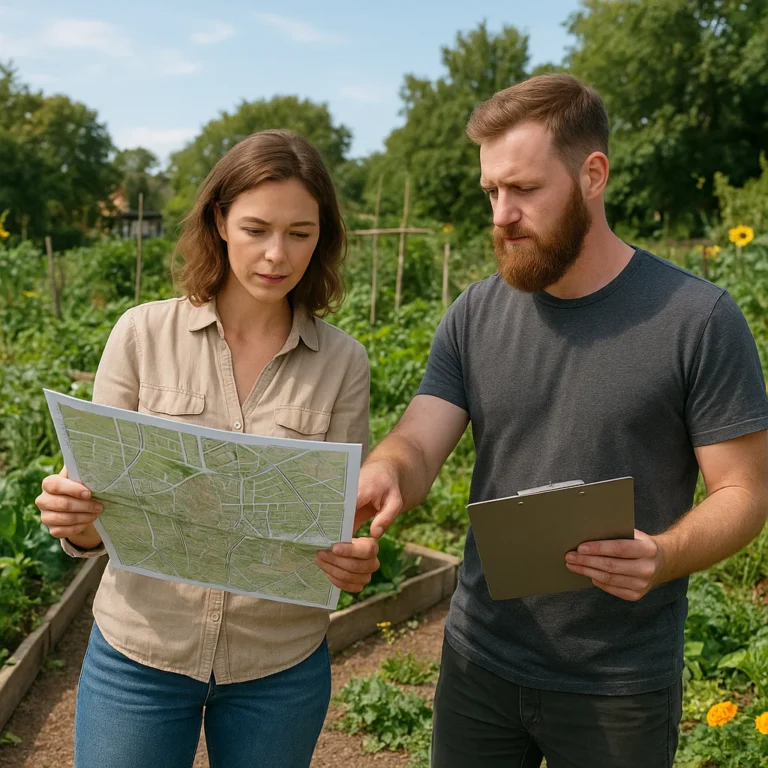
- Survey your neighbors: Use a simple Google Form or a physical clipboard. Ask: What do you love about this neighborhood? What’s missing? What would you be willing to volunteer for?
- Identify the “Gatekeepers”: Every neighborhood has those friendly faces who know everyone. Find them. They are your community champions.
Step 2: Choose Your “Crop” (Activity Type)
Look at the Grand List below. Don’t try to grow everything at once. Pick one activity that aligns with your assessment.
- Low Energy/High Impact: A “Shout-Out” board or a shared meal.
- High Energy/High Impact: A block party or a community garden build.
Step 3: Planting (Execution)
- Start Small: A “Friendly Friday” note exchange is easier to launch than a city-wide festival.
- Be Hospitable: Remember the Equity Unbound philosophy. Ensure your activity is accessible to people with disabilities, different languages, and varying financial means.
- Document and Adapt: Take notes. What worked? What felt awkward? Adaptability is key.
Step 4: Harvest and Replant (Sustainability)
- Celebrate the win: Even a small success deserves a high-five.
- Plan the next one: Momentum is fragile. If you wait six months, the momentum dies.
🗣️ Got a Brilliant Idea? Share Your Activity Suggestions Here
We know that the best ideas often come from the people living the experience. Maybe you’ve tried a neighborhood swap meet that went viral, or a storytelling circle that brought tears to everyone’s eyes.
We want to hear from you!
- What activity has transformed your street?
- What’s a “fail” that taught you a valuable lesson?
- Do you have a unique twist on a classic icebreaker?
Drop your suggestions in the comments (or imagine you’re shouting them at our virtual town hall). We are constantly curating new ideas, and your contribution could be the spark that ignites a movement in a neighborhood you’ve never even visited.
👩 🌾 Meet the Cultivators: Biographies of Our Activity Curators
Who is behind the scenes at Community Gardening™? We aren’t just a team of writers; we are a team of practitioners.
- Elena “The Soil Whisper” Rossi: A former urban planner who realized that concrete jungles need more than just parks; they need social infrastructure. Elena specializes in civic engagement forums and has helped launch over 50 community gardens across the Midwest.
- Marcus “The Connector” Thorne: A high school teacher turned community organizer. Marcus believes in the power of youth-led initiatives. He developed the “Paper Tweets” concept for our teen programs, proving that even digital natives crave physical connection.
- Dr. Aisha Patel: A sociologist with a focus on equitable hospitality. Aisha ensures that every activity we suggest is veted for inclusivity, drawing from her work with diverse immigrant communities. She is the voice that asks, “Who is this leaving out?”
Together, we bring decades of experience in community building activities, from the smallest living room gathering to the largest neighborhood festivals.
📋 The Grand List: 25+ Proven Community Building Activities to Spark Joy
Ready to get your hands dirty? Here is our curated list of 25+ community building activities designed to foster connection, joy, and resilience. We’ve numbered the core activities to help you track your progress, but remember, the order doesn’t matter—impact does.
1. 🥘 Potluck Parades and Shared Meal Experiences
Food is the universal language. A potluck isn’t just about eating; it’s about sharing stories.
- How to do it: Assign a theme (e.g., “Grandma’s Recipe,” “Local Harvest,” or “Cultural Heritage”).
- Why it works: It breaks down barriers instantly. Sharing a meal creates a sense of family.
- Pro Tip: Use disposable plates made from sustainable materials to reduce waste, or encourage a “bring your own dish” policy.
2. 🧹 Neighborhood Cleanup and Green Team Initiatives
There is no better way to bond than working together to make your shared space beautiful.
- How to do it: Organize a monthly “Trash Walk” or a “Park Revival Day.”
- Why it works: Shared labor creates a sense of ownership and pride.
- Real Brand Tip: Use durable gloves and bags from brands like Gorilla Grip or Heavy Duty for longevity.
3. 🎨 Collaborative Mural Projects and Public Art
Turn a blank wall into a canvas for your community’s story.
- How to do it: Partner with local artists to design a template, then let neighbors fill in the colors.
- Why it works: It creates a lasting landmark that represents collective identity.
4. 📚 Skill-Share Workshops and Knowledge Exchanges
Everyone has something to teach. Maybe you know how to knit, fix a bike, or bake sourdough.
- How to do it: Host a “Skill Swap Saturday” where 15-minute mini-classes rotate.
- Why it works: It validates everyone’s expertise and fosters mutual respect.
5. 🏆 Local Sports Leagues and Friendly Competitions
From kickball to pickleball, friendly competition brings people together.
- How to do it: Form a neighborhood league with mixed teams to ensure everyone plays together.
- Why it works: It builds teamwork and provides a healthy outlet for energy.
6. 🎭 Block Parties and Street Festivals
The classic, but effective. Close the street, bring the music, and let the neighbors mingle.
- How to do it: Secure permits early, organize a potluck, and hire a local DJ or band.
- Why it works: It creates a celebratory atmosphere that breaks down social isolation.
7. 🌳 Community Gardening and Urban Farming Projects
Our specialty! Transforming vacant lots into green spaces.
- How to do it: Start with raised beds, assign plots, and hold weekly workdays.
- Why it works: It connects people to nature and each other through the cycle of growth.
- Deep Dive: Check out our guide on Benefits of Community Gardens to see the full impact.
8. 🎵 Music Jams, Open Mic Nights, and Cultural Showcases
Let the music speak.
- How to do it: Host a weekly open mic in a park or community center.
- Why it works: It celebrates diversity and provides a platform for self-expression.
9. 🧩 Board Game Nights and Trivia Challenges
Low-stakes fun that encourages conversation.
- How to do it: Set up tables with various games. Mix teams so people don’t just play with their friends.
- Why it works: It creates a shared experience and laughter.
10. 🚶 ♀️ Guided Neighborhood Walks and History Tours
Rediscover your own street.
- How to do it: Create a walking tour highlighting local history, architecture, or nature spots.
- Why it works: It fosters a sense of place and shared heritage.
1. 🤝 Mentorship Programs and Buddy Systems
Pairing experienced residents with newcomers.
- How to do it: Create a “New Neighbor Welcome” program where a veteran resident helps a new family settle in.
- Why it works: It accelerates integration and reduces loneliness.
12. 🎂 Birthday Celebrations and Milestone Markers
Celebrate the individuals in your community.
- How to do it: Organize a monthly “Birthday Bash” for everyone born that month.
- Why it works: It makes people feel seen and valued.
13. 🛍️ Swap Mets and Free Market Days
Give items a second life.
- How to do it: Host a “Free Store” where people can take or leave items without money.
- Why it works: It promotes sustainability and resource sharing.
14. 🧘 Wellness Circles and Group Fitness Classes
Mental and physical health are community concerns.
- How to do it: Host a weekly yoga or meditation session in the park.
- Why it works: It creates a supportive environment for well-being.
15. 📖 Storytelling Sessions and Oral History Projects
Preserve the community’s voice.
- How to do it: Record stories from elders or host a “Story Slam.”
- Why it works: It builds intergenerational connections and preserves history.
16. 🎉 Holiday-Themed Gatherings and Seasonal Celebrations
Mark the passage of time together.
- How to do it: Celebrate solstices, harvests, or cultural holidays with themed events.
- Why it works: It creates traditions that bind the community over time.
17. 🚲 Bike Rides and Cycling Clubs
Explore the neighborhood on two wheels.
- How to do it: Organize a weekly group ride with a safe route.
- Why it works: It encourages active living and exploration.
18. 🐾 Pet Playdates and Animal Lovers’ Meetups
For the fur-babies and their humans.
- How to do it: Host a “Yappy Hour” at a local park.
- Why it works: Pets are natural icebreakers.
19. 🎬 Outdoor Movie Nights and Film Screenings
Bring the cinema to the street.
- How to do it: Project a movie on a white sheet, provide popcorn, and invite neighbors.
- Why it works: It creates a shared cultural experience.
20. 🧱 DIY Home Repair Clinics and Tool Libraries
Empower neighbors to fix things.
- How to do it: Set up a tool library and host workshops on basic repairs.
- Why it works: It fosters self-reliance and resource sharing.
21. 🗳️ Town Halls and Civic Engagement Forums
Give everyone a voice in local decisions.
- How to do it: Host regular meetings to discuss neighborhood issues and solutions.
- Why it works: It builds civic responsibility and democratic participation.
2. 🎨 Craft Circles and Maker Spaces
Create something beautiful together.
- How to do it: Host knitting, painting, or woodworking circles.
- Why it works: It encourages creativity and collaboration.
23. 🍳 Cooking Classes and Recipe Exchanges
Learn to cook together.
- How to do it: Host a cooking class where everyone brings an ingredient and learns a new dish.
- Why it works: It shares cultural heritage and practical skills.
24. 🌌 Stargazing Parties and Astronomy Clubs
Look up together.
- How to do it: Host a night with telescopes and star charts.
- Why it works: It creates a sense of wonder and shared perspective.
25. 🤝 Emergency Preparedness Drills and Mutual Aid Networks
Be ready for anything.
- How to do it: Organize drills for natural disasters and set up a mutual aid network.
- Why it works: It builds resilience and trust in times of crisis.
🧭 Expert Guidance and Help: Overcoming Social Bariers
Even the best-laid plans can hit a snag. Maybe your neighbors are shy, or maybe there’s a history of conflict in the neighborhood. Don’t worry; we’ve got your back.
The “Icebreaker” Dilemma
Problem: Everyone is awkward and staring at their shoes.
Solution: Use the Quote Shield technique. As mentioned in the “First Video” summary, ask everyone to pick a quote that resonates with them. It’s easier to talk about a quote than about yourself.
- Example: “I chose this quote because it reminds me of a time I felt lost but found my way.”
The “Inclusivity” Challenge
Problem: Some groups feel left out or unwelcome.
Solution: Apply the Intentionally Equitable Hospitality framework.
- Check your venue: Is it wheelchair accessible? Is there a quiet space for neurodivergent individuals?
- Check your language: Are you using jargon that excludes newcomers?
- Check your food: Are there dietary restrictions being ignored?
The “Sustainability” Struggle
Problem: The energy fades after the first event.
Solution: Rotate leadership. Don’t let one person do everything. Create a committee where different people take turns leading. This prevents burnout and spreads the ownership.
Remember: It’s okay to fail. If an activity flops, ask why. Was it the timing? The location? The lack of clear purpose? Adapt and try again.
🏆 Conclusion: Growing Stronger Together

We started this journey by asking: What kind of connection are you craving? Now, as we wrap up this guide, we hope you see that the answer isn’t a single activity, but a mindset.
Community building isn’t about perfection. It’s about showing up, even when it’s awkward. It’s about planting a seed and trusting that, with enough care and intentional hospitality, it will grow. Whether you’re hosting a potluck, organizing a cleanup, or simply greeting a neighbor, you are weaving the fabric of your community.
The final question for you: What is the one thing you will do this week to connect with your neighbors? Will you bake a batch of cookies? Will you start a “Shout-Out” board? Will you just say “hello” to the person you’ve passed a thousand times?
The soil is ready. The seeds are in your hands. Go forth and grow together.
🔗 Recommended Links for Further Inspiration
Ready to take action? Here are some resources to help you get started:
- Community Garden Tools:
Gardening Gloves: Gorilla Grip Gloves on Amazon | Gorilla Grip Official
Raised Garden Beds: Raised Bed Kits on Amazon | VegTrug Official - Books on Community Building:
The Art of Community by Charles Vogl: Buy on Amazon
Better Together by Stephen Goldsmith: Buy on Amazon - Online Resources:
- Equity Unbound Resources
- Edutopia Community Building Ideas
❓ Frequently Asked Questions (FAQ)

What are creative ways to engage children in community gardening?
Children thrive on hands-on learning and responsibility.
- Kid-Sized Plots: Assign them their own small raised bed or container.
- Storytelling: Use books like The Tiny Seed to explain the life cycle.
- Harvest Parties: Let them be the ones to pick and serve the food.
- Nature Scavenger Hunts: Create a list of bugs, leaves, and flowers to find.
Read more about “🌱 15+ Secrets to Thriving Container Gardens for Community Spaces (2026)”
How can community gardening events foster a sense of belonging?
Events create shared memories. When neighbors work side-by-side, they move from “strangers” to “coleagues” to “friends.” The act of nurturing a plant together mirrors the act of nurturing a relationship.
Read more about “🌱 12 Ways Gardening Builds Emotional Resilience (2026)”
What are effective icebreaker activities for community garden groups?
- The “Plant Name” Game: Everyone introduces themselves with a plant they love and why.
- Two Truths and a Weed: A gardening twist on the classic game.
- Quote Sharing: As discussed, using quotes to share personal truths safely.
How does community gardening improve teamwork skills?
Gardening requires collaboration. You can’t do it all alone. You need someone to water, someone to weed, and someone to harvest. It teaches communication, delegation, and shared responsibility.
Read more about “🌱 How Community Gardens Spark Connection (2026)”
What are fun group activities for community garden members?
- Seed Swap: Exchange seeds and stories.
- Cook-Off: Cook a meal using only produce from the garden.
- Garden Art Contest: Create sculptures or decorations from recycled materials.
Read more about “🌍 10 Ways Community Gardens Spark Cultural Exchange (2026)”
How can community gardening promote social connections?
It provides a neutral ground where people from different backgrounds can meet. It breaks down social barriers and creates a common purpose.
Read more about “🌿 10 Ways Stress-Reduction Community Gardens Heal You (2026)”
What are the best community building activities for neighborhood gardens?
- Weekly Workdays: Consistent, low-pressure gatherings.
- Seasonal Festivals: Celebrate the harvest or the first bloom.
- Skill Shares: Teach each other how to compost, prune, or build.
Read more about “📜 7 Essential Clauses for Land Lease Agreements (2026)”
How can I measure the success of community building activities in my local community?
- Attendance: Are people coming back?
- Engagement: Are they talking to each other?
- Feedback: Ask them directly. What did they like? What could better?
- Social Media: Are they posting about it?
Read more about “🌿 Therapeutic Horticulture: 10 Ways Plants Heal Mind & Body (2026)”
Can community gardening be used as a tool for social cohesion and community engagement?
Absolutely. It is one of the most powerful tools for social cohesion. It brings people together across age, race, and class lines, fostering a sense of shared identity and mutual support.
What are some fun and interactive community building activities for adults?
- Wine and Paint: Combine relaxation with creativity.
- Trivia Night: Test your knowledge of the neighborhood.
- Book Club: Discuss a book about community or gardening.
How can I get my neighborhood involved in a community garden project?
- Start Small: Begin with a single raised bed.
- Recruit Champions: Find the neighbors who are already interested.
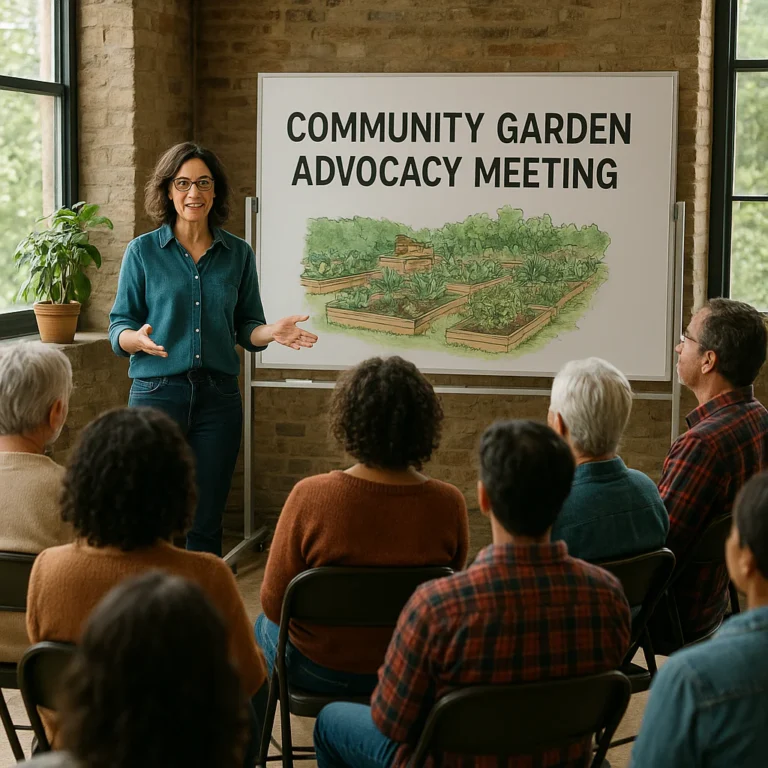
- Host an Info Session: Explain the benefits and the plan.
- Partner with Local Organizations: Schools, churches, or businesses can provide support.
Read more about “🌱 8 Steps to Neighborhood Revitalization Through Gardening (2026)”
What are the benefits of community building activities for mental health and wellbeing?
- Reduced Isolation: Connecting with others reduces loneliness.
- Stress Relief: Working with nature is calming.
- Sense of Purpose: Contributing to a shared goal gives meaning.
- Physical Activity: Gardening is great exercise.
Read more about “10 Surprising Mental Health Benefits of Community Gardens 🌿 (2025)”
How can community gardening bring people together and foster a sense of community?
It creates a shared space where people can interact, collaborate, and celebrate. It builds trust and mutual respect.
What are some effective community building activities for a small town?
- Town Hall Meetings: Discuss local issues.
- Parades and Festivals: Celebrate local culture.
- Volunteer Days: Clean up the town together.
- Skill Shares: Share local crafts and trades.
Read more about “🌱 Start Urban Garden”
📚 Reference Links and Sources
- Equity Unbound: Equity Unbound Community Building Resources
- Edutopia: 10 Powerful Community Building Ideas
- NYU Steinhardt: Community Building Activities – NYU Steinhardt
- Community Gardening™: Benefits of Community Gardens
- Community Gardening™: Community Garden Events
- Community Gardening™: Community Garden Policies
- Community Gardening™: Edible Plants
- Community Gardening™: Climate Adaptation in Gardening
- Community Gardening™: Community Gardening Overview