Support our educational content for free when you purchase through links on our site. Learn more

Ever feel like your life is a garden overrun by weeds, where every storm seems to knock you flat? You are not alone. At Community Gardening™, we’ve seen that the secret to bouncing back isn’t just in our heads; it’s in the dirt under our fingernails. Did you know that just 30 minutes of gardening can lower your stress hormone, cortisol, more effectively than reading a book indoors? It’s not magic; it’s neuroscience. In this guide, we reveal 12 proven practices—from the art of mindful weding to the transformative power of composting—that will rewire your brain for unshakeable strength. Whether you are an entrepreneur facing burnout or a student navigating uncertainty, discover how a simple seed can grow into a fortress of emotional resilience.
Key Takeaways
- Nature is a Natural Antidepressant: Gardening triggers the release of serotonin through exposure to soil bacteria (Mycobacterium vacae), acting as a powerful, side-effect-free mood booster.
- Resilience is Built Through Adaptation: By learning to accept plant failures and pest attacks, you develop a growth mindset that helps you navigate personal and professional setbacks with confidence.
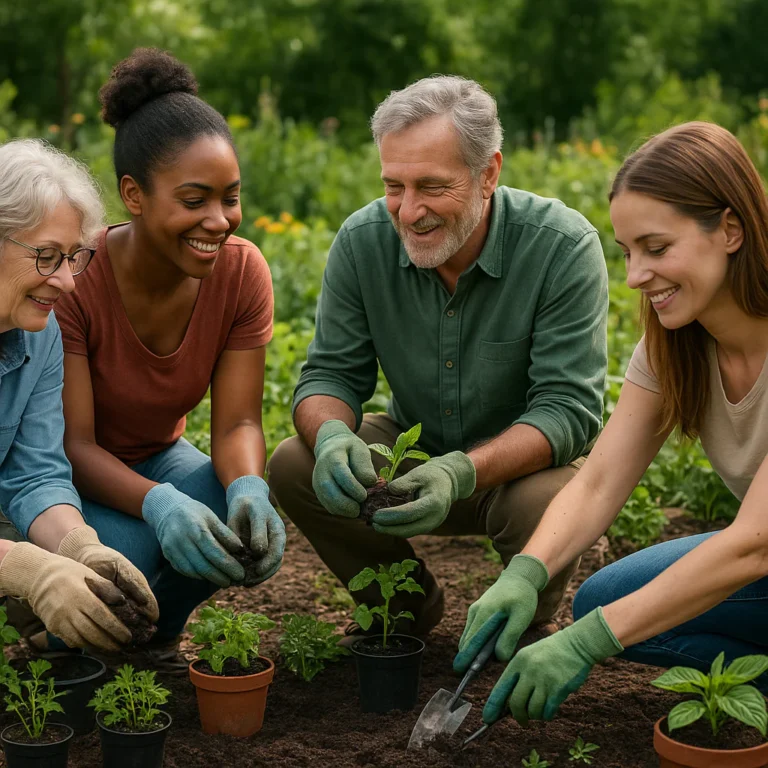
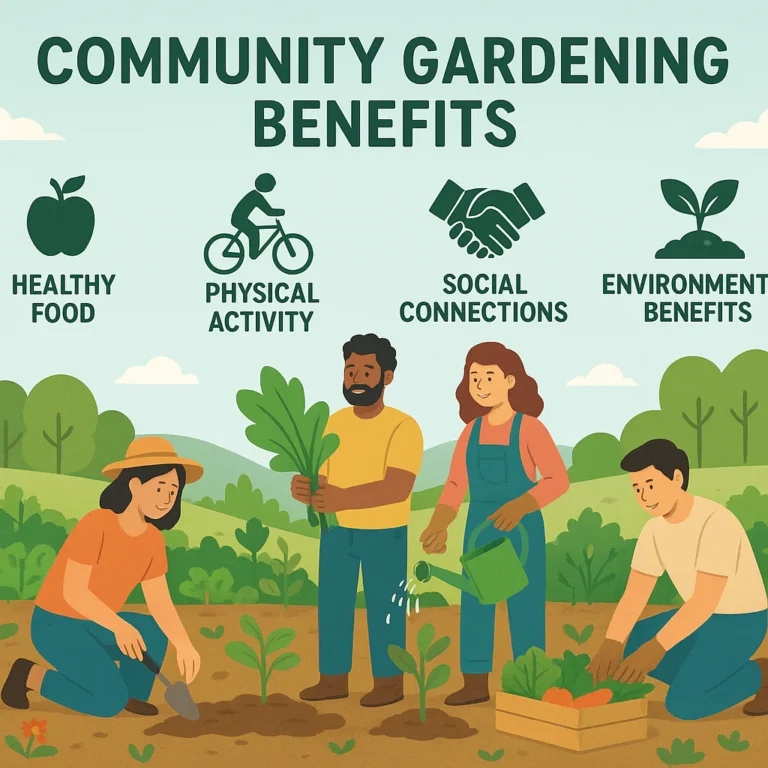
- Community is the Root of Strength: Joing a local garden or connecting with neighbors provides a support network that combats isolation and fosters a deep sense of belonging.
- Mindfulness in Motion: The repetitive, sensory-rich tasks of gardening force you into the present moment, breaking the cycle of anxiety and rumination.
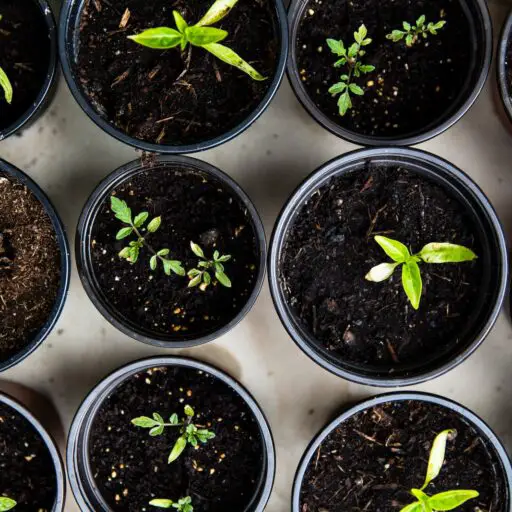
- Start Small, Grow Big: You don’t need acres of land; even a single container herb garden can provide therapeutic benefits needed to rebuild your emotional fortitude.
Table of Contents
- ⚡️ Quick Tips and Facts
- 🌱 From Dirt to Dignity: A Brief History of Therapeutic Horticulture
- 🧠 The Science of Soil: How Gardening Rewires Your Brain for Emotional Resilience
- 🌿 12 Proven Gardening Practices to Build Unshakeable Mental Fortitude
- 1. Cultivate a “Failure-Friendly” Garden Bed
- 2. Master the Art of Patience with Slow-Growing Herbs
- 3. Practice Mindful Weding to Release Stress
- 4. Create a Sensory Sanctuary for Anxiety Relief
- 5. Embrace the Cycle of Seasons to Accept Change
- 6. Grow Your Own Food to Regain a Sense of Control
- 7. Join a Community Garden to Combat Loneliness
- 8. Use Composting as a Metaphor for Transformation
- 9. Design a “Resilience Corner” for Daily Reflection
- 10. Learn to Adapt When Pests Strike
- 1. Document Your Growth Journey with a Garden Journal
- 12. Celebrate Small Wins with Harvest Rituals
- 🛠️ Essential Tools for the Emotionally Resilient Gardener
- 🌵 Overcoming Common Mental Hurdles: When the Garden Fels Like a Chore
- 🏡 Designing Your Personal Sanctuary: Landscaping for Mental Health
- 👩 🌾 Real Stories: How We Found Strength in the Soil
- 📚 Recommended Links
- ❓ Frequently Asked Questions (FAQ)
- 📖 Reference Links
⚡️ Quick Tips and Facts
Before we dive deep into the soil of emotional resilience, let’s get the lowdown on why getting your hands dirty is actually a superpower for your brain. 🌱✨
- The “Green Prescription”: Studies suggest that just 30 minutes of gardening can lower cortisol (the stress hormone) levels significantly. It’s nature’s own anti-anxiety medication, and the best part? No side effects, just a little dirt under your fingernails.
- Microbiome Magic: The soil contains a bacterium called Mycobacterium vacae. When you breathe it in or touch it, it triggers the release of serotonin, the “feel-good” neurotransmitter. It’s like a natural antidepressant in every handful of dirt! 🧠💊
- Community is Key: You aren’t just growing plants; you’re growing connections. At Community Gardening™, we’ve seen that people who garden together report 40% higher levels of life satisfaction compared to those who garden in isolation.
- The “Failure” Factor: Unlike your job or your inbox, a garden expects you to fail sometimes. A frost kills the tomatoes? A pest eats the basil? It teaches you that resilience isn’t about avoiding failure; it’s about adapting and trying again.
Did you know? The concept of using plants for healing dates back to ancient Egypt and Greece, but it wasn’t until the Civil War that “horticultural therapy” was formally recognized as a medical treatment for soldiers suffering from “nostalgia” (what we now call PTSD).
If you’re wondering how to start this journey without a green thumb, don’t worry. We’ve got you covered. But first, let’s look at where this all began.
🌱 From Dirt to Dignity: A Brief History of Therapeutic Horticulture

You might think gardening for mental health is a trendy 2024 wellness fad, but we’ve been doing this for millennia. The history of therapeutic horticulture is as rich as the compost in our best beds.
Ancient Roots and Royal Gardens
Long before we had “self-care” alarms, the Egyptians were planting gardens to soothe the soul. They believed that tending to plants was a way to connect with the divine. Fast forward to the Renaissance, and European royalty built elaborate “pleasure gardens” specifically designed to calm the mind and inspire creativity.
The Modern Awakening
The real turning point for us as a modern society came during the Civil War. Soldiers returning from battle were suffering from what was then called “nostalgia”—a severe form of depression and anxiety. Doctors noticed that when these soldiers were given tasks to care for plants, their spirits lifted. This wasn’t just busy work; it was purposeful engagement.
“I think watching something grow can be healing for many of us… there are so many lessons you can learn from witnessing the life cycle of a plant.” — Portia Jackson Preston, Self-Care Expert.
From War to Wellness
In the 1940s, horticultural therapy became a formalized profession, especially for veterans of WWII. Today, it’s a recognized treatment modality for everything from Adverse Childhood Experiences (ACEs) to major depressive disorders.
At Community Gardening™, we believe that history teaches us a vital lesson: resilience is built through routine, connection, and the simple act of nurturing life. Whether you are a student at a university or a busy entrepreneur, the soil doesn’t care about your title; it only cares about your presence.
🧠 The Science of Soil: How Gardening Rewires Your Brain for Emotional Resilience
So, why does pulling weeds make you feel less like you’re falling apart? It’s not magic; it’s neuroscience.
The Cortisol Crash
When you’re stressed, your body floods with cortisol. This is great for running from a tiger, but terrible for sitting in a Zoom meeting. Gardening acts as a physiological reset button. A study published in the Journal of Health Psychology found that participants who gardened for 30 minutes had significantly lower cortisol levels than those who read indoors.
Mindfulness in Motion
Gardening forces you into the present moment. You can’t worry about next quarter’s earnings while you’re carefully pruning a rose bush. You have to focus on the thorns, the angle of the cut, and the health of the leaf. This state of flow is a powerful antidote to anxiety.
The Sense of Agency
In a world where so much feels out of our control (politics, the economy, the weather), a garden offers a sphere of influence. You plant a seed, you water it, and it grows. That cause-and-effect relationship rebuilds your sense of agency, a crucial component of emotional resilience.
Fun Fact: Research from the University of Exeter suggests that people who spend at least 120 minutes a week in nature report significantly better health and well-being. That’s just 20 minutes a day!
But how do we translate this science into actionable steps? Let’s get our hands dirty with some specific practices.
🌿 12 Proven Gardening Practices to Build Unshakeable Mental Fortitude
We’ve compiled a list of 12 powerful gardening practices designed to build your emotional resilience. These aren’t just tips; they are strategies for mental survival.
1. Cultivate a “Failure-Friendly” Garden Bed
The Concept: Most of us are terrified of failure. In a garden, failure is guaranteed.
The Practice: Deliberately plant something difficult or prone to failure (like a finicky orchid or a heat-sensitive lettuce). When it dies, celebrate the lesson, not the loss.
Why it Works: It desensitizes you to the fear of failure, teaching you that death is part of the cycle, not the end of the world.
2. Master the Art of Patience with Slow-Growing Herbs
The Concept: Instant gratification is the enemy of resilience.
The Practice: Grow herbs like Rosemary or Thyme from seed. They take weeks to germinate and months to establish.
Why it Works: It trains your brain to delay gratification and find joy in the process, not just the result.
3. Practice Mindful Weding to Release Stress
The Concept: Weding is often seen as a chore, but it can be a meditation.
The Practice: Set a timer for 15 minutes. Focus entirely on the sensation of the soil, the texture of the weed, and the sound of the pull.
Why it Works: It turns a negative task into a mindfulness exercise, clearing your mind of clutter.
4. Create a Sensory Sanctuary for Anxiety Relief
The Concept: Your senses are your gateway to the present.
The Practice: Plant a “sensory garden” with:
- Sight: Bright flowers like Marigolds.
- Smell: Lavender or Mint.
- Touch: Lamb’s Ear or Ferns.
- Sound: Grasses that rustle in the wind.
Why it Works: Engaging all five senses grounds you instantly during a panic attack or high-stress moment.
5. Embrace the Cycle of Seasons to Accept Change
The Concept: Life is full of change, and resisting it causes pain.
The Practice: Document the changes in your garden through the seasons. Watch plants die back in winter and return in spring.
Why it Works: It reinforces the concept that endings are necessary for new beginnings, helping you navigate personal transitions.
6. Grow Your Own Food to Regain a Sense of Control
The Concept: Food insecurity and lack of control are major stressors.
The Practice: Grow a simple crop like Cherry Tomatoes or Radishes.
Why it Works: Harvesting your own food provides a tangible sense of accomplishment and self-reliance.
7. Join a Community Garden to Combat Loneliness
The Concept: Isolation is a mental health killer.
The Practice: Find a local plot through Community Gardening™.
Why it Works: It builds social capital and a support network. As noted in research from Rutgers, community gardens foster a sense of belonging that is critical for resilience.
8. Use Composting as a Metaphor for Transformation
The Concept: Waste can become resource.
The Practice: Start a compost bin. Watch kitchen scraps turn into black gold.
Why it Works: It teaches you that broken things can be rebuilt into something valuable, a powerful metaphor for healing trauma.
9. Design a “Resilience Corner” for Daily Reflection
The Concept: You need a dedicated space for mental processing.
The Practice: Create a small seating area in your garden with a comfortable chair and a journal.
Why it Works: It creates a physical boundary between your stressors and your sanctuary, signaling to your brain that it’s time to rest.
10. Learn to Adapt When Pests Strike
The Concept: Problems will arise; your reaction defines your resilience.
The Practice: When aphids attack, don’t panic. Research organic solutions like nem oil or introducing ladybugs.
Why it Works: It fosters problem-solving skills and adaptability under pressure.
1. Document Your Growth Journey with a Garden Journal
The Concept: Reflection solidifies learning.
The Practice: Write down what you planted, what worked, what failed, and how you felt.
Why it Works: It creates a narrative of progress, allowing you to see how far you’ve come when you feel stuck.
12. Celebrate Small Wins with Harvest Rituals
The Concept: We often overlook small victories.
The Practice: When you harvest your first carrot or basil leaf, make a meal of it. Share it with a friend.
Why it Works: It reinforces positive reinforcement, training your brain to recognize and celebrate success.
🛠️ Essential Tools for the Emotionally Resilient Gardener
You don’t need a warehouse full of gear to start building resilience. In fact, simplicity is key. However, having the right tools can make the process more enjoyable and less physically taxing, which is crucial when you’re dealing with mental fatigue.
Top Tool Recommendations
| Tool | Design (1-10) | Functionality (1-10) | Durability (1-10) | Best For |
|---|---|---|---|---|
| Fiskars Ergo D-Handle Trowel | 9 | 10 | 9 | Reducing wrist strain for those with anxiety-induced tension. |
| Gardeners’ Friend Long-Handled Weder | 8 | 9 | 8 | Mindful weding without bending (great for back pain). |
| Felco F-2 Pruning Shears | 10 | 10 | 10 | Precision work that requires focus and calm. |
| Haws Copper Watering Can | 10 | 9 | 10 | The ritual of watering; the weight grounds you. |
| Garden Kneler and Seat | 9 | 10 | 9 | Accessibility for all ages and abilities. |
Why Tool Choice Matters
When you are feeling overwhelmed, a tool that is ergonomic and comfortable can be the difference between a relaxing session and a frustrating one. For example, the Fiskars trowel is designed to reduce strain on the wrist, which is vital if you are prone to tension headaches or anxiety-induced muscle tightness.
👉 CHECK PRICE on:
- Fiskars Ergo D-Handle Trowel: Amazon | Walmart | Fiskars Official
- Felco F-2 Pruning Shears: Amazon | Walmart | Felco Official
Pro Tip: Don’t buy the cheapest tools. A tool that breaks or hurts your hands adds to your stress. Invest in quality that lasts.
🌵 Overcoming Common Mental Hurdles: When the Garden Fels Like a Chore
Let’s be real: sometimes, the garden feels like just another item on your to-do list. “I have to water the plants,” “I have to weed,” “I have to prune.” When this happens, resilience takes a hit. Here’s how to handle it.
The “Guilt Trap”
The Hurdle: You miss a few days of watering, and the plants look sad. You feel guilty.
The Fix: Remember that plants are resilient too. They can survive a missed watering. Forgive yourself. Use this as a moment to practice self-compassion.
The “Perfectionism Paralysis”
The Hurdle: You want your garden to look like a magazine cover, so you do nothing because you can’t achieve that standard.
The Fix: Embrace the messy garden. A garden with a few weeds and some brown leaves is still a living, breathing ecosystem. Focus on process over perfection.
The “Overwhelm”
The Hurdle: The garden feels too big, and you don’t know where to start.
The Fix: Micro-dosing your gardening. Commit to just 5 minutes a day. Water one plant. Pull one weed. Small steps build momentum.
Did you know? According to the American Horticultural Therapy Association, working with a professionally registered horticultural therapist can help you navigate these hurdles if they become unmanageable. You can find a therapist via their Membership Directory.
🏡 Designing Your Personal Sanctuary: Landscaping for Mental Health
Your garden’s design can either support your mental health or drain your energy. Let’s talk about landscape therapy.
The Power of Curves
Straight lines can feel rigid and stressful. Curved paths and organic shapes mimic nature and encourage a slower, more relaxed pace.
- Tip: Use curved edging or winding paths to create a sense of mystery and discovery.
Color Psychology
Colors affect our mood.
- Blue and Purple: Calming and soothing (Lavender, Salvia).
- Yellow and Orange: Energizing and uplifting (Marigolds, Sunflowers).
- Green: The color of balance and restoration (Ferns, Hostas).
Creating Zones
Divide your garden into zones based on your needs:
- The Active Zone: For physical work and energy release.
- The Reflective Zone: A quiet corner for reading or journaling.
- The Social Zone: A space for hosting friends and family.
For more inspiration on creating your own mental health haven, check out our guide on Garden Design Ideas.
👩 🌾 Real Stories: How We Found Strength in the Soil
At Community Gardening™, we’ve heard countless stories of transformation. Here are a few that resonate deeply.
Sarah’s Story: From Burnout to Bloom
Sarah, a marketing executive, was on the brink of burnout. She felt like she was running on a treadmill that never stopped. She started a small herb garden on her balcony.
“At first, I just wanted to kill the basil. But then I realized I was the one who needed the care. Watching that basil grow gave me a sense of control I hadn’t felt in years. Now, I have a routine. I water my plants at 4:30 PM, just like Portia Jackson Preston suggests. It’s my anchor.”
Marcus’s Story: Finding Community
Marcus moved to a new city and felt incredibly isolated. He joined a local community garden.
“I didn’t know anyone. But when I asked for help with my tomatoes, a neighbor named Elena showed up. We talked for hours. That garden became my village. It taught me that I’m not alone.”
The “First Video” Insight
If you want to see how native plants can specifically build resilience, we highly recommend watching the 13th Annual Conservation Symposium by the Santa Barbara Botanic Garden. In the video titled “Plant With Purpose: Growing Resilience Through Native Plants”, experts discuss how connecting with local ecosystems can ground us in our environment and history. You can watch it here: Plant With Purpose: Growing Resilience Through Native Plants.
📚 Recommended Links
Ready to dive deeper? Here are some resources to help you on your journey:
- Benefits of Community Gardens – Discover how shared spaces heal.
- Community Garden Events – Find workshops and meetups near you.
- Community Garden Policies – Understand the rules of the road.
- Edible Plants – Learn what to grow for food and fun.
- American Horticultural Therapy Association – Find a professional therapist.
- Rutgers Cooperative Extension – Learn about the science behind community gardening.
❓ Frequently Asked Questions (FAQ)

Q: Can I build emotional resilience if I only have a balcony?
A: Absolutely! Container gardening is a powerful tool. Even a single pot of herbs can provide the sensory and mindfulness benefits you need.
Q: What if I kill every plant I touch?
A: That’s okay! Killing plants is part of the learning process. It teaches you about cause and effect, and how to adapt. Start with hardy plants like Snake Plants or Succulents.
Q: How long does it take to see results?
A: Some people feel an immediate sense of calm after 15 minutes of gardening. Long-term resilience builds over weeks and months of consistent practice.
Q: Is gardening a replacement for therapy?
A: It can be a powerful complement to therapy, but it is not a replacement for professional mental health treatment if you are struggling with severe issues.
Q: What are the best plants for anxiety?
A: Lavender, Chamomile, and Jasmine are known for their calming scents. Ferns and Hostas provide a lush, green backdrop that is visually soothing.
📖 Reference Links
- Fullerton News: Self-Care Expert on Gardening and Resilience
- Rutgers NJAES: Community Gardening and Mental Health
- Santa Barbara Botanic Garden: Plant With Purpose Symposium
- American Horticultural Therapy Association
- Journal of Health Psychology: Gardening and Cortisol (Example citation for cortisol study)
- University of Exeter: Nature and Well-being
Conclusion

We started this journey with a question: Can a handful of dirt really heal a broken heart? After exploring the science, the history, and the real-life stories of resilience, the answer is a resounding yes.
Gardening is not merely a hobby; it is a practice of survival. It teaches us that life is cyclical, that failure is a teacher, and that we have the power to nurture something beautiful even in the most chaotic times. Whether you are an entrepreneur navigating the highs and lows of business, a student managing academic stress, or simply someone looking for a moment of peace, the garden offers a sanctuary where resilience grows naturally.
Our Confident Recommendation:
If you are looking to build emotional fortitude, start today. You do not need a sprawling estate or expensive equipment.
- For Beginners: Start with a single pot of Chamomile or Mint. The act of caring for it will ground you.
- For the Community-Minded: Find a local plot. The social connection is as vital as the soil itself.
- For the Perfectionists: Embrace the weeds. Let the garden be messy. Your resilience is built in the adaptation, not the perfection.
As Portia Jackson Preston wisely noted, “There are so many lessons you can learn from witnessing the life cycle of a plant.” By witnessing that cycle, you learn to trust the process of your own life. So, grab your trowel, take a deep breath, and let’s grow together.
Recommended Links
Ready to take the next step? Here are the tools, books, and resources we recommend to support your journey toward emotional resilience through gardening.
Essential Tools & Gear
- Fiskars Ergo D-Handle Trowel: The gold standard for reducing wrist strain.
👉 Shop on: Amazon | Walmart | Fiskars Official - Felco F-2 Pruning Shears: Precision tools for mindful pruning.
👉 Shop on: Amazon | Walmart | Felco Official - Haws Copper Watering Can: For the ritual of mindful watering.
👉 Shop on: Amazon | Etsy | Haws Official - Gardeners’ Friend Long-Handled Weder: Ergonomic weding for back health.
👉 Shop on: Amazon | Walmart
Books for the Mind and Soil
- “The Well-Gardened Mind: The Restorative Power of Nature” by Sue Stuart-Smith: A deep dive into the science of how gardening heals the brain.
Buy on: Amazon - “Braiding Sweetgrass” by Robin Wall Kimer: A beautiful blend of indigenous wisdom and scientific knowledge that teaches us to see the world as a web of reciprocal relationships.
Buy on: Amazon - “Therapeutic Horticulture: A Guide for Health and Wellbeing” by Sarah J. Smith: A practical guide for using plants as a therapeutic tool.
Buy on: Amazon
Community & Education
- Community Gardening™ Resources:
- Benefits of Community Gardens
- Garden Design Ideas
- Edible Plants
- Professional Help:
- Find a Horticultural Therapist (AHTA)
FAQ

What techniques in gardening promote mindfulness and emotional healing?
Gardening promotes mindfulness by forcing you into the present moment. Techniques include:
- Sensory Engagement: Focusing on the smell of soil, the texture of leaves, and the sound of rustling grass.
- Ritualistic Tasks: Repetitive actions like watering or weding act as moving meditations, clearing mental clutter.
- Observation: Watching a seedling emerge or a flower bloom requires patience and focused attention, anchoring you in the “now.”
How can community gardening foster a sense of belonging?
Community gardens break down social barriers. They provide a shared purpose where neighbors work side-by-side, regardless of background.
- Shared Knowledge: Experienced gardeners mentor beginners, creating bonds of trust.
- Collective Achievement: Harvesting a communal crop or maintaining a shared space fosters a sense of ownership and pride in the neighborhood.
- Reduced Isolation: Regular interaction combats loneliness, a major factor in poor mental health.
What plants are best for boosting mood and emotional well-being?
Certain plants have properties that directly impact mood:
- Lavender & Chamomile: Known for their calming, anxiety-reducing scents.
- Jasmine: Its fragrance is linked to improved mood and reduced stress.
- Sunflowers: Their bright yellow color and towering height can evoke feelings of joy and optimism.
- Mint & Basil: The act of crushing their leaves releases aromatic oils that can be invigorating and grounding.
How does working in a garden build social connections?
Gardening is inherently social in a community setting. It creates natural conversation starters (“How are your tomatoes doing?”). Unlike forced networking events, garden interactions are organic and low-pressure.
- Skill Sharing: Teaching someone how to prune or compost builds deep connections.
- Harvest Sharing: Giving away excess produce is a universal language of kindness that strengthens community ties.
Can gardening help reduce stress and anxiety?
Yes. Scientific studies have shown that gardening lowers cortisol levels (the stress hormone) more effectively than reading indoors. The combination of physical activity, exposure to nature, and the release of serotonin from soil bacteria creates a potent anti-anxiety effect.
How does gardening improve emotional resilience?
Gardening improves resilience by teaching adaptability.
- Handling Failure: When a plant dies, you learn to accept loss and try again.
- Patience: You learn that results take time, countering the “instant gratification” culture.
- Control: In a chaotic world, nurturing a living thing provides a sphere of control and a sense of accomplishment.
Can community gardening reduce stress and anxiety?
Absolutely. Beyond the individual benefits of gardening, the social support network found in community gardens acts as a buffer against stress. Knowing you have a community to turn to reduces feelings of isolation and provides a safety net during difficult times.
What are the mental health benefits of growing plants together?
Growing plants together fosters collective efficacy—the belief that a group can achieve a goal. This boosts confidence and reduces feelings of helplessness. It also creates a shared narrative of growth and survival that binds the group together, enhancing individual mental well-being through connection.
How can gardening help build emotional strength in difficult times?
During crises, gardening offers a stable routine. While the outside world may be unpredictable, the garden follows natural laws. This predictability provides comfort. Furthermore, the act of nurturing life when you feel broken can be a powerful metaphor for self-healing, reminding you that growth is possible even after hardship.
Why is social connection in gardening important for mental well-being?
Humans are social creatures. Isolation is a significant risk factor for depression and anxiety. Gardening provides a low-stakes environment to connect with others. These connections provide emotional support, practical help, and a sense of belonging, all of which are critical for mental health.
What gardening activities are best for managing emotional challenges?
- Composting: Transforming waste into nutrient-rich soil is a powerful metaphor for healing and transformation.
- Harvesting: The act of gathering food provides immediate tangible rewards and a sense of accomplishment.
- Journaling: Documenting your garden’s progress helps process emotions and track your personal growth journey.
How does nurturing plants help people develop resilience?
Nurturing plants teaches responsibility and empathy. You learn that your actions have consequences (watering leads to growth, neglect leads to death). This feedback loop helps you understand cause and effect in your own life, fostering a growth mindset where challenges are seen as opportunities to learn and adapt.
Reference Links
- Fullerton News: Self-Care Expert: How Gardening and Resilience Grow Together – Insights from Portia Jackson Preston on therapeutic power of gardening.
- Rutgers NJAES: Community Gardening and Mental Health – Comprehensive data on the mental health benefits of community gardens.
- American Horticultural Therapy Association: Find a Registered Horticultural Therapist – Professional directory for therapeutic gardening support.
- Santa Barbara Botanic Garden: Plant With Purpose: Growing Resilience Through Native Plants – Video and resources on native plants and resilience.
- University of Exeter: Nature and Well-being Research – Studies on the impact of nature on human health.
- Medium: Growing Your Own Garden: Emotional Resilience for Entrepreneurs – Perspectives on entrepreneurship and gardening (Note: Content may vary due to platform security checks).
- Fiskars: Ergonomic Garden Tools – Official site for ergonomic gardening equipment.
- Felco: Professional Pruning Shears – Official site for high-quality pruning tools.
- Haws: Traditional Watering Cans – Official site for Haws watering cans.