Support our educational content for free when you purchase through links on our site. Learn more

Affiliate disclosure: As an Amazon Associate, we may earn from qualifying purchases.
Did you know that a single community garden network can consume over 12 million gallons of water in less than two years, yet still produce nearly 260,0 pounds of fresh food? It sounds like a paradox, but it’s the reality of modern urban agriculture. At Community Gardening™, we’ve seen it all: from the heartbreak of a withered tomato patch due to a forgotten hose to the sheer joy of a bumper harvest powered by a cleverly installed rain barrel system. We once watched a new gardener struggle to keep their zucchini alive until we introduced them to the ancient art of the Olla pot, a simple clay vessel that revolutionized their watering routine and doubled their yield overnight.
In this comprehensive guide, we’re diving deep into the science, strategy, and soul of water conservation in community gardens. Whether you’re a seasoned plot holder or just dreaming of your first green space, we’ll walk you through 12 proven irrigation systems, smart governance policies that prevent conflict, and soil secrets that turn your dirt into a moisture-holding sponge. We’ll even reveal how to troubleshoot the most elusive leaks and turn your garden into a data-driven powerhouse of sustainability. Ready to stop guessing and start growing with every drop? Let’s get started.
🗝️ Key Takeaways
- Smart Irrigation Wins: Switching to drip irrigation or soaker hoses can reduce water usage by up to 90% compared to traditional sprinklers.
- Soil is King: Enriching soil with compost and applying a thick layer of mulch creates a natural reservoir that keeps plants hydrated longer.
- Harvest the Sky: Installing rainwater catchment systems like rain barrels provides a free, chemical-free water source and reduces stormwater runoff.
- Governance Matters: Clear water policies regarding watering times (early morning only) and plot boundaries are essential for fairness and efficiency in shared spaces.
- Data Drives Success: Using smart controllers and soil moisture sensors eliminates guesswork, ensuring plants get exactly what they need, when they need it.
Table of Contents
- ⚡️ Quick Tips and Facts
- 🌱 The Roots of the Movement: A History of Water Conservation in Community Gardens
- 📊 Why Every Drop Counts: The Urgency of Sustainable Irrigation
- 🛠️ Top 12 Water-Saving Irrigation Systems for Shared Plots
- 🌧️ Harvesting the Sky: Rainwater Catchment and Storage Strategies
- 🌿 Smart Soil Management: Mulching, Compost, and Drought-Resistant Planting
- 🤝 Building Consensus: Governance and Water Policies for Community Plots
- 🚰 Troubleshooting Common Leaks and Efficiency Issues in Shared Systems
- 📈 Measuring Success: Tools for Monitoring Water Usage and Garden Health
- 💡 Quick Tips and Facts
- 🏆 Conclusion
- 🔗 Recommended Links
- ❓ FAQ
- 📚 Reference Links
⚡️ Quick Tips and Facts
Here at Community Gardening™, we’ve learned a thing or two about making every drop count. After all, a thriving community garden isn’t just about green thumbs; it’
s about smart water management! Did you know that water is often the number one expense for gardeners? That’s a staggering thought, especially when you consider the incredible bounty our gardens provide.
Here are
some rapid-fire facts to get your water-wise journey started:
| Aspect | Quick Fact
✅ Water in the early morning. This isn’t just a suggestion; it’s a golden rule! Watering in the early morning
, especially during summer, significantly minimizes evaporation rates, ensuring your plants get the hydration they need before the sun gets too intense.
✅ Consider your plot’s boundaries. When watering, make sure your efforts
are focused on your own garden plot. Water should not extend into neighboring plots, though watering walking paths is generally acceptable.
❌ Avoid night watering. Running sprinklers all night is strictly prohibited in many community gardens. It’s inefficient and can lead to fungal diseases.
✅ Harness the power of compost. Composting enriches your soil, improving its water retention capabilities. Many community gardens provide compost for members. For
instance, the Highlands Soil & Water Conservation District limits usage to two wheelbarrow loads per plot per quarter, encouraging members to contribute organic materials.
✅ Embrace drought-resistant plants. Choosing varieties that naturally
require less water can drastically reduce your garden’s thirst.
✅ Mulch, mulch, mulch! A good layer of mulch is like a blanket for your soil, keeping moisture in and weeds out.
✅ Monitor your usage
. Understanding how much water your garden consumes is the first step to conserving it. Some networks, like the LACGC, even provide data charts to help gardeners analyze their water usage in correlation with rainfall.
✅ **
Participate in garden work days.** These communal efforts often include maintenance of shared water infrastructure, ensuring everyone benefits from efficient systems.
🌱 The Roots of the Movement: A History of Water Conservation in Community Gardens

It might seem like a modern concern, but the idea of conserving resources in shared growing spaces has roots as deep as our most established perennial vegetables. While the formal concept of “water conservation in community gardens” has gained significant traction in recent decades
, the underlying principles of efficient resource use have always been a part of successful collective agriculture. Think about victory gardens during wartime, or even earlier, indigenous agricultural practices that carefully managed precious water supplies.
Our own journey at Community Gardening™ has
seen a remarkable evolution. When the Growing in the Heartland Community Garden, managed by the Highlands Soil & Water Conservation District, was established in 2014, it quickly became clear that a thoughtful approach to water was paramount for its success
. The project “has proven to be a very successful initiative,” as Susie Bishop, Executive Director of HSWCD, proudly states. This success, we believe, is inextricably linked to the early
adoption of sustainable practices.
Over time, as awareness of climate change and water scarcity has grown, community gardens have become vital living laboratories for demonstrating effective water management. They’ve shifted from simply being places to grow food to becoming powerful educational
hubs where gardeners learn firsthand about the water cycle, soil health, and the impact of their choices. This historical trajectory highlights a growing understanding that our individual garden plots are part of a larger ecosystem, and our collective actions have a significant impact on local
and regional water resources. For more on how these spaces foster growth beyond just plants, explore the Benefits of Community Gardens on
our site.
📊 Why Every Drop Counts: The Urgency of Sustainable Irrigation
“Water is the number one expense for gardeners.” Let that sink in for a moment. It’s not just
about the cost on your utility bill, though that’s certainly a factor. The urgency of sustainable irrigation in our community gardens stems from a confluence of environmental, economic, and social imperatives. We’re not just growing tomatoes; we’re
cultivating a sustainable future.
Consider the sheer volume of water involved. A sample of just 17 community gardens within the Los Angeles Community Garden Council (LACGC) network consumed approximately 12.8 million gallons of water over an
18-month period. That’s a staggering 17,191 HCF (Hundred Cubic Feet), where 1 HCF is roughly enough to fill 15 bathtubs!
While this water supported the growth of an impressive 257,0 pounds of fresh produce, the LACGC network operates on the assumption that it takes about 50 gallons
of water to yield one pound of plant food. This conversion ratio underscores the direct link between water input and food output.
But why is this so critical?
- Environmental Stewardship: Every gallon of municipal
water we use has an environmental cost, from the energy required for pumping and treatment to the impact on natural water sources. By reducing our reliance on these systems, we contribute to healthier ecosystems and conserve stream flows, which is especially crucial for endangered fish in regions
like California’s Mediterranean climate. - Economic Prudence: While community gardens offer incredible value, with the 257,0 pounds of produce representing over $486,0 in
retail value, the water investment was approximately $151,0 over that same 18-month period. The good news? The cost of water-grown produce in
these gardens is estimated at $0.59 per pound, almost 70% less than the retail price! This cost efficiency is a powerful argument for sustainable practices. - Nut
ritional Access and Food Security: Community gardens act as a bridge, offering fresh, affordable, and often organic produce, reducing barriers to healthy eating. This local production helps meet daily vegetable intake recommendations, especially for the
approximately 2,0 members across the full LACGC network. - Reduced Carbon Footprint: “The efficient use of water for local food production aligns with climate goals, reducing the carbon footprint associated with
food transport and packaging.” When we grow locally and efficiently, we cut down on the energy and emissions tied to getting food from farm to fork. - Educational and Social Value: Beyond the tangible produce
, gardens serve as vital hubs for education, cultural exchange, and reducing isolation. They teach us invaluable lessons about the water cycle, environmental responsibility, and the power of collaboration.
So, the question isn’t *
if* we should conserve water, but how effectively we can do it. Are you ready to dive into the practical solutions?
🛠️ Top 12 Water-Saving Irrigation Systems for Shared Plots
Alright, fellow gardeners,
let’s talk tech! When it comes to squeezing every last drop of efficiency out of our irrigation, there’s a whole world beyond the trusty old hose. At Community Gardening™, we’ve experimented with countless systems, and we’re
here to share our top picks for shared plots. Remember, the best system is the one that fits your garden’s unique needs, your budget, and your community’s commitment to water wisdom.
Here are our top 12
recommendations for water-saving irrigation systems, designed to help your shared plots thrive with less H₂O:
1. Drip Irrigation Systems 💧
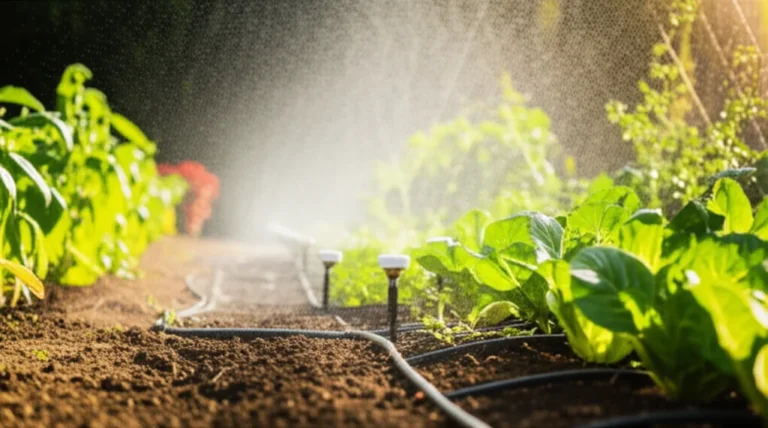
Drip irrigation is the undisputed champion of water conservation in many gardens, and for good reason
! It delivers water directly to the plant’s root zone, minimizing evaporation and runoff. It’s like giving your plants a precisely measured drink, right where they need it.
Community Gardening™ Rating:
| Aspect | Rating (1-10) |
|---|---|
| Design | 8 |
| Functionality | 9 |
| Ease of Install | 7 |
| Durability | 7 |
| Water Savings | 10 |
Detailed Analysis:
Drip systems consist of a network of main lines, smaller tubing, and emitters that slowly release water. They can be customized for individual plants, rows, or even
entire beds.
-
Features: Customizable layouts, low pressure operation, precise water delivery.
-
Benefits:
-
Maximum Efficiency: Up to 90% water efficiency by reducing evaporation and runoff.
-
Weed Suppression: Water only reaches your plants, not the surrounding weeds.
-
Disease Reduction: Keeps foliage dry, reducing the risk of fungal diseases.
-
Flexibility: Can be adapted
for various plant types and garden layouts. -
Drawbacks:
-
Initial Setup Cost: Can be more expensive than a simple hose.
-
Clogging: Emitters can sometimes clog with sediment,
requiring maintenance. -
Visibility: Tubing can be a tripping hazard if not properly laid or buried.
Our Anecdote: “We had one plot where a new gardener was struggling with consistent watering. We helped
them install a simple drip system with a timer, and their yields doubled that season! It was a game-changer for their confidence and their crops.”
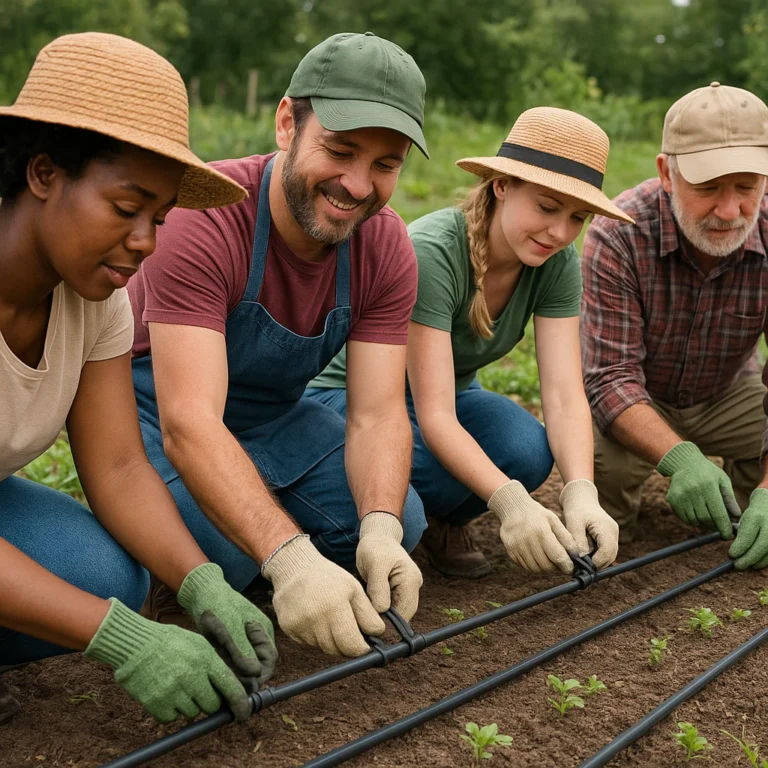
Installation Steps (Basic Kit):
- Connect
to Water Source: Attach a pressure regulator and backflow preventer to your spigot. - Lay Main Line: Run the larger main line tubing along your garden beds.
- Attach Smaller Lines: Use
punch tools to connect smaller distribution tubing from the main line to individual plants or rows. - Insert Emitters: Place emitters at the base of each plant.
- Secure and Test: Use stakes to hold
tubing in place and run a test to check for leaks.
👉 CHECK PRICE on:
- Rain Bird Drip Irrigation Kit: Amazon | Walmart | Rain Bird Official Website
- Orbit Drip Irrigation Kit: Amazon | Orbit Official Website
2. Soaker Hoses 🐍
For row crops and densely planted beds, soaker hoses are a fantastic, low-tech alternative to drip systems. These porous hoses “weep” water along their entire length, delivering a
slow, steady soak directly to the soil.
Community Gardening™ Rating:
| Aspect | Rating (1-10) |
|---|---|
| Design | 7 |
| Functionality | 8 |
| Ease of Install | 9 |
| Durability | 6 |
| Water Savings | 8 |
Detailed Analysis:
Soaker hoses are typically made from recycled rubber
and have tiny pores that allow water to seep out. They’re best used buried under a layer of mulch or soil to prevent evaporation.
-
Features: Continuous, even watering along length, flexible.
-
Benefits:
-
Easy to Install: Simply lay them out in your garden.
-
Good for Rows: Ideal for long rows of vegetables.
-
Relatively Inexpensive: More budget-friendly than complex drip systems.
-
Drawbacks:
-
Less Precise: Can’t target individual plants as effectively as drip emitters.
-
Durability: Can degrade over time, especially if exposed to sun.
Water Pressure Sensitive: Performance can vary with water pressure.
Our Anecdote: “We once had a new plot holder who was hand-watering a 20-foot row of corn. Their back was killing them! We suggested
a soaker hose, and they couldn’t believe how much easier it was, and their corn looked healthier than ever.”
👉 CHECK PRICE on:
- Gilmour Soaker Hose: Amazon | Walmart | Gilmour Official Website
- Flexon Soaker Hose: Amazon
3. Smart Irrigation Controllers 🧠
Take your water conservation to the next level with a smart controller! These devices connect to your Wi-Fi and
use local weather data to adjust your watering schedule automatically. No more watering in the rain!
Community Gardening™ Rating:
| Aspect | Rating (1-10) |
|---|---|
| Design | |
| 9 | |
| Functionality | 10 |
| Ease of Install | 6 |
| Durability | 8 |
| Water Savings | 9 |
Detailed Analysis:
Smart controllers
replace your traditional irrigation timer and integrate with weather forecasts, soil moisture sensors (optional), and plant type data to optimize watering.
-
Features: Weather-based scheduling, remote control via app, zone customization.
-
Benefits:
-
Significant Water Savings: Reduces unnecessary watering.
-
Convenience: Automates adjustments, so you don’t have to.
-
Plant Health: Ensures plants get the right amount of water at the
right time. -
Drawbacks:
-
Higher Initial Cost: More expensive than standard timers.
-
Requires Wi-Fi: Not suitable for gardens without internet access.
-
Setup
Complexity: Can be a bit more involved to set up initially.
Our Anecdote: “Our main community plot used to get overwatered constantly during unexpected rain showers. Installing a Rachio controller saved us so much water, and
the garden manager loved being able to adjust schedules from their phone during vacation!”
👉 CHECK PRICE on:
- Rachio 3 Smart Sprinkler Controller: Amazon | Walmart | Rachio Official Website
- Hunter Hydrawise Smart Controller: Amazon | Hunter Industries Official Website
4. Olla Pots (Clay Pot Irrigation) 🏺
This ancient technique is making a comeback for its simplicity and effectiveness. Olla pots are unglazed clay pots buried in the soil near plants. When filled with water, they slowly release moisture through their porous walls directly
to the plant roots.
Community Gardening™ Rating:
| Aspect | Rating (1-10) |
|---|---|
| Design | 8 |
| Functionality | |
| 8 | |
| Ease of Install | 9 |
| Durability | 7 |
| Water Savings | 9 |
Detailed Analysis:
Ollas are excellent for individual plants or small clusters
, providing a consistent, deep watering that encourages strong root growth.
- Features: Subsurface watering, passive release, aesthetic.
- Benefits:
- Highly Efficient: Minimal evaporation.
Deep Root Growth: Encourages roots to grow towards the water source.
- Low Maintenance: Refill every few days to a week, depending on plant needs.
- No Power Needed: Completely passive.
Drawbacks:
- Breakable: Clay pots can break if dropped or if soil freezes around them.
- Limited Coverage: Best for individual plants or small areas.
- Initial Cost
: Can be an investment for many pots.
Our Anecdote: “Our herb garden struggled with consistent moisture, especially in the summer. We buried a few Terracotta Ollas from GrowOya, and our basil and mint have never been
happier! It’s amazing how something so simple can be so effective.”
👉 CHECK PRICE on:
- GrowOya Terracotta Ollas: Amazon | GrowOya Official Website
- Dripping Springs Ollas: Etsy | Dripping Springs Ollas Official Website
5. Wicking Beds
🌱
Wicking beds are raised garden beds with a built-in water reservoir at the bottom. Water is drawn upwards into the soil via capillary action (wicking), providing a consistent moisture level for plants.
Community Gardening™ Rating:
| Aspect | Rating (1-10) |
|---|---|
| Design | 9 |
| Functionality | 9 |
| Ease of Install | 5 |
| Durability | 9 |
| Water Savings | 10 |
Detailed Analysis:
These systems are fantastic for areas prone to drought or for gardeners who want to minimize watering frequency. They require a bit more
effort to construct but offer exceptional water efficiency.
- Features: Self-watering reservoir, consistent moisture, reduced nutrient leaching.
- Benefits:
- Extreme Water Efficiency: Uses significantly less water than traditional
beds. - Longer Watering Intervals: Can go for days or weeks without refilling.
- Optimal Plant Growth: Consistent moisture reduces plant stress.
- Drawbacks:
- Complex
Construction: Requires more planning and materials to build. - Initial Cost: Can be more expensive than standard raised beds.
- Not for All Plants: Some plants prefer drier conditions.
Our Anecdote: ”
One of our most innovative plots built a wicking bed for their tomatoes and peppers. They reported that even during a heatwave, their plants were thriving, and they only had to top up the reservoir once a week. It’s a testament
to smart design!” For more innovative design ideas, check out our Garden Design Ideas section.
👉 CHECK PRICE on:
6. Rain Barrels 🌧️
While technically a water *
collection* system, rain barrels are a crucial component of water-saving irrigation. They capture rainwater from rooftops, providing a free, chlorine-free water source for your garden.
Community Gardening™ Rating:
| Aspect | Rating (1-10) |
|---|---|
| Design | 7 |
| Functionality | 9 |
| Ease of Install | 8 |
| Durability | 7 |
| Water Savings | 9 |
Detailed Analysis:
Rain barrels are typically placed under downspouts and collect water that would otherwise run off. This water can then be used for hand watering or connected to a
drip system.
- Features: Collects free water, reduces stormwater runoff, various styles.
- Benefits:
- Free Water Source: Reduces reliance on municipal water.
- Environmentally Friendly
: Lessens stormwater impact. - Chemical-Free Water: Great for sensitive plants.
- Drawbacks:
- Limited Capacity: Can run out during dry spells.
- Mos
quitoes: Requires screening to prevent breeding. - Placement: Needs to be near a downspout.
Our Anecdote: “We installed a series of EarthMinded rain barrels around our shed, and it’
s amazing how quickly they fill up after a good rain. Our gardeners love having access to free water, and it’s a fantastic visual reminder of water conservation.”
👉 CHECK PRICE on:
- EarthMinded Rain Barrel
: Amazon | Walmart | EarthMinded Official Website - Good Ideas Rain Wizard Rain Barrel: Amazon | Good Ideas Official Website
7. Gravity-Fed Systems ⬇️
Once you’ve collected rainwater, a gravity-fed system can distribute it without the need for pumps or electricity. By placing your water source (like a rain barrel)
at a higher elevation, gravity does the work of moving water through hoses or drip lines.
Community Gardening™ Rating:
| Aspect | Rating (1-10) |
|---|---|
| Design | |
| 7 | |
| Functionality | 8 |
| Ease of Install | 8 |
| Durability | 7 |
| Water Savings | 8 |
Detailed Analysis:
These systems are low-cost and sustainable, perfect for off-grid community gardens or those looking to minimize energy consumption.
- Features: No electricity needed, simple design, quiet operation.
- Benefits:
Energy Efficient: Zero power consumption.
- Cost-Effective: Minimal equipment needed.
- Sustainable: Utilizes natural forces.
- Drawbacks:
- Limited Pressure:
May not be suitable for long runs or complex drip systems. - Elevation Dependent: Requires a height difference between water source and garden.
8. Subsurface Drip Irrigation (SDI) 🕵️ ♀️
Taking
drip irrigation a step further, SDI involves burying the drip lines beneath the soil surface. This virtually eliminates evaporation, making it incredibly efficient.
Community Gardening™ Rating:
| Aspect | Rating (1-10) |
|---|---|
| Design | 8 |
| Functionality | 9 |
| Ease of Install | 5 |
| Durability | 9 |
| Water Savings | |
| 10 |
Detailed Analysis:
SDI is a more permanent solution, often used in larger community garden plots or for perennial plantings.
- Features: Buried drip lines, minimal evaporation, long-term solution
. - Benefits:
- Highest Water Efficiency: Almost no water loss to evaporation.
- No Surface Obstructions: Clear paths for weeding and cultivation.
- Reduced Weed Growth: Water goes
directly to plant roots. - Drawbacks:
- Complex Installation: Requires digging trenches.
- Difficult to Monitor: Harder to see if emitters are working.
- Root
Intrusion: Roots can sometimes clog emitters over many years.
9. Timers and Zone Valves ⏰
Even with a basic hose or sprinkler system, adding timers and zone valves can drastically improve water conservation. Timers ensure
your garden is watered only when needed, and zone valves allow you to water different areas with varying needs.
Community Gardening™ Rating:
| Aspect | Rating (1-10) |
|---|---|
| Design | 7 |
| Functionality | 8 |
| Ease of Install | 9 |
| Durability | 7 |
| Water Savings | 7 |
**
Detailed Analysis:**
Simple mechanical or digital timers can be attached directly to your spigot, while more advanced systems can manage multiple zones. Remember the Highlands SWCD rule: sprinklers must not run for more than 20 minutes at a time,
and never all night!
- Features: Automated watering, customizable schedules, multi-zone control.
- Benefits:
- Prevents Overwatering: Ensures consistent, controlled
watering. - Convenience: Set it and forget it (mostly!).
- Adherence to Rules: Helps enforce watering time limits.
- Drawbacks:
- Can Mal
function: Batteries die, or mechanisms can fail. - No Weather Adaptation: Doesn’t adjust for rain unless it’s a smart timer.
👉 CHECK PRICE on:
- Orbit 2-Outlet
Digital Hose Faucet Timer: Amazon
| Walmart | Orbit Official Website - Melnor 4-Zone Water Timer: Amazon | Melnor Official Website
10. Soil Moisture Sensors 📡
These clever gadgets take the guesswork out of watering by telling
you exactly how much moisture is in your soil. Some can even integrate with smart controllers to trigger irrigation only when necessary.
Community Gardening™ Rating:
| Aspect | Rating (1-10) |
|---|---|
| Design | 8 |
| Functionality | 9 |
| Ease of Install | 8 |
| Durability | 7 |
| Water Savings | 8 |
**
Detailed Analysis:**
Soil moisture sensors can be simple handheld devices or more advanced wireless sensors that communicate with an irrigation system.
-
Features: Real-time soil moisture data, can integrate with smart systems.
-
Benefits:
-
Optimized Watering: Prevents both over and under-watering.
-
Reduces Water Waste: Only water when plants truly need it.
-
Healthier Plants: Consistent, appropriate
moisture levels. -
Drawbacks:
-
Initial Cost: Can be an added expense.
-
Placement: Needs to be placed correctly to get accurate readings.
👉 CHECK PRICE on:
*
Rachio Wireless Flow & Soil Moisture Sensor: Amazon | Rachio Official Website
- Irrometer Watermark Soil Moisture Sensor: Amazon | Irrometer Official Website
- Hand Watering with a Purposeful Nozzle 🚿
Don’t underestimate the power of a good old-fashioned hand-watering, when done correctly! This isn’t about aimlessly spraying; it’
s about targeted, thoughtful application.
Community Gardening™ Rating:
| Aspect | Rating (1-10) |
|---|---|
| Design | 8 |
| Functionality | |
| 8 | |
| Ease of Install | 10 |
| Durability | 8 |
| Water Savings | 6 |
Detailed Analysis:
A high-quality watering wand or nozzle with multiple spray patterns
allows you to deliver water precisely to the base of plants, minimizing splash and evaporation.
- Features: Variable spray patterns, ergonomic design, shut-off valve.
- Benefits:
- Direct Application
: Puts water exactly where it’s needed. - Personalized Care: Allows you to assess individual plant needs.
- Inexpensive: Low initial investment.
- Drawbacks:
Time-Consuming: Requires active participation.
- Less Efficient: Still more water loss than drip or SDI.
- Inconsistent: Can lead to uneven watering if not diligent.
Our Anecdote:
“We always tell new gardeners that hand watering is an art. It’s not just about getting the plants wet; it’s about connecting with your garden. But use a good nozzle! We love the Dramm watering wands for
their gentle, targeted flow.”
👉 CHECK PRICE on:
- Dramm One Touch Rain Wand: Amazon | Walmart | Dramm Official Website
- Gilmour Flexogen Super Duty Watering Hose Nozzle: Amazon | Gilmour Official Website
12. Self-Watering Planters (for individual plots/containers) 🪴
For individual plots or container gardening within a community space, self-watering planters are a fantastic way to conserve water. They
typically have a reservoir at the bottom that wicks water up to the soil as needed.
Community Gardening™ Rating:
| Aspect | Rating (1-10) |
|---|---|
| Design | 8 |
| Functionality | 9 |
| Ease of Install | 9 |
| Durability | 7 |
| Water Savings | 9 |
Detailed Analysis:
These planters are ideal for smaller-scale gardening, ensuring consistent moisture for plants without daily watering.
- Features: Built-in water reservoir, wicking system, various sizes.
- Benefits:
Reduced Watering Frequency: Can go for days or weeks between refills.
-
Water Efficient: Minimizes evaporation and runoff.
-
Convenient: Great for busy gardeners.
-
Drawbacks:
-
Limited Size: Best for individual plants or small groupings.
-
Initial Cost: Can be more expensive than basic pots.
👉 CHECK PRICE on:
- Lechuza Self-Watering Planters
: Amazon | Lechuza Official Website - Gardener’s Supply Company Self-Watering Planters: Amazon | Gardener’s Supply Company Official Website
🌧️ Harvesting the Sky: Rainwater Catchment and Storage Strategies
If you’ve ever watched a summer storm roll in and thought, “There goes a lot of free water!” then you’re already thinking like a water
conservationist! Here at Community Gardening™, we’re huge advocates for rainwater catchment systems. They’re not just about saving money; they’re about embracing environmental stewardship and teaching invaluable lessons.
As Oona Padgett and
Brock Dolman highlight in the embedded video, rain catchment systems are incredibly important in community gardens and schools, especially in regions with distinct wet and dry seasons, like California’s Mediterranean climate. Capturing winter rainfall becomes
absolutely crucial for sustaining gardens through those long, dry periods.
Why Catch Rain? The Unsung Hero of Garden Hydration
-
Free and Pure: Rainwater is naturally soft, free of chlorine
, fluoride, and other chemicals often found in municipal tap water. Your plants will thank you! -
Reduces Runoff: By collecting rainwater, you’re diverting it from stormwater systems, which helps reduce erosion and pollution in local waterways.
-
Conserves Municipal Water: Every gallon of rainwater you use is a gallon you don’t pull from the tap, easing the strain on public water supplies and potentially lowering your water bill.
-
Educational Goldmine
: As the video emphasizes, making rain catchment systems visible and engaging for students fosters learning and appreciation for water conservation. Imagine students designing every piece of a project, then seeing it in action! “Every drop counts and educating
our youth with rain catchers not only catches the drops but helps build leaders who can change our future.”
Setting Up Your Own Rainwater Harvesting System
While large-scale installations on school buildings with massive
water tanks are impressive, even a simple rain barrel can make a significant difference in a community garden plot.
Step-by-Step: Installing a Basic Rain Barrel
- Choose Your Location
: Identify a downspout on a nearby shed, greenhouse, or even a communal building within the garden. The barrel needs to sit on a stable, level surface. - Prepare the Surface: Place your rain barrel on a
sturdy, elevated base (like concrete blocks or a dedicated rain barrel stand). This provides enough height for gravity to assist with water flow when you attach a hose. - Modify the Downspout:
- Measure the height
of your rain barrel (including its stand). - Mark the downspout a few inches above the barrel’s inlet.
- Cut the downspout at your mark. You might need a hacksaw or tin
snips. - Install a downspout diverter (like the Rain Wizard Universal Downspout Diverter) or a flexible elbow to direct water into the barrel. Diverters are great because they allow excess water to continue
down the downspout when the barrel is full.
- Connect the Barrel: Ensure the diverter or elbow fits snugly into the barrel’s inlet.
- Install an Overflow: Most rain barrels come
with an overflow spout. Attach a hose to this and direct it away from your foundation or into another rain barrel for a multi-barrel system. This prevents flooding around the barrel. - Add a Spigot: Rain barrels typically
have a spigot near the bottom. You can attach a short hose or simply fill a watering can directly. - Secure and Screen: Make sure the lid is secure to prevent debris and, crucially, mosquitoes from breeding. Many barrels come
with mesh screens.
Our Anecdote: “We once had a particularly dry spring, and our newly planted seedlings were struggling. Thanks to our interconnected rain barrel system, we had enough stored water to keep them hydrated until the rains
finally came. It felt like we were cheating nature, but really, we were just being smart!”
👉 CHECK PRICE on:
- Rain Wizard Universal Downspout Diverter: Amazon | Good Ideas Official Website
- Fiskars Rain Barrel (various sizes): Amazon | Walmart | Fiskars Official Website
🌿 Smart Soil Management: Mulching, Compost, and Drought-Resistant Planting
You can have the fanciest irrigation system in the world, but if your soil isn
‘t doing its part, you’re still fighting an uphill battle against water loss. At Community Gardening™, we know that healthy soil is the foundation of water conservation. It’s like a sponge, ready to soak up and hold onto
precious moisture for your plants.
The Magic of Mulch: A Blanket for Your Soil
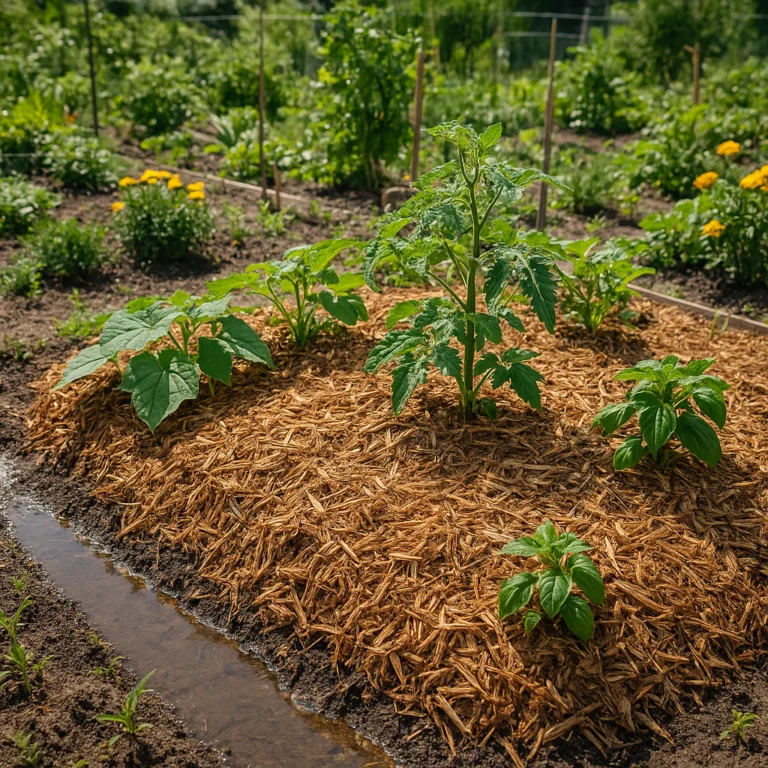
Mulch is your garden’s best friend when it comes to water retention. Think of it as a protective blanket that keeps your soil cool and moist
.
- How it Works: A layer of organic material on the soil surface acts as a barrier, significantly reducing evaporation from the sun and wind. It also suppresses weeds, which compete with your plants for water.
Types of Mulch We Love:
- Wood Chips/Arborist Chips: Excellent for long-term moisture retention and breaking down slowly to enrich the soil. Great for pathways and around perennial plants.
- Straw:
A fantastic, lightweight option for vegetable beds. It’s affordable, easy to apply, and breaks down quickly, adding organic matter. - Compost: Yes, compost can also be used as a mulch! It’
s a double whammy, feeding your soil while conserving water. - Shredded Leaves: Free and plentiful in autumn! They provide great insulation and break down beautifully.
- Application Tip: Aim for a 2
-4 inch layer of mulch around your plants, keeping it a few inches away from stems to prevent rot.
Our Anecdote: “One year, we had a new gardener who was struggling with their zucchini drying out. We suggested
a thick layer of straw mulch. Within a week, their plants looked perkier, and they were watering half as often. It was a simple fix with a huge impact!”
Composting: The Ultimate Soil Builder for Water Retention
Compost isn
‘t just “rotting stuff”; it’s black gold for your garden, especially when it comes to water conservation.
- How it Works: Adding compost to your soil dramatically improves its structure. It creates a
porous, spongy texture that can hold far more water than compacted, lifeless soil. It also provides a slow release of nutrients, leading to healthier, more resilient plants. - Community Garden Compost Rules: Many community gardens, like the
Growing in the Heartland Community Garden, have clear guidelines for compost usage and contribution. Members are often limited to a certain amount per plot (e.g., two wheelbarrow loads per plot per quarter) and are encouraged
to contribute their own organic materials. - What to Compost (and What Not To!):
- ✅ Greens: Weeds (seed-free!), grass clippings, fruit and vegetable scraps, coffee grounds, tea bags
. - ✅ Browns: Leaves, straw, wood chips, shredded paper.
- ❌ Prohibited Items: No non-biodegradable items, meat
, dairy, oily foods, or diseased plants. These must be disposed of in designated trash receptacles. Also, only approved fertilizers are permitted; unapproved products can lead to termination of your plot!
Our Anecdote: “Our communal compost pile is a source of immense pride. We’ve seen plots transformed from hard clay to rich, friable soil just by consistent compost application. The plants are stronger, and
they definitely need less water.”
Drought-Resistant Planting: Choosing Thirsty or Thrifty?
The easiest way to conserve water is to choose plants that don’t demand much of it! Incorporating drought-resistant or
water-wise varieties into your community garden design is a smart move, especially in areas with limited water resources or during dry spells.
- Consider Native Plants: Native plants are naturally adapted to your local climate and rainfall patterns, making
them inherently drought-tolerant. - Embrace Mediterranean Varieties: Many herbs and vegetables from Mediterranean climates (like rosemary, lavender, thyme, and certain types of tomatoes and peppers) are surprisingly resilient to dry conditions once established.
Examples of Edible Drought-Tolerant Plants:
- Herbs: Rosemary, Thyme, Oregano, Sage, Lavender
- Vegetables: Certain varieties of Tomatoes (especially determinate types), Peppers, Eggplant, Okra, Sweet Potatoes, Asparagus
- Fruits: Figs, Pomegranates, Grapes
- Establishment is Key: Even drought-tolerant plants need regular watering during their establishment
phase. Once their root systems are developed, they can often thrive with significantly less water.
For more ideas on what to grow, including a deeper dive into varieties that thrive in various conditions, visit our Edible Plants section.
🤝 Building Consensus: Governance and Water Policies for Community Plots
Ah, the joys of shared spaces! While community gardens are havens of collaboration and
growth, they also require clear guidelines, especially when it comes to a precious resource like water. At Community Gardening™, we’ve seen firsthand how well-defined water policies can prevent conflict, promote fairness, and ensure the long-term sustainability
of the entire garden. It’s all about working together to “Grow Together through Community Gardening” [https://www.community-gardening.org/community-gardening/].
The Importance of Clear Rules
Imagine
45 plots, each 12′ x 24′, all drawing from a shared water source, as is the case at the Growing in the Heartland Community Garden. Without a framework, chaos could ensue
! This is where strong governance and transparent water policies come into play. They ensure that everyone understands their responsibilities and the collective impact of their actions. For more on how to set up effective guidelines, check out our Community Garden Policies section.
Key Water Conservation Rules We Recommend (and Why!)
Based on our experience and insights from successful community gardens like the Highlands Soil & Water Conservation District
‘s initiative, here are some critical water conservation rules to consider for your community garden:
- Strict Watering Times:
- ✅ Early Morning is Prime Time: Watering must occur in the early morning during
summer to minimize evaporation rates. This is non-negotiable for efficiency! - ❌ No Night Watering: Running sprinklers all night is strictly prohibited. It’s wasteful and
can encourage fungal diseases. - ✅ Sprinkler Run Time Limits: Sprinklers must not run for more than 20 minutes at a time. This prevents overwatering and ensures equitable
access to water. - Why it matters: These rules are designed to maximize water absorption by plants and minimize loss to evaporation or runoff.
- Respecting Plot Boundaries:
-
✅ Keep
Water in Your Plot: Water pressure and application must not extend beyond your plot into neighboring areas. While walking paths are acceptable, watering your neighbors’ gardens (unless they’ve asked you to!) is not. -
Why it matters: This prevents disputes and ensures that water is used efficiently within allocated spaces.
- Equipment Requirements and Care:
- ✅ Approved Equipment: Sprinklers and timers are generally
allowed, but garden districts typically do not provide them. This encourages individual responsibility for efficient tools. - ✅ Hose Management: Hoses must be rolled and hung on provided hangers when not in use.
This prevents tripping hazards, prolongs hose life, and keeps the garden tidy. - Why it matters: Proper equipment and its care are essential for preventing leaks and maintaining an organized, safe environment
.
- Compost and Fertilizer Policies:
- ✅ Compost Contribution & Usage: Members should contribute organic materials (weeds, trimmings, leaves, kitchen scraps) to the communal compost. Usage may be limited (e.g., two wheelbarrow loads per plot per quarter) to ensure fair distribution.
- ❌ Prohibited Compost Items: No non-biodegrad
able items are allowed in the composter; these must be disposed of in provided trash receptacles. - ✅ Approved Fertilizers Only: Only fertilizers approved as safe for garden use are permitted. Un
approved products can result in termination of your plot. - Why it matters: These policies ensure the health of the soil, prevent contamination, and promote sustainable practices across the entire garden.
General Maintenance and Conduct:
- ✅ Participate in Work Days: Members must participate in scheduled Garden Work Days for communal maintenance. This often includes upkeep of shared water infrastructure.
❌ No Selling Produce: While surplus produce may be donated to local food banks, selling produce is typically prohibited in community gardens.
- Why it matters: Collective effort maintains the garden’s infrastructure,
including water systems, and reinforces the community-focused mission.
Resolving Conflicts and Building Consensus
What happens when there’s a disagreement about water use? Open communication and a clear dispute resolution process are vital. The Northern Virginia Soil and
Water Conservation District (NVSWCD) emphasizes providing resources and a “workbook” to support gardeners, implying that specific conservation techniques and conflict resolution are detailed within their guidance.
Our advice? Start with education
. Many issues arise from a lack of understanding. Regular workshops on water conservation, shared data on water usage (like the LACGC’s encouragement to “Check below for the monthly usage of your garden!”), and clearly
posted rules can go a long way. Ultimately, building consensus around water policies is about fostering a shared commitment to a thriving, sustainable community garden.
🚰 Troubleshooting Common Leaks and Efficiency Issues in Shared Systems
Even
the best-laid irrigation plans can spring a leak – literally! In a community garden setting, where multiple hands interact with shared water systems, troubleshooting becomes a collective responsibility. At Community Gardening™, we’ve seen our fair share of drips, g
ushes, and mysterious puddles. The good news? Most common issues are easily identifiable and fixable with a little know-how and teamwork.
The Case of the Vanishing Water: Common Culprits
Before you throw your hands up in
despair, let’s identify the usual suspects behind water waste in shared irrigation systems:
- Leaky Connections: This is probably the most frequent offender. Loose fittings, worn-out washers, or improperly tightened connections at sp
igots, hose junctions, or drip line connectors can lead to significant water loss. - Clogged Emitters/Soaker Hoses: Over time, sediment, mineral deposits, or even tiny root intrusions can block drip
emitters or the pores of soaker hoses. This results in uneven watering, with some plants getting too little and others potentially getting too much (if other emitters compensate). - Damaged Hoses/Tubing: Critters chewing
, garden tools nicking, or UV degradation can cause cracks, punctures, or breaks in hoses and drip lines. - Incorrect Water Pressure:
- Too High: Can cause sprayers to mist (leading to evaporation),
blow out connections, or damage delicate drip components. - Too Low: Results in insufficient water delivery, especially at the end of longer lines.
- Malfunctioning Timers/Controllers: A timer with dead
batteries, incorrect programming, or a faulty valve can lead to systems running at the wrong times or for too long. - Sprinkler Head Issues: Broken, tilted, or misaligned sprinkler heads can spray water onto pathways, fences
, or even outside the garden entirely, rather than on your plants. Remember the Highlands SWCD rule about not watering beyond your plot boundaries!
Your Step-by-Step Troubleshooting Guide
Don’t panic!
Grab your detective hat and let’s get to work.
- Observe and Listen:
- Visual Inspection: Walk the entire length of your irrigation system when it’s running. Look for visible puddles, sprays
where they shouldn’t be, or dry patches in normally watered areas. - Listen for Hissing: A faint hiss can indicate a small leak in a hose or connection.
- Check Pressure: Does
the water flow seem weaker than usual? Or is it spraying with excessive force?
- Check Connections (The Tightening Tour):
- Start at the water source (spigot) and systematically check every connection point
. - Tighten any loose fittings by hand. If that doesn’t work, a wrench might be needed, but be careful not to overtighten and strip threads.
- Inspect washers for wear and tear. A
simple replacement washer can fix many leaks. We always keep a stash of Gilmour Heavy Duty Washers on hand for quick fixes. - 👉 CHECK PRICE on: Amazon | Walmart
- Inspect Hoses and Tubing (The Patch-Up Patrol):
- Carefully examine all hoses and drip lines for visible damage.
- For small punctures in drip lines, a d
rip repair coupling (like those from Rain Bird) can be cut into the line to replace the damaged section. - For larger hose leaks, a hose repair kit can splice the hose back together.
- CHECK
PRICE on: - Rain Bird Drip Repair Kit: Amazon
- Orbit Hose Repair Kit: Amazon
Clear Clogs (The Unblocker Mission):
- If drip emitters are clogged, try gently cleaning them with a small brush or a toothpick. Some emitters can be disassembled for cleaning.
- For soaker
hoses, sometimes flushing them by removing the end cap and running water at a higher pressure can dislodge blockages. - Consider installing a filter at the beginning of your drip system if clogs are a recurring problem, especially if using
non-potable water.
- Assess Water Pressure:
- If pressure seems off, check your main water valve. Is it fully open?
- For drip systems, a pressure regulator (often included in drip kits) is essential to maintain optimal pressure. Ensure it’s working correctly.
- If your garden has a shared water source, a sudden drop in pressure might indicate a larger system issue that needs to be reported
to the garden management.
- Timer and Controller Check:
- Verify batteries in digital timers.
- Double-check programming for correct start times, durations, and days.
- If using
a smart controller, check the app for any error messages or connectivity issues.
- Sprinkler Head Adjustment:
- If using sprinklers, ensure heads are upright and adjusted to spray within your plot’s boundaries. Many
sprinkler heads have adjustment screws to control spray pattern and distance.
Our Anecdote: “We had one particularly frustrating mystery leak that only appeared at night. Turns out, a mischievous raccoon was chewing on a drip line when no one was around
! We reinforced the lines with some buried chicken wire, and the problem was solved. Sometimes, troubleshooting requires thinking outside the box… or the garden plot!”
Remember: Regular maintenance is your best defense against leaks and inefficiencies. A quick walk-
through of your system once a week can catch small problems before they become big headaches (and big water bills!).
📈 Measuring Success: Tools for Monitoring Water Usage and Garden Health
How do you know if your water conservation efforts are actually
working? You measure them, of course! At Community Gardening™, we believe that what gets measured, gets managed. Monitoring your water usage and the overall health of your garden isn’t just about data; it’s about understanding, adapting
, and celebrating your successes. It also helps you adhere to any community garden policies, like those mentioned in our Community Garden Policies section.
Why Monitor? The Power of Data
- Optimize Efficiency: Tracking water usage allows you to identify areas of waste and fine-tune your irrigation schedules and methods. Are you using too much water for a specific crop? Is one
plot significantly thirstier than another? - Prevent Problems: Early detection of changes in water usage can signal a leak, a clogged emitter, or even a change in plant health before it becomes a major issue.
- Demon
strate Impact: For community gardens, being able to show tangible water savings can be powerful for grant applications, community engagement, and demonstrating environmental responsibility. Remember the LACGC’s impressive stats on water volume and produce yield? - Educate Gardeners: Providing data helps gardeners understand the direct correlation between their watering habits and the garden’s overall water footprint. The LACGC encourages gardeners to “Check below for the monthly usage of your garden
!” and provides a data chart to analyze rainfall impact.
Essential Tools for Monitoring Your Garden’s Thirst
1
. Water Meters (The Ultimate Scorekeeper):
- Individual Plot Meters: If your community garden has individual spigots for each plot, installing a simple, inexpensive water meter (like the Orbit Hose Faucet Water Meter) can give each gardener precise data on their usage. This fosters accountability and friendly competition!
- Main Line Meters: For shared systems, a main line water meter tracks the total consumption for the entire garden, providing crucial
data for overall management. - 👉 CHECK PRICE on: Amazon
| Walmart
- Soil Moisture Sensors (The Plant Whisperers):
- As discussed
in our irrigation section, soil moisture sensors are invaluable. They tell you exactly how much water is available to your plants in the root zone, preventing both over and under-watering. - Handheld Probes: Simple, affordable
probes (like the Luster Leaf Rapitest Soil Moisture Meter) give instant readings. - Wireless Sensors: More advanced systems (like those from Rachio or Irrometer) can integrate with smart irrigation controllers for automated,
data-driven watering. - 👉 CHECK PRICE on: Amazon | Walmart
3
. Rain Gauges (The Sky’s Contribution):
-
A simple rain gauge (like the Stratus Precision Rain Gauge) in your garden provides accurate local rainfall data. This is crucial for adjusting irrigation schedules and understanding how
much “free” water your garden is receiving. -
Why it’s important: Knowing how much rain has fallen helps you decide if you can skip a watering cycle, saving water and preventing over-saturation.
- Garden Logbooks and Spreadsheets (The Data Diaries):
- Sometimes, the best tools are the simplest! A
dedicated garden logbook or a shared digital spreadsheet can be incredibly powerful. - What to Track:
- Daily/weekly water meter readings.
- Rainfall amounts.
- Watering durations
for different zones/plots. - Observations on plant health (wilting, vigorous growth).
- Harvest yields (to correlate water use with production).
- Our Anecdote: “Our garden manager started a
shared Google Sheet for water tracking. At first, some gardeners were skeptical, but when they saw how their water usage correlated with their harvest numbers, it became a friendly competition to be the most water-efficient and productive!”
Visual Plant Health Assessment (The Gardener’s Eye):
- Don’t underestimate your own powers of observation! A healthy, vibrant plant is often a well-watered (but not over-watered) plant
. - Look for:
- Wilting: A clear sign of thirst, but also can indicate overwatering (root rot). Check the soil moisture!
- Yellowing Leaves: Can
be a sign of nutrient deficiency, but also overwatering. - Vigorous Growth: Healthy plants with good turgor (firmness) are usually getting what they need.
By combining these tools and practices, your
community garden can move beyond guesswork to truly data-driven water conservation. It’s a journey of continuous improvement, and every bit of information helps us grow smarter, together.
🏆 Conclusion

We’ve journeyed from the ancient wisdom of Olla pots to the high-tech precision of smart irrigation controllers, and one thing is crystal clear: water conservation in community gardens isn’t just a nice-to-have; it’s the lifeblood of sustainable food production.
Remember that mystery leak we mentioned earlier? The one caused by a mischievous racoon chewing on a drip line? We solved it by reinforcing the lines with buried chicken wire, proving that sometimes the best solution requires a blend of technology and a little bit of creative problem-solving. But beyond fixing leaks, the real victory lies in the collective shift in mindset. When we look at the data from the LACGC network—where 50 gallons of water yields one pound of produce at a cost of just $0.59 per pound—we see that efficiency is the key to affordability and accessibility.
Whether you are managing a 45-plot garden like the Growing in the Heartland Community Garden or tending to a single raised bed, the principles remain the same:
- Water early to beat the evaporation.
- Mulch heavily to lock in moisture.
- Harvest rain to reduce reliance on municipal supplies.
- Monitor usage to catch inefficiencies before they become crises.
The question we posed at the beginning—how effectively can we do it?—has a resounding answer: We can do it brilliantly. By adopting the strategies outlined in this guide, from smart governance policies to the latest in drip irrigation technology, your community garden can become a model of sustainability. You aren’t just growing tomatoes; you’re cultivating a resilient future where fresh, affordable produce is within everyone’s reach, and every drop counts.
So, grab your watering can (or your smart controller), rally your neighbors, and let’s get growing!
🔗 Recommended Links
Ready to take action? Here are our top picks for products, books, and resources to help you build a water-wise community garden.
🛒 Top Water-Saving Products
- Drip Irrigation Systems:
Rain Bird Drip Irrigation Kit: Amazon | Walmart | Rain Bird Official Website
Orbit Drip Irrigation Kit: Amazon | Orbit Official Website - Smart Controllers:
Rachio 3 Smart Sprinkler Controller: Amazon | Rachio Official Website
Hunter Hydrawise Smart Controller: Amazon | Hunter Industries Official Website - Rain Barels & Accessories:
EarthMinded Rain Barrel: Amazon | EarthMinded Official Website
Good Ideas Rain Wizard Rain Barrel: Amazon | Good Ideas Official Website
Rain Wizard Universal Downspout Diverter: Amazon - Soaker Hoses & Repair Kits:
Gilmour Soaker Hose: Amazon | Gilmour Official Website
Rain Bird Drip Repair Kit: Amazon - Soil Moisture Sensors:
Luster Leaf Rapitest Soil Moisture Meter: Amazon
Rachio Wireless Flow & Soil Moisture Sensor: Amazon - Olla Pots:
GrowOya Terracotta Ollas: Amazon | GrowOya Official Website
📚 Essential Reading
- “The Water-Wise Garden: How to Save Water and Grow a Beautiful Landscape” by Elizabeth Barlow: Amazon
- “Rainwater Harvesting for Drylands and Beyond, Volume 1: Guiding Principles to Welcome Rain into Your Life and Landscape” by Brad Lancaster: Amazon
- “Drought-Resistant Gardening: A Guide to Water-Wise Landscaping” by Carol Depe: Amazon
❓ FAQ

How can educational programs in community gardens encourage water conservation?
Educational programs transform abstract concepts into tangible actions. By hosting workshops on drip irrigation installation, rainwater harvesting, and soil health, gardeners gain the confidence to implement these systems. As seen in the LACGC network, providing data charts and encouraging members to “check monthly usage” fosters a culture of accountability. When gardeners see the direct correlation between their water usage and their harvest yields, they become motivated to optimize their practices. Furthermore, involving youth in designing and maintaining rain catchment systems, as highlighted by experts like Oona Padgett, builds a new generation of environmental stewards who understand that “every drop counts.”
Read more about “What Are the Top 7 Economic Benefits of Community Gardens? 🌿 (2026)”
What role do rainwater harvesting systems play in community garden water conservation?
Rainwater harvesting systems are the cornerstone of sustainable irrigation in community gardens. They provide a free, chemical-free water source that reduces reliance on municipal supplies, which are often energy-intensive to treat and pump. By capturing runoff from roofs and other surfaces, these systems also mitigate stormwater issues, reducing erosion and pollution in local waterways. In regions with distinct wet and dry seasons, such as California’s Mediterranean climate, stored rainwater is often the difference between a thriving garden and a withered one during summer droughts.
How can community members collaborate to reduce water usage in gardens?
Collaboration is key to effective water management. Communities can:
- Establish Clear Policies: Create and enforce rules regarding watering times (e.g., early morning only) and duration limits (e.g., 20-minute sprinkler limits).
- Share Resources: Pool funds to purchase shared infrastructure like large rain barrels, smart controllers, or communal composting systems.
- Organize Work Days: Schedule regular maintenance days to check for leaks, clean filters, and repair irrigation lines together.
- Monitor and Share Data: Use shared spreadsheets or apps to track water usage across plots, fostering friendly competition and collective learning.
- Peer Education: Experienced gardeners can mentor newcomers on efficient watering techniques and plant selection.
Read more about “🌱 How Community Gardens Spark Connection (2026)”
What plants are ideal for water-efficient community gardening?
Choosing the right plants is the most effective long-term strategy for water conservation. Ideal candidates include:
- Native Plants: Adapted to local rainfall patterns and soil conditions.
- Mediterranean Herbs: Rosemary, thyme, oregano, sage, and lavender are naturally drought-tolerant once established.
- Drought-Resistant Vegetables: Certain varieties of tomatoes (especially determinate types), peppers, eggplant, okra, sweet potatoes, and asparagus.
- Fruits: Figs, pomegranates, and grapes.
- Note: Even drought-tolerant plants require regular watering during their establishment phase.
Read more about “🌱 12 Steps to Inclusive Community Garden Design (2026)”
How does water conservation in community gardens benefit the environment?
Water conservation in community gardens offers multifaceted environmental benefits:
- Reduced Strain on Municipal Supplies: Lowering demand helps preserve local aquifers and stream flows, protecting aquatic ecosystems.
- Lower Carbon Footprint: Treating and pumping municipal water requires significant energy. Using rainwater or reducing usage directly cuts greenhouse gas emissions.
- Improved Soil Health: Efficient watering practices, combined with mulching and composting, enhance soil structure and biodiversity.
- Reduced Runoff: Capturing rainwater prevents it from carrying pollutants into storm drains and local waterways.
Read more about “🌧️ 12 Ways Community Gardens Master Stormwater (2026)”
What are the best water-saving techniques for community gardens?
The most effective techniques include:
- Drip Irrigation: Delivers water directly to roots, minimizing evaporation.
- Mulching: A 2-4 inch layer of organic mulch retains soil moisture and suppresses weeds.
- Rainwater Harvesting: Collecting and storing rainwater for irrigation.
- Smart Scheduling: Watering in the early morning to reduce evaporation and using smart controllers to adjust for weather.
- Soil Amendment: Adding compost to improve soil water-holding capacity.
- Plant Selection: Choosing drought-tolerant and native varieties.
Read more about “Community Gardening Uncovered: 7 Secrets to Grow Together 🌱 (2026)”
How can community gardens promote water conservation practices?
Gardens can promote conservation by:
- Visible Infrastructure: Installing rain barrels and drip systems in prominent areas to serve as educational displays.
- Signage: Posting clear rules and tips about watering times and techniques.
- Workshops: Hosting regular training sessions on water-efficient gardening.
- Data Sharing: Publishing water usage statistics and success stories to inspire action.
- Incentives: Recognizing plots that demonstrate exceptional water efficiency.
Read more about “7 Game-Changing Tips for Community Garden Waste Reduction ♻️ (2026)”
How can community gardens implement rainwater harvesting systems?
Implementation involves:
- Assessment: Identifying suitable downspouts and calculating potential catchment area.
- Selection: Choosing appropriate barrels or tanks based on space and water needs.
- Installation: Placing barrels on stable, elevated bases, connecting them to downspouts with diverters, and ensuring overflow management.
- Maintenance: Regularly cleaning screens, checking for leaks, and ensuring the system is mosquito-proof.
- Integration: Connecting barrels to drip irrigation systems or using them for hand watering.
What are the best drought-resistant plants for community gardens?
The best drought-resistant plants are those native to your specific region, but generally include:
- Herbs: Rosemary, thyme, oregano, sage, lavender, and chives.
- Vegetables: Tomatoes (determinate varieties), peppers, eggplant, okra, sweet potatoes, and Swiss chard.
- Fruits: Figs, pomegranates, and certain grape varieties.
- Flowers: Lavender, sedum, yarrow, and coneflowers (great for pollinators).
Read more about “Do Community Gardens Save Money? 20 Proven Ways to Cut Costs in 2026 🌿”
How do you design a community garden to minimize water usage?
Design strategies include:
- Zoning: Grouping plants with similar water needs together (hydrozoning).
- Soil Preparation: Amending soil with compost to increase water retention.
- Layout: Orienting beds to maximize shade during the hottest part of the day and minimize wind exposure.
- Infrastructure: Integrating rainwater harvesting and drip irrigation systems into the initial design.
- Pathways: Using permeable materials or mulch to reduce evaporation from bare soil.
What are effective mulching techniques for community garden beds?
Effective mulching involves:
- Material Choice: Using wood chips for pathways, straw for vegetable beds, or compost for a nutrient boost.
- Application Depth: Applying a 2-4 inch layer to effectively suppress weeds and retain moisture.
- Placement: Keeping mulch a few inches away from plant stems to prevent rot.
- Timing: Applying mulch in spring after the soil has warmed up.
Read more about “How Can We Keep Community Gardens Sustainable? 9 Expert Tips (2026) 🌿”
How can neighbors collaborate to share water resources in a garden?
Neighbors can collaborate by:
- Shared Infrastructure: Installing communal rain barrels or large storage tanks.
- Water Sharing Agreements: Establishing protocols for sharing water during droughts or emergencies.
- Joint Purchasing: Buying irrigation supplies in bulk to reduce costs.
- Maintenance Teams: Forming groups responsible for checking and repairing shared water lines.
Read more about “🌱 8 Steps to Neighborhood Revitalization Through Gardening (2026)”
What irrigation systems are most efficient for small community plots?
For small plots, drip irrigation and soaker hoses are the most efficient. They deliver water directly to the root zone, minimizing evaporation and runoff. Olla pots are also excellent for individual plants in small spaces. Smart timers can further enhance efficiency by automating schedules based on weather conditions.
Read more about “🤖 7 Ways AI Revolutionizes Community Garden Management (2026)”
How do local regulations affect water conservation in community gardens?
Local regulations often dictate:
- Watering Restrictions: Specific days or times when watering is allowed (e.g., early morning only).
- Equipment Standards: Requirements for efficient irrigation systems or restrictions on certain types of sprinklers.
- Water Usage Limits: Caps on total water consumption for the garden.
- Permiting: Requirements for installing rainwater harvesting systems or large storage tanks.
Adhering to these regulations ensures compliance and often provides access to rebates or incentives for water-efficient practices.
Read more about “🌱 Community Garden Rules: 12 Essential Laws You Must Know (2026)”
📚 Reference Links
- Highlands Soil & Water Conservation District: Growing in the Heartland Community Garden
- Los Angeles Community Garden Council (LACGC): Water Usage Data & Impact
- Northern Virginia Soil and Water Conservation District: Community Garden Guide
- Rain Bird: Drip Irrigation Products
- Orbit: Drip Irrigation & Timers
- Rachio: Smart Sprinkler Controllers
- Hunter Industries: Hydrawise Smart Controllers
- Good Ideas: Rain Barels & Accessories
- EarthMinded: Rain Barels
- GrowOya: Olla Pots
- Gilmour: Soaker Hoses & Nozzles
- Irometer: Soil Moisture Sensors
- Luster Leaf: Soil Test Kits
- Stratus: Rain Gauges