Support our educational content for free when you purchase through links on our site. Learn more

Ever tried watering a cactus and a fern with the same hose, only to watch one drown and the other turn to dust? We’ve all been there. At Community Gardening™, we’ve seen countless gardens struggle because they treat every plant like it has the exact same thirst. But what if you could slash your water bill by half while making your plants happier and healthier? That’s the magic of hydrozoning techniques for water-wise gardens.
In this guide, we’re ditching the “one-size-fits-all” approach for a smarter, strategic method that groups plants by their actual water needs. We’ll walk you through mapping your microclimates, selecting the perfect drought-tolerant natives, and designing irrigation systems that actually work. Plus, stick around for our exclusive list of the Top 10 Drought-Tolerant Plants that will make your low-water zones look lush without the guilt. Ready to stop guessing and start growing? Let’s dive in.
Key Takeaways
- Master the Art of Grouping: Hydrozoning separates plants into high, medium, and low-water zones, eliminating the waste of overwatering drought-tolerant species.
- Soil & Sun are King: Successful zoning starts with a deep understanding of your soil texture and microclimates, not just plant labels.
- Smart Irrigation is Non-Negotiable: Pair your zones with drip irrigation and smart controllers to deliver the exact amount of water each group needs.
- Native Plants Win: Prioritize native and drought-tolerant plants in your low-water zones to create a resilient, self-sustaining landscape.
- Mulch is Your Best Friend: A 2–4 inch layer of organic mulch is essential for locking in moisture and suppressing water-hungry weeds.
Table of Contents
- ⚡️ Quick Tips and Facts
- 🌱 The Roots of the Matter: A Brief History of Hydrozoning
- 💧 Why Hydrozoning is the Secret Sauce for Water-Wise Gardens
- 🗺️ Step 1: Conducting a Thorough Site Assessment and Soil Analysis
- 🌡️ Step 2: Mapping Microclimates and Sun Exposure Patterns
- 🌿 Step 3: Categorizing Plants by Water Needs and Root Depth
- 🚰 Step 4: Designing Efficient Irrigation Zones for Drip and Spray Systems
- 🪴 Step 5: Selecting the Right Drought-Tolerant and Native Plants
- 🧱 Step 6: Applying Strategic Mulching to Lock in Moisture
- 🌧️ Step 7: Implementing Smart Rainwater Harvesting and Greywater Systems
- 🛠️ Step 8: Maintaining Your Hydrozoned Landscape for Long-Term Success
- 🚫 Common Hydrozoning Mistakes to Avoid Like the Plague
- 📊 Hydrozoning vs. Traditional Watering: A Cost and Efficiency Breakdown
- 🌵 Top 10 Drought-Tolerant Plants Perfect for Low-Water Zones
- 🌧️ Top 10 Moisture-Loving Plants for Your High-Water Zones
- 🤔 Frequently Asked Questions About Hydrozoning Techniques
- 🔗 Recommended Links and Tools for Water-Wise Gardening
- 📚 Reference Links and Scientific Sources
- 🏁 Conclusion: Growing a Grener Future, One Zone at a Time
⚡️ Quick Tips and Facts
Before we dive into the nitty-gritty of turning your garden into a water-saving powerhouse, let’s hit the fast-forward button with some golden nugets of wisdom from our team at Community Gardening™. We’ve seen gardens flourish and wither, and the difference often comes down to one simple concept: Hydrozoning.
- The Golden Rule: Never mix a thirsty rose with a drought-tolerant sage. It’s like forcing a cactus to swim with a goldfish; one will drown, and the other will dry out.
- Water Savings: Proper hydrozoning can reduce your outdoor water usage by up to 50%. That’s half the bill, half the waste, and double the braging rights!
- Soil is King: Even the best plants will fail if the soil is compacted. A simple soil probe test can tell you more about your garden’s needs than a crystal ball.
- Mulch is Magic: A 2-to-4-inch layer of organic mulch isn’t just pretty; it’s a moisture shield that keeps roots cool and evaporation at bay.
- Smart Tech: If you’re still watering on a timer regardless of the rain, you’re wasting money. Smart irrigation controllers adjust based on local weather data.
Did you know? The concept of grouping plants by water needs isn’t new. It’s been a cornerstone of Xeriscape principles since the 1980s, yet many of us still treat our gardens like a “one-size-fits-all” watering can situation. Why? Because we haven’t taken the time to map our microclimates!
Ready to stop guessing and start growing? Let’s dig deeper into the history and science behind this game-changing technique.
🌱 The Roots of the Matter: A Brief History of Hydrozoning
You might think hydrozoning is a trendy buzzword from the latest gardening app, but its roots go much deeper. The term itself is a marriage of “hydro” (water) and “zoning” (dividing into areas), but the philosophy is as old as agriculture itself.
From Ancient Wisdom to Modern Science
Long before we had smart sprinklers or drip irrigation systems, ancient civilizations in arid regions like the Middle East and the American Southwest practiced a form of hydrozoning. They understood that native plants were adapted to local rainfall patterns and grouped them accordingly.
However, the modern formalization of this technique really took off in the 1980s with the Xeriscape movement. Pionered in Colorado by the Denver Water Department, Xeriscape was a response to severe droughts. The goal? To create beautiful landscapes that didn’t require a river’s worth of water.
“Beautiful, water saving gardens are not accidents.” — Colorado State University Extension
The movement popularized the idea that landscape design should work with the climate, not against it. This led to the seven principles of Xeriscape, with hydrozoning being the third and perhaps most critical step.
Why It Matters Now More Than Ever
With climate change causing more frequent and severe droughts across the globe, hydrozoning has moved from a “nice-to-have” to a necessity. In places like California, Colorado, and the Southwest, water restrictions are becoming the norm.
At Community Gardening™, we’ve seen how community gardens can become models of sustainability when they adopt these principles. By grouping plants with similar needs, we not only save water but also create a more resilient ecosystem that supports local pollinators and wildlife.
If you’re curious about how community gardening fosters these sustainable practices, check out our article on the Benefits of Community Gardens.
💧 Why Hydrozoning is the Secret Sauce for Water-Wise Gardens
So, why are we so obsessed with hydrozoning? Is it just a fancy way of saying “group your plants”? Not quite. It’s a strategic approach that transforms your garden from a water-guzzling liability into a thriving, self-sustaining ecosystem.
The Problem with “One-Size-Fits-All” Watering
Imagine you have a garden bed with lavender (a drought lover) and ferns (a moisture lover). If you water the whole bed to satisfy the ferns, the lavender’s roots will rot. If you water sparingly for the lavender, the ferns will turn into crispy brown confetti.
This is the classic overwatering/underwatering paradox. Traditional irrigation systems often treat the entire yard as a single zone, leading to:
- Wasted Water: Watering plants that don’t need it.
- Plant Stress: Plants that are either drowning or parched.
- Higher Bills: Paying for water you don’t need.
The Hydrozoning Solution
Hydrozoning solves this by creating distinct irigation zones based on plant water needs.
- High-Water Zones: For thirsty plants like vegetables, lawns, and flowering annuals.
- Medium-Water Zones: For established shrubs and perennials that need occasional deep watering.
- Low-Water Zones: For native, drought-tolerant plants that thrive on rainfall alone.
By separating these zones, you can apply the exact amount of water each group needs, no more, no less. It’s like giving your plants a tailored diet instead of a buffet.
Pro Tip: As noted by Rogers Gardens, “That’s the power of hydrozoning!” It ensures that water is applied only where needed, eliminating waste while maintaining curb appeal.
🗺️ Step 1: Conducting a Thorough Site Assessment and Soil Analysis
You wouldn’t build a house without checking the foundation, right? The same applies to your garden. Before you start moving plants or digging holes, you need to understand your site conditions.
Mapping Your Garden’s Topography
Start by walking your garden with a notebook (or a tablet). Look for:
- Slopes: Water runs downhill. A steep slope might need terracing or specific plant choices to prevent erosion.
- Low Spots: These areas collect water and can lead to root rot if not managed.
- Sun Exposure: Note where the sun hits hardest and where shade lingers.
The Soil Test: Your Garden’s DNA
Soil texture is the single most important factor in determining how much water your plants need.
- Sandy Soil: Drains quickly, needs frequent, light watering.
- Clay Soil: Holds water longer, needs less frequent, deep watering.
- Loam: The goldilocks of soils, holding moisture well but draining excess.
How to Test Your Soil:
- The Squeeze Test: Grab a handful of damp soil. If it crumbles easily, it’s sandy. If it holds its shape but cracks when poked, it’s clay. If it holds shape and feels smooth, it’s loam.
- The Jar Test: Fill a jar with soil and water, shake it, and let it settle. The layers will reveal your soil composition.
For a deeper dive into soil health, check out our guide on Climate Adaptation in Gardening.
🌡️ Step 2: Mapping Microclimates and Sun Exposure Patterns
Your garden isn’t just one big block of sun and shade. It’s a mosaic of microclimates. A south-facing wall might be 10 degrees hotter than a north-facing corner. A spot under a large oak tree might stay cool and moist all day.
Identifying Microclimates
- Heat Sinks: Areas near brick walls, driveways, or patios that absorb and radiate heat. These are perfect for heat-loving, drought-tolerant plants.
- Cold Pockets: Low-lying areas where cold air settles. Avoid planting frost-sensitive plants here.
- Wind Tunnels: Areas exposed to prevailing winds that dry out soil quickly. These need windbreaks or hardy plants.
The Sun Map
Create a simple map of your garden and mark:
- Full Sun: 6+ hours of direct sun.
- Partial Shade: 3-6 hours of sun.
- Full Shade: Less than 3 hours of sun.
Why it matters: A plant that needs full sun will struggle in a shady microclimate, and vice versa. Grouping plants by their light requirements is just as important as grouping them by water needs.
🌿 Step 3: Categorizing Plants by Water Needs and Root Depth
Now comes the fun part: sorting your plants! This is where the magic of hydrozoning happens.
The Three Hydrozones
- Routine Irrigation (High Water):
Frequency: Every 2-4 days.
Plants: Lawns, vegetables, annual flowers, tropicals.
Root Depth: Generally shallow, requiring frequent moisture. - Reduced Irrigation (Medium Water):
Frequency: Every 4-14 days.
Plants: Established shrubs, perennials, some fruit trees.
Root Depth: Moderate, can access deeper soil moisture. - Limited/Non-Irrigation (Low Water):
Frequency: Only during extreme drought or not at all.
Plants: Native plants, succulents, xeric perennials.
Root Depth: Deep, extensive root systems that tap into groundwater.
The Root Depth Factor
Don’t just look at the leaves; look at the roots!
- Shallow-rooted plants (like lettuce) need frequent, shallow watering.
- Deep-rooted plants (like lavender) need infrequent, deep watering to encourage root growth.
Mixing shallow and deep-rooted plants in the same zone can lead to inefficient watering. If you water deeply for the deep roots, you might drown the shallow ones. If you water shallowly for the shallow ones, the deep ones will never get a drink.
Fun Fact: According to Sunset Magazine, grouping plants by water needs allows for targeted watering, preventing the over-watering of drought-tolerant species and under-watering of thirsty plants.
🚰 Step 4: Designing Efficient Irrigation Zones for Drip and Spray Systems
Once you’ve categorized your plants, it’s time to design your irigation system. The goal is to match the delivery method to the plant needs.
Drip Irrigation: The Gold Standard for Hydrozoning
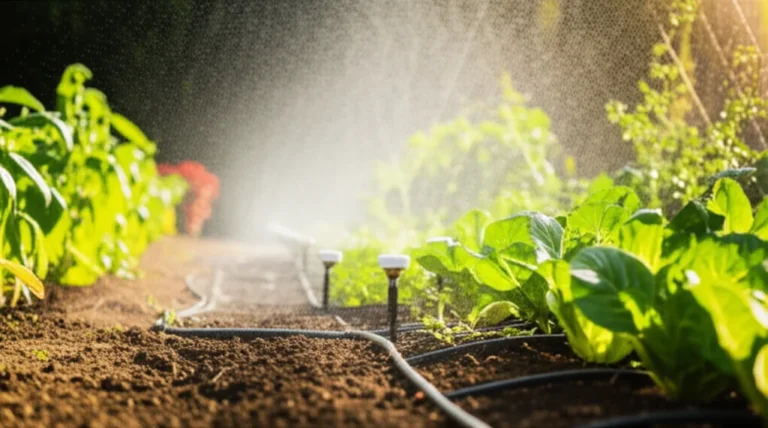
Drip systems deliver water directly to the soil, minimizing evaporation and runoff. They are perfect for low and medium water zones.
- Benefits: High efficiency, reduces weed growth, prevents fungal diseases.
- Best For: Shrubs, perennials, vegetable gardens.
Spray and Rotor Heads: For Lawns and Large Areas
Spray heads are great for high water zones like lawns, but they must be designed carefully to avoid overspray onto low-water zones.
- Head-to-Head Coverage: Ensure sprinkler heads overlap so there are no dry spots.
- Pressure Management: Keep pressure between 30-40 psi to prevent misting and waste.
Smart Controllers: The Brain of the Operation
Invest in a smart irrigation controller like those from Rain Bird or Hunter. These devices use local weather data to adjust watering schedules automatically.
- Rain Sensors: Skip watering if it rains.
- Soil Moisture Sensors: Water only when the soil is dry.
Product Spotlight:
- Rain Bird ST8I Smart Indoor Controller: Rain Bird Official | Amazon
- Hunter Hydrawise Controller: Hunter Industries | Amazon
🪴 Step 5: Selecting the Right Drought-Tolerant and Native Plants
Choosing the right plants is half the battle. Native plants are naturally adapted to your local climate and require less water once established.
How to Choose
- Check Local Resources: Use databases like CalFlowers or Native Plant Society to find plants suited to your region.
- Look for Xeric Labels: Many nurseries now label plants as “drought-tolerant” or “xeric.”
- Consider Seasonality: Choose plants that bloom at different times to ensure year-round interest.
The “Thirsty” vs. “Thirsty” Trap
Avoid mixing thirsty plants (like roses) with drought-tolerant plants (like rosemary). As Coastside Water suggests, manage these separately to optimize water usage.
Top Picks for Low-Water Zones:
- Lavender: Aromatic, drought-tolerant, and pollinator-friendly.
- Sedum: Succulent, low-maintenance, and available in many varieties.
- Ceanothus: A native shrub that thrives on neglect.
🧱 Step 6: Applying Strategic Mulching to Lock in Moisture
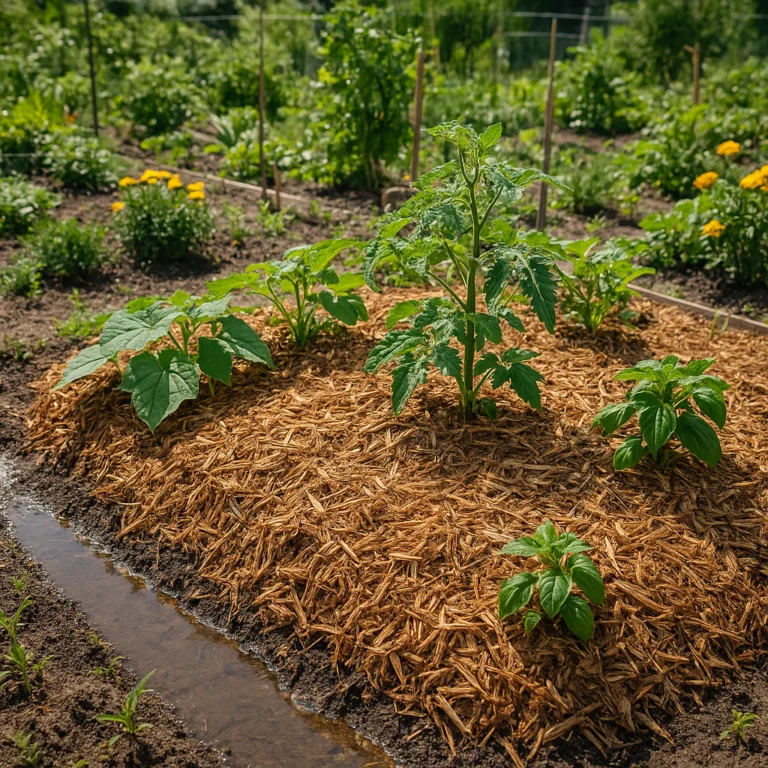
Mulch is the unsung hero of water-wise gardening. It acts as a blanket, keeping the soil cool and preventing evaporation.
Types of Mulch
- Organic Mulch: Wood chips, bark, straw. Breaks down over time, adding nutrients to the soil.
- Inorganic Mulch: Gravel, rocks. Long-lasting, reflects heat, but doesn’t add nutrients.
Application Tips
- Depth: Apply 2-4 inches of organic mulch.
- Distance: Keep mulch a few inches away from plant stems to prevent rot.
- Wed Control: Mulch suppresses weeds, which compete for water.
Expert Insight: As mentioned in the Bay-Friendly Landscaping Guide, mulch minimizes soil erosion, controls weeds, and conserves water.
🌧️ Step 7: Implementing Smart Rainwater Harvesting and Greywater Systems
Why rely solely on the tap? Rainwater harvesting and greywater systems can supplement your irrigation needs.
Rainwater Harvesting
- Rain Barels: Simple and effective for small gardens.
- Cisterns: Larger systems for capturing runoff from roofs.
Greywater Systems
- Definition: Reusing water from sinks, showers, and laundry (not toilets!).
- Benefits: Reduces demand on municipal water.
- Caution: Check local regulations before installing a greywater system.
🛠️ Step 8: Maintaining Your Hydrozoned Landscape for Long-Term Success
Hydrozoning isn’t a “set it and forget it” project. Regular maintenance is key to keeping your zones efficient.
Maintenance Checklist
- Check for Leaks: Inspect drip lines and sprinklers regularly.
- Adjust Schedules: Change watering times based on the season.
- Prune and Weed: Remove dead growth and weeds that compete for water.
- Monitor Soil Moisture: Use a soil probe to ensure you’re not over or under-watering.
🚫 Common Hydrozoning Mistakes to Avoid Like the Plague
Even the best gardeners make mistakes. Here are the most common pitfalls to avoid:
- Mixing Zones: Putting a fern next to a cactus.
- Ignoring Microclimates: Planting a sun-lover in the shade.
- Over-Mulching: Piling mulch against plant stems (volcano mulching).
- Poor Soil Prep: Not amending soil before planting.
- Ignoring Establishment Periods: New plants need more water than established ones.
Remember: As the City of Lakewood video emphasizes, xeric plants “don’t like a lot of coddling.” Overwatering during the establishment phase can be just as harmful as underwatering.
📊 Hydrozoning vs. Traditional Watering: A Cost and Efficiency Breakdown
Let’s look at the numbers. How does hydrozoning stack up against traditional watering?
| Feature | Traditional Watering | Hydrozoning |
|---|---|---|
| Water Usage | High (often 50% waste) | Low (targeted delivery) |
| Plant Health | Inconsistent (drowning/drying) | Optimal (tailored needs) |
| Maintenance | High (constant adjustments) | Low (once established) |
| Cost | High water bills | Lower bills, higher initial setup |
| Environmental Impact | High waste | Sustainable |
Verdict: While hydrozoning may require more upfront planning and investment, the long-term savings in water and maintenance make it a no-brainer.
🌵 Top 10 Drought-Tolerant Plants Perfect for Low-Water Zones
Ready to fill your low-water zones? Here are our top picks:
- Lavender (Lavandula): Aromatic and beautiful.
- Sedum (Stonecrop): Succulent and hardy.
- Ceanothus (California Lilac): Native shrub with blue flowers.
- Yucca: Dramatic and drought-tolerant.
- Salvia (Sage): Colorful and pollinator-friendly.
- Agave: Architectural and low-maintenance.
- Ornamental Grasses: Add texture and movement.
- Manzanita: Native shrub with red bark.
- Cistus (Rock Rose): Drought-tolerant flowering shrub.
- Echinacea (Coneflower): Native perennial with vibrant blooms.
🌧️ Top 10 Moisture-Loving Plants for Your High-Water Zones
Don’t forget the thirsty plants! Here are some great options for your high-water zones:
- Roses: Classic and beautiful, but need regular water.
- Ferns: Love shade and moisture.
- Hostas: Perfect for shady, moist areas.
- Hydrangeas: Big blooms that need consistent water.
- Azaleas: Acid-loving shrubs that thrive in moist soil.
- Camellias: Evergreen shrubs with stunning flowers.
- Vegetables: Most veggies need regular watering.
- Annual Flowers: Petunias, marigolds, etc.
- Tropical Plants: Banas, hibiscus, etc.
- Lawns: Kentucky bluegrass or fescue.
🤔 Frequently Asked Questions About Hydrozoning Techniques
How does hydrozoning help community gardens save water?
Hydrozoning allows community gardens to group plants with similar water needs, ensuring that water is applied only where necessary. This eliminates the waste of overwatering drought-tolerant plants and reduces the overall water consumption of the garden.
What are the best plants for each hydrozone in a shared garden?
- Low-Water: Native grasses, succulents, lavender, and sage.
- Medium-Water: Established shrubs, perennials, and fruit trees.
- High-Water: Vegetables, annual flowers, and lawns.
Can hydrozoning reduce maintenance costs for community gardening groups?
Yes! By reducing water usage and minimizing plant stress, hydrozoning lowers water bills and reduces the need for plant replacements and repairs.
How do I create a hydrozone map for a group garden project?
Start with a site assessment to identify microclimates and soil types. Then, categorize plants by water needs and map them into distinct zones. Use a simple sketch or digital tool to visualize the layout.
What tools are needed to implement hydrozoning in a community garden?
- Soil Probe: To test soil moisture.
- Mulch: To retain moisture.
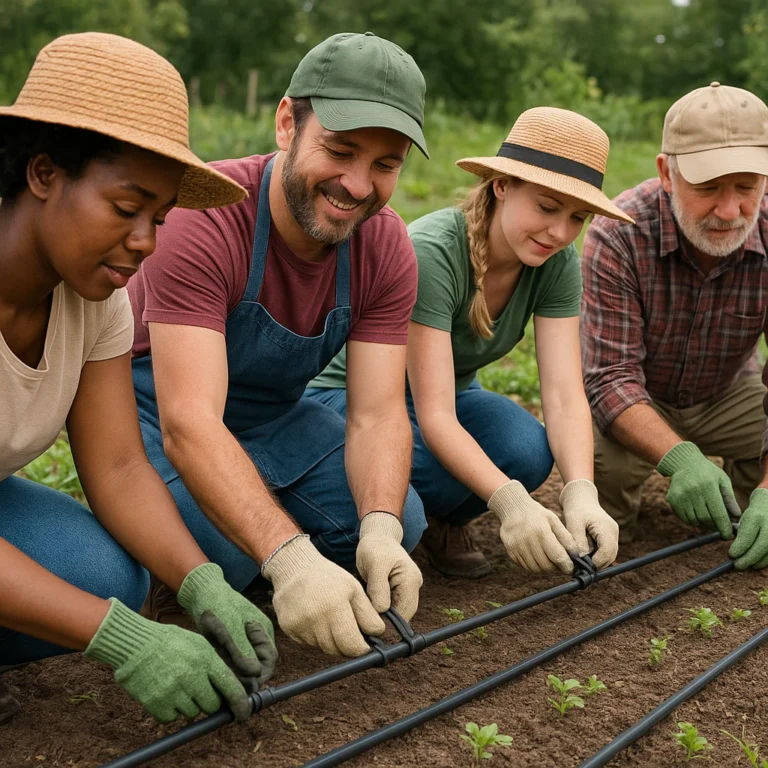
- Drip Irrigation System: For efficient watering.
- Smart Controller: To automate watering schedules.
- Rain Barels: For rainwater harvesting.
How does hydrozoning improve plant health in water-wise community gardens?
By providing the right amount of water to each plant, hydrozoning prevents root rot and drought stress, leading to healthier, more resilient plants.
Are there grants available for water-wise hydrozoning in community gardens?
Yes! Many local water districts and environmental organizations offer grants and rebates for water-wise landscaping projects. Check with your local extension office or water authority for opportunities.
Conclusion: Growing a Grener Future, One Zone at a Time
So, there you have it! Hydrozoning isn’t just a gardening technique; it’s a lifestyle change that benefits your wallet, your plants, and the planet. By grouping plants with similar water needs, you create a garden that thrives with less effort and less water.
We’ve covered everything from the history of hydrozoning to the nitty-gritty of soil testing, plant selection, and irrigation design. Remember, the key to success is planning and patience. Don’t rush the process; take the time to understand your garden’s unique microclimates and soil conditions.
And don’t forget the establishment period! As the City of Lakewood video highlighted, even xeric plants need a good start. Give them the water they need for the first six months, and then let them find their own way.
Final Thought: “Beautiful gardens do not require irrigation beyond the establishment phase.” — Colorado State University Extension
Ready to transform your garden? Start by mapping your zones today, and watch your garden bloom with less water and more life!
🔗 Recommended Links and Tools for Water-Wise Gardening
👉 Shop Drip Irrigation Systems on:
- Rain Bird Drip Kit: Amazon | Rain Bird Official
- Orbit Drip System: Amazon | Orbit Official
👉 Shop Smart Controllers on:
- Rain Bird ST8I: Amazon | Rain Bird Official
- Hunter Hydrawise: Amazon | Hunter Industries
👉 Shop Mulch on:
- Organic Wood Chips: Amazon | Home Depot
- Inorganic Gravel: Amazon | Lowe’s
Books on Water-Wise Gardening:
- “Water-Wise Gardening for California” by Sunset Magazine: Amazon
- “The Xeriscape Garden” by Robert Kourik: Amazon
📚 Reference Links and Scientific Sources
- Colorado State University Extension: Water-Wise Landscape Design: Steps
- Rogers Gardens: Water Conservation Techniques
- Coastside Water: Water Wise Gardening
- City of Lakewood: Xeriscape Gardening Resources
- Sunset Magazine: How to Water Your Garden
- Bay-Friendly Landscaping: A Bay-Friendly Landscaping Guide to Mulch
- Native Plant Society: Plant Database
❓ FAQ

How does hydrozoning help community gardens save water?
Hydrozoning allows community gardens to group plants with similar water needs, ensuring that water is applied only where necessary. This eliminates the waste of overwatering drought-tolerant plants and reduces the overall water consumption of the garden.
Read more about “🌱 10 Sustainable Gardening Practices for a Grener 2026”
What are the best plants for each hydrozone in a shared garden?
- Low-Water: Native grasses, succulents, lavender, and sage.
- Medium-Water: Established shrubs, perennials, and fruit trees.
- High-Water: Vegetables, annual flowers, and lawns.
Can hydrozoning reduce maintenance costs for community gardening groups?
Yes! By reducing water usage and minimizing plant stress, hydrozoning lowers water bills and reduces the need for plant replacements and repairs.
Read more about “🌱 10 Essential Skills for Sustainable Living Workshops in Gardens (2026)”
How do I create a hydrozone map for a group garden project?
Start with a site assessment to identify microclimates and soil types. Then, categorize plants by water needs and map them into distinct zones. Use a simple sketch or digital tool to visualize the layout.
What tools are needed to implement hydrozoning in a community garden?
- Soil Probe: To test soil moisture.
- Mulch: To retain moisture.
- Drip Irrigation System: For efficient watering.
- Smart Controller: To automate watering schedules.
- Rain Barels: For rainwater harvesting.
Read more about “💧 12 Water-Saving Secrets for Thriving Community Gardens (2026)”
How does hydrozoning improve plant health in water-wise community gardens?
By providing the right amount of water to each plant, hydrozoning prevents root rot and drought stress, leading to healthier, more resilient plants.
Read more about “🌵 15 Drought-Tolerant Plants for Community Gardens (2026)”
Are there grants available for water-wise hydrozoning in community gardens?
Yes! Many local water districts and environmental organizations offer grants and rebates for water-wise landscaping projects. Check with your local extension office or water authority for opportunities.