Support our educational content for free when you purchase through links on our site. Learn more

The absolute best plants for community gardens are low-maintenance, high-yield crops like cherry tomatoes, kale, Swiss chard, and root vegetables that thrive even when you can’t visit daily. If you’ve ever wondered what plants grow best in community gardens, the answer isn’t just about soil quality; it’s about choosing varieties that can withstand the “set it and forget it” reality of shared plots.
Imagine arriving at your plot after a busy week, only to find your prize-winning zucchini has turned into a wody, baseball-bat-sized monster because you missed the harvest window. It happens more often than you think! In fact, studies show that theft is a leading cause of frustration in urban gardens, which is why savvy gardeners opt for less obvious crops like Green Zebra tomatoes or fast-maturing radishes.
“I used to lose half my harvest to pests and neighbors before I switched to resilient varieties. Now, my plot is the envy of the block!” — Megan, Community Gardening™ Lead Gardener
With over 30 community gardens in Washington, D.C. alone and waitlists stretching for months, the demand for fresh, shared food is skyrocketing. But success hinges on picking the right green friends.
Key Takeaways
- Choose Resilient Crops: Opt for cherry tomatoes, kale, and root vegetables that tolerate irregular watering and harvesting.
- Avoid High-Maintenance Plants: Ster clear of zucchini and basil if you can’t visit daily, as they spoil or bolt quickly.
- Prevent Theft: Select less obvious varieties like Green Zebra tomatoes or amaranth to reduce the risk of pilfering.
- Maximize Space: Use vertical trellising for vining crops to save precious square footage in small plots.
- Build Community: Share your harvest and knowledge to create a supportive network that ensures long-term success.
Table of Contents
- ⚡️ Quick Tips and Facts
- 📜 From Monoculture to Melting Pot: The History of Community Gardening
- 🌱 What Plants Grow Best in Community Gardens? The Ultimate Guide
- 1. 🥬 Leafy Greens: The Fast-Growing Crowd Favorites
- 2. 🍅 Tomatoes: The High-Yield Stars of the Show
- 3. 🥕 Root Vegetables: Diging Deep for Success
- 4. 🌽 Corn, Beans, and Squash: The Three Sisters Alliance
- 5. 🌿 Herbs and Edible Flowers: Flavor and Pollinator Power
- 6. 🍓 Beries and Perennials: Long-Term Community Investments
- 🧭 How to Choose the Right Plants for Your Specific Plot
- Matching Plant Needs to Your Garden’s Microclimates
- Dealing with Shady Spots and Full Sun Zones
- Soil Health: Testing and Amending for Shared Success
- 🤝 Collaborative Growing: Managing Shared Crops and Harvests
- Setting Up a Fair Harvest Sharing System
- Avoiding the “Free Rider” Problem in Communal Beds
- Cordinating Planting Schedules to Prevent Overcrowding
- 🐛 Pest and Disease Management in High-Density Plots
- Organic Solutions for Common Community Garden Pests
- Preventing Disease Spread Across Adjacent Plots
- 🌦️ Seasonal Planning: What to Plant When for Year-Round Yields
- 🛠️ Essential Tools and Resources for New Community Gardeners
- 👋 Hi! I’m Megan: Why I Stopped Gardening Alone and Joined the Tribe
- 🏆 Conclusion
- 🔗 Recommended Links
- ❓ FAQ: Your Burning Questions About Community Garden Plants Answered
- 📚 Reference Links
⚡️ Quick Tips and Facts
Before we dig our hands into the soil, let’s hit the fast-forward button on the most critical rules of community gardening. If you remember nothing else from this article, remember these golden nugets:
- The “Once-a-Week” Rule: Most successful community gardeners visit their plots only once or twice a week. If a plant needs daily TLC, it’s probably the wrong plant for this lifestyle.
- Theft is Real: Yes, people steal tomatoes. Cherry tomatoes and Green Zebra varieties are less likely to be pilfered because they ripen quickly or look “unripe” to the untrained eye.
- Mint is the Enemy: Do NOT plant mint in a shared bed. It spreads like wildfire and will take over your neighbor’s plot. Grow it in a pot, period.
- Vertical is Vital: In small 4×4 or 4×8 plots, trellising is your best friend. It saves space and keeps fruit off the dirty ground.
- Mulch or Perish: A 2-inch layer of straw mulch can cut your watering needs in half. Without it, you’ll be watering daily; with it, twice a week is often enough.
Did you know? In Washington, D.C. alone, there are over 30 community gardens with roughly 1,20 plots, and some have waitlists of 45 people! The demand for fresh, shared food is higher than ever. Learn more about the benefits of community gardens.
📜 From Monoculture to Melting Pot: The History of Community Gardening

You might think community gardening is a trendy, 21st-century fad, but the roots go much deeper than your favorite heirloom tomato. The concept dates back to the Victory Gardens of World War I and II, where citizens were encouraged to grow food to support the war effort. But the modern “community garden” movement as we know it really took off in the 1970s, born out of urban decay and a desire to reclaim empty lots.
Unlike the industrial monoculture of commercial farming, community gardens are a melting pot of cultures, crops, and people. We’ve seen gardens evolve from simple dirt patches to sophisticated hubs of education. Take the Wasatch Community Gardens in Utah, for instance. Established around 191, they started as “Wasatch Fish & Gardens” experimenting with aquaponics and have grown to 16 sites. They don’t just hand out plots; they provide scholarships, tools, and compost, ensuring that money is not a barrier to growing your own food.
“We want the community to see it as a space they can take on.” — Wasatch Community Gardens
These spaces have become vital for social connection. One gardener we spoke with mentioned joining just to “meet new folks” after moving to a new city, only to end up learning about amaranth from immigrant neighbors—a crop that is “nuty, chewy, and a little bit earthy.” It’s not just about the food; it’s about the community fabric weave together.
🌱 What Plants Grow Best in Community Gardens? The Ultimate Guide
So, you’ve got your plot. You’re ready to plant. But here’s the million-dollar question: What actually grows best when you can’t be there every day?
The answer lies in low-maintenance crops that can “hang out” without constant supervision. As one expert noted, “Most people who tend community gardens aren’t able to visit their plots every day. This makes growing vegetables that need daily attention problematic and often leads to frustration.”
We’ve broken down the best candidates into six distinct categories. Let’s meet the stars of the show.
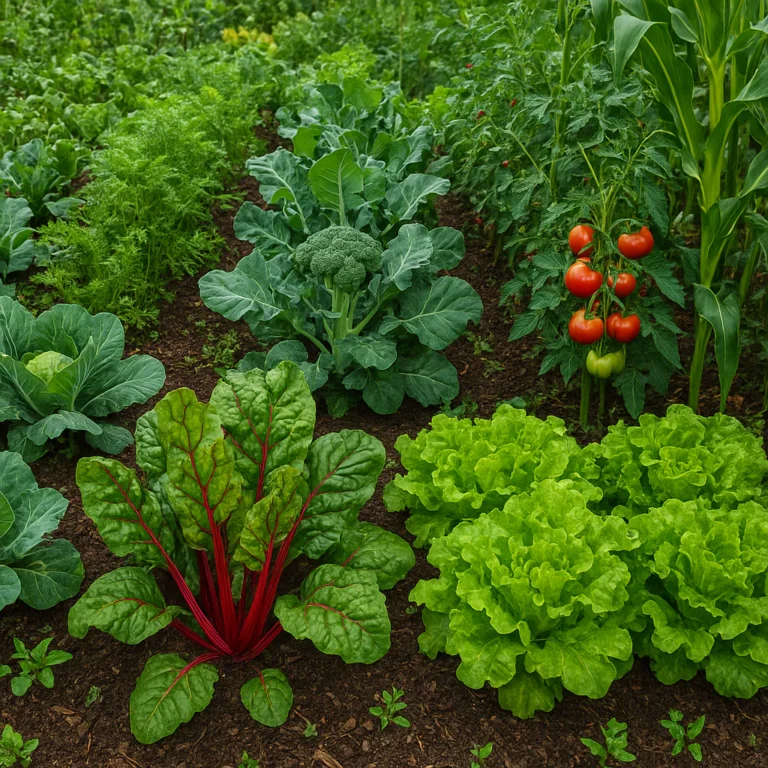
1. 🥬 Leafy Greens: The Fast-Growing Crowd Favorites
Leafy greens are the workhorses of the community garden. They grow fast, they’re forgiving, and they keep producing even if you miss a week.
- Kale: The ultimate survivor. Varieties like Red Russian, Lacinato (Dino Kale), and Winterbor thrive in cool weather and can survive light frosts. They are “cut-and-come-again,” meaning you can harvest the outer leaves, and the plant keeps growing.
- Swiss Chard: Similar to kale but adds a splash of color with varieties like Bright Lights. It’s resilient and produces all season long.
- Lettuce & Spinach: Great for early spring and late fall. Look for lose-leaf varieties rather than head lettuce, as they are easier to harvest in batches.
Why they win: They don’t require a specific harvest window. If you miss a week, they might get a bit legy, but they won’t turn into a rock-hard, inedible mess.
2. 🍅 Tomatoes: The High-Yield Stars of the Show
Tomatoes are the most popular crop in community gardens, but they are also the most prone to theft and disease. How do you grow them successfully?
- Cherry Tomatoes: These are the folproof choice. Varieties like Sun Gold produce continuously and are less likely to be stolen because they ripen so fast and are small.
- Green Zebra: A unique variety that ripens while still green. This makes it less obvious to passersby that it’s ready to eat, reducing theft risk.
- Paste Tomatoes: Varieties like Amish Paste are great for caning and have a longer window of edibility once ripe.
Pro Tip: Always use cages or trellises. A sprawling tomato plant is a magnet for pests and a target for theft.
3. 🥕 Root Vegetables: Diging Deep for Success
Root vegetables are the chill cousins of the garden. You plant them, and they stay put until you’re ready to pull them up.
- Carots & Radishes: Direct sow these seeds. They need minimal care once established. Use spray emitters (rather than drip emitters) to keep the topsoil evenly damp, which helps with germination.
- Bets & Turnips: These are dual-purpose; you can eat the roots and the greens!
- Potatoes: Easy to grow and offer unique colors like Adirondack Red or Magic Molly. They are generally low-maintenance, though you need to “hill” them as they grow.
Why they win: They have a long harvest window. A carrot won’t rot on the ground if you wait a few extra days to pull it.
4. 🌽 Corn, Beans, and Squash: The Three Sisters Alliance
This ancient Native American planting method is perfect for community gardens because it maximizes space and supports itself.
- Corn: Provides a tall structure for beans to climb.
- Beans: Fix nitrogen in the soil, feeding the corn and squash.
- Squash: Their large leaves shade the soil, keeping it moist and suppressing weeds.
Caution: While sweet corn is great, zucchini and summer squash can be a nightmare in a community setting. They grow so fast that if you miss a week, you’ll find a “baseball bat sized” squash that’s tough and inedible. Plus, they are highly susceptible to squash bugs that require daily manual removal. If you must grow them, choose winter squash varieties which have a longer harvest window.
5. 🌿 Herbs and Edible Flowers: Flavor and Pollinator Power
Herbs are the secret weapon for low-maintenance gardening.
- Basil: Produces continuously until the first frost. Varieties like Italian Large Leaf and Genovese are staples. Just remember to pinch off flowers to keep it productive.
- Parsley: An annual herb that is hardy and forgiving. Start with plants, not seeds, for a head start.
- Chamomile: Perfect for drying and making tea. It’s not picky about being ignored.
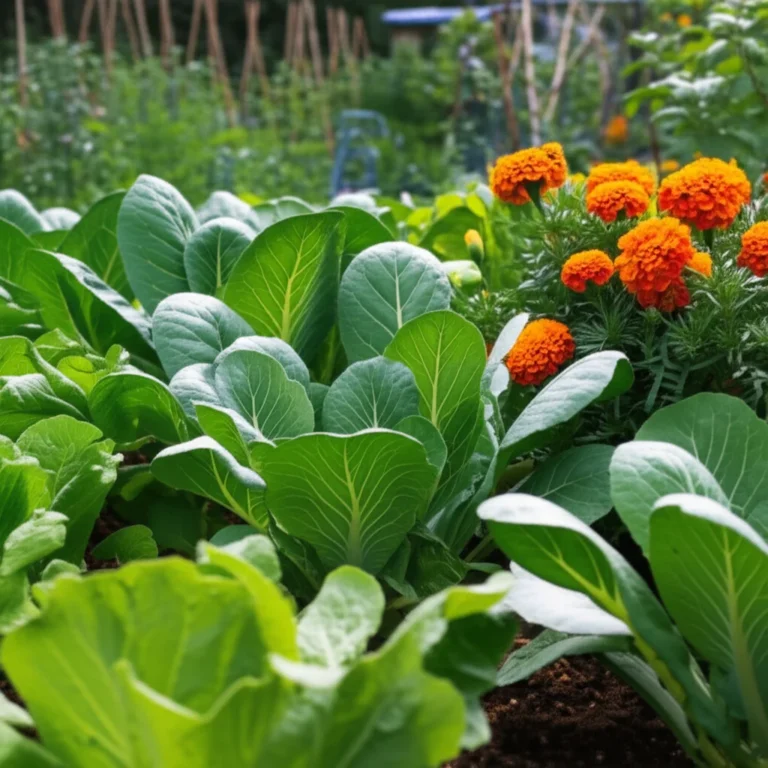
- Marigolds & Zinnias: These aren’t just pretty; they are pollinator magnets. They attract bees to pollinate crops with tiny blossoms like cucumbers and melons.
Warning: NEVER plant Mint in a shared bed. It is incredibly invasive and will take over your neighbor’s plot. Always grow mint in a container.
6. 🍓 Beries and Perennials: Long-Term Community Investments
If your garden allows perennials, these are great for long-term yields.
- Strawberries: Varieties like Alpine strawberries are small but prolific.
- Asparagus: Takes a few years to establish, but once it does, it produces for decades.
- Rhubarb: A hardy perennial that loves cool weather.
Why they win: Once established, they require very little care, making them perfect for the “set it and forget it” gardener.
🧭 How to Choose the Right Plants for Your Specific Plot
Choosing the right plant is only half the battle. You need to match the plant to your microclimate.
Matching Plant Needs to Your Garden’s Microclimates
Every community garden has its own unique weather patterns. A plot next to a brick wall might get reflected heat, while a plot under a large oak tree might be in partial shade all day.
- Full Sun (6+ hours): Tomatoes, peppers, eggplants, corn, beans.
- Partial Shade (3-6 hours): Leafy greens, root vegetables, herbs like parsley and cilantro.
- Shade (<3 hours): Most vegetables will struggle here. Focus on shade-tolerant greens like spinach and arugula, or consider growing mushrooms if your garden allows.
Dealing with Shady Spots and Full Sun Zones
If you’re stuck with a shady spot, don’t despair. Leafy greens actually prefer cooler temperatures and can bolt (go to seed) quickly in full sun. Use your shady spot for lettuce, kale, and chard.
Conversely, if you have a hot, full-sun plot, avoid crops that bolt easily, like cilantro and lettuce, unless you provide shade cloth. Instead, go for heat-loving crops like okra, peppers, and eggplants.
Soil Health: Testing and Amending for Shared Success
Community garden soil can be a mystery. It might be depleted from years of use, or it might be contaminated with lead (common in urban areas).
- Test Your Soil: Before planting, get a soil test. Many local extension offices offer this for a small fee.
- Amend with Compost: Add compost to improve soil structure and nutrient content.
- Raised Beds: If soil quality is poor, consider building a raised bed with fresh soil.
Fact: According to the USDA, soil testing is the first step in ensuring a successful harvest. Learn more about soil health.
🤝 Collaborative Growing: Managing Shared Crops and Harvests
One of the unique challenges of community gardening is the human element. How do you manage crops that everyone can access?
Setting Up a Fair Harvest Sharing System
Some gardens have a “share box” where excess produce is left for anyone to take. Others have a “first-come, first-served” policy.
- Communication is Key: Talk to your neighbors. If you’re growing a lot of tomatoes, let them know so they can help harvest before they rot.
- Label Your Crops: Use plant markers to indicate what you’re growing and when it’s ready.
Avoiding the “Free Rider” Problem in Communal Beds
In communal beds, it’s easy for some people to take without giving back.
- Clear Rules: Ensure your garden has clear policies on harvesting rights.
- Volunteer Monitoring: Some gardens have volunteers who monitor beds for pests and irrigation issues. If you’re absent, ask a neighbor to keep an eye on your plot.
Coordinating Planting Schedules to Prevent Overcrowding
In a small plot, space is premium.
- Succession Planting: Plant crops in stages so you don’t have a glut of everything at once.
- Companion Planting: Use the Three Sisters method to maximize space.
🐛 Pest and Disease Management in High-Density Plots
In a community garden, pests don’t respect plot lines. If your neighbor’s tomatoes have blight, yours might too.
Organic Solutions for Common Community Garden Pests
- Squash Bugs: Manual removal is the most effective method. Check the undersides of leaves daily.
- Aphids: Use insecticidal soap or introduce ladybugs.
- Tomato Hornworms: Hand-pick them off the plants.
Preventing Disease Spread Across Adjacent Plots
- Crop Rotation: Don’t plant the same family of vegetables in the same spot year after year.
- Sanitation: Clean your tools between plots to prevent spreading disease.
- Mulching: A 2-inch layer of straw prevents soil-borne diseases from splashing onto leaves.
🌦️ Seasonal Planning: What to Plant When for Year-Round Yields
Planning your seasons is crucial for a continuous harvest.
- Spring: Plant cool-weather crops like peas, lettuce, and radishes.
- Summer: Switch to heat-loving crops like tomatoes, peppers, and beans.
- Fall: Return to cool-weather crops like kale, spinach, and carrots.
- Winter: In mild climates, you can grow overwintering crops like garlic and onions.
Tip: Use a garden planner to map out your seasons. Check out the Smart Start Garden Planner for a detailed workbook.
🛠️ Essential Tools and Resources for New Community Gardeners
You don’t need a shed full of expensive gear, but a few key tools make a world of difference.
- Trowel: A sturdy hand trowel for digging.
- Pruning Shears: For harvesting and pruning.
- Watering Can: With a rose attachment for gentle watering.
- Gloves: To protect your hands from thorns and dirt.
- Trellis System: For vining crops.
Recommended Brands:
- Fiskars: Known for durable, ergonomic tools.
- Gardeners Supply Company: Offers a wide range of high-quality tools and accessories.
👉 Shop Fiskars on:
👉 Shop Gardeners Supply Company on:
👋 Hi! I’m Megan: Why I Stopped Gardening Alone and Joined the Tribe
I used to think gardening was a solitary pursuit. I had a small backyard, a few pots, and a lot of frustration. My tomatoes would get blight, my basil would bolt, and I felt like I was fighting a losing battle.
Then I joined a community garden. At first, I was intimidated. What if I did something wrong? What if my plot looked terrible? But the moment I stepped onto the soil, I felt a shift. I met Stacey, a librarian who taught me that cherry tomatoes are the most foolproof crop. I met Josh, who showed me how to use pantyhose as a hammock for watermelons. I learned that amaranth is edible and delicious.
The best part? I didn’t have to do it alone. When I was on vacation, my neighbor Maria watered my plants. When I had a pest problem, David showed me how to spot the eggs. It wasn’t just about growing food; it was about growing together.
“I started out homeless and this brought the life back to me. This whole garden is my is what I get to say help me back in life.” — Nikki Long, Green Team Farm participant
If you’re on the fence about joining a community garden, take the leap. You’ll find more than just vegetables; you’ll find a family.
🏆 Conclusion

So, what plants grow best in community gardens? The answer is clear: low-maintenance, resilient, and forgiving crops that can thrive with minimal daily attention. From cherry tomatoes and kale to root vegetables and herbs, there’s a perfect plant for every plot and every gardener.
Remember, the key to success isn’t just about the plants; it’s about the community. By sharing knowledge, resources, and even the occasional pest, we create a garden that is greater than the sum of its parts.
Final Recommendations:
- Start Small: Don’t try to grow everything at once. Pick a few crops you love and master them.
- Communicate: Talk to your neighbors and garden managers.
- Be Patient: Gardening is a journey, not a destination.
And if you’re still wondering about that Green Zebra tomato or the best way to trellis your watermelons, don’t worry. We’ve got you covered in the FAQ section below.
🔗 Recommended Links
Books & Guides:
- “Carots Love Tomatoes” by Louise Riote: A classic guide to companion planting. Check Price on Amazon
- “Smart Start Garden Planner”: A workbook to help you plan your garden. Check Price on Amazon
Tools & Supplies:
- Fiskars Garden Tools: Durable and ergonomic. Shop on Amazon | Shop on Walmart | Fiskars Official
- Gardeners Supply Company: High-quality tools and accessories. Shop on Amazon | Gardeners Supply Official
Resources:
❓ FAQ: Your Burning Questions About Community Garden Plants Answered

What are the easiest vegetables to grow in a community garden?
The easiest vegetables are those that require minimal daily attention and have a long harvest window. Cherry tomatoes, kale, Swiss chard, radishes, and carots are top choices. They are resilient and can withstand occasional neglect.
Read more about “🌿 15 Secrets to Mastering Container Gardening for Shared Spaces (2026)”
How do I choose plants that thrive in shared garden spaces?
Focus on low-maintenance crops that don’t need daily harvesting. Avoid plants that require constant monitoring, like zucchini or bush green beans, which can become tough and inedible if left too long. Also, consider theft-resistant varieties like Green Zebra tomatoes or cherry tomatoes.
Read more about “🌱 7 Smart Watering Systems for Community Gardens (2026)”
Which herbs are best for community gardening beginners?
Basil, parsley, and chamomile are excellent choices. They are hardy, produce continuously, and don’t require daily harvesting. Mint should be avoided in shared beds due to its invasive nature.
Read more about “🌱 15 Micro-Gardening Solutions for Urban Communities (2026)”
What plants attract pollinators to community gardens?
Marigolds, zinnias, and lavender are great for attracting bees and other pollinators. These flowers help pollinate crops with tiny blossoms, increasing your vegetable yield.
Read more about “🌱 10 Ways to Thrive with Micro-gardens for Urban Communities (2026)”
How much sunlight do community garden plots typically get?
Plots vary, but most community gardens offer full sun (6+ hours) or partial shade (3-6 hours). Assess your specific plot’s light exposure before choosing plants. Full sun is ideal for tomatoes and peppers, while partial shade is better for leafy greens.
Read more about “What Amenities Can I Expect at a Community Garden? 🌿 (2025)”
What are the best companion plants for community garden beds?
The Three Sisters (corn, beans, and squash) are a classic example. Marigolds can deter pests, and basil can improve the flavor of tomatoes. Always research companion planting charts to maximize your garden’s potential.
Read more about “🐟 Aquaponics in Community Gardens: The Ultimate 2026 Guide”
How can I grow food year-round in a community garden?
Plan your seasons carefully. Plant cool-weather crops in spring and fall, and heat-loving crops in summer. In mild climates, you can grow overwintering crops like garlic and onions. Use raised beds and mulch to extend the growing season.
Additional Depth: Dealing with Common Challenges
- Pest Management: Use organic solutions like insecticidal soap and manual removal.
- Watering: Use mulch to retain moisture and reduce watering frequency.
- Theft: Choose less obvious varieties and communicate with neighbors.
Read more about “🌱 8 Proven Ways to Master Conflict Resolution in Community Gardens (2026)”
📚 Reference Links