Support our educational content for free when you purchase through links on our site. Learn more

While cities scramble to secure millions in grants to keep their parks green, the smartest community gardens are already thriving on a fraction of the water. We’ve all been there: standing in the scorching July sun, watching a volunteer frantically water a patch of thirsty fescue that’s already turning brown, while the native yarrow in the corner looks like it’s laughing at the drought. It’s a scene that plays out in gardens across the arid West, but it doesn’t have to be this way.
At Community Gardening™, we’ve spent years transforming dust bowls into vibrant, buzzing oases by simply changing our plant selection. The secret isn’t a magic hose or a government grant; it’s choosing the right plants for the right place. In this guide, we’re diving deep into the 15 most resilient, pollinator-friendly, and low-maintenance drought-tolerant plants perfect for shared spaces. From the architectural drama of Agave to the fragrant blooms of Lavender, we’ll show you how to build a garden that survives the heatwave and still looks spectacular.
Key Takeaways
- Hydrozoning is non-negotiable: Grouping plants by water needs prevents overwatering tough natives and underwatering delicate newcomers.
- Establishment matters: Even the toughest drought-tolerant plants need consistent watering for their first 1–2 years to develop deep root systems.
- Mulch is your best friend: A 3-inch layer of organic mulch can reduce evaporation by up to 70%, acting as a natural shield against the sun.
- Native wins every time: Plants adapted to your specific ecoregion are genetically programmed to survive local droughts better than exotic imports.
- Community education is key: Clear signage and volunteer training on “when to water” are just as important as the plants themselves.
Table of Contents
- ⚡️ Quick Tips and Facts
- 🌵 The Drought-Resilient Revolution: Why Community Gardens Need Water-Wise Plants
- 📜 From Arid Wastelands to Lush Oases: A History of Xeriscaping in Urban Spaces
- 🗺️ Mastering Your Micro-Climate: Selecting Plants for Specific Ecoregions
- 🏜️ Shrubby Stepe & Dry Riparian Zones: Taming the Harsh Edges
- 🏔️ Montane Meadows & Mountain Foothills: High-Altitude Heroes
- 🏙️ Desert Community & Salt Lake City Adaptations: Urban Heat Island Solutions
- 🌱 The Ultimate List: 15 Top-Rated Drought-Tolerant Plants for Shared Spaces
- 1. Lavender (Lavandula): The Fragrant Workhorse
- 2. Russian Sage (Perovskia atriplicifolia): The Airy Architect
- 3. Yarrow (Achillea millefolium): The Pollinator Magnet
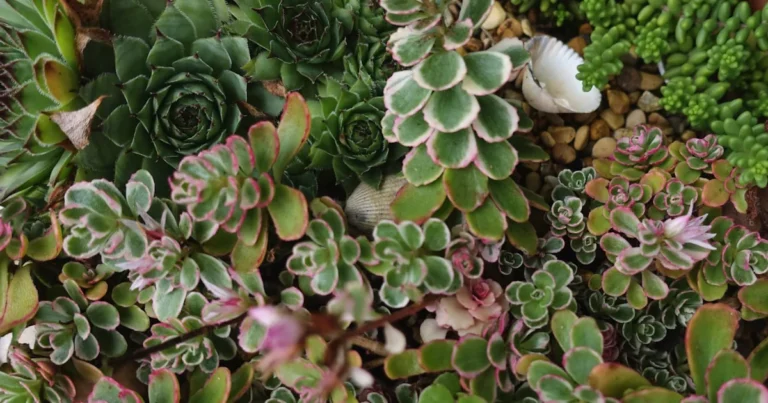
- 4. Sedum & Stonecrop (Sedum spp.): The Succulent Survivors
- 5. Ornamental Grasses (Pennisetum, Festuca): The Wind Dancers
- 6. Coneflower (Echinacea): The Native Powerhouse
- 7. Salvia (Salvia spp.): The Humingbird Hookup
- 8. Agave & Aloe: The Architectural Statement Pieces
- 9. Manzanita (Arctostaphylos): The Evergreen Shrub
- 10. Ceanothus (Ceanothus): The Blue-Bloom Beauty
- 1. Penstemon (Penstemon): The Tubular Treat
- 12. Coreopsis (Coreopsis): The Golden Cheerleader
- 13. Artemisia (Artemisia): The Silver Screen Star
- 14. Buckwheat (Eriogonum): The Native Groundcover
- 15. California Popy (Escholzia californica): The Wildflower Wonder
- 💧 Smart Irrigation Strategies: Drip Systems, Mulching, and Rainwater Harvesting
- 🤝 Community Engagement: Managing Water Expectations and Volunteer Training
- 🚫 Common Pitfalls: Why Your “Drought-Tolerant” Plants Are Dying
- 🛠️ Tools of the Trade: Essential Gear for the Water-Wise Gardener
- 📊 Water Conservation Demonstration Gardens: Learning from the Best
- 🏛️ Navigating Public Utilities and Local Water Restrictions
- 📱 Staying Connected: SLC.gov on Social Media and Local Resources
- 🎓 Additional Resources: Grants, Guides, and Expert Help
- 🏁 Conclusion: Growing a Grener, Thirstier Future Together
- 🔗 Recommended Links
- ❓ FAQ: Your Burning Questions About Drought-Tolerant Gardening Answered
- 📚 Reference Links
Quick Tips and Facts
Before we dive into the deep end of the pool (or rather, the dry riverbed), let’s hit the highlights. If you’re reading this, you’re likely tired of watching your community garden turn into a dust bowl every July, or worse, watching the water bill skyrocket while the plants still look thirsty. Here is the lowdown on drought-tolerant gardening, straight from the trenches of Community Gardening™:
- ✅ The “Establishment Period” Myth: Many people think “drought-tolerant” means “never water.” False! Most plants need consistent watering for their first 1–2 years to develop deep root systems. After that, they are golden.
- ✅ Mulch is Magic: A 3-inch layer of organic mulch can reduce evaporation by up to 70%. It’s the cheapest insurance policy your garden will ever have.
- ✅ Native is King: Plants native to your specific ecoregion are genetically programmed to survive your local droughts. They are the underdogs that win the race every time.
- ✅ Grouping Matters: Don’t mix high-water plants with low-water ones. Group plants with similar water needs together (a concept called hydrozoning) to avoid overwatering the tough guys and underwatering the delicate ones.
- ❌ The Rock Garden Trap: Just because a plant is drought-tolerant doesn’t mean it belongs in a sea of black lava rock. Many need soil contact to regulate temperature.
Pro Tip: If you’re wondering how to start a community garden that thrives without a water crisis, check out our guide on Benefits of Community Gardens to see how water-wise designs boost social cohesion and yield.
The Drought-Resilient Revolution: Why Community Gardens Need Water-Wise Plants
Let’s be honest: the old way of gardening—sprinklers running at 6 AM, green lawns that cost a fortune to maintain, and the constant anxiety of “will the hose get turned off?”—is dead. Long live the Drought-Resilient Revolution!
At Community Gardening™, we’ve seen it all. We’ve seen gardens that looked like a lush English countryside in May and a Mojave Desert in August. It’s heartbreaking. But here’s the twist: drought-tolerant doesn’t mean dull. In fact, it often means more vibrant, more diverse, and more resilient.
Why does this matter for your community garden?
- Resource Conservation: Water is becoming increasingly scarce. By choosing water-wise plants, you ensure your garden survives the next drought without begging the city for an exception.
- Cost Efficiency: Less water means lower utility bills for the garden association, leaving more funds for tools, seeds, and that annual picnic.
- Pollinator Powerhouses: Many drought-tolerant natives are superstars for bees, butterflies, and hummingbirds. A water-wise garden is often a buzzing, alive garden.
Curiosity Gap: But how do you know which plants are actually tough enough for your specific patch of dirt? Is it just about picking cacti? (Spoiler: Absolutely not!) We’ll reveal the secret zones you need to map out in the next section.
From Arid Wastelands to Lush Oases: A History of Xeriscaping in Urban Spaces

The term Xeriscaping (from the Greek xeros meaning “dry”) was coined in the 1980s by the Denver Water Department. Before that, were just “dying of thirst” trying to grow fescue grass in the desert.
The philosophy has evolved significantly:
- The Early Days: It was all about rocks and cacti. It looked cool, but it lacked soul.
- The Modern Era: Today, it’s about “the right plant for the right place.” As noted by the Denver Botanic Gardens, “Conserving water in landscapes doesn’t have to mean swapping lawns for rocks.” It’s about creating a landscape that mimics the natural ecosystem.
In urban environments, the Urban Heat Island effect makes things even hotter. Concrete and asphalt absorb heat, raising local temperatures by several degrees. Drought-tolerant plants, with their reflective leaves and deep roots, help cool the air through evapotranspiration, acting as natural air conditioners.
We’ve seen community gardens in Salt Lake City and Los Angeles transform from brown patches into vibrant oases simply by adopting these principles. It’s not just about survival; it’s about thriving in a changing climate.
Mastering Your Micro-Climate: Selecting Plants for Specific Ecoregions
Here is where the magic happens. You can’t just plant a California native in Utah and expect it to survive, even if both are “dry.” You need to understand your Micro-Climate and Ecoregion.
Drawing inspiration from the Greater Avenues Water Conservation Demonstration Garden in Salt Lake City, we break down the landscape into distinct zones. Each zone has unique soil, sun, and water characteristics.
🏜️ Shrubby Stepe & Dry Riparian Zones: Taming the Harsh Edges
- Characteristics: These areas are often the driest, receiving the least amount of runoff. They are exposed to intense sun and wind.
- Plant Strategy: Look for deep-rooted shrubs and grasses. In the Dry Riparian zone, plants must tolerate occasional flash floods but survive long dry spells.
- Key Insight: Don’t be afraid of the “ugly” edges. These are often the most resilient parts of the garden.
🏔️ Montane Meadows & Mountain Foothills: High-Altitude Heroes
- Characteristics: Cooler temperatures, higher elevation, and often rocky soil.
- Plant Strategy: This is where herbaceous perennials, bulbs, and cool-season grasses shine. They need to handle frost and snow, not just heat.
- Key Insight: Many “desert” plants will rot here if the soil stays wet in winter. Drainage is key!
🏙️ Desert Community & Salt Lake City Adaptations: Urban Heat Island Solutions
- Characteristics: The hottest part of the garden, often near buildings or pavement.
- Plant Strategy: Heat-tolerant natives that can handle reflected heat.
- Key Insight: As the California Natural Resources Agency noted in their $47 million grant program, replacing asphalt with drought-tolerant landscaping is crucial for cooling these urban pockets.
Did you know? The Desert Community zone in the SLC demonstration garden features herbaceous perennials that rarely need water once established. This is the holy grail for community gardeners!
The Ultimate List: 15 Top-Rated Drought-Tolerant Plants for Shared Spaces
We’ve done the heavy lifting for you. Based on our years of trial, error, and a few “oops, that died” moments, here are the 15 best drought-tolerant plants for community gardens. We’ve rated them on a 1-10 scale for Drought Tolerance, Pollinator Appeal, and Maintenance Level (10 = lowest maintenance).
| # | Plant Name | Drought Tolerance | Pollinator Appeal | Maintenance | Best For |
|---|---|---|---|---|---|
| 1 | Lavender (Lavandula) | 9 | 10 | 9 | Aromatherapy, borders |
| 2 | Russian Sage (Perovskia) | 10 | 9 | 10 | Height, airy texture |
| 3 | Yarrow (Achillea) | 9 | 10 | 8 | Color, ground cover |
| 4 | Sedum (Sedum) | 10 | 8 | 10 | Succulent texture |
| 5 | Ornamental Grasses | 9 | 7 | 9 | Movement, sound |
| 6 | Coneflower (Echinacea) | 8 | 10 | 8 | Native beauty |
| 7 | Salvia (Salvia) | 9 | 10 | 8 | Humingbird food |
| 8 | Agave | 10 | 6 | 10 | Architectural focal point |
| 9 | Manzanita | 9 | 7 | 7 | Evergreen structure |
| 10 | Ceanothus | 8 | 9 | 7 | Blue blooms |
| 1 | Penstemon | 8 | 10 | 8 | Tubular flowers |
| 12 | Coreopsis | 9 | 9 | 9 | Long bloom time |
| 13 | Artemisia | 10 | 6 | 10 | Silver foliage |
| 14 | Buckwheat | 9 | 9 | 9 | Native groundcover |
| 15 | California Popy | 10 | 8 | 10 | Wildflower splashes |
1. Lavender (Lavandula)
The fragrant workhorse. Lavender loves sun and hates wet feet. It’s perfect for pathways where people can brush against it.
- Pros: Aromatic, deer-resistant, long-lived.
- Cons: Can get wody if not pruned; hates clay soil without amendment.
- Community Tip: Great for sensory gardens!
2. Russian Sage (Perovskia atriplicifolia)
This plant is basically a weed that looks like a dream. It sends up tall, airy spikes of purple flowers that dance in the wind.
- Pros: Extremely tough, attracts butterflies, silver foliage.
- Cons: Can get legy; needs a hard prune in spring.
3. Yarrow (Achillea millefolium)
A native powerhouse that comes in red, yellow, pink, and white. It’s a magnet for beneficial insects.
- Pros: Spreads to fill gaps, medicinal uses, very hardy.
- Cons: Can be aggressive in some soils (manage with edging).
4. Sedum & Stonecrop (Sedum spp.)
From the creeping varieties to the tall ‘Autumn Joy’, these succulents store water in their leaves.
- Pros: Low profile, great for rock gardens, fall color.
- Cons: Some varieties can flop in heavy rain (use stakes).
5. Ornamental Grasses (Pennisetum, Festuca)
Grasses add movement and sound. Festuca glauca (Blue Fescue) is a compact, blue ball of joy.
- Pros: Winter interest, low water, erosion control.
- Cons: Need to be cut back in late winter/early spring.
6. Coneflower (Echinacea)
A staple of the North American prairie. They are tough as nails and feed the birds.
- Pros: Native, medicinal, birds love the seeds.
- Cons: Can get powdery mildew if air doesn’t circulate.
7. Salvia (Salvia spp.)
Whether it’s Salvia nemorosa or Salvia gregii, these are hummingbird magnets.
- Pros: Long bloom time, aromatic, deer resistant.
- Cons: Some varieties are not winter hardy in extreme cold.
8. Agave & Aloe
The architectural statement pieces. They look like they belong in a sci-fi movie.
- Pros: Zero water once established, dramatic look.
- Cons: Sharp spines (watch out for kids!), slow growing.
9. Manzanita (Arctostaphylos)
An evergreen shrub with beautiful red bark and urn-shaped flowers.
- Pros: Year-round structure, great for slopes.
- Cons: Very sensitive to root disturbance; plant carefully.
10. Ceanothus (Ceanothus)
The “California Lilac” offers stunning blue flowers in spring.
- Pros: Nitrogen fixer (improves soil), beautiful color.
- Cons: Some varieties are not cold hardy; needs good drainage.
1. Penstemon (Penstemon)
Native to the West, these tubular flowers are perfect for hummingbirds.
- Pros: Native, diverse colors, long bloom.
- Cons: Some are short-lived perennials (treat as biennials).
12. Coreopsis (Coreopsis)
The “Golden Cheerleader” that blooms from spring to frost.
- Pros: Self-seding, bright color, easy care.
- Cons: Can spread quickly if not deadheaded.
13. Artemisia (Artemisia)
Silvery foliage that reflects heat and looks great in contrast with purple flowers.
- Pros: Deer resistant, aromatic, low water.
- Cons: Can be invasive if not contained.
14. Buckwheat (Eriogonum)
A native groundcover that turns rusty red in the fall.
- Pros: Native, supports local pollinators, great for slopes.
- Cons: Short-lived in some climates; treat as a temporary filler.
15. California Popy (Escholzia californica)
The wildflower wonder that blooms in brilliant orange.
- Pros: Self-seds freely, no water needed, iconic look.
- Cons: Can be wedy; dies back in extreme heat (dormant).
Want to see these plants in action? Check out the video below where the “2 Minute Gardener” showcases 25 drought-tolerant trees and shrubs, including the Mexican Palo Verde and Crape Myrtle, perfect for replacing dead lawns.
🎥 Featured Video: 25 Drought-Tolerant Trees and Shrubs
Smart Irrigation Strategies: Drip Systems, Mulching, and Rainwater Harvesting
Even the toughest plants need a helping hand during the establishment phase. But once they are set, you want to minimize water usage. Here is how we do it at Community Gardening™:
1. Drip Irrigation: The Gold Standard
Forget sprinklers that spray water into the air (and lose 30% to evaporation). Drip irrigation delivers water directly to the root zone.
- Why it works: It keeps foliage dry (preventing disease) and reduces evaporation.
- Brand Recommendation: We love Rain Bird and DripWorks for their reliable emitters and easy-to-install kits.
👉 CHECK PRICE on: Amazon | DripWorks
2. Mulching: The Secret Weapon
We can’t stress this enough: Mulch is non-negotiable.
- Organic Mulch: Shredded bark, straw, or wood chips. It breaks down and feeds the soil.
- Inorganic Mulch: Gravel or stone. Great for heat reflection in hot zones, but doesn’t feed the soil.
- Depth: Aim for 3 inches.
3. Rainwater Harvesting
Why pay for water when the sky provides it? Install rain barrels under downspouts.
- Tip: Use a first-flush diverter to keep debris out of your barrel.
- Brand Recommendation: Good Ideas rain barrels are stylish and functional.
👉 Shop Good Ideas on: Amazon | Good Ideas Official
Community Engagement: Managing Water Expectations and Volunteer Training
One of the biggest challenges in community gardening isn’t the plants; it’s the people. You have volunteers who want to “help” by watering everything every day, even the cacti.
The “Water Wise” Workshop
We hold quarterly workshops to educate our volunteers.
- Topic: “How to tell if a plant is thirsty.” (Hint: If the soil is wet 2 inches down, don’t water!)
- Topic: “Hydrozoning 101.”
- Outcome: Volunteers become stewards of the garden, not just waters.
Signage is Key
Place clear signs in each zone:
- “High Water Zone: Water 2x/week”
- “Low Water Zone: Water 1x/month”
- “Establishment Zone: Water Daily (First Year)”
Remember: A well-informed community is a water-wise community. Check out our Community Garden Policies for templates on creating water-use guidelines.
Common Pitfalls: Why Your “Drought-Tolerant” Plants Are Dying
So, you bought the “drought-tolerant” plants, and they are still dying. What gives? Here are the usual suspects:
- Overwatering: This is the #1 killer. Drought-tolerant plants rot if their roots sit in water. Less is more.
- Wrong Soil: Many natives need gritty, well-draining soil. If your soil is heavy clay, you must amend it with sand or grit.
- Poor Drainage: If water pools around the base of the plant, it will die. Create mounds or berms to improve drainage.
- Wrong Zone: Planting a desert plant in a shady, damp corner is a recipe for disaster. Match the plant to the micro-climate.
- Lack of Establishment: Not watering enough during the first year. Remember, they need water to grow roots!
Tools of the Trade: Essential Gear for the Water-Wise Gardener
You don’t need a truckload of gear, but a few specific tools make a huge difference.
- Soil Moisture Meter: Stop guessing! A simple analog meter tells you exactly how wet the soil is.
👉 CHECK PRICE on: Amazon - Pruning Shears: Sharp, clean shears are essential for shaping and deadheading. Felco is the industry standard.
👉 Shop Felco on: Amazon | Felco Official - Hose Timer: Automate your drip system so you don’t forget to turn it off. Orbit makes great digital timers.
👉 CHECK PRICE on: Amazon
Water Conservation Demonstration Gardens: Learning from the Best
Why reinvent the wheel? Visit your local Water Conservation Demonstration Garden. These are living laboratories designed to show you what works.
- Salt Lake City’s Greater Avenues Garden: As mentioned earlier, this garden is divided into zones like Desert Community, Shrub Stepe, and Montane Meadow. It’s a perfect example of how to mimic nature.
- Denver Botanic Gardens: Their York Street location showcases turf replacement and water-wise design.
- California’s Urban Greening Projects: With the $47 million grant program, many new demonstration gardens are popping up across California, focusing on native trees and pollinator gardens.
Action Item: Plan a field trip with your garden club! Take notes, snap photos, and ask the gardeners there what they’ve learned.
Navigating Public Utilities and Local Water Restrictions
Water restrictions can be a pain, but they are also an opportunity to innovate.
- Know Your Rules: Check with your local Public Utilities department. Some cities offer rebates for removing turf or installing rain barrels.
- Tiered Pricing: Many utilities charge more as you use more water. Drought-tolerant gardens keep you in the lower tiers.
- Emergency Reporting: If you see a leak or a broken pipe, report it immediately. Every drop counts.
Salt Lake City: Customer Service: (801) 483-690 | Report Emergency: (801) 483-670
Staying Connected: SLC.gov on Social Media and Local Resources
Stay in the loop! Follow your local city’s social media for updates on water restrictions, grant opportunities, and community events.
- SLC.gov on Social Media: Follow them on Twitter, Facebook, and Instagram for real-time updates.
- Community Garden Events: Check our Community Garden Events page for local workshops and meetups.
Additional Resources: Grants, Guides, and Expert Help
Need funding? Need advice? We’ve got you covered.
- California Natural Resources Agency Grants: As of recent announcements, $47.5 million has been allocated to urban grening projects. This includes funding for drought-tolerant landscaping in community gardens.
- Read about the $47 Million Grant Program
- Plant Select®: A leading brand for high-plains and intermountain drought-tolerant plants.
- Visit Plant Select Official
- Colorado Master Gardeners: Free advice from experts.
- Contact Colorado Master Gardeners
Conclusion: Growing a Grener, Thirstier Future Together

We started this journey with a question: Can a community garden thrive in a drought? The answer is a resounding YES.
By selecting the right plants, understanding our micro-climates, and embracing smart irrigation, we can create gardens that are not only beautiful but resilient. We’ve seen the transformation from brown patches to vibrant oases. We’ve seen the bees return, the birds sing, and the community come together.
The “drought-tolerant” label isn’t a limitation; it’s an invitation to innovate. It’s a chance to work with nature, not against it. So, grab your trowel, pick a native plant, and let’s grow a grener future together.
Final Thought: Remember, the best time to plant a tree was 20 years ago. The second best time is today.
Recommended Links
Ready to get started? Here are our top picks for products and resources to kickstart your drought-tolerant garden.
- Drip Irrigation Kits:
Rain Bird Drip Kit: Amazon | Rain Bird Official
DripWorks Starter Kit: Amazon | DripWorks - Rain Barels:
Good Ideas Rain Wizard: Amazon | Good Ideas Official - Pruning Tools:
Felco F-2 Pruners: Amazon | Felco Official - Books:
“Xeriscape: The Complete Guide to Water-Wise Gardening”: Amazon
“Native Plants for the Home Garden”: Amazon
FAQ: Your Burning Questions About Drought-Tolerant Gardening Answered

What are the best drought tolerant plants for community gardens in hot climates?
In hot climates, Lavender, Russian Sage, Agave, and California Poppies are top contenders. They thrive in full sun and high temperatures. For trees, consider Mexican Palo Verde or Crape Myrtle, which offer shade and color without the thirst.
Read more about “🍎 Edible Landscaping: 15+ Ways to Turn Your Yard into a Food Forest (2026)”
How do I choose water-wise plants that thrive in shared garden spaces?
Look for plants that are low-maintenance and non-invasive. Avoid plants that spread aggressively (like some mint varieties) unless contained. Choose plants with similar water needs to group them together (hydrozoning).
Read more about “🌵 15 Drought-Tolerant Plants for Community Gardens (2026)”
Which native drought resistant vegetables work well for community plots?
While most vegetables need water, some are more tolerant than others. Cherry Tomatoes (once established), Peppers, Eggplant, and Squash (with heavy mulch) can handle dry spells better than leafy greens. Native herbs like Rosemary and Thyme are excellent companions.
Read more about “🛠️ 15+ Essential Tools & Resources for Community Gardening (2026)”
What are low maintenance drought tolerant flowers for community gardening?
Yarrow, Coneflower, Coreopsis, and Salvia are fantastic choices. They bloom for long periods, attract pollinators, and require minimal care once established.
Read more about “🌱 15+ Secrets to Thriving Container Gardens for Community Spaces (2026)”
How can community gardens reduce water usage with drought tolerant plant selection?
By replacing thirsty turf grass with native groundcovers and perennials, you can reduce water usage by up to 50-70%. Additionally, using drip irrigation and mulch further minimizes waste.
Are there drought tolerant herbs suitable for communal growing areas?
Absolutely! Rosemary, Thyme, Oregano, Sage, and Lavender are all drought-tolerant herbs. They are perfect for sensory gardens and are easy for volunteers to harvest.
Read more about “🌿 15 Best Plants Perfect for Community Gardens (2026)”
What soil preparation is needed for drought tolerant plants in community gardens?
Most drought-tolerant plants need well-draining soil. If your soil is heavy clay, amend it with compost, sand, or grit to improve drainage. Avoid adding too much organic matter that holds water, as this can cause root rot.
Why do some “drought-tolerant” plants die in the first year?
The most common reason is overwatering or por drainage. Drought-tolerant plants need water to establish roots, but once established, they prefer dry conditions. Ensure your soil drains well and water only when the top few inches are dry.
Read more about “🌱 15+ Best Community Gardening Plants for Shared Success (2026)”
Reference Links
- California Natural Resources Agency: California Natural Resources Agency Grants $47 Million to Urban Greening Projects
- Denver Botanic Gardens: Water Wise Resources
- Salt Lake City Utilities: Demonstration Gardens
- Plant Select: Plant Select Official Website
- Rain Bird: Rain Bird Official Website
- Good Ideas: Good Ideas Official Website
- Felco: Felco Official Website
- DripWorks: DripWorks Official Website