Support our educational content for free when you purchase through links on our site. Learn more

Ever wonder why your garden feels like a chore instead of a sanctuary? You’re not alone. While many courses promise “grener” results, they often skip the messy, magical reality of turning kitchen scraps into black gold or building a rain barrel that actually works. At Community Gardening™, we’ve seen firsthand how a single weekend workshop can transform a concrete patio into a thriving edible oasis, proving that sustainable living isn’t just a buzzword—it’s a lifestyle shift. Did you know that mastering just three of the ten core skills we cover can reduce your household waste by 30% and slash your water bill in half? In this guide, we’re pulling back the curtain on the top 10 essential skills you’ll master, from advanced vermiculture to community co-op leadership, ensuring you don’t just learn about gardening, but truly live it.
Key Takeaways
- Master 10 Core Skills: From organic soil regeneration and water-wise irrigation to natural pest control, these workshops equip you with the practical tools to create a self-sustaining ecosystem.
- Community Impact: Learn how to organize local garden co-ops and foster neighborhood resilience, turning individual plots into a collective force for change.
- Hands-On Learning: Unlike theoretical courses, our workshops focus on real-world application, ensuring you leave with the confidence to build, plant, and harvest immediately.
- Cost & Resource Savings: Discover how composting and rainwater harvesting can significantly lower your long-term gardening expenses while reducing your environmental footprint.
Table of Contents
- ⚡️ Quick Tips and Facts
- 🌱 From Concrete to Compost: The History of Sustainable Garden Workshops
- 🌿 Why Attend? The Transformative Power of Eco-Friendly Garden Education
- 🛠️ Top 10 Essential Skills You’ll Master in Our Sustainable Living Workshops
- 1. Mastering the Art of Organic Soil Regeneration
- 2. Designing Water-Wise Irrigation Systems for Arid Climates
- 3. Building Raised Beds with Recycled and Upcycled Materials
- 4. Implementing Permaculture Principles for Low-Effort Yields
- 5. Creating a Pollinator Haven to Boost Local Biodiversity
- 6. Advanced Composting: Turning Kitchen Scraps into Black Gold
- 7. Seed Saving and Heirloom Variety Preservation Techniques
- 8. Natural Pest Control Without Harmful Chemicals
- 9. Harvesting Rainwater and Greywater Systems for Home Gardens
- 10. Community Building: Organizing Local Garden Co-ops
- 📅 How to Choose the Right Green Living Workshop for Your Skill Level
- 🧰 Gear Up: The Best Tools and Brands for Sustainable Gardening
- 👩 🌾 What to Expect: A Day in the Life of Our Garden Workshop Attendees
- 📝 Please Note: Registration is Required to Help Us Plan for Materials and Space, Thank You!
- 🌍 Beyond the Plot: How Garden Workshops Spark Neighborhood Sustainability
- 💡 Troubleshooting Common Mistakes in Eco-Gardening
- 🏆 Success Stories: Real Gardeners, Real Green Transformations
- 🎓 Conclusion: Your Journey to a Grener Future Starts Here
- 🔗 Recommended Links
- ❓ FAQ: Everything You Wanted to Ask About Sustainable Garden Workshops
- 📚 Reference Links
⚡️ Quick Tips and Facts
Hey there, fellow green thumbs and aspiring eco
-warriors! 👋 Ever dreamt of transforming your backyard into a thriving, sustainable oasis, but felt overwhelmed by where to start? You’re not alone! Here at Community Gardening™, we believe that sustainable living isn’t just a buzzword
; it’s a vibrant, achievable lifestyle that starts right in your garden. Our workshops are designed to turn that dream into a tangible reality, one compost pile and rainwater barrel at a time!
Did you know that composting can
reduce household waste by up to 30%? Imagine the impact if every household embraced this simple practice! Sustainable gardening isn’t just about growing food; it’s about fostering biodiversity 🦋, conserving
precious resources, and building resilient communities. In fact, studies show that engaging in community gardening can significantly improve mental and physical well-being. Want to learn more about how gardening benefits more than just your plate? Check out our
insights on the Benefits of Community Gardens.
Quick Facts to Get You Rooted:
- ✅ Water-wise
gardening can slash your outdoor water consumption by 50% or more! - ❌ Saying goodbye to synthetic pesticides means saying hello to a healthier ecosystem and safer produce for your family.
- 🌱 **Heirloom seeds
** aren’t just a trend; they’re a vital part of preserving genetic diversity and ensuring food security for future generations. - 💰 Sustainable practices often lead to long-term savings on water bills, fertilizers, and even groceries
! - 🐝 Pollinator-friendly gardens are crucial for supporting local wildlife and boosting the yields of your own edible plants.
🌱 From Concrete to Compost: The History of Sustainable Garden Workshops

It wasn’t always about organic kale and rainwater harvesting, folks! The journey to today’s vibrant sustainable garden workshops is a fascinating one,
deeply rooted in a growing awareness of our planet’s delicate balance. For decades, conventional gardening often relied heavily on chemical fertilizers and pesticides, turning our precious soil into a mere medium for growth rather than a living ecosystem. But as the environmental
movement gained traction, so did the desire for more harmonious ways to cultivate our land.
We’ve seen a remarkable shift, especially in recent years. As one insightful perspective notes, “In the wake of the COVID-19 pandemic
, library patrons of all ages are becoming ever more interested in sustainability and self-reliance topics.” This surge in interest has fueled the demand for practical, hands-on education, moving us away from abstract concepts and into
the dirt! From humble beginnings, perhaps a single workshop on composting in a local park, these educational initiatives have blossomed into comprehensive programs covering everything from urban farming to permaculture design.
Here at Community Gardening™, we’ve witnessed this evolution
firsthand. We started with a simple vision: to empower individuals to grow their own food sustainably and connect with their neighbors over shared green spaces. This led to the establishment of numerous Community Garden Events where knowledge could be shared freely. The history of these workshops is essentially the story of people realizing that our gardens are not just pretty patches of land, but powerful agents of change, capable
of fostering both personal well-being and environmental stewardship. It’s a journey from simply growing plants to cultivating a greener, more resilient way of life.
🌿 Why Attend? The Transformative Power of Eco-Friendly Garden Education
So, you might be thinking, “Why should I dedicate my precious weekend to learning about dirt and bugs
?” Great question! The answer, my friend, is that attending a sustainable living workshop in a garden isn’t just about acquiring a few new skills; it’s about embarking on a transformative journey that reshapes your relationship
with food, nature, and even your community.
Imagine this: you walk into our workshop feeling a bit like a gardening novice, maybe you’ve killed a few houseplants (we’ve all been there!). But by the end of the
day, you’re confidently discussing soil amendments, identifying beneficial insects, and sketching out plans for your very own edible landscape. That’s the magic! As the experts at UCLA Extension aptly put it, these courses are “designed for horticulture students
, gardening professionals, educators, and home gardeners… to turn your green thumb into a ‘grener’ garden.” It’s about elevating your gardening game from merely growing to genuinely nurturing.
Here’s why
you absolutely need to join us:
- Empowerment through Knowledge: You’ll gain practical, hands-on skills that reduce your reliance on commercial products and give you greater control over your food source. Ever wanted
to grow your own Edible Plants? This is your starting line! - Environmental Impact: Learn how your small actions can contribute
to a healthier planet. From reducing water waste to enhancing local biodiversity, you’ll become an active participant in ecological restoration. - Community Connection: Our workshops are vibrant hubs for like-minded individuals. You’ll meet neighbors
, share stories, and build a network of support that extends far beyond the garden gate. This truly embodies our motto: “Grow Together through Community Gardening”. - Health and Wellness: Spending time in nature,
getting your hands dirty, and eating fresh, homegrown produce are incredible boosters for both physical and mental well-being. It’s a natural stress reliever! - Cost Savings: While there might be an initial investment in tools or materials
, the long-term savings on groceries, water, and chemical inputs are substantial. Think of it as investing in your future self and your wallet!
We’re not just teaching you how to garden; we’re inviting you to be
part of a movement. A movement towards self-reliance, community resilience, and a deeper respect for the natural world. Are you ready to dig in?
🛠️ Top 10 Essential Skills You’ll Master in Our Sustainable Living Workshops
Alright, let’s get down to the nitty-gritty! Our ”
Community Gardening™” workshops are packed with practical, hands-on learning experiences designed to equip you with the core competencies for a truly sustainable garden. We’ve distilled years of collective experience and consumer insights into these ten essential skills that will transform you
from a curious beginner to a confident eco-gardener. Get ready to roll up your sleeves and get dirty!
1. Mastering the Art of Organic Soil Regeneration
“Healthy soil, healthy plants, healthy you!” That’s our mantra. Forget those quick-fix chemical fertilizers that strip your soil of its vitality. We’ll teach you how
to build living, breathing soil teeming with beneficial microorganisms. This is the bedrock of all sustainable gardening, and it starts with understanding what your soil needs.
Our workshops delve deep into soil composition, pH testing, and the magic of organic amendments. We
‘ll show you how to interpret soil test results (don’t worry, it’s easier than it sounds!) and apply natural solutions to create the perfect growing environment.
Composting: Your Garden’s Gold Mine
One
of the most powerful tools for soil regeneration is composting. As the SLC staff emphasizes, you’ll “discover ways to transform your kitchen scraps and yard waste into nutrient rich garden soil.” It’s not
just about throwing things in a pile; it’s an art and a science!
Compost Bin Battle: Our Top Picks
Choosing the right compost bin depends on your space, lifestyle, and how much “black gold” you want
to produce. Here’s our team’s honest take on some popular options:
| Feature | Tumbler Composter (e.g., Yimby Tumbler) | Worm Composter (e.g., Worm Factory 360) | Traditional Bin (e.g., Geobin) |
|---|---|---|---|
| Design (1-10) | 9 | ||
| (Easy turning, contained) | 8 (Compact, indoor-friendly) | 7 (Simple, expandable) | |
| Functionality | 8 (Fast decomposition with turning) | 9 (Excellent for food scraps, vermicast) | 6 (Requires manual turning) |
| Ease of Use | 9 (Spin, don’t shovel!) | 7 (Requires careful feeding) | 6 (Can be labor-intensive) |
| Capacity | 7 (Medium) | 5 (Small to medium) | 9 (Large, expandable) |
| Odor Control | |||
| 9 (Well-contained) | 8 (Minimal if managed correctly) | 6 (Can attract pests if open) | |
| Durability | 8 (Often sturdy plastic/metal) | ||
| 8 (Durable plastic) | 7 (Flexible plastic mesh) | ||
| Best For | Medium-sized gardens, quick compost | Indoor use, food scraps, rich castings | Large gardens, |
| yard waste |
Step-by-Step: Starting Your Own Compost Pile
- Choose Your Location: A shaded, well-drained spot, preferably near your kitchen and garden.
- Select
Your Bin: Based on the table above, pick what suits you! - Layer It Up! Start with a layer of “browns” (carbon-rich: dry leaves, shredded paper, wood chips) then
a layer of “greens” (nitrogen-rich: kitchen scraps, grass clippings). Aim for a 2:1 brown-to-green ratio. - Moisture is Key: Your pile should feel like a damp sponge. Add
water if it’s too dry. - Turn, Turn, Turn (or Spin!): Aeration is vital for decomposition. Turn your pile regularly (weekly is ideal for tumblers, less often for bins).
Harvest Your Gold: Once your compost is dark, crumbly, and smells earthy, it’s ready to enrich your garden beds!
👉 Shop Composting Solutions on:
-
Worm Factory 360: Amazon | Worm Factory Official Website
2. Designing Water-Wise Irrigation Systems for Arid Climates
Water, water everywhere, but not a drop to waste! Especially in increasingly arid regions, efficient irrigation isn’t just a good idea; it’s a necessity
. Our workshops will transform your watering habits, ensuring every drop counts. The UCLA Extension course highlights “water harvesting, irrigation techniques, and water-wise plant selection” as core curriculum topics, and we couldn’t agree more
!
We’ll guide you through the principles of xeriscaping and hydrozoning, helping you group plants with similar water needs. Forget those wasteful sprinklers that evaporate more water than they deliver!
D
rip Irrigation vs. Soaker Hoses: A Head-to-Head
| Feature | Drip Irrigation System (e.g., Rain Bird Drip) | Soaker Hose System (e.g., Gilmour Soaker Hose) |
|---|---|---|
| Water Efficiency | 10 (Precise, targeted delivery) | 8 (Good, but can be less precise) |
| Installation | 7 (Can be intricate for large areas) | 9 (Very easy, just lay it down) |
| Cost | 6 (Higher initial investment) | |
| 9 (Very affordable) | ||
| Durability | 8 (Resistant to clogs if maintained) | 6 (Can degrade in sun, prone to kinks) |
| Automation | ||
| 9 (Easily integrates with timers) | 7 (Works with timers, but less control) | |
| Best For | Row crops, individual plants, precise watering | Raised beds, dense plantings, temporary setups |
Our Pro Tip: Combine a drip system with a smart irrigation controller, like the Rachio 3 Smart Sprinkler Controller. It connects to Wi-Fi, monitors local weather, and adjusts your watering schedule automatically. It’s like
having a personal meteorologist for your garden!
👉 CHECK PRICE on:
- Rachio 3 Smart Sprinkler Controller: Amazon | Walmart | Rachio Official Website
3. Building Raised Beds with Recycled and Upcycled Materials
Raised beds are a game-changer for many
gardeners, offering better drainage, warmer soil, and easier access. But why buy new when you can build sustainably? We’re all about giving materials a second life!
In this workshop, we’ll explore creative ways to construct durable
and attractive raised beds using recycled and upcycled materials. Think beyond just new lumber! We’ve seen fantastic beds made from reclaimed wood, old tires (with proper lining!), galvanized metal troughs, and even repurposed concrete blocks.
Our Anecdote: Our very own gardener, Maya, once built an entire series of raised beds from discarded shipping pallets she found behind a local hardware store. With a little sanding and non-toxic sealant, they looked fantastic and saved
a ton of money! It’s amazing what you can achieve with a bit of ingenuity.
Materials for Sustainable Raised Beds:
- Reclaimed Lumber: Look for untreated cedar or redwood, which are naturally rot-resistant. Avoid
pressure-treated wood for edible gardens due to chemicals. - Galvanized Metal Troughs: Durable, long-lasting, and give a modern, rustic look. Ensure they are food-grade if using for edibles.
Recycled Plastic Lumber: Made from recycled plastics, these boards are incredibly durable, rot-proof, and require no maintenance. Brands like Trex offer excellent options, though they can be pricier.
- Stone
or Concrete Blocks: Can be sourced affordably or even free. Ensure proper drainage.
👉 Shop Recycled Plastic Lumber on:
- Trex Composite Decking (can be repurposed): Amazon | Home Depot | Trex Official Website
4. Implementing Permaculture Principles for Low-Effort
Yields
Permaculture isn’t just a gardening technique; it’s a design philosophy for creating sustainable human habitats. It’s about working with nature, not against it, to create incredibly productive, resilient, and low-
maintenance systems. Sounds like magic? It’s just smart design!
In this workshop, we’ll introduce you to core permaculture principles like zone planning, stacking functions, and observing nature’s patterns. We’ll discuss
how to design your garden to mimic natural ecosystems, leading to less work for you and more bounty from your plants. This includes clever garden planning strategies to ensure a continuous harvest from early spring to late fall, just as discussed in the “first
YouTube video” [cite: #featured-video].
A key technique we’ll explore is “square foot gardening,” which involves blocking off garden spaces and planting different crops in each section. This method, highlighted in the video,
is fantastic for maximizing yields in small spaces and helps prevent pests and diseases from spreading by creating diverse planting zones. The presenter wisely notes, “I call that the serving it on a silver platter to your chest approach,” referring to the ease of harvesting from
well-planned square foot beds [cite: #featured-video].
Furthermore, we’ll dive into the art of companion planting. As the video explains, “there’s things that like being close to each other and there
‘s things that don’t, so you can incorporate that a little bit as well.” [cite: #featured-video] We’ll provide you with charts and examples of beneficial plant partnerships (like tomatoes with carrots and onions, or basil with tomatoes) that naturally deter pests, improve growth, and enhance flavor. Imagine tomatoes next to carrots, then onions, then melons – a beautiful tapestry of mutually beneficial growth!
Key Permaculture Design Elements:
- Zones
: Placing elements closest to your home that you use most frequently (e.g., herb garden) and those further away that require less attention (e.g., orchard). - Guilds: Creating mutually beneficial plant groupings,
like the “three sisters” (corn, beans, squash). - Swales & Keyhole Gardens: Earthworks and garden bed designs that capture and distribute water efficiently.
- Food Forests: Designing multi-layered edible
landscapes that mimic natural forests.
Recommended Reading:
- “Gaia’s Garden: A Guide To Home-Scale Permaculture” by Toby Hemenway: Amazon | Bookshop.org
5. Creating a Pollinator Haven to Boost Local Biodiversity
Buzz, buzz, buzz!
🐝 Our gardens are not just for us; they’re vital ecosystems for countless creatures, especially our precious pollinators. Bees, butterflies, hummingbirds, and other beneficial insects are essential for the reproduction of many plants, including most of our fruits
and vegetables. Without them, our plates would look a lot emptier!
Our workshop will show you how to design and plant a garden that acts as a welcoming oasis for these hard-working heroes. We’ll discuss the importance of **
native plants** (which are often best suited to local pollinators) and creating continuous blooms throughout the seasons. The ALA’s discussion of “Library Rooftop Bees and Pollinator Education” perfectly illustrates the growing recognition
of the need to support these crucial creatures.
Pollinator-Friendly Plant Powerhouses:
| Plant Type | Examples | Benefits |
|---|---|---|
| Annuals | Cosmos, Zinnia, Sunflower, Marigold | Provide continuous blooms, easy to grow from seed |
| Perennials | Lavender, Echinacea, Salvia, Bee Balm | |
| , Aster | Return year after year, provide consistent nectar/pollen | |
| Shrubs/Trees | Elderberry, Serviceberry, Buttonbush, Willow | Early spring nectar, shelter, host plants for caterpillars |
| Herbs | Borage, Dill, Fennel, Thyme | Attract beneficial insects, provide culinary uses |
Beyond the Flowers: We’ll also cover creating shelter and
water sources for pollinators, from simple bee hotels to shallow bird baths with landing stones. Even a small patch of bare, undisturbed soil can be a nesting site for ground-nesting bees!
👉 Shop Native Seed Mixes on:
*
Prairie Moon Nursery (Native Seeds): Prairie Moon Nursery Official Website
- American Meadows (Wildflower Seed Mixes): Amazon | American Meadows Official Website
6. Advanced Composting: Turning Kitchen Scraps into Black Gold
You thought you knew composting? Think again! While our first skill covers the basics of organic soil regeneration, this
workshop takes you deeper into the fascinating world of decomposition. We’re talking about transforming those kitchen scraps and yard waste into “black gold” – a nutrient-rich soil amendment that will make your plants sing!
We’ll explore various
advanced composting methods, each with its own benefits and quirks:
- Vermicomposting (Worm Composting): Our favorite! This method uses red wiggler worms to break down food scraps into incredibly rich castings. It’
s perfect for small spaces, even indoors, and produces some of the best fertilizer on the planet. - Hot Composting: For those who want fast results! Learn how to build and manage a compost pile that heats up to 1
30-160°F (55-70°C), rapidly breaking down materials and killing weed seeds and pathogens. It requires more active management but delivers compost in weeks, not months. - Bok
ashi Composting: An anaerobic fermentation process that “pickles” food waste, including meat and dairy, which are typically avoided in traditional composting. The fermented material then needs to be buried or added to a traditional compost pile for final breakdown.
W
orm Composting: Our Team’s Top Pick for Food Scraps
| Feature | Worm Factory 360 (Our Favorite) | Urbalive Worm Farm | Compost-It Worm Composter |
|---|---|---|---|
| :— | :— | :— | :— |
| Design (1-10) | 8 (Modular, stackable) | 9 (Stylish, modern) | 7 (Basic, functional) |
| Functionality | 9 (Excellent for food scraps) | 8 (Good for beginners) | 7 (Effective, but smaller) |
| Ease of Use | 8 (Clear instructions) | 9 (Very user-friendly) | 7 (Simple, but less features) |
| Capacity | 7 (Expandable) | 6 (Medium) | 5 (Smaller) |
| Odor Control | 8 (Good with proper management) | 9 (Excellent) | 7 (Decent) |
| Aesthetics | 7 (Practical) | 10 (Designed for indoors) | 6 (Utilitarian) |
| Best For | Families, consistent food waste | Stylish homes, beginners | Small households |
Our Anecdote:
Community Gardening™ team member, David, swears by his Worm Factory 360. “I used to throw out so much food waste,” he recounts, “but now my worms gobble it all up, and I get this amazing
, nutrient-dense fertilizer for my raised beds. It’s a closed loop system right in my garage, and it barely smells!”
👉 Shop Worm Composting Systems on:
- Worm Factory 360: Amazon | Walmart
| Worm Factory Official Website - Urbalive Worm Farm: Amazon | Etsy
7. Seed Saving and Heirloom Variety Preservation Techniques
Imagine growing a tomato from a seed you saved last year, knowing its
lineage traces back generations, adapting perfectly to your local climate. That’s the power of seed saving! It’s an ancient practice, a cornerstone of food sovereignty, and a deeply rewarding skill that connects you to the entire cycle
of life in your garden.
In this workshop, we’ll teach you the ins and outs of collecting, cleaning, and storing seeds from your favorite open-pollinated and heirloom varieties. We’ll demystify terms like ”
open-pollinated,” “hybrid,” and “GMO,” so you can make informed choices about what you grow.
Why Save Seeds?
- Adaptation: Seeds saved from plants that thrive in your specific garden will produce
offspring better suited to your local conditions. - Cost Savings: No more buying new seed packets every year!
- Preservation of Biodiversity: Many heirloom varieties are disappearing. By saving their seeds, you become a guardian of genetic
diversity. - Self-Reliance: It’s a huge step towards true food independence.
Step-by-Step: Saving Tomato Seeds (Wet Method)
- Select Your Best: Choose ripe, healthy
tomatoes from your strongest, most productive plants. - Scoop & Ferment: Cut the tomatoes in half and squeeze the seeds and pulp into a jar. Add a little water.
- Ferment: Cover the jar
with a breathable cloth (like cheesecloth) and let it sit at room temperature for 2-5 days. A moldy layer will form, and the viable seeds will sink. This fermentation process removes germination inhibitors.
Clean: Skim off the mold and pulp. Pour the remaining seeds and water into a fine-mesh sieve and rinse thoroughly under running water until clean.
5. Dry: Spread the clean seeds in a single layer on
a non-stick surface (a ceramic plate or parchment paper works well). Allow them to air dry completely in a warm, airy spot for 1-2 weeks.
6. Store: Once bone dry, store your seeds in airtight containers
(glass jars or Mylar bags) in a cool, dark, dry place. Don’t forget to label them with the variety and date!
Recommended Seed Companies (for starting your heirloom collection):
- Baker
Creek Heirloom Seeds: Baker Creek Official Website - Seed Savers Exchange: Seed Savers Exchange Official Website
8. Natural Pest Control Without Harmful Chemicals
Pests! They’re the bane of every gardener’s existence,
right? But before you reach for that chemical spray, pause! Our workshops will teach you how to manage garden pests and diseases using eco-friendly, natural methods that protect your plants, your family, and the environment. As the UCLA Extension course
emphasizes, it’s about “replacing chemical controls with natural products.”
We believe in fostering a balanced ecosystem where beneficial insects are your allies, not your enemies.
Our Top Natural Pest Control Strategies:
- Companion Planting: We touched on this in our permaculture section, but it’s worth reiterating! Certain plants naturally deter pests or attract beneficial insects. Marigolds repel nematodes, basil deters flies, and nast
urtiums act as a “trap crop” for aphids. This strategy is key to preventing pest and disease spread, as highlighted in the “first YouTube video” [cite: #featured-video] when discussing garden planning.
Attracting Beneficial Insects: Create a welcoming habitat for ladybugs, lacewings, hoverflies, and predatory wasps. These tiny heroes will feast on aphids, mites, and other garden villains. Plant dill, fennel, cilantro, and cosmos
to roll out the welcome mat.
- Hand-Picking: For larger pests like tomato hornworms or slugs, sometimes the simplest method is the most effective. A morning stroll through the garden with a bucket of soapy water can save
your plants! - DIY Organic Sprays:
- Neem Oil Spray: A natural insecticide derived from the neem tree. Mix according to package directions (e.g., Bonide Neem Oil is a popular choice) and spray on affected plants. It disrupts insect feeding and growth cycles.
- Insecticidal Soap: Effective against soft-bodied insects like aphids, mealybugs, and spider mites. You can buy commercial
organic insecticidal soaps or make your own with mild dish soap (ensure it’s free of degreasers and harsh chemicals). - Garlic/Chili Spray: A pungent deterrent for many pests. Blend garlic cloves
or chili peppers with water, strain, and spray.
Product Spotlight: Bonide Neem Oil
| Feature | Bonide Neem Oil |
|---|---|
| Effectiveness | 9 |
| Safety | 9 (Organic, pet-safe) |
| Ease of Use | 8 (Mix with water) |
| Versatility | 9 (Pests & Fungi) |
| Drawbacks | Needs reapplication |
👉 CHECK PRICE on:
9. Harvesting Rainwater and Greywater Systems for Home Gardens
Why let precious water literally go down the drain when your garden is thirsty? In this workshop, we’ll unlock the secrets to **
rainwater harvesting** and introduce you to the concept of greywater recycling for your home garden. It’s a powerful way to conserve water, reduce your utility bills, and ensure your plants thrive even during dry spells. UCLA Extension explicitly
includes “water harvesting” in their curriculum, underscoring its importance.
Rainwater Harvesting: Simple & Effective
The simplest way to harvest rainwater is with a rain barrel. We’ll show you
how to easily install one (or more!) to collect runoff from your roof.
Step-by-Step: Installing a Rain Barrel
- Choose Your Spot: Locate a downspout near your garden.
Prepare the Base: Elevate your rain barrel on a sturdy, level base (like concrete blocks) to allow for gravity-fed watering.
3. Divert the Downspout: Cut your downspout to
the appropriate height, allowing for a diverter or elbow to direct water into the barrel’s opening.
4. Connect the Overflow: Install an overflow hose to direct excess water away from your foundation (e.g., into another barrel, a rain garden, or a French drain).
5. Install a Spigot: Attach a spigot near the bottom for easy access to the water. Some barrels come with these pre-installed.
6.
Secure: Ensure the barrel is stable and won’t tip over when full.
Rain Barrel Recommendations:
| Feature | Good Ideas Rain Wizard 40-Gallon | RTS Home Accents 50-Gallon |
|---|---|---|
| Rain Barrel | ||
| Design (1-10) | 8 (Looks like a whiskey barrel) | 7 (Classic barrel shape) |
| ** | ||
| Capacity** | 7 (40 gallons) | 8 (50 gallons) |
| Durability | 8 (UV-resistant plastic) | 8 (High-quality resin) |
| Ease of Install | 8 | 8 |
| Features | Planter top, screen, overflow | Screen, overflow, spigot |
👉 Shop Rain Barrels on:
*
Good Ideas Rain Wizard: Amazon | Walmart
- RTS Home Accents Rain Barrel: Amazon | Home Depot
Greywater Systems (Introduction): We’ll also provide an
introduction to simple greywater systems, which divert water from sinks, showers, and washing machines (excluding toilet water) to irrigate non-edible landscape plants. This is a more advanced topic, often requiring local permits, but understanding the potential
is a huge step towards true water independence.
10. Community Building: Organizing Local Garden Co-ops
Gardening is wonderful, but community gardening is truly transformative! Our final essential skill focuses on the power of collective action: how to organize and sustain local garden co-ops. This isn’t just about sharing tools; it’s
about sharing knowledge, labor, and the bounty of the harvest, strengthening the social fabric of your neighborhood.
The ALA’s book highlights “Cordinating Gardening and Sustainability Programs with Local Experts”, which is precisely
what we aim to foster. We believe that by working together, we can achieve far more than we ever could alone.
Benefits of a Garden Co-op:
- Shared Resources: Pool tools, seeds, and even
land. - Knowledge Exchange: Learn from experienced gardeners and share your own successes (and failures!).
- Increased Productivity: More hands make lighter work, leading to larger harvests.
- Food Security: Create
a local, resilient food system for your community. - Social Connection: Build lasting friendships and a stronger sense of belonging. This is at the heart of Community Gardening itself!
Step-by-Step: Starting Your Own Garden Co-op
- Gauge Interest: Talk to neighbors, friends, and local community groups. Is there a desire for a shared garden space
or resource exchange? - Find a Location: Identify potential plots – vacant lots, church grounds, schoolyards, or even a large backyard. Explore Garden Design Ideas suitable for shared spaces.
- Establish Guidelines: Develop a set of Community Garden Policies covering
plot allocation, watering schedules, tool sharing, and conflict resolution. This is crucial for smooth operation. - Recruit Members: Spread the word! Host an informational meeting, create flyers, and use social media.
5
. Secure Funding/Resources: Look for grants, donations, or hold fundraisers for initial costs (soil, tools, fencing). - Start Digging! Begin with common areas, then move to individual plots. Celebrate
small victories and foster a spirit of collaboration.
Our Anecdote: Our very first Community Gardening™ co-op started with just five families and a neglected corner lot. Within a year, we had over twenty members, a thriving
harvest, and a waiting list! The bonds forged over weeding and harvesting were just as valuable as the fresh produce.
📅 How to Choose the Right Green Living Workshop for Your Skill Level
Alright, you’re pumped, you’re ready to learn, but now you’re faced with a smorgasbord of
amazing workshops! How do you pick the perfect one for you? It’s like choosing the right seed packet – you need to consider your climate, your goals, and your current gardening prowess.
We understand that everyone starts somewhere. Whether
you’re a complete beginner who thinks “mulch” is a type of dessert, or a seasoned gardener looking to refine your sustainable practices, there’s a workshop with your name on it. As the ALA book points out, programs are
designed for “a wide range of ages, from family-friendly activities to specific teen and adult workshops”.
Ask Yourself These Key Questions:
- What’s Your Starting Point?
-
Novice Nurturer? If you’re just dipping your toes in, look for “Beginner Basics,” “Introduction to Composting,” or “Starting Your First Edible Garden.” These will cover foundational knowledge
without overwhelming you. -
Intermediate Innovator? Have some experience but want to deepen your skills? “Permaculture Design Principles,” “Advanced Vermicomposting,” or “Water Harvesting Systems” might be your sweet spot.
-
Expert Eco-Warrior? Already a pro? Seek out specialized workshops on “Mycology for Gardeners” (like “Growing Culinary Mushrooms” mentioned by ALA), “Seed Saving for Resilience,” or “Community
Garden Leadership.”
- What Are Your Goals?
- Do you want to grow more food? Focus on soil health, raised beds, and permaculture.
- Are you passionate about conservation? Prior
itize water harvesting, pollinator gardens, and natural pest control. - Is community building your jam? Look for workshops on organizing garden co-ops or urban farming initiatives.
- How Much Time Can You Commit?
- Some workshops are a few hours, perfect for a Saturday morning. Others might be multi-session courses spanning several weeks. Be realistic about your schedule.
- What’s Your Learning Style?
- Do you thrive with hands-on activities? Most of our workshops are highly interactive!
- Do you prefer a more theoretical approach with detailed discussions? Some workshops might lean that way. We strive for a balance,
but always check the description.
Don’t be afraid to reach out to us directly if you’re unsure! We’re here to help you find your perfect green learning adventure.
🧰 Gear Up: The Best Tools and Brands for Sustainable Gardening
Every artisan needs their tools, and a sustainable gardener is no different
! But here at Community Gardening™, we’re not just about having any tools; we’re about investing in quality, durable, and ethically produced equipment that will last a lifetime and minimize your environmental footprint. Forget flimsy
plastic gadgets that break after a season! As the ALA book notes, having the right “materials and equipment lists” is crucial for successful programs.
We’ve put countless hours (and calluses!) into testing
various brands and products. Here are our top recommendations for essential sustainable gardening tools, along with why we love them:
Our Essential Sustainable Gardening Tool Kit:
| Tool Category | Top Brand Recommendation (Example) | Why We Love It |
|---|---|---|
| Design (1-10) | Durability (1-10) | Functionality (1-10) |
| :— | :— | :— |
| Hand Trowel | Fiskars Ergo Trowel | Ergonomic design reduces strain, durable stainless steel blade, lifetime warranty. |
| 9 | 9 | |
| Pruners | Felco F-2 Classic Pruner | Swiss-made precision, replaceable parts, legendary sharpness and comfort. |
| 0 | 10 | |
| Garden Fork | Spear & Jackson Carbon Steel Digging Fork | Strong carbon steel, ideal for aerating soil without turning it, robust handle. |
| 9 | 9 | |
| Wheelbarrow | Jackson M6T22 Steel Wheelbarrow | Heavy-duty steel tray, solid tires (no flats!), built to haul serious loads. |
| 8 | 9 | 8 |
| Watering Can | Haws Heritage Watering Can | Galvanized steel, perfectly balanced, fine rose for gentle watering, lasts forever. |
| 10 | 9 | 9 |
| Gloves | Foxgloves Original Gloves | Form-fitting, breathable, excellent dexterity, durable for all tasks. |
| 8 | 9 | |
| Hori Hori Knife | Barebones Hori Hori | Versatile Japanese gardening knife for weeding, digging, cutting, and planting. |
| 9 | 10 |
Why invest in quality?
❌ Cheap tools often break, leading to frustration and more waste in landfills.
✅ High-quality tools are an investment.
They perform better, last longer, and often come with excellent warranties, saving you money and resources in the long run. Plus, they make gardening a joy, not a chore!
Our Anecdote: Community Gardening™ founder, Sarah, still
uses a pair of Felco F-2 Pruners she inherited from her grandmother, purchased over 40 years ago! “They’ve been sharpened countless times, and a few parts replaced, but they still cut like a
dream,” she beams. “That’s the kind of sustainability we advocate for – buying once, buying well.”
👉 Shop Our Recommended Tools on:
- Fiskars Ergo Trowel: Amazon | Walmart | Fiskars Official Website
- Felco F-2 Classic Pruner: Amazon | Felco Official Website
- Barebones Hori H
ori: Amazon | Barebones Living Official Website
👩 🌾 What to Expect:
A Day in the Life of Our Garden Workshop Attendees
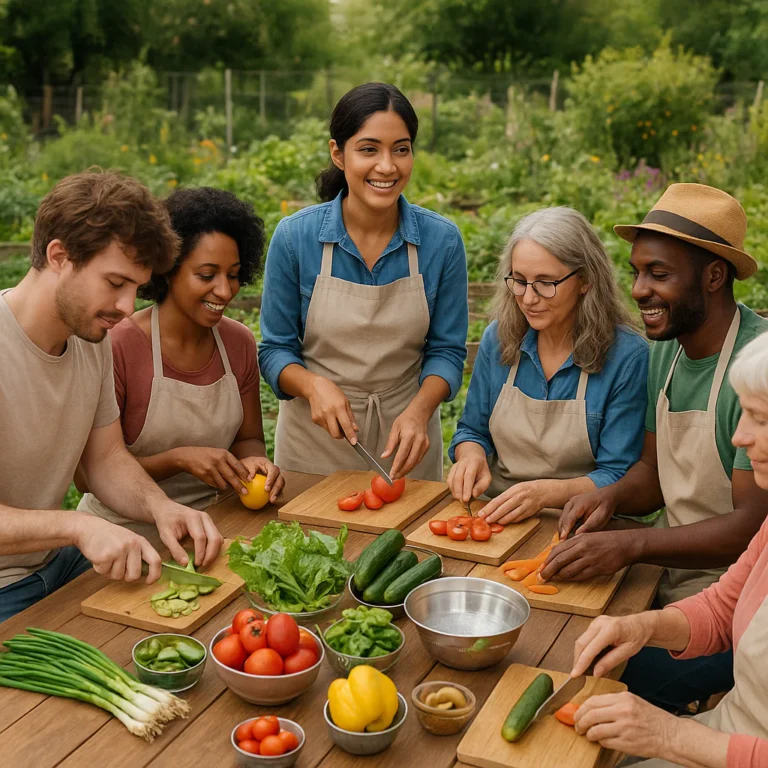
Ever wondered what a day at a Community Gardening™ sustainable living workshop actually feels like? Let us paint a picture for you! It’s not just sitting in a classroom listening
to lectures; it’s an immersive, hands-on experience that engages all your senses. You’ll leave feeling inspired, educated, and a little bit wonderfully dirty!
Imagine waking up on a crisp Saturday morning, excited
for a day of discovery. You arrive at our vibrant community garden, greeted by the cheerful chatter of fellow attendees and the earthy scent of blooming flowers and rich soil. You grab a complimentary cup of locally roasted coffee (in a reusable mug, of course!)
and mingle, sharing your gardening aspirations.
A Typical Workshop Day Unfolds Like This:
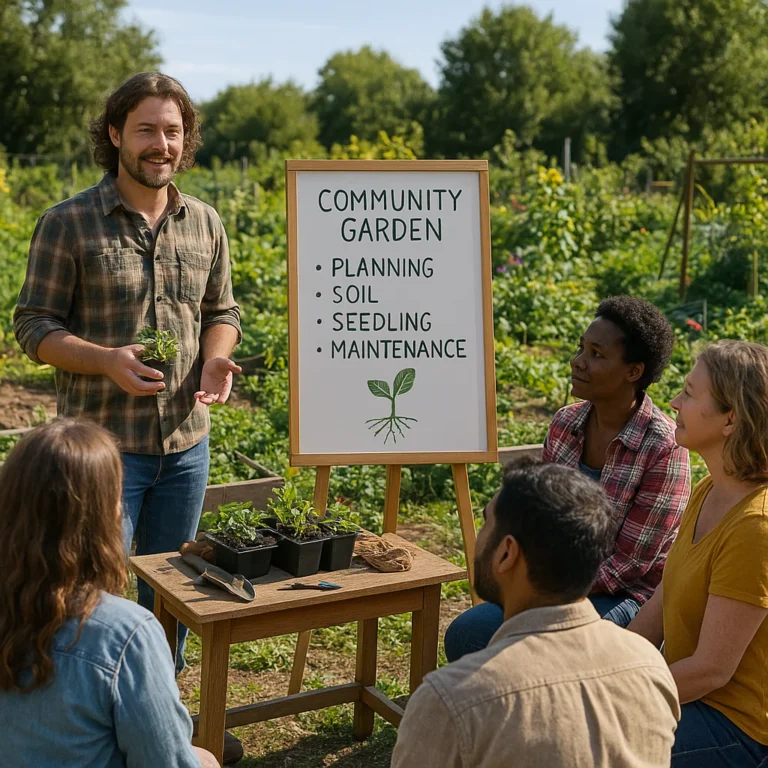
- Morning Welcome & Theory (Briefly!): We start with a warm welcome and a quick, engaging overview of the day
‘s topic. Our expert gardeners will share fascinating facts, personal anecdotes, and answer your initial burning questions. Think of it as the “why” before the “how.” - Hands-On Learning & Demonstrations: This is
where the magic happens! Whether it’s building a raised bed, turning a compost pile, or identifying beneficial insects, you’ll be actively participating. Our instructors demonstrate techniques step-by-step, ensuring everyone gets a chance to try
their hand. Remember the ALA’s mention of “Mason Jar Hydroponic Gardening” as a hands-on activity? We embrace that spirit of practical application! - Our Anecdote:
During a recent composting workshop, one attendee, initially hesitant to touch the worms, ended up fascinated, declaring them “tiny, wriggly engineers!” She even took home a small worm bin kit! - Interactive Group Activities: We believe
in learning from each other. You’ll often break into small groups for collaborative tasks, like designing a water-wise planting scheme or troubleshooting common garden problems. It’s a fantastic way to share perspectives and build connections.
Q&A and Expert Insights: Throughout the day, our seasoned gardeners are on hand to answer every question, no matter how big or small. We love sharing our tips, tricks, and even our gardening mishaps (we all have them!).
*
Mid-Day Break & Local Delights: We typically provide a light, locally sourced snack or lunch, often featuring produce from our own gardens or neighboring farms. It’s a chance to refuel, relax, and continue conversations
.
- Wrap-Up & Next Steps: We conclude with a summary of key takeaways, resources for further learning, and often a small “take-home” project or plant to get you started immediately. You’ll leave with
a clear action plan and newfound confidence.
You won’t just learn about sustainable gardening; you’ll experience it. You’ll connect with the earth, with your community, and with the incredible potential within yourself
to cultivate a greener world. Are you ready to get your hands dirty and your mind buzzing?
📝 Please Note: Registration is Required to Help Us Plan for Materials and Space, Thank You!
We are absolutely thrilled by your enthusiasm for sustainable living and gardening! To ensure that every single one of our workshop
attendees has the best possible experience, with ample materials, comfortable space, and personalized attention, pre-registration is absolutely essential.
Just as the SLC staff emphasizes for their composting workshop, registration “is required to plan for materials and space.”
This isn’t just a formality; it’s how we meticulously prepare for each session, ensuring we have enough seeds for everyone to sow, enough soil for every demonstration, and enough space for every eager learner
. It allows us to manage group sizes effectively, guaranteeing a high-quality, hands-on learning environment for all.
Here’s why your registration matters (and how to do it!):
- Material Preparation
: We source high-quality, sustainable materials for all our hands-on activities. Knowing the exact number of participants allows us to order precisely what’s needed, minimizing waste and maximizing your learning experience. - Space Allocation: Our workshops
are held in various beautiful garden settings, and some have limited capacity. Your registration helps us secure the perfect spot and ensure everyone has room to dig, plant, and learn comfortably. - Instructor Ratios: We pride ourselves on providing
expert guidance. Registration helps us maintain optimal instructor-to-attendee ratios, so you get the personalized support you deserve. - Communication: Registered attendees receive important pre-workshop information, including directions, what to bring, and
any last-minute updates.
Don’t miss out on your chance to transform your gardening journey! To secure your spot in an upcoming workshop, simply visit our Community Garden Events page and click on the workshop title or image that sparks your interest. It’s quick, easy, and your first step towards a greener tomorrow! Thank you for helping us make every workshop a resounding
success.
🌍 Beyond the Plot: How Garden Workshops Spark Neighborhood Sustainability
You might sign up for a workshop
to learn how to grow a better tomato, but what you’ll discover is that the ripple effects of sustainable gardening extend far beyond your own backyard. Here at Community Gardening™, we’ve seen firsthand how these workshops become powerful catalysts, ign
iting a passion for neighborhood sustainability that transforms entire communities.
Think about it: one person learns to compost, then shares their “black gold” with a neighbor. Another builds a rain barrel, inspiring a friend to do the same. Suddenly
, a single workshop blossoms into a network of eco-conscious individuals, collectively making a tangible difference. The UCLA Extension course highlights that sustainable practices are “applicable to home gardens, school gardens, and commercial sites”, demonstrating
the broad reach of this knowledge.
The Domino Effect of Green Education:
- Knowledge Spreads: What you learn, you share! Your newfound skills become conversation starters, inspiring others in your neighborhood to adopt similar practices. We
often see workshop attendees become local “green champions.” - Resource Sharing: From tool libraries to seed swaps, workshops foster a spirit of collaboration. Neighbors start sharing excess produce, composting resources, and even gardening expertise, strengthening local resilience
. This is the essence of Community Gardening! - Community Projects Flourish: Inspired by shared learning, neighborhoods often initiate collective projects. We
‘ve seen groups start community orchards, transform neglected public spaces into pollinator gardens, or even lobby for more sustainable urban planning. - Local Food Systems Strengthen: As more people grow their own food and share their harvests, dependence
on distant, industrially produced food decreases. This builds a more secure, local food system and supports the local economy. - Environmental Awareness Grows: Every sustainable garden is a living classroom. Children learn about where food comes from,
adults reconnect with nature, and everyone becomes more attuned to the delicate balance of our local ecosystem.
Our workshops aren’t just about individual skill-building; they’re about cultivating a collective consciousness. They are the seeds of change,
planted in the hearts and minds of individuals, that grow into vibrant, sustainable communities. What kind of ripple effect will you create?
💡 Troubleshooting Common Mistakes in Eco-Gardening
Even the most seasoned sustainable gardeners make mistakes – trust us, we’ve made plenty! The beauty of eco-gardening is that it’s a continuous learning process, and every
“oops” moment is an opportunity for growth. In our workshops, we don’t just teach you the right way; we also help you identify and troubleshoot common pitfalls, so you can avoid frustration and keep your green journey enjoyable
.
Here are some of the most frequent blunders we see, and how our expert team at Community Gardening™ helps you navigate them:
- Mistake #1: Overwatering (or Underwatering!)
- ❌
The Problem: Drowning your plants or leaving them parched. Both lead to stressed plants, disease, and poor yields. - ✅ The Fix: Our workshops teach you how to “read” your soil’s moisture levels using
your finger (the simplest tool!) and how to properly assess plant needs. We emphasize deep, infrequent watering and the benefits of mulch to retain moisture. Remember our section on water-wise irrigation? That’s your secret weapon!
Mistake #2: Neglecting Soil Health
- ❌ The Problem: Treating soil like inert dirt, relying solely on bottled nutrients. This depletes the soil’s natural microbiome.
- ✅ The Fix
: We hammer home the importance of compost and organic matter! Our soil regeneration workshops show you how to build living soil that feeds your plants naturally, making them more resilient to pests and diseases. - Mistake #3
: Battling Pests with Chemicals - ❌ The Problem: Reaching for synthetic pesticides at the first sign of a bug. This harms beneficial insects, pollinators, and can make your garden even more susceptible to
future pest outbreaks. - ✅ The Fix: We empower you with a toolkit of natural pest control strategies, from companion planting to attracting beneficial insects and using organic sprays. You’ll learn to see pests not as enemies, but
as indicators of imbalance, and how to restore harmony. - Mistake #4: Planting in the Wrong Place
- ❌ The Problem: Putting sun-loving plants in shade or moisture-loving plants in
dry spots. This leads to stunted growth and disappointment. - ✅ The Fix: Our permaculture and garden design workshops teach you the art of “right plant, right place.” You’ll learn how to assess your garden
‘s microclimates, understand plant needs, and design a layout that works with nature, not against it. - Mistake #5: Going It Alone
- ❌ The Problem: Feeling isolated and
overwhelmed by challenges, leading to giving up. - ✅ The Fix: This is where Community Gardening™ truly shines! Our workshops foster a supportive community where you can share your struggles and celebrate your successes. You’ll realize
you’re part of a larger movement, with a whole team of gardeners cheering you on.
Don’t let these common hiccups deter you! Instead, see them as learning opportunities. Our expert team is here to guide you through every
challenge, turning potential failures into valuable lessons and ensuring your sustainable gardening journey is a joyful and fruitful one.
🏆 Success Stories: Real
Gardeners, Real Green Transformations
There’s nothing quite as inspiring as seeing real people achieve real results. Here at Community Gardening™, we’ve had the immense privilege of witnessing countless individuals transform their gardens and, in turn, their lives,
through our sustainable living workshops. These aren’t just anecdotes; they’re testaments to the power of education, community, and a little bit of dirt under the fingernails!
Let us introduce you to a few of our green
heroes:
Meet Maria: From Concrete Patio to Culinary Oasis
Maria lived in a small apartment with a sun-baked concrete patio. She dreamt of fresh herbs and vegetables but thought it was impossible. After attending our “Building Raised Beds with Rec
ycled Materials” and “Organic Soil Regeneration” workshops, she was ignited! She repurposed old wooden pallets into charming raised beds, filled them with nutrient-rich compost she learned to make, and started growing an incredible array of Edible Plants.
“I never thought I could grow anything,” Maria shared with us, beaming. “But the workshops gave me the confidence and the practical steps. Now, my
patio is overflowing with basil, tomatoes, and peppers! My neighbors are constantly stopping by, asking for tips. It’s truly transformed my little corner of the city.” Maria even started a small seed-sharing initiative with her building, a
direct result of our “Seed Saving” workshop!
Meet the Millers: A Family’s Journey to Water Independence
The Miller family, living in a drought-prone area, were deeply concerned about their water usage. Their
lawn was perpetually brown, and their garden struggled. They enrolled in our “Water-Wise Irrigation” and “Rainwater Harvesting” workshops.
“It was an eye-opener,” Mr. Miller recounted. “We learned about drip irrigation and installed a
few RTS Home Accents Rain Barrels after the workshop. We were amazed at how much water we were wasting before! Now, our garden is thriving, our water bill has significantly dropped, and
we feel so much more connected to the environment. Our kids love checking the rain barrels after a storm!” The Millers are now advocates for water conservation in their local Community Garden Policies discussions.
Meet John: Cultivating Community, One Plot at a Time
John, a retired teacher, felt a bit isolated after moving to a new town. He loved gardening but missed
the camaraderie of his old community. He joined our “Community Building: Organizing Local Garden Co-ops” workshop. Inspired, he rallied his new neighbors, found a neglected plot of land, and, with our guidance, helped establish a thriving
community garden.
“It wasn’t just about growing food; it was about growing friendships,” John reflected. “The workshop gave us the framework and the confidence to get started. Now, we have regular Community Garden Events, potlucks, and a real sense of belonging. We’re even planning a ‘Winter Vegetable Gardening’ program, inspired by the ideas in the ALA book!”
These stories are just a glimpse of the incredible transformations happening every day thanks to the power of sustainable living workshops. Are you ready to write your own success story? Your green transformation awaits!
🎓 Conclusion: Your Journey to a Grener Future Starts Here

So, we’ve journeyed from the history of sustainable gardening to the nitty-gritty of worm bins, rain barrels, and the art of seed saving. We’ve explored how a simple workshop can ripple out to transform neighborhoods, turning concrete jungles into edible oases. But here’s the million-dollar question we posed at the very beginning: Are you ready to stop just dreaming about a sustainable garden and start building it?
The answer, we hope, is a resounding YES!
Throughout this guide, we’ve seen that sustainable living isn’t about perfection; it’s about progress. It’s about making small, intentional choices that add up to a massive positive impact. Whether you’re mastering the art of organic soil regeneration, designing a water-wise irrigation system, or simply learning to compost your kitchen scraps, every step you take matters.
Why Trust Our Recommendations?
At Community Gardening™, we don’t just talk the talk; we walk the walk. Our recommendations for tools like the Felco F-2 Pruners or systems like the Worm Factory 360 aren’t based on marketing fluff. They are born from years of hands-on testing, calloused hands, and the collective wisdom of our expert team. We’ve seen what works, what breaks, and what truly empowers gardeners to thrive.
The Verdict on Sustainable Living Workshops:
If you’ve been on the fence about attending a workshop, let us clear the air. These aren’t just classes; they are catalysts for change. They provide the knowledge, the community, and the confidence you need to turn your garden into a resilient, eco-friendly sanctuary. From the “Grener Gardens” course at UCLA Extension to local library programs detailed in the ALA book, the resources are out there, waiting for you.
Your Next Step:
Don’t let another season pass by with a garden that’s just “okay.” Join us at an upcoming Community Garden Event. Register today, get your hands dirty, and become part of a movement that’s growing stronger every day. Remember, the most sustainable garden is the one you actually tend to.
Let’s grow together! 🌱🌍
🔗 Recommended Links
Ready to get started? Here are our top picks for tools, books, and resources to kickstart your sustainable gardening journey.
Essential Tools & Equipment
-
Composting Systems:
Worm Factory 360: Amazon | Walmart | Worm Factory Official Website
Yimby Tumbler Composter: Amazon | Walmart
Geobin Composter: Amazon | Walmart -
Water Management:
Rachio 3 Smart Sprinkler Controller: Amazon | Walmart | Rachio Official Website
Good Ideas Rain Wizard 40-Gallon Rain Barrel: Amazon | Walmart
RTS Home Accents 50-Gallon Rain Barrel: Amazon | Home Depot -
Gardening Tools:
Fiskars Ergo Trowel: Amazon | Walmart | Fiskars Official Website
Felco F-2 Classic Pruner: Amazon | Felco Official Website
Barebones Hori Hori: Amazon | Barebones Living Official Website
Bonide Neem Oil: Amazon | Walmart -
Seds & Plants:
Baker Creek Heirloom Seeds: Baker Creek Official Website
Seed Savers Exchange: Seed Savers Exchange Official Website
American Meadows Wildflower Seed Mixes: Amazon | American Meadows Official Website
Prairie Moon Nursery Native Seeds: Prairie Moon Nursery Official Website
Essential Reading
- “Sustainable Living Programs” (ALA Store): A comprehensive guide for libraries and community groups on organizing sustainable living workshops. Buy on Amazon | Buy on ALA Store
- “Gaia’s Garden: A Guide To Home-Scale Permaculture” by Toby Hemenway: The definitive guide to permaculture design for home gardeners. Buy on Amazon | Buy on Bookshop.org
❓ FAQ: Everything You Wanted to Ask About Sustainable Garden Workshops

What sustainable living workshops are available for community gardeners?
There is a vast array of workshops tailored specifically for community gardeners, ranging from beginner basics to advanced techniques. You can find local offerings through:
- Community Centers & Parks Departments: Many cities host free or low-cost workshops on composting, rainwater harvesting, and native planting.
- Libraries: As highlighted in the ALA’s Sustainable Living Programs, libraries are increasingly hosting hands-on workshops like “Mason Jar Hydroponic Gardening” and “Straw Bale Gardening.”
- Universities & Extension Offices: Institutions like UCLA Extension offer formal courses such as “Grener Gardens: Sustainable Garden Practice,” covering water management, waste reduction, and local food systems.
- Non-Profits & Garden Clubs: Organizations like the SLC (Sustainable Living Center) often run specialized series on setting up home composting and other eco-friendly practices.
Read more about “💧 12 Water-Saving Secrets for Thriving Community Gardens (2026)”
How can I start a sustainable living workshop in my local garden?
Starting your own workshop is a fantastic way to share knowledge and build community. Here’s a roadmap:
- Identify Your Niche: What do you know well? Composting? Pollinator gardens? Seed saving?
- Partner with a Venue: Reach out to your local library, community center, or existing community garden. The ALA book provides excellent guidance on “Cordinating Gardening and Sustainability Programs with Local Experts.”
- Plan Your Content: Use resources like the ALA book or online guides to structure your session. Include hands-on activities, as these are most engaging.
- Secure Materials: List the tools and materials needed (e.g., compost bins, seeds, soil). Many programs can start with “basically free” materials or small budgets.
- Promote Your Event: Use social media, local newsletters, and community boards. Don’t forget to emphasize the hands-on nature of the event!
- Execute & Iterate: Run your workshop, gather feedback, and refine for the next one.
Read more about “🌿 10 Ways Stress-Reduction Community Gardens Heal You (2026)”
What topics are covered in sustainable living workshops for gardens?
Sustainable living workshops are incredibly diverse, but core topics often include:
- Soil Health: Composting, vermiculture, soil testing, and organic amendments.
- Water Conservation: Rainwater harvesting, drip irrigation, xeriscaping, and greywater systems.
- Plant Selection: Choosing native plants, heirloom varieties, and pollinator-friendly species.
- Pest Management: Natural pest control, companion planting, and attracting beneficial insects.
- Food Production: Growing vegetables, herbs, and even mushrooms (culinary mushroom cultivation is a popular topic!).
- Design & Planning: Permaculture principles, raised bed construction, and garden layout.
- Community Building: Organizing garden co-ops, seed swaps, and shared resource initiatives.
Read more about “🛠️ 15 Essential Tools & Resources for a Thriving Community Garden (2026)”
Are there free sustainable living workshops for community gardening groups?
Yes, absolutely! Many organizations offer free or donation-based workshops.
- Public Libraries: Often host free programs as part of their community outreach, focusing on self-reliance and sustainability.
- Local Parks & Recreation Departments: Frequently provide free educational sessions on composting and native gardening.
- Non-Profit Organizations: Groups like the SLC or local land trusts often run free workshops to promote environmental stewardship.
- University Extension Programs: While some courses have fees, many offer free seminars, webinars, or “master gardener” volunteer-led sessions.
- Community Gardens: Many established gardens host free “workdays” that double as learning opportunities, where experienced gardeners share tips with newcomers.
Read more about “🌱 How Community Gardens Spark Connection (2026)”
How do sustainable living workshops benefit urban community gardens?
Urban community gardens face unique challenges, and sustainable workshops are key to overcoming them:
- Resource Efficiency: Teaching water harvesting and composting helps urban gardeners maximize limited resources and reduce waste.
- Soil Remediation: Workshops on soil regeneration are crucial for urban areas where soil may be contaminated or depleted.
- Biodiversity Boost: Educating gardeners on pollinator-friendly plants helps restore local ecosystems in concrete-heavy environments.
- Social Cohesion: Workshops bring neighbors together, fostering a sense of community and shared purpose, which is vital for the longevity of urban gardens.
- Food Security: By teaching efficient growing techniques, workshops empower urban residents to grow their own fresh, healthy food, reducing reliance on distant supply chains.
Read more about “🌱 Community Garden Adult Education: 5 Paths to Mastery (2026)”
Where can I find upcoming sustainable living workshops near my garden?
Finding local workshops is easier than ever:
- Community Gardening™ Events Page: Check our Community Garden Events section for our upcoming schedule.
- Local Libraries: Visit your library’s website or event calendar.
- University Extension Offices: Search for “Master Gardener” programs or extension courses in your area.
- Meetup & Eventbrite: Search for “sustainable gardening,” “permaculture,” or “composting” in your city.
- Local Parks & Recreation: Check municipal websites for community education programs.
- Garden Centers: Many local nurseries host free or low-cost workshops on specific topics.
Read more about “How Do You Make a Community Vegetable Garden? 15 Steps to Success 🌿 (2026)”
What skills do I learn in a sustainable living workshop for gardens?
You’ll walk away with a toolkit of practical, hands-on skills, including:
- Composting Mastery: How to build and maintain a compost pile or worm bin.
- Water Wisdom: Designing and installing rain barrels and drip irrigation systems.
- Soil Science: Testing soil, amending with organic matter, and understanding pH.
- Pest Patrol: Identifying pests and using natural, chemical-free control methods.
- Seed Saving: Collecting, cleaning, and storing seeds from heirloom plants.
- Garden Design: Applying permaculture principles to create efficient, low-maintenance landscapes.
- Community Leadership: Skills to organize and lead local gardening initiatives.
Read more about “🌱 10 Ways Community Gardens & Urban Greening Transform Cities (2026)”
📚 Reference Links
- UCLA Extension: Grener Gardens: Sustainable Garden Practice Course – A comprehensive course on sustainable gardening practices.
- American Library Association (ALA): Sustainable Living Programs Book – A guide to organizing sustainable living programs, including gardening activities.
- SLC (Sustainable Living Center): Public Workshop Series – Information on local workshops, including composting and other sustainable practices.
- Baker Creek Heirloom Seeds: Rare Seeds – Source for heirloom seeds and gardening resources.
- Seed Savers Exchange: Seed Savers Exchange – Dedicated to preserving heirloom seeds and promoting seed saving.
- Fiskars: Fiskars Official Website – Manufacturer of durable gardening tools.
- Felco: Felco Official Website – Swiss-made pruning tools.
- Rachio: Rachio Official Website – Smart irrigation controllers.
- Good Ideas: Good Ideas Official Website – Rain barrels and water conservation products.
- Worm Factory: Worm Factory Official Website – Worm composting systems.
- Bonide: Bonide Official Website – Organic pest control products.
- American Meadows: American Meadows Official Website – Wildflower seeds and pollinator plants.
- Prairie Moon Nursery: Prairie Moon Nursery Official Website – Native seeds and plants.
- Barebones Living: Barebones Living Official Website – Sustainable outdoor and gardening gear.