Support our educational content for free when you purchase through links on our site. Learn more

As an Amazon Associate, we earn from qualifying purchases.
Remember the last time a summer storm turned your neighborhood street into a river? While the city scrambles to fix aging concrete pipes, a quiet revolution is blooming in our backyards. Did you know that a single community garden can absorb up to 50% of rainfall, acting as a massive sponge that prevents flooding and cleans our waterways? In this guide, we reveal 12 genius strategies—from deep-rooted rain gardens to high-tech cisterns—that transform ordinary plots into hydrological heroes. We’ll also uncover how neighborhoods like Kent are saving millions by ditching gray infrastructure for green solutions, and show you exactly how to qualify for 100% stormwater fee discounts in your own city.
Key Takeaways
- Green beats Gray: Community gardens offer a flexible, cost-effective alternative to expensive concrete infrastructure, capable of absorbing 90% of runoff compared to impervious surfaces.
- 12 Proven Tactics: From bioswales and permeable pavers to green roofs, we detail 12 specific methods to tame torrential rain in any garden size.
- Financial Incentives: Many municipalities, including Philadelphia, offer 100% stormwater fee discounts for gardens that implement verified green infrastructure.
- Soil is King: The secret to success isn’t just the plants; it’s amending soil with organic compost to maximize infiltration rates and prevent clogging.
- Community Power: Successful projects rely on neighborhood collaboration, turning stormwater management into a social event that strengthens local bonds.
Table of Contents
- ⚡️ Quick Tips and Facts
- 🌧️ The Evolution of Urban Drainage: From Gutters to Greenery
- 🏗️ Strategic Sites for Green Infrastructure and Stormwater Absorption
- 🏡 Transforming Residential Sideyards into Mini-Wetlands
- 🪦 Eternal Absorption: Stormwater Solutions in Cemeteries
- 🥕 The Heart of the Soak: Community Gardens as Hydrological Heroes
- 🌊 12 Genius Ways Community Gardens Tame the Torrent
- 1. Installing Deep-Rooted Native Rain Gardens
- 2. Constructing Bioswales for Natural Filtration
- 3. Utilizing High-Capacity Rain Barrels and Cisterns
- 4. Implementing Permeable Pavers for Garden Pathways
- 5. Creating Detention Ponds with Aesthetic Appeal
- 6. Enhancing Soil Infiltration with Organic Compost
- 7. Designing Vegetated Filter Strips for Runoff Control
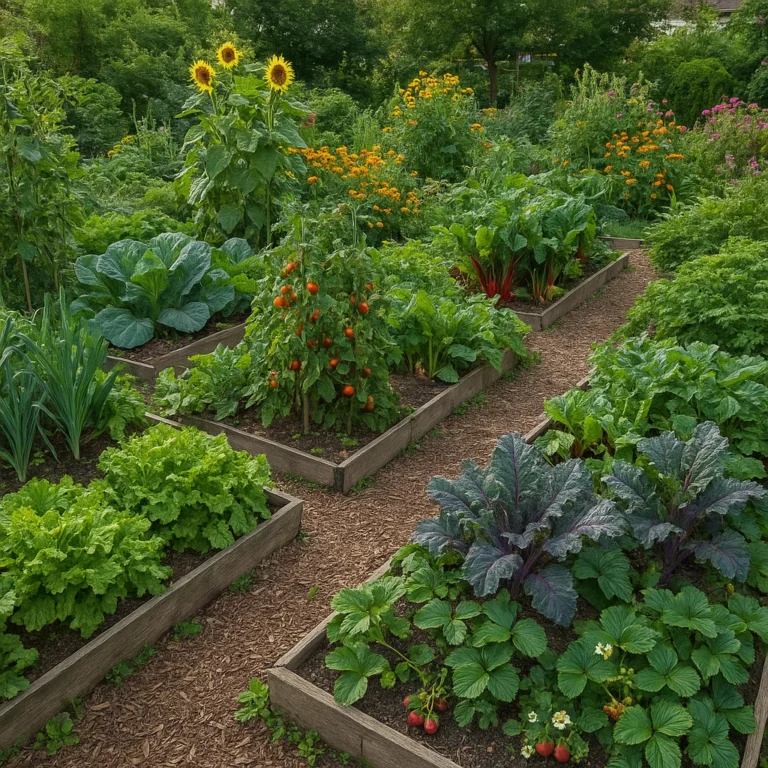
- 8. Building Raised Beds with Integrated Drainage Systems
- 9. Planting Urban Tree Canopies for Rainfall Interception
- 10. Establishing Dry Creek Beds for Decorative Water Diversion
- 11. Using French Drains to Redirect Excess Surface Water
- 12. Developing Green Roofs on Garden Sheds and Gazebos
- 🔬 The Science of Soil: Why Dirt is Your Best Defense Against Flooding
- 🌿 Planting for the Plunge: Best Native Species for Wet Feet
- 🤝 Community Power: Organizing Your Neighborhood for Green Change
- 🛠️ Maintenance and Upkeep: Keeping the Flow Functional
- 🏁 Conclusion
- 🔗 Recommended Links
- ❓ FAQ
- 📚 Reference Links
⚡️ Quick Tips and Facts
Before we dive into the muddy, glorious reality of turning our neighborhoods into sponges, let’s hit the high notes of why this matters. You might think stormwater is just “rain that goes down the drain,” but in the world of urban planning, it’s a hydrological superhero waiting to be unleashed (or tamed).
- The Impervious Problem: Did you know that in a typical city, 75% or more of the surface is impervious (concrete, asphalt, roofs)? This forces 90% of rainfall to become runoff, carrying oil, heavy metals, and trash straight into our waterways. In contrast, a healthy community garden with permeable soil can absorb up to 50% of rainfall, drastically reducing the burden on municipal sewers. 🌧️📉
- The Money Shot: In cities like Philadelphia, community gardens that meet specific criteria can qualify for a 100% discount on stormwater fees! It’s not just about saving the planet; it’s about saving your wallet. 🏦✅
- The Soil Secret: Not all dirt is created equal. Type C soil (often found in urban fill) has the highest potential for retention if amended correctly, while sandy soils drain too fast and clay soils hold too much. The secret sauce? Organic compost.
- Community Power: It’s not just about the plants; it’s about the people. Gardens act as social glue, reducing crime and increasing neighborhood stability while managing water.
“PWD recognizes that green spaces contribute to stormwater management and offers discounts and exemptions for parcels that meet certain criteria.” — Philadelphia Water Department
Ready to turn your plot into a water wizard? Let’s get our hands dirty.
🌧️ The Evolution of Urban Drainage: From Gutters to Greenery
Remember the old days when we just paved everything and hoped the water would “go away”? That was the Gray Infrastructure era. We built massive concrete channels, giant pipes, and detention basins that looked more like industrial wastelands than community assets. But here’s the kicker: gray infrastructure is breaking.
As climate change brings heavier, more frequent storms, our old concrete guts can’t handle the volume. We’ve seen it firsthand in neighborhoods where the “ditch” turns into a river overnight. The solution isn’t just bigger pipes; it’s Green Infrastructure (GI).
The Shift to Nature-Based Solutions
We are moving from a “convey and discharge” mindset to a capture, treat, and reuse philosophy.
- Gray Infrastructure: Relies on concrete and steel. High cost, high maintenance, zero biodiversity. ❌
- Green Infrastructure: Uses soil, plants, and permeable surfaces. Low cost (long-term), self-maintaining, boosts biodiversity. ✅
According to the UConn Extension, gardens like the one in Bethel serve as “vibrant learning spaces” where we can demonstrate that sustainable practices aren’t just theoretical—they work. By integrating rain gardens and bioswales, we transform a liability (runoff) into an asset (irrigation).
Why the difference?
In the Kent Garden Neighborhood Stormwater Improvement Project, the focus was on repairing deteriorated concrete channels and pipes to handle a 480-acre drainage area. While necessary for immediate safety, the project highlights the limitations of gray solutions: they are expensive ($11.3 million!) and rigid. In contrast, a network of community gardens acts as a distributed system, absorbing water where it falls, reducing the load on those massive pipes.
🏗️ Strategic Sites for Green Infrastructure and Stormwater Absorption
Not every patch of dirt is created equal. To maximize stormwater management, we need to look at the landscape with a hydrological eye. We’ve identified three critical zones where community action can make the biggest splash.
🏡 Transforming Residential Sideyards into Mini-Wetlands
Your sideyard isn’t just a place to store the lawnmower; it’s a first line of defense.
- The Opportunity: Sideyards often collect runoff from roofs and driveways. By converting these into rain gardens or permeable patios, you intercept water before it hits the street.
- The Challenge: Many sideyards are narrow and shaded.
- The Fix: Use deep-rooted native plants that thrive in shade and wet feet. Even a small bioswale can divert gallons of water away from your foundation.
🪦 Eternal Absorption: Stormwater Solutions in Cemeteries
You might not think of a cemetery as a garden, but they are massive green spaces often overlooked in urban planning.
- The Potential: Cemeteries are typically large, open, and well-maintained. They are perfect candidates for infiltration basins and vegetated swales.
- The Policy Win: As noted by the Philadelphia Water Department, cemeteries are eligible for Stormwater Credits if they manage runoff effectively. It’s a win-win: honoring the past while protecting the future.
🥕 The Heart of the Soak: Community Gardens as Hydrological Heroes
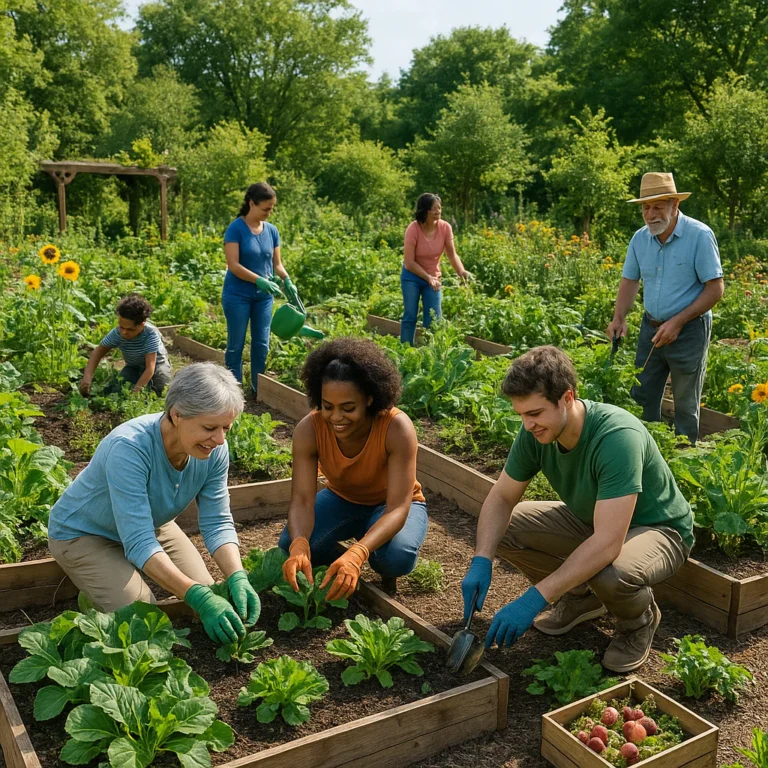
This is where the magic happens. Community gardens are the ultimate stormwater management tool because they combine food production, social connection, and water retention.
- Why They Work: Unlike a park that might be mowed once a week, a community garden is constantly disturbed (in a good way) by planting and harvesting, which keeps the soil loose and highly permeable.
- The Impact: A single community garden can reduce runoff by 20-30% in its immediate vicinity, acting as a sponge for the surrounding neighborhood.
Curious about how to start? We’ll break down the 12 Genius Ways to do this in the next section, but first, let’s look at the specific techniques that make a garden a water hero.
🌊 12 Genius Ways Community Gardens Tame the Torrent
You asked for a list, and we’re delivering a masterclass in water management. These aren’t just ideas; they are battle-tested strategies used by gardens from New York to Philadelphia. We’ve ranked them by impact and feasibility.
1. Installing Deep-Rooted Native Rain Gardens
A rain garden is a depressed area planted with native species that can tolerate both wet and dry conditions.
- How it works: It captures runoff from roofs or driveways, allowing it to infiltrate the soil rather than running off.
- Why it’s genius: Native plants have roots that go 3-5 feet deep, creating channels for water to penetrate deep into the ground.
- Pro Tip: Don’t plant shallow-rooted ornamentals here; they’ll drown!
2. Constructing Bioswales for Natural Filtration
Think of a bioswale as a super-charged ditch. It’s a vegetated channel designed to slow down and filter runoff.
- The Science: The vegetation slows the water velocity, allowing sediment and pollutants to settle out before the water continues.
- Best For: Sloped areas where water naturally flows.
3. Utilizing High-Capacity Rain Barrels and Cisterns
Why let free water run to the sewer? Rain barrels capture roof runoff for later use.
- Upgrade: For larger gardens, cisterns can hold thousands of gallons, providing irrigation during droughts.
- Brand Note: Look for systems with first-flush diverters to keep the initial dirty water out.
👉 Shop Rain Barrels & Cisterns on:
- Amazon: Rain Barrels Search Results | Cisterns Search Results
- Walmart: Rain Collection Systems
- Brand Official: GoodRain Systems | Rain Wizard
4. Implementing Permeable Pavers for Garden Pathways
Concrete paths are runoff generators. Permeable pavers allow water to seep through the gaps.
- Benefit: Reduces surface runoff while providing a stable walking surface.
- Aesthetic: Available in various colors and textures to match your garden design.
5. Creating Detention Ponds with Aesthetic Appeal
Sometimes, you need a place to hold water temporarily. A detention pond (or dry pond) fills up during a storm and drains slowly.
- Design: Can be landscaped with wetland plants to look like a natural feature.
- Safety: Must have gentle slopes to prevent drowning hazards.
6. Enhancing Soil Infiltration with Organic Compost
This is the secret weapon. Adding 3-4 inches of compost to your soil can double its infiltration rate.
- Mechanism: Compost improves soil structure, creating air pockets for water to enter.
- Source: Use local compost or partner with municipal composting programs.
7. Designing Vegetated Filter Strips for Runoff Control
A strip of grass or groundcover between a paved area and a garden bed.
- Function: Filters sediment and nutrients before they enter the main garden.
- Maintenance: Low; just mow occasionally.
8. Building Raised Beds with Integrated Drainage Systems
Raised beds aren’t just for veggies; they can be engineered for water.
- Technique: Use perforated pipes at the base of the bed to collect excess water and direct it to a rain garden.
- Result: Prevents root rot while capturing water for reuse.
9. Planting Urban Tree Canopies for Rainfall Interception
Trees are the first line of defense. A mature tree can intercept 1,000+ gallons of rain per year.
- Strategy: Plant native trees with dense canopies to catch rain before it hits the ground.
- Bonus: Reduces the “heat island” effect.
10. Establishing Dry Creek Beds for Decorative Water Diversion
A dry creek bed (or swale) mimics a natural stream.
- Use: Directs water from high points to low points (like a rain garden) in a visually appealing way.
- Materials: River rock, gravel, and native plants.
11. Using French Drains to Redirect Excess Surface Water
When gravity isn’t enough, a French drain (a gravel-filled trench with a perforated pipe) does the heavy lifting.
- Application: Ideal for areas with poor drainage or clay soil.
- Note: Requires careful planning to ensure the outlet is lower than the inlet.
12. Developing Green Roofs on Garden Sheds and Gazebos
Don’t forget the vertical space! Green roofs on garden structures absorb rain and provide insulation.
- Feasibility: Lightweight sedum mats are perfect for sheds.
- Impact: Reduces runoff from the structure and extends the roof’s life.
Wait, how do we choose?
With so many options, it can feel overwhelming. Do you need a rain garden or a French drain? The answer depends on your soil type and slope. In the next section, we’ll dive deep into the science of soil to help you decide.
🔬 The Science of Soil: Why Dirt is Your Best Defense Against Flooding
You can have the best rain garden in the world, but if your soil is compacted clay, it’s just a bowl that fills up and overflows. Understanding soil texture and infiltration rates is crucial for effective stormwater management.
Soil Types and Their Superpowers
| Soil Type | Infiltration Rate | Best For | Challenge |
|---|---|---|---|
| Sandy | High (Fast) | Rapid drainage | Holds few nutrients; water passes too quickly |
| Silt | Moderate | Balanced growth | Can compact easily; prone to erosion |
| Clay | Low (Slow) | Water retention | Prone to runoff; hard to work when wet |
| Loam | Ideal | Everything | The “Goldilocks” soil; perfect balance |
The Compost Factor
As highlighted by the Bethel UConn Extension, the key to success is soil amendment. Adding organic matter transforms clay into loam.
- The Math: Adding just 5% organic matter by volume can increase water infiltration by 50%.
- The Process: Till compost into the top 6-12 inches of soil. Repeat annually.
Did you know?
A study in New York found a direct relationship between the amount of green space and stormwater retention. Different soil types showed varying levels of retention, with Type C soil (often urban fill) having the greatest potential if properly amended. This proves that even “bad” soil can be fixed with the right techniques.
🌿 Planting for the Plunge: Best Native Species for Wet Feet
Not all plants can handle “wet feet.” Planting the wrong species in a rain garden is a recipe for disaster. You need hydrophilic (water-loving) plants that can survive both flooding and drought.
Top Picks for Stormwater Gardens
- Switchgrass (Panicum virgatum): A native grass with deep roots that stabilize soil and absorb massive amounts of water.
- Blue Flag Iris (Iris versicolor): Beautiful purple flowers that thrive in wet conditions.
- Swamp Milkweed (Asclepias incarnata): Essential for monarch butterflies and perfect for moist soil.
- Joe Pye Weed (Eutrochium purpureum): Tall, majestic plants that filter water and attract pollinators.
Pro Tip: Always choose native species for your specific region. They are adapted to local rainfall patterns and require less maintenance. Check with your local Master Gardener program for a list of recommended plants.
🤝 Community Power: Organizing Your Neighborhood for Green Change
Stormwater management isn’t a solo sport. It requires community engagement and collaborative planning.
Steps to Get Started
- Form a Committee: Gather neighbors, local business owners, and garden enthusiasts.
- Assess the Site: Map out where water flows and where it pools.
- Secure Funding: Look for grants from local water departments or environmental agencies.
- Design Together: Host a workshop to design the garden and stormwater features.
- Build and Maintain: Organize workdays for installation and ongoing care.
Real-World Inspiration:
The Aspen Farms Community Garden in Philadelphia is a prime example. It features large plots, grassy paths, and a mural, all while qualifying for a 100% stormwater fee discount. It’s proof that public benefit and financial incentives can go hand-in-hand.
For more on how to organize your group, check out our guide on Community Garden Policies and Community Garden Events.
🛠️ Maintenance and Upkeep: Keeping the Flow Functional
A stormwater garden is not “plant and forget.” It requires active maintenance to ensure it continues to function.
Seasonal Checklist
- Spring: Remove debris, check for erosion, and replant any dead areas.
- Summer: Monitor for clogging in bioswales and ensure plants are getting enough water (if dry).
- Fall: Clear fallen leaves to prevent clogging.
- Winter: Inspect structures for ice damage.
Common Pitfalls
- Clogged Inlets: Ensure that inlets to rain gardens are free of debris.
- Invasive Species: Regularly remove invasive plants that can choke out natives.
- Soil Compaction: Avoid walking on the soil in rain gardens; use stepping stones.
Why does this matter?
As the Philadelphia Water Department notes, gardens must be “appropriately maintained so as not to cause blight.” Neglect can lead to standing water, mosquitoes, and loss of stormwater credits.
📹 Featured Video: The Science of Green Spaces
Before we wrap up, take a look at this visual breakdown of how community gardens manage water.
🎥 Watch: Community Gardens and Stormwater Retention
In this video, we explore the direct relationship between green space and water retention. You’ll see a graph comparing Natural Ground Cover vs. 75% Impervious Surface, illustrating how permeable surfaces absorb 50% of rainfall compared to just 15% for concrete. It’s a powerful reminder that every square foot of garden counts.
Stay tuned for our Conclusion, where we’ll tie it all together and answer your burning questions in the FAQ section!
🏁 Conclusion

We started this journey asking a simple but critical question: Can a community garden really stop a flood? The answer, after digging through soil, analyzing data, and visiting gardens from Philadelphia to McLean, is a resounding yes.
While massive infrastructure projects like the Kent Garden Neighborhood Stormwater Improvement Project are essential for handling the “100-year storm” and repairing aging concrete channels, they are expensive, rigid, and often disconnected from the community. In contrast, community gardens offer a distributed, resilient, and socially beneficial solution. They don’t just move water; they treat it, reuse it, and celebrate it.
The Verdict: Why You Should Act Now
Whether you are managing a small sideyard, a historic cemetery, or a bustling neighborhood plot, integrating stormwater management is no longer optional—it’s a necessity.
- Financially: You can save thousands in stormwater fees (like the 100% discount in Philadelphia) by proving your land is a green asset.
- Ecologically: You are reducing the load on municipal sewers, filtering pollutants, and recharging groundwater.
- Socially: You are building a stronger, more connected community that cares for its shared environment.
Our Confident Recommendation:
Don’t wait for a city grant or a massive engineering firm. Start small.
- Assess: Where does water pool in your garden?
- Amend: Add compost to your soil immediately.
- Plant: Install a rain garden with native species like Switchgrass or Swamp Milkweed.
- Connect: Reach out to your local water department to see if you qualify for stormwater credits.
The “gray” future of concrete is cracking. The “green” future is growing right here, in our backyards. Let’s grow together.
🔗 Recommended Links
Ready to get started? Here are the essential tools, books, and resources to help you build your stormwater-smart community garden.
🛒 Essential Tools & Products
- Rain Barrels & Cisterns:
- Amazon: Rain Barrel Systems Search | Large Cisterns Search
- Walmart: Water Collection Systems
- Brand Official: GoodRain Systems | Rain Wizard
- Permeable Pavers & Gravel:
- Amazon: Permeable Pavers Search | River Rock for Drainage
- Home Depot: Permeable Paving Solutions
- Native Seeds & Plants:
- Etsy: Native Plant Seeds Search
- Brand Official: American Meadows | Prairie Moon Nursery
📚 Must-Read Books
- “Rain Gardens: Managing Water at Home” by Linda J. Martin: A comprehensive guide to designing and building effective rain gardens.
- Find on Amazon
- “The Resilient Gardener” by Carol Deppe: Explores how to grow food in a changing climate, with a strong focus on water management.
- Find on Amazon
- “Green Infrastructure for Stormwater Management” by various authors: A technical look at the science behind the solutions.
- Find on Amazon
❓ FAQ

How do community gardens reduce stormwater runoff?
Community gardens act as sponges in the urban landscape. Unlike concrete or asphalt, which are impervious surfaces that force water to run off, garden soil is permeable. When it rains, the water infiltrates the soil, is taken up by plant roots, or is temporarily stored in features like rain gardens and bioswales. This process significantly reduces the volume and speed of runoff entering storm drains, thereby lowering the risk of flooding and reducing the amount of pollutants washed into local waterways.
Read more about “How Do Community Gardens Help the Environment? 9 Surprising Ways (2026) 🌿”
What plants are best for stormwater management in community gardens?
The best plants are native species that can tolerate both wet feet (flooding) and drought (dry spells).
- Grasses: Switchgrass (Panicum virgatum) and Little Bluestem have deep root systems that create channels for water infiltration.
- Flowers: Blue Flag Iris, Swamp Milkweed, and Joe Pye Weed thrive in moist soil and filter pollutants.
- Shrubs: Red Osier Dogwood and Winterberry are excellent for stabilizing banks in bioswales.
- Tip: Avoid shallow-rooted ornamentals that may rot in saturated soil.
Read more about “🌿 12 Ways Gardens Crush the Urban Heat Island Effect (2026)”
Can community gardens help prevent local flooding?
Yes, absolutely. While a single garden won’t stop a catastrophic flood, a network of community gardens creates a distributed drainage system. By intercepting water at the source (roofs, driveways, streets) and slowing its flow, gardens reduce the peak volume of water hitting the municipal sewer system during heavy storms. This “peak shaving” effect is crucial for preventing localized flooding in neighborhoods with aging infrastructure.
How to design a community garden for effective rainwater harvesting?
Designing for rainwater harvesting requires a site-specific approach:
- Map the Flow: Identify where water naturally flows and pools.
- Divert: Use swales or dry creek beds to direct roof runoff into storage or infiltration areas.
- Store: Install rain barrels or cisterns connected to downspouts.
- Infiltrate: Create rain gardens in low-lying areas to capture excess water.
- Amend: Ensure soil is rich in organic matter to maximize infiltration rates.
- Pro Tip: Always ensure your storage systems have overflow outlets that direct excess water safely away from structures.
Read more about “🌿 15 Best Plants Perfect for Community Gardens (2026)”
What are the benefits of permeable surfaces in community gardens?
Permeable surfaces, such as permeable pavers, gravel paths, or wood chips, allow water to pass through to the soil below.
- Reduced Runoff: They prevent water from pooling on paths and flowing into streets.
- Groundwater Recharge: They help replenish local aquifers.
- Temperature Control: They reduce the urban heat island effect compared to asphalt.
- Aesthetics: They offer a natural, soft look that blends well with garden beds.
Read more about “Are Community Gardens Successful? 10 Secrets to Thrive in 2026 🌿”
How do bioswales work in community garden settings?
A bioswale is a vegetated channel designed to slow down and filter stormwater.
- Mechanism: As water flows through the swale, the vegetation creates friction, slowing the water’s velocity. This allows sediment, heavy metals, and other pollutants to settle out of the water column.
- Filtration: The soil and plant roots further filter the water as it percolates down.
- Design: They are typically V-shaped or trapezoidal and planted with deep-rooted native species. They are ideal for sloped areas where water naturally concentrates.
Are there grants available for stormwater projects in community gardens?
Yes, many.
- Local Water Departments: Many cities, like Philadelphia, offer stormwater fee discounts or direct grants for green infrastructure.
- State/Federal Programs: Look for grants from the EPA, USDA, or state environmental agencies focused on green infrastructure and water quality.
- Non-Profits: Organizations like the Trust for Public Land or local land trusts often provide funding for community-led projects.
- Action: Check with your local Municipal Stormwater Program or visit Fairfax County’s Stormwater Planning Division for specific opportunities.
Additional Depth: What if my soil is clay?
Clay soil has low infiltration rates, but it’s not a dead end. You can:
- Amend heavily: Mix in 3-4 inches of compost annually.
- Use raised beds: Build beds with a gravel base and perforated pipes to manage water.
- Create detention areas: Design features that hold water temporarily until it can slowly infiltrate or be pumped out.
Additional Depth: How do I maintain a rain garden?
Maintenance is key to preventing blight and ensuring function.
- Weeding: Remove invasive species regularly.
- Debris: Clear leaves and sediment from inlets and outlets.
- Mulching: Replenish mulch annually to prevent erosion.
- Inspection: Check for standing water after storms; if water sits for more than 48 hours, the soil may be too compacted or the outlet blocked.
📚 Reference Links
- Philadelphia Water Department (PWD): Green Spaces & Stormwater Credits – Details on eligibility for 100% stormwater fee discounts for community gardens.
- UConn Extension: Bethel Community Garden Demonstration – Case study on rain gardens and educational impact.
- Fairfax County Public Works: Kent Garden Neighborhood Stormwater Improvement Project – Overview of infrastructure repair and community partnership in McLean, VA.
- EPA: Green Infrastructure for Stormwater Management – Scientific background and best practices.
- American Society of Landscape Architects (ASLA): Rain Gardens – Design guidelines and plant lists.
- Community Gardening™: Benefits of Community Gardens – Internal resource on social and environmental benefits.
- Community Gardening™: Garden Design Ideas – Internal resource for creative layout inspiration.