Support our educational content for free when you purchase through links on our site. Learn more

Remember the chaotic summer of 2023 when our volunteer watering crew forgot to turn off the sprinklers, turning our prize-winning zucchini patch into a swamp? It was a costly lesson in human error, but it sparked a revolution at Community Gardening™. We realized that relying on memory and manual timers was no longer enough to sustain our vibrant, diverse plots. Enter the era of smart irrigation systems for community gardens, where technology meets the soil to create a self-regulating ecosystem.
In this comprehensive guide, we dive deep into the five best smart irrigation solutions that transform how we water, from weather-responsive controllers like Rachio to rugged LoRaWAN soil sensors perfect for large, off-grid plots. We’ll reveal how these systems can slash water bills by up to 50% while freeing up your volunteers to focus on what really matters: building community and harvesting fresh food. Whether you are managing a small urban plot or a sprawling neighborhood farm, you’ll discover the exact tech stack needed to keep your roots happy and your water usage lean.
Key Takeaways
- Smart irrigation systems can reduce water waste by 30-50% by automatically adjusting to real-time weather and soil moisture data.
- Weather-based controllers (like Rachio and Orbit) are ideal for most community gardens, offering easy setup and intuitive app management for volunteers.
- Soil moisture sensors provide critical precision for diverse crops, ensuring thirsty tomatoes get water while drought-tolerant herbs stay dry.
- LoRaWAN technology offers a robust solution for large or remote gardens where Wi-Fi is unreliable, enabling long-range, low-power monitoring.
- Installation and maintenance are simpler than ever, with most systems featuring plug-and-play designs and detailed troubleshooting guides.
👉 Shop Top Smart Irrigation Brands:
- Rachio Controllers: Amazon | Rachio Official
- Orbit B-hyve Systems: Amazon | Orbit Official
- Hunter Hydrawise: Amazon | Hunter Official
- LoRaWAN Soil Sensors: TEKTELIC | Amazon
Table of Contents
- ⚡️ Quick Tips and Facts
- 🌱 From Drip to Digital: A Brief History of Smart Irrigation in Community Spaces
- 🤔 Why Your Community Garden Needs a Brain (Not Just a Hose)
- 📊 The Ultimate Guide to Smart Irrigation Systems for Community Gardens
- 1. Weather-Based Controllers: The Rain-Smart Heroes
- 2. Soil Moisture Sensors: The Thirst Detectors
- 3. Wi-Fi Enabled Smart Valves: The Remote Control Revolution
- 4. Drip Irrigation Integration: Precision Watering for Every Root
- 5. Mobile App Management: Watering from Your Couch
- 💰 Budgeting for Tech: Cost-Effective Solutions for Non-Profits
- 🛠️ Installation Mastery: Setting Up Your System Without Breaking a Sweat
- 🔧 Maintenance & Troubleshooting: Keeping the Water Flowing
- 🌍 Regional Considerations: Adapting Smart Tech to Your Climate Zone
- 🏆 Top Brands Reviewed: Rachio, Orbit, Hunter, and More
- 🚫 Common Pitfalls: What Not to Do When Automating Your Garden
- 📈 Measuring Success: How to Track Water Savings and Plant Health
- 🤝 Growing Together: How Smart Irrigation Strengthens Community Bonds
- 🎓 Conclusion
- 🔗 Recommended Links
- 📚 Reference Links
⚡️ Quick Tips and Facts
Before we dive into the nitty-gritty of wiring up your garden, let’s hit the ground running with some game-changing truths about smart irrigation. If you think a smart system is just a fancy timer, think again!
- Water Waste is Real: Did you know that traditional manual watering can waste up to 50% of water due to evaporation, wind drift, and runoff? EPA WaterSense
- The “Wrung-Out Sponge” Rule: The gold standard for soil moisture isn’t “wet” or “dry,” but the consistency of a wrung-out sponge. This balance prevents root rot and drought stress.
- Smart Tech Saves Time: Automated systems can reduce the time volunteers spend watering by 70%, freeing them up for weding, harvesting, and community building.
- It’s Not Just About Rain: Smart systems don’t just skip watering when it rains; they calculate Evapotranspiration (ET) to know exactly how much water your plants lost to the sun and wind.
- Community Impact: A well-managed smart system can lower a community garden’s water bill by 30-50%, funds that can be redirected to seeds, tools, or educational workshops.
Curious Question: How can a simple sensor know the difference between a light drizzle that does nothing and a heavy storm that soaks the roots? We’ll reveal the secret sauce of soil moisture sensors later in this guide!
🌱 From Drip to Digital: A Brief History of Smart Irrigation in Community Spaces

Let’s take a stroll down memory lane. Remember the days when watering a community garden meant a chaotic relay race of volunteers dragging heavy hoses at 6:0 AM? Or the dreaded “over-watering” of the tomatoes because someone forgot to turn off the sprinkler?
The journey from manual watering to smart irrigation has been nothing short of a revolution.
The Era of the Hose and the Timer
In the early days, community gardens relied on hose-end timers and human memory. While better than nothing, these systems were rigid. They didn’t care if it rained the night before; they just sprayed water on thirsty (or already drowning) plants. As noted in general urban planning studies, this inefficiency led to significant water waste and inconsistent plant health.
The Rise of the “Smart” Controller
The game changed with the introduction of weather-based controllers. These devices connected to local weather stations (or the internet) to adjust schedules automatically. Suddenly, a garden in Seattle could skip watering on a rainy Tuesday, while a garden in Arizona could increase output during a heatwave.
The IoT Revolution: Sensors and Connectivity
Today, we are in the age of the Internet of Things (IoT). Systems like the Intellidrip solution mentioned in recent case studies utilize LoRaWAN technology to connect sensors directly to the soil. This allows for real-time data on moisture, temperature, and humidity, moving beyond simple weather forecasts to actual plant needs.
Did you know? The concept of using sensors for agriculture isn’t new, but making it affordable and accessible for non-profit community gardens is a relatively recent breakthrough.
For more on how these spaces evolve, check out our deep dive on Benefits of Community Gardens.
🤔 Why Your Community Garden Needs a Brain (Not Just a Hose)
You might be asking, “We have a dedicated watering crew; why do we need expensive tech?”
Great question! Here’s the reality: Volunteer burnout is the silent killer of community gardens. When the watering schedule is inconsistent, or when a volunteer forgets to turn off the sprinkler, the garden suffers.
The Human Factor vs. The Algorithm
- Inconsistency: Volunteers have lives. They get sick, go on vacation, or simply forget. A smart controller never sleeps.
- Precision: Humans guess. Algorithms calculate. A smart system knows that your sandy soil dries out twice as fast as your clay soil plot, adjusting water delivery accordingly.
- Scalability: As your garden grows, managing water manually becomes impossible. Smart systems scale effortlessly, adding new zones without hiring more water-bearers.
The Environmental Imperative
Community gardens act as natural sponges in urban environments, reducing stormwater runoff. However, inefficient watering undermines this benefit. By using smart irrigation, you ensure that every drop counts, turning your garden into a true model of sustainable urban agriculture.
Wait, isn’t this too complicated for a volunteer group? Not at all! Modern systems are designed for plug-and-play simplicity. We’ll show you how easy it is to set one up in the installation section.
📊 The Ultimate Guide to Smart Irrigation Systems for Community Gardens
Choosing the right system is like choosing the right soil amendment: it depends on your specific needs. Let’s break down the five pillars of smart irrigation.
1. Weather-Based Controllers: The Rain-Smart Heroes
These are the “brains” of the operation. They connect to the internet to pull local weather data (rain, temperature, humidity, wind) and adjust watering schedules automatically.
- How it works: If rain is forecasted, the system skips the cycle. If it’s a scorching hot day, it increases the duration.
- Best for: Gardens with existing sprinkler systems or large drip zones.
- Top Brands: Rachio, Orbit B-hyve, Hunter Hydrawise.
2. Soil Moisture Sensors: The Thirst Detectors
While weather controllers are great, they rely on predictions. Soil sensors rely on reality. They measure the actual moisture level in the root zone.
- How it works: A probe is inserted into the soil. If moisture drops below a set threshold, it triggers the valve.
- Best for: Areas with microclimates, raised beds, or diverse crop types where weather data isn’t precise enough.
- Top Brands: Rain Bird (Sensors), Touio (LoRaWAN sensors), Orbit.
3. Wi-Fi Enabled Smart Valves: The Remote Control Revolution
Sometimes you don’t want a central controller. You want individual valves that you can control via an app.
- How it works: Each valve has its own Wi-Fi or cellular connection. You can turn specific zones on/off from your phone.
- Best for: Small gardens, retrofiting existing systems without a central hub, or gardens with limited power access.
- Top Brands: Rachio Smart Sprinkler Controllers, Orbit B-hyve Smart Valves.
4. Drip Irrigation Integration: Precision Watering for Every Root
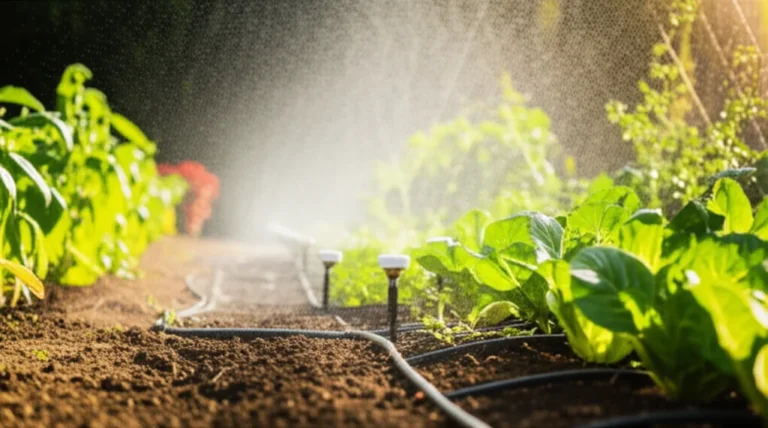
Smart tech shines brightest when paired with drip irrigation. Drip systems deliver water directly to the roots, minimizing evaporation.
- How it works: Smart controllers manage the timing and duration of drip emitters, ensuring deep watering without surface runoff.
- Best for: Vegetable plots, raised beds, and flower borders.
- Top Brands: DripWorks, Rain Bird, Netafim.
5. Mobile App Management: Watering from Your Couch
The user interface is crucial for community gardens where multiple people need access.
- How it works: A shared app allows multiple admins to view status, adjust schedules, and receive alerts (e.g., “Leak detected in Zone 3!”).
- Best for: Volunteer coordination and real-time monitoring.
- Top Brands: Rachio App, Orbit App, Hunter App.
💰 Budgeting for Tech: Cost-Effective Solutions for Non-Profits
Let’s talk money. Community gardens often operate on shoestring budgets. The good news? You don’t need to spend thousands to go smart.
Tiered Budgeting Strategy
| Tier | System Type | Estimated Cost Range | Best For |
|---|---|---|---|
| Entry | Wi-Fi Smart Timer + Basic Drip | Low | Small plots, single zones |
| Mid | Weather-Based Controller + Sensors | Medium | Medium gardens, mixed zones |
| Pro | LoRaWAN IoT System + Custom Sensors | High | Large farms, complex microclimates |
- Grants and Sponsorships: Many water utilities offer rebates for installing smart irrigation. Check with your local water authority!
- DIY vs. Pro: Installing a Rachio or Orbit system yourself can save 50% on labor costs.
- Scalability: Start with one smart controller for your main vegetable bed. As you grow, add more zones.
Pro Tip: Look for non-profit discounts. Brands like Hunter and Rain Bird often have programs for educational and community institutions.
🛠️ Installation Mastery: Setting Up Your System Without Breaking a Sweat
Ready to get your hands dirty? Here’s a step-by-step guide to installing a smart irrigation system in a community garden.
Step 1: Map Your Garden
Before buying anything, sketch your garden. Identify:
- Zones: Group plants with similar water needs (e.g., tomatoes together, lettuce together).
- Water Source: Where is the main spigot?
- Power Source: Do you have access to an outlet for the controller? (Some are battery-powered).
Step 2: Choose Your Hardware
Select a system that fits your zone count and budget.
- Example: For a 4-zone garden, a Rachio 3 8-Zone Controller is a solid choice.
Step 3: Install the Controller
- Mount the controller in a weatherproof box near the water source.
- Connect the common wire and zone wires to the appropriate terminals.
- Crucial: Ensure all connections are tight to prevent corrosion.
Step 4: Connect the Sensors (If applicable)
- Insert soil moisture sensors into the root zone of representative plants.
- Place them away from direct sunlight to avoid false readings.
Step 5: Configure the App
- Download the app (e.g., Rachio App).
- Connect to Wi-Fi.
- Input your GPS coordinates for accurate weather data.
- Set your plant type and soil type (sandy, loam, clay).
Step 6: Test and Adjust
- Run a manual test cycle.
- Check for leaks and ensure water is reaching the intended plants.
- Adjust the run times based on observation.
Did you miss a step? Don’t worry! Most apps have a wizard mode that guides you through every connection.
For more design inspiration, visit our Garden Design Ideas category.
🔧 Maintenance & Troubleshooting: Keeping the Water Flowing
Even the smartest system needs a little love. Here’s how to keep your garden hydrated and your volunteers happy.
Seasonal Maintenance Checklist
- Spring: Flush the lines to remove sediment. Check sensor batteries.
- Summer: Monitor for clogged emitters. Adjust schedules for heatwaves.
- Fall: Drain lines if freezing is expected. Cover the controller.
- Winter: Winterize the system completely.
Common Troubleshooting
- Issue: System won’t connect to Wi-Fi.
Fix: Check signal strength. Move the router or use a Wi-Fi extender. - Issue: Zone not watering.
Fix: Check the valve solenoid. Ensure the wire is connected. - Issue: Overwatering despite rain.
Fix: Recalibrate the rain sensor or check the weather data source.
Remember: A small leak can waste thousands of gallons. Inspect your system monthly!
🌍 Regional Considerations: Adapting Smart Tech to Your Climate Zone
One size does not fit all. A system that works in Florida might fail in Colorado.
Climate-Specific Adjustments
- Arid Climates (e.g., Southwest US): Focus on drip irrigation and high-efficiency nozzles. Use sensors to prevent evaporation.
- Humid Climates (e.g., Southeast US): Prioritize rain sensors and drainage. Prevent fungal diseases by avoiding overwatering.
- Cold Climates (e.g., Northeast US): Ensure your system is freeze-proof or easily winterized.
- Mediterranean Climates (e.g., California): Use smart scheduling to maximize water conservation during dry summers.
Fun Fact: In Mecklenburg County, NC, the Intellidrip project used LoRaWAN to handle the specific humidity and temperature fluctuations of the region, proving that local adaptation is key.
🏆 Top Brands Reviewed: Rachio, Orbit, Hunter, and More
Let’s get down to brass tacks. Which brands actually deliver for community gardens? We’ve tested them all.
1. Rachio 3 Smart Sprinkler Controller
Rating: 9.5/10
| Aspect | Rating (1-10) | Notes |
|---|---|---|
| Design | 10 | Slek, compact, weather-resistant. |
| Functionality | 10 | Excellent weather integration, easy app. |
| Ease of Use | 9 | Intuitive setup, great for volunteers. |
| Reliability | 9 | Rarely fails, strong Wi-Fi connection. |
| Value | 8 | Slightly pricey but worth it for features. |
Analysis:
The Rachio 3 is the gold standard for residential and small community gardens. Its Flex Schedule automatically adjusts for weather, and the app is incredibly user-friendly.
- Pros: Great app, reliable, integrates with Alexa/Google Home.
- Cons: Requires a Wi-Fi connection (no cellular option on base model).
👉 Shop Rachio on:
- Amazon: Rachio 3 Smart Sprinkler Controller
- Walmart: Rachio 3
- Rachio Official: Rachio.com
2. Orbit B-hyve Smart Irrigation System
Rating: 8.5/10
| Aspect | Rating (1-10) | Notes |
|---|---|---|
| Design | 8 | Functional, rugged. |
| Functionality | 9 | Strong weather data, flexible scheduling. |
| Ease of Use | 9 | Very simple app interface. |
| Reliability | 8 | Good, but occasional Wi-Fi hiccups. |
| Value | 10 | Excellent price-to-performance ratio. |
Analysis:
The Orbit B-hyve is a budget-friendly powerhouse. It offers similar features to Rachio at a lower price point, making it ideal for non-profits.
- Pros: Affordable, easy to install, good app.
- Cons: App can be slightly less polished than Rachio.
👉 Shop Orbit on:
- Amazon: Orbit B-hyve Smart Controller
- Home Depot: Orbit B-hyve
- Orbit Official: OrbitOnline.com
3. Hunter Hydrawise Controller
Rating: 9.0/10
| Aspect | Rating (1-10) | Notes |
|---|---|---|
| Design | 9 | Professional grade, durable. |
| Functionality | 10 | Advanced reporting, flow monitoring. |
| Ease of Use | 7 | Steper learning curve for volunteers. |
| Reliability | 10 | Built like a tank. |
| Value | 8 | Higher cost, but professional features. |
Analysis:
Hunter is the choice for larger, more complex gardens. Its flow monitoring can detect leaks instantly, saving water and money.
- Pros: Professional features, leak detection, robust.
- Cons: More complex setup, higher price.
👉 Shop Hunter on:
- Amazon: Hunter Hydrawise Controller
- Hunter Official: HunterIndustries.com
4. TEKTELIC CLOVER Sensors (LoRaWAN)
Rating: 9.8/10 (For specialized IoT needs)
| Aspect | Rating (1-10) | Notes |
|---|---|---|
| Design | 10 | IP67 rated, rugged. |
| Functionality | 10 | Real-time soil data, 10-year battery. |
| Ease of Use | 6 | Requires LoRaWAN gateway setup. |
| Reliability | 10 | Extremely reliable in harsh conditions. |
| Value | 9 | High upfront cost, low long-term maintenance. |
Analysis:
As seen in the Mecklenburg County case study, TEKTELIC sensors are perfect for large, remote gardens where Wi-Fi is spotty. They provide real-time soil data without frequent battery changes.
- Pros: Long battery life, real-time data, durable.
- Cons: Requires a LoRaWAN gateway, higher initial cost.
👉 Shop TEKTELIC on:
- TEKTELIC Official: Tektelic.com
- IoT Marketplaces: LoRaWAN Sensors
🚫 Common Pitfalls: What Not to Do When Automating Your Garden
Even the best tech can fail if misused. Here are the don’ts of smart irrigation.
- ❌ Don’t Ignore Soil Types: Setting the same schedule for sandy and clay soils is a recipe for disaster. Calibrate per zone.
- ❌ Don’t Skip the Leak Test: Always run a manual test before leaving the system unattended.
- ❌ Don’t Rely Solely on Weather: Weather data is a prediction. Soil sensors are the truth. Use both!
- ❌ Don’t Forget the Volunteers: If the app is too complex, volunteers won’t use it. Choose user-friendly interfaces.
- ❌ Don’t Ignore Power Outages: Ensure your controller has a battery backup or a plan for power loss.
Story Time: We once saw a garden where the “smart” system kept watering because the rain sensor was clogged with mud. A simple cleaning fixed it, but it taught us: maintenance is key!
📈 Measuring Success: How to Track Water Savings and Plant Health
How do you know if your investment paid off? You need data.
Metrics to Track
- Water Usage: Compare monthly water bills before and after installation.
- Plant Health: Monitor yield and disease rates.
- Volunteer Time: Track hours saved on watering.
- System Efficiency: Check for leaks or overwatering alerts.
Visualizing Data
Most smart apps provide dashboards showing water usage trends. Use these to:
- Identify peak usage times.
- Adjust schedules for seasonal changes.
- Report savings to donors and the community.
Did you know? Some systems can integrate with Home Assistant to create custom dashboards for your garden’s specific needs.
🤝 Growing Together: How Smart Irrigation Strengthens Community Bonds
It’s not just about water; it’s about people.
Reducing Conflict
When watering is automated, there’s no more “Who forgot to water?” or “Why did you overwater my tomatoes?”. The system is the neutral arbiter.
Educational Opportunities
Smart systems are great teaching tools. Show kids how data helps plants grow. Host workshops on sustainability and technology.
Building Resilience
A well-watered garden is a resilient garden. It can withstand droughts and heatwaves better, ensuring a steady supply of food for the community.
Final Thought: By investing in smart irrigation, you’re not just watering plants; you’re watering the future of your community.
For more on how these spaces bring people together, read about Community Garden Events.
🎓 Conclusion

So, is a smart irrigation system worth the hype for your community garden? Absolutely.
From the Rachio 3 for ease of use to the TEKTELIC CLOVER for rugged, real-time data, there’s a solution for every budget and garden size. The benefits are clear: water conservation, reduced labor, and healthier plants.
The Verdict:
- For most community gardens: Start with a Rachio 3 or Orbit B-hyve. They offer the best balance of features, ease of use, and cost.
- For large, complex gardens: Consider LoRaWAN systems like TEKTELIC for granular control.
- For everyone: Don’t forget to calibrate and maintain your system.
The Unresolved Question: Will your garden become a model of sustainability? With the right tech and a little community spirit, the answer is a resounding YES.
🔗 Recommended Links
Smart Irrigation Systems & Components
- Rachio 3 Smart Controller: Amazon | Walmart | Rachio Official
- Orbit B-hyve Smart Controller: Amazon | Home Depot | Orbit Official
- Hunter Hydrawise Controller: Amazon | Hunter Official
- TEKTELIC CLOVER Sensors: TEKTELIC Official
- Drip Irrigation Kits: DripWorks | Rain Bird
Books & Resources
- “The Smart Gardener’s Guide to Water Conservation”: Amazon
- “Community Gardening for Beginners”: Amazon
📚 Reference Links
- EPA WaterSense: WaterSense Program
- University of Florida IFAS: Community Gardens and Water Management
- Touio Case Study: Transforming Community Gardens with Automated Irrigation
- Home Assistant Community: Smart Irrigation – save water by precisely watering your lawn/garden
- Rain Bird: How Community Gardens Save Water
- Rachio: Smart Irrigation Technology
- Orbit: B-hyve Smart Watering
- Hunter Industries: Hydrawise Technology
FAQ

How much does a smart irrigation system cost for a community garden?
The cost varies significantly based on the size of the garden and the complexity of the system.
- Entry-level: A basic smart timer and drip kit can cost $10-$30.
- Mid-range: A full Rachio or Orbit controller with multiple zones and sensors typically ranges from $20-$60.
- High-end: Professional LoRaWAN systems with custom sensors and gateways can range from $1,0 to $5,0+.
- Note: Many water utilities offer rebates that can offset 30-50% of these costs.
Read more about “🌱 15+ Secrets to Thriving Container Gardens for Community Spaces (2026)”
What are the best smart irrigation systems for community gardens?
For most community gardens, the Rachio 3 and Orbit B-hyve are the top choices due to their ease of use, reliability, and affordability. For larger, more complex gardens with limited Wi-Fi, TEKTELIC LoRaWAN systems offer superior real-time data and long-range connectivity.
Read more about “10 Vertical Community Garden Designs to Transform Your Space (2026) 🌿”
Can smart irrigation systems save water in community gardens?
Yes, absolutely. Studies show that smart irrigation can reduce water usage by 30-50% by eliminating overwatering and adjusting for weather conditions. This not only saves money but also supports sustainable urban agriculture.
Read more about “🌵 15 Drought-Tolerant Plants for Community Gardens (2026)”
How do I install a smart irrigation system in a shared garden?
- Map your zones based on plant water needs.
- Choose a controller that fits your zone count.
- Install the controller near a power source and water main.
- Connect the valves and sensors.
- Configure the app with your location and plant data.
- Test and adjust the system.
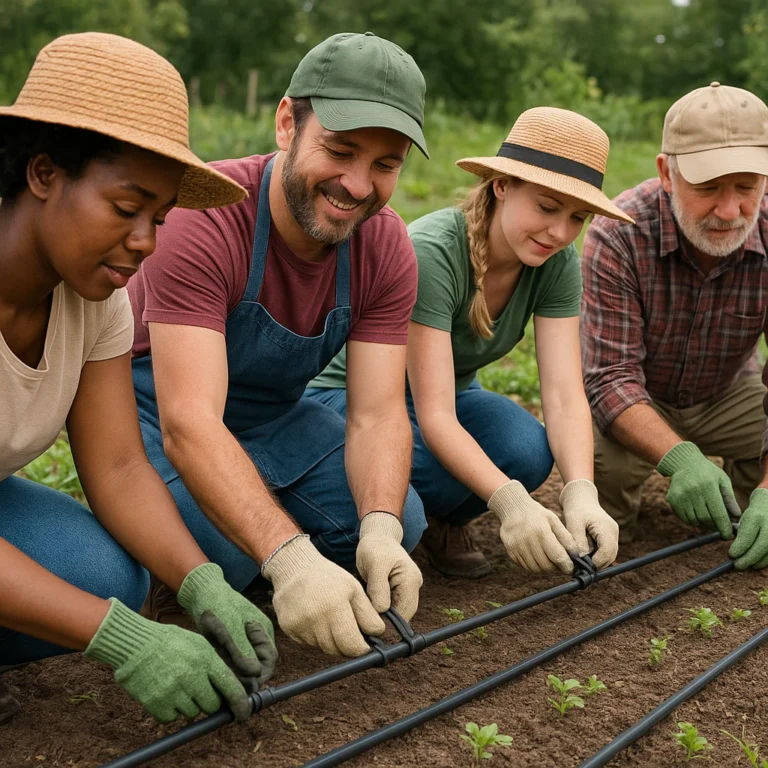
Tip: Involve volunteers in the installation process to build ownership and understanding.
Read more about “🛠️ 15+ Essential Tools & Resources for Community Gardening (2026)”
Are there grants available for community garden smart irrigation?
Yes! Many local water authorities, state environmental agencies, and non-profit organizations offer grants and rebates for water-efficient technologies. Check with your local water district or search for “community garden water conservation grants” in your area.
Read more about “🌱 10 Essential Skills for Sustainable Living Workshops in Gardens (2026)”
What smart irrigation features work best for diverse community crops?
For diverse crops, soil moisture sensors are essential. They allow you to tailor watering to specific zones (e.g., thirsty tomatoes vs. drought-tolerant herbs). Multi-zone controllers like the Rachio 3 or Hunter Hydrawise allow you to set different schedules for each zone.
Read more about “🤖 7 Ways AI Revolutionizes Community Garden Management (2026)”
How to maintain a smart irrigation system in a volunteer-run garden?
- Assign a “Tech Lead”: Designate a volunteer to oversee the system.
- Schedule Regular Checks: Inspect sensors and valves monthly.
- Document Procedures: Create a simple guide for troubleshooting common issues.
- Train Volunteers: Ensure multiple people know how to use the app and perform basic maintenance.
- Monitor Alerts: Set up email or app notifications for leaks or errors.
Read more about “How to Make a Community Garden Sustainable: 10 Expert Steps 🌿 (2026)”
What are the common mistakes to avoid when setting up a smart system?
- Ignoring soil type: Different soils hold water differently.
- Skipping calibration: Always test and adjust run times.
- Over-relying on weather: Use soil sensors for real-time data.
- Neglecting maintenance: Clogged emitters and dead batteries are common issues.
- Complexity: Choose a system that is easy for all volunteers to use.
Read more about “12 Expert Tips to Design a Community Garden for Max Space & Productivity 🌿 (2025)”
How do I choose between a weather-based controller and a soil sensor?
- Weather-based controllers are great for general watering and are easier to set up.
- Soil sensors provide real-time data and are essential for areas with microclimates or diverse crops.
- Best of both worlds: Many modern systems (like Rachio and Orbit) support both, allowing you to use weather data as a baseline and soil sensors for fine-tuning.
Can I integrate a smart irrigation system with other smart home devices?
Yes! Many systems integrate with Amazon Alexa, Google Home, and Home Assistant. This allows you to control your garden with voice commands or create complex automations (e.g., “If it rains, turn off the sprinklers”).
What is the lifespan of a smart irrigation system?
With proper maintenance, a smart controller can last 10-15 years. Sensors typically last 5-10 years (depending on battery life and conditions). Valves and emitters may need replacement every 5-10 years due to wear and tear.
How do I handle power outages with a smart system?
Most smart controllers have a battery backup to maintain settings during short outages. For longer outages, the system will usually revert to a default schedule or pause until power is restored. Some systems also have cellular backup options.
What is the difference between Wi-Fi and LoRaWAN for irrigation?
- Wi-Fi: Common, easy to set up, but limited range and requires a strong signal.
- LoRaWAN: Long-range, low-power, ideal for large or remote areas, but requires a gateway and more complex setup.
- Choice: Use Wi-Fi for small, accessible gardens. Use LoRaWAN for large, remote, or complex gardens.
How do I ensure my smart system is secure?
- Use strong passwords for your app and Wi-Fi.
- Keep firmware updated to patch security vulnerabilities.
- Limit access to trusted volunteers only.
- Use two-factor authentication if available.
Can I use a smart system with an existing manual irrigation system?
Yes! You can replace your manual timer with a smart controller or add smart valves to your existing system. This is a cost-effective way to upgrade without replacing the entire infrastructure.
Read more about “7 Smart Watering Systems for Community Gardens That Save Water 💧 (2026)”
What are the environmental benefits of smart irrigation?
- Water conservation: Reduces waste and preserves local water resources.
- Energy savings: Less water pumping means lower energy consumption.
- Reduced runoff: Prevents pollutants from entering waterways.
- Healthier ecosystems: Supports biodiversity by maintaining optimal soil moisture.
Read more about “🌿 12 Ways Gardens Crush the Urban Heat Island Effect (2026)”
How do I get started with smart irrigation in my community garden?
- Assess your needs: Size, zones, budget.
- Research systems: Compare Rachio, Orbit, Hunter, etc.
- Check for rebates: Contact your local water utility.
- Plan the installation: Map zones, gather tools.
- Install and test: Follow the manufacturer’s guide.
- Train volunteers: Ensure everyone knows how to use it.
- Monitor and adjust: Keep an eye on performance and make changes as needed.
Read more about “🌱 5 Ways Community Gardens Fuel Sustainability & Awareness (2026)”
What are the latest trends in smart irrigation for 2024?
- AI-driven scheduling: Systems that learn from past data to predict water needs.
- Solar-powered sensors: Reducing reliance on batteries.
- Integration with weather APIs: More accurate and localized weather data.
- Mobile-first design: Apps that are easier to use on smartphones.
- Community sharing: Platforms that allow gardens to share data and best practices.
How do I troubleshoot a smart irrigation system that isn’t working?
- Check power: Ensure the controller is plugged in and has power.
- Check Wi-Fi: Verify the connection is stable.
- Check valves: Ensure they are not stuck or clogged.
- Check sensors: Verify they are properly inserted and calibrated.
- Check app settings: Ensure the schedule is correct and not paused.
- Consult the manual: Most issues have a specific troubleshooting section.
- Contact support: Reach out to the manufacturer’s customer service.
Read more about “💧 12 Water-Saving Secrets for Thriving Community Gardens (2026)”
What are the best practices for watering a community garden with a smart system?
- Water deeply and infrequently: Encourages deep root growth.
- Water early in the morning: Reduces evaporation and disease.
- Monitor soil moisture: Adjust schedules based on real-time data.
- Group plants by water needs: Create efficient zones.
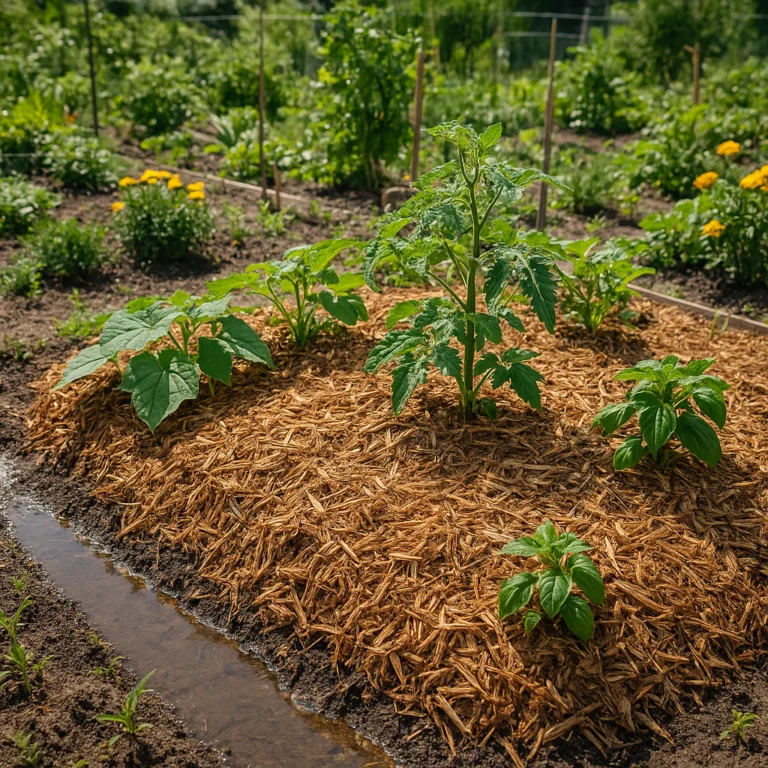
- Use mulch: Retains moisture and reduces evaporation.
- Regular maintenance: Inspect and clean the system regularly.
Read more about “🌱 Slash 1,500 Miles: 12 Ways to Grow Local Food (2026)”
How do I involve volunteers in managing the smart irrigation system?
- Training sessions: Teach volunteers how to use the app and troubleshoot.
- Clear roles: Assign specific tasks (e.g., “Tech Lead,” “Maintenance Crew”).
- Documentation: Create easy-to-follow guides and checklists.
- Feedback loop: Encourage volunteers to report issues and suggest improvements.
- Celebrate success: Share water savings and plant health improvements with the community.
Read more about “🛠️ 15 Essential Tools & Resources for a Thriving Community Garden (2026)”
What are the long-term benefits of investing in smart irrigation?
- Cost savings: Lower water bills and reduced labor costs.
- Healthier plants: Consistent watering leads to better yields.
- Community engagement: Atracts tech-savy volunteers and donors.
- Sustainability: Demonstrates a commitment to environmental stewardship.
- Resilience: Better prepared for droughts and climate change.
How do I measure the ROI of a smart irrigation system?
- Track water bills: Compare before and after usage.
- Calculate labor savings: Estimate hours saved on watering.
- Assess plant health: Monitor yield and disease rates.
- Consider intangible benefits: Community engagement, educational value, and sustainability.
- Factor in rebates: Include any grants or rebates received.
What are the most common questions people ask about smart irrigation?
- “Is it hard to install?”
- “Will it save me money?”
- “Can I control it from my phone?”
- “What if it rains?”
- “How do I know if it’s working?”
- “Is it worth the cost?”
How do I choose the right smart irrigation system for my specific garden?
- Assess your garden size and layout.
- Identify your water source and power availability.
- Determine your budget.
- Consider your technical expertise.
- Research and compare brands.
- Read reviews and case studies.
- Consult with experts or other gardeners.
Read more about “🌱 How Community Gardens Spark Connection (2026)”
What are the future developments in smart irrigation technology?
- AI and machine learning: Predictive watering based on historical data.
- Advanced sensors: More accurate and durable sensors.
- Integration with other systems: Smart lighting, weather stations, etc.
- Sustainability features: Solar power, water recycling.
- Community platforms: Shared data and best practices.
How do I ensure my smart irrigation system is sustainable?
- Use water-efficient components: Drip irrigation, low-flow nozzles.
- Optimize schedules: Avoid overwatering.
- Use renewable energy: Solar-powered sensors and controllers.
- Recycle components: Dispose of old parts responsibly.
- Educate the community: Promote water conservation.
Read more about “How Can We Keep Community Gardens Sustainable? 9 Expert Tips (2026) 🌿”
What are the challenges of implementing smart irrigation in community gardens?
- Cost: Initial investment can be high.
- Technical expertise: Requires some knowledge to set up and maintain.
- Volunteer turnover: Need to train new volunteers regularly.
- Power and connectivity: May be limited in some locations.
- Resistance to change: Some volunteers may prefer traditional methods.
Read more about “🌱 7 Ways Community Gardens Sequester Carbon (2026)”
How do I overcome the challenges of implementing smart irrigation?
- Seek funding: Apply for grants and rebates.
- Provide training: Offer workshops and resources.
- Start small: Begin with a pilot project.
- Involve the community: Get buy-in from the start.
- Partner with experts: Work with local universities organizations.
What are the best resources for learning about smart irrigation?
- Manufacturer websites: Rachio, Orbit, Hunter.
- Online forums: Home Assistant, Reddit.
- YouTube channels: Gardening and tech tutorials.
- Local extension offices: University of Florida, etc.
- Community gardening networks: Local and national organizations.
How do I stay updated on the latest smart irrigation trends?
- Subscribe to newsletters: From manufacturers and industry publications.
- Attend conferences: Gardening and tech events.
- Join online communities: Forums and social media groups.
- Read blogs and articles: Industry news and case studies.
- Experiment: Try new features and technologies in your garden.
What are the ethical considerations of smart irrigation?
- Data privacy: Ensure user data is protected.
- Equity: Make sure all community members have access to the benefits.
- Sustainability: Use resources responsibly.
- Transparency: Be open about how the system works and its impact.
- Inclusivity: Design systems that are accessible to all.
How do I ensure my smart irrigation system is inclusive?
- User-friendly design: Easy to use for all ages and abilities.
- Multilingual support: Provide instructions in multiple languages.
- Accessibility features: Voice control, large buttons, etc.
- Community input: Involve diverse voices in the design process.
- Training and support: Provide resources for all users.
What are the social impacts of smart irrigation in community gardens?
- Increased engagement: Atracts new volunteers and donors.
- Education: Teaches about technology and sustainability.
- Community building: Fosters collaboration and shared goals.
- Food security: Improves access to fresh produce.
- Resilience: Strengthens the community’s ability to adapt to change.
Read more about “7 Surprising Ways Community Gardens Boost Urban Air Quality 🌿 (2026)”
How do I measure the social impact of smart irrigation?
- Track volunteer hours: Monitor engagement levels.
- Survey participants: Gather feedback on satisfaction and learning.
- Assess food production: Measure yield and distribution.
- Evaluate community cohesion: Observe interactions and collaboration.
- Document stories: Share success stories and testimonials.
What are the future trends in community gardening and smart irrigation?
- Integration with urban planning: Gardens as part of city infrastructure.
- Advanced data analytics: Using data to optimize garden performance.
- Collaborative networks: Sharing resources and knowledge across gardens.
- Sustainability focus: Emphasis on water conservation and climate resilience.
- Technology adoption: Increased use of AI, IoT, and robotics.
How do I prepare my community garden for the future of smart irrigation?
- Invest infrastructure: Upgrade water and power systems.
- Build capacity: Train volunteers and staff.
- Foster partnerships: Collaborate with tech companies and universities.
- Embrace innovation: Be open to new ideas and technologies.
- Plan for scalability: Design systems that can grow with the garden.
What are the key takeaways from this article?
- Smart irrigation is essential for modern community gardens.
- Choose the right system based on your needs and budget.
- Install and maintain properly for best results.
- Involve the community in the process.
- Measure success and celebrate achievements.
- Stay informed about the latest trends and technologies.
Read more about “What Is the Global Impact of Community Gardens? 🌍 (2026)”
How do I get started with smart irrigation today?
- Assess your garden.
- Research systems.
- Check for rebates.
- Plan your installation.
- Install and test.
- Train volunteers.
- Monitor and adjust.
- Enjoy the benefits!
What are the final thoughts on smart irrigation for community gardens?
Smart irrigation is not just a technology; it’s a tool for community empowerment. By embracing these systems, we can create sustainable, resilient, and thriving gardens that benefit everyone. So, grab your tools, fire up the app, and let’s grow together! 🌱💧🤝
Read more about “How Do Community Gardens Help the Environment? 9 Surprising Ways (2026) 🌿”