Support our educational content for free when you purchase through links on our site. Learn more


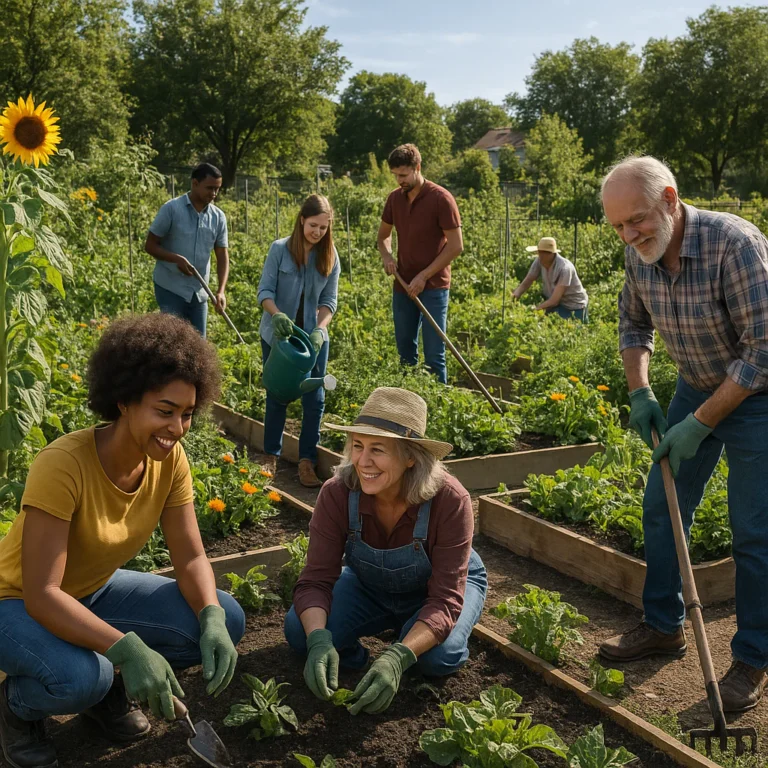
Ever watched a neighbor’s sunflowers strangle your prize tomatoes and wondered, “Is there a rule against this?” You’re not alone. Community gardens are vibrant hubs of growth, but without a solid framework of rules and regulations, they can quickly devolve into a chaotic mess of overgrown weeds and neighborly disputes. From the strict 30-hour service mandates in Oakland to the organic-only policies in Portland, navigating the legal landscape is just as crucial as knowing when to plant your peas. In this guide, we’ll uncover the hidden bylaws, zoning secrets, and conflict resolution strategies that keep these green spaces thriving, including a shocking story about how a single neglected plot once threatened an entire neighborhood’s harvest.
Key Takeaways
- Zoning dictates everything: Before you dig, verify if your plot falls under Open Space, Recreational, or Agricultural zoning, as this determines what structures and crops are legal.
- Service hours are non-negotiable: Most gardens require 3 to 30 hours of annual volunteer work; missing these deadlines can lead to immediate plot reassignment.
- Organic practices are mandatory: Synthetic fertilizers and pesticides are strictly prohibited; you must use OMRI-listed products to protect shared soil health.
- Conflict resolution is structured: Disputes follow a tiered approach from direct communication to formal mediation, ensuring fair treatment for all members.
- Subleting is a hard no: You cannot rent or sell your plot; it is a personal license that expires if you move or fail to maintain the land.
Table of Contents
- ⚡️ Quick Tips and Facts
- 📜 The Evolution of Community Gardening Rules and Regulations
- 🏛️ Understanding Local Zoning and Land Use Laws
- 📋 Essential Community Garden Bylaws and Guidelines
- 🌱 Plot Maintenance and Gardening Standards
- 🚫 Prohibited Activities and Safety Regulations
- 🤝 Conflict Resolution and Member Responsibilities
- 💧 Water Rights and Irrigation Policies
- 🐝 Organic Practices and Pest Management Rules
- 🏗️ Infrastructure and Tool Sharing Protocols
- 📢 How to Advocate for Better Garden Regulations
- 📚 Recommended Links and Official Resources
- ❓ Frequently Asked Questions About Garden Rules
- 🔗 Reference Links and Legal Sources
⚡️ Quick Tips and Facts
Before you grab your trowel and start digging into the soil, let’s hit the pause button. You might think community gardening is just about getting your hands dirty and growing the juiciest tomatoes, but the rules are the trellis that keeps the whole structure from collapsing. 🌿
Here is the lowdown on what you need to know immediately:
- ✅ The “Pack In, Pack Out” Rule: Almost every garden requires you to take your trash home. No leaving bags of weeds or empty seed packets behind.
- ❌ No Chemicals Allowed: Synthetic fertilizers and pesticides are a hard no. If it’s not organic, it doesn’t go in the soil.
- ✅ Service Hours are Mandatory: Forget the idea of a free ride. Most gardens require 3 to 6 hours of community service annually.
- ❌ No Subleting: You cannot rent your plot to your cousin or sell it on eBay. It’s yours, or it’s the waiting list’s.
- ✅ Water Wisdom: Water is often shared and limited. Never leave a hose running unattended!
Did you know? The concept of community gardens dates back to the “Victory Gardens” of World War I and II, where citizens grew food to support the war effort. Today, they serve a similar purpose: food security and community resilience. Learn more about the history of community gardening here.
But wait, why do some gardens have strict “no dogs” policies while others welcome them? Why does one city demand 30 hours of work while another asks for just 3? The answer lies in the local zoning laws and the unique culture of each garden. Let’s dig deeper into the history and evolution of these rules to understand why they exist.
📜 The Evolution of Community Gardening Rules and Regulations
Community gardens haven’t always had the polished rulebooks we see today. In fact, for decades, they were often informal, “wild west” spaces where the only rule was “don’t step on my carrots.” 🥕
From Informal Plots to Structured Bylaws
In the early days, particularly during the Great Depression and the World Wars, gardens were emergency responses to food shortages. Rules were minimal because the need for food outweighed the need for order. However, as urbanization increased and land values skyrocketed, gardens became valuable real estate.
This shift forced municipalities and non-profits to create formal bylaws to prevent:
- Land disputes: Who owns the plot?
- Liability issues: What if someone gets hurt?
- Resource hoarding: What if one person takes all the water?
The Equity Shift: A Critical Perspective
We must address a growing tension in the community gardening world. As highlighted in recent discussions (and a pivotal video on the subject), many gardens founded by communities of color to combat food deserts are now seeing their demographics shift toward wealthier, often white, residents.
“Gardens are supposed to be places of growth and community.” — Community Gardener Perspective
The mandatory work hour requirement, while intended to ensure maintenance, can inadvertently act as a barrier for lower-income members who work multiple jobs. Some gardens are now rewriting their bylaws to allow for flexible contributions (like administrative help or fundraising) to ensure inclusivity.
The Conflict:
- Source A (City of Bellingham): Emphasizes strict adherence to 5 hours of volunteer work to maintain the garden’s infrastructure.
- Source B (Equity Advocates): Argues that rigid hour requirements exclude those who cannot afford the time, suggesting task-based flexibility is more inclusive.
Our Take: A balanced approach is best. While maintenance is non-negotiable, the type of work should be adaptable. If you can’t pull weeds, maybe you can organize the seed library!
🏛️ Understanding Local Zoning and Land Use Laws
Before you even apply for a plot, you need to understand the legal framework governing the land. Community gardens often sit on land that is leased from the city, a school, or a church, and the zoning laws dictate what you can and cannot do.
Zoning Classifications
Most community gardens fall under Open Space, Recreational, or Agricultural zoning.
- Open Space: Focuses on aesthetics and public access.
- Recreational: Allows for more structured activities and events.
- Agricultural: Permits commercial growing (rare for community gardens) and specific livestock.
Why it matters: If your garden is zoned for “Open Space,” you might be prohibited from building permanent structures like sheds or greenhouses. If it’s “Recreational,” you might be allowed to host events but restricted on the types of crops (e.g., no livestock).
The “Grandfather Clause”
Many older gardens operate under grandfathered rules that allow them to keep structures or practices that would be illegal in a new garden. However, if a garden is re-zoned or the lease is renewed, new regulations often apply immediately.
Pro Tip: Always check the City Planning Department website for the specific zoning of your garden location. Don’t assume the rules from the garden next door apply to you!
📋 Essential Community Garden Bylaws and Guidelines
Every garden has a “Constitution” of sorts. These bylaws are the backbone of the community. While they vary by location, certain pillars are universal.
1. Plot Assignment and Tenure
- One Plot Person: Most gardens, like those in Oakland, strictly enforce a one-plot rule to prevent hoarding.
- No Subleting: You cannot rent your plot to a friend. If you move away, the plot goes back to the waiting list.
- Renewal Deadlines: Miss the renewal date (often December 31st or January 15th), and you could lose your plot. Some gardens, like Portland, have a strict reminder system before reassignment.
2. Membership Fees and Service Hours
- Fees: Annual fees range from $30 to $10, often with discounts for low-income residents.
- Service Hours:
Bellingham: 5 hours/year.
Portland: 6 hours/year (split into two deadlines).
Oakland: 30 hours/year (a much higher commitment, reflecting a more active community model).
| Garden Location | Annual Service Hours | Fee Structure | Renewal Deadline |
|---|---|---|---|
| Bellingham, WA | 5 hours | Varies | Oct 15 |
| Portland, OR | 6 hours | Varies | Oct 31 |
| Oakland, CA | 30 hours | $30 (Res) / $40 (Non-Res) | Jan 15 |
Note: Fees and hours are subject to change; always check your local garden’s current bylaws.
3. Conflict Resolution
Disagreements happen. Maybe your neighbor’s sunflowers are shading your tomatoes. 🌻
- Step 1: Talk directly to the neighbor.
- Step 2: Contact the Garden Manager.
- Step 3: If unresolved, many cities (like Bellingham) have a Dispute Resolution Center to mediate.
🌱 Plot Maintenance and Gardening Standards
Your plot is your responsibility, but it’s also a reflection of the whole garden. A neglected plot can become a haven for pests and a safety hazard.
The “Wed” Definition
What counts as a weed? It’s not just dandelions.
- Noxious Weds: Any plant on the local Noxious Weed Board list (e.g., Centaurea solstitialis or Yellow Starthistle).
- Agressive Spreaders: Plants that spread faster than you can control them.
- Flowering/Seding: If a weed goes to seed, it’s a violation in many gardens.
Seasonal Maintenance Requirements
- Spring/Summer: Weekly weding, watering, and harvesting.
- Fall/Winter:
Portland: Plots must be cleared of roting vegetation.
Oakland: Plots must be replanted with cover crops, amended with compost, or mulched by November 15th.
Bellingham: “Pack in, pack out” applies to all debris.
Aesthetics and Boundaries
- Pathways: Keep paths 2.5 to 3 feet wide.
- Fencing: Do not plant on shared fences without neighbor consent.
- Storage: No personal materials stored outside your plot boundaries.
Story Time: We once saw a gardener in Seattle who let their plot go to seed. The dandelions spread to three neighboring plots. The result? A plot cancellation and a very awkward community meeting. Don’t be that gardener!
🚫 Prohibited Activities and Safety Regulations
Safety is paramount. Gardens are shared public spaces, and certain activities are strictly off-limits to protect everyone.
Prohibited Items and Actions
- ❌ Pets: Most gardens ban pets (except service animals) to prevent waste and aggression.
- ❌ Motorized Equipment: Gas-powered tillers are often banned due to noise and fumes, though some gardens (like Bellingham) make exceptions for gas-powered rotillers.
- ❌ Open Flames: No BBQs, bonfires, or burning weeds.
- ❌ Illegal Crops: In Oakland, growing cannabis, jimson weed, or deadly nightshade is strictly prohibited.
- ❌ Treated Lumber: Pressure-treated wood (containing arsenic or copper) is often banned to protect soil health.
Structural Restrictions
- Height Limits: Structures usually cannot exceed 7 feet.
- Materials: No solid brick or stone walls. Fencing must be accessible from the inside.
- Concrete: Posts cannot be set in concrete to allow for easy removal.
Water Safety
- No Standing Water: Dump standing water after 3 days to prevent mosquitoes.
- Hose Supervision: Never leave a hose running unattended.
- Conservation: Limit watering to 30 minutes if others are waiting.
🤝 Conflict Resolution and Member Responsibilities
Living in a community garden is like living in a small village. You have neighbors, shared resources, and inevitable disagreements.
The “Neighborly” Code
- Respect Boundaries: Never enter another plot without permission.
- Harvest Etiquette: Do not harvest another gardener’s produce unless explicitly asked.
- Communication: If you’ll be away for more than a month, notify the coordinator.
Handling Disputes
If a neighbor’s vines are encroaching on your plot:
- Document: Take photos.
- Communicate: Leave a friendly note or talk in person.
- Mediate: If that fails, involve the Garden Manager.
- Formal Resolution: In extreme cases, use the city’s Dispute Resolution Center.
Did you know? Some gardens, like Portland, have a specific appeals process that includes a second manager who shares the gardener’s racial/ethnic group to ensure fair treatment.
💧 Water Rights and Irrigation Policies
Water is the lifeblood of the garden, but it’s also the most contested resource.
Conservation Rules
- Time Limits: Many gardens enforce a 30-minute watering limit during peak hours.
- Equipment: Drip irrigation is often encouraged, but hoses must be attended.
- Prohibitions: No attaching hoses to overhead systems without permission.
Infrastructure Care
- No Underground Stakes: In Oakland, due to old pipes, no stakes can be driven below ground level.
- Leak Reporting: Report leaks immediately to prevent waste.
🐝 Organic Practices and Pest Management Rules
Community gardens are sanctuaries for biodiversity. To protect the soil and the pollinators, organic practices are mandatory.
The Organic Mandate
- No Synthetics: No chemical fertilizers, herbicides, or pesticides.
- Approved Products: Use products verified by the Organic Materials Review Institute (OMRI).
- Composting: Only closed compost systems are allowed individual plots to prevent pests.
Pest Control Strategies
- Physical Bariers: Use row covers and neting.
- Beneficial Insects: Encourage ladybugs and lacewings.
- Crop Rotation: Rotate crops annually to prevent soil-borne diseases.
Fact: According to the EPA, organic gardening reduces runoff pollution and protects local waterways. Read more about organic gardening benefits.
🏗️ Infrastructure and Tool Sharing Protocols
Shared resources are the heart of the community garden, but they require strict protocols to ensure longevity.
Tool Sharing
- Clean and Return: Always clean tools after use and return them to the shed.
- No Personal Storage: Do not store personal tools in the communal shed.
- Reporting: Report broken tools immediately.
Structures and Storage
- Pre-Approval: All structures (sheds, raised beds, compost bins) require written approval.
- Size Limits: No structures over 7 feet tall.
- Placement: Everything must stay within plot boundaries.
Bulletin Boards
- Purpose: For garden info only.
- Prohibited: No advertising or personal notices.
📢 How to Advocate for Better Garden Regulations
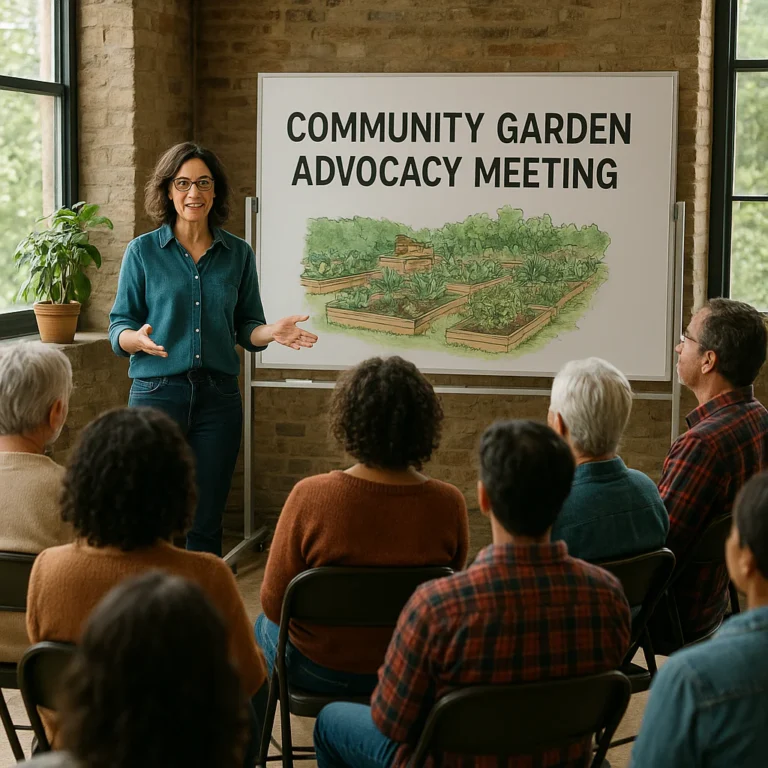
Are you frustrated with the current rules? Do you feel the bylaws are too rigid or exclusionary? You have the power to advocate for change!
Steps to Advocate
- Attend Meetings: Show up to garden board meetings.
- Form a Committee: Gather like-minded gardeners to propose changes.
- Propose Alternatives: Suggest flexible service hours or inclusive crop policies.
- Engage the City: Contact your local Parks and Recreation department.
Remember: “City gardens are public land, it’s not private.” — Advocate Perspective
By engaging in the process, you can help shape a garden that is truly community-driven.
📚 Recommended Links and Official Resources
Ready to dive deeper? Here are some essential resources to help you navigate the world of community gardening rules.
- Community Gardening Policies: Explore our guide on policies
- Benefits of Community Gardens: Discover the health and social benefits
- Garden Design Ideas: Get inspired for your plot
- Edible Plants: Learn what to grow
- Community Garden Events: Find local events
External Resources:
- American Community Gardening Association (ACGA)
- Organic Materials Review Institute (OMRI)
- USDA Community Gardening Resources
❓ Frequently Asked Questions About Garden Rules
Q: Can I grow cannabis in my community garden plot?
A: No. In most cities, including Oakland, growing cannabis is strictly prohibited on public land, even if it’s legal in the state.
Q: What happens if I miss my service hours?
A: You’ll likely receive a reminder. If you miss the deadline (e.g., October 31st in Portland), you may face a trial period or plot cancellation.
Q: Can I sublet my plot to a friend?
A: Absolutely not. Subleting is a violation of almost all garden bylaws and will result in immediate reassignment.
Q: Are pets allowed in community gardens?
A: Generally, no. Service animals are the only exception in most gardens.
Q: How do I report a rule violation?
A: Contact your Garden Manager or the local Parks and Recreation department.
🔗 Reference Links and Legal Sources
- City of Bellingham Community Garden Rules
- Portland Parks & Recreation Community Garden Policies
- Oakland Community Gardening Rules
- Whatcom County Noxious Weed Control Board
- Featured Video: The Equity in Community Gardens
Conclusion

So, we’ve journeyed from the “pack-in, pack-out” basics to the complex legalities of zoning and the delicate art of conflict resolution. You might be wondering: Is all this red tape worth the effort?
The answer is a resounding yes. 🌱
Think of community garden rules not as a cage, but as the trellis that allows the vine to climb higher. Without the structure provided by these regulations, the garden would quickly descend into chaos—overgrown weeds, water wars, and the inevitable loss of precious land to neglect. The rules we discussed, from the strict 30-hour service commitment in Oakland to the organic mandates in Portland, are designed to protect the very thing we all love: the soil, the community, and the harvest.
Our Confident Recommendation:
If you are ready to join a community garden, do not skip the orientation. Read the bylaws cover-to-cover. Ask about the “unwritten rules” that often cause friction. And most importantly, communicate early and often with your neighbors. The most successful gardeners aren’t just the ones with the greenest thumbs; they are the ones who respect the shared responsibility that makes the garden thrive.
Remember the story of the dandelion that took over three plots? That could have been avoided with a simple conversation and a timely weed pull. Don’t let your plot become a cautionary tale. Embrace the rules, contribute your time, and watch your community bloom.
🛒 Recommended Links and Official Resources
Ready to get started? Here are the essential tools and resources to help you navigate your community gardening journey, from organic fertilizers to the best books on the subject.
Essential Gardening Tools & Supplies
- Organic Fertilizers: Look for OMRI-listed products like Dr. Earth or Jobe’s Organics to ensure you stay compliant with garden rules.
Dr. Earth Organic All Purpose Fertilizer: Amazon | Dr. Earth Official
Jobe’s Organics Granular Fertilizer: Amazon | Jobe’s Official - Compost Bins: For those allowed to have individual closed compost systems, a sturdy Worm Factory or Joraform is ideal.
Worm Factory 360 Compost Bin: Amazon | Worm Factory Official
Joraform Compost Tumbler: Amazon | Joraform Official - Garden Tools: High-quality, durable tools are a must. Fiskars and Corona are industry standards.
Fiskars Steel Bypass Pruning Shears: Amazon | Fiskars Official
Corona ClassicCUT Forged Bypass Pruner: Amazon | Corona Tools Official
Must-Read Books for Community Gardeners
- “The Community Gardening Handbook” by Carolyn M. H. Smith: A comprehensive guide to starting and maintaining a garden.
- Check Price on Amazon
- “Organic Gardening for Dummies” by **Charles W. W. and K. W.: Perfect for understanding the organic mandates found in most bylaws.
- Check Price on Amazon
- “The Vegetable Gardener’s Bible” by Edward C. Smith: Excellent for learning about crop rotation and soil health.
- Check Price on Amazon
❓ Frequently Asked Questions About Garden Rules
What are the typical hours of operation for community gardens?
Most community gardens operate during daylight hours only. For instance, the City of Bellingham explicitly states that all work must be conducted when natural light is available. This rule ensures safety, prevents noise complaints from neighbors, and protects the garden from unauthorized activities at night. Some gardens may have specific “open gate” times, but generally, you should plan your gardening sessions around sunrise and sunset.
How do community gardens handle pest control and pesticide use?
Organic practices are non-negotiable in almost every community garden. Synthetic pesticides, herbicides, and fertilizers are strictly prohibited.
- Verification: Many gardens require you to check products against the Organic Materials Review Institute (OMRI) list.
- Methods: Gardeners are encouraged to use physical barriers (row covers), beneficial insects (ladybugs), and manual removal (hand-picking).
- Why? Chemicals can contaminate the shared soil, harm pollinators, and drift into neighboring plots, violating the safety of other gardeners.
What guidelines exist for composting in community gardens?
Composting is encouraged but heavily regulated to prevent pests and odors.
- Closed Systems: Individual plots usually require closed compost bins (like tumblers or enclosed bins) to keep rodents and flies out.
- Open Piles: Open compost piles are often restricted to designated communal areas only.
- What to Compost: Fruit and vegetable scraps, leaves, and grass clippings are welcome. Meat, dairy, and oily foods are almost universally banned from individual plots to prevent attracting pests.
How is water usage regulated in community gardens?
Water is a precious resource, and conservation is key.
- Time Limits: Many gardens enforce a 30-minute limit per plot during peak watering times to ensure fair access.
- Supervision: You must remain on-site while watering; leaving a hose running unattended is a common violation.
- Equipment: Drip irrigation is often preferred overhead sprinklers to reduce evaporation. Hoses must be disconnected when not in use.
What are common restrictions on plant types in community gardens?
While you have freedom to choose your crops, there are strict limits:
- Invasive Species: Plants on the local Noxious Weed Board list (e.g., English Ivy, Japanese Knotweed) are banned.
- Wody Plants: Trees, large shrubs, and aggressive vines (like wisteria) are often prohibited because they can damage fences, shade neighbors, and are hard to remove.
- Illegal Crops: In many jurisdictions, growing cannabis is prohibited on public land, even if legal elsewhere.
- Food Safety: Some gardens restrict plants that are difficult to clean or prone to soil-borne diseases if grown in raised beds with limited soil depth.
How do community garden rules promote shared responsibility?
The core philosophy of community gardening is shared stewardship.
- Service Hours: Most gardens require 3 to 30 hours of volunteer work annually. This ensures that the common areas (paths, sheds, compost) are maintained by the users, not just the city.
- Plot Maintenance: Rules regarding weed control and fall cleanup ensure that one neglected plot doesn’t become a pest haven for the entire garden.
- Conflict Resolution: By establishing clear protocols for disputes, the garden fosters a culture of communication and mutual respect.
What permits are required to start a community garden?
Starting a garden is a complex legal process.
- Zoning Permits: You must ensure the land is zoned for agricultural or recreational use.
- Lease Agreements: Most gardens operate on a lease from the city, school, or landowner.
- Liability Insurance: The organization managing the garden usually needs liability insurance to protect against accidents.
- Water Rights: You may need specific permits to tap into the municipal water supply or install rainwater harvesting systems.
What are the rules about accessibility and inclusivity for community garden participants?
Modern gardens strive to be inclusive.
- ADA Compliance: Many gardens, like those in Portland, are required to provide reasonable modifications for people with disabilities, such as raised beds at accessible heights or wider pathways.
- Language Access: Policies are often available in multiple languages (e.g., Spanish, Vietnamese, Arabic) to serve diverse communities.
- Flexible Service: Some gardens are moving away from rigid hour requirements, allowing members to contribute through administrative tasks or fundraising to accommodate those with physical limitations or busy schedules.
Are there any regulations concerning composting or other sustainable practices in community gardens?
Yes, sustainability is a major focus.
- Cover Crops: Many gardens (like Oakland) require plots to be covered with mulch or cover crops in the winter to prevent soil erosion and nutrient loss.
- Rainwater Harvesting: Some gardens encourage or require rain barrels, provided they are screened to prevent mosquito breeding.
- Native Plants: There is often a push to include native plants to support local pollinators and reduce water needs.
What are the rules about sharing harvests or selling produce grown in community gardens?
- Sharing: Sharing excess produce with neighbors or donating to food banks (like Oakland Potluck) is highly encouraged and often celebrated.
- Selling: Selling produce grown on public land for personal gain is strictly prohibited in most community gardens. The land is leased for personal use and education, not commercial enterprise.
How are disputes between gardeners typically resolved in community gardens?
Disputes are handled through a tiered approach:
- Direct Communication: Gardeners are encouraged to talk to each other first.
- Garden Manager: If that fails, the site coordinator or manager mediates.
- Formal Mediation: For persistent issues, many cities (like Bellingham) refer gardeners to a Dispute Resolution Center.
- Appeals: Some gardens have an appeals process involving a panel of managers to ensure fair treatment.
What are the expectations for plot maintenance and addressing neglect in community gardens?
Neglect is the fastest way to lose your plot.
- Wed Control: Weds must be kept to a minimum and never allowed to go to seed.
- Seasonal Cleanup: Plots must be cleared of dead vegetation in the fall.
- Warning System: Most gardens have a progressive warning system (e.g., 3rd reminder leads to a trial period, 4th leads to cancellation).
- Reassignment: If a plot is deemed abandoned, it is reassigned to the next person on the waiting list.
What are the common rules regarding the use of pesticides and herbicides in community gardens?
As mentioned, synthetic chemicals are banned.
- Organic Only: Only OMRI-listed organic products are allowed.
- Application: Even organic pesticides must be applied carefully to avoid drift.
- Education: Gardeners are often required to attend workshops on organic pest management.
How are water usage and conservation typically managed in community gardens?
- Efficiency: Drip irrigation is the gold standard.
- Monitoring: Water meters may be installed to track usage.
- Restrictions: Watering is often restricted to specific times of day (e.g., early morning or late evening) to reduce evaporation.
Are there restrictions on the types of plants I can grow in a community garden plot?
Yes.
- Invasives: No invasive species.
- Wody Plants: No trees or large shrubs.
- Illegal Crops: No cannabis or other illegal plants.
- Safety: No plants that are toxic to children or pets if they are likely to be ingested (e.g., oleander, foxglove) unless clearly marked and fenced off.
What are the standard guidelines for plot sizes in community gardens?
- Standard Size: Most plots are 10×10 feet or 10×20 feet.
- Adjustments: Some gardens allow for larger plots if the gardener agrees to maintain a larger area or if the plot is divided to accommodate more people.
- Boundaries: All materials must stay within the plot boundaries; overhanging plants or structures are not allowed.
🔗 Reference Links and Legal Sources
For further verification and detailed legal texts, please consult the following reputable sources:
- City of Oakland Community Gardening Rules: Community Gardening Rules | City of Oakland, CA
- City of Bellingham Community Garden Rules: Community Garden Rules & Responsibilities
- Portland Parks & Recreation Policies: Community Garden Rules and Regulations
- Organic Materials Review Institute (OMRI): OMRI Product List
- American Community Gardening Association (ACGA): ACGA Resources
- USDA Urban Agriculture: USDA Community Gardening
- Whatcom County Noxious Weed Control Board: Noxious Weed List