Support our educational content for free when you purchase through links on our site. Learn more

As an Amazon Associate, we earn from qualifying purchases.
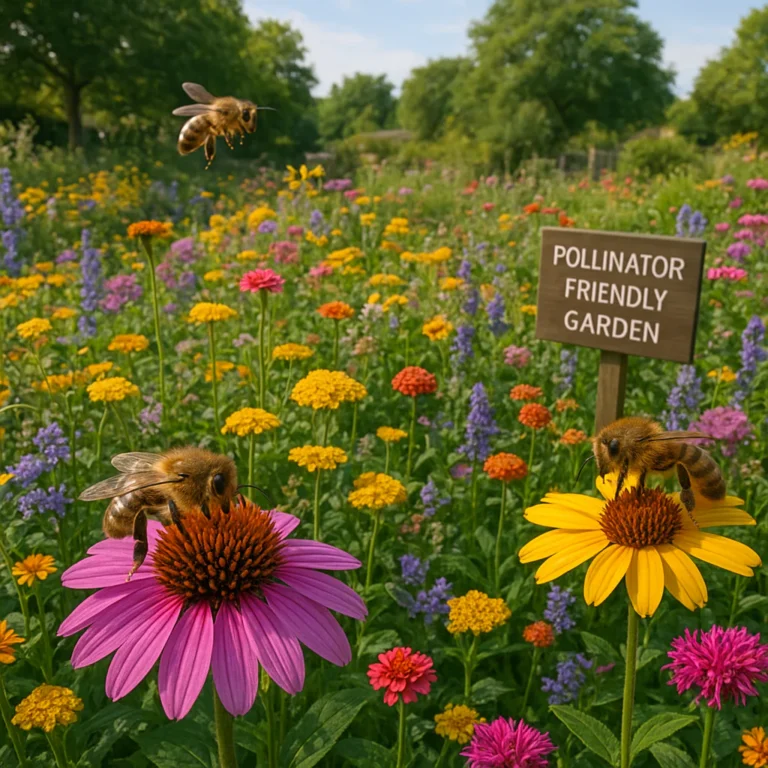
The secret to a thriving pollinator-friendly community garden isn’t just planting flowers; it’s creating a self-sustaining ecosystem where native bees, butterflies, and birds find food, water, and shelter year-round. By prioritizing native species and eliminating pesticides, you transform a simple plot of dirt into a vital urban refuge that boosts crop yields and supports local biodiversity.
Imagine walking into a neighborhood garden and hearing a low, steady hum instead of silence. That’s the sound of success. We once watched a skeptical neighbor complain about the “messy” leaf litter in a corner, only to be stunned when a monarch butterfly emerged from a chrysalis hidden right there in the debris.
Did you know that one out of every three bites of food we eat relies on animal pollinators? Without them, our community gardens would struggle to produce the tomatoes, squash, and berries we all love.
Key Takeaways
- Native plants are non-negotiable: They provide the specific nutrition local pollinators need to survive and reproduce.
- Habitat goes beyond blooms: Successful gardens include water sources, bare soil for nesting, and leaf litter for overwintering.
- Chemical-free is the only way: Eliminating pesticides protects the delicate balance of beneficial insects and prevents colony collapse.
- Community engagement drives success: Educating neighbors about the “messy” look of a healthy garden ensures long-term support and care.
Table of Contents
- ⚡️ Quick Tips and Facts
- 🌱 From Concrete to Clover: The History of Pollinator-Friendly Community Gardens
- 🐝 Why Your Neighborhood Needs a Bee Haven: The Science of Urban Pollination
- 📋 7 Essential Steps to Design a Pollinator Paradise in Your Community Plot
- 🌸 Top 15 Native Plants That Will Make Bees, Butterflies, and Hummingbirds Go Wild
- 🚫 The Silent Killer: Understanding Pesticides and Their Impact on Local Pollinators
- 🛡️ Beyond the Spray: Integrated Pest Management Strategies for Organic Community Plots
- 💧 Water, Shelter, and Mud: Creating the Perfect Habitat for Diverse Pollinator Species
- 🤝 Building Community: How to Engage Neighbors and Local Schools in Pollinator Conservation
- 🏙️ City Policies and Grants: What Municipalities Are Doing to Support Pollinator Coridors
- 🔍 Troubleshooting Common Issues in Pollinator-Friendly Community Gardens
- 📸 Real-World Success Stories: Community Gardens That Transformed Their Neighborhoods
- 📚 Recommended Links: Tools, Seeds, and Resources for Your Journey
- ❓ Frequently Asked Questions About Pollinator-Friendly Community Gardens
- 📖 Reference Links and Scientific Studies
- 🏁 Conclusion: Let’s Grow a Buzzing Future Together
⚡️ Quick Tips and Facts
Before we grab our trowels and get our hands dirty, let’s hit the ground running with some non-negotiable truths about turning a community plot into a pollinator paradise. We’ve seen gardens bloom and wither, and the difference often comes down to these golden rules.
- The 30% Rule: Did you know that 30% of the food we eat relies on animal pollinators? That’s right, from your morning coffee to that evening salad, pollinators are the unsung heroes of our plate. Source: USDA
- Native is Non-Negotiable: Exotic flowers look pretty, but native plants are the only ones that provide the specific nectar and pollen local bees and butterflies need to survive. If you plant non-natives, you might be feeding the wrong guests.
- Water is Life: A shallow dish with stones isn’t just decoration; it’s a drinking fountain for thirsty bees. Without it, they can’t hydrate, and without them, your tomatoes won’t set fruit.
- Leave the Leaves: That pile of dead leaves in the corner? Don’t rake it! Many native bees overwinter in leaf litter. Raking it away is like kicking them out of their winter home.
- The “No-Spray” Zone: If you see a bug, do not spray it. Most “pests” are actually beneficial predators or future pollinators.
Wait a second… You might be thinking, “But what if the aphids eat my zucchini?” or “How do I stop the weeds from taking over without chemicals?” We’ve got you covered. The secret lies in Integrated Pest Management (IPM), a strategy we’ll dive into later that turns your garden into a self-regulating ecosystem. But first, let’s look at how we got here.
🌱 From Concrete to Clover: The History of Pollinator-Friendly Community Gardens

It wasn’t always about saving the bees. In fact, for a long time, the goal of community gardening was purely food security and urban beautification.
The Victory Garden Legacy
During World War I and II, “Victory Gardens” sprang up across America. These were utilitarian spaces designed to feed families and boost morale. While they were incredibly successful, the focus was on high-yield crops like potatoes, beans, and corn. Pollinators were welcome, but they weren’t the stars of the show.
The Shift to Biodiversity
Fast forward to the late 20th century. As urban sprawl consumed natural habitats and the decline of monarch butterflies made headlines, a new movement began. Gardeners realized that a garden full of vegetables but empty of life was a garden half-finished.
The concept of the Pollinator-Friendly Community Garden emerged from the intersection of conservation biology and social activism. Cities like Harrisonburg, Virginia, began formalizing these efforts in 2019, creating “pollinator corridors” to connect fragmented habitats. They realized that a single garden is a drop in the bucket, but a network of gardens creates a highway for wildlife.
Fun Fact: The term “pollinator corridor” isn’t just marketing fluff. It’s a scientific strategy to allow species to migrate as climate zones shift. By linking community gardens, we create a continuous path for bees to travel from one neighborhood to the next.
For more on how these spaces benefit the people living around them, check out our deep dive on the Benefits of Community Gardens.
🐝 Why Your Neighborhood Needs a Bee Haven: The Science of Urban Pollination
Why should a city dweller care about a bumblebee? It’s not just about the “aw” factor. The science of urban pollination is complex and critical.
The Urban Heat Island Effect
Cities are hotter than rural areas. This “Urban Heat Island” effect can actually extend the bloming season for some plants, but it also stresses native bees. Community gardens act as cooling oases, providing shade and moisture that allow pollinators to thrive even when the asphalt is baking.
The Fragmentation Problem
Imagine trying to walk from your house to the grocery store, but every block is a wall of concrete. That’s what it’s like for a bee in a city. Habitat fragmentation isolates populations, leading to inbreding and local extinction.
- The Solution: Community gardens act as stepping stones.
- The Result: A bee can travel from a garden in the north side of town to one in the south, maintaining genetic diversity.
The “One in Three” Statistic
As the Harrisonburg initiative notes, 1 out of every 3 bites of food we eat depends on a pollinator. In a community garden, this translates to:
- Better Yields: Tomatoes, peppers, and squash need buzz pollination.
- Genetic Diversity: Cross-pollination leads to stronger, more disease-resistant crops.
- Seed Saving: If you save seeds from your garden, you need healthy pollinators to ensure those seeds are viable.
📋 7 Essential Steps to Design a Pollinator Paradise in Your Community Plot
So, you’ve got the plot. Now, how do you turn it into a buzzing hub of activity? We’ve distilled years of trial and error (and a few failed experiments with “pretty” but useless flowers) into these seven steps.
1. Assess Your Site
Before buying a single seed, look at the sun. Most pollinators need full sun (6+ hours) to warm up their flight muscles. Check your soil drainage. Are you in a low spot that floods? You might need raised beds.
2. Choose Native Plants
This is the most critical step. Native plants have co-evolved with local pollinators.
- Action: Contact your local Coperative Extension Service for a list of native plants for your specific zone.
- Tip: Don’t just pick flowers; include grasses and shrubs for nesting and shelter.
3. Plan for Continuous Bloom
A garden that blooms in May and dies in June is a trap. You need a succession of blooms from early spring to late fall.
- Early Spring: Crocus, Willow (for early bees).
- Summer: Coneflower, Black-eyed Susan, Mint.
- Late Fall: Asters, Goldenrod (crucial for migration).
4. Create Water Sources
Bes can drown in deep water. Create a shallow birdbath or a “mud puddling station” with a saucer filled with sand and water. This is essential for butterflies, which need minerals from wet soil.
5. Build Shelter and Nesting Sites
Not all bees live in hives. 70% of native bees are solitary and nest in the ground or in hollow stems.
- Leave bare patches of soil for ground-nesters.
- Install a bee hotel (but see our troubleshooting section on maintenance!).
6. Eliminate Pesticides
Commit to a chemical-free zone. This includes herbicides, insecticides, and fungicides. If you must treat a problem, use organic methods like hand-picking or neem oil (used sparingly and at night).
7. Engage the Community
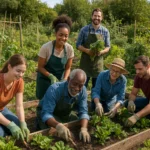
A garden is only as good as its caretakers. Host a workshop on planting native species. Make it a social event. When neighbors understand why the garden looks “messy” (leaves, dead stems), they are less likely to complain.
Curious about the “messy” look? You might wonder, “Doesn’t a messy garden look neglected?” We’ll explain later why leaving the leaves is actually a sign of a healthy, thriving ecosystem.
🌸 Top 15 Native Plants That Will Make Bees, Butterflies, and Hummingbirds Go Wild
We’ve tested hundreds of species. Here are the top 15 that consistently deliver results across most of North America. Note: Always verify these are native to your specific region.
| Rank | Plant Name | Pollinator Target | Bloom Time | Key Feature |
|---|---|---|---|---|
| 1 | Purple Coneflower (Echinacea purea) | Bes, Butterflies | Summer | Drought tolerant, seeds feed birds |
| 2 | Black-eyed Susan (Rudbeckia hirta) | Bes, Butterflies | Summer-Fall | Easy to grow, long bloom |
| 3 | Milkweed (Asclepias spp.) | Monarchs, Bes | Summer | Essential for Monarch larvae |
| 4 | Wild Bergamot (Monarda fistulosa) | Bes, Humingbirds | Summer | Minty scent, attracts many species |
| 5 | Goldenrod (Solidago spp.) | Bes, Butterflies | Late Summer-Fall | Critical late-season food source |
| 6 | New England Aster (Symphyotrichum novae-angliae) | Bes, Butterflies | Fall | One of the last to bloom |
| 7 | Bee Balm (Monarda didyma) | Humingbirds, Bes | Summer | Vibrant red attracts hummingbirds |
| 8 | Wild Lupine (Lupinus perennis) | Swallowtail Butterflies | Spring | Host plant for Karner Blue |
| 9 | Blazing Star (Liatris spicata) | Bes, Butterflies | Summer | Unique vertical spikes |
| 10 | Culver’s Root (Veronicastrum virginicum) | Bes | Summer | Tall, airy structure |
| 1 | Wild Indigo (Baptisia australis) | Bes | Spring | Deep roots, nitrogen fixer |
| 12 | Joe Pye Weed (Eutrochium pureum) | Butterflies | Late Summer | Tall, attracts Swallowtails |
| 13 | Sunflower (Helianthus annuus – Native varieties) | Bes, Birds | Summer-Fall | High pollen production |
| 14 | Spotted Beebalm (Monarda punctata) | Bes | Summer | Unique spotted flowers |
| 15 | Purple Prairie Clover (Dalea purea) | Bes | Summer | Drought tolerant, nitrogen fixer |
Where to Buy Quality Native Seeds
Don’t buy “wildflower mixes” from big-box stores; they often contain non-native or invasive species. Look for native seed specialists.
👉 Shop Native Seeds on:
- Amazon: Native Wildflower Seeds Search
- Etsy: Native Seed Sellers
- Brand Official: Prairie Moon Nursery | American Meadows
🚫 The Silent Killer: Understanding Pesticides and Their Impact on Local Pollinators
Let’s address the elephant in the room: Pesticides.
The Neonicotinoid Nightmare
You might think you’re safe because you aren’t spraying, but many commercial plants sold in nurseries are pre-treated with systemic insecticides like neonicotinoids. These chemicals are absorbed by the plant and end up in the pollen and nectar.
- The Effect: They don’t kill the bee immediately. Instead, they impair navigation, reproduction, and immune systems. It’s a slow death.
- The Fix: Always ask your nursery if plants are “neonic-free.” Look for the Bee Better Certified label.
The “Just in Case” Spray
Many gardeners spray “just in case” they see a bug. This is a disaster for pollinators.
- Broad-Spectrum Killers: Sprays like Sevin or Malathion kill everything, good and bad.
- The Ripple Effect: When you kill the aphids, you also kill the ladybugs that eat them. Then the aphids come back, and you spray again. It’s a chemical treadmill.
But what if the aphids destroy my crop? We get it. It’s frustrating. But there’s a better way. In the next section, we’ll show you how to use Integrated Pest Management (IPM) to handle pests without nuking your garden.
🛡️ Beyond the Spray: Integrated Pest Management Strategies for Organic Community Plots
Integrated Pest Management (IPM) is not about eliminating pests; it’s about managing them to acceptable levels while protecting the ecosystem.
Step 1: Monitoring
Before you do anything, look. Is that really a pest, or is it a beneficial insect?
- Ladybugs: Eat aphids.
- Lacewings: Eat soft-bodied pests.
- Hoverflies: Their larvae eat aphids.
- Action: If you see a few aphids, wait. The predators are likely already on their way.
Step 2: Mechanical Control
- Hand-picking: Pick off caterpillars or beetles.
- Water Spray: Blast aphids off with a strong jet of water.
- Traps: Use yellow sticky traps for whiteflies (place them carefully so bees don’t get stuck).
Step 3: Biological Control
Encourage beneficial insects by planting insectary plants like dill, fennel, and yarrow. These provide nectar for adult beneficial insects.
Step 4: Chemical Control (The Last Resort)
If you must spray, use organic, targeted options:
- Nem Oil: Effective against many pests but harmful to bees if sprayed directly on them. Apply at dusk when bees are not active.
- Insecticidal Soap: Kills soft-bodied pests on contact.
- Bt (Bacillus thuringiensis): Specific to caterpillars, safe for bees.
Comparison: Chemical vs. IPM
| Feature | Chemical Spraying | Integrated Pest Management (IPM) |
|---|---|---|
| Impact on Pollinators | High (Kills beneficials) | Low (Protects beneficials) |
| Long-term Effect | Pest resistance, ecosystem collapse | Balanced ecosystem, natural control |
| Cost | High (repeated purchases) | Low (time and observation) |
| Yield Quality | Potential residue | Organic, residue-free |
💧 Water, Shelter, and Mud: Creating the Perfect Habitat for Diverse Pollinator Species
A garden with flowers is a restaurant. A garden with water, shelter, and mud is a home.
Water: The Essential Resource
Bes need water to cool their hives and dilute honey. Butterflies need puddling sites to get minerals.
- DIY Puddle Station: Fill a shallow dish with sand and water. Add pebbles so they can land without drowning.
- Mud Puddling: Create a small patch of wet, muddy soil. This is critical for male butterflies to gather sodium.
Shelter: The Overwintering Sites
- Leaf Litter: As mentioned, do not rake your leaves in the fall. Leave them for ground-nesting bees and butterfly pupae.
- Dead Stems: Leave hollow stems standing over winter. Cut them back in late spring to release the babies inside.
- Bee Hotels: Use pre-drilled wood blocks or bundles of bamboo.
Warning: Bee hotels can harbor mites and fungi if not cleaned. Clean them annually or use disposable paper liners.
Nesting Sites
- Bare Ground: Leave 10-20% of your garden as bare, undisturbed soil. Many bees nest in the ground.
- Brush Piles: Stack branches and twigs in a corner. This provides shelter for solitary bees and other wildlife.
🤝 Building Community: How to Engage Neighbors and Local Schools in Pollinator Conservation
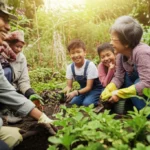
A pollinator garden is a social catalyst. It brings people together.
Educational Workshops
Host a “Bee School” for local kids. Teach them how to identify bees vs. wasps, and why they matter.
- Activity: Build a bee hotel together.
- Outcome: Kids become ambassadors for the garden.
Citizen Science
Encourage neighbors to use apps like iNaturalist to document what they see. This data helps scientists track pollinator populations.
- Event: Host a BioBlitz where the community spends a day counting species.
Involving Local Schools
Partner with schools to create a curiculum around the garden.
- Math: Measure plant growth.
- Science: Study life cycles.
- Art: Sketch the flowers and insects.
Still wondering how to handle the “ugly” parts of the garden? We’ll tackle the common complaints about “messy” gardens and how to communicate the value of a natural look in our troubleshooting section.
🏙️ City Policies and Grants: What Municipalities Are Doing to Support Pollinator Coridors
Cities are waking up to the power of pollinator corridors.
Harrisonburg’s Model
As mentioned earlier, Harrisonburg, VA, created a formal registration program.
- Requirements: Minimum of 3 native species, no pesticides.
- Incentives: Recognition as a “Pollinator Friendly City” and access to free workshops.
Grants and Funding
Many cities offer grants for community gardens.
- Atlanta Local Food Initiative (ALFI): Funded projects like the Keley Cofer Park Pollinator Garden.
- Park Pride: Provides funding for park improvements, including pollinator habitats.
Policy Changes
- Mowing Ordinances: Some cities are changing mowing schedules to allow wildflowers to bloom.
- Native Plant Mandates: New developments are required to include a percentage of native plants.
For more on how local policies affect your garden, read our guide on Community Garden Policies.
🔍 Troubleshooting Common Issues in Pollinator-Friendly Community Gardens
Even the best-laid plans hit snags. Here are the most common issues and how to fix them.
Issue 1: “The Garden Looks Messy”
The Complaint: Neighbors complain about leaves, dead stems, and “weds.”
The Fix: Education.
- Signage: Place signs explaining that “messy” means “habitat.”
- Designated Areas: Create a “tidy” display bed near the entrance and a “wild” area further back.
Issue 2: “The Bee Hotel is Empty”
The Complaint: You built a hotel, but no bees are using it.
The Fix:
- Location: Place it in a sunny, sheltered spot, facing southeast.
- Hole Size: Ensure you have a variety of hole sizes (2mm to 10mm).
- Patience: It can take a season or two for bees to find it.
Issue 3: “The Weds Took Over”
The Complaint: Invasive species are choking out the natives.
The Fix:
- Prevention: Use smothering mulch (cardboard + compost) when planting.
- Maintenance: Hand-pull invasives weekly. Do not use herbicides.
- Mowing: Mow once a year in late winter to reset the garden.
Issue 4: “No Bes Visiting”
The Complaint: You have flowers, but no pollinators.
The Fix:
- Check the Plants: Are they native? Are they bloming now?
- Check the Water: Is there a water source?
- Check the Pesticides: Did someone spray nearby?
📸 Real-World Success Stories: Community Gardens That Transformed Their Neighborhoods
The Kelley Cofer Park Transformation
In Atlanta, the Keley Cofer Park was transformed from a standard grassy area into a Hugelkultur-based pollinator garden.
- The Technique: They built raised beds using logs and compost (Hugelkultur), which retains moisture and creates micro-habitats.
- The Result: A “buzzing hub of activity” with over 25 peach trees and countless pollinators.
- Funding: Supported by grants from the Atlanta Local Food Initiative and DeKalb County.
Harrisonburg’s Pollinator Coridor
Harrisonburg connected multiple community gardens and public spaces to create a 1.1-mile downtown pollinator walk.
- Impact: Increased biodiversity, community engagement, and a BioBlitz that won a national award.
- Key Takeaway: Connectivity is key. One garden is great; a network is transformative.
Ready to start your own transformation? We’ll wrap up with a conclusion and a list of resources to get you started.
📚 Recommended Links: Tools, Seeds, and Resources for Your Journey
Here are the tools and resources we trust at Community Gardening™.
Essential Tools
- Hand Trowels: Look for ergonomic designs to save your wrists.
- Pruning Shears: High-quality steel for clean cuts.
- Watering Cans: With a fine rose for delicate seedlings.
👉 Shop Gardening Tools on:
- Amazon: Gardening Tools Search
- Walmart: Garden Tools
- Brand Official: Fiskars | Corona
Books and Guides
- “The Bee Friendly Garden” by Anne Stine: A comprehensive guide to designing for bees.
- “Bringing Nature Home” by Douglas Tallamy: The bible on native plants and biodiversity.
👉 Shop Books on:
- Amazon: Pollinator Garden Books
- Etsy: Gardening Journals
Seeds and Plants
- Native Seed Specialists: Prairie Moon Nursery | High Mowing Organic Seeds
- Bee Better Certified Plants: Look for the label at local nurseries.
❓ Frequently Asked Questions About Pollinator-Friendly Community Gardens
What role do pollinators play in the success of community gardens?
Pollinators are the engine of productivity in a community garden. Without them, many crops like squash, berries, and fruit trees would fail to produce fruit. They also increase genetic diversity in the plants, making the garden more resilient to disease and climate change.
How do community gardens promote environmental education about pollinators?
Community gardens serve as living classrooms. They allow residents to observe the life cycles of insects, learn about native plants, and understand the interconnectedness of ecosystems. Workshops, school programs, and citizen science projects (like BioBlitzes) turn abstract concepts into tangible experiences.
What are the key features of a pollinator-friendly garden design?
Key features include:
- Native Plants: Selected for local pollinators.
- Continuous Bloom: Flowers bloming from spring to fall.
- Water Sources: Shallow dishes or mud puddles.
- Shelter: Leaf litter, dead stems, and bare soil.
- No Pesticides: A chemical-free zone.
How can community gardens support declining pollinator populations?
By creating habitat corridors that connect fragmented urban areas, community gardens provide food, water, and shelter for pollinators. They also serve as refuges from pesticide exposure and offer a safe place for solitary bees to nest.
What plants are best for attracting pollinators in community gardens?
The best plants are native species that bloom at different times of the year. Examples include Purple Coneflower, Milkweed, Black-eyed Susan, Goldenrod, and Wild Bergamot. Avoid double-flowered varieties as they often lack nectar.
How do pollinator-friendly community gardens benefit local ecosystems?
They increase biodiversity, support the food web (by providing food for birds and other wildlife), improve soil health, and help manage stormwater through deep-rooted native plants. They also act as cooling islands in urban heat islands.
What are the best pollinator friendly plants for community gardens?
See the Top 15 Native Plants table above for a detailed list. The “best” plants depend on your specific region, so always consult a local extension service.
How do I design a community garden to support local bees and butterflies?
Start by assessing your site for sun and soil. Choose a mix of native plants that bloom sequentially. Include water sources, shelter (like leaf litter and bare soil), and commit to a no-pesticide policy. Engage your community to maintain the garden.
What are the rules for using pesticides in pollinator friendly community gardens?
The rule is zero tolerance for broad-spectrum pesticides. If you must treat a pest, use organic, targeted methods like hand-picking, water sprays, or neem oil applied at dusk. Always check if plants are pre-treated with neonicotinoids before buying.
How can community gardens help increase local pollinator populations?
By providing continuous food sources and safe nesting sites, community gardens support the entire life cycle of pollinators. They also act as stepping stones in urban landscapes, allowing pollinators to move between habitats and maintain genetic diversity.
What are some low maintenance pollinator friendly plants for beginners?
Black-eyed Susan, Purple Coneflower, Milkweed, and Goldenrod are excellent choices. They are hardy, drought-tolerant, and require minimal care once established.
How do I get my community garden certified as pollinator friendly?
Many cities and organizations (like the Xerces Society) offer certification programs. Typically, you need to:
- Plant a minimum number of native species.
- Commit to no pesticide use.
- Provide water and shelter.
- Submit an application and sometimes a site visit.
What role do community gardens play in urban pollinator conservation?
They are critical nodes in the urban landscape. They fill the gaps between larger natural areas, creating a network that allows pollinators to survive and thrive in cities. They also raise public awareness and foster a culture of conservation.
📖 Reference Links and Scientific Studies
- USDA: Pollinators and Food Security
- Xerces Society: Pollinator Conservation Resources
- Harrisonburg, VA: Pollinator-Friendly Community Gardens
- Greenfield, WI: Pollinator Friendly Community
- National Recreation and Park Association: BioBlitz Winners
- University of Georgia: Keley Cofer Park Pollinator Garden (Video Reference)
🏁 Conclusion: Let’s Grow a Buzzing Future Together

We started this journey with a simple question: Can a community garden really save the bees? The answer is a resounding yes, but only if we do it right.
It’s not just about planting pretty flowers. It’s about creating a holistic ecosystem that provides food, water, shelter, and safety for our tiny, winged neighbors. It’s about challenging the notion of a “perfect” garden and embracing the messy, wild, and alive beauty of nature.
We’ve seen how cities like Harrisonburg and Atlanta are leading the way, turning concrete jungles into pollinator corridors. We’ve learned that native plants are non-negotiable, that pesticides are the enemy, and that community engagement is the secret sauce.
So, what’s next for you?
- Start small: Plant a few native flowers in a pot.
- Go big: Transform a community plot into a pollinator paradise.
- Speak up: Advocate for no-spray policies in your neighborhood.
Remember, every flower you plant is a lifeline for a pollinator. Every leaf you leave is a home for a bee. And every neighbor you educate is a champion for the environment.
The future of our food, our ecosystems, and our communities depends on the buzz of a bee. Let’s make sure that buzz never fades.
Ready to get started? Check out our Benefits of Community Gardens for more inspiration, or join a local Community Garden Event to meet fellow gardeners.
Let’s grow together! 🌱🐝🦋