Support our educational content for free when you purchase through links on our site. Learn more

To find a suitable location for a community garden, you must prioritize six hours of direct sunlight, tested soil free of heavy metals, and reliable water access before signing any lease. If you are wondering, “How do I find a suitable location for a community garden in my area?”, the answer lies in treating the search like a real estate deal rather than a casual stroll; you need to verify zoning laws, secure a 5-to-10-year agreement, and gauge neighborhood support first.
We once watched a passionate group in Chicago nearly lose their dream because they fell in love with a sunny, empty lot only to discover the soil was laced with lead from decades of traffic. They had to pivot to raised beds, doubling their startup costs, but they learned that due diligence saves the harvest. Did you know that over 18,0 community gardens exist across the US, yet nearly 40% fail within the first three years due to poor site selection?
Don’t let your project become a statistic. By following a systematic approach to scouting, testing, and negotiating, you can turn a vacant patch of dirt into a thriving hub of food and friendship.
Key Takeaways
- Sunlight is non-negotiable: Ensure the site receives at least 6 hours of direct sun daily for most edible crops.
- Test before you plant: Always conduct a professional soil test for lead and arsenic, especially in urban environments.
- Secure long-term stability: Aim for a 5-to-10-year lease to justify investing infrastructure like raised beds and irrigation.
- Engage the neighbors early: Build community support and address “NIMBY” concerns before approaching property owners.
- Check zoning first: Verify that the land is zoned for agriculture or obtain the necessary variances to avoid legal shutdowns.
Table of Contents
- ⚡️ Quick Tips and Facts
- 🌱 From Dirt to Dream: A Brief History of Community Garden Site Selection
- 🗺️ How to Find a Suitable Location for a Community Garden in Your Area
- 1. Scout the Sun: Assessing Solar Exposure and Light Patterns
- 2. Test the Soil: Understanding Contamination and Texture
- 3. Water Wisdom: Securing Reliable Irrigation Sources
- 4. Zoning Zen: Navigating Local Land Use Regulations and Permits
- 5. Community Pulse: Gauging Neighborhood Interest and Demographics
- 6. Safety First: Evaluating Crime Rates and Physical Security
- 7. Accessibility Audit: Ensuring Inclusive Access for All Gardeners
- 8. The Landlord Talk: Approaching Property Owners and Leasing Strategies
- 🏙️ Urban vs. Rural: Tailoring Your Site Search to Your Environment
- 📜 The Legal Labyrinth: Permits, Liability, and Insurance Essentials
- 🤝 Building the Coalition: Engaging Stakeholders and Partners
- 🚧 Overcoming Common Obstacles in Community Garden Location Hunting
- 💡 Real-World Success Stories: Lessons from Established Gardens
- 🛠️ Tools and Resources for Site Evaluation
- ✅ Good Prospect Community Garden Checklist
- 🏁 Conclusion
- 🔗 Recommended Links
- ❓ FAQ
- 📚 Reference Links
⚡️ Quick Tips and Facts
Before you grab your shovel and start digging up the first patch of dirt you see, let’s hit the pause button. We’ve seen too many passionate groups turn a dream into a dust bowl because they skipped the homework. Here are the non-negotiables for finding a site that won’t turn into a lawsuit or a weed farm:
- Sun is King: Most vegetables need 6 to 8 hours of direct sunlight daily. If your spot is shaded by a skyscraper or a massive oak, you’re growing shade-tolerant greens, not tomatoes. Check out our guide on Edible Plants to see what thrives in lower light.
- Soil isn’t just dirt: Urban soil is often a cocktail of lead, arsenic, and construction debris. Never skip a soil test. It’s cheaper than a lawyer.
- Water access is a dealbreaker: If you have to haul water in buckets from a house a block away, the project will die. You need a nearby spigot or a plan for rainwater harvesting.
- The “NIMBY” Factor: “Not In My Backyard” is real. You need community buy-in before you even talk to the city.
- Zoning is the silent killer: Just because a lot looks empty doesn’t mean it’s zoned for agriculture. Always check with your local planning department first.
If you’re feeling overwhelmed by the logistics, don’t worry. We’ve walked this path from a muddy patch of weeds to a thriving harvest. If you want to start small before tackling a full site search, check out our article on How do I start a small community garden? to get your feet wet.
🌱 From Dirt to Dream: A Brief History of Community Garden Site Selection
You might think the struggle to find land is a modern problem caused by gentrification and rising real estate prices. While those are huge factors today, the story of community garden site selection goes back much further.
During the Victory Garden movements of World War I and II, the government actually gave you the land. They turned vacant city lots, parks, and even rooftops into food production hubs to support the war effort. The “location” was dictated by the war, not the gardener.
Fast forward to the 1970s, when the “Green Guerrillas” in New York City started tossing seed bombs into abandoned lots. They didn’t ask for permission; they just started gardening. This was the era of guerrilla gardening, where the location was found by spotting neglect.
Today, the game has changed. We aren’t just tossing seeds; we are negotiating leases, navigating complex zoning codes, and dealing with environmental remediation. The shift from “squatter’s rights” to “legal land use” means that finding a suitable location is now a mix of urban planning, legal strategy, and community organizing.
Did you know? The first recorded community garden in the US was in Detroit in 1893, during the Panic of 1893, when Mayor Hazen Pingree encouraged citizens to grow potatoes on vacant lots to feed the hungry. That’s over 130 years of searching for the perfect spot!
🗺️ How to Find a Suitable Location for a Community Garden in Your Area
So, you’ve got the passion, but where do you actually look? Finding the perfect spot is like dating: you need chemistry (sunlight), stability (soil), and a good location (accessibility). Here is our step-by-step guide to hunting down that golden acre.
1. Scout the Sun: Assessing Solar Exposure and Light Patterns
We can’t stress this enough: Sunlight is the currency of the garden. Without it, your tomatoes will be sad, legy, and fruitless.
- The 6-Hour Rule: Most fruiting crops (tomatoes, peppers, squash) need a minimum of 6 hours of direct sun. Leafy greens can get by with 4, but they’ll be smaller.
- Obstruction Analysis: Look at the site at different times of the day. A building might cast a shadow at 2 PM that kills your afternoon sun.
- Tools of the Trade: Use apps like Sun Seeker or Garden Planner to simulate sun paths. We also love the old-school method: stand in the spot at 9 AM, 12 PM, and 3 PM on a sunny day.
Pro Tip: If you find a spot with great soil but only 4 hours of sun, consider raised beds that can be moved orienting your rows to maximize the available light.
2. Test the Soil: Understanding Contamination and Texture
You found a sunny spot! Great. Now, let’s talk about what’s underneath your feet. In urban areas, soil is often a toxic soup of lead, copper, and petroleum byproducts from old cars and factories.
- The Lead Test: This is critical. Lead doesn’t degrade; it stays in the soil forever. If you have lead, you must use raised beds with imported clean soil or grow in containers.
- Texture Matters: Sandy soil drains too fast; clay holds too much water. You want loam—a happy medium.
- How to Test:
DIY Jar Test: Fill a jar with soil and water, shake it, and let it settle. The layers will tell your sand/silt/clay ratio.
Professional Lab: We recommend sending a sample to a university extension service. It’s cheap and gives you a full heavy metal report.
| Soil Type | Pros | Cons | Best For |
|---|---|---|---|
| Sandy | Drains well, warms up fast | Dries out quickly, low nutrients | Root crops (carots, potatoes) |
| Clay | Holds nutrients and water | Poor drainage, hard to work | Cabbage, beans (if amended) |
| Loam | Perfect balance | Can be expensive to import | Almost everything! |
| Contaminated | N/A | Toxic to humans | Do not plant edible crops! |
3. Water Wisdom: Securing Reliable Irrigation Sources
A garden without water is just a pretty patch of weeds. Before you sign a lease, walk the perimeter and look for water sources.
- Spigot Proximity: Ideally, you want a spigot within 50 feet of your planting area. If you have to run a 20-foot hose, you’ll spend more time hauling water than gardening.
- Water Pressure: Turn on the tap. Is the flow strong enough to fill a bucket in a reasonable time?
- Alternative Sources: If there’s no tap, can you install a rainwater catchment system? Or is there a nearby pond (check local regulations first)?
Real Story: We once helped a group in Chicago secure a lot. It looked perfect until we realized the only water source was a fire hydrant. The city said no. They almost gave up until they found a neighbor with a spigot and negotiated a water-sharing agreement. Always have a Plan B for water.
4. Zoning Zen: Navigating Local Land Use Regulations and Permits
This is the boring part that saves your garden from being bulldozed. Every city has a zoning code that dictates what can happen on a piece of land.
- Permitted Uses: Is “agriculture” a permitted use in that zone? If not, you may need a variance or a special use permit.
- Setbacks: How far from the property line must your garden be?
- Fencing and Structures: Do you need a permit to build a shed or a fence?
Action Item: Contact your local Planning Department or Zoning Office. Ask specifically about “Community Garden” or “Urban Agriculture” ordinances. Some cities, like Seattle and Portland, have specific codes that make this easier.
5. Community Pulse: Gauging Neighborhood Interest and Demographics
A garden is only as strong as its community. If the neighbors hate the idea, you’ll face constant complaints.
- Walk the Block: Talk to the people living next door. Are they excited? Do they have kids? Are they elderly?
- Demographics: If the neighborhood is food-insecure, a garden providing fresh produce is a huge win. If it’s a wealthy area, they might want ornamental plants or educational programs.
- Surveys: Hand out simple surveys at a local coffee shop or library. Ask: “Would you volunteer?” “What would you grow?”
6. Safety First: Evaluating Crime Rates and Physical Security
We want everyone to feel safe. A garden in a high-crime area needs extra planning.
- Visibility: Is the site visible from the street? “Eyes on the street” deter crime.
- Lighting: Is there street lighting? If not, can you install solar lights?
- Fencing: A sturdy fence is often required by insurance companies anyway.
7. Accessibility Audit: Ensuring Inclusive Access for All Gardeners
A true community garden is for everyone, including those with mobility issues.
- Pathways: Are the paths wide enough for a wheelchair (at least 36 inches)?
- Surface: Is the ground paved, mulched, or gravel? Soft mulch is great for walking but hard for wheelchairs.
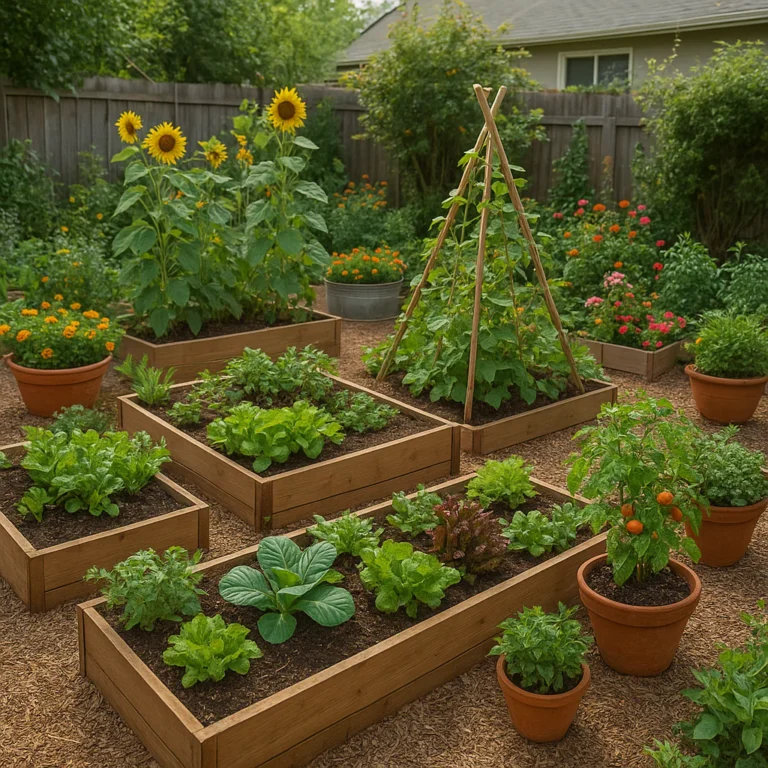
- Raised Beds: Consider having at least some raised beds (24-36 inches high) for gardeners who cannot bend down.
8. The Landlord Talk: Approaching Property Owners and Leasing Strategies
Once you have a shortlist, it’s time to talk to the owner. This could be the city, a private developer, a church, or a school.
- The Pitch: Don’t just ask for land. Offer value. “We will maintain the lot, reduce blight, and provide fresh food to the neighborhood.”
- Lease Terms: Aim for a 5 to 10-year lease. You need stability to invest in soil and infrastructure.
- Insurance: Most owners will require you to have liability insurance. This is non-negotiable.
🏙️ Urban vs. Rural: Tailoring Your Site Search to Your Environment
The rules of the game change depending on where you are.
Urban Environments
- Challenge: Space is at a premium. You might be looking at rooftops, parking lots, or tiny alleyways.
- Focus: Vertical gardening, container gardening, and soil remediation are key.
- Water: Often limited; rainwater harvesting is essential.
- Light: Tall buildings create complex shadow patterns.
Rural Environments
- Challenge: Land might be available, but it could be far from the community you want to serve.
- Focus: Soil health and water rights. You might have acres of land, but if the water is restricted, you’re stuck.
- Zoning: Often more lenient, but agricultural zoning might have restrictions on “non-farm” structures like sheds.
📜 The Legal Labyrinth: Permits, Liability, and Insurance Essentials
Let’s get serious for a moment. If you skip the legal stuff, your garden could be shut down overnight.
- Liability Insurance: This is your safety net. If someone trips over a hose and breaks a leg, you don’t want to be personally sued. Organizations like the American Community Gardening Association (ACGA) offer group insurance plans.
- Waivers: Every member should sign a waiver acknowledging the risks of gardening.
- Land Use Agreements: Get everything in writing. Verbal agreements are worthless when the property changes hands.
Pro Tip: Check out our Community Garden Policies section for sample lease agreements and waiver templates.
🤝 Building the Coalition: Engaging Stakeholders and Partners
You can’t do this alone. You need a team.
- Local Schools: They need outdoor classrooms. Partner with them for funding and volunteer power.
- Businesses: Local hardware stores might donate tools; grocery stores might donate compost.
- Non-Profits: Partner with food banks to distribute your harvest.
Success Story: In Detroit, the Michigan Urban Farming Initiative partnered with a local university and a tech company to turn a vacant lot into a massive garden. They didn’t just ask for land; they offered a solution to the city’s blight problem.
🚧 Overcoming Common Obstacles in Community Garden Location Hunting
Even with a perfect plan, things go wrong. Here’s how to handle the bumps in the road.
- Obstacle: “The land is owned by a bank and they won’t talk to us.”
Solution: Contact the city’s land bank. Many cities have programs to transfer vacant bank-owned land to community groups. - Obstacle: “The soil is too contaminated.”
Solution: Go raised bed. It’s more expensive upfront, but it’s the only safe way to grow food in toxic soil. - Obstacle: “The neighbors are complaining about the noise.”
Solution: Set clear garden hours and communicate them clearly. Maybe host a “Meet the Gardeners” event to build relationships.
💡 Real-World Success Stories: Lessons from Established Gardens
Let’s look at what works.
- P-Patch (Seattle): One of the oldest and most successful programs. They own their land, which gives them incredible stability. They have a waiting list of thousands.
- The Green Bronx Machine: Started in a schoolyard in the Bronx. They turned a concrete playground into a garden, proving that any space can be a garden if you have the will.
- Denver Urban Gardens (DUG): They focus on food justice, placing gardens in low-income neighborhoods and providing seeds and training.
What can we learn?
- Stability matters: Own the land or have a long-term lease.
- Community is key: Engage the neighbors early.
- Adaptability: Be ready to change your plans based on soil and water constraints.
🛠️ Tools and Resources for Site Evaluation
You don’t need to be a geologist to evaluate a site, but you do need the right tools.
- Soil Test Kits:
Home Test Kits: Good for pH and NPK, but not for heavy metals.
Lab Testing: Essential for lead and arsenic. Look for A&L Great Lakes Labs or your local Coperative Extension. - Sunlight Meters:
Solmetric SunEye: Professional grade, expensive.
Smartphone Apps: Sun Seeker or PhotoPills are great for free/cheap analysis. - Water Testing:
Simple Strips: For pH and chlorine.
Lab Analysis: For bacteria and heavy metals.
Recommended Gear:
- Soil Probe: To take deep samples.
- Moisture Meter: To check irrigation needs.
- Gloves and Boots: For safety during site visits.
👉 Shop Soil Test Kits on:
👉 Shop Garden Tools on:
✅ Good Prospect Community Garden Checklist
Before you fall in love with a site, run it through this checklist. If you check off less than 80%, keep looking.
| Criteria | Yes/No | Notes |
|---|---|---|
| Sunlight: 6+ hours of direct sun? | ||
| Water: Access to a spigot or rain catchment? | ||
| Soil: Tested for lead/arsenic? | ||
| Zoning: Permitted for agriculture? | ||
| Access: Easy for cars, bikes, and wheelchairs? | ||
| Safety: Visible from the street? | ||
| Landlord: Willing to sign a 5+ year lease? | ||
| Community: Neighbors are supportive? | ||
| Cost: Affordable rent or free? | ||
| Size: Large enough for your goals? |
Remember: No site is perfect. You might have to compromise on size to get good soil, or on location to get a long-term lease. But never compromise on safety (soil/water).
🏁 Conclusion

Finding a suitable location for a community garden is a journey, not a destination. It requires patience, persistence, and a healthy dose of optimism. You might face rejection, contaminated soil, or zoning nightmares. But remember the Victory Gardens of the past and the P-Patch programs of today. They all started with someone looking at a piece of land and seeing potential.
We’ve covered the sun, soil, water, zoning, and community aspects. You now have the tools to evaluate a site like a pro. But the most important tool is you. Your passion is what will turn a vacant lot into a thriving community hub.
The question remains: Are you ready to take the first step? Don’t wait for the “perfect” spot. Start with a small plot, build your coalition, and let the garden grow with you. As we mentioned earlier, if you’re unsure where to begin, check out How do I start a small community garden? for a gentle entry point.
The dirt is waiting. The community is waiting. Go find your spot.
🔗 Recommended Links
Ready to get your hands dirty? Here are some resources to help you on your journey.
Books & Guides:
- The Community Gardener’s Handbook: A comprehensive guide to starting and maintaining a garden. Find on Amazon
- Urban Agriculture: Growing Healthy, Sustainable Places: Essential reading for city gardeners. Find on Amazon
Tools & Supplies:
- Soil Test Kits: Essential for safety. Shop on Amazon | Shop on Walmart
- Raised Bed Kits: Perfect for contaminated soil. Shop on Amazon | Shop on Etsy
- Garden Gloves: Protect your hands. Shop on Amazon | Fiskars Official
Organizations:
- American Community Gardening Association (ACGA): Find a garden or get help starting one. Visit ACGA
- Local Cooperative Extension: Your go-to for soil testing and local advice. Find your local extension
❓ FAQ

How can I engage with my local community and gather support for a new community garden project?
Engaging the community starts with listening. Host a town hall or a casual meet-and-greet at a local coffee shop. Ask people what they want from a garden. Use social media to create a group. Transparency is key—share your plans, your challenges, and your wins. People support what they help create.
What are the benefits of starting a community garden in an urban area, and how can I get started?
Urban gardens provide fresh food, green space, social connection, and mental health benefits. They also reduce the “heat island” effect. To get started, identify a vacant lot, check zoning, test the soil, and build a coalition of neighbors. Check out our Benefits of Community Gardens page for more details.
How can I assess the sunlight and soil quality of a potential community garden site?
For sunlight, use a sun path app or observe the site at different times of the day. For soil, perform a jar test for texture and send a sample to a lab for heavy metal testing. Never skip the lead test in urban areas.
What are the key factors to consider when choosing a location for a community garden?
The top factors are sunlight (6+ hours), water access, soil safety, zoning compliance, accessibility, and community support. If any of these are missing, the garden will struggle.
Read more about “🏗️ 7 Permit Traps for Community Garden Structures (2026)”
What permits are needed to start a community garden?
Permits vary by city, but you may need a zoning variance, building permit for structures, water connection permit, and liability insurance. Always check with your local Planning Department.
Read more about “🌱 Launch Your Ultimate Community Vegetable Garden Project (2026)”
How do I get permission to use public land for a garden?
Contact your city’s Parks and Recreation Department or Land Bank. Many cities have specific programs for leasing vacant public land to community groups. Be prepared to present a business plan and proof of insurance.
Read more about “🌱 What Is the Purpose of a Community Garden? (2026)”
Who can I contact to find land for a community garden?
Start with your local Coperative Extension, Parks and Rec, Land Banks, and non-profit organizations like the ACGA. You can also reach out to churches, schools, and private developers.
Read more about “🌱 5 Community Garden Cooperative Models That Actually Work (2026)”
What are the best soil conditions for a community garden site?
The best soil is loam (a mix of sand, silt, and clay) that is free of contaminants. If the soil is contaminated, use raised beds with clean soil.
How do I handle invasive species in a community garden?
Prevention is key. Use clean soil and weed-free mulch. Regularly inspect the garden for invasive plants like mint or horseradish (which should be grown in containers). Remove them immediately.
Read more about “🌱 15 Best Plants to Grow in a Community Garden (2026)”
What if the land I want is owned by a private developer who won’t sell?
You can negotiate a lease instead of a purchase. Offer to maintain the land and reduce blight. If they refuse, look for land banks or other vacant lots. Persistence pays off.
📚 Reference Links
- American Community Gardening Association (ACGA): Find a Garden
- USDA National Institute of Food and Agriculture: Coperative Extension System
- EPA: Lead in Soil
- Local City Planning Departments: (Search for your specific city’s zoning codes)
- Johnny’s Selected Seeds: Vegetable Varieties
- Fiskars: Garden Tools
- Lamotte Company: Soil Testing