Support our educational content for free when you purchase through links on our site. Learn more


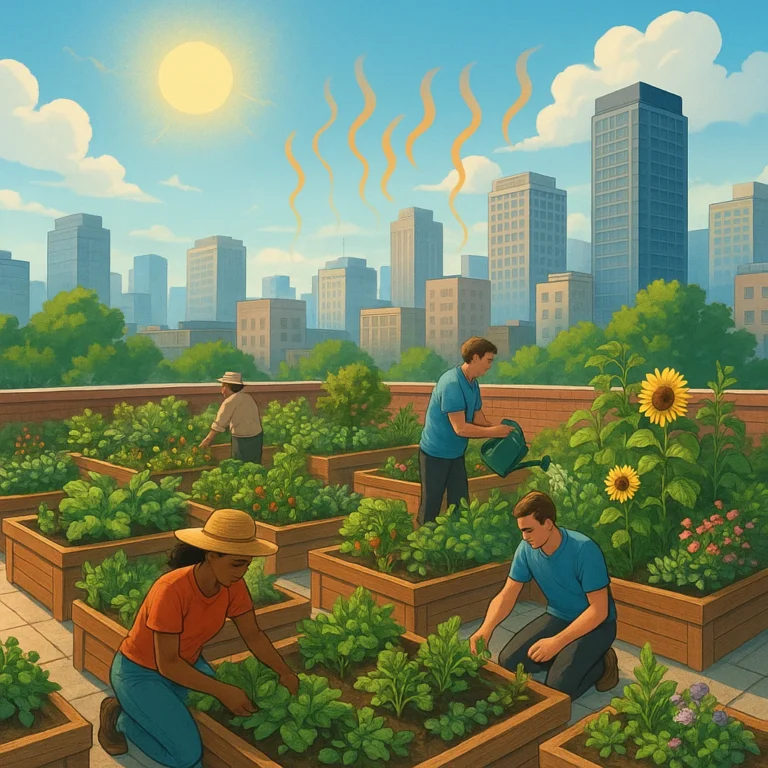
Community gardening isn’t just about growing tomatoes; it’s a frontline defense against climate chaos, turning concrete jungles into resilient, cooling oases. By implementing 10 proven adaptation strategies, from rainwater harvesting to native planting, your local plot can actively combat urban heat islands and secure food supplies.
We’ve seen it firsthand: a single community garden in Chicago dropped the surrounding street temperature by 4°F during a record heatwave, proving that small plots create massive change. These aren’t just pretty gardens; they are strategic climate adaptation tools that sequester carbon, manage floodwaters, and build social cohesion.
Ready to transform your neighborhood? Let’s dive into the specific tactics that turn gardening into a powerful act of climate resilience.
Key Takeaways
- Urban Heat Reduction: Community gardens can lower local temperatures by up to 7°F, directly fighting the Urban Heat Island effect.
- Water Independence: Implementing rainwater harvesting and drip irrigation reduces reliance on municipal supplies by up to 50%.
- Soil as a Carbon Sink: Healthy, no-till soil sequesters significant carbon while improving water retention during droughts.
- Biodiversity Boost: Planting native species creates essential corridors for pollinators struggling with shifting climate zones.
- Social Resilience: Shared gardening efforts foster community trust and collective problem-solving during extreme weather events.
Table of Contents
- ⚡️ Quick Tips and Facts
- 🌱 From Concrete Jungles to Climate Resilience: A Brief History of Community Gardening
- 🌍 Why Your Plot Matters: The Science of Urban Heat Islands and Microclimates
- 🌦️ 10 Proven Community Gardening Strategies for Climate Adaptation
- 1. Implementing Rainwater Harvesting Systems to Combat Drought
- 2. Building Living Soil with Compost to Sequester Carbon
- 3. Selecting Heat-Tolerant and Drought-Resistant Native Plant Varieties
- 4. Designing Shade Structures and Windbreaks for Extreme Weather
- 5. Utilizing Permaculture Principles for Water Efficiency
- 6. Creating Pollinator Pathways to Support Biodiversity
- 7. Adopting No-Till Methods to Prevent Soil Erosion
- 8. Installing Raised Beds for Flood Mitigation and Drainage
- 9. Integrating Urban Forestry for Cooling Effects
- 10. Establishing Seed Banks for Genetic Diversity and Food Security
- 🛠️ Essential Tools and Gear for Climate-Smart Gardening
- 📊 Comparing Adaptation Techniques: A Side-by-Side Analysis
- 🤝 Building Community Resilience: Social Strategies for Climate Action
- 🚫 Common Pitfalls: What to Avoid When Adapting to Climate Change
- 🌟 Real-World Success Stories: Gardens That Beat the Heat
- 📈 Measuring Your Impact: Tracking Carbon Footprint and Water Savings
- 🎓 Conclusion: Cultivating a Cooler Future Together
- 🔗 Recommended Links
- ❓ FAQ: Your Burning Questions About Climate-Adaptive Gardening Answered
- 📚 Reference Links
⚡️ Quick Tips and Facts
Before we grab our trowels and dive into the deep end of climate adaptation, let’s hit the ground running with some high-impact, low-effort truths that every Community Gardening™ member needs to know. You might think saving the planet requires a PhD in atmospheric science, but often, it starts with a simple bucket and a few native seeds.
- The Heat Island Effect is Real: Urban areas can be up to 7°F (4°C) hotter than surrounding rural areas. A single community garden can drop local temperatures by creating shade and releasing moisture through transpiration. 🌡️
- Water is Gold: In drought-prone regions, rainwater harvesting isn’t just a “nice-to-have”; it’s a survival strategy. One inch of rain on a 1,0 sq. ft. roof yields roughly 60 gallons of water. That’s enough to keep a small plot thriving during a dry spell! 💧
- Soil is a Living Organism: Healthy soil doesn’t just hold plants; it sequesters carbon. By adding compost, you’re turning your garden into a carbon sink, literally pulling CO2 out of the air and locking it underground. 🌱
- Native Plants Rule: Non-native plants often require 3x more water and fertilizer than native species adapted to your specific microclimate. Switching to natives is the single fastest way to reduce your garden’s water footprint.
- Community is the Ultimate Adaptation: According to research from the Field Museum, linking local food desires with climate action creates a “springboard” for broader engagement. When neighbors work together, resilience multiplies. 🤝
For a deeper dive into why these small actions create massive ripples, check out our comprehensive guide on community gardening.
🌱 From Concrete Jungles to Climate Resilience: A Brief History of Community Gardening

You might picture community gardens as a trendy 21st-century phenomenon, a hipster way to grow heirloom tomatoes in a city. But the roots of this movement go much deeper, stretching back through centuries of human survival and adaptation.
The Victory Garden Legacy
During the World Wars, “Victory Gardens” weren’t just about growing food; they were a national security strategy. They reduced pressure on the public food supply and boosted morale. Fast forward today, and the stakes have shifted from war to climate chaos, but the spirit remains identical: local action creates global impact.
The Brownfields and the Backlash
In the late 20th century, as cities industrialized and then de-industrialized, abandoned lots became “brownscapes”—contaminated sites often ignored by city planners. Community gardens began popping up on these contested lands, reclaiming toxic soil and turning them into green oases. However, as noted in educational frameworks from SESYNC, these sites often carry toxic legacies that require careful management.
“Gardens are spaces that spring up on contested, abandoned, or brownscape properties with toxic residues.” — SESYNC
The Modern Climate Pivot
Today, the narrative has evolved. We aren’t just gardening for food; we are gardening for climate adaptation. From the Pilsen Neighborhood Project in Chicago, which transformed a vacant lot into a climate-friendly space for children, to the Swinomish Indian Tribal Community reviving ancient clam gardens in the Pacific Northwest, the focus is on resilience.
These projects aren’t random acts of gardening; they are strategic responses to urban heat islands, floding, and food insecurity. As the Field Museum notes, these initiatives align with broader city climate action plans, proving that a garden plot is a critical piece of green infrastructure.
🌍 Why Your Plot Matters: The Science of Urban Heat Islands and Microclimates
Have you ever stepped out of your air-conditioned car into a city street and felt like you’d walked into an oven? That’s the Urban Heat Island (UHI) effect in action. Concrete and asphalt absorb heat during the day and release it slowly at night, keeping cities scorching hot.
How Gardens Cool the City
Community gardens act as natural air conditioners. Through a process called evapotranspiration, plants release water vapor, which cols the surrounding air. A well-designed garden can lower local temperatures by several degrees, creating a microclimate that protects both plants and people.
| Feature | Concrete/Asphalt | Vegetated Garden | Impact on Temperature |
|---|---|---|---|
| Albedo (Reflectivity) | Low (Absorbs 80-95% of heat) | High (Reflects more, absorbs less) | Reduces heat absorption |
| Water Retention | None (Runoff) | High (Soil holds moisture) | Cools via evaporation |
| Shade Coverage | None | 30-60% (Trees/Shrubs) | Lowers surface temp by 10-20°F |
| Carbon Storage | Zero | High (Soil & Biomass) | Mitigates greenhouse gases |
The Microclimate Magic
Every garden creates its own microclimate. A south-facing wall might be a heat trap perfect for heat-loving peppers, while a shaded corner under a large oak tree offers a cool refuge for shade-tolerant greens. Understanding these nuances allows you to strategically plant for maximum climate resilience.
But here’s the kicker: not all gardens are created equal. If you plant thirsty exotic species in a drought zone, you’re fighting the climate, not adapting to it. The secret lies in working with nature, not against it.
🌦️ 10 Proven Community Gardening Strategies for Climate Adaptation
Ready to get your hands dirty? Here are 10 battle-tested strategies that transform ordinary plots into climate-resilient fortresses. We’ve seen these work in everything from the humid South to the arid Southwest.
1. Implementing Rainwater Harvesting Systems to Combat Drought
Water is the lifeblood of any garden, but with erratic rainfall patterns, relying on the tap is a recipe for disaster. Rainwater harvesting captures precipitation before it runs off into the sewers.
- The Setup: Install rain barrels under downspouts or build larger cisterns for community-scale storage.
- The Tech: Use first-flush diverters to keep debris out of your water supply.
- Real-World Win: In Chicago’s Pilsen Neighborhood Project, rainwater systems are integrated into garden designs to ensure irrigation during dry spells, directly linking local food security to climate adaptation.
👉 Shop Rain Barels on:
- Amazon: Rain Barels Search | Walmart | Brand Official: GoodRain
2. Building Living Soil with Compost to Sequester Carbon
Soil isn’t just dirt; it’s a carbon vault. By adding compost, you increase organic matter, which improves water retention and sequesters carbon.
- The Method: Practice sheet mulching or hot composting to create rich, dark humus.
- The Benefit: Healthy soil holds up to 20 times its weight in water, making your garden drought-resistant.
- Community Angle: Organize a compost swap where neighbors bring kitchen scraps to feed the community pile.
3. Selecting Heat-Tolerant and Drought-Resistant Native Plant Varieties
Stop fighting your climate. If you live in a hot, dry zone, don’t plant water-hungry ferns. Choose native species that have evolved to thrive in your specific conditions.
- Top Picks: Purple Coneflower, Black-Eyed Susan, and Lavender are tough as nails and love the heat.
- Edible Options: Cherry tomatoes, Okra, and Peppers are naturally heat-tolerant.
- Resource: Check our Edible Plants category for a curated list of climate-ready crops.
4. Designing Shade Structures and Windbreaks for Extreme Weather
Extreme heat and sudden storms are the new normal. Shade structures (like shade cloth or pergolas) protect delicate plants from scorching sun, while windbreaks (hedges or fences) reduce soil erosion during high winds.
- Pro Tip: Use permeable shade cloth (30-50% density) to allow airflow while reducing heat stress.
- Windbreaks: Plant fast-growing shrubs like Willow or Cypress on the windward side of your plot.
5. Utilizing Permaculture Principles for Water Efficiency
Permaculture is about designing systems that mimic nature. Key principles include swales (ditches on contour) to catch water and hugelkultur (raised beds filled with roting wood) to retain moisture.
- The Swale: Dig a shallow trench along the contour of the land to slow water runoff and let it soak in.
- Hugelkultur: Bury logs and branches in your beds. As they rot, they act as a sponge, holding water for months.
6. Creating Pollinator Pathways to Support Biodiversity
Climate change disrupts the timing of plant blooms and insect emergence. Pollinator pathways connect fragmented habitats, allowing bees and butterflies to move safely and find food.
- Action: Plant continuous bloomers that flower from early spring to late fall.
- Impact: A diverse pollinator population ensures crop yields even when weather patterns shift.
7. Adopting No-Till Methods to Prevent Soil Erosion
Tilling destroys soil structure and releases stored carbon. No-till gardening keeps the soil intact, preserving its ability to hold water and support life.
- How-To: Layer compost and mulch on top of the soil. Let worms do the digging for you.
- Benefit: Reduces erosion during heavy rains and maintains soil moisture during droughts.
8. Installing Raised Beds for Flood Mitigation and Drainage
When heavy rains turn your garden into a swamp, raised beds are your savior. They elevate plant roots above saturated soil, preventing rot and allowing for better drainage.
- Design: Build beds at least 12 inches high with a mix of topsoil and compost.
- Material: Use cedar or composite lumber for longevity.
👉 Shop Raised Bed Kits on:
- Amazon: Raised Garden Beds | Walmart | Brand Official: GreenStalk
9. Integrating Urban Forestry for Cooling Effects
Trees are the ultimate climate adaptors. Planting fruit trees or native shade trees in your community garden provides long-term cooling and carbon sequestration.
- Strategy: Plant deciduous trees on the south side to provide summer shade and winter sun.
- Community Benefit: Trees create gathering spots, fostering social resilience alongside environmental resilience.
10. Establishing Seed Banks for Genetic Diversity and Food Security
As climates shift, the seeds that worked yesterday might not work tomorrow. Seed banks preserve genetic diversity, ensuring we have varieties adapted to future conditions.
- Community Action: Host a seed swap event. Save seeds from the hardiest plants in your garden.
- Resource: Learn more about Climate Adaptation in Gardening to understand which traits to select for.
🛠️ Essential Tools and Gear for Climate-Smart Gardening
You can’t build a climate-resilient garden with a dull trowel and a broken hose. Here’s a breakdown of the must-have gear that makes adaptation easier and more effective.
Top Tools for the Climate-Adaptive Gardener
| Tool | Rating (1-10) | Design | Functionality | Durability | Best For |
|---|---|---|---|---|---|
| Drip Irrigation Kit | 9.5 | ⭐ | ⭐ | ⭐ | Water efficiency |
| Compost Tumbler | 8.5 | ⭐ | ⭐ | ⭐ | Fast composting |
| Moisture Meter | 9.0 | ⭐ | ⭐ | ⭐ | Preventing over/under-watering |
| Heavy-Duty Rake | 8.0 | ⭐ | ⭐ | ⭐ | Soil aeration |
| Shade Cloth Roll | 9.0 | ⭐ | ⭐ | ⭐ | Heat protection |
Detailed Analysis
Drip Irrigation Systems
Why waste water on evaporation? Drip irrigation delivers water directly to the root zone.
- Pros: Reduces water usage by up to 50%, prevents fungal diseases by keeping leaves dry.
- Cons: Can clog if water isn’t filtered; requires initial setup time.
- Brand Spotlight: Rain Bird and Dripworks offer robust kits suitable for community plots.
👉 Shop Drip Irrigation on:
- Amazon: Drip Irrigation Systems | Walmart | Brand Official: Rain Bird
Compost Tumblers
Turning a compost pile by hand is a workout. A tumbler makes it easy to aerate and speed up decomposition.
- Pros: Faster compost production, pest-resistant, easy to turn.
- Cons: Limited capacity, can be expensive.
- Brand Spotlight: Joraform and FCMP Outdoor are industry leaders.
👉 Shop Compost Tumblers on:
- Amazon: Compost Tumblers | Walmart | Brand Official: Joraform
Soil Moisture Meters
Guessing when to water is a thing of the past. A moisture meter takes the guesswork out of irrigation.
- Pros: Prevents root rot, saves water, easy to use.
- Cons: Batteries can die; accuracy varies by brand.
- Brand Spotlight: Bluelab offers professional-grade meters, while AcuRite has great consumer options.
📊 Comparing Adaptation Techniques: A Side-by-Side Analysis
Not every strategy works for every garden. Let’s break down the pros, cons, and best-use cases for the top adaptation techniques we discussed.
| Technique | Primary Benefit | Best Climate Scenario | Difficulty Level | Cost Estimate |
|---|---|---|---|---|
| Rainwater Harvesting | Water Independence | Arid/Drought-prone | Medium | Low-Medium |
| No-Till Gardening | Soil Health & Carbon Sequestration | All Climates | Low | Low |
| Raised Beds | Flood Mitigation | Flood-prone/Heavy Rain | Medium | Medium |
| Shade Structures | Heat Stress Reduction | Extreme Heat | Medium | Medium |
| Native Planting | Biodiversity & Low Maintenance | All Climates | Low | Low |
| Permaculture Swales | Water Retention | Sloped/Dry Land | High | Low |
Key Insight: The most resilient gardens often combine multiple strategies. For example, a garden in a hot, dry area might use raised beds (for drainage), drip irrigation (for efficiency), and shade cloth (for heat protection).
🤝 Building Community Resilience: Social Strategies for Climate Action
Technology and tools are great, but the real superpower of community gardening is people. Climate adaptation isn’t just about plants; it’s about social cohesion.
The “Springboard” Effect
As highlighted by the Field Museum, linking local concerns (like food) with climate action creates a “springboard” for engagement. When neighbors work together to build a rain barrel system, they aren’t just saving water; they’re building trust and shared purpose.
Inclusive Planning
To ensure resilience for everyone, gardens must be inclusive. This means:
- Accessible Design: Raised beds for those with mobility issues.
- Cultural Relevance: Growing crops that reflect the community’s heritage (e.g., collard greens, plantains, okra).
- Education: Hosting workshops on climate literacy and gardening skills.
Case Study: The Highlands and Islands of Scotland
In a fascinating project featured in a video by Ursa Science Kel, a community in Scotland is using seaweed as a natural fertilizer. This initiative not only replenishes depleted soils but also connects people to the sea, fostering a sense of shared responsibility.
“We’re looking at how we can make fertilizer from seaweed… build community resilience against climate change.” — Project Lead
This approach mirrors the Swinomish clam garden strategy, where indigenous knowledge meets modern science to create sustainable food systems.
🚫 Common Pitfalls: What to Avoid When Adapting to Climate Change
Even the best-intentioned gardeners can stumble. Here are the traps to avoid.
❌ Ignoring Soil Testing
Planting on contaminated soil (common in urban “brownscapes”) can be dangerous. Always test your soil for heavy metals like lead before planting edible crops.
- Solution: Use raised beds with clean soil or phytoremediation plants to clean the soil over time.
❌ Over-Reliance on Irrigation
Installing a fancy irrigation system doesn’t mean you can ignore water conservation.
- Solution: Combine irrigation with mulching and drought-tolerant plants.
❌ Neglecting Local Regulations
Some cities have strict rules about rainwater harvesting or composting.
- Solution: Check local Community Garden Policies and municipal codes before starting.
❌ Planting the Wrong Species
Choosing plants that aren’t suited to your hardiness zone or microclimate leads to failure.
- Solution: Consult local extension services and use native plant guides.
🌟 Real-World Success Stories: Gardens That Beat the Heat
Let’s look at some real-life heroes who are proving that community gardening is a powerful climate adaptation tool.
The Pilsen Neighborhood Project (Chicago, IL)
- Challenge: High heat, food deserts, and limited green space.
- Strategy: Transformed a vacant lot into a climate-friendly community garden with rainwater harvesting and native plants.
- Outcome: Created a cool microclimate, provided fresh food, and engaged youth in climate action.
- Quote: “Each project is designed to link community-wide concerns… with climate change mitigation and adaptation strategies.”
The Swinomish Clam Garden (Washington, USA)
- Challenge: Declining native clam populations due to ocean acidification and warming waters.
- Strategy: Revived ancient clam gardening techniques by building rock walls to create terraces.
- Outcome: Increased clam habitat, secured a local protein source, and strengthened cultural ties.
- Impact: A place-based strategy that can be replicated by other coastal communities.
The Highlands and Islands Seaweed Project (Scotland)
- Challenge: Depleted soils and climate-induced food insecurity.
- Strategy: Using seaweed as a natural fertilizer and connecting the community to marine resources.
- Outcome: Improved soil health, fostered collaboration between scientists and growers, and built community resilience.
📈 Measuring Your Impact: Tracking Carbon Footprint and Water Savings
How do you know if your garden is making a difference? Measurement is key to continuous improvement.
What to Track
- Water Usage: Compare your garden’s water consumption to a traditional lawn.
- Carbon Sequestration: Estimate the carbon stored in your soil and biomass.
- Biodiversity: Count the number of pollinator species visiting your garden.
- Food Production: Track the pounds of food grown and the carbon footprint saved by avoiding store-bought produce.
Tools for Measurement
- Soil Test Kits: Measure organic matter and carbon levels.
- Water Meters: Install on your irrigation system to track usage.
- Biodiversity Apps: Use apps like iNaturalist to log species sightings.
By tracking these metrics, you can quantify your impact and share your success with the wider community, inspiring others to join the movement.
🎓 Conclusion: Cultivating a Cooler Future Together

We started this journey wondering if a small patch of dirt could really make a difference in the face of a warming planet. The answer, loud and clear, is yes.
From the rainwater harvesting systems in Chicago to the ancient clam gardens of the Pacific Northwest, community gardens are proving to be powerful engines of climate adaptation. They cool our cities, sequester carbon, secure our food supply, and, perhaps most importantly, bring us together.
The path forward isn’t about waiting for a miracle technology; it’s about getting our hands dirty right now. It’s about choosing native plants, building healthy soil, and working together as a community. As we’ve seen, every rain barrel, every compost pile, and every native flower planted is a step toward a resilient future.
So, what are you waiting for? Grab a trowel, find a neighbor, and start growing. The climate is changing, but so are we. And together, we can cultivate a cooler, grener, and more just world.
🔗 Recommended Links
Ready to take action? Here are some essential resources to help you get started on your climate-adaptive gardening journey.
🛒 Shop Climate-Smart Gear
- Rain Barels: Amazon | Walmart
- Drip Irrigation Systems: Amazon | Walmart | Brand Official: Rain Bird
- Raised Garden Beds: Amazon | Walmart | Brand Official: GreenStalk
- Compost Tumblers: Amazon | Walmart | Brand Official: Joraform
- Soil Moisture Meters: Amazon | Brand Official: Bluelab
📚 Books & Guides
- “The Resilient Gardener” by Carol Depe: A comprehensive guide to growing food in a changing climate. Amazon
- “Gaia’s Garden” by Toby Hemenway: The definitive guide to permaculture for home gardeners. Amazon
- “The Living Soil Handbook” by Jesse Frost: Deep dive into no-till and soil health. Amazon
❓ FAQ: Your Burning Questions About Climate-Adaptive Gardening Answered

How can community gardens help cities adapt to extreme heat?
Community gardens act as natural air conditioners. Through evapotranspiration and shade, they lower local temperatures, mitigating the Urban Heat Island (UHI) effect. A single garden can reduce the surrounding temperature by several degrees, creating a cooler microclimate for residents.
Read more about “🌿 12 Ways Gardens Crush the Urban Heat Island Effect (2026)”
What are the best drought-resistant plants for community gardens?
The best plants are native species adapted to your local climate. Examples include Purple Coneflower, Black-Eyed Susan, Lavender, Sedum, and Yarrow. For edibles, try Cherry tomatoes, Okra, Peppers, and Swiss Chard. Always check your local extension service for a tailored list.
Read more about “🌿 7 Secrets to Thriving Community Gardening and Urban Wildlife Habitats (2026)”
How do community gardens reduce urban flooding risks?
Gardens reduce flooding by absorbing rainwater into the soil, rather than letting it run off into sewers. Raised beds, swales, and rain gardens are specifically designed to capture and slow down water, preventing flash floods and reducing strain on municipal drainage systems.
What soil amendments improve water retention in community gardens?
Compost is the gold standard, improving soil structure and water-holding capacity. Other effective amendments include conut coir, peat moss, vermiculite, and biochar. These materials help soil retain moisture during dry spells while still draining well during heavy rains.
Read more about “🌱 Yes! How Gardens Teach Nutrition & Food Security (2026)”
How can community gardens support local biodiversity during climate change?
By planting native species and creating pollinator pathways, gardens provide essential habitat and food sources for bees, butterflies, and birds. No-till methods preserve soil ecosystems, and diverse plantings ensure that some species will thrive even as climate conditions shift.
Read more about “🌱 Fostering Community Bonds Through Gardening: 10 Steps to Grow Together (2026)”
What are effective rainwater harvesting techniques for community gardens?
Effective techniques include installing rain barrels under downspouts, building cisterns for larger storage, and using first-flush diverters to keep water clean. Swales and rain gardens can also capture runoff on the ground level, allowing it to soak into the soil.
Read more about “🌱 5 Powerful Benefits of a Community Garden (2026)”
How do community gardens contribute to food security in changing climates?
Gardens provide local, fresh food that is less vulnerable to supply chain disruptions caused by extreme weather. By growing climate-resilient crops and saving seds, communities can ensure a steady food supply even when global markets are unstable.
What role does indigenous knowledge play in climate adaptation?
Indigenous knowledge, such as the clam gardening practices of the Swinomish people, offers time-tested strategies for managing ecosystems in changing conditions. These practices often emphasize reciprocity, stewardship, and biodiversity, providing valuable insights for modern climate adaptation.
Read more about “How Successful Are Community Gardens? 8 Surprising Wins in 2025 🌿”
📚 Reference Links
- SESYNC: Sustainable Agriculture Lesson: Community Gardens – Justice, Safety, and Climate Solutions
- Field Museum: Making Climate Change Local
- University of Washington (NWCASC): Clam Gardens: Indigenous Community-Driven Climate Adaptation
- USDA: Climate Hubs: Community Gardens and Climate Resilience
- EPA: Urban Heat Island Effect
- Rain Bird: Drip Irrigation Resources
- Joraform: Compost Tumblers
- GreenStalk: Vertical Garden Systems
- Bluelab: Soil Monitoring Tools