Support our educational content for free when you purchase through links on our site. Learn more

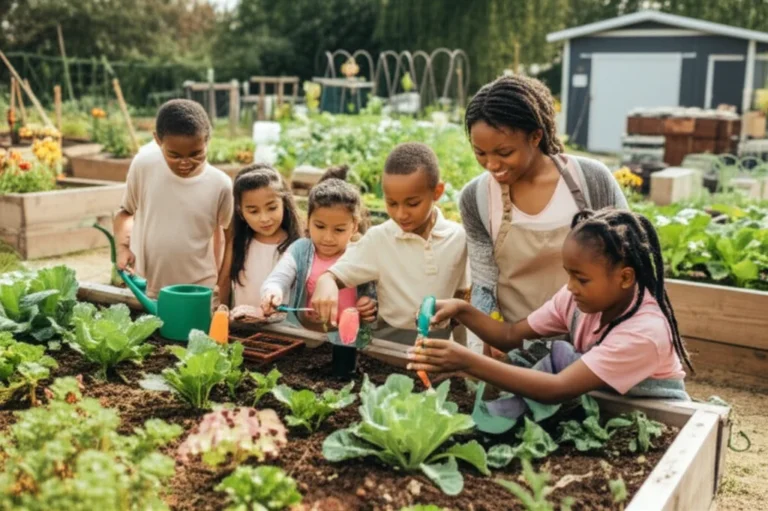
Community gardening and youth leadership development work best when young people have real choices, meaningful responsibilities, and a voice in shaping the garden. Give youth the power to plan, plant, solve problems, and share the harvest, and a garden can become a living classroom for teamwork, confidence, and community change.
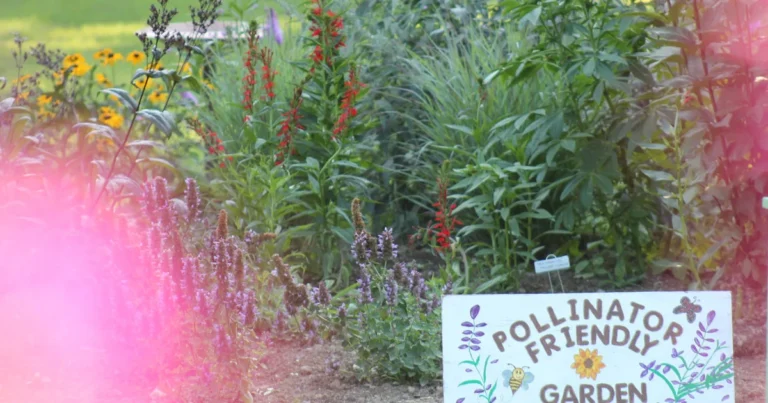
We’ve watched a quiet meeting turn lively when young gardeners were asked what the neighborhood needed. Their answer wasn’t another row of tomatoes: they wanted a pollinator patch, a place to sit, and herbs their families actually cooked with. That shift—from adults assigning tasks to youth leading ideas—is where leadership starts to take root.
A thriving youth garden takes more than seeds and enthusiasm. It needs safe, welcoming spaces, reliable mentorship, accessible roles, community partnerships, and a plan for keeping young people involved beyond the first exciting planting day.
Key Takeaways
- Share real decision-making power: Let young people help choose garden goals, crops, roles, and community projects.
- Treat the garden as a hands-on leadership classroom: Growing food can strengthen communication, teamwork, planning, problem-solving, and environmental stewardship.
- Design for access and belonging: Consider safe soil, accessible paths and tools, cultural food traditions, flexible schedules, and welcoming ways for different ages and abilities to participate.
- Build strong support around youth: Schools, families, community organizations, local gardeners, and mentors can provide knowledge and continuity without taking over.
- Measure more than the harvest: Track youth participation, confidence, skills, relationships, and community contributions alongside produce grown.
Table of Contents
- ⚡️ Quick Tips and Facts
- 🌱 What Community Gardening and Youth Leadership Development Mean
- How a Garden Becomes a Youth Leadership Classroom
- Who Benefits: Young People, Families, and Neighborhoods
- 📚 Roots of Community Gardening and Youth Development
- A Brief History of Youth-Led Gardens
- Why Hands-On, Place-Based Learning Works
- 🧭 Core Principles of an Effective Youth Garden Program
- Youth Voice, Shared Power, and Meaningful Choices
- Cultural Relevance, Inclusion, and Belonging
- Trauma-Informed Practice and Emotional Safety
- 🌻 Leadership Skills Young Gardeners Can Grow
- Communication, Teamwork, and Conflict Resolution
- Project Planning, Decision-Making, and Accountability
- Environmental Stewardship and Civic Engagement
- 🪴 Designing a Community Garden for Youth Leadership
- Choosing a Site and Assessing Soil, Sun, and Water
- Accessible Garden Beds, Tools, and Safety Features
- Growing Food, Native Plants, and Pollinator Habitat
- 🛠️ How to Start a Youth-Led Community Garden
- 1. Listen to Young People and Map Community Needs
- 2. Build Partnerships and Find a Long-Term Site
- 3. Set Goals, Roles, and Shared Garden Agreements
- 4. Plan the Budget, Supplies, and Growing Calendar
- 5. Plant, Learn, Reflect, and Adapt Together
- 👩 🌾 Youth Garden Leadership Roles and Team Structures
- Garden Captains, Peer Mentors, and Committee Leads
- Rotating Roles That Give Everyone a Turn
- 🎓 Youth Garden Education and Leadership Curriculum
- Seasonal Lessons in Gardening, Nutrition, and Ecology
- Project-Based Learning and Service-Learning Activities
- Connecting Garden Work to School Subjects and Careers
- 💼 Youth Garden Internships, Mentorship, and Career Pathways
- Building a Paid Youth Internship Program
- Mentor Training, Supervision, and Professional Skills
- From Garden Leadership to Green Careers and Entrepreneurship
- 🍅 Food Justice, Nutrition, and Community Well-Being
- Food Access, Harvest Sharing, and Community Meals
- Culturally Meaningful Crops and Food Traditions
- Youth Leadership in Local Food Systems
- 🤝 Partnerships, Family Engagement, and Community Outreach
- Working with Schools, Nonprofits, and Extension Services
- Welcoming Caregivers and Intergenerational Gardeners
- Sharing Garden Stories, Events, and Harvests
- 💰 Funding and Sustaining a Youth Community Garden
- Grants, Sponsorships, Donations, and In-Kind Support
- Volunteer Coordination and Garden Maintenance Plans
- Keeping Youth Leadership Strong Beyond One Season
- 📊 Measuring Youth Leadership and Garden Program Impact
- Choosing Outcomes and Tracking Progress
- Youth Surveys, Reflection, and Community Feedback
- Celebrating Success Without Measuring Only Harvests
- ⚠️ Common Challenges and Practical Solutions
- Low Participation, Scheduling, and Youth Retention
- Water Access, Soil Contamination, and Garden Safety
- Adult Gatekeeping, Conflict, and Unequal Decision-Making
- Weather, Vandalism, and Missed Harvests
- ✅ Quick Tips for Stronger Youth-Led Garden Programs
- 🌎 Examples and Models of Youth Community Gardening
- What to Learn from Urban Farm Youth Leadership Programs
- Adapting Garden Programs to Rural, Suburban, and Urban Communities
- Conclusion
- Recommended Links
- FAQ
- How does community gardening develop youth leadership?
- What age can young people join a community garden program?
- How can a youth garden program include young people with disabilities?
- How do you fund a youth-led community garden?
- What should youth garden leaders do during the winter?
- Reference Links