Support our educational content for free when you purchase through links on our site. Learn more


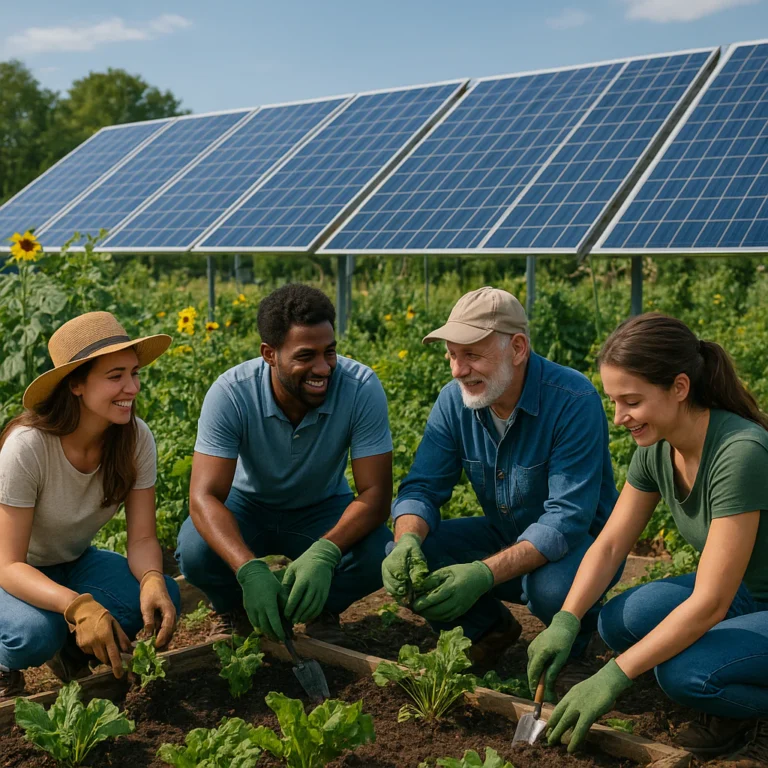
Community gardening and biodiversity corridors work best when gardens connect with nearby green spaces and provide locally suitable food, shelter, and water for wildlife. A garden can’t undo urban habitat loss on its own, but it can become a valuable stepping stone in a neighborhood network.
We’ve watched gardeners debate whether to tidy every last stem or leave a quiet corner for wildlife. The happy compromise? Keep paths and shared growing areas clear, and make a small, clearly marked habitat patch part of the plan.
Key Takeaways
- Think network, not island: Link gardens with parks, yards, street trees, and planted verges where possible.
- Choose locally native plants with different bloom times, and include host plants, shelter, and water.
- Make habitat and harvest work together with thoughtful layouts, accessible paths, and shared maintenance plans.
- Reduce routine pesticide use and check local guidance before planting, digging, or adding wildlife features.
- Monitor and adapt: Track plants, seasonal blooms, wildlife observations, and volunteer capacity to see what’s working.
Table of Contents
- ⚡️ Quick Tips and Facts: Community Gardens as Biodiversity Corridors
- 🌱 What Are Community Gardening and Biodiversity Corridors?
- How a garden becomes a habitat link
- Biodiversity corridors, stepping stones, and green infrastructure
- 🦋 Why Urban Biodiversity Corridors Matter
- Pollinators, birds, and other urban wildlife
- Habitat connectivity and climate resilience
- Community gardens and food-system benefits
- 📜 From Allotments to Urban Wildlife Networks
- 🧭 How to Plan a Community Garden Biodiversity Corridor
- Map existing habitats, routes, and barriers
- Set shared goals and choose measurable indicators
- Build partnerships with neighbors and local organizations
- 🌼 15 Ways to Make Community Gardens Better Wildlife Corridors
- 1. Plant locally native flowers across the seasons
- 2. Grow a layered mix of trees, shrubs, and groundcover
- 3. Choose pollinator-friendly flowers with varied shapes
- 4. Connect garden beds with continuous flowering borders
- 5. Add host plants for butterflies and moths
- 6. Keep a small area wild and undisturbed
- 7. Create safe nesting and overwintering places
- 8. Add clean, shallow water for wildlife
- 9. Leave some bare, pesticide-free soil
- 10. Improve soil health with compost and mulch
- 11. Reduce pesticide use and prevent drift
- 12. Make fences and paths wildlife-friendly
- 13. Limit nighttime lighting
- 14. Grow food and habitat in the same space
- 15. Link gardens with parks, verges, and home gardens
- 🗺️ Designing Corridors for Different Sites and Species
- Small lots, rooftops, and container gardens
- School gardens, allotments, and shared growing spaces
- Supporting bees, butterflies, birds, and beneficial insects
- Considering wildlife movement and road crossings
- 🌿 Plant Choices for a Connected, Wildlife-Friendly Garden
- Native plants, regional adaptation, and local seed
- Year-round blooms and seasonal food sources
- Avoiding invasive plants and harmful cultivars
- Sample planting layers and habitat features
- 🤝 Sharing Space: Access, Safety, and Garden Governance
- Balancing food production and habitat needs
- Inclusive design, accessibility, and community stewardship
- Managing pets, pests, and human-wildlife conflicts
- 📊 Monitoring Biodiversity and Measuring Corridor Success
- Simple wildlife surveys and community science
- Track habitat quality, connectivity, and participation
- Adapt planting and maintenance using the results
- 🛠️ Seasonal Maintenance and Troubleshooting
- A year-round corridor care calendar
- Common mistakes that weaken habitat connections
- Solutions for shade, drought, compacted soil, and limited space
- 💰 Funding, Permissions, and Long-Term Stewardship
- Land access, permits, and local regulations
- Grants, donations, and in-kind support
- Keeping a corridor thriving beyond the first season
- 🔎 Conclusion
- 🔗 Recommended Links
- ❓ FAQ
- How does a community garden function as a biodiversity corridor?
- How close together should habitat gardens be?
- Do community gardens need to use only native plants?
- Can a small garden help wildlife connectivity?
- What should a wildlife-friendly community garden avoid?
- How can we tell whether our corridor is working?
- 📚 Reference Links
⚡️ Quick Tips and Facts: Community Gardens as Biodiversity Corridors
Community gardens can do more than grow tomatoes. Linked with nearby yards, parks, street trees, verges, and other green spaces, they can provide food, shelter, and stepping-stone habitat for wildlife moving through built-up neighborhoods. For a practical introduction to shared growing spaces, see our guide to community gardening.
| Quick fact | What it means in a garden |
|---|---|
| A corridor is about connectivity, not just acreage. | Several nearby habitat patches may help wildlife move through a neighborhood, even when no continuous strip of green space is possible. |
| Native plants support local food webs. | Choose species adapted to your region, and aim for flowers, fruits, seeds, and host plants across the seasons. |
| “Wildlife-friendly” does not mean “untended.” | Clear paths, accessible beds, tidy shared areas, and small intentionally managed habitat patches can coexist. |
| Pesticide reduction matters. | Avoid routine pesticide use, follow label directions when a product is necessary, and use integrated pest management first. |
| Every patch has limits. | A small garden can be a useful habitat stop, but it cannot replace larger, high-quality natural areas. |
Quick-start checklist
- ✅ Map nearby green spaces and note gaps, fences, roads, lighting, and other barriers.
- ✅ Plant a diverse mix of locally native plants with staggered bloom times.
- ✅ Keep at least one small area for leaf litter, stems, or bare ground where it is safe and appropriate.
- ✅ Provide clean water and shelter without creating standing-water problems or attracting pests.
- ✅ Ask gardeners what access, maintenance, and food-growing needs the plan must meet.
- ❌ Don’t assume a single “pollinator mix” or a row of flowers makes a functioning corridor.
The U.S. Forest Service explains that habitat connectivity helps organisms move among habitat patches; how much connectivity helps depends on the species and landscape. See its overview of wildlife corridors and connectivity. 🌿
🌱 What Are Community Gardening and Biodiversity Corridors?
Community gardening is people sharing responsibility for a place to grow food, flowers, and community relationships. A biodiversity corridor is a connected or semi-connected set of habitats that can help wildlife travel, find resources, and maintain populations across a fragmented landscape.
Put them together and you get a garden that serves two purposes: a productive growing space for people and a habitat patch that may help connect other green spaces. Our gardeners often describe it as a “living stepping stone.” It won’t bridge every gap, but it can make a hard, gray route a little more welcoming.
The National Wildlife Federation’s Certified Wildlife Habitat® program recognizes wildlife habitat ranging from window boxes to larger habitat corridors. Its guidance is a useful framework, but certification is not a substitute for locally informed ecological planning.
How a garden becomes a habitat link
A community garden contributes to connectivity when it offers resources that wildlife can use and sits within a broader network of habitat. Those resources may include:
- Food: nectar, pollen, seeds, berries, host plants, or prey insects.
- Shelter: shrubs, grasses, leaf litter, logs, and undisturbed corners.
- Water: clean, shallow sources with safe access and escape points.
- Breding and resting places: suitable nesting materials, host plants, or protected soil, depending on local species.
Connectivity is not measured only by distance. A garden may be physically close to a park but separated by a wide, heavily trafficked road; another may be farther away but linked by tree-lined streets and backyard plantings. The U.S. Environmental Protection Agency’s green infrastructure resources discuss how networks of green spaces can provide environmental benefits in developed areas.
Biodiversity corridors, stepping stones, and green infrastructure
These terms overlap, but they are not interchangeable. A corridor usually suggests a route or connected habitat. Stepping-stone habitats are separate patches that may help some organisms move across a landscape. Green infrastructure is broader: it includes interconnected natural and engineered features that manage water, heat, and other urban pressures.
| Approach | What it looks like | Potential value | Limitation |
|---|---|---|---|
| Continuous corridor | A connected green strip, creek edge, or hedgerow | Provides an unbroken route for species able to use it | Often difficult to establish in dense urban areas |
| Stepping stones | Gardens, parks, planters, and habitat patches separated by built areas | Can offer resource stops between larger habitats | Species vary in their ability to cross gaps |
| Green infrastructure network | Trees, rain gardens, green roofs, parks, and planted verges | Can combine habitat with cooling and stormwater benefits | A green feature is not automatically quality wildlife habitat |
Our recommendation: describe a garden as part of a potential habitat network unless local surveys or ecological assessments show that it functions as a corridor for particular species. That phrasing is accurate, encouraging, and avoids promising wildlife benefits the site has not yet demonstrated.
🦋 Why Urban Biodiversity Corridors Matter
Urban development can divide habitat into smaller patches. Thoughtfully planted community gardens may help soften that fragmentation by providing food and shelter in places where wildlife otherwise encounters lawns, pavement, walls, and roads. They can also give residents a hands-on way to notice local nature, learn what grows well, and care for shared land.
For more on the human side of shared green spaces, explore our Benefits of Community Gardens resources. The ecological benefits are real possibilities, not automatic outcomes: plant selection, site conditions, maintenance, and connection to surrounding habitat all matter.
Pollinators, birds, and other urban wildlife
A well-planned garden can support different wildlife groups in different ways:
- Bes and other pollinators use nectar and pollen; some native bees also need particular soil, stems, or nesting cavities.
- Butterflies and moths may depend on specific host plants for their caterpillars, not just nectar for adults.
- Birds may use seeds, berries, insects, and shrubs for cover or nesting, depending on species and location.
- Beneficial insects can use flowering plants, leaf litter, and undisturbed areas for food and shelter.
- Soil organisms help break down organic matter and support soil processes when the soil is protected and managed well.
The U.S. Fish and Wildlife Service’s pollinator resources provide guidance on supporting pollinators. For garden planning, remember that a butterfly-bush-only border, for example, may feed adult butterflies but fail to provide the region-specific host plants caterpillars need.
Habitat connectivity and climate resilience
Connected green spaces can contribute to broader landscape resilience, but gardens are one piece of a much larger puzzle. Trees and planted areas can provide shade and help manage stormwater; habitat diversity can also support a wider range of organisms. The exact benefits depend on the site, the plants, the climate, and how the landscape is maintained.
In our experience, the most resilient garden plans are layered and flexible: they include plants suited to local conditions, retain some shade and shelter, and leave room to adjust after heat waves, heavy rain, or new pest pressures. See our Climate Adaptation in Gardening resources for practical approaches to changing conditions.
Community gardens and food-system benefits
A habitat-minded garden does not have to give up its harvest. Food beds, fruiting shrubs, herbs, pollinator borders, and habitat features can share the same site when the layout is intentional.
Try these arrangements:
- Place flowers and herbs along bed edges, while keeping paths clear for harvest and maintenance.
- Add locally suitable fruiting plants where they won’t shade vegetables or block access.
- Use trellises and vertical growing to save ground space.
- Keep habitat patches away from compost areas, tool storage, or high-traffic paths if those uses conflict.
- Choose edible and habitat plants with care; not every edible crop is valuable to local wildlife, and some ornamental plants can become invasive.
Browse our Edible Plants category for ideas to combine productive beds with a welcoming garden layout. 🍅
📜 From Allotments to Urban Wildlife Networks
Shared growing spaces have long served practical and social needs: access to food, recreation, education, and community life. Today, many gardens also consider how planting, soil care, and habitat features can support urban biodiversity.
The shift is not from “food garden” to “wildlife garden.” It is from a single-purpose view to a shared landscape approach: harvest space, accessible paths, play or learning areas, native planting, water management, and habitat can all be part of the same plan. The best designs reflect the people who use the garden and the ecology of the place.
A note on competing web pages: the supplied summaries indicate that a Kew Grow Wild page and a Facebook community-verge post were inaccessible behind verification or login screens, so their article content could not be checked or quoted responsibly. We rely here on accessible guidance from organizations such as the National Wildlife Federation, the U.S. Fish and Wildlife Service, and the U.S. Forest Service.
🧭 How to Plan a Community Garden Biodiversity Corridor
Start with the people and place, not a shopping list of plants. A corridor plan that ignores wheelchair access, soil contamination, water availability, maintenance capacity, or neighbors’ priorities can look beautiful on paper and fall apart by midsummer.
Map existing habitats, routes, and barriers
Walk the neighborhood with a map, notebook, and a curious eye. Mark:
- Existing habitat: parks, creks, wooded patches, street trees, yards, school grounds, vacant lots, and other gardens.
- Possible links: planted verges, alleys, hedges, green roofs, and routes where small habitat patches could be added.
- Bariers: roads, large paved areas, bright night lighting, fences, walls, and frequently disturbed spaces.
- Site conditions: sun, shade, slope, wind, drainage, soil, water access, and exposure to salt or pollution.
- Community needs: entrances, seating, accessible routes, storage, composting, gathering space, and food-growing priorities.
A simple map is enough to start; a local conservation group, university extension service, or municipal ecologist may help refine it. Don’t assume that all wildlife can or should use the same route. A connection useful to a bee may not work for a ground-dwelling mammal.
Set shared goals and choose measurable indicators
Choose a few goals that the garden can actually track. Examples:
- Establish a sequence of flowering resources across the growing season.
- Increase the number of locally native plant species in the habitat area.
- Provide host plants for selected local butterflies or moths.
- Reduce routine pesticide use.
- Improve accessible access to habitat and growing areas.
- Record observations of pollinators or birds using a consistent method.
Use a baseline before making changes. Count plant species, photograph fixed locations, record maintenance, or conduct repeat wildlife observations. Avoid declaring success based on a single day’s butterfly count; weather, season, and time of day can change what you see.
Build partnerships with neighbors and local organizations
A corridor works better when it is understood as a neighborhood effort rather than one garden’s private project. Invite nearby residents, schools, landowners, park staff, gardeners, local native-plant groups, and conservation organizations to share knowledge and agree on responsibilities.
Useful ways to get people involved include:
- A garden walk that identifies potential habitat links.
- Seed-starting or planting days.
- Wildlife observation sessions.
- A shared list of plants and maintenance tasks.
- Workshops on composting, native plants, or pesticide alternatives.
Our Community Garden Events category offers ideas for organizing inclusive activities. Keep the invitation open: some neighbors may care most about harvests, others about pollinators, and others about accessible paths or a safe place for children. Those interests can often share one plan. 🤝
🌼 15 Ways to Make Community Gardens Better Wildlife Corridors
These approaches work best as a combination. A garden does not need all 15 features to help, and adding a feature without considering local conditions can cause problems. Choose options that suit your region, site, users, and maintenance capacity.
1. Plant locally native flowers across the seasons
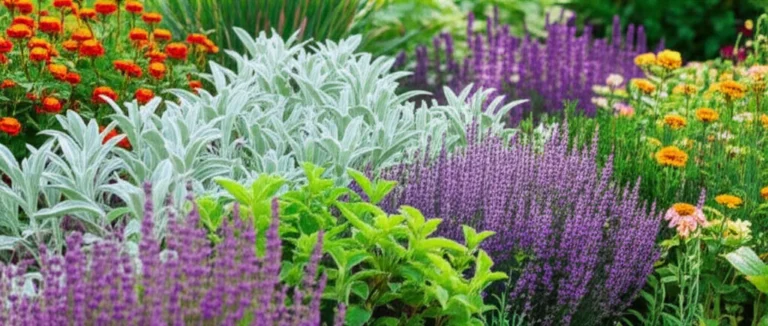
Select plants native to your ecological region, and plan for flowers at different times of year. Early, middle, and late-season bloom can provide more continuous resources than a brief spring flush. Local native-plant societies, extension services, and botanical gardens can help identify appropriate species.
2. Grow a layered mix of trees, shrubs, and groundcover
Where space and site rules allow, use several vegetation layers:
- Small trees or large shrubs for structure and shade.
- Mid-height flowering shrubs and perennials for food and shelter.
- Groundcover and grasses for soil protection and cover.
Layers create more varied habitat than a uniform lawn, but keep sightlines, paths, utilities, and neighboring properties in mind.
3. Choose pollinator-friendly flowers with varied shapes
Different flower forms can serve different pollinators. Choose a mix of colors, shapes, and bloom periods, prioritizing plants suited to local wildlife and soil. Avoid treating “pollinator-friendly” labels as proof that a plant is native or pesticide-free; check the species and source.
4. Connect garden beds with continuous flowering borders
A planted edge can link separate beds and soften bare, paved stretches. Keep the border varied and easy to maintain, and make sure it does not narrow accessible routes or create trip hazards. If the entire border cannot be planted, several small patches are still useful.
5. Add host plants for butterflies and moths
Adult butterflies may visit nectar plants, while caterpillars need suitable host plants. Research which native host plants support species in your region, then expect some leaves to be eaten. That is not a planting failure; it is the point. 🐛
6. Keep a small area wild and undisturbed
A quiet corner with leaf litter, stems, or low vegetation can provide shelter. Mark it clearly so gardeners do not mistake it for neglect, and keep it away from paths, compost, and sensitive neighboring uses. “Wild” still needs a plan.
7. Create safe nesting and overwintering places
Leave suitable stems and leaf litter where safe, and consider locally appropriate nesting habitat. Avoid installing poorly maintained insect hotels that collect moisture or parasites. If you use one, follow reputable guidance and clean or replace it as recommended.
8. Add clean, shallow water for wildlife
Use a shallow dish or basin with stones or textured surfaces that provide safe access and escape. Refresh water frequently, scrub containers, and prevent stagnant water. Water features should be designed to avoid becoming mosquito-breding sites or hazards for children.
9. Leave some bare, pesticide-free soil
Some native bees nest in soil, so a small, sunny, undisturbed patch may help where appropriate. Keep it free of pesticides and digging, and make sure it does not conflict with paths, play areas, or local safety needs. Not every garden’s soil or site will be suitable.
10. Improve soil health with compost and mulch
Use clean, mature compost and mulch appropriate to the plants and local climate. Protect soil from compaction and avoid piling mulch against trunks or plant crowns. If a site may have contaminated soil, test it and follow local public-health guidance before growing food or disturbing the ground.
11. Reduce pesticide use and prevent drift
Start with prevention: choose suitable plants, monitor pests, use physical barriers, and tolerate minor damage when plants remain healthy. If treatment is needed, identify the pest accurately, consider less harmful controls, follow the label, and protect flowering plants and beneficial insects. The EPA’s integrated pest management resources explain prevention-first approaches.
12. Make fences and paths wildlife-friendly
Where permitted and safe, avoid unnecessary barriers or provide suitable openings for target wildlife. Keep paths firm, even, and clearly marked, and prevent plantings from spilling into travel routes. Wildlife permeability should never create an unsafe opening onto a road or compromise site security.
13. Limit nighttime lighting
Use lighting only where needed, aim it downward, and consider timers or motion sensors. Excessive light can alter nighttime conditions for wildlife and people. The International Dark-Sky Association offers practical principles for responsible outdoor lighting.
14. Grow food and habitat in the same space
Combine edible crops with flowering herbs, fruiting shrubs, and habitat borders where they suit the site. Use companion planting as a modest design tool, not a guaranteed pest-control system. Crop rotation, healthy soil, sanitation, and careful monitoring still matter.
15. Link gardens with parks, verges, and home gardens
Invite neighbors to plant compatible habitat patches and coordinate with land managers about public verges or park edges. A linked set of small spaces can be more useful than isolated islands, though effectiveness varies by species and landscape. Seek permission before planting on land you do not manage.
🗺️ Designing Corridors for Different Sites and Species
A corridor is not one-size-fits-all. The right design depends on the size and shape of the site, the wildlife you hope to support, how people use the garden, and what the surrounding landscape offers.
Small lots, rooftops, and container gardens
A small patch can contribute resources, especially when it is part of a wider network. On balconies, rooftops, and compact lots:
- Choose containers large enough for the selected plants and local weather.
- Use regionally appropriate plants that tolerate the available sun and wind.
- Keep water sources shallow and well maintained.
- Add varied bloom times and avoid invasive species.
- Check roof loading, access, drainage, and building rules before installing heavy planters.
A window box may be too small to function as meaningful habitat for some species, but it can still offer flowers and make a neighborhood greener. The National Wildlife Federation’s habitat program recognizes a range of settings, including small spaces.
School gardens, allotments, and shared growing spaces
In schools and shared gardens, design for both habitat and people. Provide clear routes, shade, seating, tool storage, and visible signs explaining why some stems or leaves are left in place. Child-scaled beds and theme gardens can make learning more engaging, while raised beds and vertical structures can improve reach.
The supplied video summary emphasizes inclusive design: “Big is not better. Keep it to a child’s scale,” and “Move to the chore—Don’t bring the chore to you.” Its practical perspective is a reminder to assess users’ abilities, provide manageable tasks, and avoid layouts that require overeaching. For older gardeners and wheelchair users, firm, smooth paths and accessible planting heights can make participation safer and more comfortable. Always tailor specifications to local accessibility standards and the needs of actual garden users.
Supporting bees, butterflies, birds, and beneficial insects
Different species need different resources. A broad plan should include more than flowers:
| Wildlife group | Helpful resources | Garden-planning consideration |
|---|---|---|
| Bees | Nectar, pollen, suitable nesting places, and pesticide-aware management | Needs vary by species; some nest in soil, others in cavities |
| Butterflies and moths | Nectar for adults and host plants for larvae | Choose host plants that match local species |
| Birds | Insects, seeds, berries, water, and cover | Avoid unsafe glass and keep cats from hunting in habitat areas |
| Beneficial insects | Flowering plants, prey, shelter, and overwintering sites | Reduce broad-spectrum pesticide use and retain some undisturbed cover |
The Xerces Society provides pollinator-conservation resources, while Audubon’s native plants guidance helps gardeners explore plants that support birds. Check regional recommendations before buying seed or plants.
Considering wildlife movement and road crossings
Roads and other built barriers can reduce safe movement. A garden planting may offer food or shelter, but it cannot make a hazardous crossing safe by itself. When a proposed corridor meets roads or other infrastructure:
- Consult municipal planning or transportation staff.
- Identify which species the project aims to support.
- Avoid directing animals toward dangerous crossings.
- Consider existing crossings, culverts, fences, and lighting.
- Seek advice from local wildlife or conservation professionals.
The honest answer: corridor value depends on the species, landscape, and actual barriers. Don’t promise a wildlife highway when the garden is one small habitat stop.
🌿 Plant Choices for a Connected, Wildlife-Friendly Garden
Plant selection is where a corridor becomes habitat rather than decoration. Start with local ecology, then work through growing conditions, maintenance, safety, and the garden’s food-growing goals.
Native plants, regional adaptation, and local seed
“Native” is a regional term, not a universal badge. A plant native to one part of a country may be unsuitable or non-native elsewhere. Use regional plant lists from native-plant societies, botanical gardens, extension services, or conservation agencies.
When possible, choose locally appropriate native species and responsibly sourced seed. Ask suppliers where seed was collected, whether plants were treated with systemic insecticides, and whether the species is invasive or restricted in your area.
Year-round blooms and seasonal food sources
Create a seasonal plan that includes:
- Early-season flowers and resources.
- Mid-season flowers with varied shapes and heights.
- Late-season blooms, seeds, or fruits where suitable.
- Host plants for local caterpillars.
- Shelter that remains useful beyond the flowering season.
Bloom calendars vary by climate and year. Use local records and observe what is flowering in your own garden rather than relying on a generic calendar.
Avoiding invasive plants and harmful cultivars
Check plants against local invasive-species lists before planting. Avoid cultivars selected for traits that reduce ecological value when a better-suited species is available, and do not assume a familiar ornamental is harmless simply because it is sold in a nursery.
The U.S. Department of Agriculture’s National Invasive Species Information Center is a useful starting point for U.S. gardeners. Local rules and recommendations may differ.
Sample planting layers and habitat features
| Garden layer | Possible role | Examples to investigate locally |
|---|---|---|
| Trees and large shrubs | Shade, structure, nesting cover, flowers, or fruit | Regionally native species suited to site size and soil |
| Flowering shrubs and perennials | Seasonal nectar, pollen, seeds, and shelter | Native wildflowers, grasses, and locally appropriate shrubs |
| Ground layer | Soil protection, low cover, and seasonal resources | Native groundcovers, grasses, leaf litter |
| Dedicated habitat features | Water, nesting, or overwintering opportunities | Shallow water dish, bare-soil patch, retained stems |
This is a design framework, not a ready-made plant list. Tell us your region, soil, sun, and space, and a local native-plant specialist can recommend species that actually belong in your neighborhood.
🤝 Sharing Space: Access, Safety, and Garden Governance
A biodiversity corridor succeeds only if people can care for it and feel welcome using it. At Community Gardening™, we’ve seen well-intentioned habitat patches fail when maintenance expectations are unclear or paths become blocked. We’ve also seen gardeners embrace habitat areas once signs explained why a little leaf litter was being left alone.
Balancing food production and habitat needs
Agree on where harvest beds, paths, compost, seating, and habitat patches belong. A simple site plan can prevent misunderstandings:
- Mark planting zones and access routes.
- Label areas that should remain undisturbed.
- Set expectations for watering, weding, and seasonal cutting.
- Decide how harvest and habitat priorities will be balanced.
- Review the plan with gardeners before major changes.
Use the Community Garden Policies resources to help establish shared, transparent expectations.
Inclusive design, accessibility, and community stewardship
Ask gardeners what they need rather than guessing. Accessible design may include firm, even paths, clear turning space, reachable beds, seating, shade, readable signs, and tools that suit different strength and mobility levels. The supplied video summary recommends assessing users’ needs, keeping child-oriented projects manageable, and moving closer to the task rather than overeaching. Those principles benefit many gardeners, not only children or seniors.
Safety is part of stewardship, too:
- Schedule strenuous work for cooler parts of the day.
- Encourage water breaks and sun protection.
- Keep tools and hoses out of paths.
- Provide gloves and clear instructions for shared tasks.
- Make sure habitat features do not create trip, allergy, or sanitation risks.
Managing pets, pests, and human-wildlife conflicts
Set practical rules for pets, food waste, wildlife feeding, and pest management. Do not feed wildlife in ways that create dependency, attract rodents, or conflict with local rules. Secure compost and harvest waste, and use barriers or other prevention-first strategies for crop pests.
When conflict arises, identify the cause before acting. A few chewed leaves, for example, may be acceptable; repeated crop loss may call for a net, row cover, or layout change. For wildlife issues, contact local animal-control or conservation authorities rather than improvising harmful deterrents.
📊 Monitoring Biodiversity and Measuring Corridor Success
Monitoring helps distinguish “we planted a lot” from “the garden is providing the resources we intended.” Keep it simple enough that volunteers will repeat it. Consistency is more useful than a complicated survey done once.
Simple wildlife surveys and community science
Choose methods appropriate to your site and participants:
- Repeat pollinator observations from the same spot at similar times and in similar weather.
- Record flowering plants and bloom periods.
- Photograph fixed locations seasonally.
- Note bird observations using a consistent checklist.
- Use established community-science platforms, such as iNaturalist or the Cornell Lab of Ornithology’s eBird.
Follow each project’s identification and data-submission guidance. Observations can be valuable without implying that the garden caused a population change.
Track habitat quality, connectivity, and participation
Measure a few indicators that match your goals:
| Indicator | How to record it | What it can tell you |
|---|---|---|
| Native plant diversity | Annual plant list | Whether plant variety is increasing |
| Seasonal bloom coverage | Monthly bloom notes | Whether resources are available across the season |
| Habitat features | Simple inventory | Whether planned shelter, water, and nesting features are maintained |
| Wildlife observations | Repeat surveys | Which species are using the site and when |
| Neighbor participation | Attendance or volunteer logs | Whether stewardship is shared and sustainable |
| Nearby habitat links | Map updates | Whether surrounding spaces are being added or maintained |
Adapt planting and maintenance using the results
Review results with gardeners at least once each year. If late-season flowers are missing, add suitable plants. If a habitat feature is unused, check its location and condition before removing it. If maintenance is overwhelming volunteers, simplify the plan.
Record changes and why they were made. That small habit helps new stewards understand the garden’s purpose and prevents the annual “Who planted this mystery shrub?” debate. 🌱
🛠️ Seasonal Maintenance and Troubleshooting
Habitat planting still needs care. A useful maintenance plan protects wildlife while keeping the garden safe, productive, and understandable to its members.
A year-round corridor care calendar
| Season | Helpful tasks |
|---|---|
| Early growing season | Check paths and structures, identify plants, prepare beds, and inspect water features |
| Peak growing season | Water as needed, remove invasive plants, monitor pests, and record flowering and wildlife |
| Late growing season | Leave suitable seed heads and stems where safe; collect seed only when appropriate |
| Dormant season | Plan changes, maintain tools, review records, and avoid unnecessary disturbance to overwintering habitat |
Timing varies by region. Follow local guidance on pruning, invasive-plant removal, fire safety, and wildlife nesting seasons.
Common mistakes that weaken habitat connections
- Planting only one or two showy flowering species.
- Choosing plants without checking regional suitability.
- Assuming every insect hotel or bird feeder is beneficial.
- Using broad-spectrum pesticides as a routine response.
- Leting habitat growth block paths or visibility.
- Planting on land without permission.
- Overstating ecological impact without monitoring.
- Creating a habitat patch with no agreed maintenance plan.
Solutions for shade, drought, compacted soil, and limited space
Shade: choose species suited to the actual light level rather than trying to force sun-loving plants into deep shade.
Drought: use locally adapted plants, protect soil with suitable mulch, and water new plantings until established according to local conditions.
Compacted soil: limit foot traffic, use defined paths, add organic matter where appropriate, and test soil before major amendments.
Limited space: prioritize a few high-value features, use containers or vertical structures safely, and coordinate with nearby properties to create a wider network.
Uncertain soil safety: test before growing edible crops or disturbing soil, particularly on former industrial or heavily developed sites. Follow local public-health recommendations.
💰 Funding, Permissions, and Long-Term Stewardship
A corridor plan needs permission, people, and a maintenance commitment—not just plants. Work out who owns or manages each site before proposing planting, water features, signage, or changes to lighting.
Land access, permits, and local regulations
Before starting, check:
- Land ownership and written permission.
- Local rules for planting public verges, parks, sidewalks, and rights-of-way.
- Water-use restrictions and stormwater requirements.
- Invasive-species rules and pesticide regulations.
- Accessibility, fire, and public-safety requirements.
- Utility locations before digging.
Ask municipal departments or land managers early. A quick conversation can prevent the disappointment of removing a newly planted bed because it sits over a utility line.
Grants, donations, and in-kind support
Possible support may include local environmental grants, community foundations, schools, garden clubs, native-plant organizations, and donations of tools, compost, plants, or volunteer time. Match the request to a clear plan: explain the site, intended habitat benefits, community use, maintenance responsibilities, and how progress will be tracked.
Keeping a corridor thriving beyond the first season
Plan for the people who will care for the garden next year. Create a simple handover file with the site map, plant list, maintenance schedule, contact list, permissions, survey records, and decisions made. Spread responsibilities across several volunteers, and keep the design manageable.
The National Wildlife Federation’s Certified Wildlife Habitat® program offers a framework for habitat essentials and native plants, and its program covers settings from small gardens to larger habitat corridors. Certification can recognize a site’s habitat work; the garden should still use regional expertise to decide which species and practices fit locally.